Why Hummingbirds Disappear From California Gardens In June And How To Bring Them Back
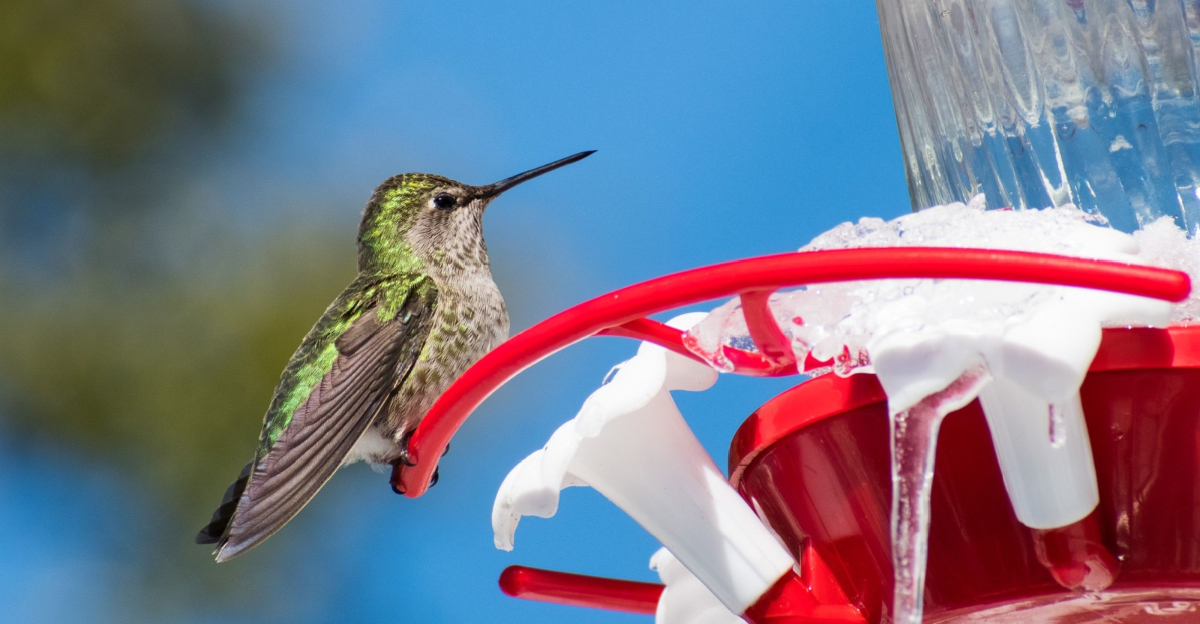
You spent all spring watching hummingbirds zip around your garden like tiny feathered sports cars, and now June arrives and suddenly, where did everybody go?
If your California yard feels noticeably quieter and the feeder is barely getting any action, you are not losing your mind.
Hummingbird behavior genuinely shifts as the season changes, and what worked beautifully in April to keep them coming back does not always cut it once summer gets going.
Warmer temperatures, new food sources, nesting activity, and even a feeder that needs a good clean can all play a role in why visits seem to slow down.
The really good news is that a few simple adjustments to your garden can make a surprisingly big difference.
Hummingbirds are still out there. You just need to give them a reason to stop by more often.
1. June Heat Changes Their Feeding Routine
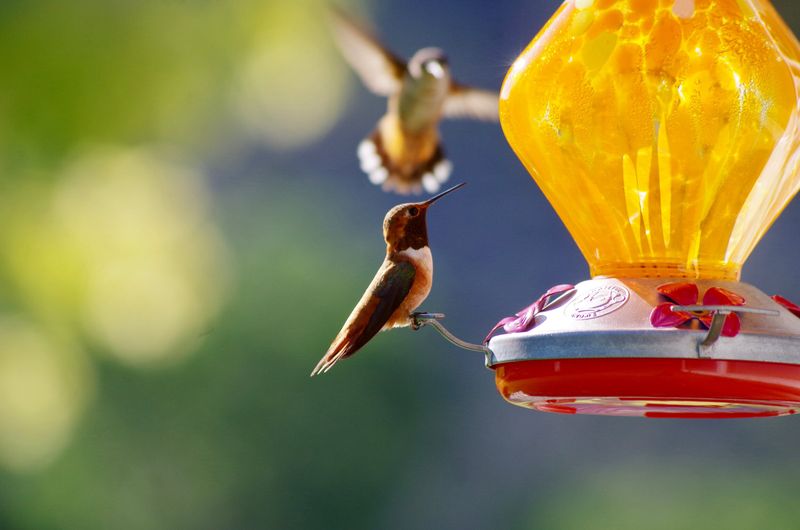
On scorching June mornings in California, hummingbirds tend to feed early, often before most gardeners are even outside with their coffee.
As temperatures climb through the day, these birds seek shade, conserve energy, and feed less frequently than they did during the cooler weeks of spring.
Inland areas of California can reach triple digits in June, which pushes hummingbirds into shaded spots where you may not notice them at all.
Because they are warm-blooded and have incredibly fast metabolisms, hummingbirds burn through energy quickly in hot weather.
To manage this, they often enter a resting state called torpor during the hottest parts of the day, slowing their heart rate and saving energy until temperatures drop.
This behavior is completely normal, but it can look like they have vanished from your garden entirely.
Moving your feeder into a shaded area during June can help. A feeder placed in morning sun but afternoon shade stays cooler, keeps nectar fresher longer, and may attract more visits during the comfortable hours of early morning and late afternoon.
Watching your garden at those cooler times of day often reveals that the hummingbirds were there all along, just on a schedule you had not noticed yet. Adjusting your own timing can make a big difference in how often you actually spot them.
2. Your Garden Has A Nectar Gap
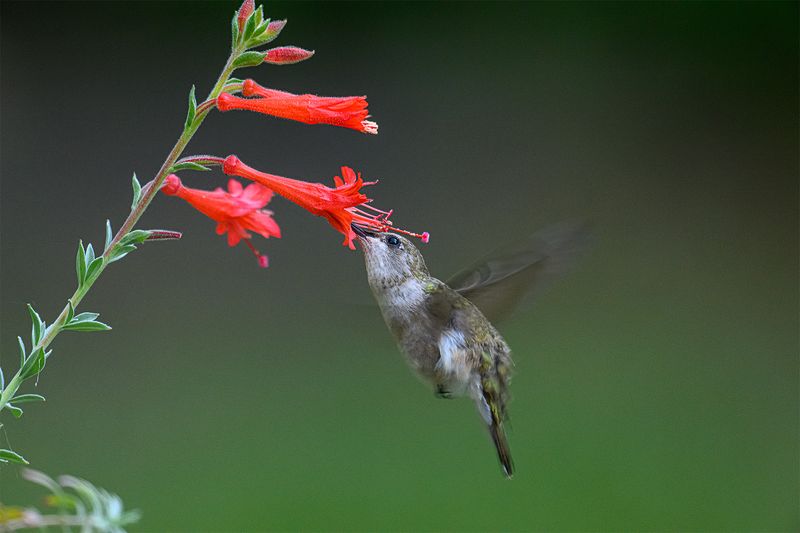
Spring brings an impressive burst of color, and hummingbirds take full advantage of it. Salvias, penstemons, and native wildflowers pump out nectar from February through May, keeping hummingbirds well-fed and frequently visible.
But when those spring bloomers fade and late-summer plants have not yet opened, gardens can hit a real nectar gap that leaves hummingbirds with fewer reasons to stop by.
Many gardeners do not realize this gap exists until they notice how quiet their garden becomes in early June.
The feeder may still be out, but without supporting flowers nearby, the garden simply feels less attractive to hummingbirds that have plenty of natural options elsewhere in the neighborhood or local wildlands.
Filling that gap means choosing plants that bloom specifically in early to midsummer. Agastache, zauschneria, also known as California fuchsia, and hummingbird sage are reliable options that bridge the space between spring and late-summer bloomers.
Your California Garden Changes Every Week. Your Plan Should Too.
Gardening in California changes quickly throughout the season. Every Friday you’ll receive a simple weekly plan showing exactly what to plant, prune, fertilize, harvest, and protect so you never miss the right timing.
Adding even two or three of these plants near your feeder can make a noticeable difference in how often hummingbirds visit your yard in June and July.
Native plant nurseries throughout California often carry these species, and many are drought-tolerant once established, making them a smart addition for water-conscious gardeners who still want to support local wildlife through the dry season.
3. Feeders Need More Cleaning In Hot Weather
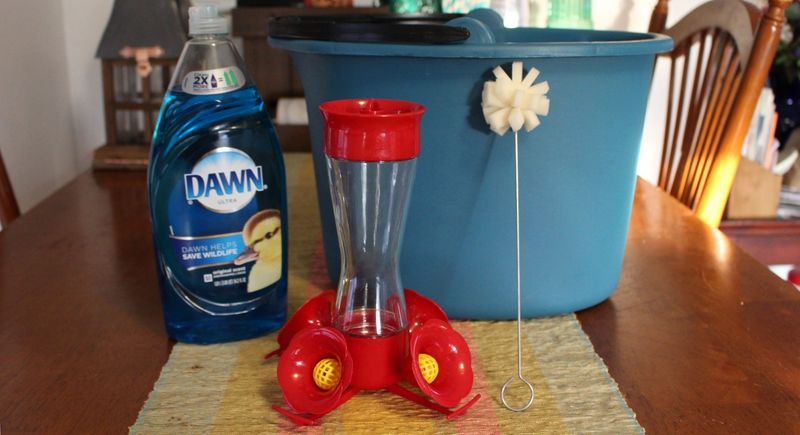
Warm California summers can turn a feeder full of fresh nectar into a cloudy, fermented mess within just a day or two.
Nectar made from sugar and water spoils quickly when temperatures rise above 80 degrees, and hummingbirds are surprisingly good at detecting when something is off.
If your feeder has not been cleaned recently, a hummingbird may visit once, find the nectar unappealing, and simply move on to a better source nearby.
Fermented nectar is not just unattractive to birds. It can actually make them feel unwell, which is reason enough to stay on top of feeder maintenance during the hottest months.
Black mold inside feeder ports and reservoirs is a common problem in California summers and requires thorough scrubbing with a bottle brush and hot water, without soap, to remove completely.
During June, plan to rinse and refill your feeder every two to three days rather than once a week. If you notice the nectar turning cloudy or yellowish before that, clean it sooner.
Hanging the feeder in a shaded spot also slows spoilage significantly. Some gardeners keep two feeders and rotate them so one is always clean and ready to go.
A little extra effort during summer months can be the single most effective thing you do to keep hummingbirds visiting reliably through the season.
4. Ants Or Bees Are Crowding The Feeder
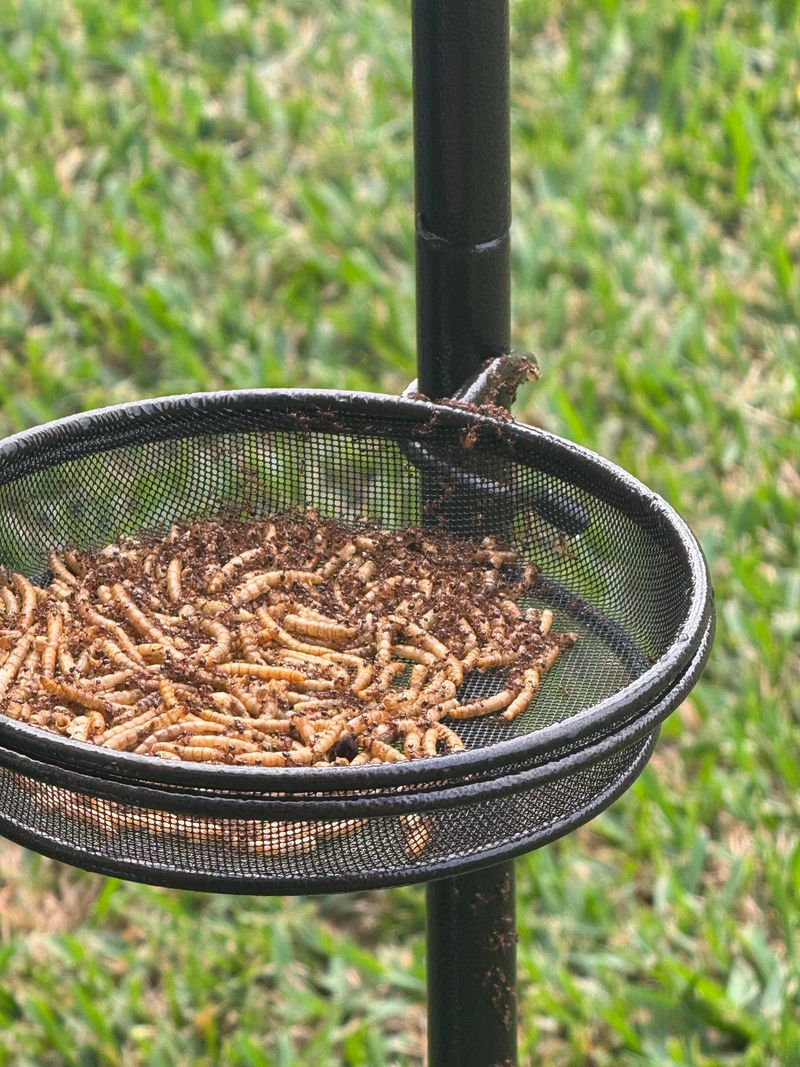
Few things chase a hummingbird away from a feeder faster than a swarm of bees or a trail of ants marching across every feeding port.
Both insects are drawn to the same sweet nectar that hummingbirds love, and in California summers, bee and ant activity tends to increase right alongside the heat.
A feeder that was peaceful in April can become a buzzing, crawling mess by June.
Hummingbirds are not afraid of individual bees, but they tend to avoid feeders where large numbers of bees have taken over. The constant competition makes feeding stressful and inefficient for a bird that needs to eat quickly and move on.
Ants present a similar problem, often forming long lines that contaminate the nectar and make the feeder less appealing overall.
An ant moat, which is a small cup that hangs above the feeder and is filled with water, creates a barrier ants cannot cross without getting wet. Many feeders sold in California garden centers already include a built-in moat, or you can buy one separately.
For bees, choosing a feeder with recessed feeding ports rather than exposed ones can reduce bee access significantly. Avoid feeders with yellow flower-shaped ports since bees are particularly attracted to yellow.
Keeping nectar inside the ports rather than dripping outside also helps reduce the sweet smell that draws insects in the first place.
5. Pesticides Reduce The Insects They Need
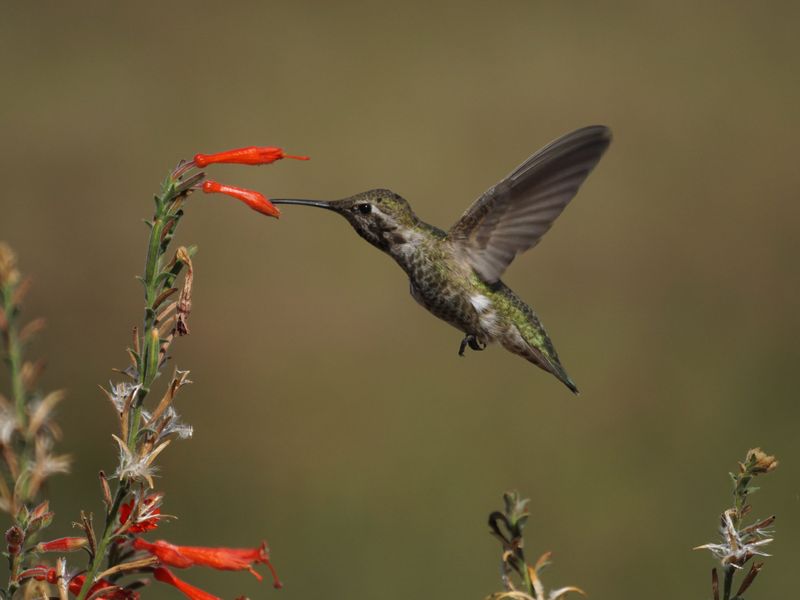
Most people think of hummingbirds as nectar feeders, and while nectar is their main fuel source, tiny insects make up a surprisingly important part of their diet.
Gnats, aphids, fruit flies, and small spiders provide protein that hummingbirds need, especially during nesting season when adults are feeding developing chicks.
A garden where pesticides are used regularly may look healthy on the surface but offer very little of the insect life that makes it truly useful to hummingbirds.
California gardeners who spray for pests during spring and early summer may inadvertently reduce the food supply that keeps hummingbirds returning.
Broad-spectrum pesticides do not distinguish between harmful pests and the small beneficial insects that hummingbirds hunt near flower blossoms, leaf surfaces, and spider webs.
Over time, a garden with low insect diversity becomes less attractive to wildlife that depends on more than just nectar.
Switching to targeted pest management approaches, such as removing pests by hand, using water sprays, or introducing beneficial insects, can help bring insect populations back to a healthier level.
Tolerating a small amount of aphid activity on certain plants may feel uncomfortable, but those aphids often become food for hummingbirds and other beneficial visitors.
California’s dry-season gardens can still support a lively insect community with thoughtful plant choices and reduced chemical use, making the space more welcoming for hummingbirds from June through fall.
6. Moving Water May Be Missing Nearby
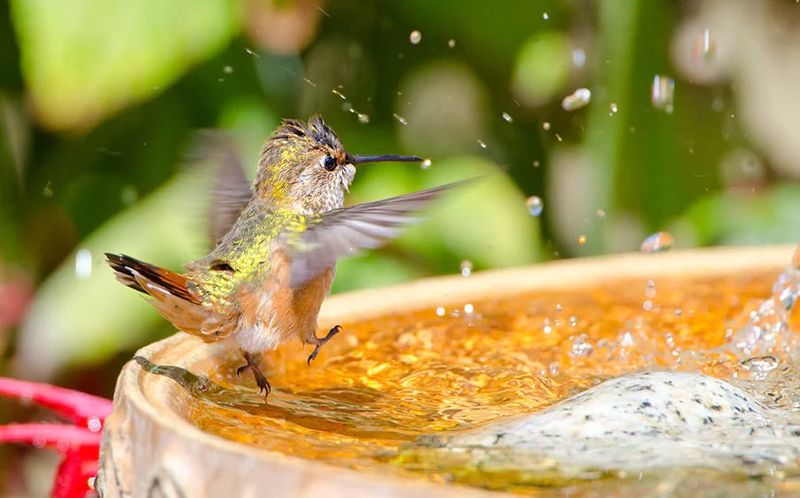
Water is something hummingbirds seek out more actively during California’s hot, dry summer months, and a garden without a reliable water source may simply feel incomplete to them.
Unlike larger birds that bathe in birdbaths, hummingbirds prefer to fly through very fine mist or perch near drippers where they can flutter their wings in shallow moving water.
A standard birdbath filled with still water is rarely appealing to them.
The sound and movement of water can actually attract hummingbirds from a distance.
In California gardens where June heat dries things out quickly, a small solar-powered dripper or mister can become a genuine draw for hummingbirds looking for a place to cool down and clean their feathers.
Even a gentle drip onto a flat rock or wide leaf creates the kind of shallow, moving water they tend to prefer.
Setting up a mister near a dense shrub or tree gives hummingbirds a place to retreat after bathing, which makes the whole setup more appealing.
Many gardeners report increased hummingbird activity almost immediately after adding a mister or dripper to their yard.
Placing it near your feeder or favorite nectar plants creates a small hub of activity that can turn your garden into a reliable stop for hummingbirds throughout the warmest months. Water does not need to be elaborate to be effective, just consistent and clean.
7. Nesting Changes Where They Spend Time
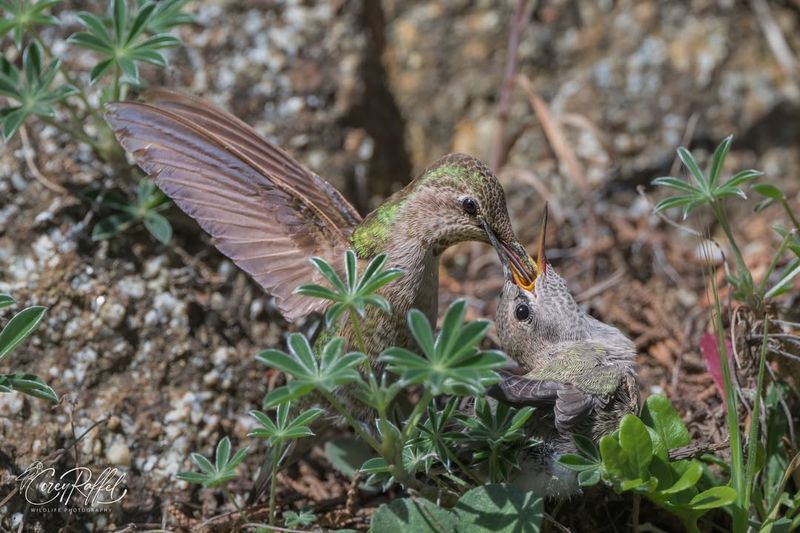
June is a significant month for hummingbird nesting in California, and it explains a lot about why female hummingbirds seem to disappear during this time.
Female Anna’s hummingbirds, which are among the most common year-round residents in California gardens, may be incubating eggs or raising chicks in a tiny nest tucked into a nearby tree, shrub, or even a hanging plant.
During this period, they make fewer visible trips to feeders and flowers.
The nest itself is a remarkable structure, roughly the size of a large walnut shell, built from plant fibers and held together with spider silk. It is designed to expand as the chicks grow, and the female tends to it almost entirely on her own.
She may be feeding just a short distance from your garden without you ever realizing it, slipping in and out of your yard quickly and quietly rather than hovering at the feeder for long stretches.
Understanding nesting behavior can shift how you interpret June garden quietness. Rather than assuming hummingbirds have left, consider that your garden may actually be part of a female’s feeding territory during one of the most demanding phases of her year.
Keeping a feeder clean and reliable during June supports nesting females who need frequent, efficient fuel stops. Dense native shrubs, small trees, and sheltered garden spots may even host a nest you have not yet spotted.
8. Summer Plants Need More Hummingbird-Friendly Blooms
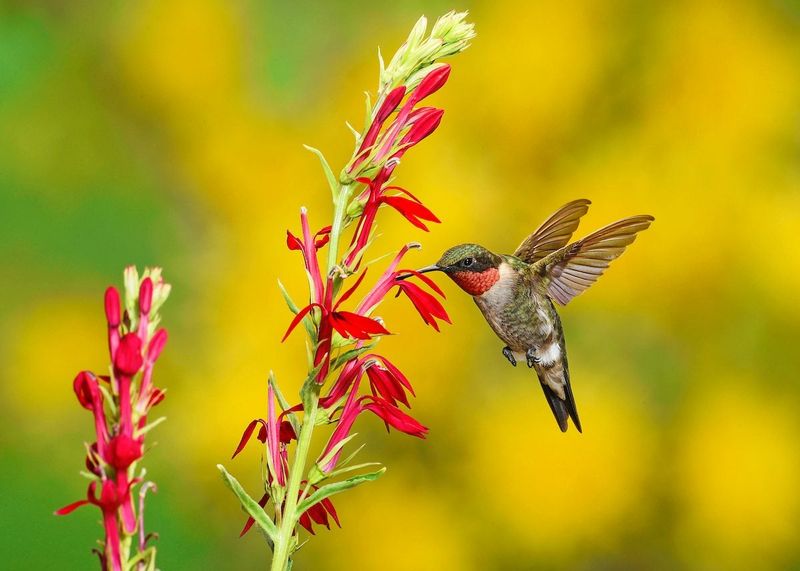
Walking through a California garden in late June and finding mostly dried stems and bare soil where spring flowers once bloomed is a familiar experience for many homeowners.
That visual shift mirrors exactly what hummingbirds encounter when they look for nectar sources, and it often explains why visits drop off right around the same time.
Without reliable blooms, even the most enthusiastic hummingbird has little reason to linger.
The solution is straightforward but requires a bit of planning. Selecting California-friendly plants that bloom specifically during summer fills the gap that spring bloomers leave behind.
Zauschneria californica, commonly called California fuchsia, blooms in vivid orange-red from summer into fall and is one of the most dependable hummingbird plants in the state.
Agastache, hummingbird sage, monardella, and certain salvia varieties also provide nectar during the months when most gardens go quiet.
Layering plants so that something is always in bloom creates a more consistent food supply and gives hummingbirds a reason to visit regularly rather than occasionally.
Many of these summer bloomers are also drought-tolerant, which suits California’s dry-season watering restrictions well.
Planting them near your feeder creates a combination of natural and supplemental nectar that makes your garden stand out as a dependable stop.
Even a few well-chosen pots on a patio can make a real difference in how often hummingbirds show up during the warmest months of summer.