Why Idaho Sprinklers Deliver Too Much Water In September
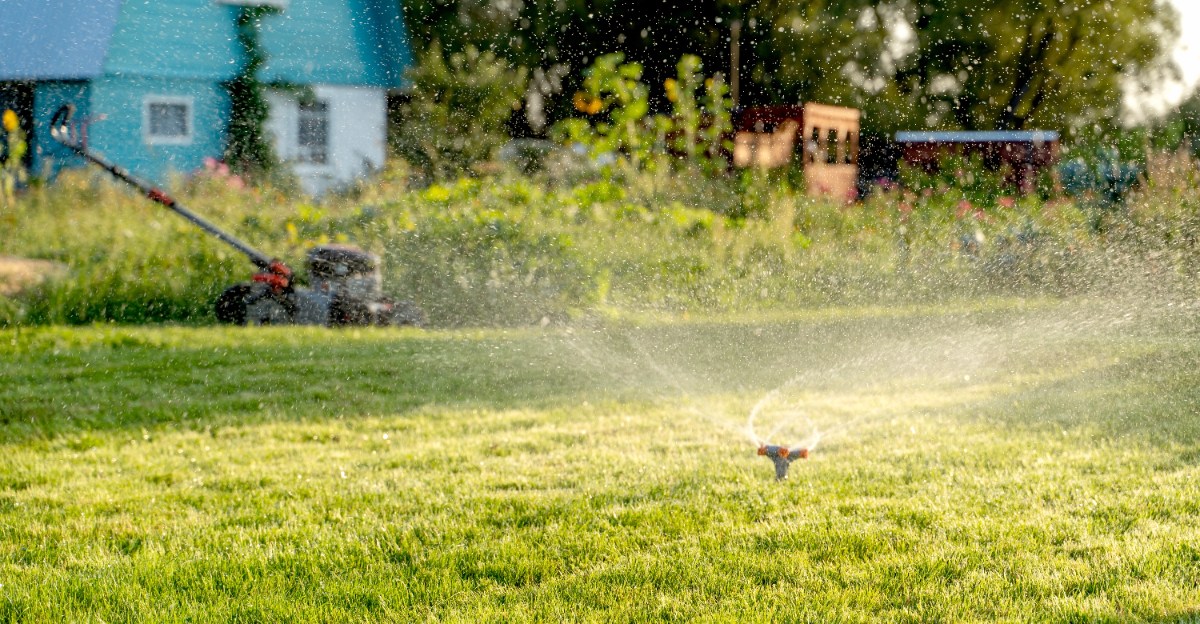
Something shifts in an Idaho yard once the calendar flips past Labor Day. The air cools at night, shadows stretch longer, and the grass stops growing like it did in July.
Yet out in the dark, the same timer clicks on at the same hour. It runs the same minutes it ran during that brutal stretch of 100-degree afternoons.
The result is a lawn that squishes underfoot, water pooling near the sidewalk, and a utility bill that refuses to shrink. Many homeowners rarely notice, because the sprinklers do their job quietly at 4 a.m.
There is a simple reason behind all that extra water, and an easy fix that takes about ten minutes. Let’s walk through what actually changes in September and what your yard needs instead.
The Summer Schedule That Outstays Its Welcome
Back in early June, you programmed that controller with real care. Three days a week, twenty minutes a zone, maybe a little extra for the sunny strip by the driveway.
Then life happened. Vacations, school starting, football season, and the box on the garage wall faded into the background like a light switch nobody thinks about.
Here is the catch. Your controller has no idea what month it is or what the weather did last night. It follows the instructions you gave it in the heat of summer, and it follows them faithfully into fall.
Meanwhile, the yard’s needs have quietly dropped by roughly a third or more. Grass in Boise, Twin Falls, or Coeur d’Alene uses far less water in September than it did during that hot stretch in late July.
The gap between what the timer delivers and what the lawn actually drinks is where trouble begins. Extra water sinks past the root zone, carrying fertilizer with it, and leaves the surface soggy for hours.
Soggy surfaces invite problems. Fungus gets comfortable, shallow roots get lazy, and moss starts creeping into shady corners near the fence.
The fix costs nothing. Walk out to the controller, find the seasonal adjust or water budget button, and dial it down to around 60 or 70 percent.
One small change on one autumn afternoon can save thousands of gallons before the system gets blown out for winter.
Cooler Nights Change How Fast Water Disappears

Picture a wet towel on a clothesline in August. Blazing sun, dry wind, and it stiffens up within an hour.
Now hang that same towel out on a September evening in Idaho. Cooler air, weaker sun, longer nights, and it stays damp until well past breakfast.
Your lawn behaves the same way. Scientists call the process evapotranspiration, which simply means the combined water lost from soil surface and plant leaves.
Across southern Idaho, turf might use around a quarter inch of water per day during peak July heat. By mid-September that number often falls closer to a tenth of an inch, sometimes less.
Three things drive the drop. The sun sits lower in the sky, daylight hours shrink by several minutes each day, and overnight temperatures in the Treasure Valley regularly dip into the forties.
Your Idaho Garden Changes Every Week. Your Plan Should Too.
Gardening in Idaho changes quickly throughout the season. Every Friday you’ll receive a simple weekly plan showing exactly what to plant, prune, fertilize, harvest, and protect so you never miss the right timing.
Morning dew adds another layer. That silver sheen on the blades at sunrise is free moisture your sprinklers do not need to duplicate.
When you keep applying July amounts to September conditions, the soil rarely gets a chance to breathe. Roots need air pockets as much as they need moisture, and constant saturation squeezes those pockets shut.
A cheap rain gauge or even a straight-sided tuna can placed on the lawn tells the honest story. Run a cycle, measure what lands, and compare it against what the season actually asks for.
Match the supply to the slower demand, and the grass repays you with deeper roots.
Autumn Rain Sneaks In While You Sleep

There is a particular kind of frustration in watching sprinklers spin during a rainstorm. Neighbors notice, drivers slow down, and somebody inevitably takes a photo.
September marks the turn in Idaho’s weather pattern. After a bone-dry July and August, moisture starts drifting back in from the Pacific, and Boise typically picks up a little over half an inch during the month.
Northern Idaho gets considerably more. Coeur d’Alene and Sandpoint often see close to an inch once the fall systems begin rolling through the panhandle.
Half an inch of rain sounds small, but it covers several days of September lawn demand. When your controller adds a full irrigation cycle on top of that, the soil ends up holding far more than the roots can use.
A rain sensor solves the problem for about twenty dollars. The little device mounts on a gutter or fence post, absorbs moisture, swells slightly, and interrupts the signal to your valves until it dries back out.
Smart controllers take it further by pulling local forecast data and skipping cycles automatically. Some Idaho water providers even offer rebates that cover part of the cost.
If gadgets are not your thing, the manual approach works fine. Check the forecast on Sunday evening and press the rain delay button when showers are on the way. Two minutes of attention keeps your system from arguing with the sky.
Heavy Soil Holds On Longer Than You Think
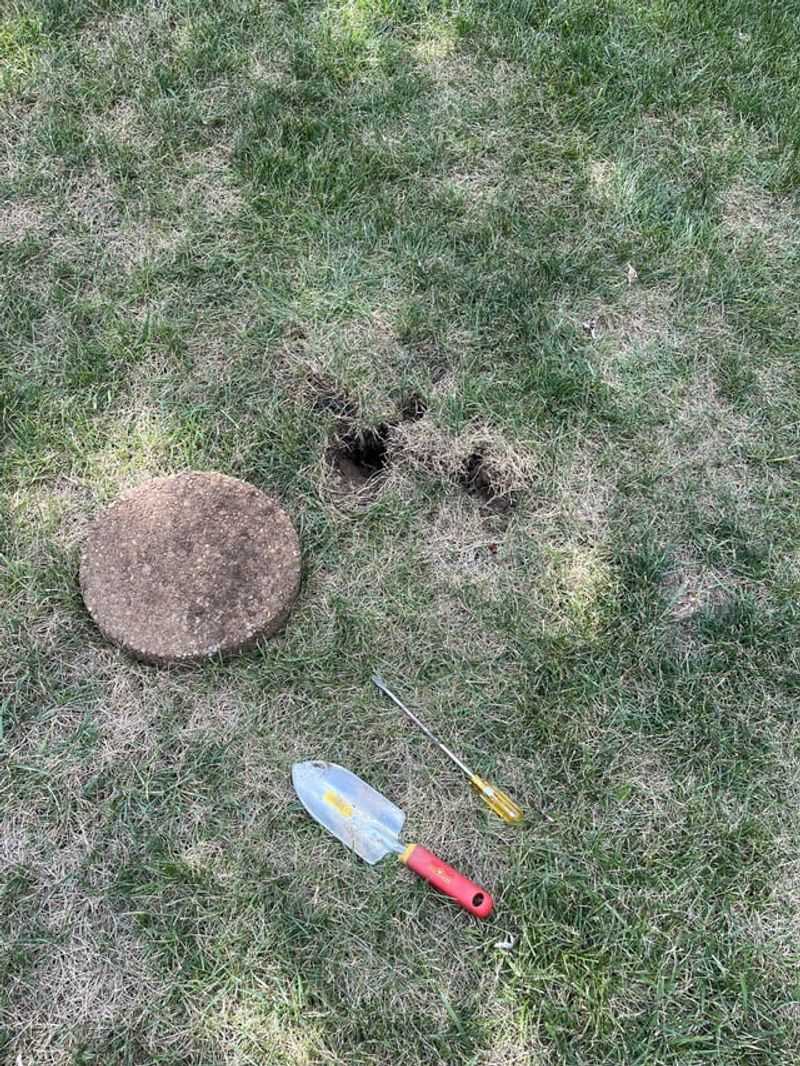
Dig a small plug out of a typical Treasure Valley yard and you will likely find silt loam or clay loam. Fine particles, tight structure, and a real talent for hanging onto moisture.
That trait is a gift in July. The same trait becomes a liability once cooler weather slows evaporation to a crawl.
Sandy soils drain quickly and dry out within a day or two. Heavier Idaho soils can stay damp four, five, even six days after a good soaking in September.
The screwdriver test settles the question in seconds. Push a long screwdriver into the lawn, and if it slides in six inches without much effort, there is plenty of moisture already down there.
Homeowners often water on autopilot every other day out of habit. With heavy soil in autumn, stretching to once every five or six days usually serves the grass better.
Deeper, less frequent soakings train roots to chase moisture downward. Frequent light sprinklings do the opposite, keeping roots parked in the top inch where they are vulnerable to stress.
Watch for the warning signs of saturation. Footprints that fill with water, a spongy feel underfoot, a sour smell near low spots, and mushrooms popping up along the north side of the house.
Compacted areas make it worse because water cannot move down. A fall aeration pass opens things up and lets both air and moisture reach the root zone properly.
The Real Cost Of Soggy September Turf

Overwatered grass and thirsty grass can look surprisingly similar from the porch. Both turn a pale, washed-out shade of yellowish green.
The difference shows up underfoot. Thirsty turf crunches, while waterlogged turf gives way with a soft squelch.
Roots lose access to oxygen when soil stays saturated too long. Without oxygen they stop growing, shorten up, and lose the ability to pull nutrients from deeper layers.
Fungal issues love the combination of warm days, cool nights, and constant moisture. Necrotic ring spot, dollar spot, and various patch diseases show up in Idaho lawns most often during exactly these conditions.
Weeds join the party too. Nutsedge, annual bluegrass, and creeping charlie all thrive where drainage is poor and the surface rarely fully dries.
Your wallet feels it as well. A single overwatering zone running fifteen extra minutes three times a week can waste several thousand gallons over the course of the month.
Nutrients disappear along with the water. Nitrogen you applied in late summer washes below the root zone, meaning you paid for fertilizer the grass didn’t get to use.
There is a structural cost too. Persistent moisture against foundations, walkways, and fence posts leads to settling, cracking, and deterioration.
Back off the watering, let the surface dry between cycles, and most lawns firm up and green back up within two or three weeks.
Dialing In A Smarter Fall Watering Plan
Ready for the practical part? Grab a notepad and give yourself half an hour on a Saturday morning.
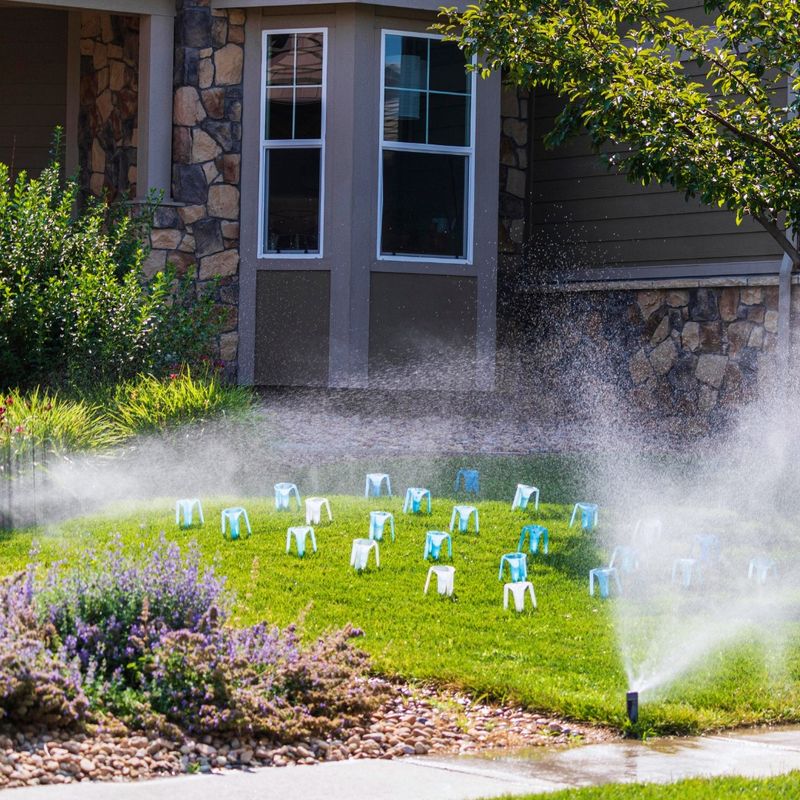
Start with a catch-can test. Set six straight-sided containers around one zone, run it for fifteen minutes, then measure the depth in each and average the numbers.
That figure tells you exactly how long the zone needs to run to deliver a specific amount. Most Idaho lawns in September do well with about three quarters of an inch to one inch total per week, including rainfall.
Cut frequency before you cut runtime. Going from three days a week down to two, then eventually one by early October, encourages sturdier roots than trimming a few minutes off every cycle.
Split long runs into shorter cycles with soak time in between. Two ten-minute passes separated by an hour lets heavy soil absorb water instead of shedding it toward the curb.
Water in the pre-dawn hours, ideally finishing around sunrise. Blades dry quickly afterward, which discourages the fungal issues that love overnight dampness.
Walk each zone while it runs and look for tilted heads, clogged nozzles, and spray hitting the driveway. Small corrections here often save more water than schedule changes do.
Mark your calendar for the winterization blowout, usually mid to late October across most of Idaho. Between now and then, taper gradually rather than shutting everything off at once. Your grass, your soil, and your bill will all thank you.