The Spring Drainage Fix That Works Without French Drains In Ohio
One good Ohio rain and suddenly your yard starts acting like a sponge that forgot when to stop. Puddles linger, soil feels heavy underfoot, and that fresh spring momentum takes a hit fast.
It can make you wonder how something so simple turns into such a stubborn mess overnight. Tearing everything up does not exactly sound appealing either, especially when the season is just getting started.
There is a smarter way to deal with it, and it might not be what most people expect. Gardeners across Ohio have been catching on to a fix that feels almost too easy for the results it brings.
Once you hear about it, you will start looking at your yard a little differently after every rainfall. Stick with me, because this is one of those small shifts that can make a big difference.
1. Spring Water Pooling In Ohio Yards Comes From Slow Soil Drainage
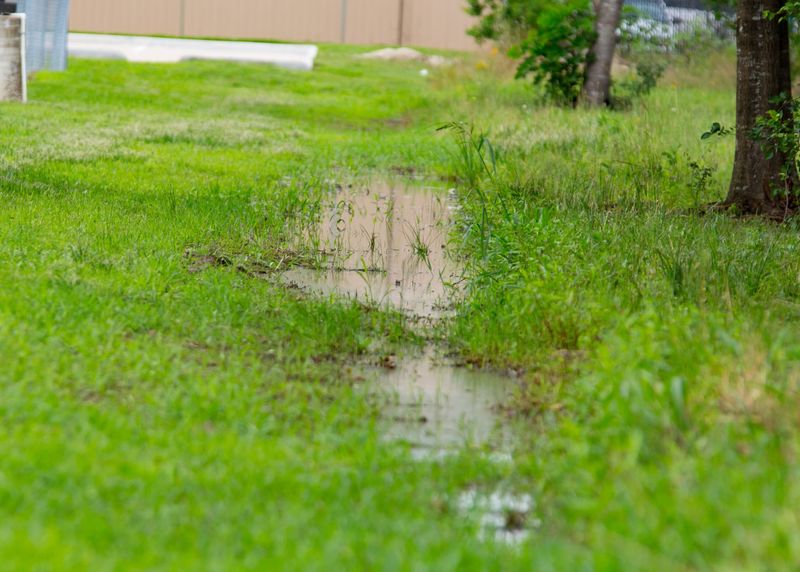
Ohio yards take a beating every spring, and the culprit is almost always the same: dense clay soil that simply cannot absorb water fast enough. Unlike sandy or loamy soils found in other parts of the country, Ohio clay holds water like a sponge that is already full.
When spring rains hit repeatedly, the water has nowhere to go and just sits on top of the ground.
Clay soil is made up of extremely fine particles packed tightly together, leaving very little pore space for water to move through.
Ohio State University Extension has noted that clay soils can have infiltration rates as slow as 0.05 inches per hour, compared to several inches per hour in sandier soils.
That means even a modest rainstorm can overwhelm your yard quickly.
Freeze-thaw cycles make things even worse. All winter long, Ohio soil repeatedly freezes and thaws, which compacts the soil further and breaks down whatever structure it had.
By the time spring arrives, the ground near the surface is often denser than it was the previous fall, reducing water movement even more.
Compaction from foot traffic, lawn equipment, and heavy snowfall adds another layer of difficulty. Water cannot penetrate a compacted surface layer, so it spreads horizontally and collects in the lowest spots of your yard.
Recognizing this pattern is the first step toward fixing it.
Understanding why the water pools tells you exactly where and how to act. Surface drainage solutions work best when they account for these soil realities rather than fight against them.
Working with Ohio clay, instead of ignoring it, is what makes the difference between a fix that lasts and one that fails by June.
2. A Simple Surface Solution Works Without Trenches Or Pipes
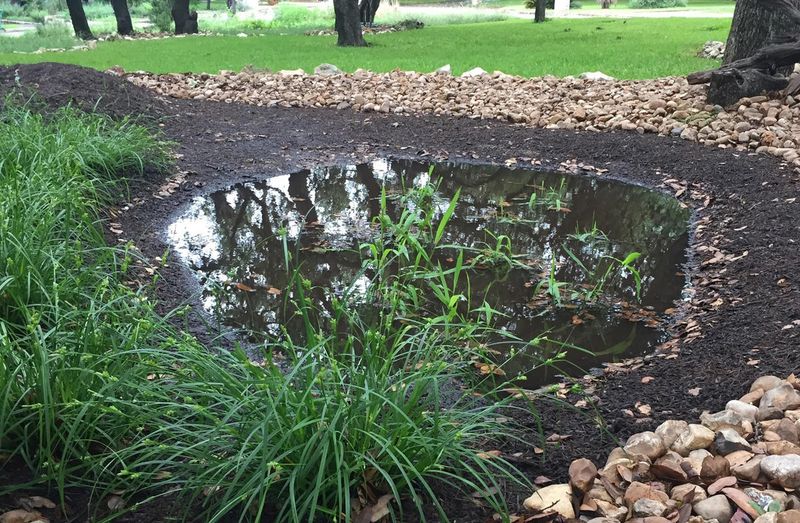
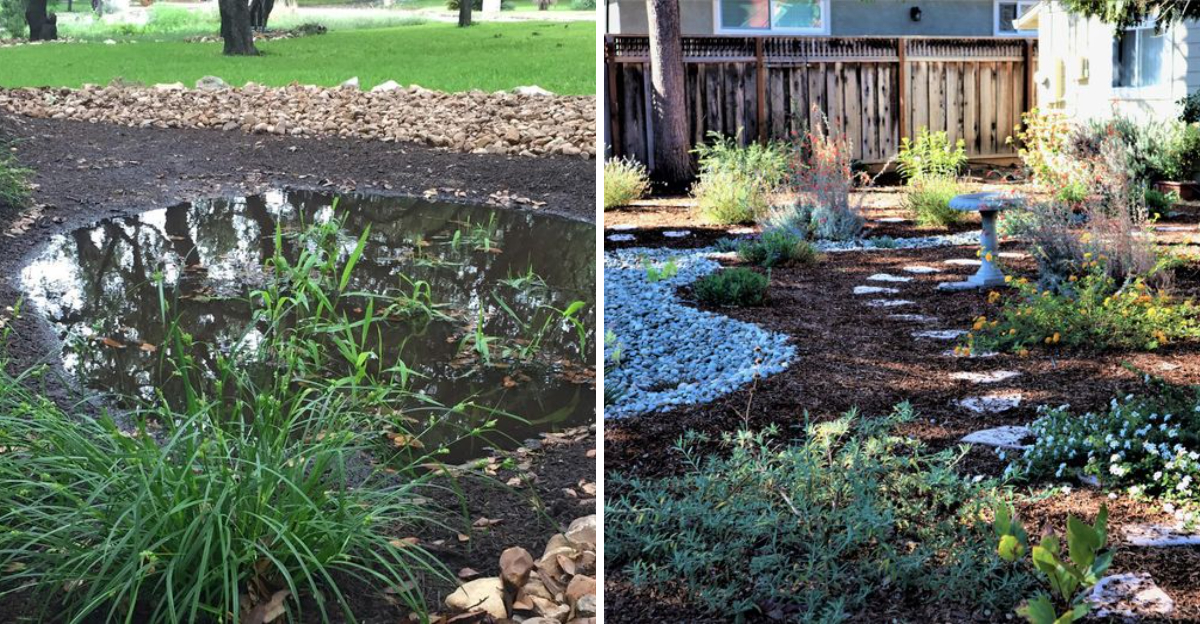
Forget the trenchers, the perforated pipes, and the gravel-filled ditches. A shallow surface basin, sometimes called a rain garden or infiltration area, is one of the most effective and affordable drainage fixes available to Ohio homeowners.
It works by creating a low, gently sloped area where excess water can collect, slow down, and gradually soak into the soil below.
Your Ohio Garden Changes Every Week. Your Plan Should Too.
Gardening in Ohio changes quickly throughout the season. Every Friday you’ll receive a simple weekly plan showing exactly what to plant, prune, fertilize, harvest, and protect so you never miss the right timing.
The concept is straightforward. Instead of trying to force water underground through a pipe system, you give it a dedicated surface space to rest and absorb naturally.
The basin is typically six to twelve inches deep, shaped like a wide, shallow bowl, and positioned to intercept water before it pools near your home or floods your lawn.
Ohio State University Extension has promoted this approach as a practical stormwater management tool for residential properties.
What makes this method particularly well-suited to Ohio is that it does not require perfect soil. Even clay-heavy yards benefit because the basin slows the water long enough for some infiltration to occur, reducing the total volume sitting on your yard.
Over time, as organic matter builds up and plant roots develop, the soil inside the basin improves and absorbs water faster.
Installation costs are minimal compared to a French drain system. Most homeowners need only basic tools, a bit of physical effort, and a clear understanding of where water naturally flows on their property.
No permits are typically required for small residential basins, though checking with your local municipality is always a smart move before starting any grading project.
This is a real, proven solution that fits Ohio conditions without requiring a contractor or a large budget.
3. Shallow Basins Redirect And Absorb Excess Water Naturally
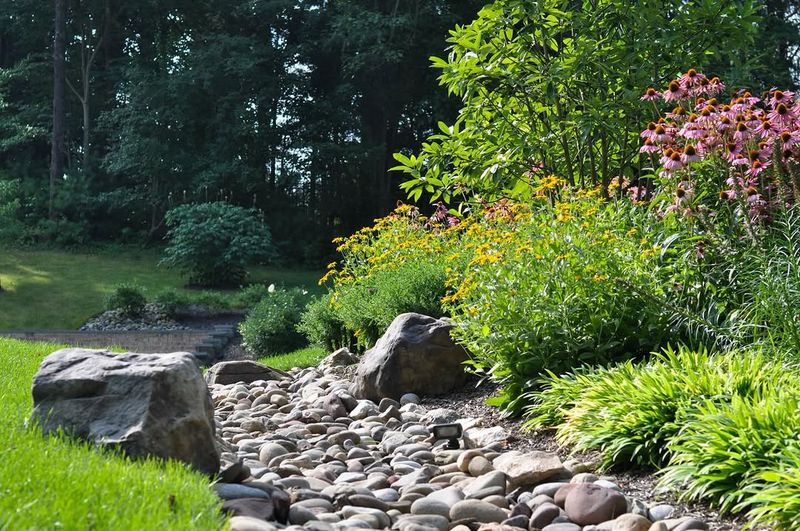
A shallow basin works because it interrupts the natural path water takes across your yard and gives it a better place to go. When rain falls and the soil surface cannot absorb it fast enough, water flows downhill along the ground until it hits a low spot.
Without a planned drainage area, that low spot is often your foundation, your patio, or the middle of your lawn.
By intentionally creating a basin in a strategic location, you redirect that flow before it becomes a problem. Water enters the basin, slows down, and begins to infiltrate the soil from the bottom up.
The wide, flat bottom of the basin maximizes the surface area in contact with the soil, which improves the rate of absorption even in clay-heavy ground.
Mulch added to the basin plays an important role. A two to three inch layer of shredded wood mulch helps keep the basin floor from compacting under the weight of incoming water.
It also feeds soil microbes over time, which gradually improve soil structure and drainage capacity. Ohio State University Extension recommends mulching as a standard practice in rain garden installations across the state.
The basin is not designed to hold water permanently. A properly sized and placed basin should drain within 24 to 48 hours after a rain event.
If water sits longer than that, it may signal that the basin needs to be made wider, the soil needs amendment, or the placement needs adjustment. Monitoring the basin after the first few rain events helps you fine-tune the system before plants are established.
Natural water movement, redirected with purpose, is a powerful and low-cost drainage strategy.
4. Heavy Clay Soil Holds Water Longer Than Expected
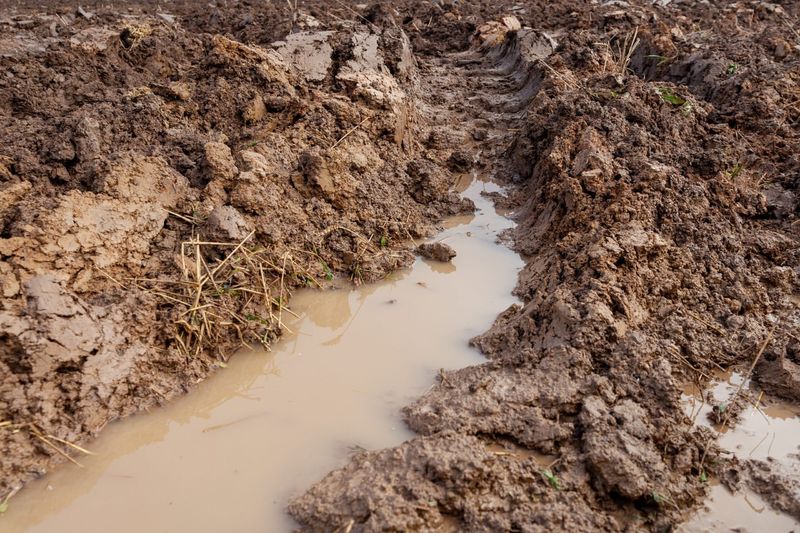
Clay soil in Ohio is notoriously stubborn, and spring is when that stubbornness becomes most visible. After months of freeze-thaw cycles, the soil particles have packed together tightly, leaving almost no room for water to move downward.
When spring rains arrive in force, the result is predictable: water sits on top of the ground for days, sometimes longer, even after the rain has stopped.
Many homeowners assume that if they just wait long enough, the water will eventually drain on its own. That is partially true, but in heavy clay areas, it can take far longer than expected.
Ohio clay soils in some regions have been documented to drain as slowly as half an inch per day under saturated conditions. A yard holding several inches of water after a major spring storm could stay wet for a week or more without intervention.
Traditional drainage fixes like French drains are often recommended for clay soils, but they come with a significant limitation. Clay can clog the gravel and filter fabric surrounding a perforated pipe over time, reducing the system’s effectiveness within just a few years.
That means expensive installation followed by gradual failure, which is frustrating and wasteful.
Surface-level solutions work more reliably in clay because they do not depend on fast underground infiltration. Instead, they manage the water at ground level, directing it away from problem areas while allowing slow absorption to occur naturally.
Realistic expectations matter here. A surface basin will not drain your yard instantly, but it will prevent the worst pooling and protect your foundation and lawn from prolonged saturation.
Patience combined with smart placement makes clay soil manageable rather than a constant source of stress.
5. Placement Determines How Well The System Works
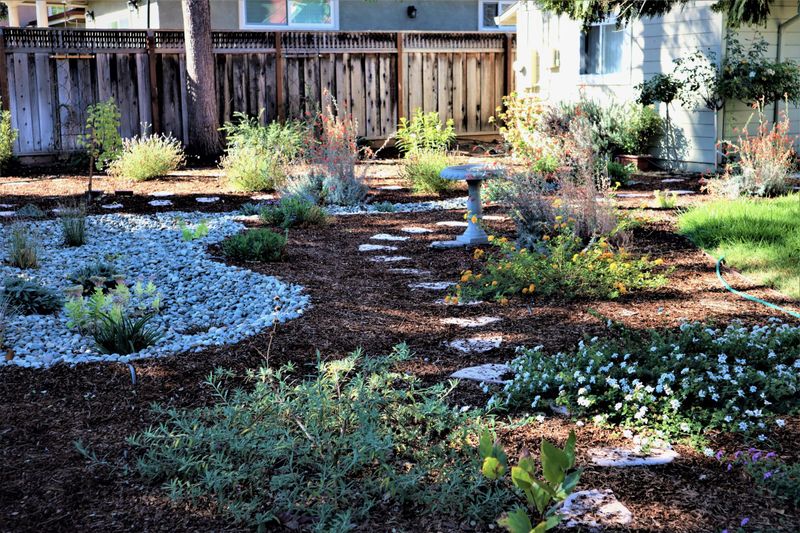
Getting the location right is the single most important decision you will make when building a surface drainage basin. Put it in the wrong spot and it will either fill too quickly, overflow toward your foundation, or simply miss the water flow altogether.
Spend time observing your yard during and after a rain event before you pick up a shovel.
The best placement is in a natural low area where water already tends to collect, but far enough from your home to prevent any risk of water migrating toward the foundation.
Ohio State University Extension guidelines suggest keeping rain gardens and infiltration basins at least ten feet from any foundation wall, and further if your yard slopes toward the house.
Twelve to fifteen feet is a safer buffer in most Ohio residential settings.
Avoid placing the basin in areas with underground utilities, tree roots, or existing drainage infrastructure. Call 811 before you dig to have utilities marked, which is both a legal requirement and a practical safety step in Ohio.
Also avoid spots directly under large tree canopies where root competition will limit plant establishment in the basin.
Pay attention to how water enters the yard. If most of your runoff comes from a downspout, a neighbor’s property, or a sloped driveway, position the basin to intercept that specific flow path.
A small earthen berm or a shallow swale can help guide water toward the basin entrance if the natural slope is not perfectly aligned.
Soil type matters for placement too. Avoid areas where soil is already severely compacted or where bedrock is close to the surface.
A simple percolation test, pouring water into a small test hole and timing how long it takes to drain, gives you a realistic read on infiltration before you commit to a location.
6. Native Plants Help Pull Moisture Out Of The Soil
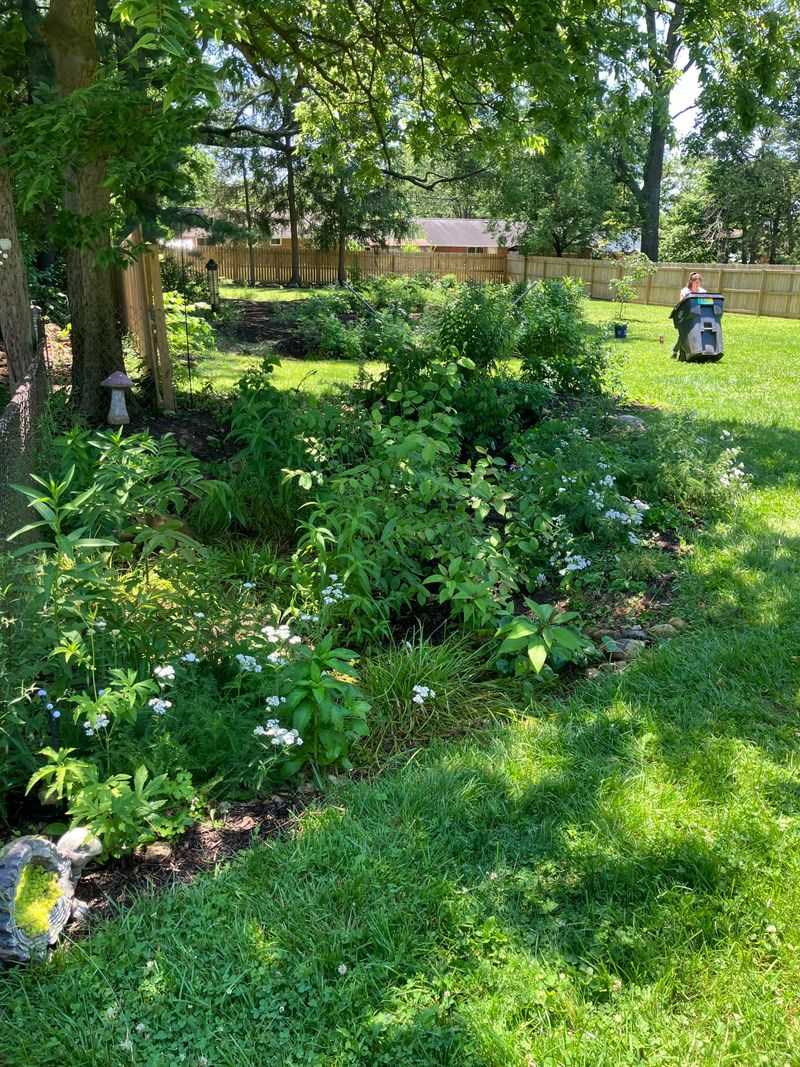
One of the most underrated advantages of a surface drainage basin is what you can grow inside it. Native Ohio plants have evolved over thousands of years to handle exactly the kind of wet-dry cycles that spring brings to this region.
Their deep, fibrous root systems reach far below the surface, pulling moisture upward and creating channels through which future rainfall can move more easily.
Blue flag iris is a standout choice for wet Ohio basins. It thrives in consistently moist to occasionally flooded conditions and produces beautiful purple blooms in late spring.
Swamp milkweed is another excellent option, offering both moisture management and important habitat for monarch butterflies. Cardinal flower adds vivid red color while handling saturated soil with ease.
For the outer edges of the basin where conditions are slightly drier, switchgrass and wild bergamot are reliable performers. Both are native to Ohio, non-invasive, and low-maintenance once established.
The Ohio Native Plant Society and Ohio State University Extension both offer plant lists specifically designed for wet landscape areas, making it easy to find appropriate species for your region of the state.
Avoid non-native plants marketed as water-tolerant, particularly purple loosestrife, which is considered invasive in Ohio and can spread aggressively into wetlands and natural areas.
Stick with species that are actually native to Ohio rather than broadly native to the Midwest or Eastern United States, as local ecotypes tend to establish faster and perform better under local conditions.
Once established, a planted basin requires very little maintenance and continues improving soil structure season after season as roots grow deeper and organic matter accumulates at the surface.
7. Common Drainage Fixes That Often Make The Problem Worse
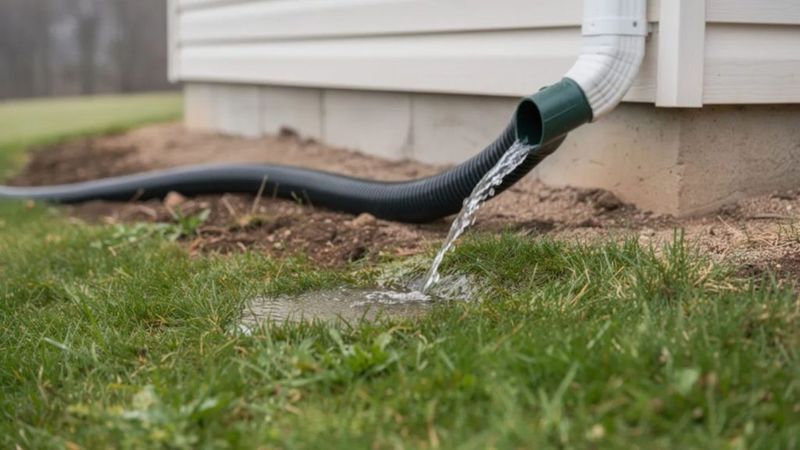
Not every drainage fix sold at a hardware store or recommended by a neighbor actually works, and some actively make spring drainage worse in Ohio yards.
Knowing what to avoid saves you money, time, and a lot of frustration before you commit to a solution that backfires.
Shallow trenches dug by hand and filled with gravel are a popular DIY attempt, but they rarely solve the problem in clay-heavy soil. Without a proper outlet or enough depth to reach better-draining soil layers, these trenches simply fill with water and become saturated themselves.
They can also redirect water in unexpected directions, sometimes sending it closer to your foundation rather than away from it.
Improper grading is another frequent mistake. Some homeowners add fill dirt around their foundation to raise the grade, which sounds logical but often creates a bowl effect if the surrounding yard is not graded consistently.
Water then flows toward the new fill, which may not be compacted properly, leading to settling and new pooling zones within one or two seasons.
Catch basins connected to short pipe runs that terminate in the middle of the yard are also problematic. Without a proper outlet to a street, drainage ditch, or designated infiltration area, the pipe simply moves the water a few feet before it re-emerges at the surface.
Ohio building codes require that drainage outlets do not direct water onto neighboring properties, so improper pipe termination can also create legal headaches.
Quick fixes that ignore the natural flow of water on your property almost always disappoint.
Taking time to understand how and where water moves across your yard before acting is the most reliable path to a drainage solution that actually holds up through Ohio spring conditions.