Why Leaving Coneflower Seeds Can Help Your Garden
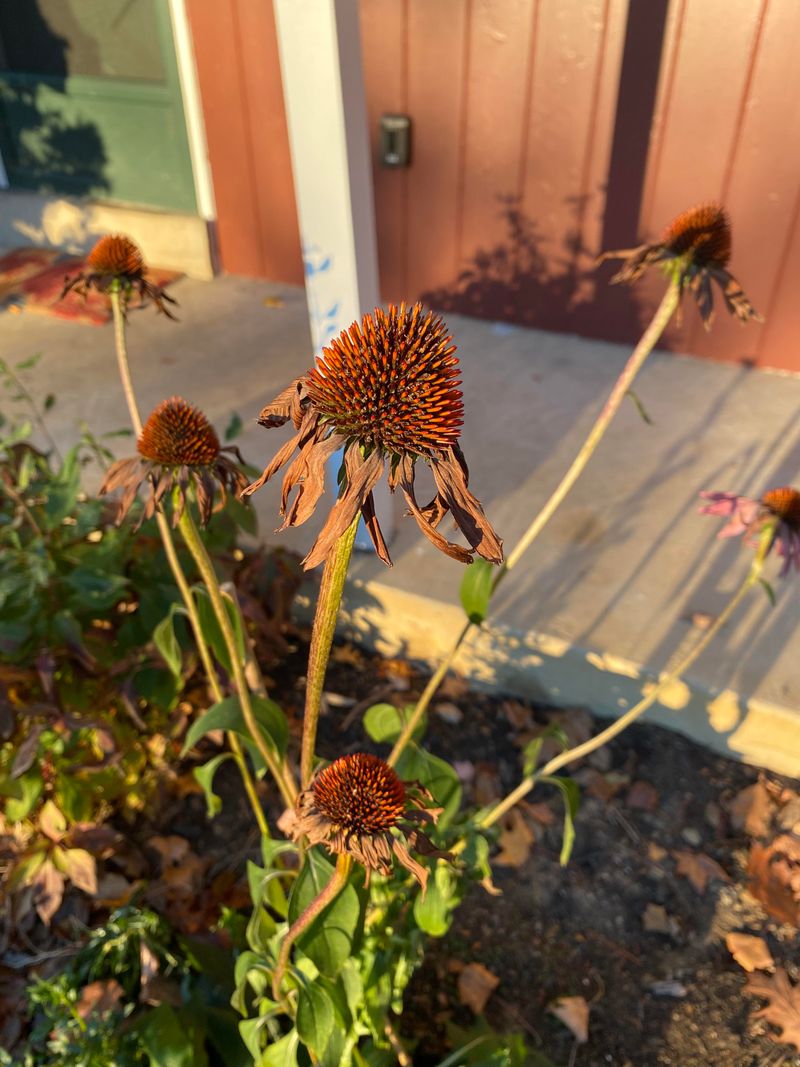
By mid-September the flower bed looks worn, with faded color and much less activity than in summer. Faded petals, brown stalks, and a strange quiet where all that summer humming used to be.
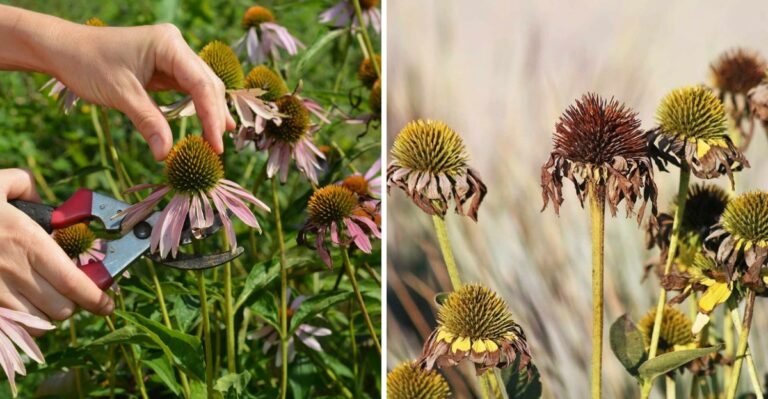
Your fingers start itching for the pruners, because tidy somehow feels like the responsible grown-up choice. Hold off for one second before you shear that whole bed down to bare brown dirt.
What looks finished outside is actually full of stored food for wildlife. Small visitors with feathers already know the address, the hours, and exactly where to park.
Doing less work here gives you more back, which rarely happens anywhere else in ordinary life. The messiest corner of your yard might turn out to be the busiest feeding spot for birds.
The Quiet Payoff Of Unclipped Seed Heads
Snip the spent flowers and you get neatness. Leave them standing and you get a garden that feeds itself through the cold months.
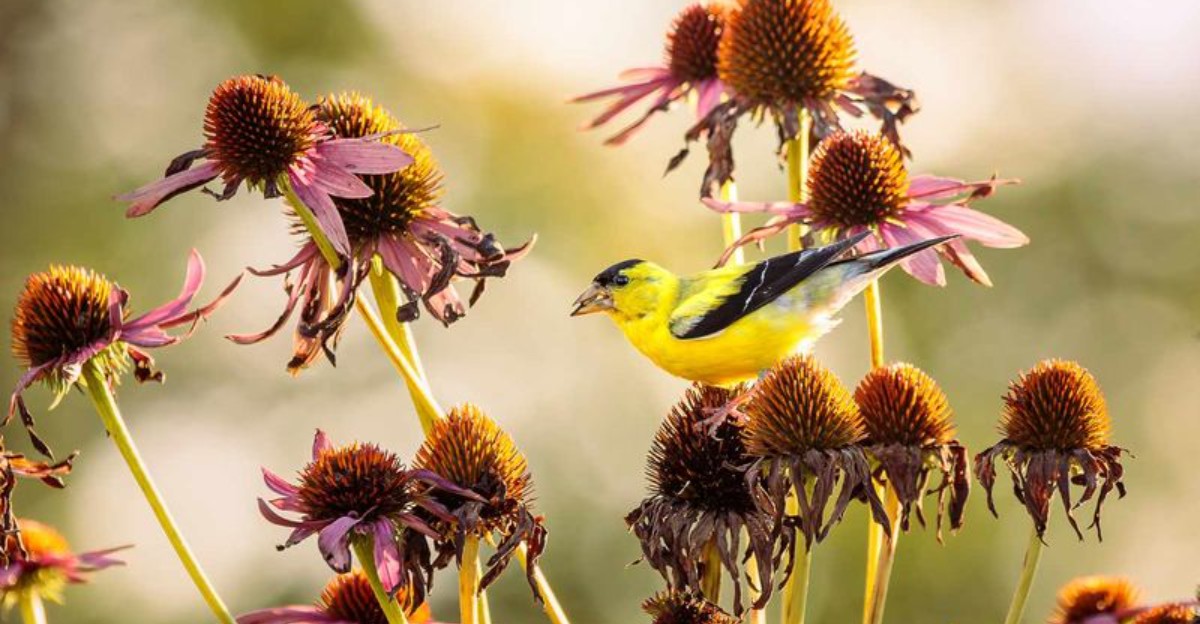
Each dried cone holds dozens of small seeds packed tight against a bristly center. That center acts like a natural feeder, holding food above snow and mud.
Goldfinches cling sideways to the stems and pick seeds out one by one. Chickadees and juncos work the ground below, cleaning up whatever gets dropped.
Stiff stalks also shelter tiny insects that overwinter inside hollow stems. Those insects become spring meals for birds raising hungry nestlings.
Gardeners who skip the shears report more bird visits from October through February. The change costs nothing and takes less work than a full cleanup.
Seed heads catch frost, snow caps, and low winter light in pretty ways. A bed of dark cones above white snow looks far better than bare soil.
Structure matters when little else stands upright in the yard. Your garden keeps a shape and a purpose long after the color fades.
Roots stay protected too, since standing stems trap leaves around the crown. That loose blanket buffers temperature swings that push plants out of the soil.
Waiting until spring to trim gives you one less fall chore. Fewer bags at the curb, more finches at the window, easy trade.
Most gardeners find the look grows on them by January. Bare tidy beds start to seem oddly empty once you notice the difference.
Birds, Beneficial Insects, And The Autumn Pantry
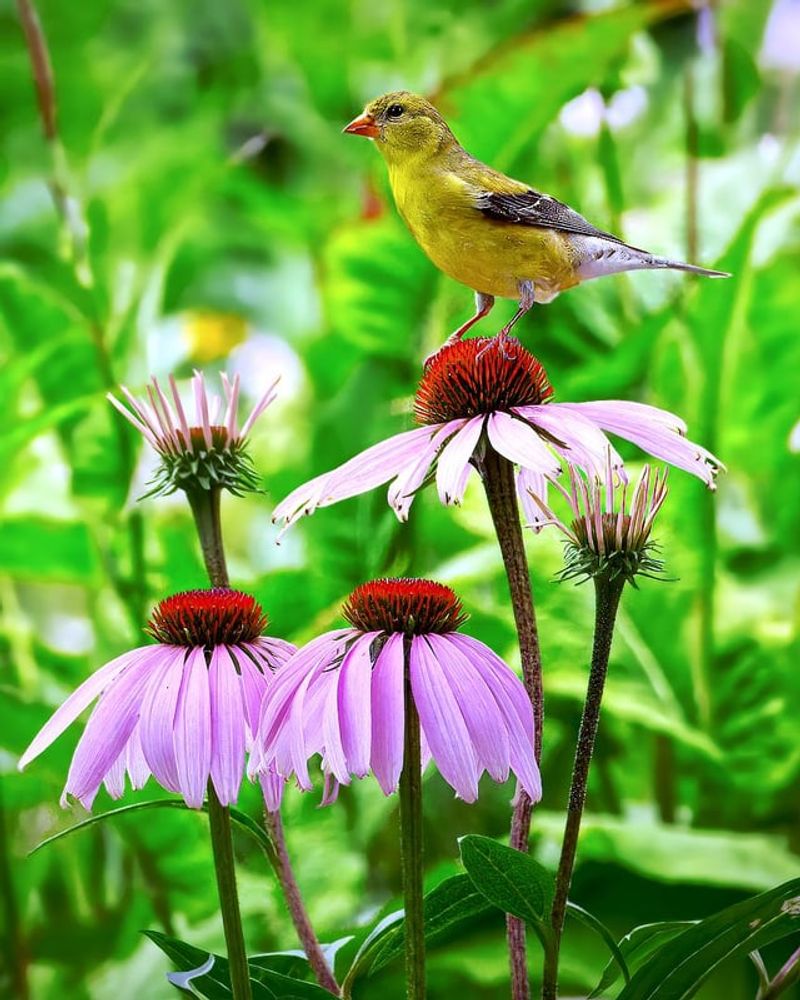
American goldfinches nest later than most songbirds, sometimes into August. They time their broods to match the seed crop that ripens right now.
Cones that stay put feed those late families through their first weeks of flight. Parents ferry seeds back and forth while the young learn to perch.
Sparrows, titmice, and cardinals join the buffet once temperatures drop. Each bird has a favorite angle of attack on the spiky center.
Small native bees tunnel into hollow stems and rest there until spring warmth. Cutting stalks to the ground in autumn removes their winter housing.
Predatory insects like lacewings and lady beetles also shelter in plant debris. Those helpers handle aphids for you once the garden wakes up.
A yard with standing seed heads supports more life per square foot. You are running a tiny wildlife refuge without buying a single bag of feed.
Store-bought birdseed can spoil, attract rodents, or spread illness at crowded feeders. Natural seed heads spread birds out and lower that risk.
Watching a finch work a cone is one of the simpler pleasures of a fall garden. Bring coffee to the window and watch the activity for a few minutes each morning.
Neighbors often ask what you are doing differently to attract so many birds. The honest answer is that you stopped doing something instead.
Leave a few stems near a window and a few near shrubs. Birds feel safer feeding close to cover they can dart into.
September Timing And The Slow Fade Of Bloom
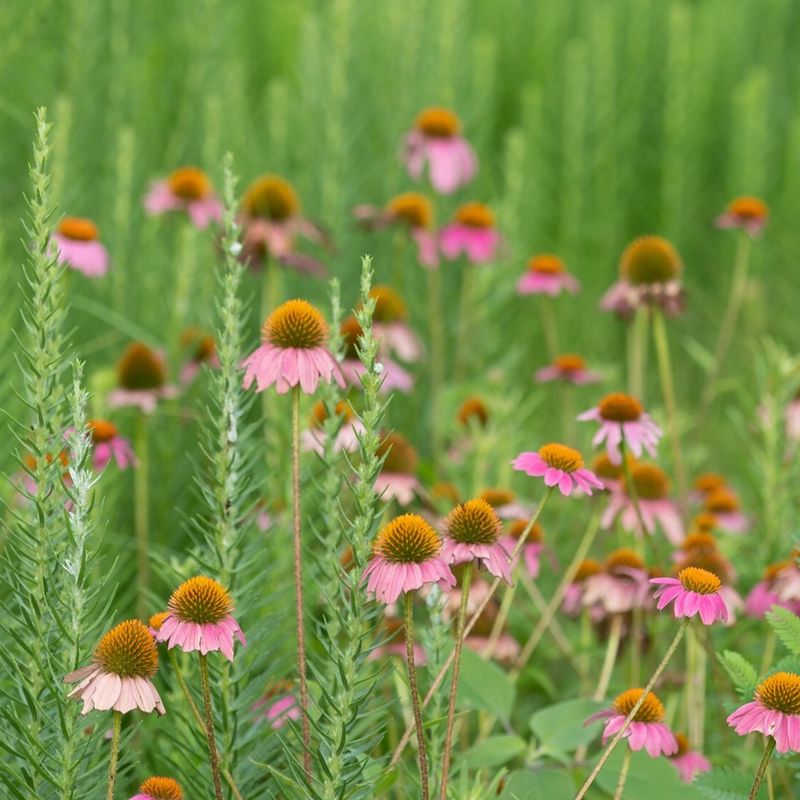
Petals droop and darken by early September, and that looks like a signal to grab pruners. Seeds inside are still filling out, so patience pays here.
Give the cones two or three more weeks to harden and dry. Mature seeds feel plump and dark, while green ones stay soft and pale.
Late September is also when migrating birds pass through looking for fuel. A standing patch can hold a flock for an afternoon.
Plants pull nutrients from fading leaves back into their roots during this stretch. Cutting stems early interrupts that quiet transfer of energy.
Stronger roots mean bigger clumps and more flowers next July. A short delay in September pays you back a full season later.
Water needs drop now, so the plants need little from you. Skip the shears, skip the hose, and let autumn do the work.
Some stems flop after heavy rain, and those can be trimmed. Removing a few leaners keeps the patch upright without emptying the pantry.
Frost usually arrives weeks after the seeds finish ripening in most regions. By then birds have already found the patch and marked it.
Mark your calendar for late March instead of late September. Spring cleanup happens when stems have served their full purpose.
September gardening can mean sitting down with a cup of cider. The plants have this part handled without your supervision.
The Fall Cleanup Mistake Most Gardeners Make
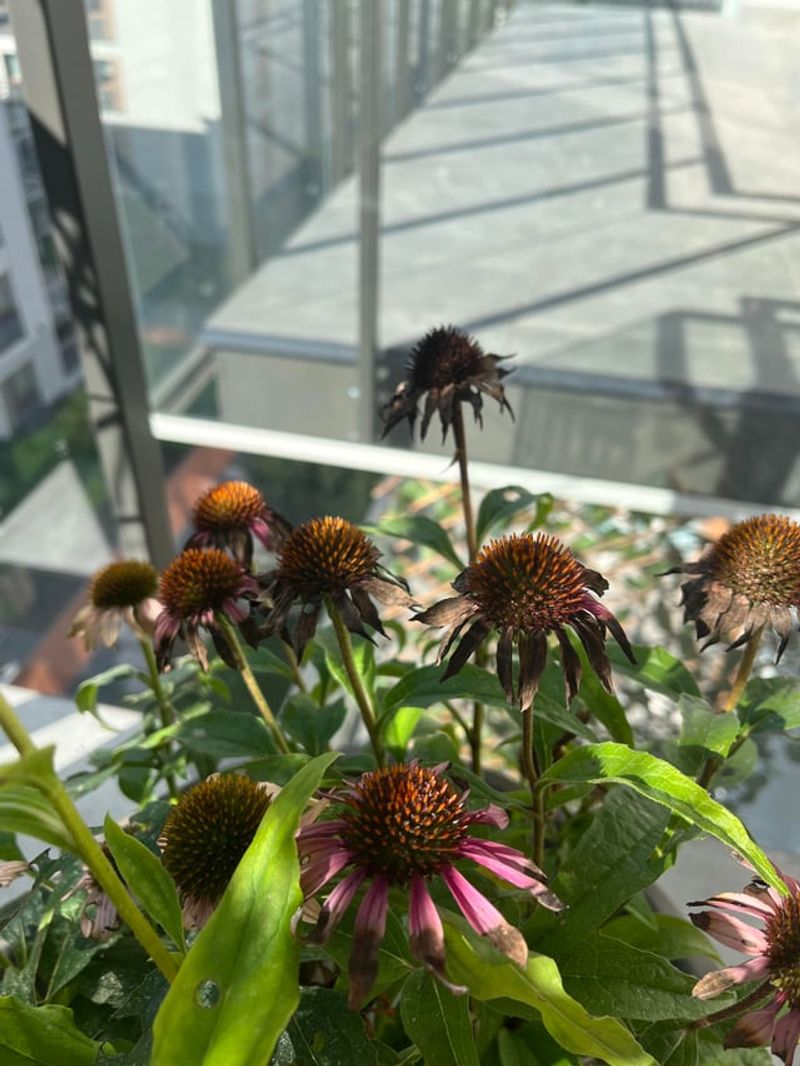
Autumn tidiness feels responsible, almost virtuous, like folding laundry before bed. Scalping every perennial to the ground in October costs more than it gives.
Bare beds lose insulation, so frost reaches roots faster and harder. Repeated freezing and thawing can heave young crowns right out of the soil.
Stripped soil also erodes during winter rain and loses topsoil down the driveway. Stems slow that runoff and catch leaves that break down into food.
Then comes spring, when gardeners buy feeders and lament the missing finches. The food supply went into yard waste bags months earlier.
Another common error is cutting while stems are still green and juicy. Open wet stems invite rot at the crown during damp weather.
Raking hard around the base tears shallow roots you cannot see. A light touch keeps the clump intact for another few years.
Not every plant should stand, though, and that nuance gets lost. Anything with powdery mildew or heavy leaf spot belongs in the trash.
The goal is judgment, not a blanket rule about clearing beds. Healthy stems stay, troubled ones go, and your back gets a break.
Old habits came from vegetable gardening, where bare soil makes sense. Flower beds follow different rules, closer to how a meadow behaves.
Trading two hours of raking for a winter of bird traffic seems fair. Your future self will thank you from a warm chair.
Lawn crews often push fall cleanup because it fills the calendar. Ask them to leave the perennial beds alone until March.
A Tidy Middle Ground For Neat Garden Beds
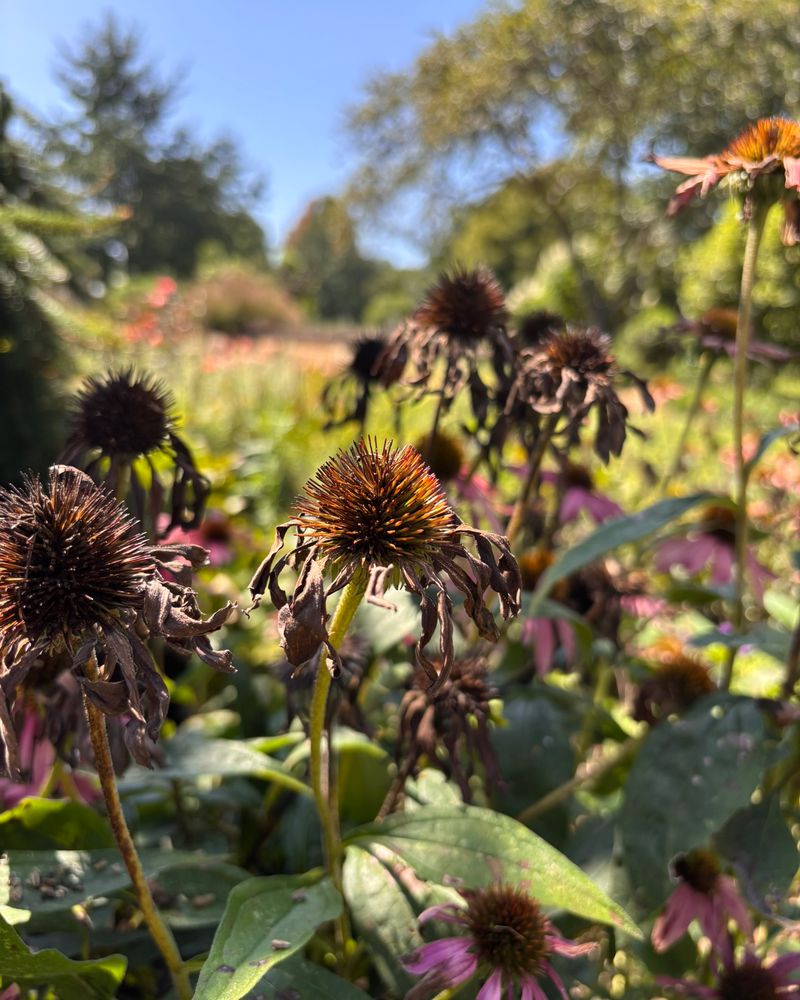
Standing stems look wild, and some neighborhoods have strong opinions about wild. A compromise keeps both the birds and the block association happy.
Cut the front row to knee height and leave the back rows tall. The bed reads as intentional while still holding plenty of seed.
Edging matters more than height for the tidy look. A crisp border makes anything behind it seem planned rather than neglected.
Bundle a few cut stalks and stand them in a corner. Insects inside still emerge in spring, and the bed looks groomed.
Another trick is grouping the tallest clumps behind shrubs or a low fence. Structure around the patch frames it like a picture.
Add a small sign about pollinators if curious neighbors keep asking. People treat a labeled habitat very differently from an untended corner.
Mulch paths stay swept and clean, which signals care to passersby. One clean line does more for curb appeal than an empty bed.
Snip only the stems that flop across walkways or driveways. Those cones can be laid flat in a quiet corner for ground feeders.
Winter containers can hold clipped stalks as free decoration. Dried cones mixed with evergreen branches beat most store-bought arrangements.
Neat and generous are not opposites in a garden. You can have square corners and a chickadee circus at the same time.
Photograph the bed in January to see what actually reads as messy. Most gardeners discover the tall stems were the best part.
Volunteer Seedlings, Self-Sowing, And Crowd Control
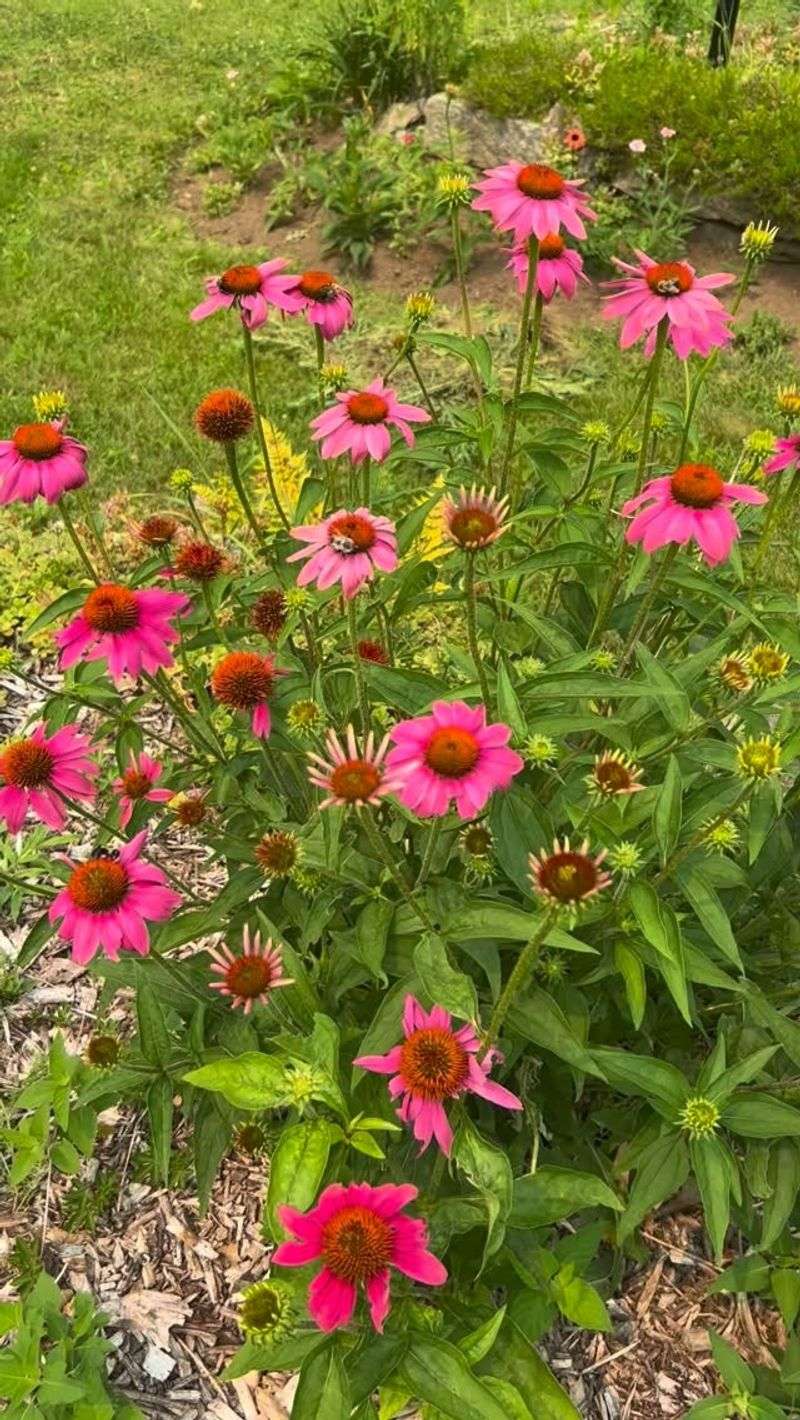
Seeds that escape hungry beaks land in soil and wait for spring. Free plants show up in gravel, cracks, and the middle of your path.
Seedlings from your own patch tend to handle local conditions well. They sprouted in your soil, your light, and your weather.
Transplant volunteers in early spring when they have two or three leaves. Move them on a cloudy day and water them in well.
Purple coneflower spreads politely, rarely taking over a bed. Still, a wet season can produce more babies than you want.
Snip half the cones in late winter if seedlings feel crowded. Birds get months of feeding, and you keep the population reasonable.
Named varieties often produce offspring that look nothing like the parent. Expect surprises in color and petal shape from fancy hybrids.
Collect a handful of dry cones in a paper bag for trading. Gardeners love swapping seed, and you become the person with extras.
Scatter spare seed along a fence line or a rough back corner. Those spots turn into pollinator strips with almost no effort.
Older clumps get woody centers after four or five years. Volunteers give you replacements ready to go when that happens.
A patch that renews itself costs less than a yearly nursery trip. Your garden quietly replaces itself over time.
Label the seedlings you move so spring weeding stays accurate. Pulling a future flower by mistake stings more than it should.