Why Massachusetts Loves Rose Of Sharon And The Native Alternatives Worth Planting Instead
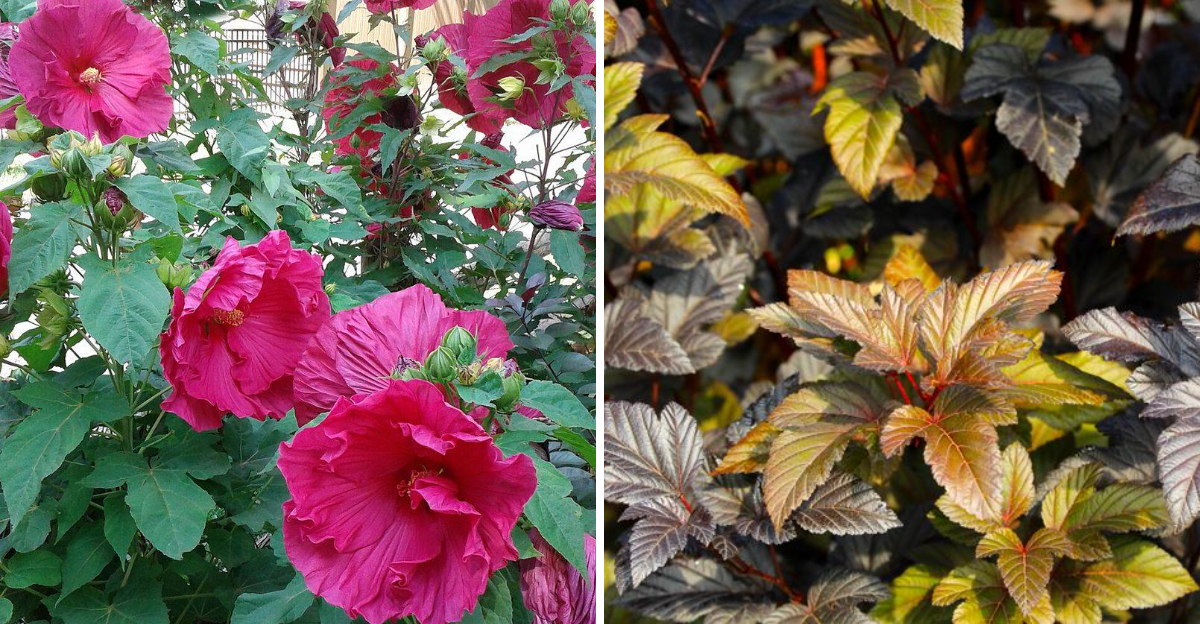
Rose of Sharon quietly charmed you, and much of Massachusetts planted it anyway. You admire the blooms without asking what they actually do. Pollinators pass right by blooms you planted for color.
Birds ignore the seeds and branches you assumed would help them. Massachusetts wildlife notices the difference, even when you don’t. Winters here challenge the shrub you planted, yet it barely earns its place.
Thriving isn’t the same as feeding the ecosystem around you. Native alternatives outperform it in ways that genuinely surprise you. Butterflies swarm certain species while completely ignoring the shrub you already grew.
Soil health improves under roots built for your exact climate. Color doesn’t have to cost you the local wildlife you love. Choosing wisely gives you beauty and biodiversity working together.
Every plant you choose either builds or supports a fragile food web. What comes next will change how you see your entire garden.
Blooms Last Through Late Summer
Few shrubs put on a show quite like Rose of Sharon in a New England yard. It bursts into bloom right when most other shrubs have already called it a season.
That late-summer flowering window is a big deal for gardeners frustrated by the August lull. Most spring bloomers have faded, and fall color has not arrived yet.
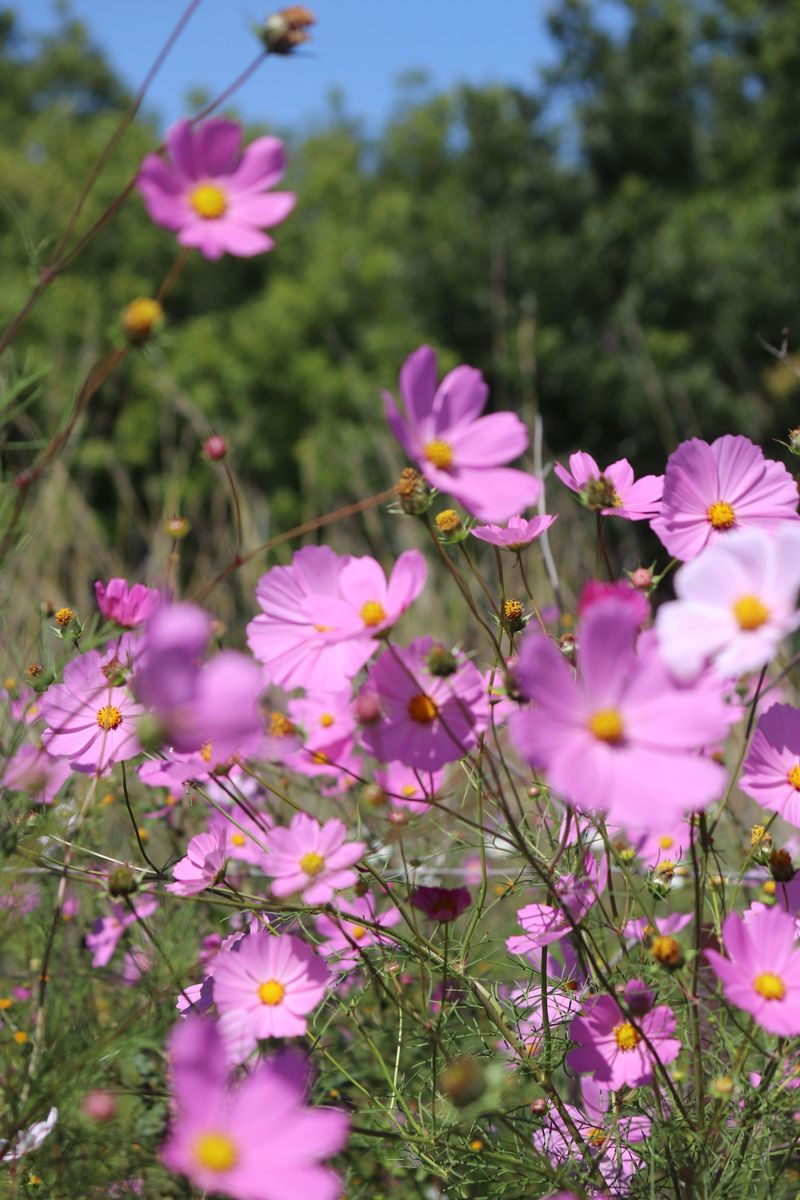
Rose of Sharon fills that gap with bold, hibiscus-like flowers in shades of pink, purple, white, and lavender. Each individual bloom only lasts one day, but the plant produces so many buds that the display keeps going for weeks.
Homeowners across the Bay State plant it along fences and driveways for exactly this reason. The blooms start in July and can stretch well into September if the weather cooperates.
Native alternatives like Summersweet and Buttonbush overlap with this same flowering window. They offer nectar-rich blooms that local bees and butterflies genuinely depend on.
Rose of Sharon, originally from Asia, does not feed native insects the same way. Some research suggests its pollen may be less accessible to certain North American bee species, though this varies.
Choosing a native that blooms in late summer means your garden stays colorful and pulls its ecological weight. You get the visual reward without shortchanging the pollinators working your yard.
Late summer color is absolutely achievable with plants that belong here. Your garden can look stunning and still do good for the neighborhood ecosystem around it.
Tolerates Poor Soil Easily
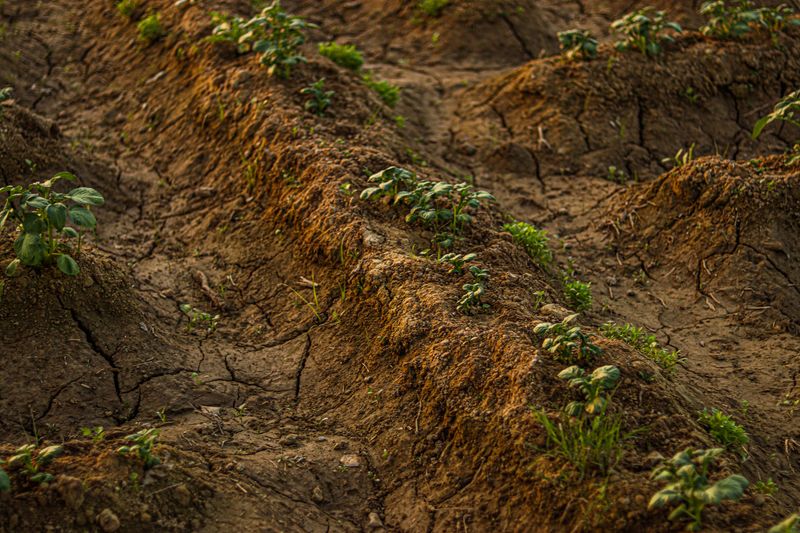
Gardeners in Massachusetts deal with some genuinely tough soil conditions. Rocky ground, sandy patches near the coast, and compacted clay are all part of the deal here.
Rose of Sharon handles these challenges with remarkable ease. Plant it, water it a few times to get it established, and then mostly leave it alone.
That toughness is a huge part of its popularity across New England. Homeowners who have struggled to grow finicky plants often discover Rose of Sharon as a welcome relief.
It adapts to a wide pH range and does not demand rich, amended beds. Even neglected corners of a yard where nothing else thrives can become home to this shrub.
Your Massachusetts Garden Changes Every Week. Your Plan Should Too.
Gardening in Massachusetts changes quickly throughout the season. Every Friday you’ll receive a simple weekly plan showing exactly what to plant, prune, fertilize, harvest, and protect so you never miss the right timing.
Native shrubs like Ninebark are equally tough and just as soil-tolerant. Ninebark actually performs beautifully in poor, dry conditions and rewards you with peeling bark and colorful foliage.
Winterberry is another native that handles difficult ground, especially in wetter or heavier soils. Both plants evolved here, which means they are genuinely built for New England conditions.
The difference is that native shrubs also feed local caterpillars, birds, and beneficial insects. Rose of Sharon supports far fewer native species because it did not grow up alongside them.
Tough soil does not have to mean a boring garden. Picking the right native shrub for your specific conditions turns a problem spot into a genuine asset for your whole yard.
Requires Minimal Ongoing Care
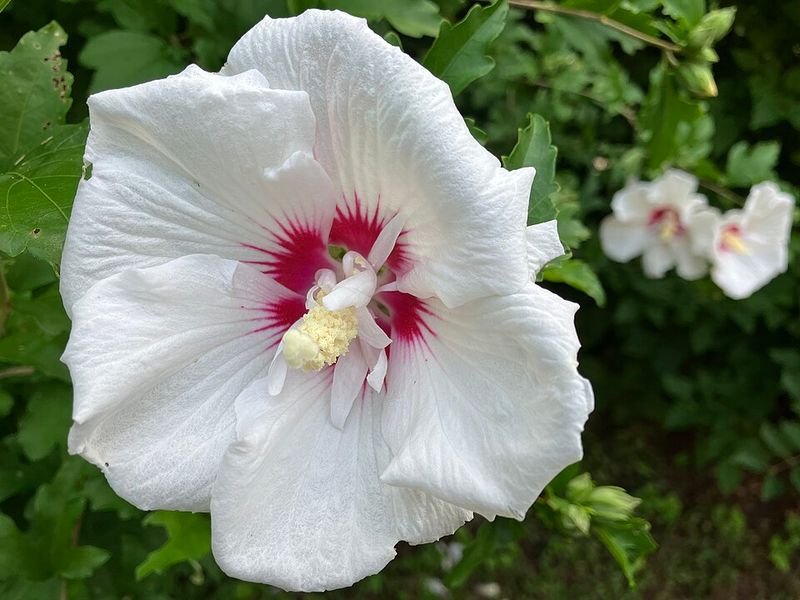
Busy homeowners across the Bay State are not looking for a high-maintenance relationship with their shrubs. Rose of Sharon fits that low-effort lifestyle almost perfectly.
Once established, it rarely needs watering, feeding, or spraying. A light annual pruning keeps it tidy and encourages more flower production the following season.
That simplicity is genuinely appealing, especially for first-time gardeners who feel overwhelmed by complex care routines. You do not need a horticulture degree to keep this plant happy.
The one maintenance headache people often overlook is seedlings. Rose of Sharon self-seeds aggressively, and you can end up pulling hundreds of tiny plants from your beds each spring.
Sterile cultivars exist that reduce this problem, but they do not remove it entirely. That surprise workload catches a lot of homeowners off guard after the first few seasons.
Summersweet, a native alternative, is similarly low-effort and spreads slowly by suckers rather than seeds. It stays manageable and does not invade neighboring beds without warning.
Ninebark is another near-effortless native option that looks great with minimal intervention. A single pruning after bloom keeps it looking sharp for the rest of the growing season.
Low maintenance does not have to mean low impact. Choosing a native shrub that takes care of itself while also feeding birds and insects is the smartest gardening move you can make.
Grows Quickly Into Privacy Screens
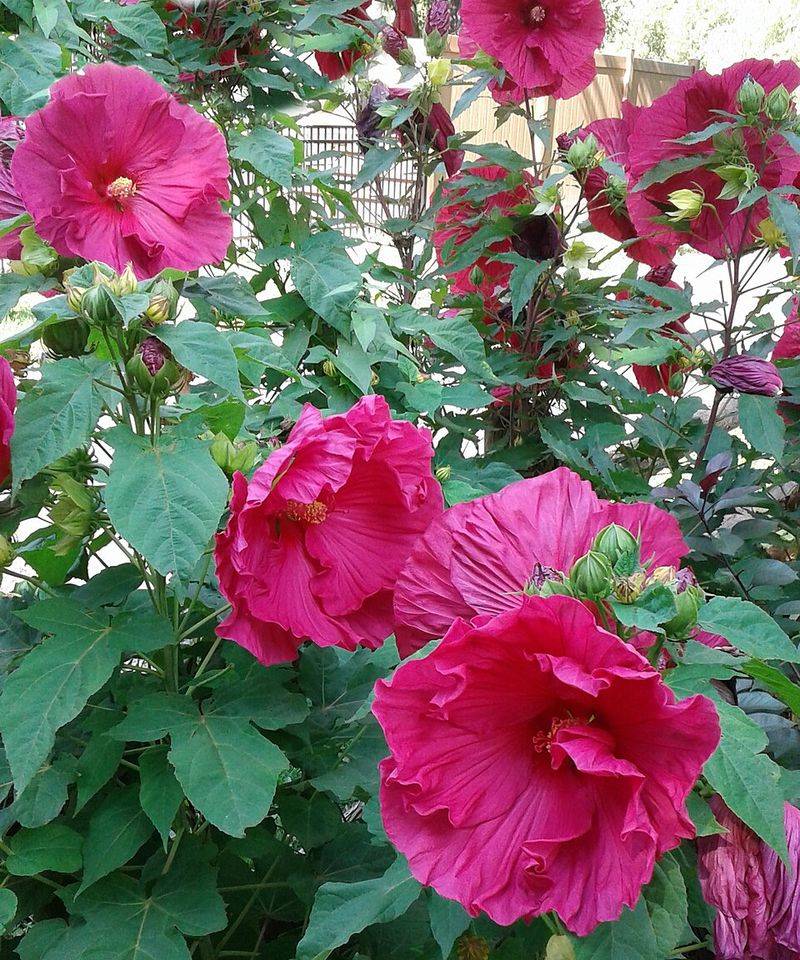
Nobody wants to feel like they are gardening in a fishbowl. Privacy is one of the top reasons Massachusetts homeowners reach for fast-growing shrubs.
Rose of Sharon grows quickly and can reach heights of eight to twelve feet in just a few seasons. Plant a row of them and you have a living fence that also blooms.
That combination of speed, height, and flower power is a strong option for suburban yards with close neighbors. It is one of the main reasons this shrub keeps showing up in New England landscapes.
The trade-off is that Rose of Sharon is a non-native species that can spread beyond your property line. Seeds travel by wind and water, and seedlings pop up in natural areas where they do not belong.
Native Ninebark grows vigorously and can form a dense screen in just a couple of seasons. Its arching branches and layered foliage create a natural, textured look that feels right at home in a New England yard.
Winterberry also works well in mass plantings and provides spectacular red berries in fall and winter. Birds flock to those berries, turning your privacy screen into a wildlife feeding station.
A well-placed row of native shrubs gives you the seclusion you want without spreading where it should not.
Your neighbors might even ask what you planted once the birds start arriving. Privacy and ecological responsibility can absolutely coexist in the same garden bed.
Summersweet Attracts Pollinators Heavily
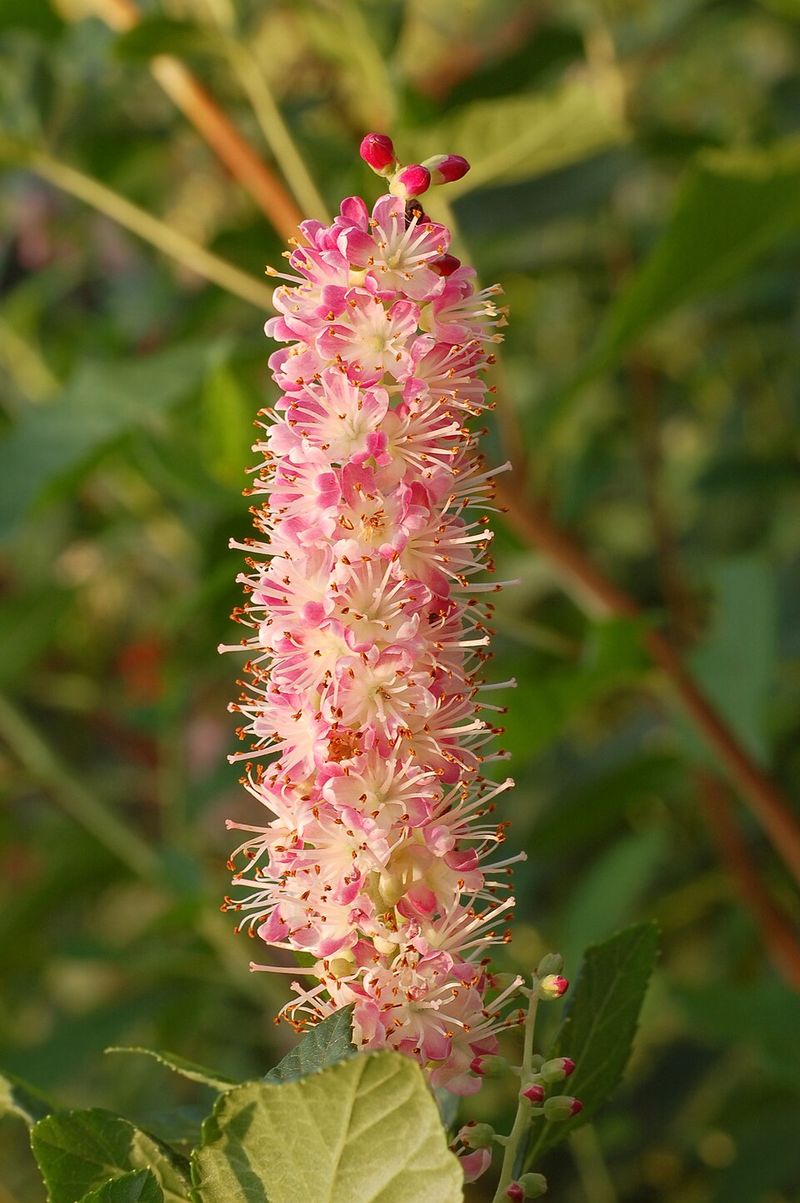
If you have ever stood next to a blooming Summersweet on a warm July afternoon, you know exactly what the buzz is about. Bees are strongly drawn to this plant.
Clethra alnifolia, commonly called Summersweet, is native to coastal New England and absolutely thrives in Massachusetts conditions. Its white or pale pink flower spikes release a sweet, spicy fragrance that carries across a whole yard.
Bumblebees, honeybees, and native sweat bees swarm the blooms from the moment they open. Butterflies, hummingbirds, and even some beetles join the party throughout July and August.
This kind of pollinator activity does not happen by accident. Summersweet evolved alongside these insects over thousands of years, so its pollen and nectar are perfectly matched to their needs.
Rose of Sharon attracts some pollinators, but it cannot compete with a native plant on its home turf. The ecological relationship simply is not there in the same deep way.
Summersweet also tolerates shade, wet soil, and salt spray near the coast. That makes it one of the most versatile native shrubs available to Bay State gardeners.
Fall brings attractive seed capsules that small songbirds pick through during migration season. The shrub contributes to your yard’s food web even after the blooms are long gone.
Planting Summersweet is one of the single best things you can do for local pollinators. Your garden becomes a genuine refuge, not just a pretty backdrop.
Winterberry Provides Vibrant Fall Color
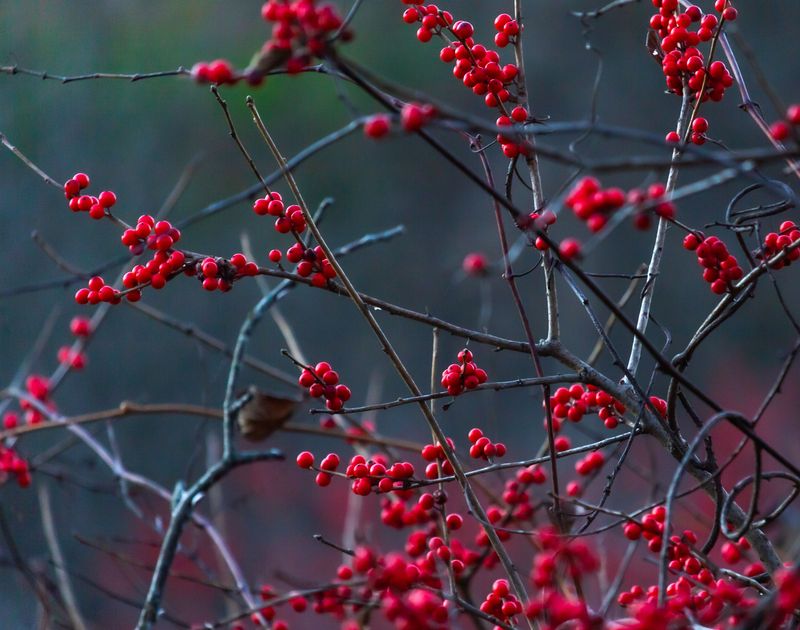
When the leaves drop in October and most shrubs go gray and forgettable, Winterberry turns a bright, vivid red. Bright red berries coat every branch densely.
Ilex verticillata is native to wetlands and woodland edges throughout New England. It has evolved to produce berries right when migrating birds need high-energy food most.
American robins, cedar waxwings, and bluebirds strip the branches clean during late fall and early winter. Watching that feeding frenzy from a kitchen window is one of the genuine pleasures of a Massachusetts autumn.
Beyond the wildlife value, Winterberry is simply stunning in the landscape. Landscape designers use it as a focal point in rain gardens, along property edges, and beside ponds.
Rose of Sharon offers little winter interest once its leaves fall. The bare stems are not unattractive, but they cannot compete with Winterberry’s fiery display.
One important detail: Winterberry needs both male and female plants to produce berries. Plant one male for every five or six females to ensure a full berry set each fall.
The shrub handles wet, heavy soil with ease, making it ideal for low spots that stay soggy after rain. Most other ornamental shrubs struggle in those same spots.
Fall color in a garden does not have to mean just foliage. Winterberry proves that berries can be just as dramatic and far more useful to the wildlife sharing your space.
Ninebark Offers Year-Round Structure
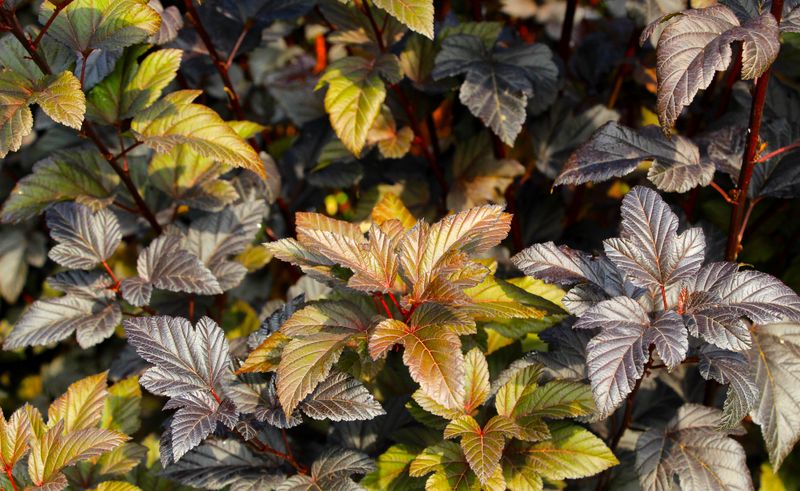
Some plants earn their keep for a single season and fade the rest of the year. Ninebark stays visually interesting year-round.
Physocarpus opulifolius is a native shrub that delivers visual interest in every single month of the growing season. Spring brings clusters of white or pink flowers that buzz with native bees.
Summer showcases bold foliage in colors ranging from chartreuse to deep burgundy, depending on the cultivar. Those leaf colors hold up even through the hottest, most humid stretches of a New England summer.
Fall brings reddish seed clusters that small birds pick through for weeks. Then the leaves drop and reveal the plant’s most underrated feature: peeling, cinnamon-colored bark that glows in winter light.
That bark texture is genuinely beautiful and completely unique among common landscape shrubs. Ninebark looks like a plant with a story, not just a filler shrub stuck in a corner.
It tolerates a wide range of soil conditions, from dry rocky slopes to moderately moist garden beds. Full sun brings out the best foliage color, but it also handles partial shade without complaint.
Rose of Sharon, by comparison, is essentially invisible from November through April. Ninebark keeps your garden looking intentional and alive even in the depths of February.
Year-round structure is what separates a thoughtfully designed garden from one that only looks good for a few weeks. Ninebark gives you that backbone without demanding anything special in return.
Buttonbush Thrives In Wet Areas
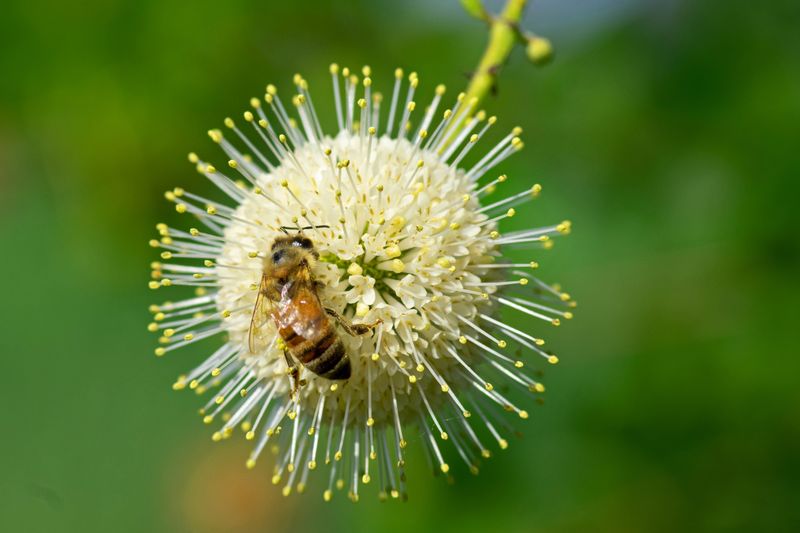
That soggy corner of your yard where nothing seems to grow is not a lost cause. Buttonbush was practically born for exactly that spot.
Cephalanthus occidentalis is a native shrub that loves standing water, pond edges, and rain garden conditions. It grows naturally along streams and wetlands throughout Massachusetts and most of eastern North America.
The flowers are unlike anything else in the native shrub world. Round, spiky white balls appear in midsummer with an unusual, spherical shape.
Those unusual blooms attract an impressive list of visitors. Bees, butterflies, hummingbirds, and even some moth species feed heavily on the nectar-rich flowers throughout July and August.
Waterfowl and shorebirds eat the seeds in fall, making Buttonbush a strong food source for wetland wildlife. If you have a backyard pond or a low-lying area, this shrub earns its space many times over.
Rose of Sharon cannot handle wet feet for long. Plant it in a soggy spot and it will struggle, decline, and eventually need replacing.
Buttonbush handles flooding, seasonal inundation, and heavy clay soil without skipping a beat.
It also grows quickly once established, filling in wet areas that would otherwise stay bare and muddy. Wet areas in Massachusetts gardens are more common than most people realize.
Choosing the right native shrub for those conditions transforms a frustrating problem into one of the most dynamic spots in your entire yard. Rose of Sharon simply cannot compete with that kind of ecological fit.