Common Oregon Garden Spiders Every Homeowner Should Know Before Removing Them
A web across the garden path can feel like a personal attack, especially when you walk through it before your morning coffee. Yet the spider responsible may be one of the hardest workers in your yard.
Garden spiders capture insects that damage plants, gather near outdoor lights, or make their way inside the house. Most have little interest in people and will retreat when disturbed.
The challenge is knowing when to leave one in place, when to relocate it, and when an unusual visitor deserves extra caution.
Oregon gardens offer plenty of cool, damp hiding places, so encounters are common around pots, shrubs, wood piles, fences, and sheds.
Before clearing every web or spraying a corner, take a closer look at the spider’s appearance and habits.
Recognizing common garden residents can save beneficial predators, reduce needless fear, and keep your outdoor spaces comfortable without turning every sighting into an emergency.
1. Orb-Weaver Spiders Catch Flying Garden Pests
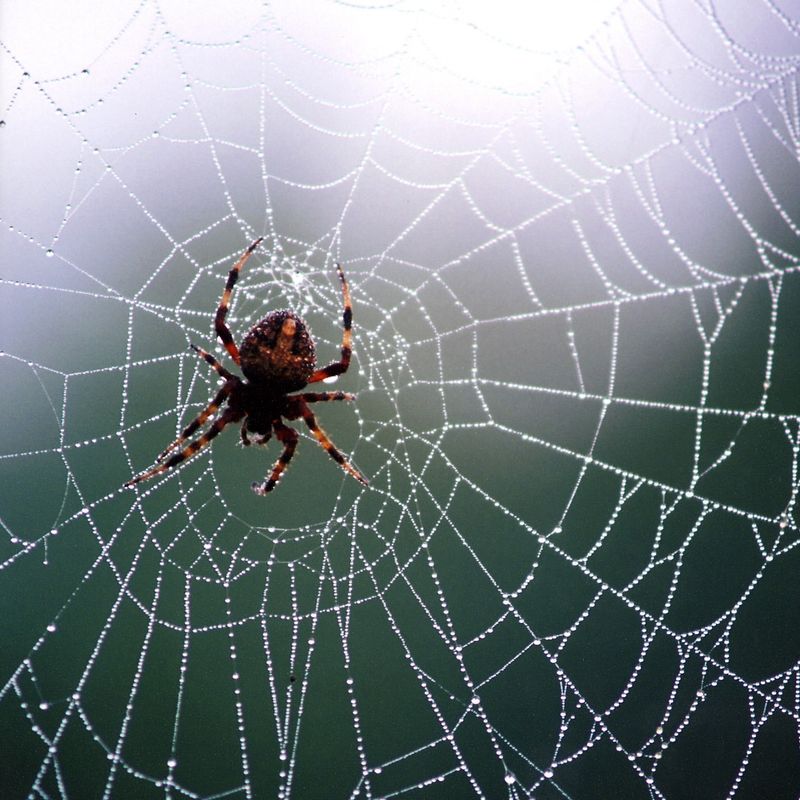
Few sights in a late-summer garden are as striking as a perfectly round, dew-covered web catching the early morning light.
Orb-weaver spiders are the architects behind those classic circular webs you see stretched between plants, fences, and garden stakes.
They rebuild their webs almost every night, which is a level of dedication most gardeners can respect.
These spiders come in many sizes and colors, but the most common ones in Oregon tend to have rounded, patterned abdomens and sturdy legs.
They position their webs strategically to intercept flying insects like moths, mosquitoes, gnats, and aphid-winged adults.
That makes them one of the most efficient natural pest controllers you can have in your yard.
Orb-weavers are not aggressive. They rarely bite, and when they do, it feels like a mild bee sting at worst.
Most will drop from their web and hide when they sense danger. They are active from late spring through early fall, and females tend to be much larger than males.
If you spot one of these spiders near your vegetable garden or flower bed, consider leaving it alone. A single orb-weaver can catch dozens of flying pests in one night.
Removing it could allow those insects to damage your plants unchecked. These spiders are truly one of the garden’s best friends.
2. Wolf Spiders Hunt Slugs And Ground-Dwelling Insects
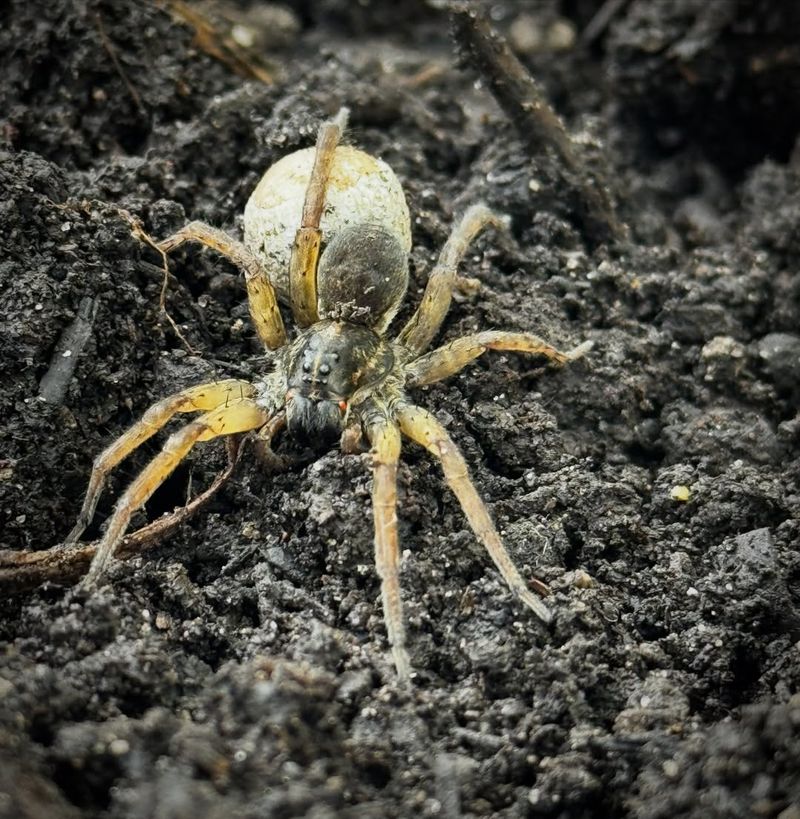
Spotting a fast-moving, large brown spider sprinting across your garden path can be startling. Wolf spiders are built for speed and strength, and they do not use webs to catch their prey.
Instead, they chase it down on foot, making them one of the most active hunters in any yard.
These spiders are common across Oregon, especially in garden beds with thick mulch, leaf litter, or low ground cover. They feed on a wide variety of ground-level pests, including slugs, beetles, earwigs, and cutworms.
For gardeners who deal with slug damage on lettuce or hostas, a wolf spider nearby is genuinely good news.
Wolf spiders are easy to identify by their sturdy build, two large center eyes, and the way they carry their egg sacs attached to their abdomen.
Your Oregon Garden Changes Every Week. Your Plan Should Too.
Gardening in Oregon changes quickly throughout the season. Every Friday you’ll receive a simple weekly plan showing exactly what to plant, prune, fertilize, harvest, and protect so you never miss the right timing.
Females even carry their babies on their backs after hatching, which is a rare and fascinating behavior among spiders.
Despite their intimidating size, wolf spiders are not a threat to people. They are shy and prefer to run rather than confront anything larger than themselves.
Their bites are uncommon and produce only mild, temporary discomfort. If you find one under a pot or board in your garden, try relocating it gently rather than disturbing it.
Keeping wolf spiders around means fewer slugs eating your garden plants overnight.
3. Jumping Spiders Patrol Plants For Tiny Pests
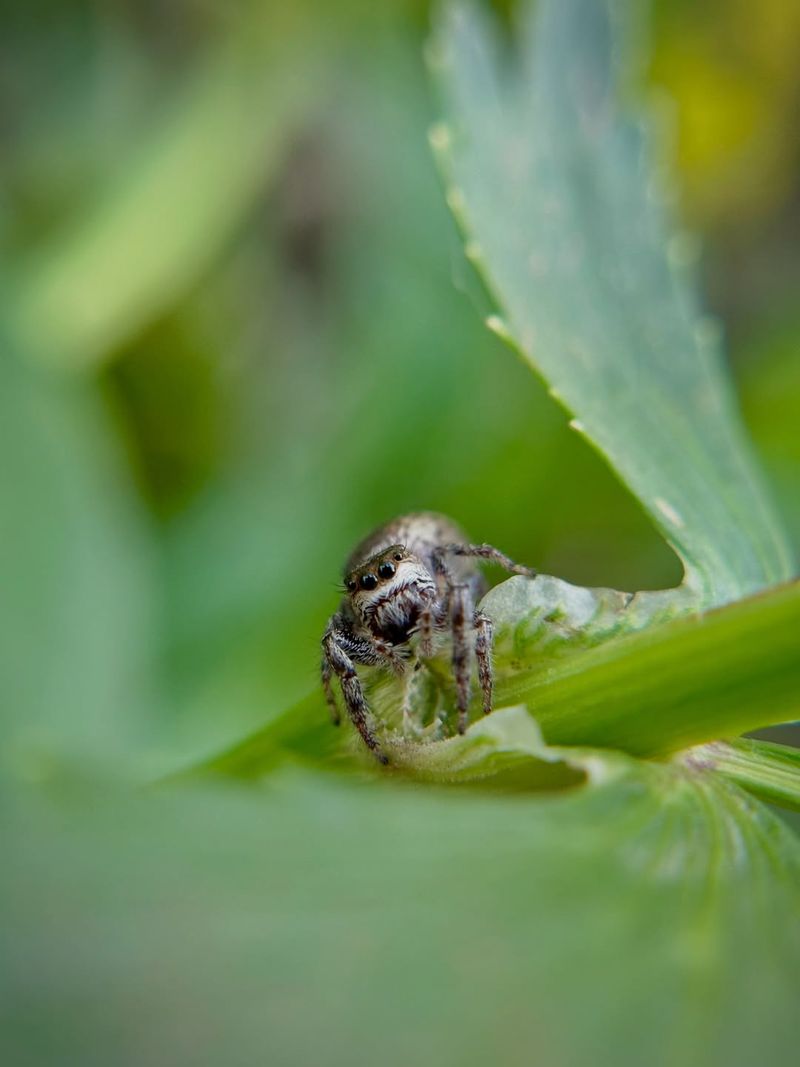
With their oversized front eyes and curious, head-tilting behavior, jumping spiders are hard not to love.
These tiny hunters are often spotted creeping along leaves, stems, and fence posts, scanning their surroundings with remarkable visual precision.
They do not build webs to catch food. They stalk and pounce, much like a cat chasing a mouse.
Jumping spiders are common throughout Oregon and are active during the day, which makes them easier to observe than most spiders. They feed on small insects like aphids, whiteflies, leafhoppers, and mites.
All of those are pests that can seriously damage garden plants, so having jumping spiders patrol your yard is a real benefit.
These spiders are small, usually less than half an inch long, and come in a wide range of colors. Some have iridescent markings that shimmer in sunlight.
They are incredibly agile and can leap many times their own body length when hunting or escaping a threat.
Jumping spiders are completely harmless to people. They may approach you out of curiosity, which can be surprising, but they pose no real risk.
Their bites are extremely rare and cause only minor irritation. Many gardeners actually enjoy seeing them because they are so lively and interesting to watch.
Encouraging them to stay by leaving garden debris and dense plantings as habitat is a simple way to support natural pest control.
4. Crab Spiders Wait On Flowers For Visiting Insects
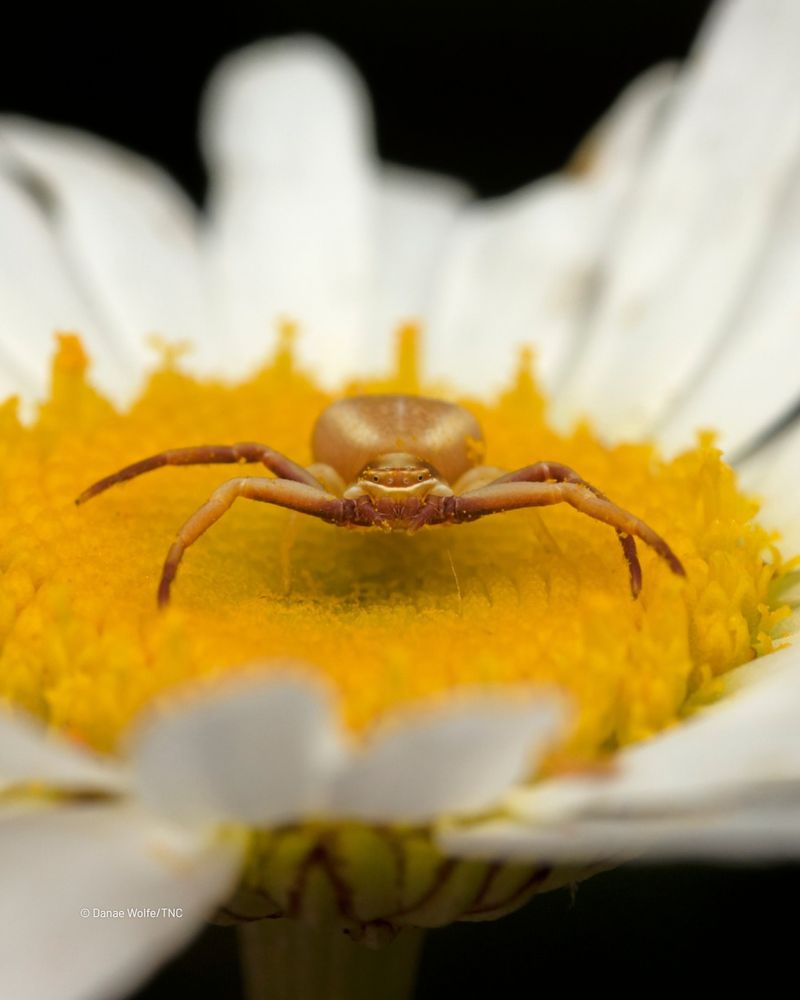
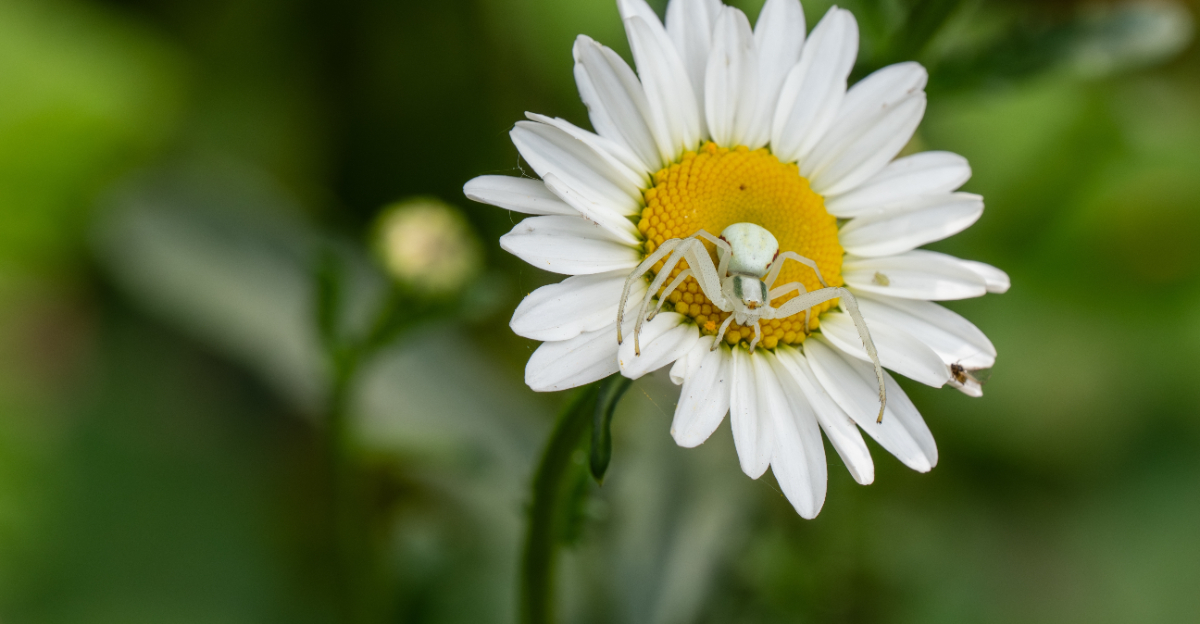
Patient, stealthy, and surprisingly well-camouflaged, crab spiders are the ambush predators of the flower garden. They get their name from the way they hold their front legs wide and sideways, just like a crab.
Instead of building webs, they simply sit still on a flower and wait for an unsuspecting insect to land nearby.
Some species of crab spiders can slowly change their color to match the flower they are sitting on, shifting between white and yellow over several days. This ability makes them almost invisible to both prey and predators.
You might walk past dozens of them without ever noticing they are there.
Crab spiders are common across this state wherever flowers bloom. They tend to target bees, butterflies, and other pollinators that visit flowers.
While this can seem like a downside, crab spiders rarely reduce pollinator populations in a meaningful way. Their presence is simply part of the natural balance that keeps garden ecosystems healthy and functioning.
These spiders are completely harmless to humans. They are small, slow-moving, and have no interest in biting people.
If you want to find one, look closely at the center of open flowers like daisies, black-eyed Susans, or Queen Anne’s lace. You may be amazed at how many you have been walking past without realizing it.
Leaving them in place costs you nothing and supports a balanced garden.
5. Grass Spiders Build Funnel Webs Across Lawns
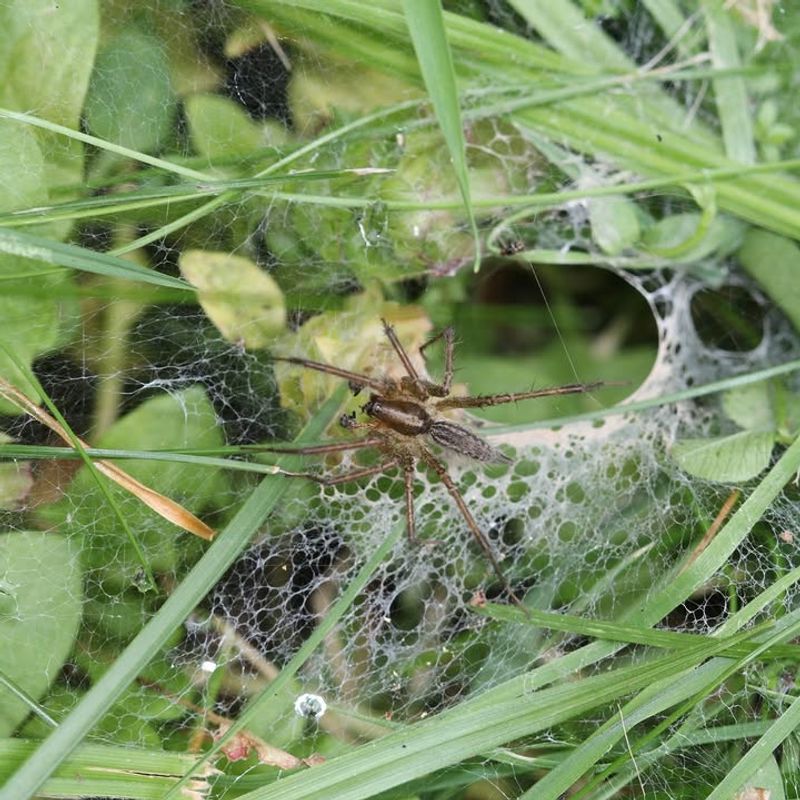
Early morning is the best time to see just how many grass spiders are living in your lawn. When dew settles on their webs, the flat, sheet-like structures light up across the grass like a field of tiny mirrors.
Each web has a funnel-shaped retreat at one end where the spider waits for prey to stumble in.
Grass spiders are extremely common in Oregon and are among the most abundant spiders found in residential yards.
They build their webs low to the ground and feed on insects that crawl or hop through the grass, including crickets, beetles, ants, and leafhoppers.
They are fast movers inside their webs and can subdue prey quickly.
These spiders look similar to hobo spiders, which causes some confusion among homeowners. Grass spiders have two distinct dark stripes running down the top of their abdomen and move with quick, jerky motions.
They are not dangerous to people, and bites are very uncommon. When threatened, they retreat into their funnel rather than attack.
Grass spiders live for one season and are most visible in late summer and early fall when the females are fully grown. Their webs are temporary and do not cause any damage to your lawn or plants.
Mowing the grass will naturally disrupt the webs, but the spiders simply rebuild. Allowing them to live undisturbed helps keep your lawn’s insect population in check all season long.
6. Cellar Spiders Help Control Other Household Pests
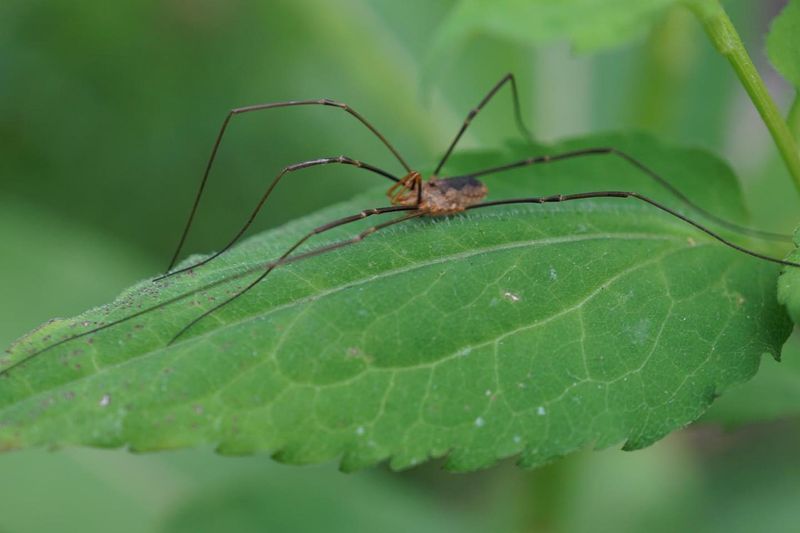
Cellar spiders are the ones most people mistake for daddy longlegs. They have extremely thin, fragile-looking legs and small bodies, and they hang upside down in messy, irregular webs.
You will usually find them in garages, basements, crawl spaces, and sheds, especially in homes across Oregon where moisture tends to collect in cool corners.
Despite their delicate appearance, cellar spiders are surprisingly effective hunters. They will actually invade the webs of other spiders, vibrate the strands to mimic trapped prey, and then capture the resident spider when it investigates.
That behavior makes them one of the few spider species known to prey on other spiders, including ones that are more venomous.
A common myth claims cellar spiders are among the most venomous spiders in the world. That is simply not true.
Their venom is mild, and their mouthparts are too small to effectively bite human skin in most cases. They pose no real threat to people or pets.
Cellar spiders are actually helpful to have inside a home or outbuilding. They reduce populations of other insects and spiders that might otherwise become a nuisance.
If you regularly find them in your garage or shed, it is a sign your space has some insect activity they are feeding on. Rather than clearing their webs, consider letting them stay as a low-maintenance form of pest control that requires no effort on your part.
7. Cross Orb-Weavers Return To Gardens Each Fall
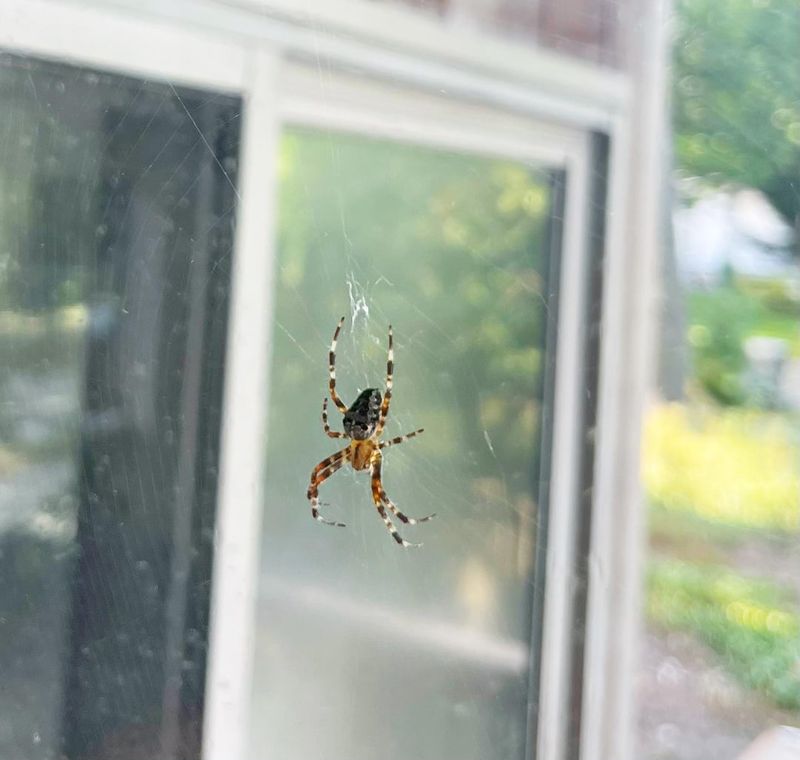
As summer fades and the air starts to cool, cross orb-weavers seem to appear out of nowhere. These spiders are named for the white cross-shaped pattern of spots on their rounded abdomens.
They are one of the most recognizable spiders in Oregon, and many homeowners notice them each fall when the females reach their full size.
Cross orb-weavers are not native to North America. They were introduced from Europe long ago and have since become widespread across the continent.
They thrive in gardens, hedges, shrubs, and wooded edges, building large, vertical webs that can span a foot or more in diameter. Their webs are strong and sticky, designed to catch moths, flies, and other autumn insects.
These spiders are completely harmless. They are shy and will drop from their web if disturbed.
Their bite is rarely reported and causes only minor, temporary discomfort. Females are much larger than males and are the ones most often spotted in garden settings during the fall months.
Cross orb-weavers lay their eggs in a silken sac hidden in nearby vegetation before the first hard frost arrives. The adults do not survive through winter, but the eggs hatch in spring and the cycle begins again.
That is why you see them returning to the same spots in your garden year after year. Leaving their egg sacs undisturbed through winter ensures you will have these natural pest controllers back next season.
8. Yellow Garden Spiders Build Large Summer Webs
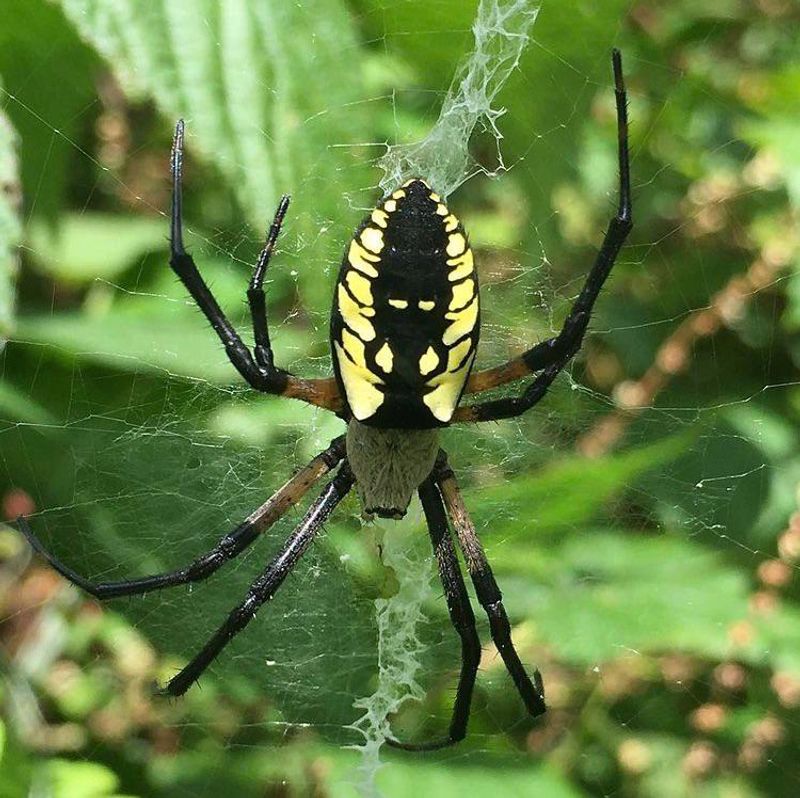
Bold, bright, and impossible to miss, the yellow garden spider is one of the most dramatic-looking spiders you will ever spot in a yard.
With its vivid yellow and black patterned abdomen and long, banded legs, it stands out clearly against green garden foliage.
Many people see one for the first time and assume it must be dangerous. It is not.
Yellow garden spiders, also called writing spiders, are known for the thick zigzag band of silk they weave through the center of their webs. This structure is called a stabilimentum, and researchers believe it may help attract insects or signal the web’s location to birds so they do not fly through and damage it.
Either way, it makes the web look truly remarkable.
These spiders are common in sunny garden areas across Oregon from midsummer through early fall.
They prefer open spots with good air flow, like the edges of flower beds, vegetable gardens, and tall grasses.
Females can grow quite large, sometimes over an inch in body length. Males are much smaller and are rarely noticed.
Yellow garden spiders are not aggressive toward people. They will bite if handled roughly, but the bite is mild and similar to a bee sting.
Their webs are a sign of a healthy, insect-rich garden. Removing a yellow garden spider and its web means losing one of summer’s most hardworking and visually stunning natural pest controllers. Letting it stay is always the better choice.