Why Mice Start Moving Into Michigan Sheds And Gardens In Fall
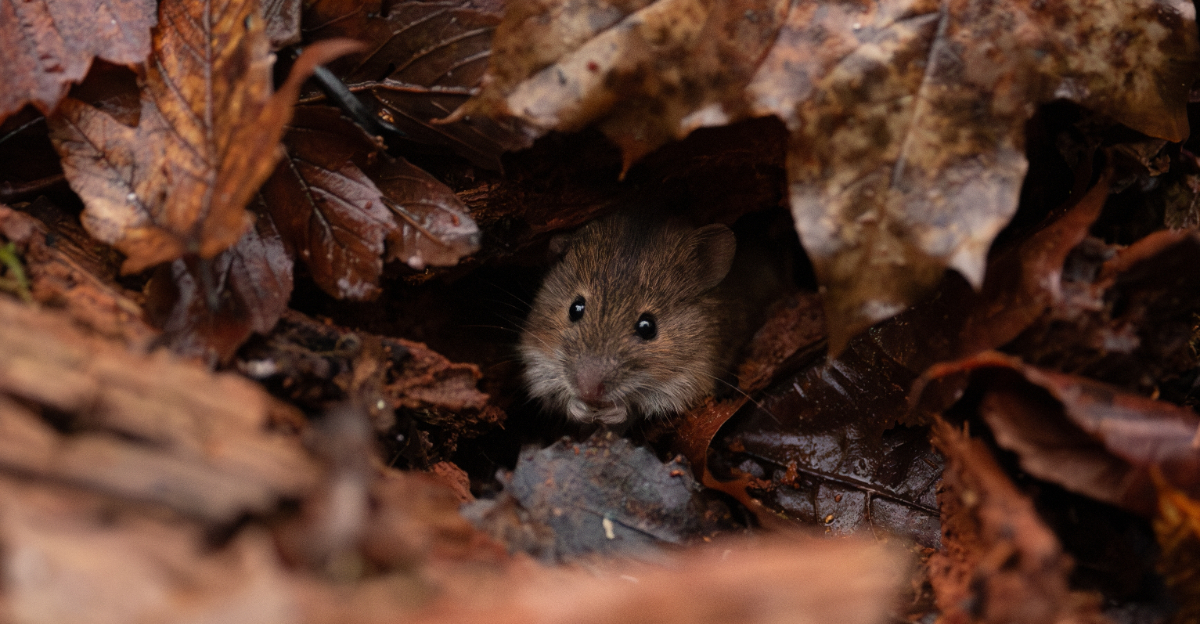
As temperatures drop in Michigan, mice begin looking for warmer places to spend the colder months, and sheds and garden areas often become an easy target.
These spots offer shelter from the wind along with nearby sources of food, especially if leftover produce, seeds, or garden debris are still around.
This shift usually starts earlier than most homeowners expect, since mice respond to cooling temperatures well before the first frost actually arrives.
Once they find a comfortable spot with steady access to food, they tend to settle in and multiply quickly, making early fall a much easier time to prevent an infestation than winter.
Sheds in particular are appealing because they’re quiet, rarely disturbed, and often packed with clutter that makes great nesting material.
1. Cooler Nights Push Mice Toward Shelter

When the thermometer drops after Labor Day, mice feel it faster than we do. Their tiny bodies lose warmth quickly, so they start hunting for spots that block the chill.
Michigan nights in October can slip into the 30s and 40s, and that cold pushes rodents toward anything that traps heat. Sheds, garages, wood piles, and garden structures all offer a break from the wind and damp.
A mouse only needs a warm, dry pocket to feel safe. The insulated walls of a shed or the tight gaps under stored equipment give exactly that kind of comfort.
Wood piles are a favorite because the stacked logs create little tunnels and air pockets. These spaces stay warmer than the open yard and let mice tuck away from view.
Garden structures like raised beds, trellises, and covered planters also hold warmth near the soil. Mice often burrow at the base where the ground stays a few degrees cozier.
You can make your property less inviting by moving wood piles away from walls and lifting them off the ground. A gap between the pile and the shed removes an easy path indoors.
Sweeping out garages and closing doors on chilly evenings helps too. The fewer warm hideaways you leave open, the more likely mice will keep searching elsewhere.
Keep in mind that cold weather makes shelter urgent for them. Acting early in the season, before the first hard frost settles in, gives you the upper hand.
2. Fall Gardens Provide Hidden Cover
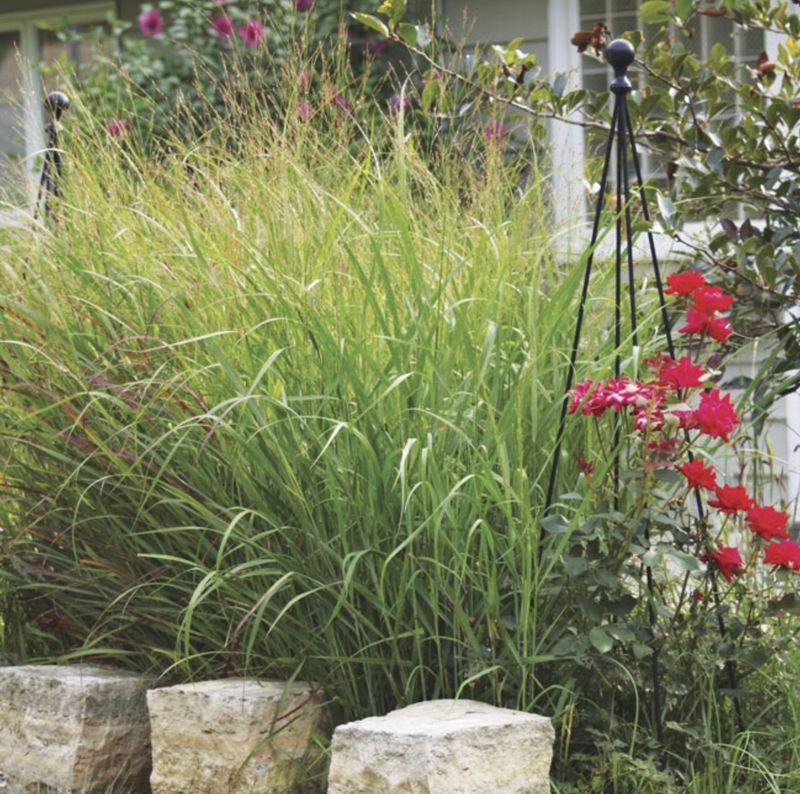
A tidy summer garden slowly turns into a leafy maze once autumn arrives. All those fallen leaves and drooping plants form a perfect screen for shy little creatures.
Mice love cover because it hides them from hawks, owls, and neighborhood cats. Thick mulch, tall grasses, and piles of plant debris let them scurry around without being spotted.
In Michigan, gardens often go quiet by mid-October, and unused materials tend to pile up. Empty pots, rolled hoses, and forgotten stakes give rodents shady corners to explore.
The layers of leaves that build up along fences and walls are especially appealing. A mouse can move from the yard to the shed while staying tucked under that leafy blanket.
Tall grasses left standing near beds also work like hidden highways. Rodents follow these covered routes to reach food and shelter without stepping into the open.
Your Michigan Garden Changes Every Week. Your Plan Should Too.
Gardening in Michigan changes quickly throughout the season. Every Friday you’ll receive a simple weekly plan showing exactly what to plant, prune, fertilize, harvest, and protect so you never miss the right timing.
Reducing this cover makes a real difference. Raking leaves regularly and trimming grasses along structures removes the safe pathways mice rely on.
Try keeping a clear strip of open ground around your shed and garden beds. That bare space feels risky to a mouse and slows their approach.
Storing extra materials like pots and tools off the ground helps as well. When there are fewer damp, shadowy hiding spots, the yard becomes far less welcoming.
A little fall cleanup goes a long way toward keeping your garden peaceful. The tidier the space, the harder it is for mice to sneak around unnoticed.
3. Seed And Plant Debris Becomes A Food Source

Autumn gardens leave behind a surprising amount of food. To a hungry mouse, your leftover harvest looks like a free buffet.
Fallen seeds from flowers and vegetables scatter across the soil once plants fade. Sunflowers, squash, and dried beans all drop tasty bits that rodents happily gather.
Spilled birdseed is one of the biggest draws in Michigan yards. The husks and kernels that fall beneath feeders pull mice in from surprising distances.
Vegetable scraps left in the garden add to the temptation. A forgotten tomato or a half-buried potato can feed a small family of mice for days.
Because winter is coming, rodents work extra hard to stock up on calories. Easy fall meals help them build the fat they need to survive the cold months.
You can shrink the food supply with a few simple habits. Sweep up spilled birdseed regularly and store the bag in a metal or thick plastic bin.
Harvesting your garden fully before frost also helps. Picking ripe vegetables and clearing dropped produce removes the snacks mice crave.
Consider pausing bird feeding for a while if rodents become a problem. Sometimes a short break breaks the pattern and sends mice looking elsewhere.
Keeping the ground clean around beds and feeders sends a clear message. When the easy meals disappear, so does much of the appeal.
A garden without scattered food is simply less exciting to a mouse. That small change can quietly steer them away from your space.
4. Sheds Offer Perfect Nesting Materials
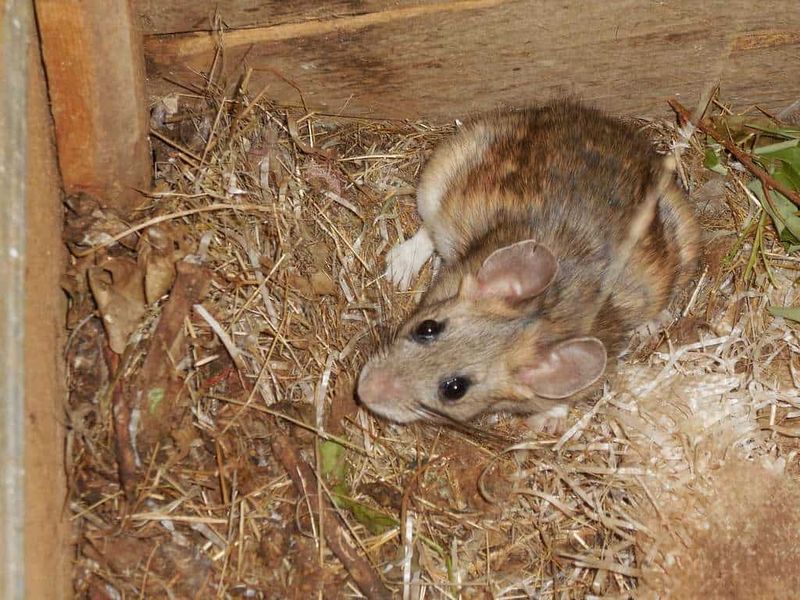
Step inside a typical shed and you will find a mouse’s dream supply closet. Soft, shreddable materials sit everywhere, just waiting to become a cozy nest.
Cardboard is a top choice because it tears easily into fluffy strips. Old boxes stacked in a corner practically invite rodents to move in.
Fabric is another favorite, from folded tarps to forgotten rags. Mice pull these apart to line their nests with warm, padded bedding.
Stored supplies like paper bags, twine, and packing materials add to the appeal. Each item offers something soft enough to shred and stuff into a hidden space.
Insulation in shed walls can also attract them. The fluffy texture works perfectly for keeping a nest warm through a Michigan winter.
Cluttered corners give mice both materials and cover at the same time. The messier the shed, the more hidden nooks they have to build in.
Cleaning up clutter is one of the best defenses. Clearing out old boxes and sweeping the floor removes the raw materials they depend on.
Swapping cardboard storage for sealed plastic bins makes a big difference. Hard containers keep supplies dry and out of reach of curious teeth.
Try storing fabric and rags inside closed totes as well. When soft materials are locked away, nesting becomes much harder.
Organizing your shelves and lifting items off the floor helps too. A neat, open shed simply does not offer the comfort a mouse is searching for.
5. Mice May Be Searching For Winter Locations
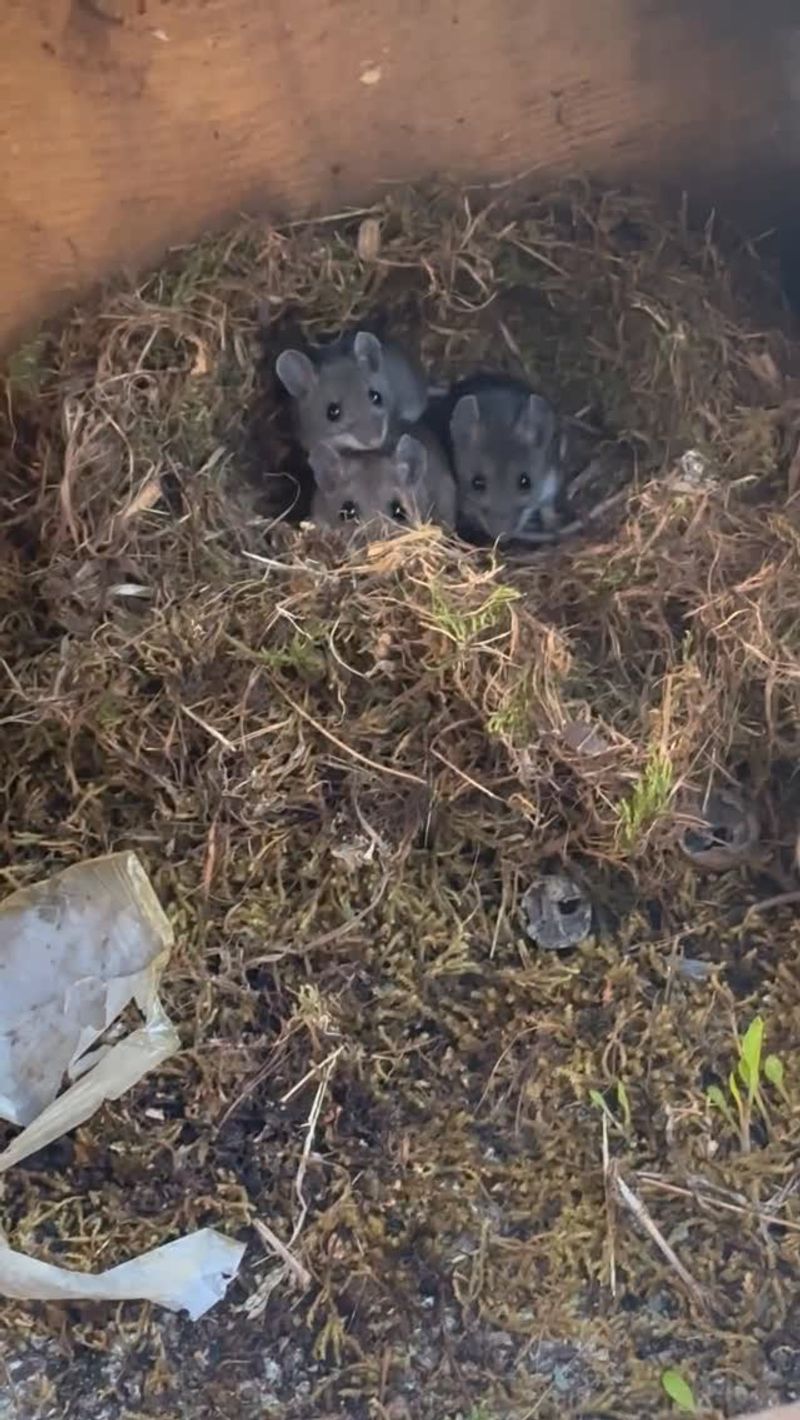
As fall deepens, mice start thinking ahead to the harsh months. They begin scouting spots that will keep them safe once winter settles across Michigan.
Enclosed structures offer protection that open fields simply cannot match. A shed or garage blocks the wind, holds in warmth, and stays much drier than the outdoors.
Snow is a real challenge for tiny animals. A sturdy roof and solid walls give mice a break from the cold, wet blankets that pile up all season.
Predators become another reason rodents move closer to buildings. Hawks and owls hunt hard in fall, so a hidden indoor spot feels safer than the open yard.
Because mice plan for survival, they often pick their winter home early. Fall gives them time to settle in before the first heavy snowfall arrives.
Once a mouse chooses a spot, it may invite family along. A single scout can lead to a small group tucked into your shed by December.
You can interrupt this planning by making structures feel less secure. Sealing gaps and keeping doors closed removes the calm, hidden feeling they seek.
Adding motion or activity around buildings helps too. Frequent visits and open, well-lit spaces make rodents nervous about staying.
Checking your shed and garage in early fall gives you a head start. Spotting signs before winter lets you act while mice are still deciding.
The earlier you make your buildings unwelcoming, the better. A mouse that cannot find a safe winter base will keep moving on.
6. Compost And Brush Piles Can Attract Them
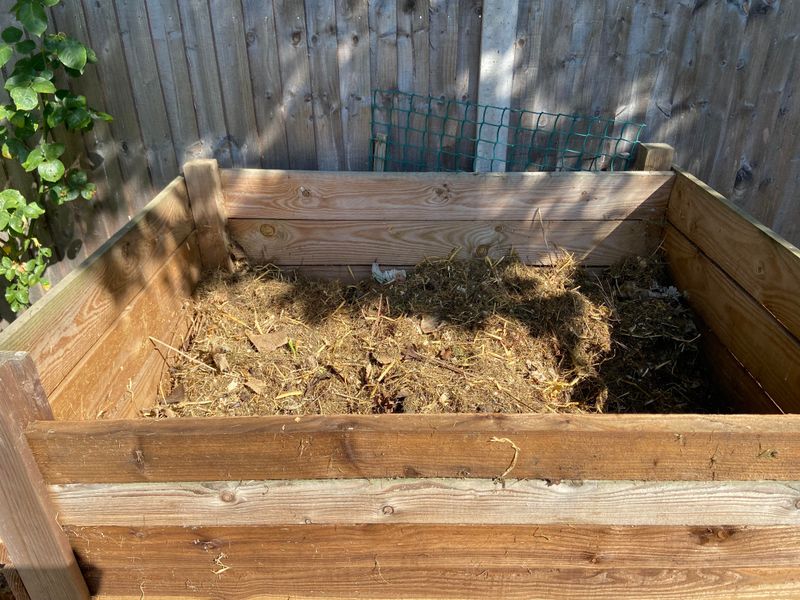
A compost pile bubbling with kitchen scraps is a five-star restaurant for a mouse. It offers warmth, moisture, and plenty of nibbles all in one convenient spot.
Food scraps like fruit peels and vegetable ends draw rodents in quickly. The decaying material also gives off gentle heat that feels cozy on a cool night.
Stacked wood adds another layer of appeal. The gaps between logs create snug tunnels where mice can hide and rest between meals.
Dense vegetation around these piles seals the deal. Overgrown shrubs and weeds give rodents cover as they travel back and forth.
In Michigan, many gardeners build brush piles in fall while cleaning up beds. These heaps of branches and leaves become instant shelters if left too close to the house.
The combination of food and shelter is what makes these areas so tempting. A mouse rarely has to travel far when both needs sit in one place.
Managing compost carefully keeps it less inviting. Using a closed bin with a tight lid blocks easy access to the scraps inside.
Skipping meat, oils, and heavy food waste helps as well. A compost pile with mostly leaves and yard trimmings attracts fewer rodents.
Placing wood piles and brush away from buildings is smart too. A little distance means mice cannot slip straight from the pile into your shed.
Clearing dense growth around these spots removes their cover. When the hiding places shrink, so does the crowd of whiskered visitors.
7. Small Openings Are Enough To Get Inside
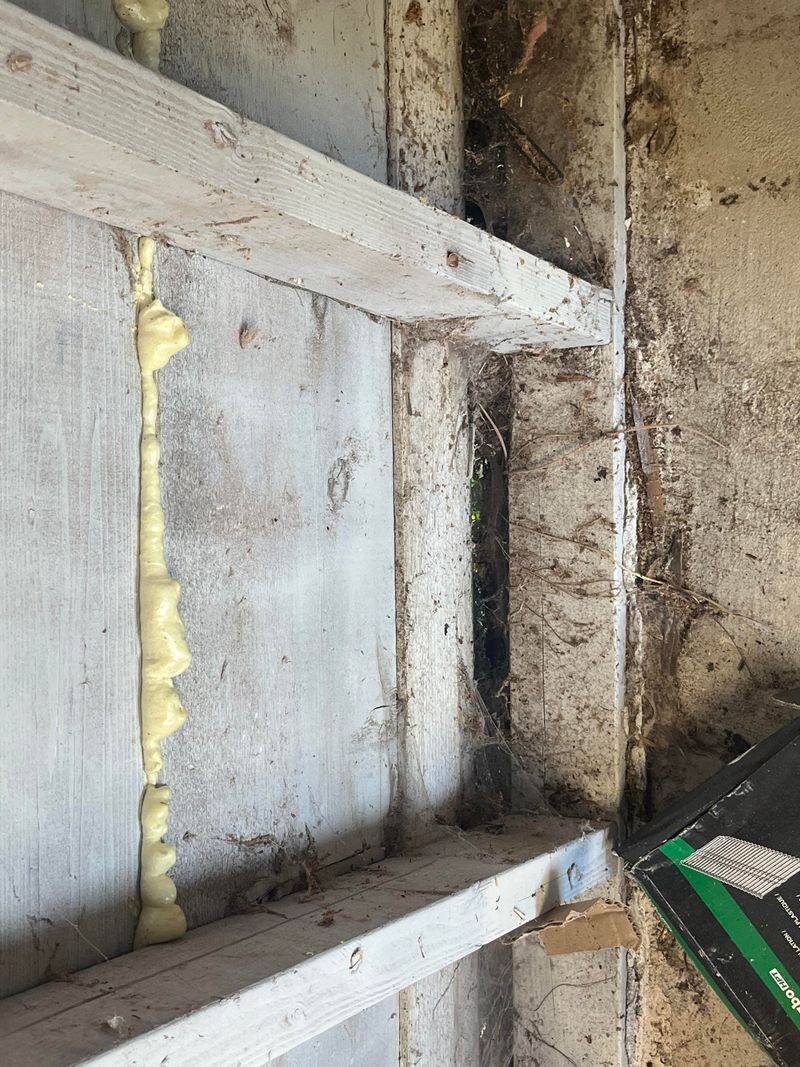
It seems hard to believe, but a mouse can slip through a hole the size of a dime. Their flexible bodies squeeze into spaces that look far too tiny.
Shed doors are a common weak point. A small gap at the bottom or a warped edge gives rodents a clear invitation inside.
Cracks in the foundation offer another easy route. Even a thin split in concrete can be enough for a determined mouse to wiggle through.
Gaps around pipes, wires, and vents also create hidden doorways. These openings often go unnoticed until rodents start using them.
Michigan’s freeze and thaw cycles can widen cracks over time. What starts as a hairline gap may grow into a mouse-sized entrance by fall.
Because mice explore constantly, they find these weak spots fast. A gardener might not see the hole, but a curious rodent certainly will.
Inspecting your shed carefully is the first step. Look along the base, around the door frame, and near any pipe or wire that enters the walls.
Sealing gaps with steel wool packed into holes works well. Mice have a hard time chewing through the tough metal fibers.
Adding weather stripping to door bottoms closes another common gap. A snug door keeps both cold air and rodents outside.
Checking these spots each autumn keeps problems small. A few minutes of inspection can save you from a much bigger visitor situation later. The smaller you make every opening, the fewer chances mice have to sneak in.
8. Fall Prevention Makes The Biggest Difference
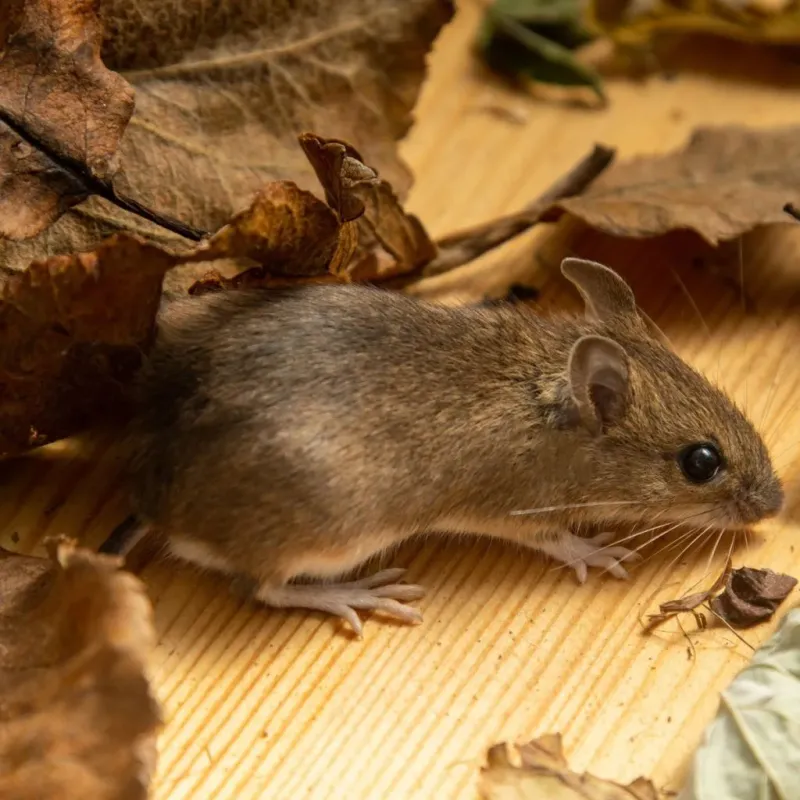
The good news is that a little effort in fall pays off all winter long. Small changes now can make your shed and garden far less appealing to mice.
Cleaning up spilled seed is a great starting point. Sweeping under feeders and around beds removes one of the biggest food attractions.
Storing supplies in sealed containers is another smart move. Thick plastic bins and metal cans keep both food and nesting materials safely out of reach.
Reducing clutter helps more than most people expect. Clearing old boxes and organizing shelves removes the hidden corners rodents love.
Sealing entry points ties everything together. Blocking gaps and cracks keeps mice from slipping inside once the weather turns cold.
In Michigan, timing matters because rodents move indoors as fall progresses. Acting before the first frost gives you the best chance to stay ahead.
Try walking your property with fresh eyes on a cool afternoon. Look for food sources, soft nesting spots, and any openings that need attention.
Trimming plants away from walls adds another layer of defense. Less cover near buildings means fewer safe paths for rodents to follow.
Keeping the shed floor swept and the garden tidy sends a clear signal. A clean, open space feels risky and uninviting to a mouse.
Combining these steps works better than any single fix. When food, shelter, and entry points all disappear at once, mice simply look elsewhere. A few autumn habits can keep your space calm and mouse-free through the season.