Plant These Texas Natives In September For A Yard That Comes Alive This Fall
There is a certain magic that stirs in a Texas yard once the summer heat starts loosening its grip. The soil is still warm, the light turns golden, and something wonderful is about to happen if you make the right move now.
September is a secret window when roots take hold quietly underground, setting the stage for a burst of color and buzzing life later on. Picture butterflies drifting past, bees humming through the afternoon, and blooms glowing against a cooler sky.
The best part is that you do not need fancy tricks or expensive gear to pull this off. You just need a shovel, a little curiosity, and plants that already belong to this land.
These Texas natives are tough, thirsty for less water, and eager to reward you. Ready to see your yard wake up? Let us get planting.
1. Gregg’s Blue Mistflower
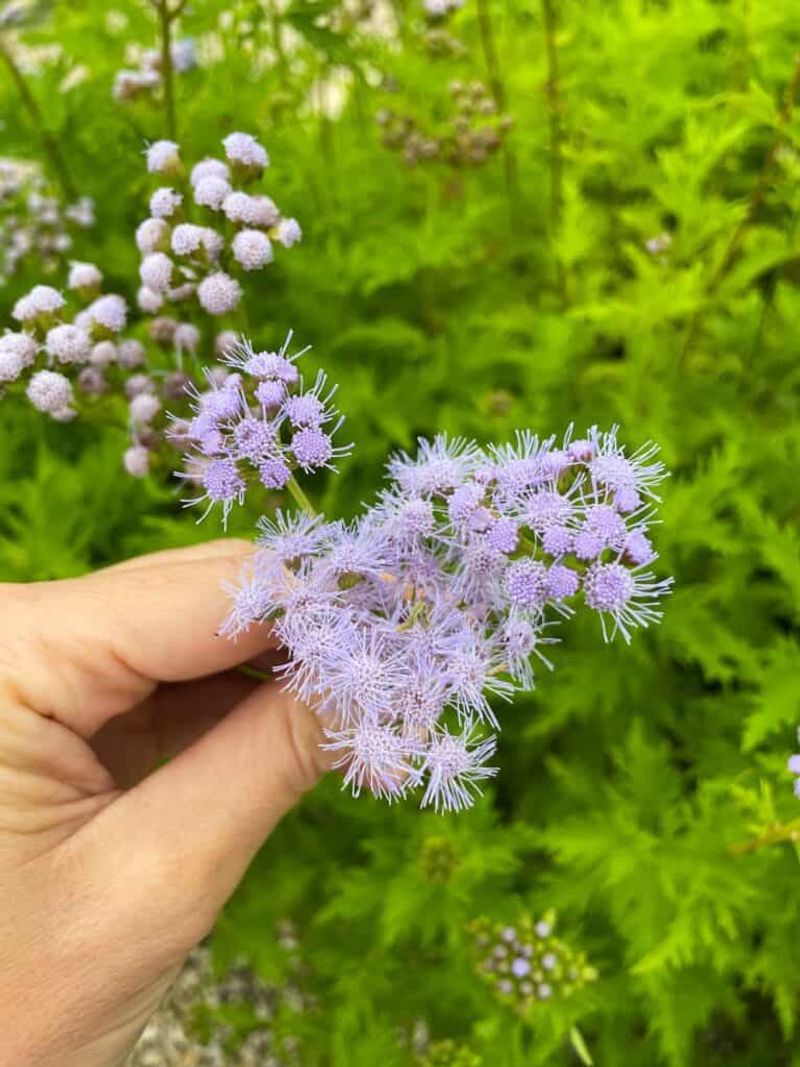
Imagine a low cloud of soft blue drifting across your flower bed, alive with fluttering wings. That is what Gregg’s mistflower brings to a Texas fall.
Also called palm-leaf mistflower, this native spreads happily as a groundcover. Its fuzzy blooms appear from late summer through autumn, right when many gardens start looking tired.
Queen butterflies and monarchs adore it, sometimes gathering in the dozens. Watching them swirl above the flowers feels like your yard threw its own party.
Plant it in September while the ground stays warm and roots can settle in before winter. Choose a spot with full sun or part shade, and give it well-draining soil.
Once established, this plant asks for very little water. That makes it a smart pick for Central and South Texas gardens where summers run long and dry.
It grows about one to three feet tall and can spread through underground stems. If it wanders too far, simply pull the extras and share them with a neighbor.
Deer usually leave it alone, which is a relief in many Texas neighborhoods. Rabbits tend to skip it too, so your blooms stay safe.
Pair it with fall asters or lantana for a layered look that hums with pollinators. The color combination glows in the soft autumn light.
After blooming, you can trim it back to keep things tidy. Come spring, it returns with fresh green growth and no fuss.
For anyone wanting a lively yard with barely any effort, this fluffy charmer earns its keep. It turns an ordinary bed into a butterfly runway.
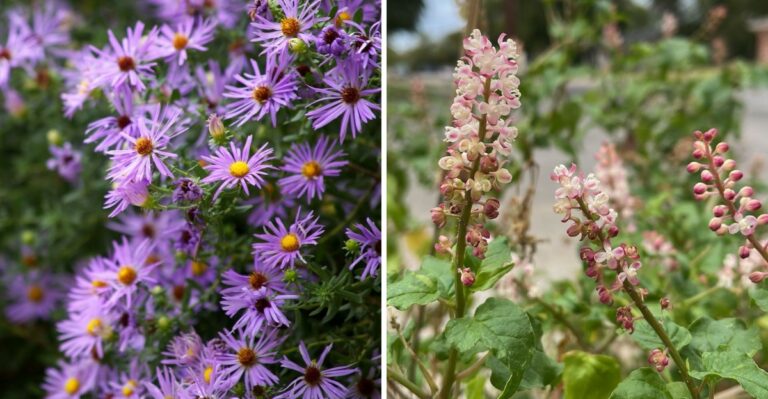
2. Fall Aster
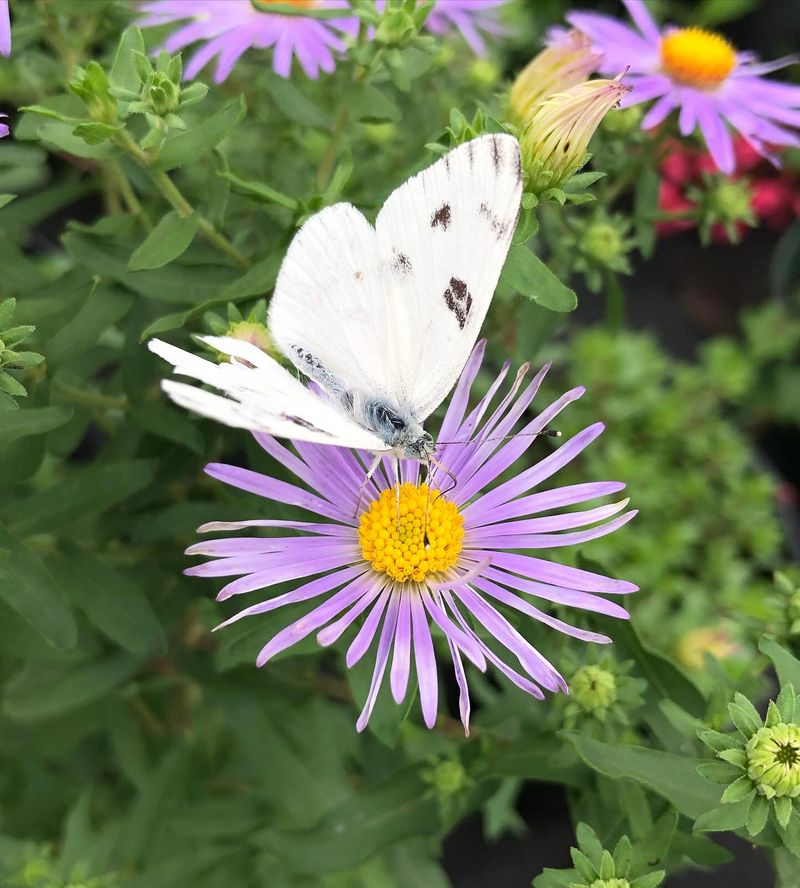
Some plants save their best show for the very end of the season. The fall aster is one of those quiet performers.
All summer it looks like a plain green mound, easy to overlook. Then October arrives, and it explodes into a blanket of purple petals with sunny yellow centers.
Native across much of Texas, this perennial thrives on neglect. Once its roots dig in, it shrugs off heat and drought like an old pro.
September is the ideal time to tuck it into your garden. The warm soil helps it root before the cool weather sparks that dramatic bloom.
Your Texas Garden Changes Every Week. Your Plan Should Too.
Gardening in Texas changes quickly throughout the season. Every Friday you’ll receive a simple weekly plan showing exactly what to plant, prune, fertilize, harvest, and protect so you never miss the right timing.
Give it full sun for the fullest flower display, though it tolerates a little afternoon shade. Well-draining soil keeps it healthiest and happiest.
Bees and butterflies flock to the blooms during a time when other food sources fade. Your yard becomes a welcome pit stop for hungry pollinators.
The plant grows around two feet tall and wide, forming a neat rounded shape. A quick shearing in early summer keeps it compact and covered in buds.
Deer often pass it by, which helps rural gardeners breathe easier. It also handles the clay soils common across North Texas.
Once flowering ends, cut it back and let it rest through winter. It bounces right back the following year, tougher than ever.
Plant a few together for a wave of violet that lights up the cooler days. Set against golden grasses, the effect feels almost like fireworks.
For a yard that peaks when everyone expects the garden to slow down, this late bloomer delivers big.
3. Turk’s Cap
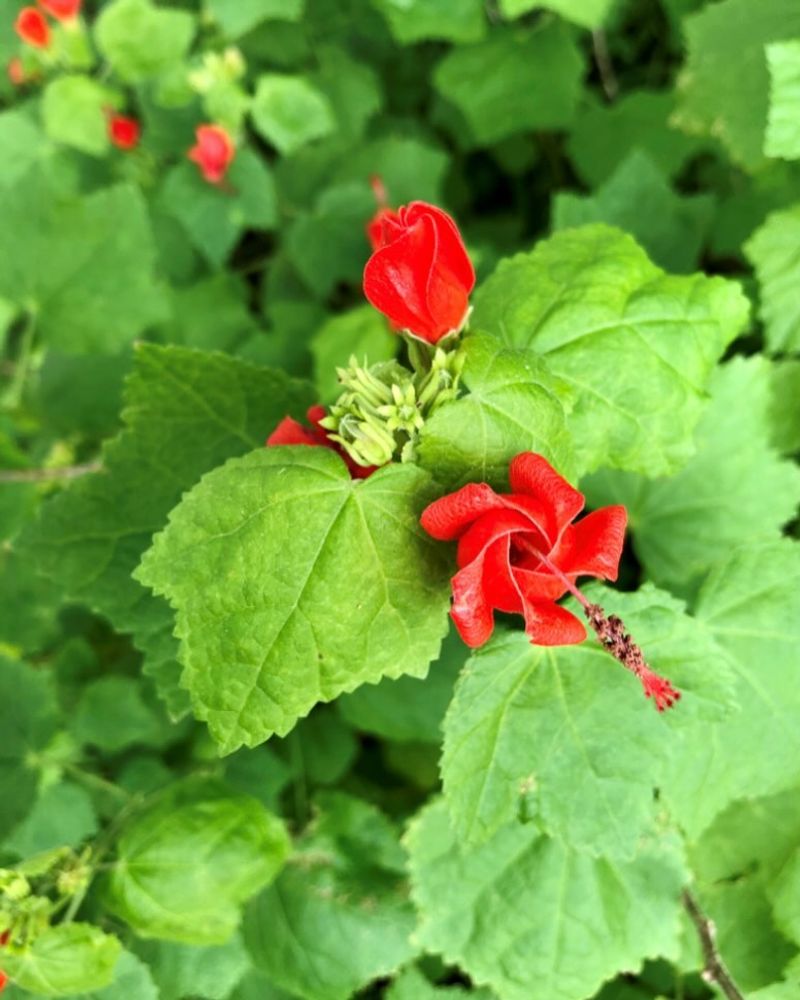
Ever seen a flower that looks like a tiny turban that forgot to unfurl? That playful twist is the signature of Turk’s cap.
Its bright red blooms never open fully, staying swirled into a cheerful little cap. Hummingbirds cannot resist poking their beaks inside for a sip.
Native throughout Central and East Texas, this shrub loves the shade. That makes it a lifesaver for those dim corners where nothing else seems to grow.
Plant it in September so the roots can settle during the mild fall stretch. It will reward you with blooms from summer well into autumn.
The plant handles dry shade, wet spots, and everything between. Few Texas natives are this forgiving about their surroundings.
It can reach two to four feet tall, sometimes more in rich soil. A light trim keeps it bushy and full of flowers.
After the blooms fade, small red fruits appear that birds enjoy snacking on. The fruit is edible for people too and tastes a bit like apple.
Butterflies join the hummingbirds, making the plant a busy hub of activity. Standing near it on a warm afternoon feels like watching a tiny airport. Deer nibble it occasionally but rarely wipe it out. In shady beds, that resilience is a big win.
Come winter, it may fade back, then springs up again with new stems. Little maintenance is required beyond an occasional cleanup.
Tuck it beneath trees or along a fence where sun is scarce. That overlooked space suddenly turns into a lively pocket of red. For shade gardens craving movement and color, this quirky bloomer is hard to beat.
4. Flame Acanthus
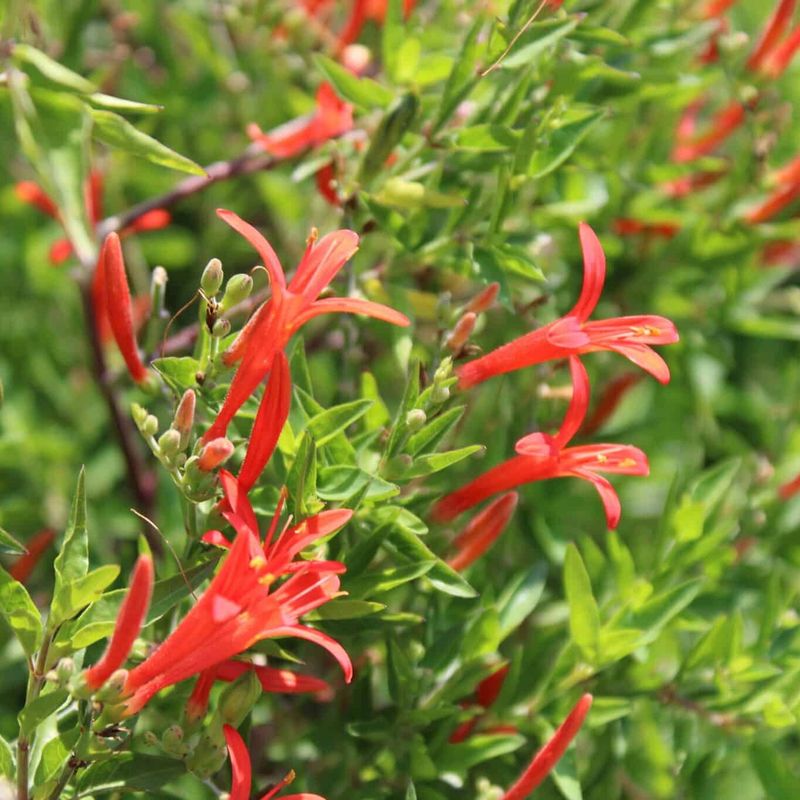
If you want your yard to feel like it caught fire in the friendliest way, meet flame acanthus. Its slender orange-red blooms glow against the greenery.
Also known as hummingbird bush, this shrub is a magnet for the tiny birds. They dart between the tubular flowers from summer into fall.
Native to the Texas Hill Country and West Texas, it laughs at heat and drought. Rocky, poor soil that stumps other plants suits it just fine.
September planting gives the roots a head start before winter. That early anchoring leads to a stronger, fuller plant next season.
It prefers full sun, where its airy branches fill with the most blooms. The loose, open shape adds a soft texture to any bed.
Growing three to five feet tall, it makes a fine backdrop for shorter flowers. Space it where its arching stems have room to stretch.
Butterflies visit alongside the hummingbirds, keeping the plant lively all day. On a warm evening the buzzing and darting never seem to stop.
Deer tend to ignore it, which is a bonus for Hill Country gardeners. It also needs almost no supplemental water once settled.
Prune it hard in late winter to keep it neat and encourage fresh blooms. It responds by coming back thicker and brighter.
The plant works beautifully in xeriscape designs where water is precious. It proves that low-water gardens can still burst with color.
For anyone chasing hummingbirds and warm autumn tones, this fiery native shines. It brings both movement and glow to the fall landscape.
5. Gulf Muhly Grass
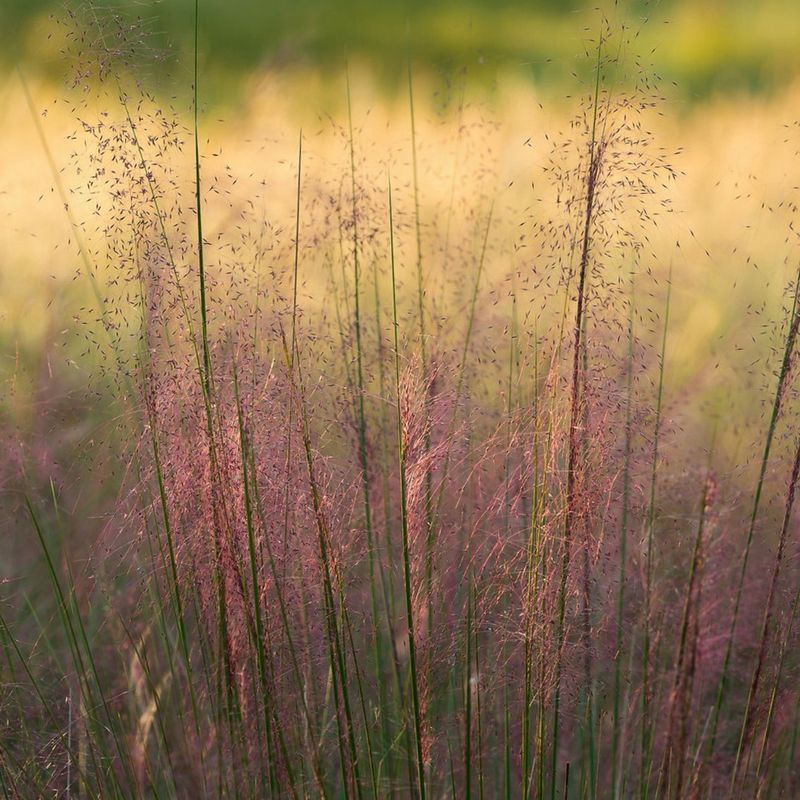
Picture a soft pink cloud floating just above the ground, catching the low autumn sun. That dreamy sight is gulf muhly grass in full glory.
For most of the year it stays a modest clump of thin green blades. Then fall arrives and it sends up airy plumes in a stunning rosy pink.
Native to parts of Texas, especially coastal and eastern areas, this grass loves sunshine. Backlit at sunrise or sunset, it seems to glow from within.
Plant it in September so the roots grip the soil before cool weather. A strong start means a fuller plume display the following autumn.
It tolerates drought, salt, and sandy soil, making it tough as nails. Once established, it barely needs a drink even in dry spells.
The clumps grow two to three feet tall and about as wide. Massed together, they create a shimmering pink wave across the yard.
Unlike flowers, this grass earns attention through texture and light rather than blooms. It brings a gentle, wispy movement whenever the breeze passes through.
Deer usually leave grasses alone, so it stays intact in wilder areas. It also resists most pests without any fuss.
Cut it back in late winter before new growth begins. That simple trim keeps it fresh and ready for another season.
Line a walkway or scatter clumps among wildflowers for extra drama. The contrast of soft pink against bold blooms feels magical.
For a fall yard that catches every ray of golden light, this native grass steals the scene without even trying.
6. Autumn Sage
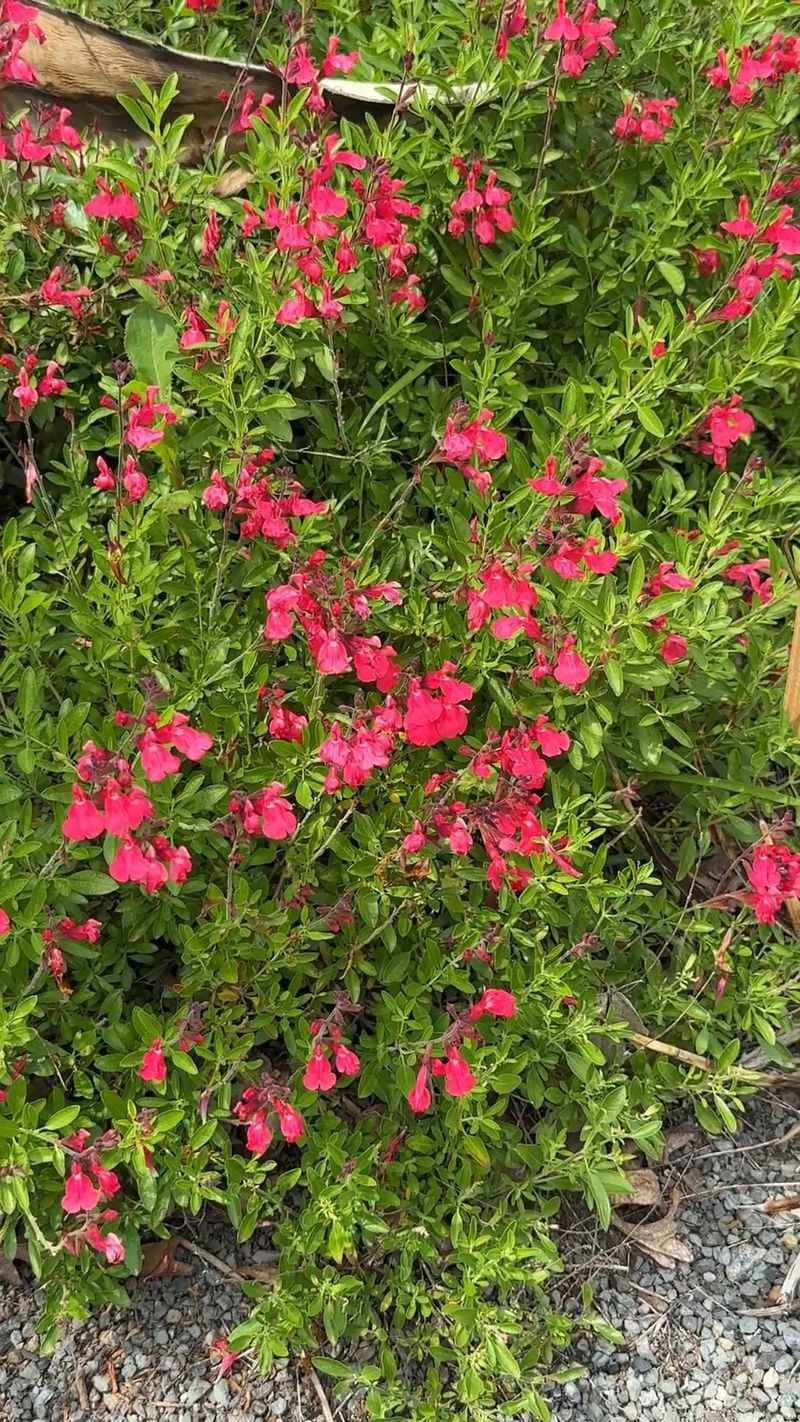
Talk about a plant that keeps giving through the toughest months. Autumn sage blooms on and off from spring all the way into fall.
Despite its name, it does not wait for autumn to shine, though it puts on a strong show then. The small tubular flowers come in red, pink, coral, and white.
Native to West Texas and the Hill Country, this shrub thrives in heat and rocky ground. It handles conditions that would wilt fussier plants.
September is a great time to add it, letting roots grow while the soil stays warm. That timing helps it bounce into bloom faster.
Full sun brings out the most flowers, though it accepts a little shade. Well-draining soil keeps it thriving for years.
Hummingbirds, bees, and butterflies all crowd around the blossoms. The plant practically hums with visitors on warm days.
It grows two to three feet tall and forms a tidy, rounded shape. A light shearing after heavy blooming sparks a fresh flush of flowers.
Deer often skip it, making it a favorite for country gardens. Its drought tolerance also fits perfectly into water-wise landscapes.
The woody stems hold up well through mild Texas winters. In colder spots, trim it back and watch it return in spring.
Mix different flower colors for a patchwork of blooms across the bed. The variety keeps the display interesting week after week.
For steady, reliable color that supports pollinators month after month, this hardworking native rarely disappoints. It is a backbone plant for any Texas fall garden.
7. Cedar Sage
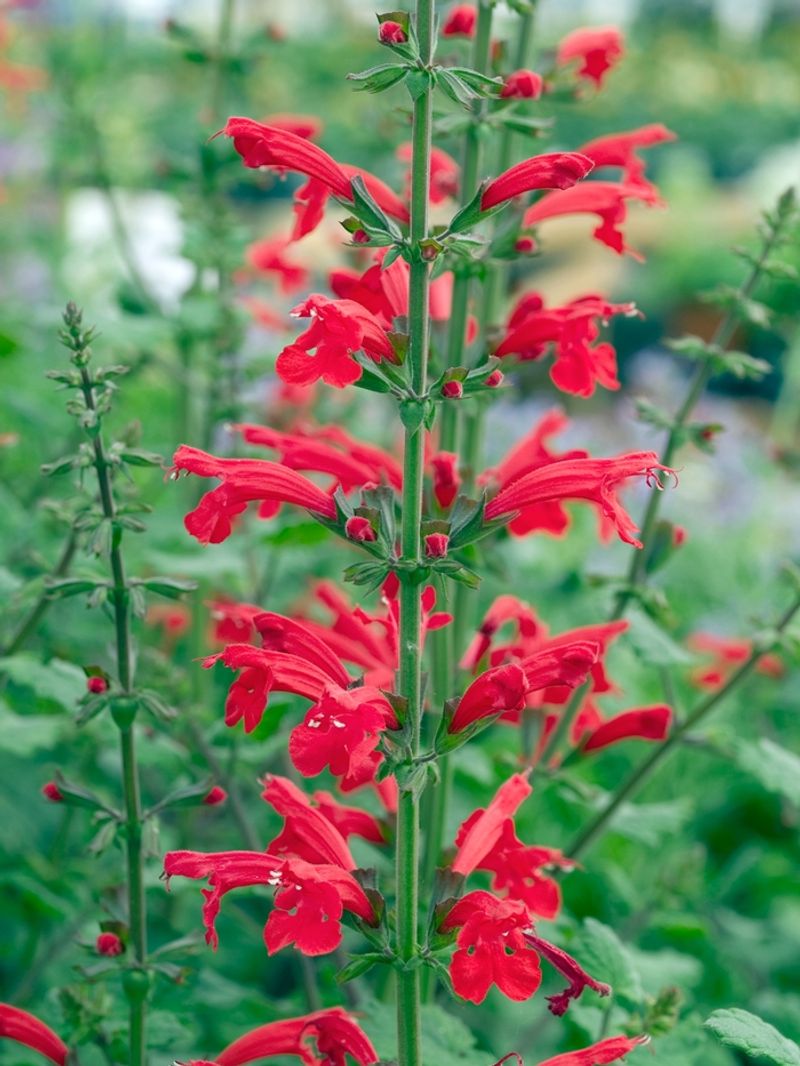
Here is a shade-loving gem that many Texas gardeners overlook. Cedar sage tucks itself under trees and lights up the gloom with scarlet spikes.
Its bright red flowers rise above soft, textured leaves in a striking display. The color pops even in the dim light beneath oaks and cedars.
Native to the Hill Country and Central Texas, it grows naturally in rocky, wooded spots. That means it feels right at home in shady, tricky corners.
Plant it in September so it can root during the gentle fall weather. A settled start leads to stronger blooming ahead.
It prefers part to full shade, the opposite of most sun-hungry salvias. That makes it a rare treasure for darker garden areas.
Hummingbirds seek out its tubular flowers, adding flashes of movement. Watching them dart through the shade feels like a hidden little show.
The plant stays low, usually around one to two feet tall. Its modest size fits nicely at the front of a shaded bed.
Cedar sage handles the thin, limestone soils common across Central Texas. It asks for only occasional water once it is established.
Deer generally leave the aromatic foliage alone, which helps in wilder settings. The scented leaves also add a pleasant touch when brushed.
After blooming, a light trim keeps it neat and encourages more flowers. It reseeds gently, filling in bare shady patches over time.
Pair it with ferns or Turk’s cap for a lush shade garden bursting with red. The layered greenery makes those spikes glow even brighter. For shady spaces begging for a splash of color, this understated native truly delivers.