Why Michigan Gardeners Are Adding Compost To Fall Vegetable Beds In August
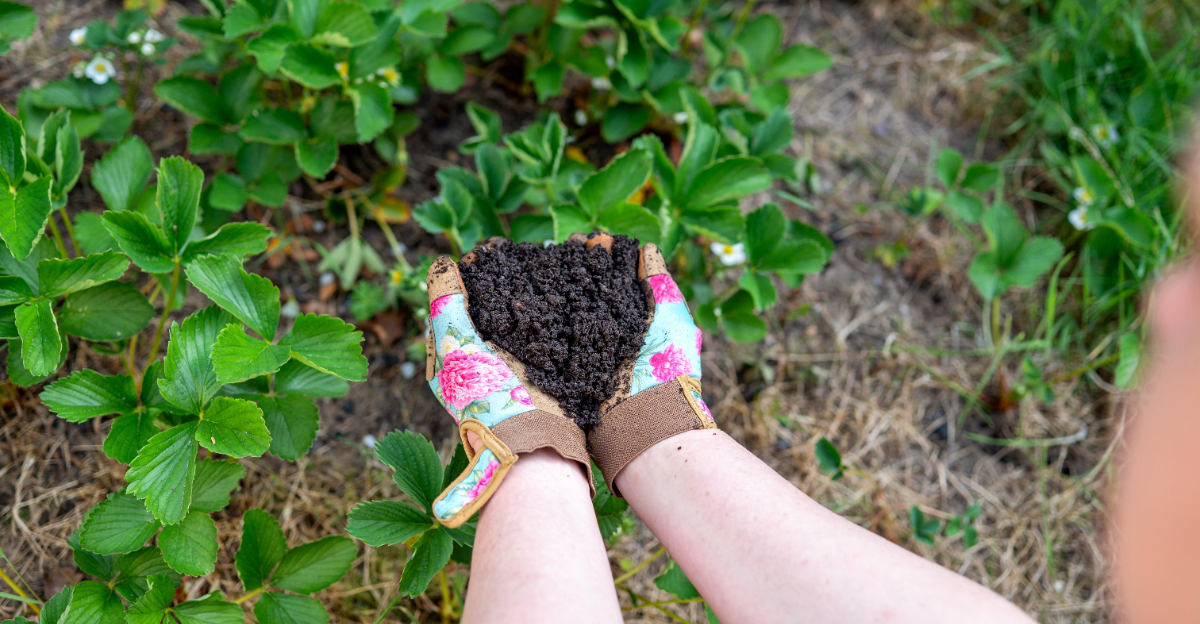
Adding compost to fall vegetable beds in August gives Michigan gardeners a head start on replenishing nutrients before cooler season crops go into the ground.
Summer vegetables often deplete soil significantly by this point, leaving beds less prepared to support a strong fall planting without some added support.
Working compost into the top few inches improves soil structure while restoring nutrients lost to months of heavy summer production.
This timing also allows compost to integrate naturally before seeds or transplants go in for crops like kale, spinach, and carrots.
Compost helps retain moisture more effectively, which becomes especially valuable as fall planting schedules rely on consistent soil conditions.
Adding a layer now also supports beneficial soil organisms that continue improving soil health throughout the fall season.
Skipping this step often leads to weaker fall crops struggling in depleted, less supportive soil. This simple August habit sets fall vegetable beds up for a much stronger overall harvest.
1. August Is A Major Fall Vegetable Planting Month
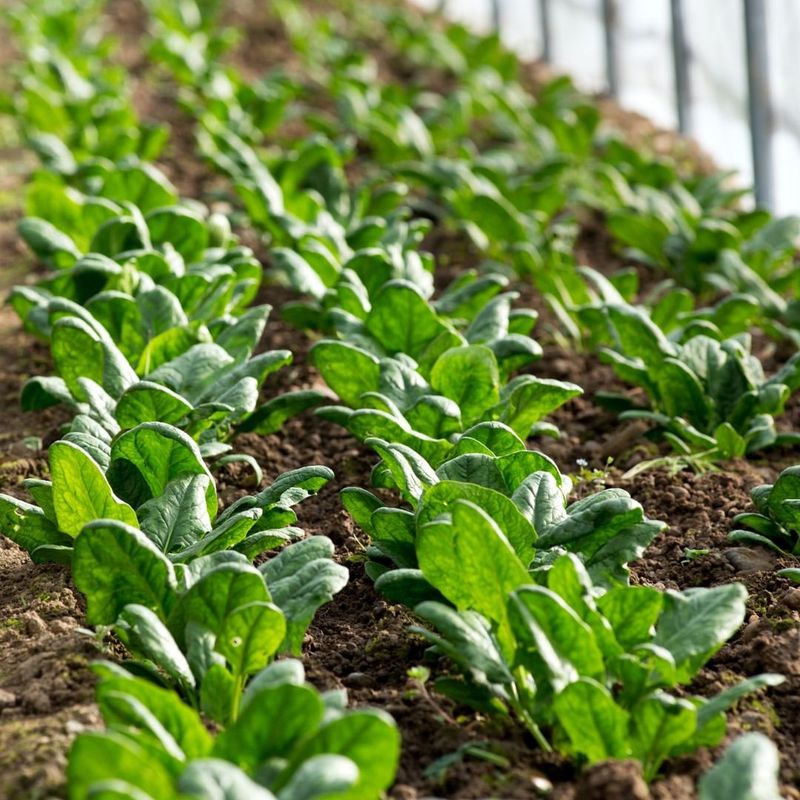
Most gardeners think of spring as the only planting season, but Michigan has a productive second window hiding right inside August.
Many cool-season vegetables need to go into the ground from late July through early August to mature before frost arrives.
Beds that recently held spring peas, radishes, or lettuce are ready to be refreshed and replanted with a whole new round of crops.
Broccoli, kale, collards, beets, cabbage, and spinach are all excellent options for a Michigan fall garden.
Each of these plants actually tastes better after a light frost touches the leaves, making them perfect candidates for a late-season planting.
Adding compost now gives those plants something nutritious to grow into right from the start. Planting timing does shift depending on where you live in Michigan.
Southern Michigan gardeners have more flexibility, while those in northern Michigan and the Upper Peninsula need to move quickly to stay ahead of earlier frost dates.
Always check the days to maturity printed on your seed packet, then count backward from your expected first frost date to confirm you have enough time.
A quick look at regional frost timing maps from Michigan State University Extension can save a lot of guesswork and help you choose the right crops for your specific location.
2. Finished Compost Replaces Organic Matter Used During Summer
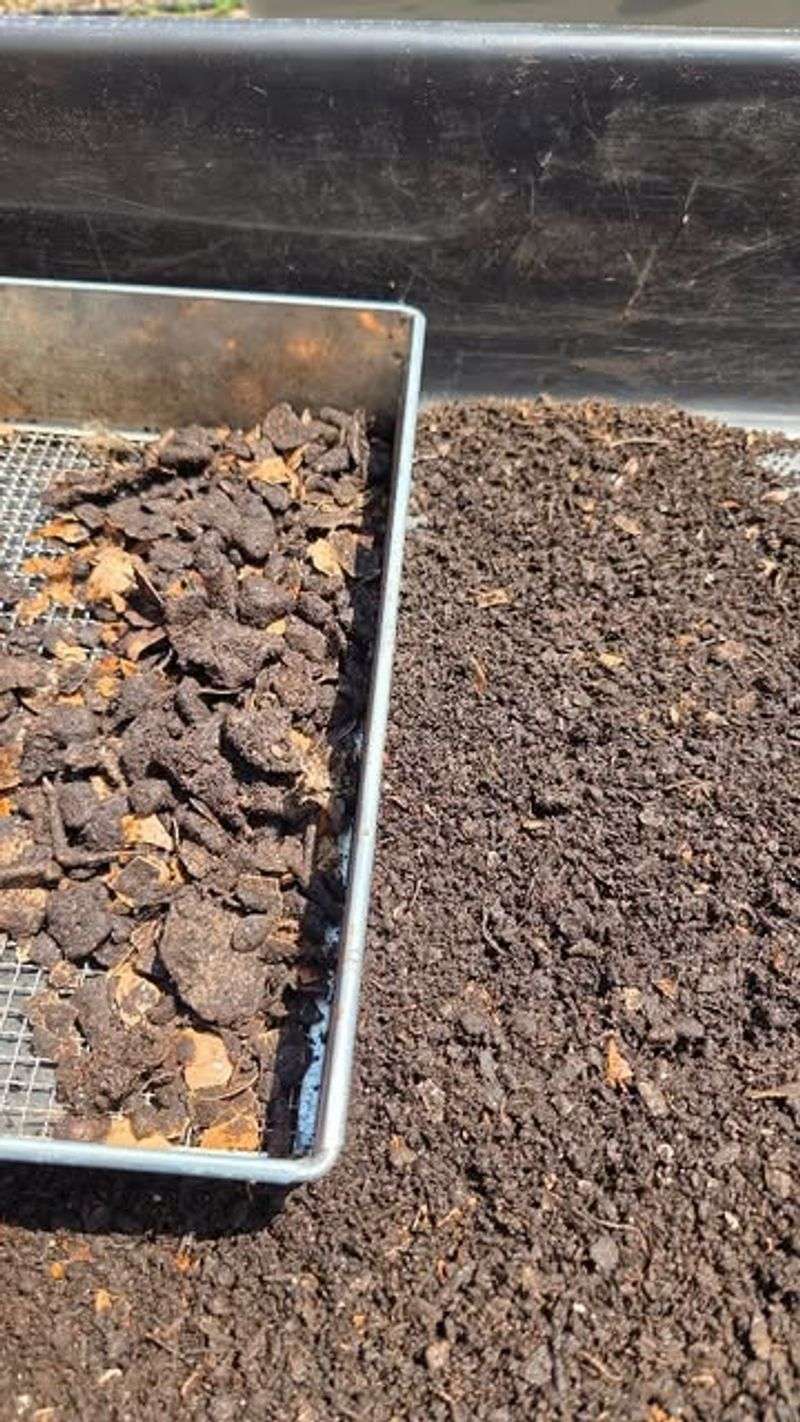
Growing vegetables all summer is hard work for your soil. Every tomato, zucchini, or cucumber that forms pulls nutrients and energy directly from the ground beneath it.
On top of that, normal decomposition happening underground gradually breaks down the organic material that was already present in the bed.
By the time August rolls around, a productive vegetable bed has often been working nonstop for three or four months. The organic matter that once gave the soil its spongy, rich feel has been partially consumed.
Spreading finished compost before planting a second crop returns stable organic material to the bed, helping restore some of what the growing season used up. Organic matter is not just about nutrients.
Your Michigan Garden Changes Every Week. Your Plan Should Too.
Gardening in Michigan changes quickly throughout the season. Every Friday you’ll receive a simple weekly plan showing exactly what to plant, prune, fertilize, harvest, and protect so you never miss the right timing.
It also plays a major role in how well the soil holds together, how easily roots can move through it, and how efficiently it retains moisture between waterings.
Think of it as restoring the foundation rather than just feeding the plants sitting on top of it.
One August compost application will not permanently fix every soil challenge your garden might face, but it absolutely moves things in the right direction.
Consistent annual additions build real, lasting improvement over time, and starting that habit now is one of the most practical things any Michigan gardener can do before tucking fall crops into the ground.
3. Compost Helps Sandy Soil Hold Moisture Longer
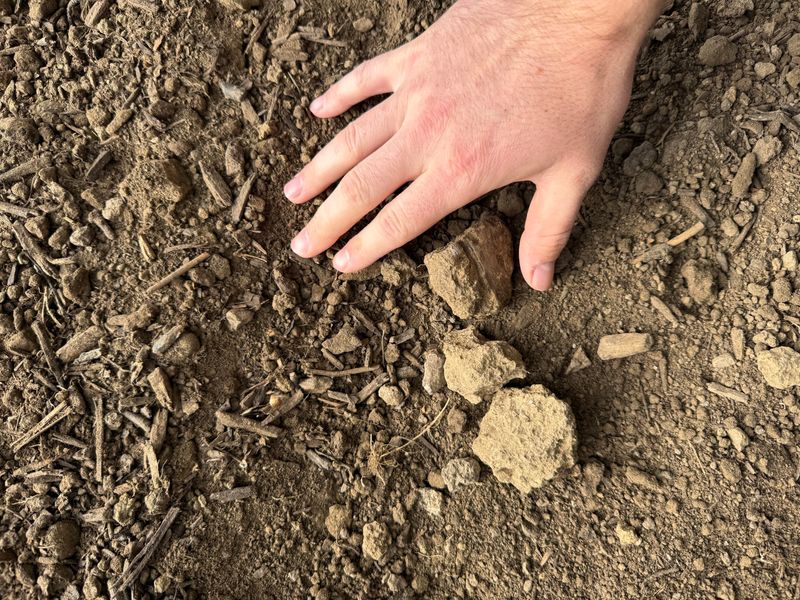
Sandy soil is incredibly common across large parts of Michigan, and anyone who has gardened in it knows the frustration of watering in the morning and finding bone-dry ground by afternoon.
Water moves through sandy particles quickly, draining away before roots have a real chance to absorb it.
During a hot August, that fast drainage can seriously stress newly planted seeds and young transplants. Finished compost works almost like a sponge mixed into the soil.
The organic particles in compost hold water molecules against them, slowing the rate at which moisture escapes from the root zone.
When you blend compost into a sandy bed before planting fall vegetables, you give seeds a better environment for germination and give young roots a more consistent supply of moisture during those first critical weeks.
Germination rates can improve noticeably when soil stays evenly moist rather than swinging between wet and dry extremes.
Spinach, beets, and carrots are especially sensitive to moisture inconsistency during sprouting, so this matters more than many gardeners realize.
That said, compost is not a substitute for regular watering checks.
Even amended sandy soil will dry out during a stretch of hot, dry August weather, so plan to monitor the bed and water young fall vegetables as needed.
Compost simply buys you a little more time between waterings and gives your plants a friendlier environment to get established in.
4. Compost Improves The Structure Of Heavy Soil
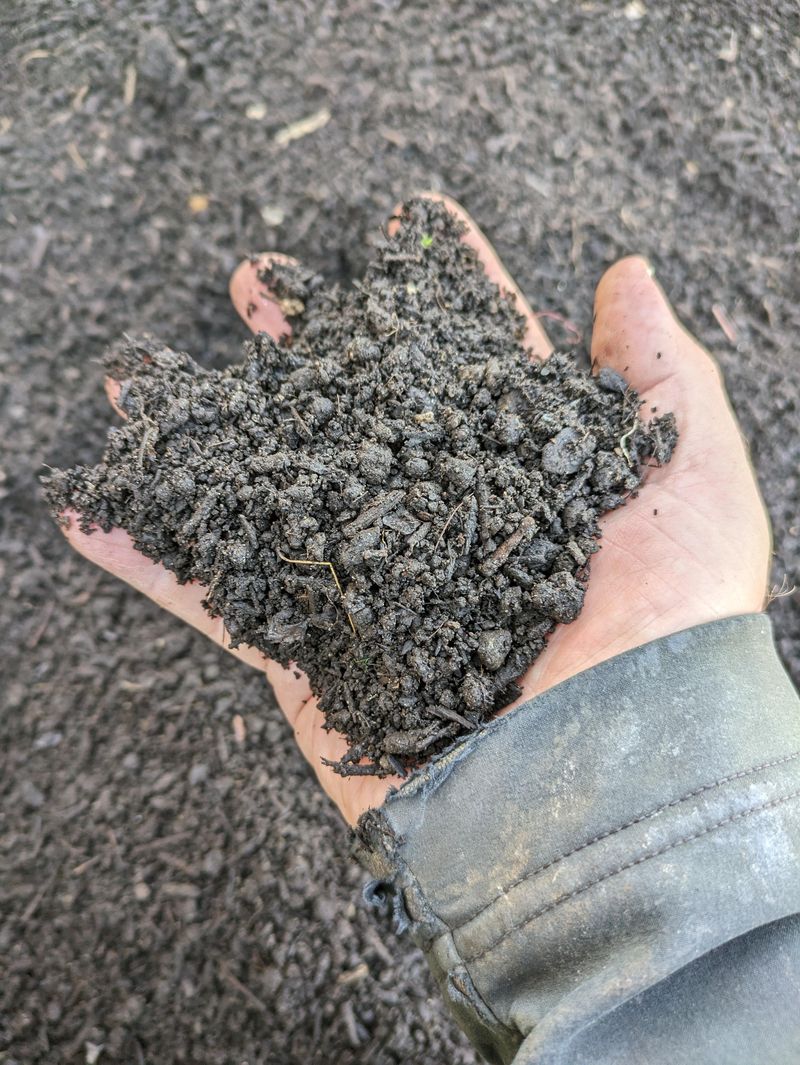
Heavy clay soil presents the opposite challenge from sandy ground, but it is just as frustrating to work with.
Clay particles pack tightly together, leaving little space for roots to push through or for water to drain properly.
After a rain, heavy soil can stay waterlogged for days, and once it dries out, it can form a hard surface that is difficult to break apart.
Working finished compost into heavy soil helps separate those tightly packed particles, creating tiny air pockets and channels where roots can travel more freely.
Water can move through the bed more efficiently, reducing the risk of standing water around young fall vegetable roots.
Over time, consistent compost additions genuinely transform the physical feel of a heavy garden bed.
For small seeds like carrots, spinach, lettuce, radishes, and turnips, a looser planting surface makes a real difference.
Fine seeds need good contact with the surrounding soil to germinate evenly, and a crumbly, well-amended seedbed gives them that contact without resistance.
One important caution, though: never cultivate or work heavy soil when it is saturated.
Digging or tilling very wet clay soil compresses it further and can destroy its structure in ways that take seasons to recover from.
Wait until the bed feels moist but workable, something like the texture of a wrung-out sponge, before you add compost and prepare the surface for planting.
Patience at this step pays off throughout the entire fall season.
5. A Smoother Seedbed Supports More Even Germination
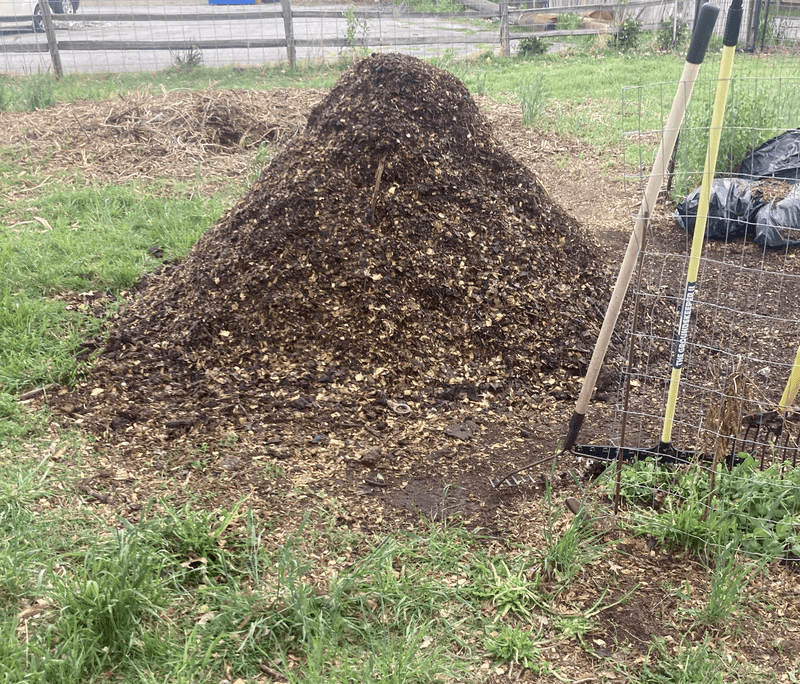
There is something satisfying about a perfectly prepared seedbed.
When the surface is smooth, level, and free of large clumps, small seeds have an even chance at germination across the entire bed.
Uneven seedbeds create high spots that dry out quickly and low spots that collect too much moisture, leading to patchy, inconsistent results that make fall gardening more frustrating than it needs to be.
Removing old crop residue from spring plantings is the first step.
Once the bed is cleared, loosening the surface and blending in finished compost creates a fine, workable layer that small seeds can settle into comfortably.
Seeds like spinach, lettuce, and carrot need close, consistent contact with the surrounding soil to absorb moisture and begin sprouting.
A lumpy or cloddy surface breaks that contact and slows germination. Breaking apart large soil clumps by hand or with a rake is worth the extra few minutes it takes.
Level the planting area gently rather than aggressively turning the entire bed over and over.
Excessive cultivation can actually harm soil structure and leave the surface more exposed to drying and erosion, especially during warm August afternoons.
The goal is a fine, even top layer over a relatively undisturbed soil beneath.
Compost blends beautifully into the top few inches when worked in lightly, and the result is a seedbed that gives your fall vegetables the most uniform, welcoming start possible right from the moment seeds hit the ground.
6. Compost Releases Nutrients Gradually
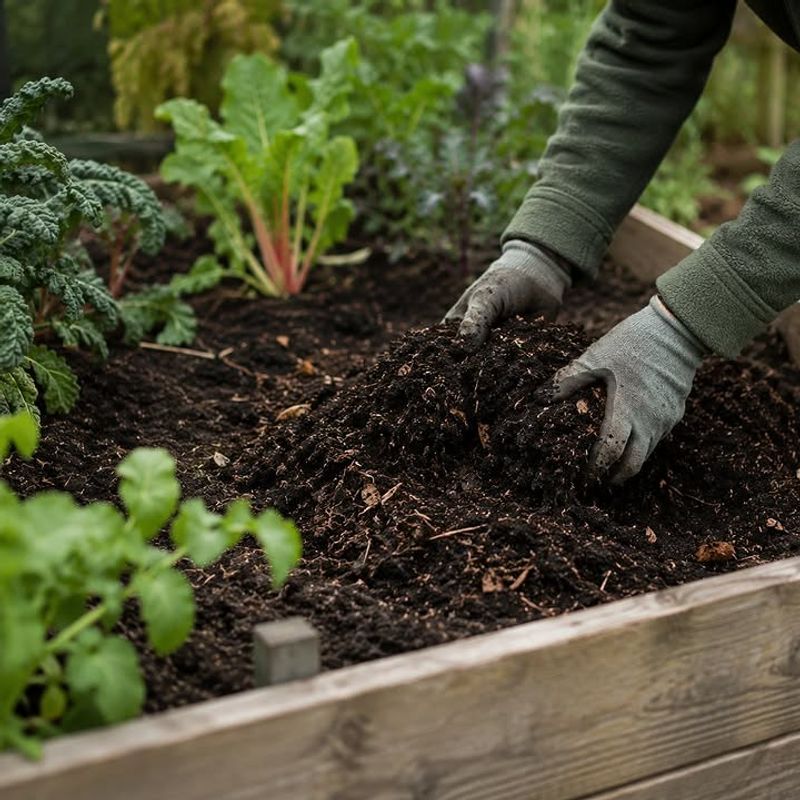
One of the most misunderstood things about compost is how it feeds plants.
Unlike a bag of granular fertilizer that delivers a concentrated burst of nutrients quickly, finished compost works on a slower, steadier schedule.
Soil microbes break down the organic material in compost over time, releasing nutrients in smaller amounts as they work.
That gradual release is actually a good thing for fall vegetable beds.
Plants receive a more consistent supply of nutrients rather than a sudden surge that can encourage fast, soft growth vulnerable to temperature swings.
Compost also contributes to the overall biological health of the soil, supporting the microbial communities that help make nutrients available to plant roots in the first place.
It is important to think of compost primarily as a soil-building amendment rather than a standalone fertilizer.
Cool-season fall crops like broccoli, cabbage, and kale can be fairly demanding, and compost alone may not supply everything they need in heavy-producing soils.
A soil test will tell you whether your garden needs additional nitrogen, phosphorus, or other nutrients beyond what compost provides.
Adding more compost than your garden actually needs will not necessarily speed up growth or increase your harvest. More is not always better here.
A reasonable, well-matched application based on your soil’s actual condition will do far more good than piling on extra material out of enthusiasm.
Compost is powerful when used thoughtfully and paired with real knowledge of what your soil already contains.
7. Gardeners Should Use Finished Compost Instead Of Fresh Manure
Not all organic soil amendments are created equal, and this distinction matters a lot when you are planting vegetables that your family will eat.
Fresh animal manure is rich in nutrients, but it also carries bacteria like E. coli and Salmonella that can contaminate edible crops.
Placing fresh manure on a bed that will soon hold fall vegetables is a food safety risk that is simply not worth taking. Finished compost is a completely different product.
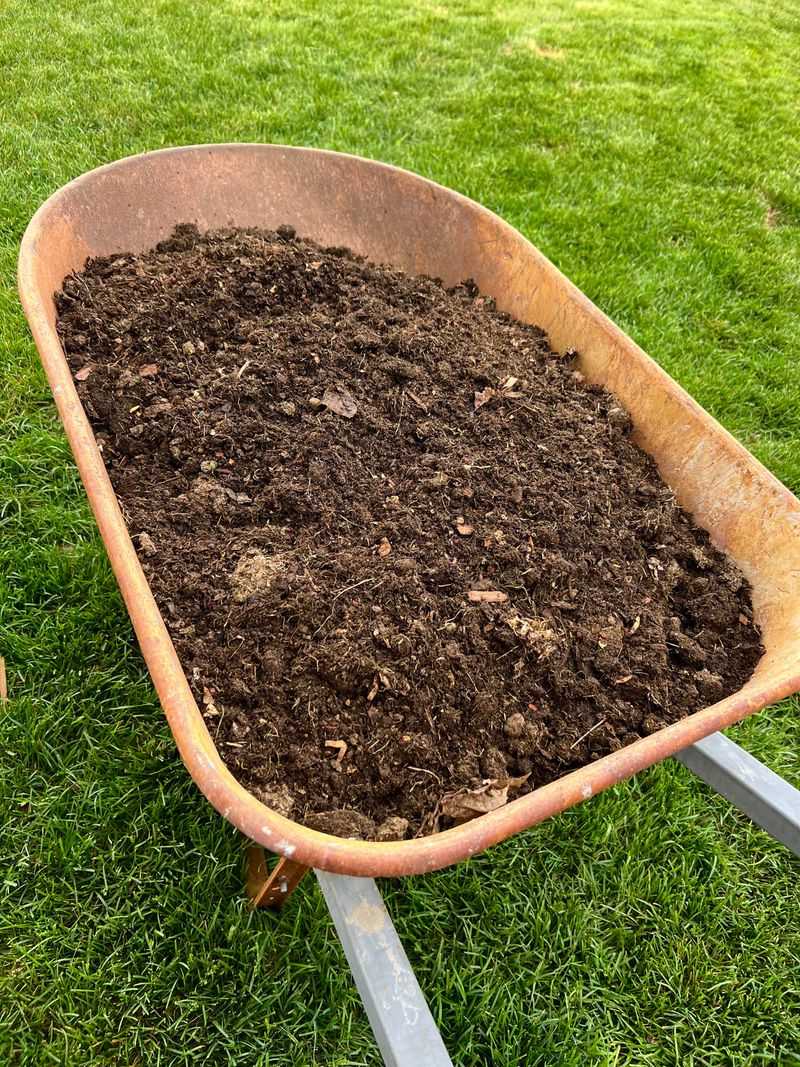
Through the composting process, heat, time, and microbial activity transform raw organic materials into a stable, dark, crumbly amendment with an earthy smell.
Properly finished compost no longer carries the same food safety concerns as fresh manure, making it the right choice for vegetable beds heading into a fall planting.
When you are buying bagged or bulk compost from a garden center or supplier, take a moment to read the label and ask questions.
Compost products vary widely in terms of maturity, nutrient content, and source materials. Some bagged products labeled as compost are actually blends that include uncomposted or partially composted material.
Look for a dark color, crumbly texture, and a pleasant earthy scent as signs of a fully mature product.
Avoid anything that smells strongly of ammonia or still shows recognizable plant or manure material.
Getting this detail right protects both your soil and the vegetables your family will harvest and enjoy throughout the fall season ahead.
8. A Soil Test Prevents Unnecessary Amendments
Compost is genuinely useful, but more is not always better.
Repeatedly adding heavy applications of compost year after year without knowing what your soil already contains can build up certain nutrients to levels that actually interfere with plant growth.
Phosphorus, for example, can accumulate in garden soils over time and create imbalances that affect how well plants absorb other minerals.
Testing your Michigan vegetable garden soil roughly every three years gives you a clear picture of its acidity level, organic matter content, and available nutrients.
Michigan State University Extension offers affordable soil testing services and provides straightforward recommendations based on your results.
Those recommendations take the guesswork out of deciding how much compost, fertilizer, or lime to apply each season.
Armed with actual data, you can make smarter decisions about your fall bed preparation. If your organic matter levels are already healthy, a lighter compost application might be all you need.
If your soil is acidic, the test will tell you whether lime is appropriate and how much to use. Chasing a bigger harvest by throwing more amendments at the problem is one of the most common and costly mistakes home gardeners make.
August compost use works best when you add a reasonable amount of finished material before planting, take steps to preserve soil moisture, and select fall crops that have enough time to reach maturity before your local first frost date.
Knowledge, not guesswork, is what turns a good garden into a great one.