The Meaning Behind Seeing Carolina Wrens In Your Georgia Yard
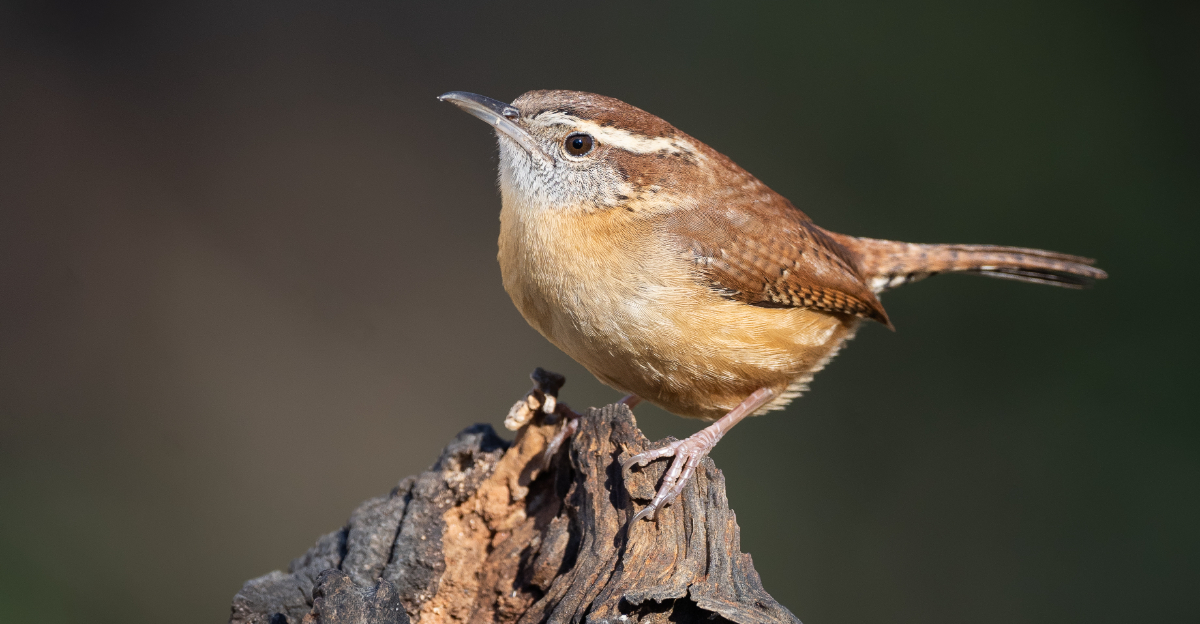
A tiny bird with a loud voice can be easy to hear before you ever see it. Carolina wrens often appear without much warning, then disappear into shrubs just as quickly.
Their visits are rarely random. These energetic birds spend each day searching for food, shelter, and safe places to raise their young.
A healthy yard naturally gives them more reasons to stick around. Thick vegetation, insects, and dependable cover all make a difference.
Many people around Georgia notice Carolina wrens more often during the warmer months as the birds stay active close to homes and gardens.
Knowing what attracts them makes it easier to understand why they keep returning to the same yards year after year.
1. Carolina Wrens Choose Yards With Food And Shelter
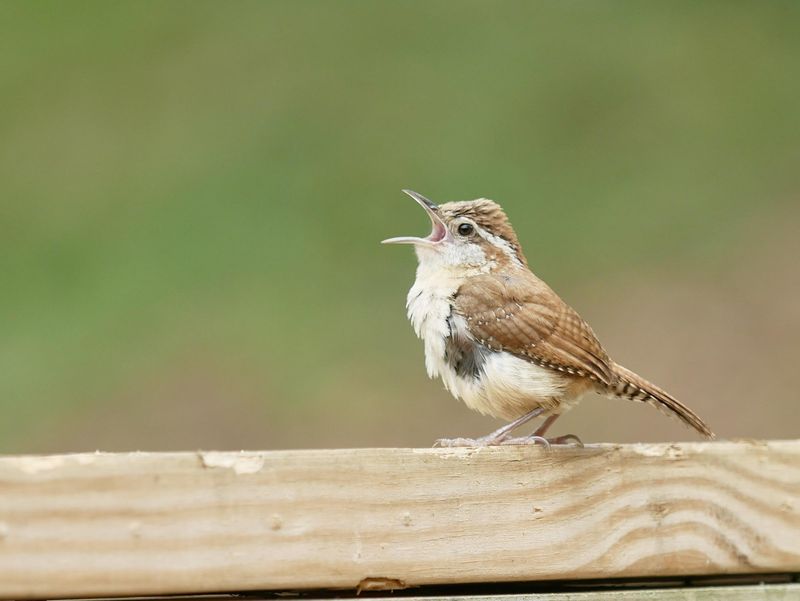
Not every yard gets a Carolina Wren visit, and that gap matters. These birds are selective.
They scout an area before committing to it, and your yard passed their test.
Carolina Wrens eat insects, spiders, and small invertebrates. They are not seed-focused birds, so a feeder alone will not bring them in.
What attracts them is a combination of food sources and places to feel protected while foraging.
Yards with layered planting tend to draw them in more reliably. Low shrubs, leaf piles, brush edges, and dense ground cover all give wrens spots to hunt without feeling exposed.
Open, manicured lawns with little structure offer very little for them.
Suet feeders can occasionally bring them closer, especially in cooler months when insects are harder to find. But the real draw is a yard that behaves more like a natural habitat than a trimmed showpiece.
If a Carolina Wren keeps returning, your yard likely has a dependable mix of cover and food. That combination is harder to find than it sounds in many suburban neighborhoods.
Wrens notice when a space provides both, and they tend to stay loyal to areas that consistently deliver.
2. Dense Vegetation Gives Them Safe Places To Hide
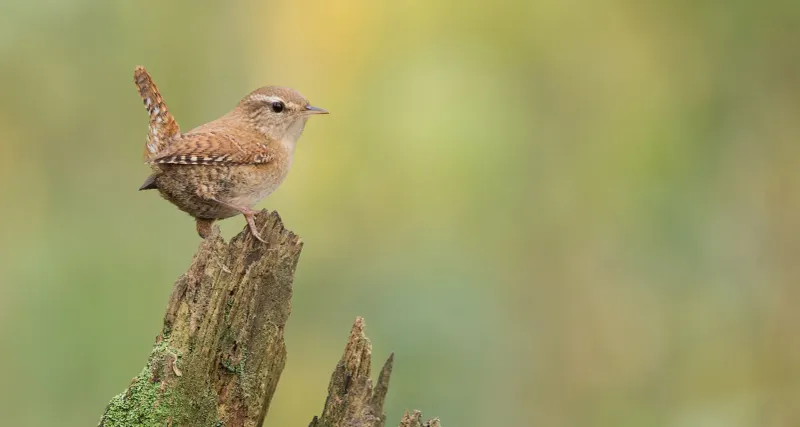
Cover is not optional for a Carolina Wren. It is the whole reason they feel safe enough to stay.
Without it, they move on quickly.
Dense vegetation works like a security system for small birds. Thick shrubs, overgrown hedgerows, and tangled vines give wrens places to retreat when they sense a threat.
Cats, hawks, and larger birds are constant concerns for any small bird foraging close to the ground.
Native plants tend to offer the best structure. Wax myrtle, beautyberry, and yaupon holly are common across the Southeast and grow in ways that create natural hiding pockets.
Wrens use these plants not just for cover but also for hunting insects that shelter inside them.
Bare ground with a few scattered ornamental plants does not offer the same protection. Wrens need layers, meaning low ground cover, mid-height shrubs, and some taller canopy above.
That vertical variety makes a yard feel safe from multiple angles.
Leaf litter under shrubs matters too. Wrens spend a lot of time scratching through fallen leaves looking for bugs.
Your Georgia Garden Changes Every Week. Your Plan Should Too.
Gardening in Georgia changes quickly throughout the season. Every Friday you’ll receive a simple weekly plan showing exactly what to plant, prune, fertilize, harvest, and protect so you never miss the right timing.
Raking everything clean removes that foraging layer and can reduce how often they visit. Leaving natural debris in certain corners of your yard, especially near fence lines or garden edges, gives wrens the textured environment they prefer.
It takes very little effort but makes a real difference.
3. Nearby Nesting Sites Support Growing Families
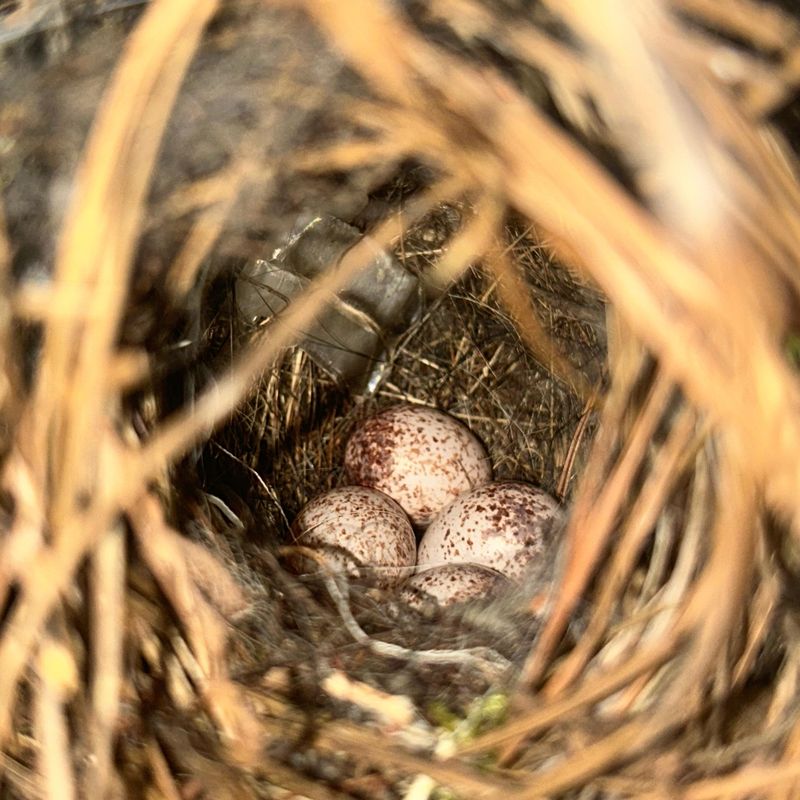
Carolina Wrens are opportunistic nesters. They will squeeze into flower pots, hanging baskets, old boots left on a porch, and gaps in woodpiles without hesitation.
Seeing a wren repeatedly near your porch or garage is often a sign they are scouting a nesting spot. Males scout first and may build several starter nests before the female picks one.
This behavior, sometimes called dummy nesting, is completely normal and does not mean anything went wrong.
Nest boxes designed for wrens can help direct their activity to a spot that works for both of you. Boxes with a 1.5-inch entrance hole placed about 5 to 10 feet off the ground near shrubs tend to attract them well.
Avoid placing boxes in direct afternoon sun, especially in warmer months.
Once a pair settles in, they can raise multiple broods in a single season. That means your yard becomes a hub of activity from late winter through late summer.
Fledglings learning to fly and parents making constant food runs create a lively, energetic atmosphere.
Wrens that nest successfully in a yard often return the following year. They develop familiarity with a location and tend to favor spots where they have nested before.
4. A Steady Insect Supply Brings Birds Back Daily
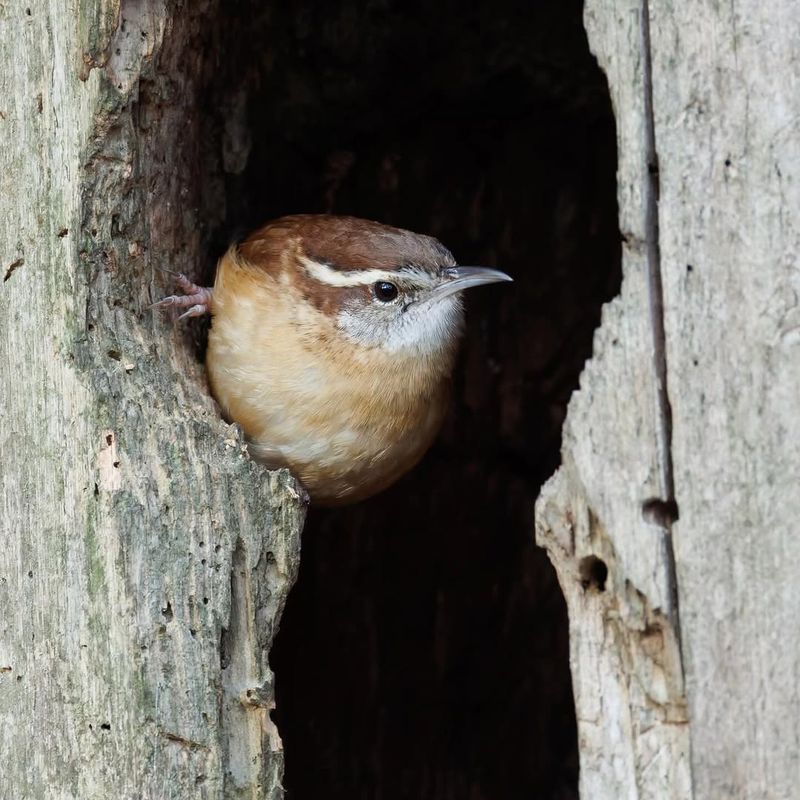
Wrens run on protein. Insects, spiders, beetles, caterpillars, and grubs make up the bulk of their diet, and a yard rich in invertebrates becomes a reliable food source they visit regularly.
Pesticide use is one of the biggest factors that reduces insect availability. Broad-spectrum sprays affect the entire food web, not just target pests.
Yards that avoid heavy chemical treatments tend to support more insect activity, which directly benefits insect-eating birds like Carolina Wrens.
Compost piles, mulched garden beds, and areas with undisturbed soil all support higher insect populations. Wrens know this.
Watch where they spend most of their time, and you will likely find it is near garden edges, mulched borders, or leaf accumulation zones rather than open turf.
Rotting logs or brush piles placed in a corner of the yard can also boost invertebrate activity. These decomposing materials attract beetles, millipedes, and other small creatures that wrens find appealing.
It is low-effort habitat work with visible results.
Seasonal shifts affect insect availability, but wrens adapt. In cooler months they forage more aggressively and may expand their range slightly.
Suet can supplement their diet during those gaps. A yard that supports insects year-round, even at reduced winter levels, gives wrens reason to stay put rather than roam further for food.
5. Fresh Water Makes The Area More Attractive
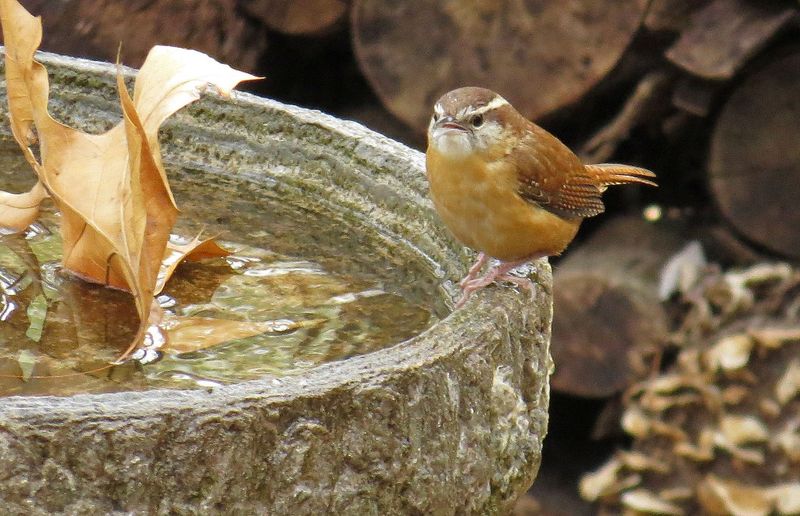
Water is one of the most underrated tools for attracting backyard birds. Carolina Wrens are no exception.
A clean, shallow water source can pull them in even when other resources are limited.
Wrens prefer shallow baths. Deep basins are harder for small birds to use safely.
A bath with a depth of one to two inches works well. Rough-textured surfaces give them better footing, which makes them more likely to use the bath regularly.
Moving water is even more attractive. A small dripper, fountain, or wiggler that creates gentle surface movement can catch a wren’s attention from a distance.
Birds detect water by sound as much as sight, so even a slow drip can be effective.
Placement matters too. Position the bath near cover, not in the middle of an open yard.
Wrens want to be able to hop quickly into shrubs if something startles them while bathing. A bath placed next to a dense shrub or low hedge fits their comfort level much better.
Keeping the water fresh reduces algae and bacteria buildup. Changing it every couple of days is a reasonable habit during warmer months.
In winter, a heated bath or regular ice removal keeps water accessible when natural sources freeze.
6. Limited Disturbance Helps Them Stay Year Round
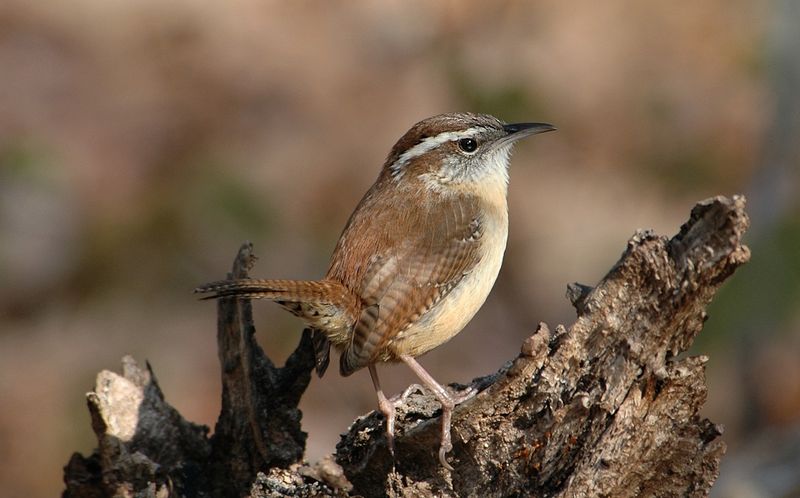
Noise and frequent disruption push wrens away faster than almost anything else. Yards with regular foot traffic, loud activity, or roaming pets can make wrens feel too exposed to settle in.
Cats are a serious concern for ground-foraging birds. Carolina Wrens spend a lot of time at or near ground level, which puts them in a vulnerable position.
Keeping cats indoors or limiting their outdoor access can significantly improve conditions for yard birds.
Dogs that patrol the yard constantly also reduce wren activity, though wrens tend to be bolder around dogs than around cats.
A dog that mostly stays on a path or in one area of the yard may not disrupt wrens much, especially if cover is available on the opposite side.
Loud power tools, frequent mowing, and heavy construction nearby can temporarily reduce visits. Wrens typically return once the disturbance settles, especially if the yard has strong food and cover resources.
Consistent disturbance over long periods is harder for them to adapt to.
Quieter yards with predictable human patterns tend to earn bird trust over time. Wrens learn routines.
If people are outside at the same times each day and the activity level stays moderate, wrens begin to tolerate that presence.
In Georgia neighborhoods where yards are active but not chaotic, resident wrens often become remarkably comfortable foraging just a few feet away.
7. Natural Backyard Features Encourage Regular Activity
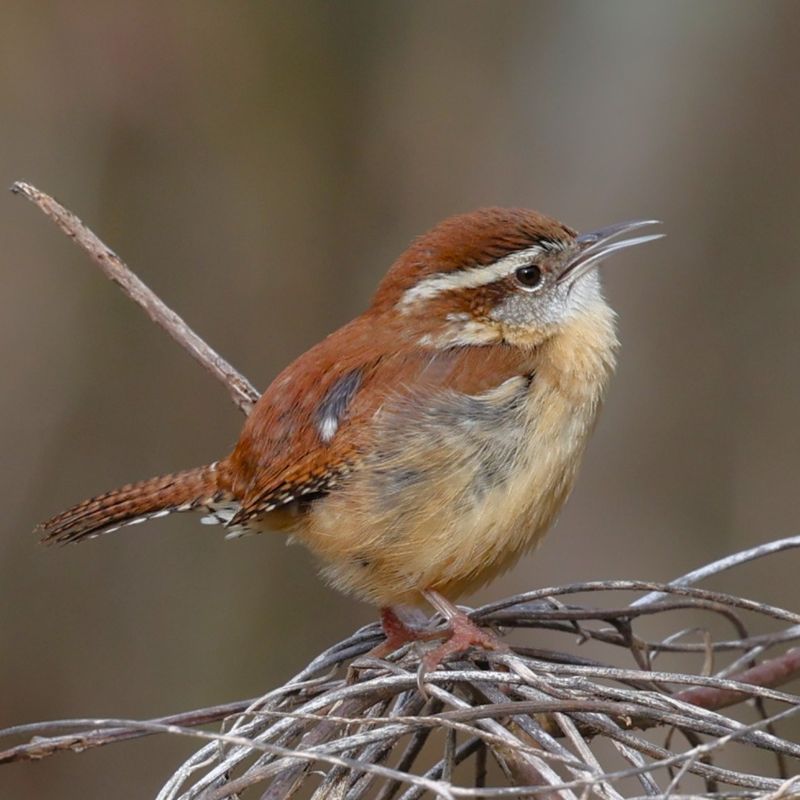
Yards that mimic natural woodland edges are the ones Carolina Wrens visit most consistently. It is not about having a perfect garden.
It is about having the right mix of elements.
Brush piles tucked into corners offer shelter and foraging space. Fallen logs left in place attract beetles and grubs.
Native plantings provide both food and structure. Together, these features create a layered habitat that wrens can actually use rather than just pass through.
Rock borders, stacked stone walls, and raised garden beds with mulched soil all create microhabitats that support insect life. Wrens explore these features thoroughly.
Watching where a wren spends the most time in your yard can tell you a lot about which features are performing best.
Birdhouses, suet feeders, and water features add to the appeal, but they work best when the surrounding landscape already has natural character. A bare yard with only a feeder rarely holds wrens for long.
Supporting features need to exist around the focal points.
Across the Southeast, yards that have been slowly naturalized over several years tend to develop the most active wren populations.
Reducing turf, adding native understory plants, and letting certain areas grow a little wilder creates conditions that feel familiar to wrens.