The Areas Of Michigan Yards Where Voles Are Most Likely Tunneling Right Now
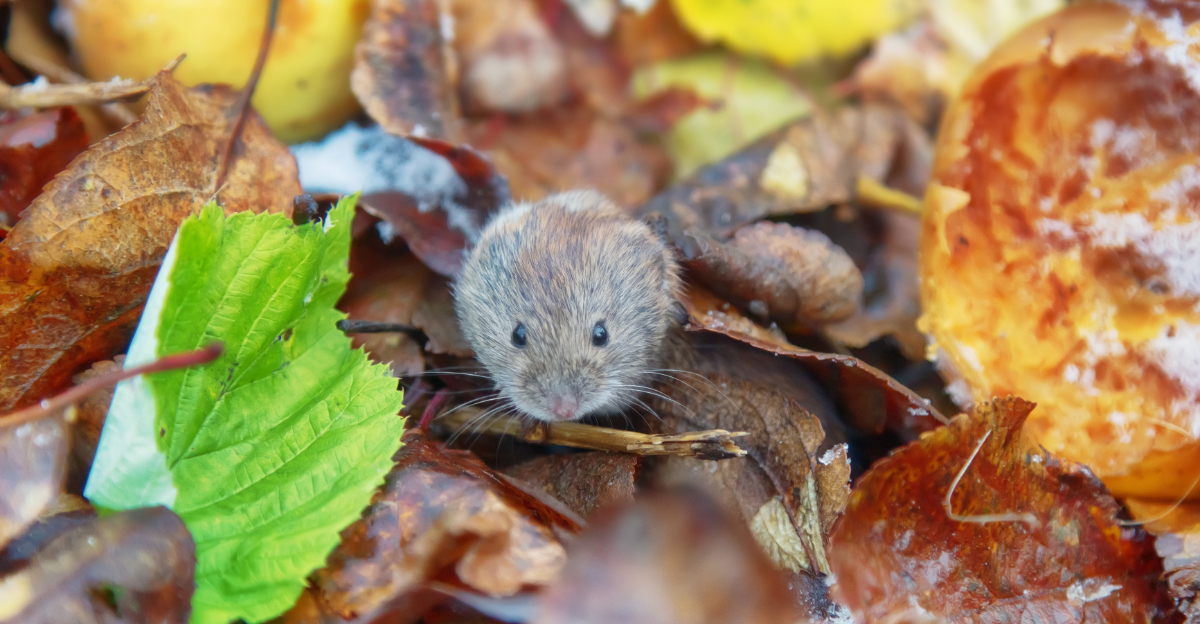
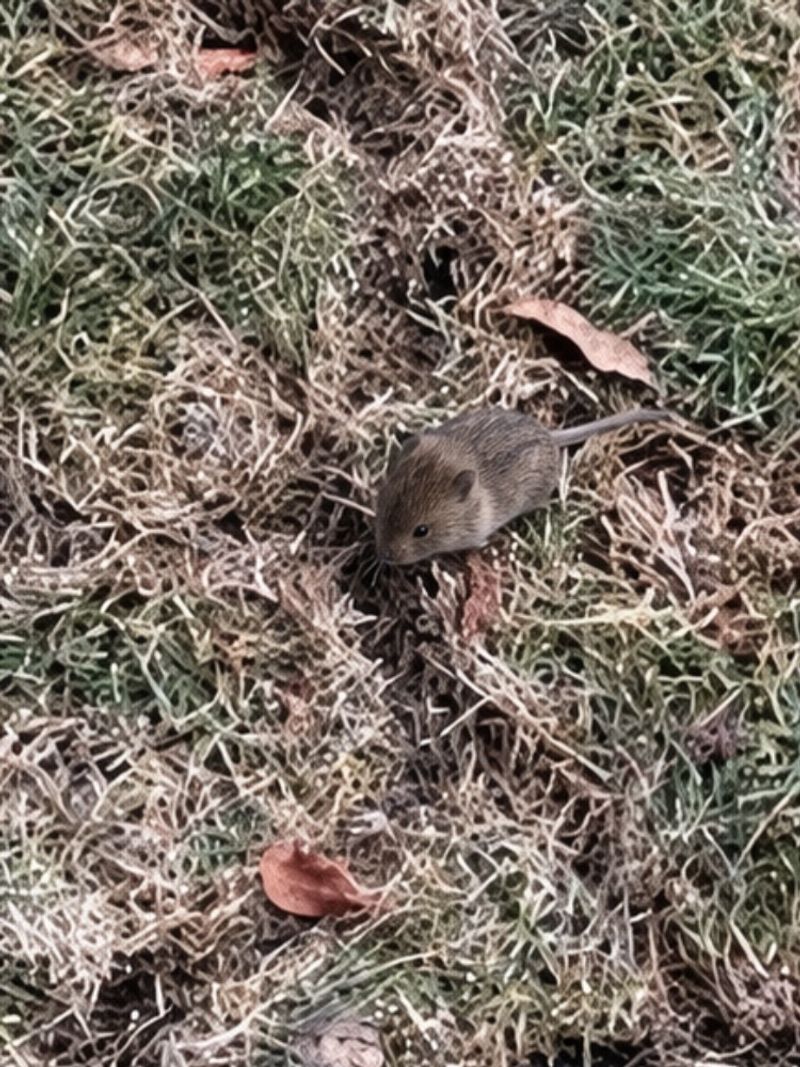
Voles are easy to underestimate until you pull back a layer of mulch or walk across a section of lawn that feels suddenly hollow underfoot.
By the time most Michigan homeowners realize voles are actively working through their yard, the tunnel network is already well established and the root damage to nearby plants has been underway for weeks.
These aren’t random wanderers. Voles are systematic about where they work, and their preferred locations follow patterns that are consistent and predictable across Michigan properties of all sizes.
Knowing where to look first changes how quickly you can identify an active situation and respond before the damage becomes harder to manage.
Several of the most common vole hotspots in yards are places that get regular attention for other reasons, which makes it easy to spot the signs once you know exactly what you’re looking for.
1. Along Fence Lines And Garden Borders
Fence lines and garden borders are basically a vole’s dream highway. Voles love to tunnel along these edges because the solid structure above gives them cover from hawks, owls, and other predators scanning from the sky.
The soil along fences is often softer and less disturbed, making it much easier to dig through quickly.
You might notice shallow runways, about an inch or two wide, running parallel to your fence. These trails are a sure sign that voles are actively using that corridor.
Checking these spots during early spring or after a snowmelt is especially useful since fresh activity becomes very visible.
One of the most effective ways to block voles from tunneling along borders is to install hardware cloth, a type of metal mesh, buried about six inches deep along the fence line. Pairing that with a cleared strip of bare soil or gravel makes the area far less appealing.
Keeping weeds and dense vegetation trimmed back along borders removes the extra cover voles rely on, making them feel exposed and less likely to stick around your yard.
2. Beneath Mulch And Ground Covers
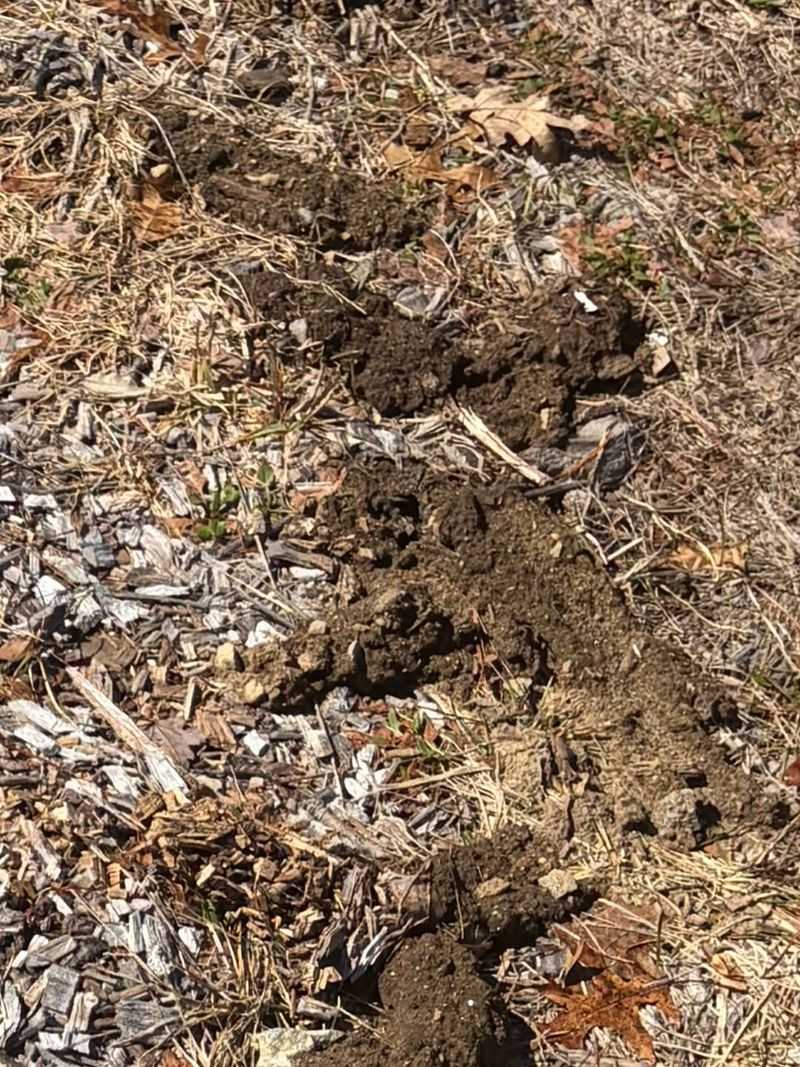
Few things invite voles more warmly than a thick, cozy layer of mulch. Mulch holds moisture, stays warm, and creates a hidden layer between the soil and the open air where voles can tunnel freely without being seen.
Ground covers like pachysandra, vinca, or creeping thyme have the same effect, creating a low ceiling that shelters vole activity from above.
The tricky part is that mulch is genuinely great for your garden’s health. You don’t want to remove it entirely.
Keeping mulch depth to about two or three inches, rather than the typical four to six, significantly reduces the tunnel-friendly space underneath. Pulling mulch a few inches away from plant stems and crown areas also helps.
Spacing ground cover plants further apart and occasionally raking through mulch disrupts any runways voles are building. Walking through mulched beds every week or two and pressing down soft spots can expose tunnels and discourage voles from settling in.
If you notice small, clean-cut holes in the mulch surface, that is a strong indicator of active tunneling below. Switching to gravel mulch in high-traffic vole zones is another practical option that most voles find far less comfortable to work through.
Your Michigan Garden Changes Every Week. Your Plan Should Too.
Gardening in Michigan changes quickly throughout the season. Every Friday you’ll receive a simple weekly plan showing exactly what to plant, prune, fertilize, harvest, and protect so you never miss the right timing.
3. Around Tree Bases And Shrubs
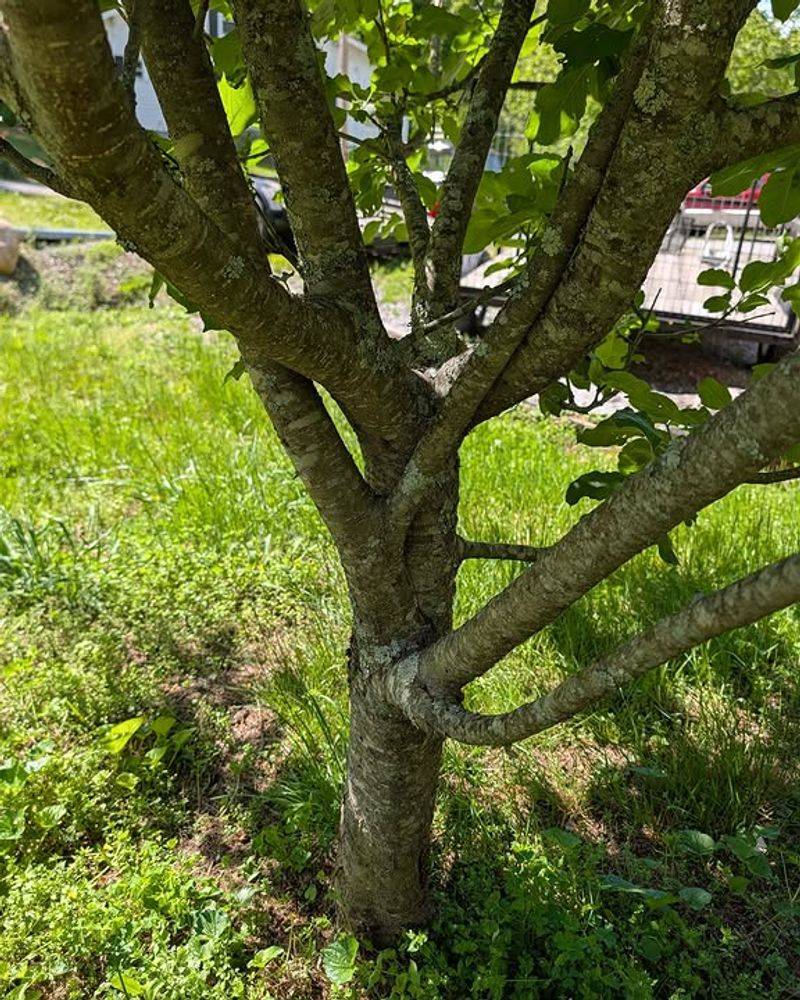
Tree trunks and shrub bases are prime targets for voles, especially during late fall and winter when other food sources are harder to find. Voles gnaw on the soft inner bark near the base of trees, which can seriously weaken the plant over time.
Young trees and newly planted shrubs are especially vulnerable since their bark is thinner and easier to reach.
One of the clearest warning signs is a ring of chewed or missing bark around the base of a tree, sometimes called girdling. If you spot this in spring after the snow clears, voles were likely active there all winter under the snow cover.
Checking tree bases every few weeks during the growing season is a smart habit to build.
Wrapping tree trunks with plastic spiral guards or hardware cloth cylinders creates a physical barrier voles cannot chew through easily. The guard should extend at least 18 inches up the trunk and be buried a few inches into the soil.
Keeping the mulch ring around trees pulled back from the trunk by about six inches removes the hidden corridor voles use to approach unnoticed.
Regularly inspecting shrubs for root disturbance or soft soil nearby also helps you catch problems early before significant damage builds up.
4. In Overgrown Lawn Patches
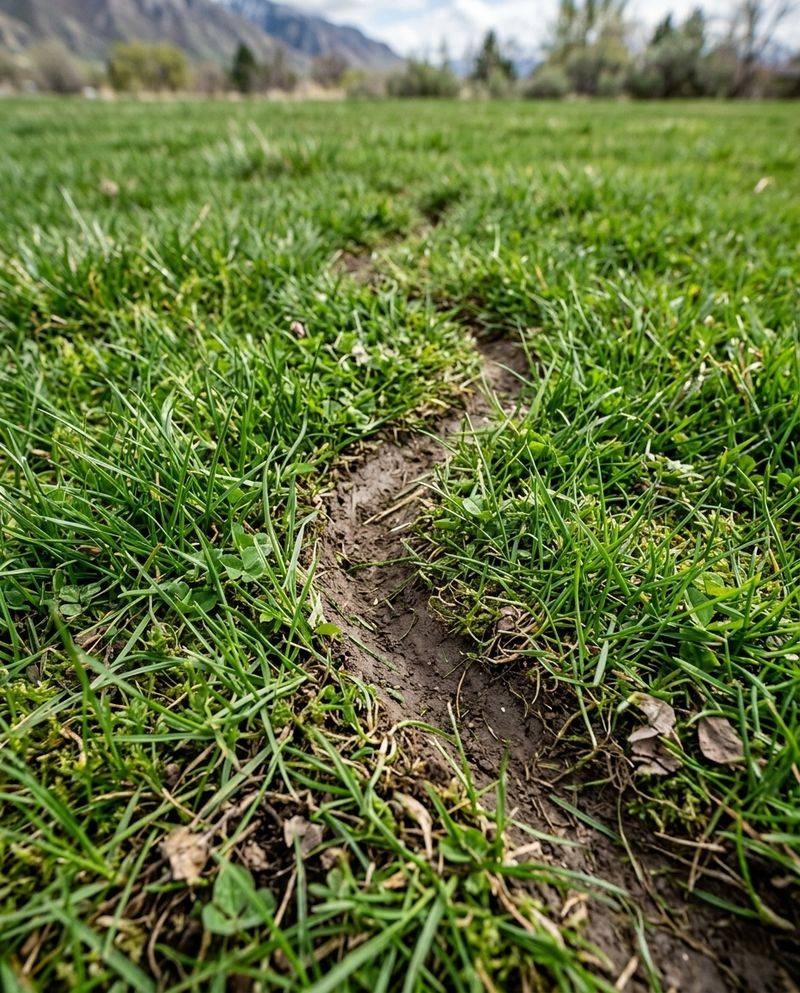
Tall grass is basically a vole’s personal cover story. When sections of a lawn grow thick and dense, voles move through it at ground level completely hidden from view.
Michigan yards with uneven mowing, patches of ornamental grasses, or sections that get missed regularly are especially prone to hosting active vole populations.
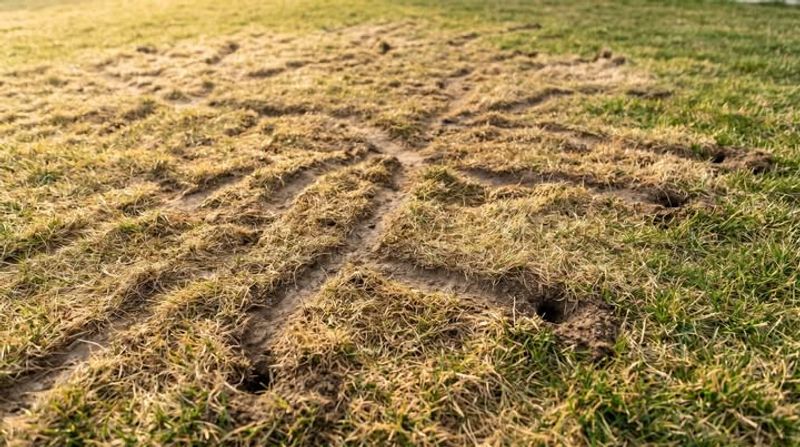
Voles create visible surface runways through tall grass, narrow trails about an inch wide that look almost like tiny highways pressed into the lawn. Spotting these trails is much easier right after mowing or during early spring when the grass hasn’t fully greened up yet.
The runways often connect to small burrow openings tucked near roots or soil edges.
Keeping the entire lawn mowed to a height of about two to three inches removes the overhead cover voles depend on.
Mowing more frequently during peak growing season, especially in late summer and fall before voles start building their winter tunnel systems, makes a noticeable difference.
Thinning out dense ornamental grasses by dividing clumps every few years reduces the thick base that shelters vole activity.
A well-maintained, consistently mowed lawn simply gives voles fewer places to hide, which makes them far more likely to move on and find a more sheltered spot elsewhere in the neighborhood.
5. Near Compost Piles Or Brush Piles
Compost piles and brush piles are practically luxury hotels for voles. They offer warmth from decomposing organic matter, easy access to food scraps, seeds, and plant material, and thick cover that keeps predators at a distance.
If your compost bin sits directly on bare soil, voles can tunnel right under it and use the pile as a permanent base of operations.
Relocating compost bins to a spot further from garden beds and vegetable patches is one of the easiest adjustments you can make. Placing your compost bin on a hardware cloth base prevents tunneling directly underneath it.
Keeping the area around the bin mowed short and clear of weeds removes the secondary cover voles use to move to and from the pile safely.
Brush piles present a similar challenge. While they are genuinely valuable for beneficial insects and small wildlife, placing them well away from your garden beds and lawn edges limits the damage voles can do.
If you need to remove a brush pile, doing it gradually rather than all at once gives any beneficial insects time to relocate. Turning your compost regularly also disrupts any runways or nesting activity voles have started building inside.
A tidy, well-managed pile is still useful for your garden but far less appealing to tunneling rodents.
6. Along Irrigation Lines Or Garden Beds
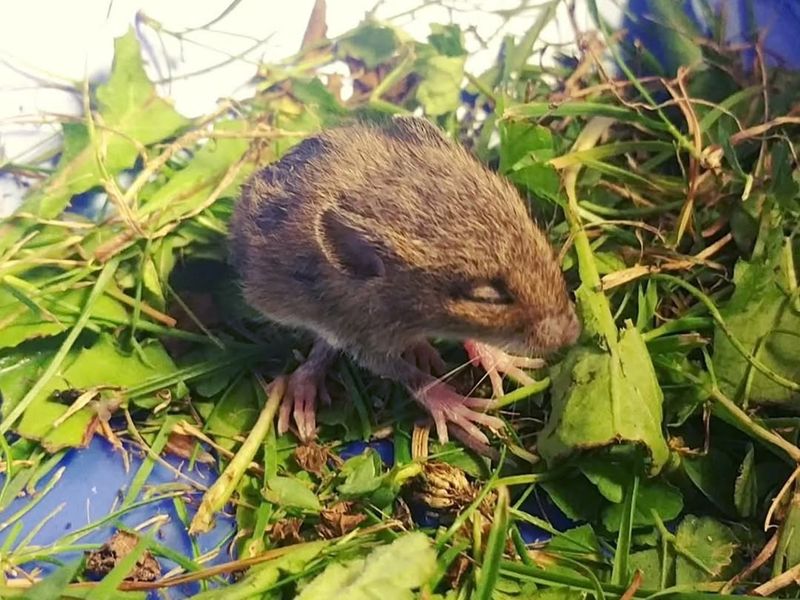
Moist soil is significantly easier to tunnel through than dry, compacted ground, which is exactly why voles are drawn to areas near drip irrigation lines and raised garden beds.
The consistent moisture along these zones keeps the soil loose and workable, letting voles extend their tunnel networks quickly and with much less effort than in drier spots.
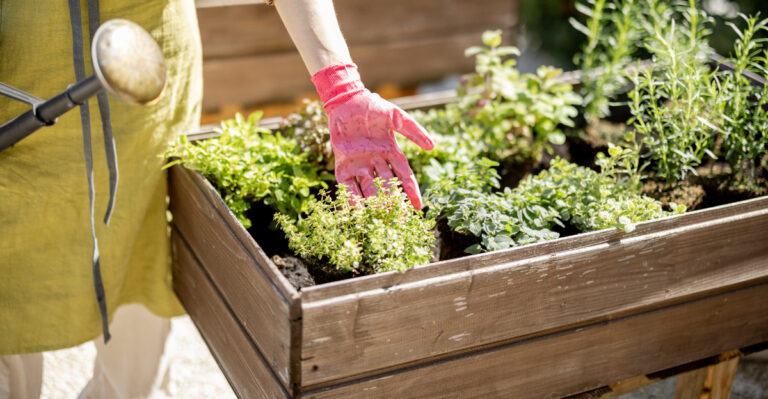
Raised beds with wooden or stone borders actually create a natural corridor that voles follow, similar to a fence line. The border gives them a sense of shelter on one side while the moist, nutrient-rich soil inside the bed offers roots, bulbs, and tubers to feed on.
Vegetable gardens and perennial beds are particularly at risk during the growing season.
Adding a layer of hardware cloth beneath raised bed soil before planting creates a physical barrier that stops tunneling from below. Checking the perimeter of raised beds regularly for small soil disturbances or entry holes helps catch activity early.
Adjusting drip irrigation schedules so the soil dries slightly between watering cycles reduces the consistently moist conditions voles prefer. Raised beds with solid, sealed bottoms offer the strongest protection.
Keeping the pathways between garden beds mowed short or covered in gravel also removes the travel corridors voles use to move from one bed to another across your yard.
7. Under Decks Or Sheds
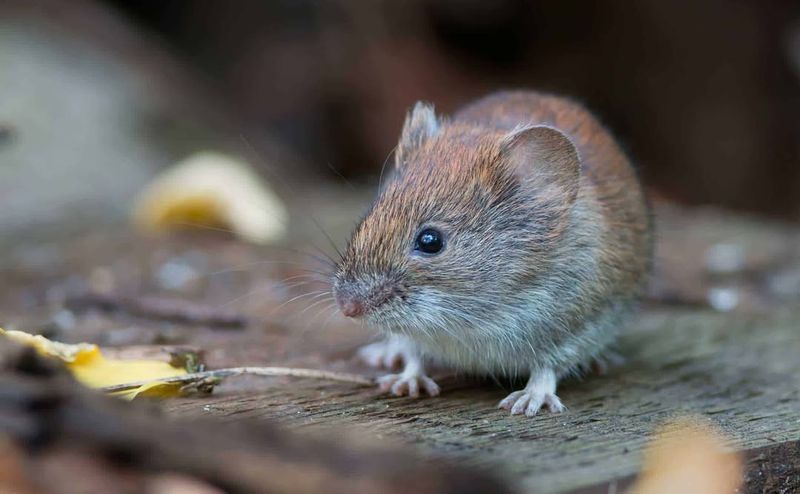
The space beneath a deck or garden shed might look empty and forgotten, but to a vole it looks like a perfectly protected base camp.
These elevated structures block rain, block predators from above, and trap warmth from the ground, creating a sheltered microclimate that voles find extremely attractive.
Leaf litter, stored items, and debris under decks make the situation even better from a vole’s perspective.
Signs of vole activity under structures include small tunnel openings around the perimeter, disturbed soil near the edges, and occasionally chewed wiring or insulation if any runs nearby.
Inspecting the perimeter of your deck or shed every few weeks, especially in spring and fall, helps you catch activity before it expands into your garden beds.
Sealing the gap between the deck frame and the ground using hardware cloth or a solid skirt board prevents voles from entering in the first place.
The mesh should be buried about six inches deep and extend a few inches outward along the soil surface to stop tunneling underneath.
Clearing all stored debris, old pots, and accumulated leaves from under the deck removes the secondary shelter voles use once inside.
A clean, sealed structure with no debris nearby becomes a far less interesting destination for voles searching for a comfortable place to set up their tunnel network.
8. Early Spring Vegetation Patches
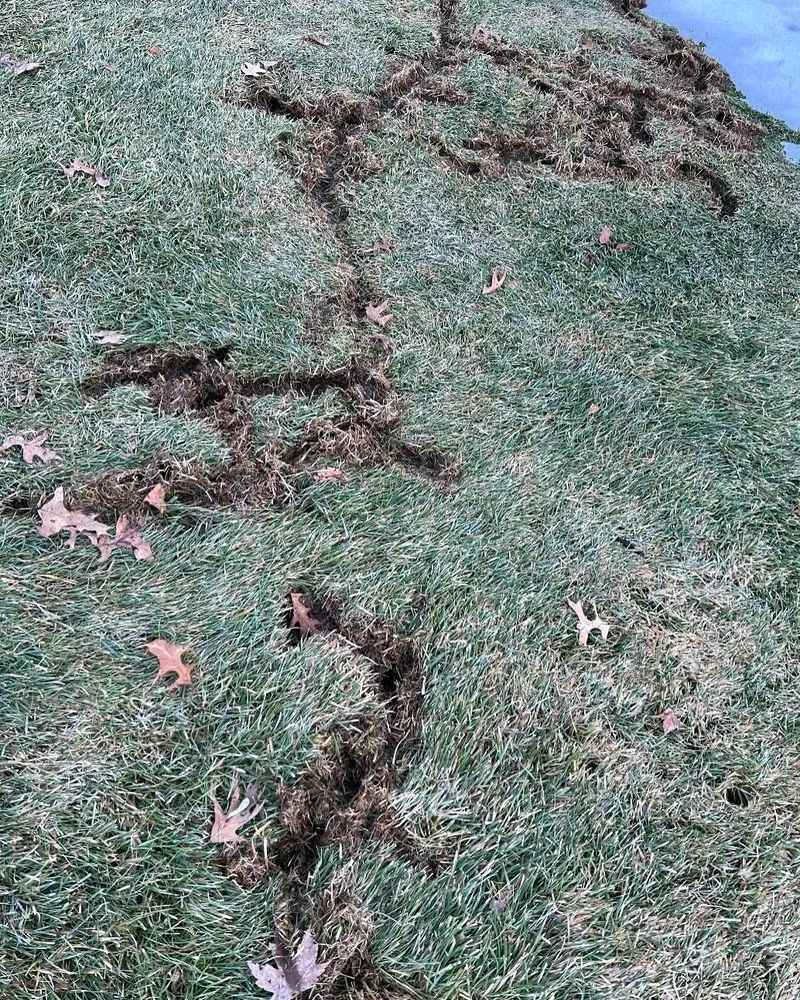
Early spring is one of the most active times for vole damage in Michigan yards. As snow melts and the ground softens, voles that have been tunneling under the snow all winter suddenly have access to fresh, tender new growth.
Bulbs pushing up through the soil, newly sprouted perennials, and early vegetable seedlings are all on the menu.
Voles do not hibernate, which means they stay busy all winter under the snow cover. By the time spring arrives, they have already built extensive tunnel systems right through your garden.
The first warm days reveal chewed bulbs, gnawed roots, and surface runways that were hidden all season under the snow.
Walking your garden beds right after snowmelt is one of the best ways to assess what has been happening underground. Look for soft, sunken soil, chewed plant bases, or missing bulbs.
Placing wire mesh cages around bulb plantings in fall prevents voles from reaching them over winter. Removing excessive dry plant material and thick leaf cover in late fall reduces the shelter voles use to build winter tunnel systems.
Replanting any damaged areas promptly with vole-resistant plants like daffodils, alliums, or lavender helps fill gaps while naturally discouraging future tunneling activity near those spots.
9. Integrating Natural Predators
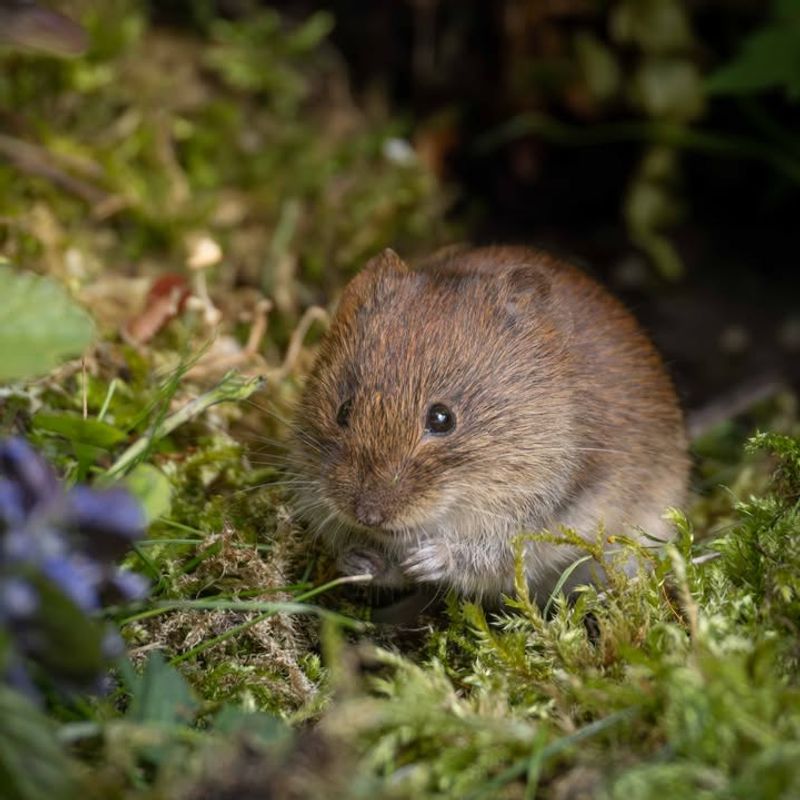
Nature already has a very effective vole management system built in, and Michigan yards can take full advantage of it. Owls, red-tailed hawks, and even garter snakes are all natural hunters that keep vole populations in check when given the right environment.
Encouraging these predators to visit or live near your yard is one of the most sustainable and hands-off approaches available.
Barn owls are particularly impressive hunters. A single pair can capture hundreds of small rodents in a year.
Installing a barn owl nesting box on a tall post in or near your yard gives these birds a reason to stick around. Box placement matters, aim for an open area with clear flight paths and away from heavy tree cover where other owl species might compete.
Red-tailed hawks perch on fence posts, tall trees, and utility lines to scan for movement below. Leaving a few tall, open perch points in your yard naturally invites them to hunt there.
Garter snakes, which are completely harmless to people, are excellent at following voles into tunnels. Providing a small brush or rock pile away from your main garden gives snakes a place to shelter without creating a vole habitat problem.
Working with natural predators costs nothing and creates a healthier, more balanced yard ecosystem overall.
10. Monitoring And Physical Traps
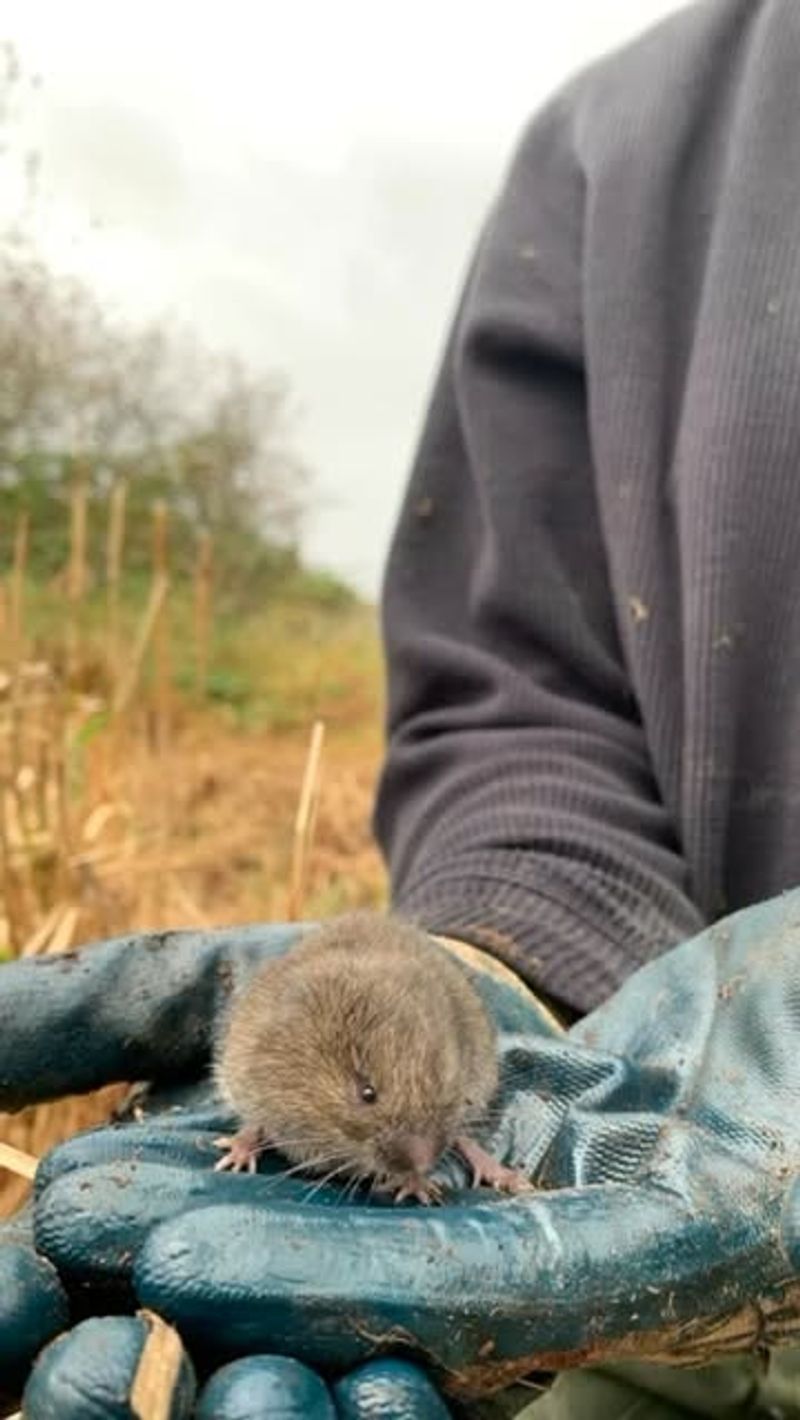
When vole activity is heavy and habitat changes alone are not enough, physical traps offer a direct and reliable solution.
Both snap traps and live traps work well for voles when placed correctly, and timing your trapping efforts with peak activity periods makes a big difference in how effective the results are.
Snap traps designed for mice work perfectly for voles. Place them directly inside active tunnel openings or perpendicular to surface runways, with the trigger end facing into the tunnel.
Peanut butter, apple slices, or oats make excellent bait. Checking traps every morning and resetting them immediately keeps the trapping effort consistent during active periods.
Live traps are a great option for households with pets or young children who spend time in the yard. Place the trap near a tunnel entrance and cover it lightly with soil or mulch so it blends into the surroundings.
Once a vole is caught, relocate it at least a mile away from your property in a suitable wild area. Always wear gloves when handling traps.
The best trapping windows in Michigan are early spring right after snowmelt and again in early fall before voles begin their winter tunneling push.
Consistent monitoring combined with smart trap placement turns physical trapping into a genuinely effective part of a broader vole management plan.