How to Bring Pepper Plants Indoors and Keep Them Going Through a Michigan Winter
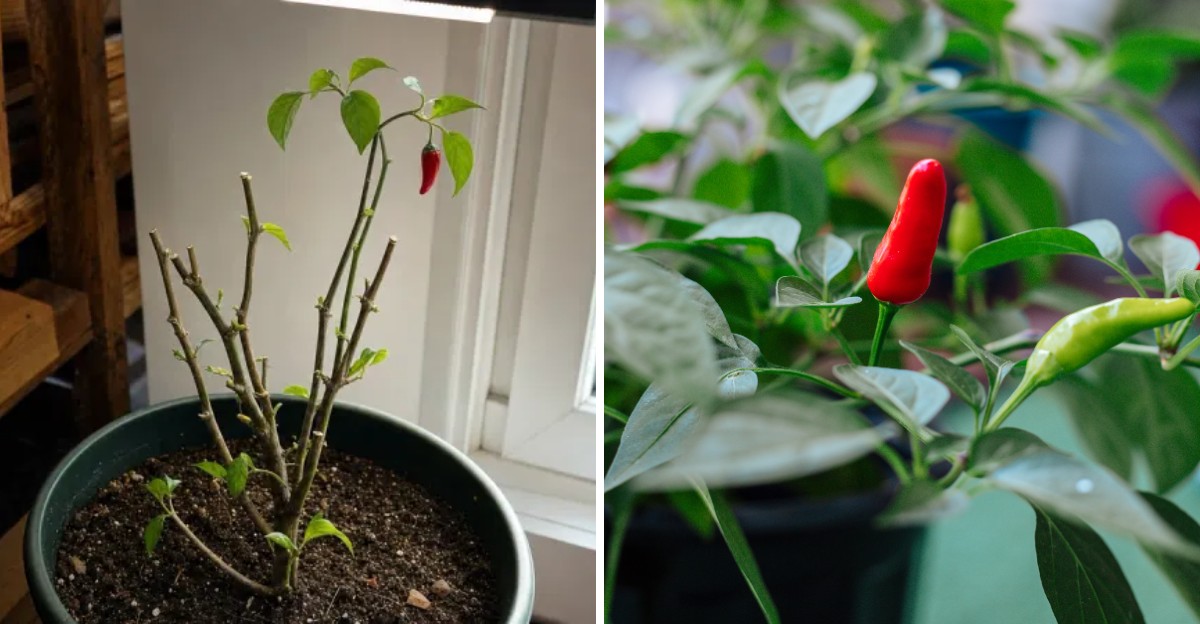
That scraggly garden plant you yank out every October could live for years. In its tropical homeland, it grows as a woody perennial, sometimes turning into a small shrub that fruits season after season.
One thing I love about gardening is finding out that the rules are softer than we thought. Frost in Michigan usually ends the party in late September or October. Still, a hard freeze only wins if we leave the plant outside.
I tend to think we toss out a lot of good roots every fall. Those roots took months to build, and they hold a head start you cannot buy at a spring nursery.
The real question is whether a heat lover can handle months of gray skies, dry furnace air, and short days. Honestly, it handles them better than most of us do in February, with one surprising trick most gardeners overlook.
1. Those Pepper Plants Want a Long Winter Nap More Than a Sunny Window
Most gardeners assume a pepper needs bright light all winter, but the easiest path is letting it rest. Peppers can slip into a semi-dormant state when kept cool, and that slow mode asks very little of you.
A spot between about 45 and 55 degrees Fahrenheit works well. Think of an unfinished basement, a cool spare room, or an attached garage that stays above freezing.
Detached garages in northern Michigan often dip too low, so check with a cheap thermometer before committing.
At these temperatures, the plant barely grows. It burns little energy, drinks little water, and mostly waits for spring. You are not trying to grow peppers in January, just keep the roots and main stem alive.
Light needs drop sharply during this rest. Indirect light from a nearby window is usually plenty, and some growers keep plants in near darkness with good results. I find this method freeing.
No grow lights, no daily fussing, and no kitchen counter covered in pots. If you want fresh peppers in winter, there is another route covered later, but for most folks, the quiet nap approach offers the best odds and the least work.
2. Give Every Pepper Plant a Bold Haircut Before It Comes Inside
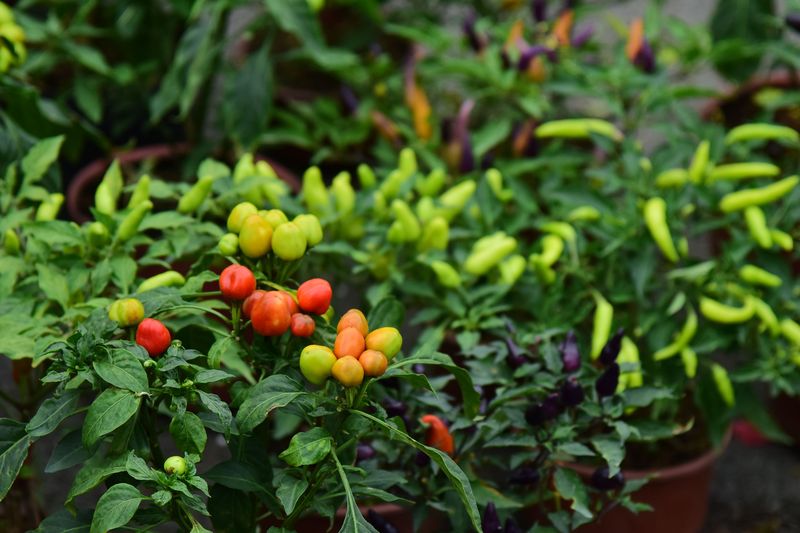
Grab your sharpest pruners, because this step looks scary. Cutting a leafy pepper down to bare sticks feels wrong, yet it sets the plant up beautifully for indoor life.
First, harvest every fruit, ripe or not. Green peppers are still tasty in stir-fries and salsas. Next, trim the branches back so you leave the main stem and two or three sturdy branches, forming a Y shape about 6 to 10 inches tall.
Make each cut just above a node, the small bump where leaves once grew. New shoots will sprout from those spots in late winter. Clean your blades with rubbing alcohol between plants to lower the chance of spreading disease.
Why so extreme? Fewer leaves mean less water loss and fewer places for bugs to hide. A cool, dim room cannot support a big leafy plant anyway, so the extra growth would just yellow and drop.
Timing matters here. Do this job before the first frost, ideally while nights are still in the 40s. Many Michigan gardeners aim for mid to late September, though the Upper Peninsula often needs to move even earlier.
3. Digging Up Pepper Roots Gently Makes All the Difference
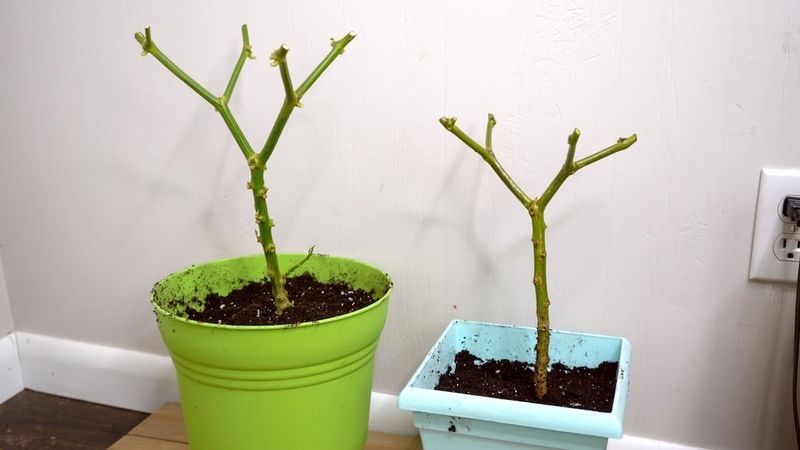
Peppers growing in containers have it easy. Garden plants, though, need a careful lift from the ground before the move.
Start by digging a wide circle around the stem, about 8 inches out. Slide your shovel under the root ball and lift slowly, keeping as many roots as you can. A torn root system can still recover, but a solid clump gives better odds.
Shake or rinse away most of the old garden soil. This sounds fussy, but outdoor soil often carries insect eggs, fungus gnat larvae, and disease spores you do not want in your house. A gentle stream from the hose usually does the trick.
Trim any long, stringy roots so the plant fits a modest pot. A 1 to 3 gallon container works for most varieties. Bigger is not better here, because extra soil stays soggy when the plant is barely drinking.
Fill the pot with fresh, well-draining potting mix, never garden dirt. Make sure there are drainage holes in the bottom. Water once to settle everything, then let the pot drain fully before carrying it inside.
4. Aphids and Spider Mites Love Hitching a Ride on Pepper Stems
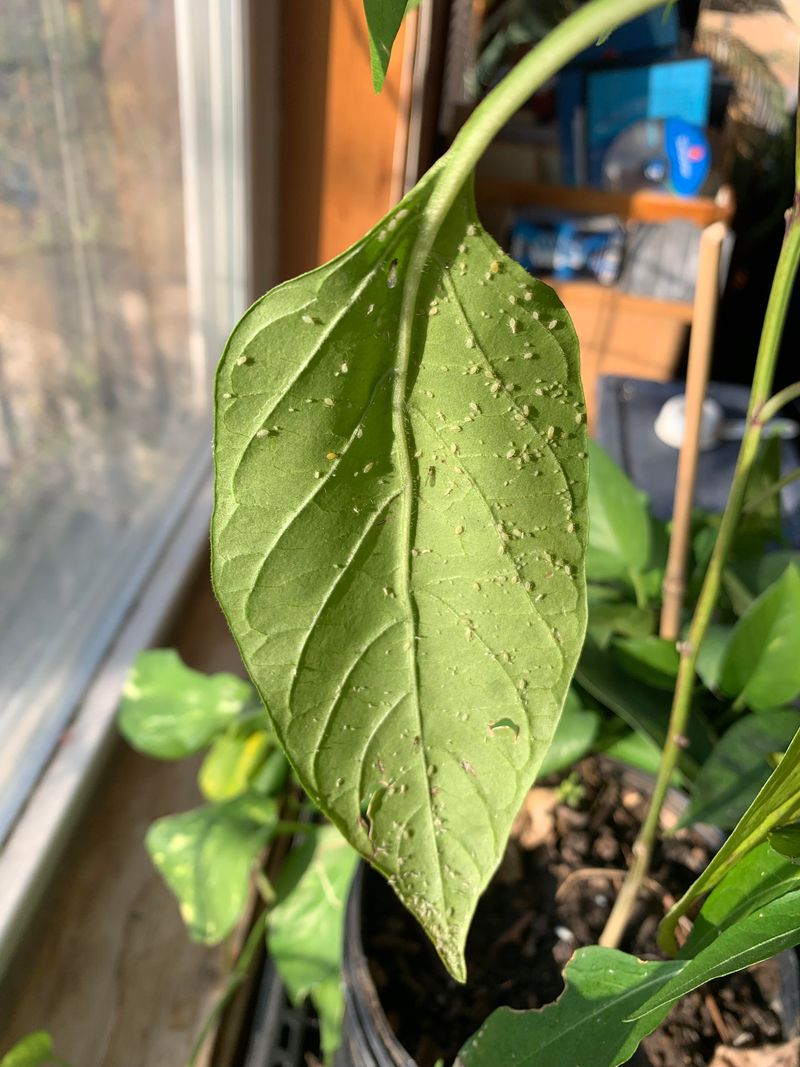
Here is a lesson I learned the hard way. One cozy pepper brought inside can turn into an aphid farm by Thanksgiving.
Aphids, whiteflies, thrips, and spider mites are the usual stowaways. Indoors, there are no ladybugs or rain to keep them in check, so numbers can climb fast. Your heavy pruning already removed many hiding spots, which helps a lot.
Before the move, spray the stems firmly with water, paying attention to crotches where branches meet.
Some gardeners follow up with insecticidal soap, which Michigan State University Extension lists as a lower-toxicity option for soft-bodied pests. Coat every surface, since soap only works on contact.
Consider a quarantine period. Keep the peppers away from your houseplants for a couple of weeks and check them often. A magnifying glass helps you spot tiny mites and fine webbing. If pests show up later, act early.
Wipe stems with a damp cloth, repeat soap sprays every five to seven days, and let the soil dry between waterings to discourage fungus gnats. Yellow sticky cards near the pots catch flying pests and show you how bad things are.
5. Watering Resting Peppers Takes Far Less Than You Expect
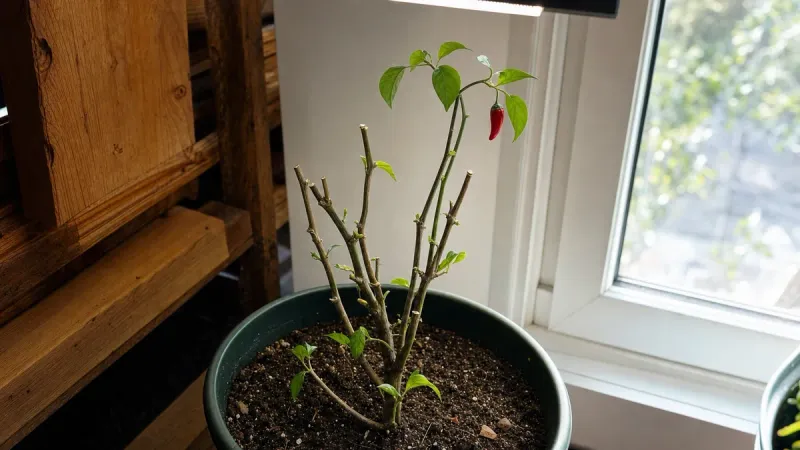
Overwatering sinks more overwintered peppers than cold ever does. Cool, resting plants sip so slowly that wet soil can sit for weeks and invite root rot.
The rule is simple. Water only when the soil is dry a couple of inches down, which might mean once every three or four weeks in a chilly basement. Poke a finger into the mix or lift the pot to feel its weight before reaching for the can.
When you water, go light. A cup or two for a small pot is often enough to keep roots from drying out. Let any extra drain away, and empty saucers so the pot is not standing in a puddle.
Skip fertilizer for now. A dormant plant cannot use the nutrients, and salts can build up in the soil.
Expect some leaf drop, even on the few leaves you left. Bare stems are normal. To check if a plant is still alive, scratch the stem lightly with a fingernail.
Green tissue underneath means everything is fine. Brown, brittle, shriveled stems signal trouble, usually from too much water or too much cold.
6. Grow Lights Can Keep Pepper Plants Fruiting All Winter Long
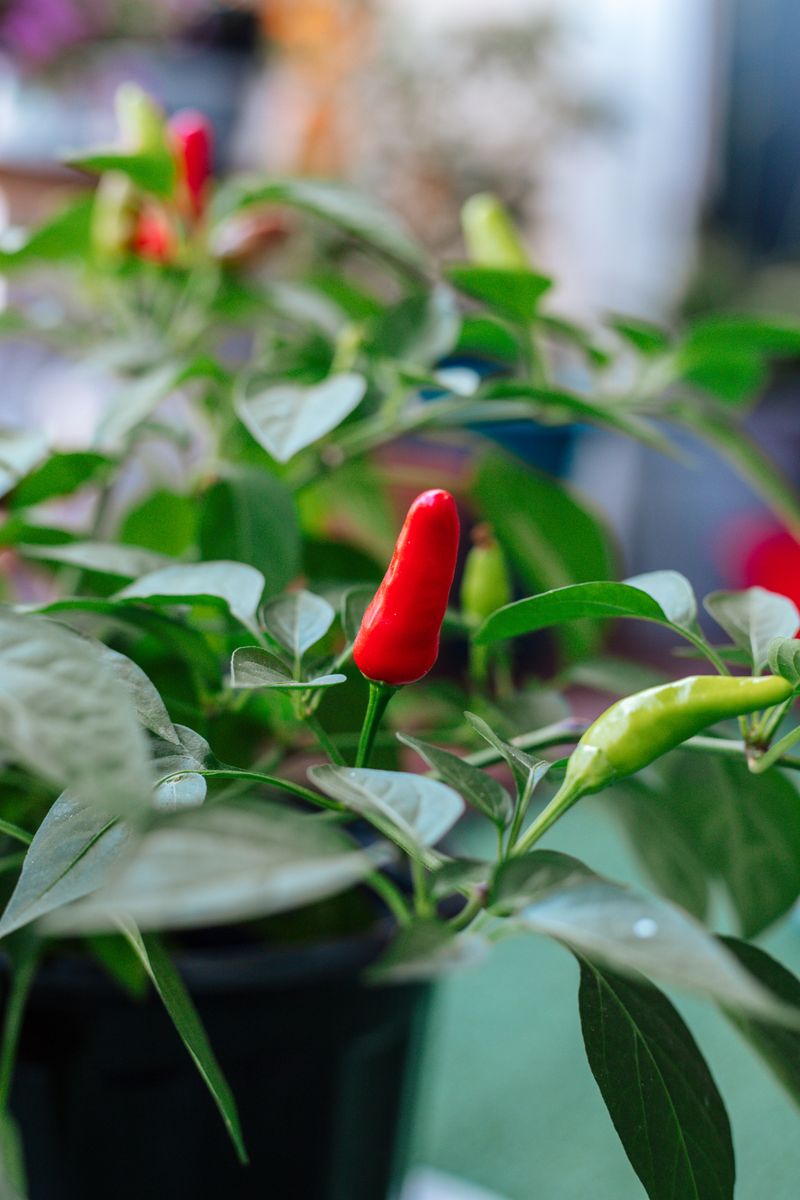
Some of us cannot resist a challenge. If you want fresh chilies in the middle of a snowstorm, you can keep peppers actively growing indoors instead of resting them.
Be ready for more effort. Michigan winter days are short and cloudy, so a south window rarely gives enough light. An LED grow light set on a timer for 12 to 16 hours daily makes a huge difference.
Follow the maker’s height guide, often several inches to a foot above the leaves. Warmth matters too. Peppers grow best around 70 to 80 degrees during the day and a little cooler at night.
Furnace air gets dry, so a small humidifier or tray of wet pebbles can help. Active plants need regular water when the top inch of soil dries. Feed them lightly with a balanced fertilizer every few weeks.
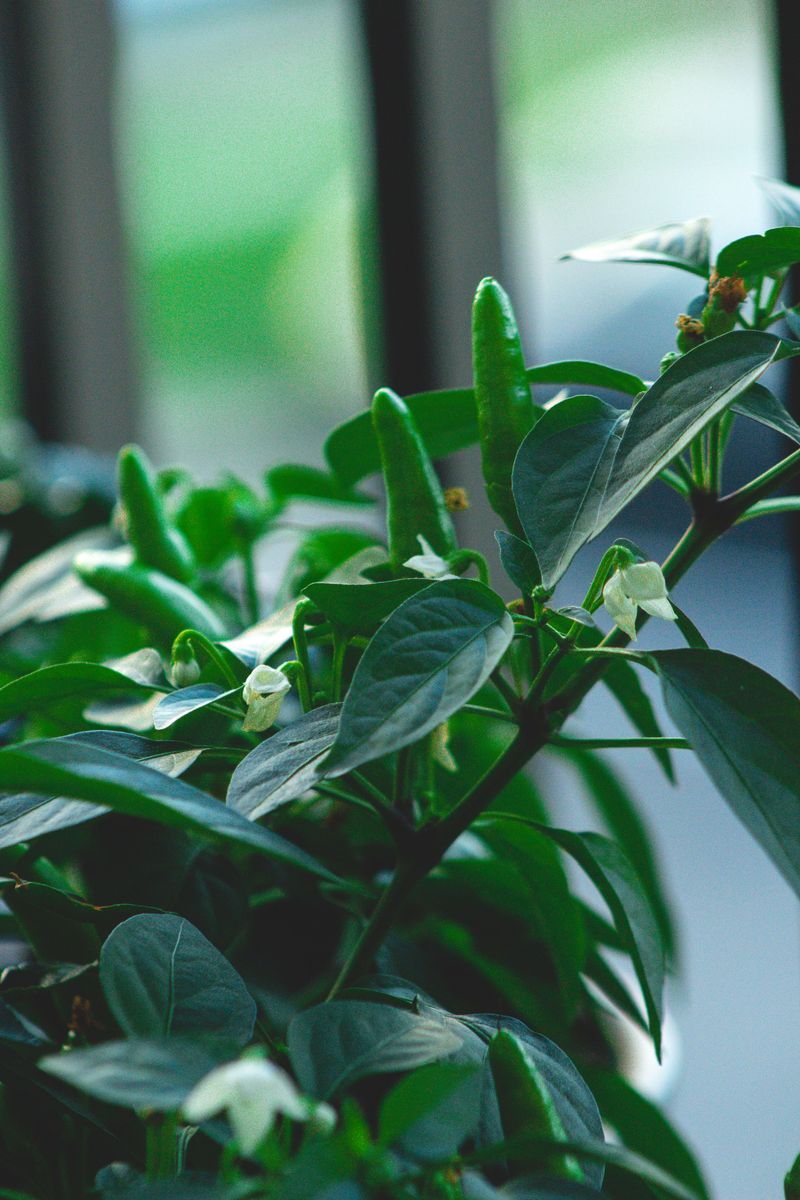
Here is a fun snag. Indoors, no bees visit the flowers. Peppers often self-pollinate, but a gentle tap on the stems or a small paintbrush swirled inside each bloom improves fruit set.
Compact hot peppers like Thai, Tabasco, or ornamental types tend to handle this lifestyle better than giant bell varieties.
7. Late Winter Is When Sleepy Pepper Stems Start Waking Up
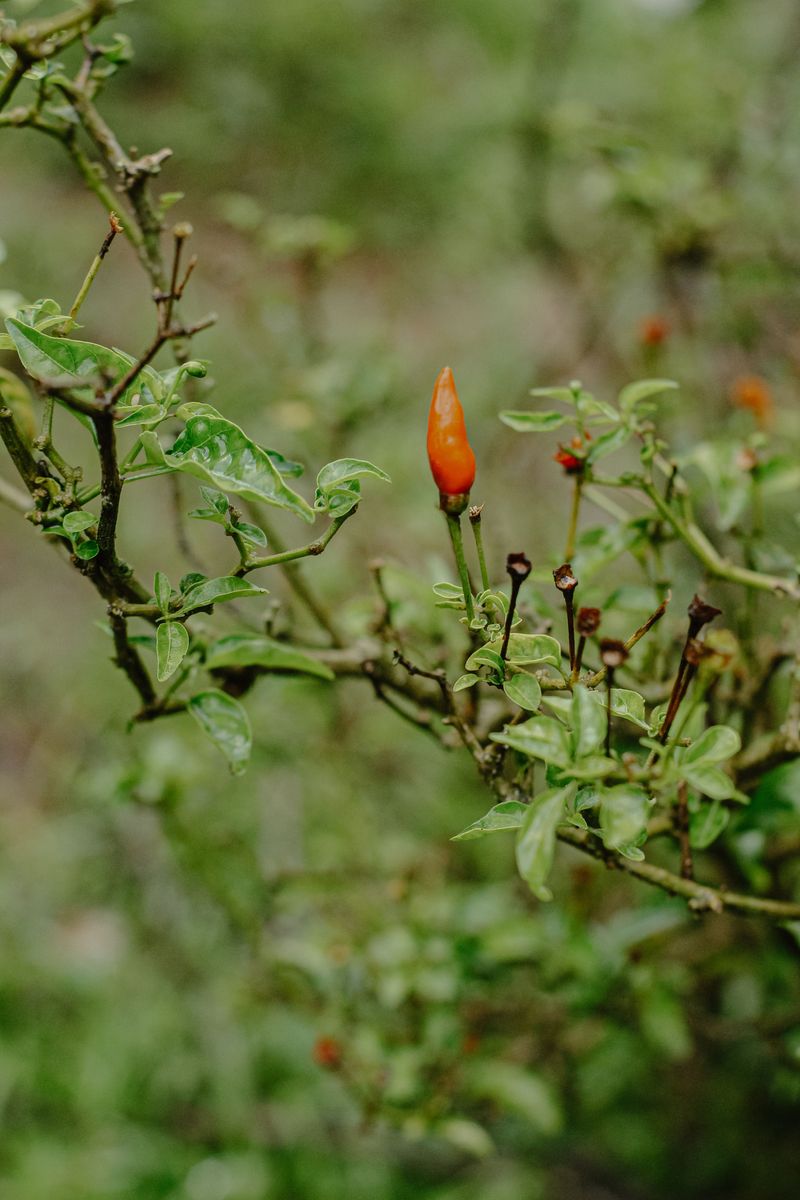
Few garden moments beat spotting that first bright green bud on a bare stem. Usually it shows up sometime in late winter, and it feels like a small victory over the snow.
About six to eight weeks before your last frost date, start waking plants up. For much of lower Michigan, that means moving them in late March or early April. Northern areas can wait a bit longer.
Bring the pots into a warmer room around 65 to 75 degrees. Give them bright light, either a sunny window or a grow light. Slowly increase watering as new leaves appear, and begin feeding with a diluted, balanced fertilizer.
This is a good time to tidy up. Snip off any stems that look shriveled or brown, cutting back to healthy green tissue. If roots are circling the pot, move the plant into a slightly larger container with fresh mix.
Do not panic if some plants take their time. Hot pepper types, especially Capsicum chinense varieties like habaneros, can be slow starters. Give them a few weeks of warmth before deciding a plant did not make it.
8. Your Overwintered Peppers Earn an Early Harvest Once They Head Back Outside
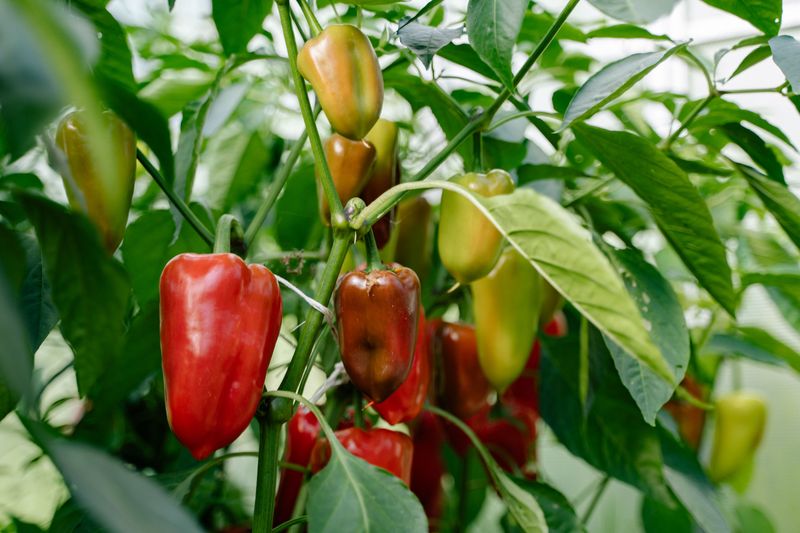
All that winter babysitting pays off in summer. A two-year-old pepper with a mature root system often flowers and fruits weeks before a spring seedling catches up.
Patience still matters at the finish line. Peppers dislike cold soil and chilly nights, so wait until night temperatures stay above about 50 degrees. In southern Michigan, that is often late May or early June.
Northern gardens may need to hold off a little longer. Harden plants off over seven to ten days. Start with an hour or two in shade, then gradually add time and sunshine. Skipping this step can scorch tender leaves that have spent months indoors.
Once settled, plant them in the garden or keep them in larger containers. Containers make next fall’s move inside much easier, which is worth considering.
A quick reality check helps too. Older plants can carry viruses or pests, and some lose a bit of vigor after a few years. Save seeds from favorite varieties as backup.
Still, I think nothing beats walking past a pepper that has seen two Michigan winters and is loaded with fruit by July.