Why Michigan Gardeners Are Testing Soil pH Before Planting Fall Blueberries
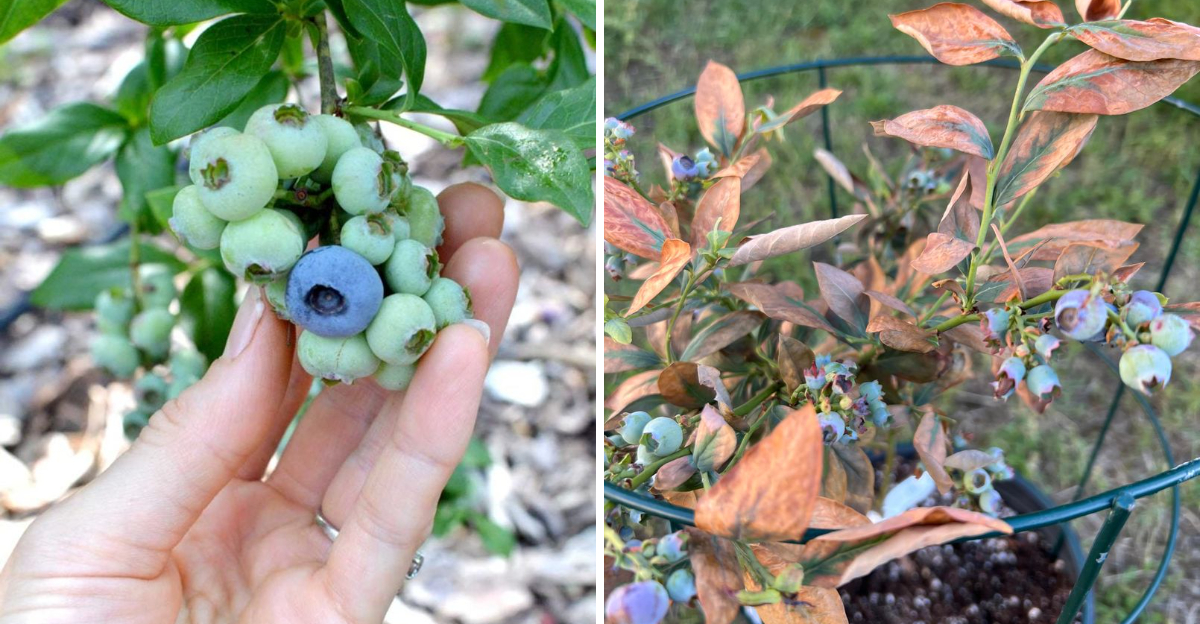
Two neighbors buy the same blueberry bushes on the same afternoon. One picks berries in three years. The other pulls out three sad shrubs and gives up on the whole idea.
Nothing about the plants explains it. They came off the same nursery bench.
The difference happened underground, and it happened before either shrub went in the hole.
Blueberries carry a requirement that almost no other backyard fruit shares, and Michigan soil rarely meets it by accident. Most yards fail the test outright.
Worse, you cannot see the problem. Rich looking dark soil tells you nothing useful here.
Fall gives you a window to find out and fix it. The window matters because certain corrections take months to work, and after the roots are in, options narrow considerably.
The whole thing costs a few dollars and a mailing envelope.
Skip it, and you may spend three years wondering why a healthy looking shrub refuses to do anything.
So what exactly should Michigan gardeners check before buying a single plant? Here are a few things.
1. Check Soil Acidity Before Buying Blueberry Plants
Blueberries are genuinely picky, which catches first time growers off guard.
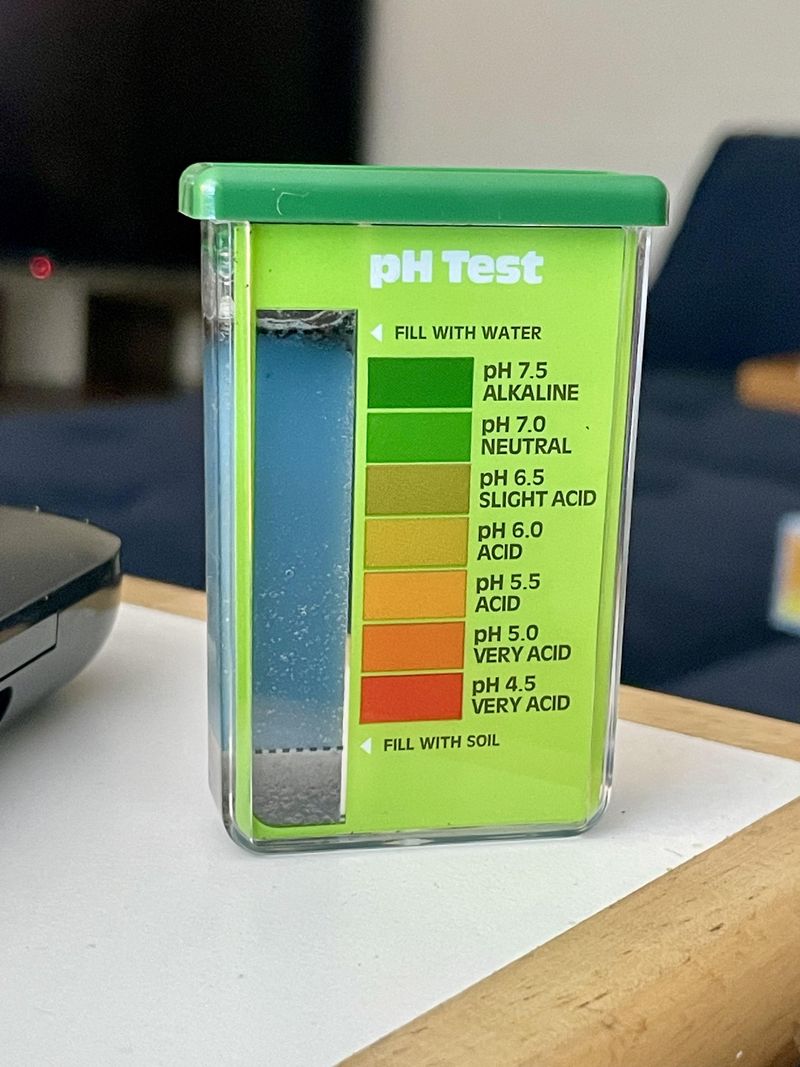
Unlike tomatoes or beans, they want strongly acidic soil, generally between pH 4.5 and 5.5. Most Michigan garden soil sits well above that range.
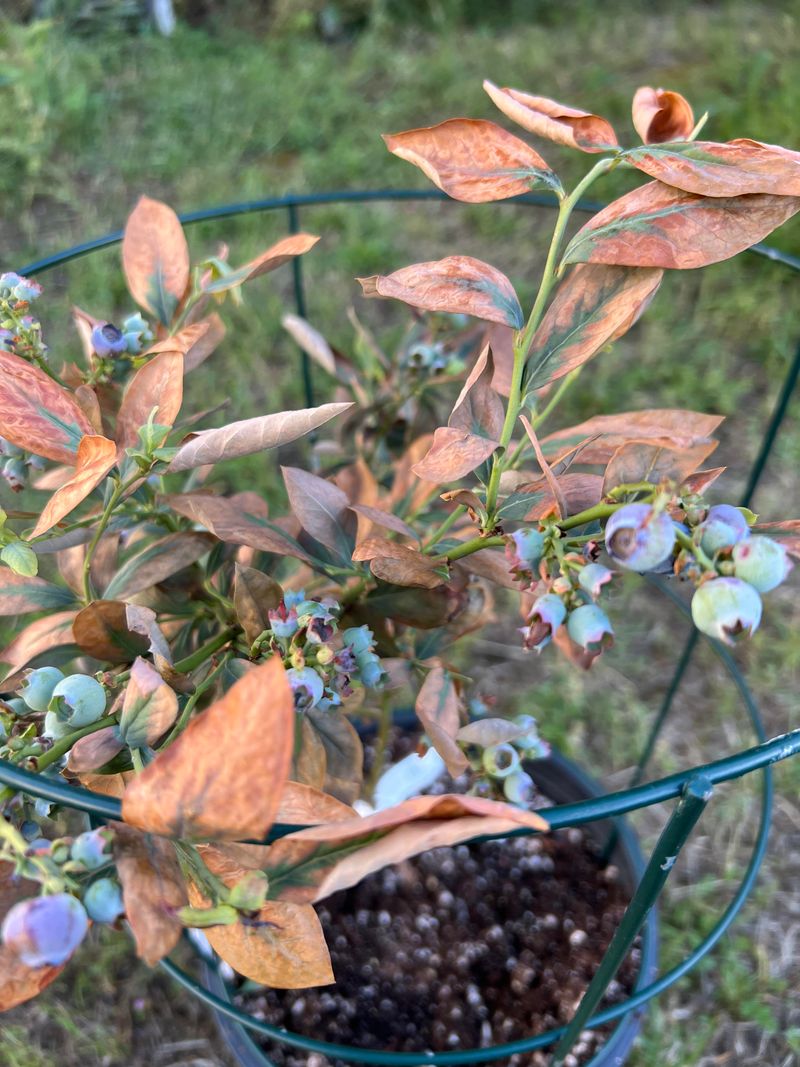
Symptoms of the mismatch develop slowly. Plants may stall, leaves can turn pale between the veins, and fruiting often stays disappointing for years.
Guessing at pH before buying plants is a bit like buying ice skates in July. Occasionally it works out, though planning tends to work better.
A soil test tells you whether the site is ready or needs sulfur and organic matter first. That single piece of information changes the entire timeline.
Root structure explains part of the sensitivity. Blueberries have shallow, fine roots without root hairs, which limits how efficiently they scavenge nutrients.
Correct acidity helps those roots take up iron and other nutrients. Iron chlorosis in high pH soil is one of the most common problems in home plantings.
Variation between properties is substantial. Sandy areas, old garden beds, and ground near concrete foundations all test differently.
Fill dirt, past lawn treatments, and previous landscaping all leave a mark. Neighboring houses can return very different numbers.
A few dollars now beats replacing shrubs later. Blueberries are patient plants, though not that patient.
2. Test Soil Instead Of Trusting Garden Assumptions
Soil can look rich and healthy on the surface while hiding a real problem underneath.
Dark color says nothing about acidity. Years of gardening experience does not substitute for a number.
A basic lab report typically covers pH, organic matter, and key nutrients including phosphorus, potassium, calcium, and magnesium. Some include texture or cation exchange capacity.
The main value lies in knowing what needs fixing before roots go in. Corrections after planting are slower and less precise.
High pH creates a specific trap. Nutrients may be present in the soil while remaining largely unavailable to the plant.
That distinction matters. Adding fertilizer to a high pH bed rarely solves the underlying issue.
Your Michigan Garden Changes Every Week. Your Plan Should Too.
Gardening in Michigan changes quickly throughout the season. Every Friday you’ll receive a simple weekly plan showing exactly what to plant, prune, fertilize, harvest, and protect so you never miss the right timing.
Michigan State University Extension handles residential soil samples, and testing is available through mail in kits and county offices. Checking current fees and turnaround times before mailing saves a wait.
Sampling technique affects accuracy. Take small cores from several spots at root depth, mix them thoroughly, and submit a portion of the blend.
Test the specific area you plan to plant rather than the lawn nearby. Results from twenty feet away may not apply.
Testing also prevents unnecessary purchases. Sulfur, lime, and fertilizer you skip are money kept, and the soil stays closer to balanced.
3. Adjust pH Before Roots Settle In
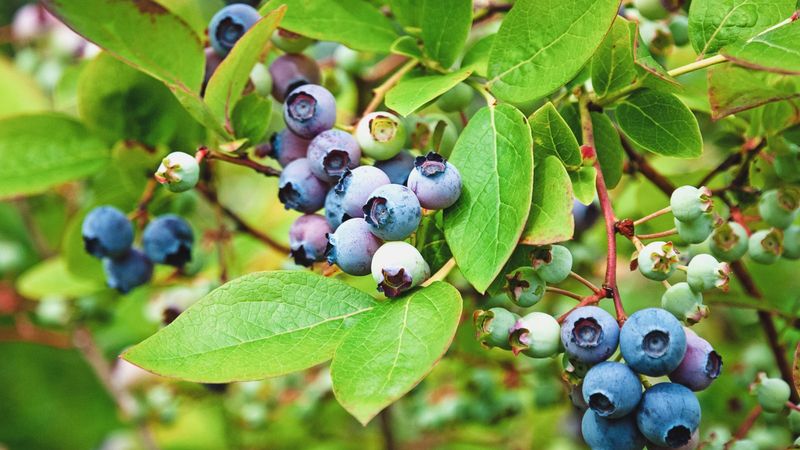
Timing carries more weight here than new growers usually expect.
Changing pH after roots establish becomes slower and less precise. That makes the pre planting window genuinely valuable.
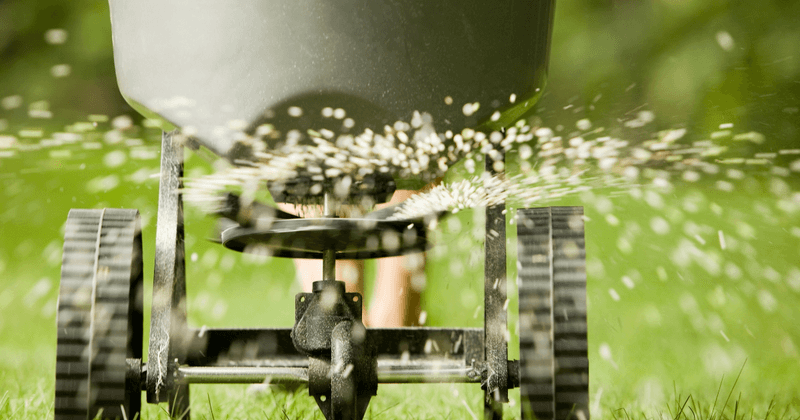
Elemental sulfur is the standard tool for lowering pH. It works gradually because soil microbes drive the reaction.
Temperature affects that process. Microbial activity slows in cold soil, so sulfur applied in late fall may do little until spring warms things up.
Planning ahead matters for that reason. Waiting until planting day and expecting fast results rarely works out.
Adjustment needs vary widely. Some yards need a modest correction while others require a year or more of steady work.
A soil report guides application rates. It also helps you decide whether a raised bed or a separate prepared area makes more sense than fighting the existing soil.
Soil type changes the math considerably. Sandy soils shift pH with less sulfur than heavy clay soils, which resist change.
Fall planting does offer real advantages in Michigan. Cooler air and moist autumn soil reduce transplant stress while roots begin spreading.
Test, adjust, then plant, in that order. Blueberry patches built on last minute fixes tend to disappoint everyone involved, especially the blueberries.
4. Add Organic Matter For Better Soil Conditions
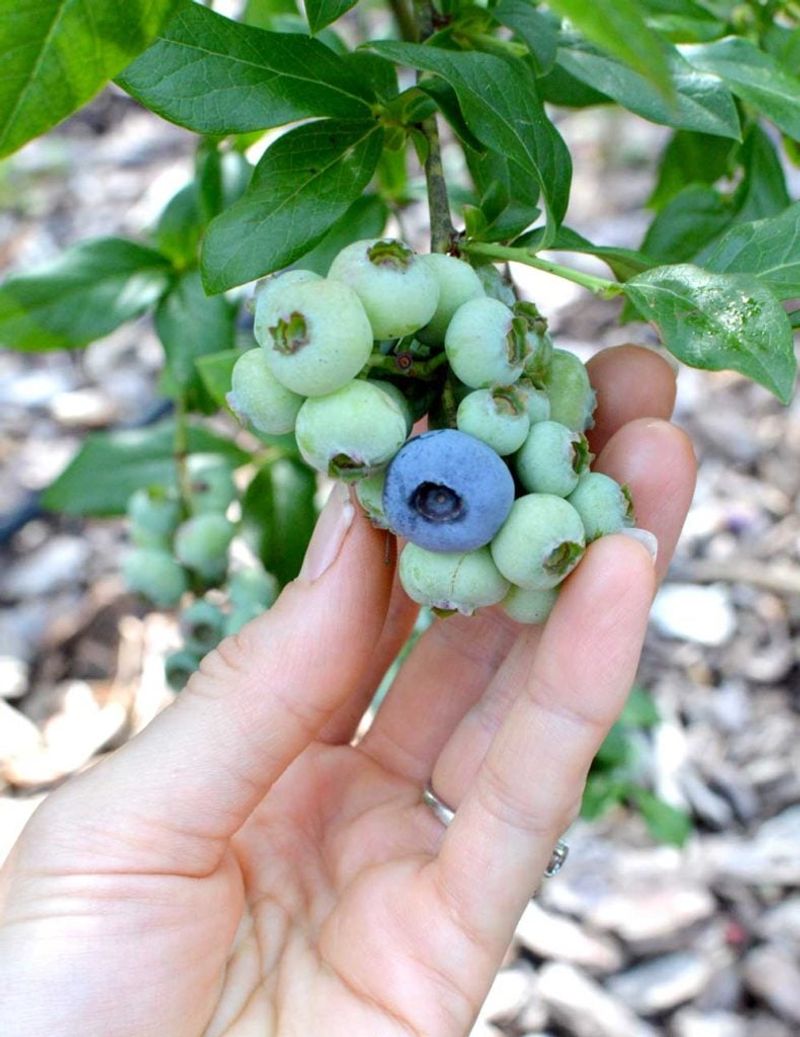
Good blueberry soil involves more than a number on a report.
Texture, drainage, and organic matter all shape how roots breathe, hold moisture, and spread. Michigan soils range from fast draining sand to tight heavy clay.
Compost improves structure when it’s finished and clean. Poorly broken down material can cause more problems than it solves.
Many growers favor pine bark fines, leaf mold, and similar woody materials for blueberries. Those keep soil loose in a way dense garden dirt cannot.
Peat moss has a long history in blueberry beds for its acidity and moisture holding. Some gardeners now limit peat use for environmental reasons and lean on bark based materials instead.
Worth knowing: bark and compost do not reliably lower pH much on their own. Sulfur still does that job.
The target is soil that stays evenly damp without going soggy after heavy rain. Blueberries dislike both drought and standing water.
Organic matter also supports soil life, which gradually affects how nutrients move through the root zone.
Blend amendments across the wider planting area rather than concentrating everything in one hole. Roots that hit a wall of unimproved soil tend to circle instead of spreading.
Structure and acidity working together makes watering easier and roots more comfortable. Two problems, one afternoon of digging.
5. Choose Blueberry Varieties For Michigan Weather
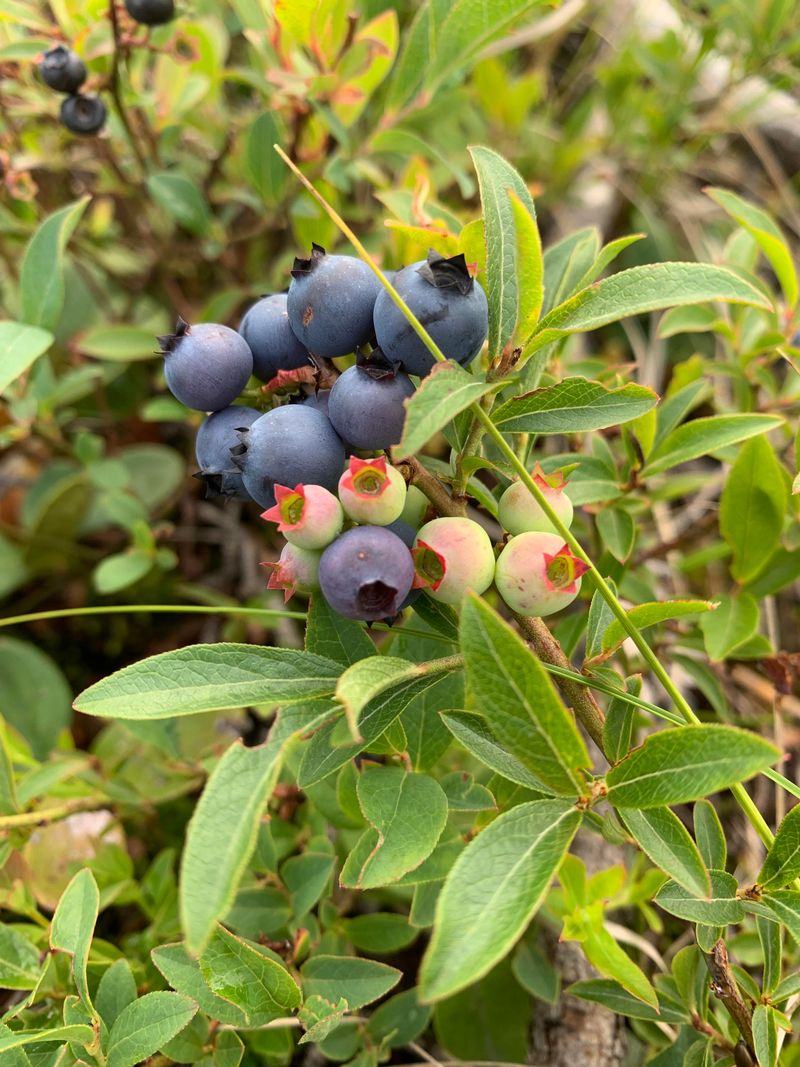
Choosing a variety resembles buying winter boots. Different conditions call for different designs.
Even excellent soil cannot compensate for a plant unsuited to the climate.
Northern highbush varieties are the usual choice for Michigan, since they handle cold winters better than types bred for warmer regions. Half high varieties are worth considering in colder areas, since they stay shorter and benefit from snow cover.
Extension recommendations typically weigh hardiness, ripening time, and disease tolerance. Those factors matter more than flavor descriptions on a tag.
Conditions vary within the state. Lakeshore gardens warm differently than inland yards, and low spots collect cold air that can damage spring blooms.
Reading tags, checking regional lists, and asking local nurseries about proven performers all help. Local experience beats catalog copy.
Planting more than one variety extends the picking season. Blueberries are partly self fertile, though cross pollination between varieties often improves fruit set and berry size.
Names that come up regularly in Michigan include Bluecrop, Patriot, Northland, and Jersey. Site conditions still determine whether any of them thrive.
Chill hours are rarely a limiting factor here, since Michigan winters supply plenty. Cold hardiness and late frost risk matter more.
Start with a hardy variety in properly prepared soil. That combination reduces surprises considerably, which is about all any gardener can ask.
6. Protect Roots With Proper Mulching
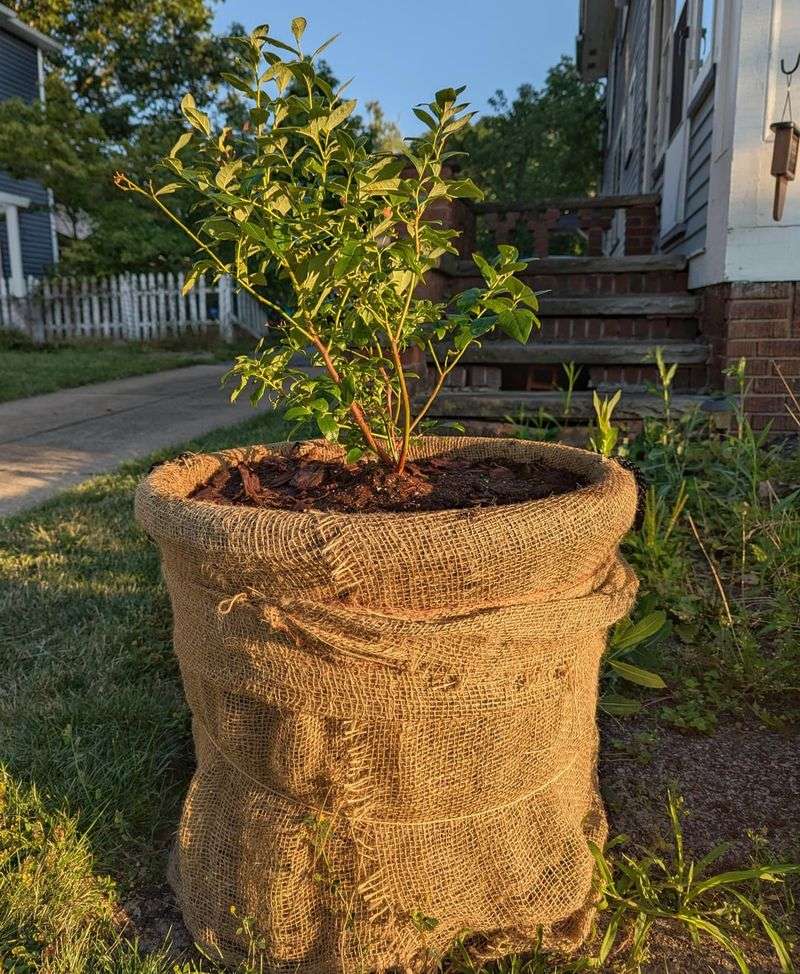
Mulch looks like the least interesting item on this list. Blueberry roots would disagree.
The root system stays shallow, which leaves the soil surface exposed to drying, heating, and swinging between soaked and crusted.
Wood chips, pine needles, and shredded bark all suit blueberries well. A layer roughly two to four inches deep does the job.
Benefits stack up quickly. Moisture holds longer, weeds struggle, and hard rain stops compacting the surface.
Weed competition deserves emphasis. Shallow rooted blueberries lose that contest more often than deeper rooted plants do.
Mulch also reduces soil splashing onto leaves and stems during storms.
Keep a few inches of clearance around the crown. Material packed against the base holds moisture where you least want it.
A note on the acidity myth. Pine needles and bark contribute very little pH change, so mulch supports the plant without replacing sulfur.
Over a season or two, breakdown adds organic material to the top layer. That slow improvement compounds year after year.
Replenish as material decomposes, since a thin patchy layer accomplishes little.
New shrubs struggle more from uneven moisture than from anything dramatic. A good mulch ring buys forgiveness on the week your watering schedule falls apart.
7. Avoid Fertilizer Mistakes With Young Blueberries
New blueberry plants do not need an aggressive feeding program on day one.
Excess fertilizer early on creates exactly the stress gardeners hope to avoid. Testing first clarifies whether the issue is nutrients, pH, or site preparation.
Young roots are tender and shallow. Strong fertilizer placed close to the crown can damage tissue and slow establishment.
Nitrogen form matters more with blueberries than with most crops. They prefer ammonium forms over nitrate, which is why products labeled for acid loving plants generally suit them better.
Ammonium sulfate is commonly recommended for Michigan blueberries. It supplies nitrogen in a usable form while contributing modest acidification.
Most growers wait until new growth appears before applying small amounts. Spring application generally makes more sense than fall, since late nitrogen pushes growth that may not harden off.
A soil report also flags nutrients already present in adequate supply. Adding more accomplishes nothing useful.
One frequent error involves feeding a struggling plant when pH is the real problem. High pH limits nutrient uptake regardless of how much you apply.
Fix the soil first, then feed lightly. Order of operations matters here as much as it does in algebra.
Patience beats speed with young bushes. Light feeding at the right time, tested soil, and steady moisture accomplish more than any bag promising quick results.
8. Build The Right Foundation Before Spring Growth
Fall preparation feels quiet compared with spring planting. It often determines the outcome anyway.
Testing pH before planting builds the foundation for next year’s shoots, leaves, and flower buds. What happens below ground shows up above it.
Preparation time allows several jobs to happen properly. Drainage problems get addressed, sunny sites get chosen, mulch gets gathered, and organic matter gets worked in before the soil cools hard.
Site selection deserves a mention. Blueberries want full sun for good production, so a spot with six to eight hours works better than a shaded corner.
Comparing varieties without rushing is another advantage. So is planning spacing, which typically runs four to six feet between highbush plants.
Blueberries are a long term crop, and that changes the calculus. Setup decisions matter far more here than with annual vegetables you replace each spring.
Testing and adjusting before planting can prevent seasons of frustration. Corrections afterward are slower and less complete.
Realistic expectations help too. Most highbush plants take a few years to produce meaningfully, and many growers remove early flowers to build plant structure first.
Gardeners who handle the basics in fall enter spring with a plan for water, mulch, and feeding.
None of it guarantees perfection. It does give the plants a fair shot, which is the most any of us can arrange from above ground.