Michigan Gardeners Who Do These Things In Spring Have Fewer Tick Problems All Summer
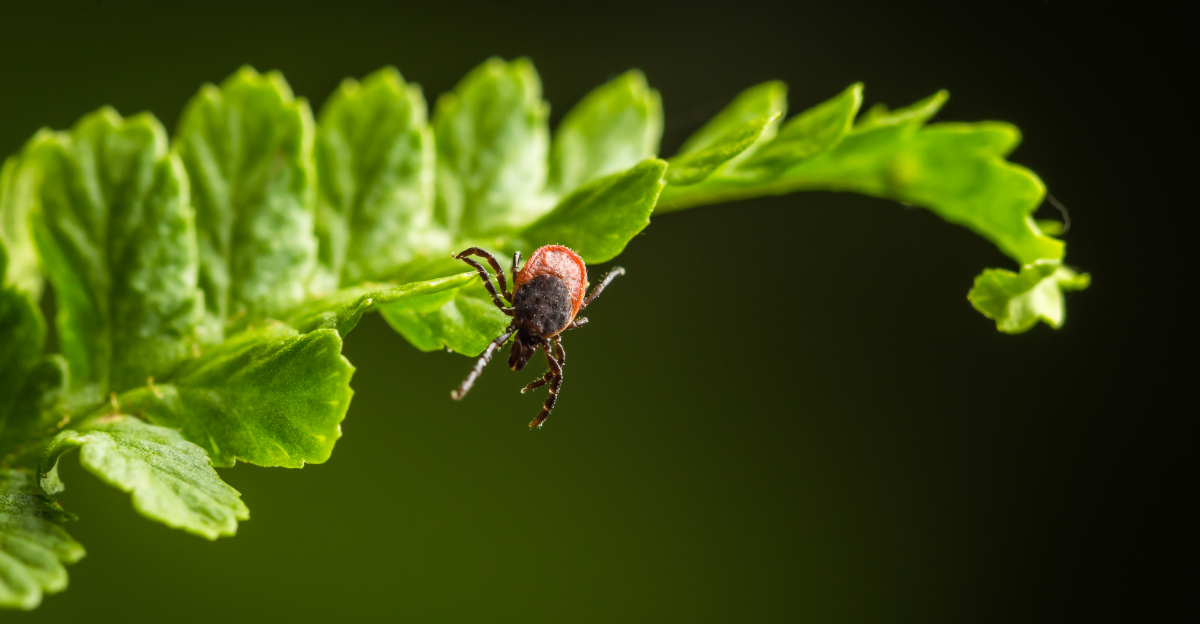
Tick pressure in Michigan does not distribute itself evenly across the season. Spring is when the groundwork gets set, and the yards that deal with the fewest ticks through summer are almost always the ones where specific steps were taken early.
It is not about a single treatment applied once and forgotten. It is about a small number of practical habits that change the conditions ticks depend on for survival and host-seeking.
Most of these steps take very little time and cost very little, but they require doing them while the season is still early enough to matter.
Gardeners who build these habits into their spring routine consistently report a noticeable difference by the time summer arrives and outdoor time becomes something to actually look forward to again.
1. Clear Leaf Litter From High-Use Edges

Most people think of leaf litter as harmless yard debris, but it is actually one of the most tick-friendly environments around. Damp, decomposing leaves along fences, garden borders, and wooded edges create the perfect shady, moist hideout that ticks love.
Clearing this material in early spring is one of the highest-impact things you can do before tick season fully kicks off.
Michigan yards that back up to woods or naturalized areas are especially at risk. Ticks do not jump or fly, but they do wait in leaf piles along paths and edges where people and pets brush through regularly.
Removing that habitat removes a major launching point for ticks trying to latch onto you or your dog.
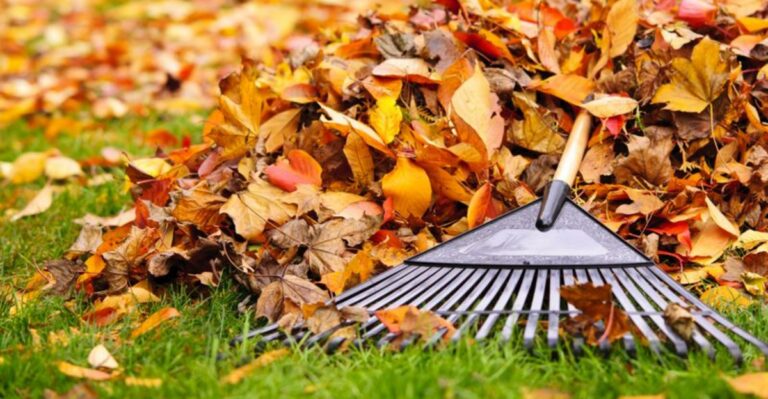
Raking and bagging leaf litter from high-traffic zones like walkways, play areas, and patio borders takes maybe an afternoon. You can compost the leaves in a far corner of the yard away from where people spend time.
Staying consistent with this task each spring means you are actively shrinking the places where ticks can survive and thrive throughout the season.
Even a one-foot cleared edge along a path makes a measurable difference. Think of it as creating a small barrier between the wild and the tidy. Small habits like this add up to a much more comfortable summer outdoors.
2. Keep Grass Mowed Around Play Areas

Short grass is not just about curb appeal. Ticks struggle to survive in sunny, dry, well-mowed areas because they need moisture and shade to stay active.
Keeping the grass trimmed low around swing sets, sandboxes, garden seating, and any spot where kids or pets hang out is one of the simplest ways to push ticks to the edges of your yard.
Michigan summers are busy, and the last thing any parent wants is to find a tick on a child after an afternoon of backyard play. Ticks prefer the tall, unmowed grass at the border of a lawn because it gives them height and cover.
Mowing regularly pulls the welcome mat right out from under them. Aim to keep play areas mowed to about three inches or shorter throughout the spring and summer.
Pay special attention to the transition zones where your lawn meets any naturalized strip, flower bed, or brushy area. Those borders are where ticks tend to congregate and wait for a passing host.
Your Michigan Garden Changes Every Week. Your Plan Should Too.
Gardening in Michigan changes quickly throughout the season. Every Friday you’ll receive a simple weekly plan showing exactly what to plant, prune, fertilize, harvest, and protect so you never miss the right timing.
You do not need a perfectly manicured lawn to reduce tick exposure. You just need to be consistent, especially in the zones where your family spends the most time.
A routine mowing schedule starting in early spring sets a healthy pattern that benefits you all season long.
3. Create A Dry Mulch Or Gravel Buffer
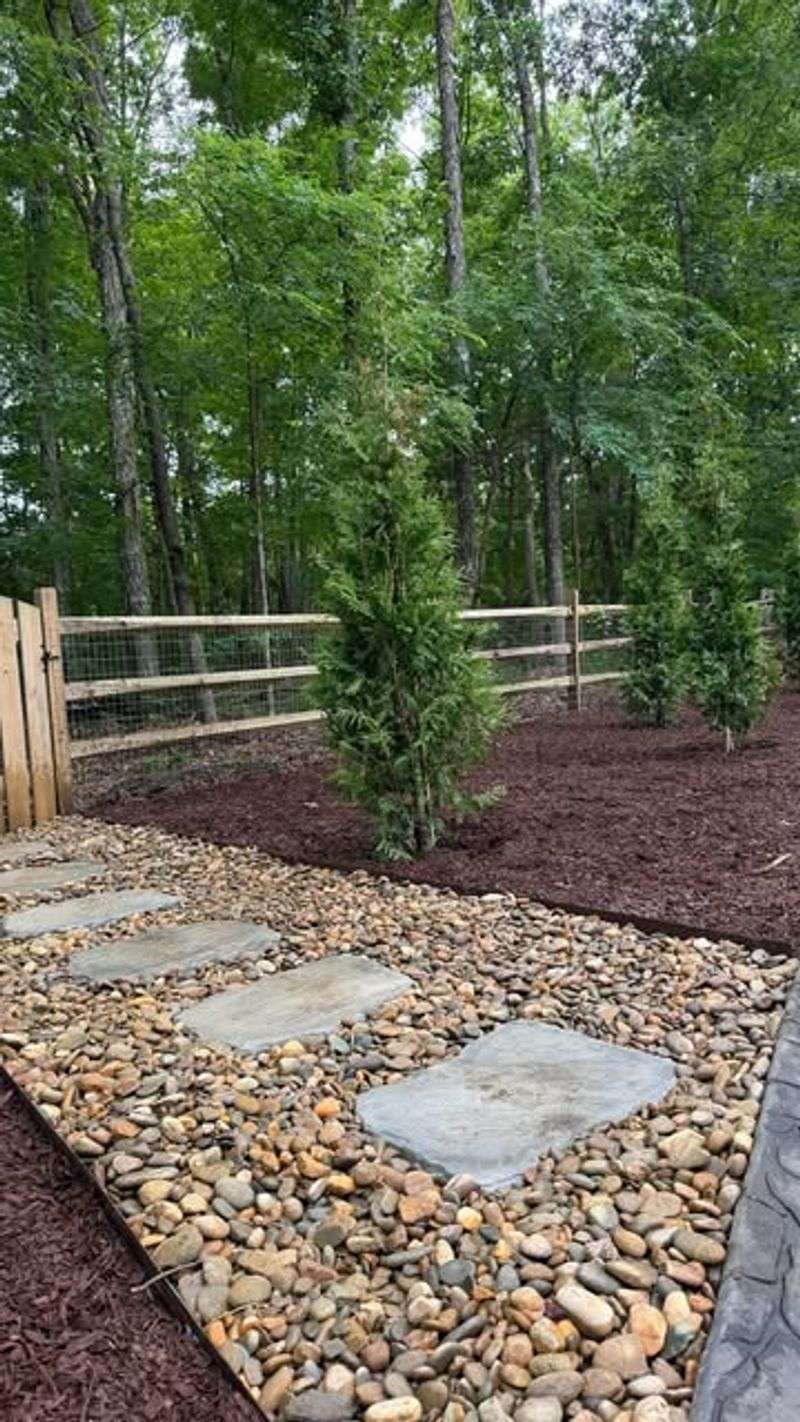
One clever trick that experienced Michigan gardeners swear by is laying down a three-foot wide strip of dry wood chip mulch or gravel between the lawn and any wooded or naturalized area.
Ticks are moisture-dependent creatures, and crossing a dry, sun-exposed barrier is something they actively avoid. It sounds almost too simple, but it genuinely works.
The University of Rhode Island’s TickEncounter Resource Center has studied landscape barriers like this and found that ticks rarely cross a well-maintained mulch or gravel strip.
For Michigan homeowners with wooded backyards, this one step can significantly reduce how many ticks wander into the main yard. It creates a clear physical and environmental boundary.
Cedar mulch is a popular choice because it has natural oils that ticks find unappealing. Gravel or crushed stone works well too, especially in areas that stay damp.
The key is keeping the strip dry, sunny, and free of leaf debris so it stays inhospitable to ticks trying to cross over.
Installing a buffer strip takes a weekend at most and requires minimal maintenance after that. You just need to top it off occasionally and rake out any leaf build-up.
For the amount of protection it provides through the full Michigan summer, it is one of the best investments a tick-conscious gardener can make in the spring.
4. Move Firewood Away From The House
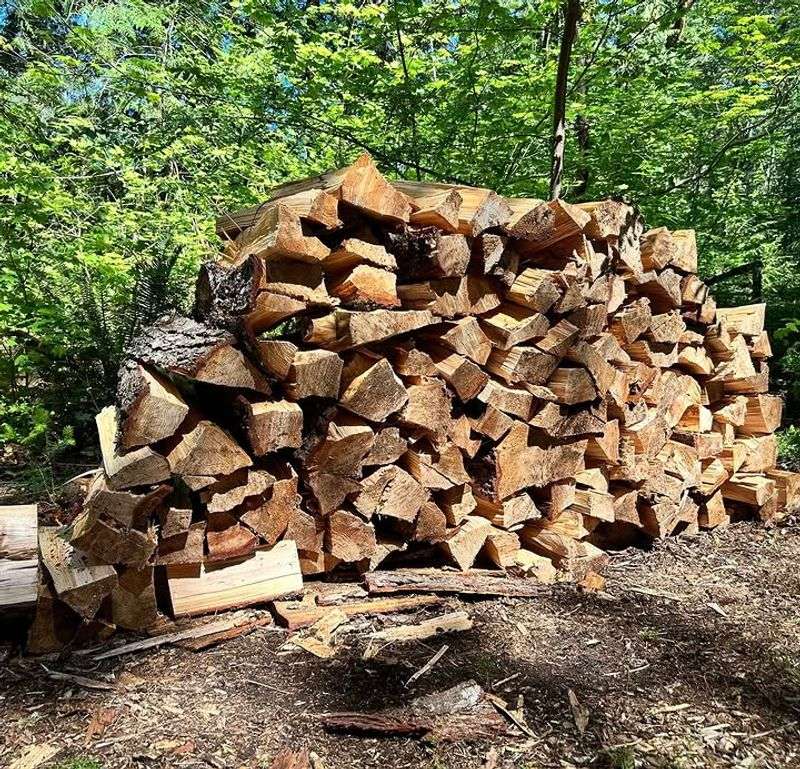
Firewood stacked right against the house feels convenient, but it creates a prime habitat for mice, chipmunks, and other small rodents that are major carriers of tick larvae. When rodents nest in woodpiles near your home, they bring ticks along for the ride.
Moving that stack farther from the house in spring is a quiet but powerful way to reduce tick pressure close to where you live.
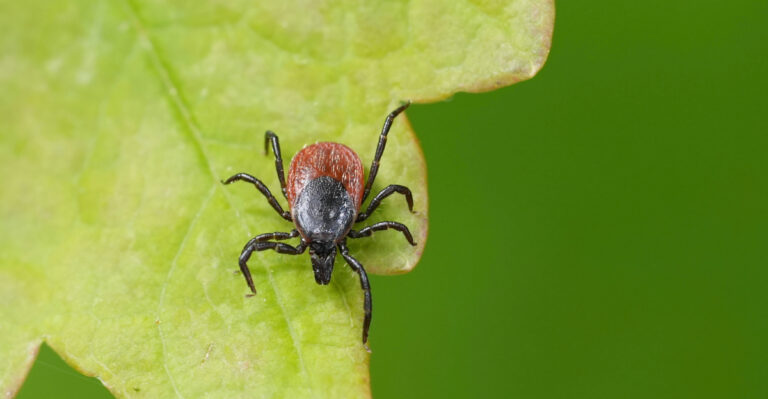
In Michigan, white-footed mice are the most common wildlife reservoir for the black-legged tick, which is the species that carries Lyme disease. These mice love to nest in woodpiles, especially when the stack is close to a foundation with easy access to warmth.
Relocating firewood to a sunnier, more exposed spot in the yard makes it a far less appealing home for rodents.
Storing wood on a raised rack also helps by keeping it off the ground, where moisture and debris collect. Aim to move the stack at least 20 feet from the house and away from garden beds and play areas.
Stacking it in a spot that gets direct sunlight for most of the day dries out the wood and discourages nesting.
This one spring chore takes a couple of hours and makes a noticeable difference. Fewer rodents near the house means fewer ticks making their way into your yard and eventually onto you or your pets.
5. Trim Back Dense Brush Along Paths
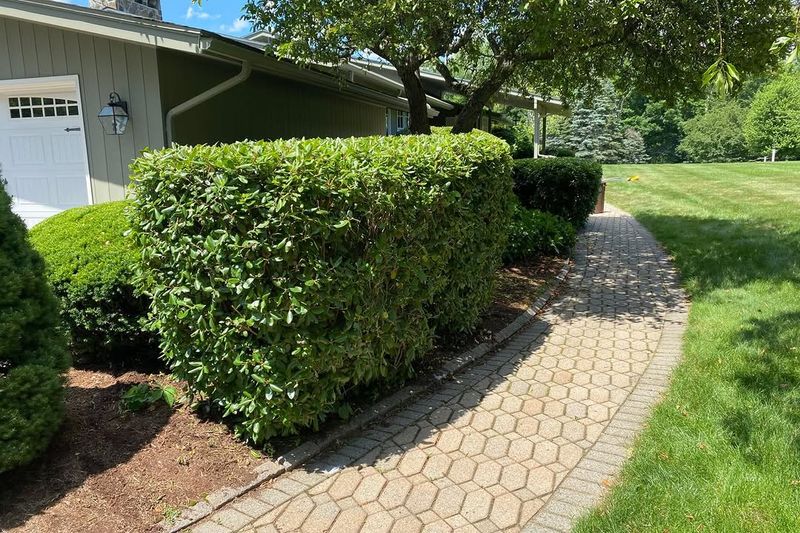
Walking through a brushy path in spring feels refreshing, but overgrown shrubs and weeds along walkways are basically tick highways.
Ticks wait in a behavior called questing, where they cling to the tips of grass blades, leaves, or stems with their front legs extended, ready to grab onto anything that passes.
Trimming back that dense brush removes their best waiting spots right along the routes you use most.
Michigan woodland-edge yards are especially prone to this problem. The mix of shade, moisture, and leafy vegetation creates ideal conditions for ticks along paths that cut through or near wooded sections.
Cutting back overhanging branches and brushy understory growth in early spring opens those paths up and reduces the chance of ticks hitching a ride as you pass.
You do not need to clear everything aggressively. Even trimming back two to three feet on either side of a frequently used path makes a real difference.
Focus on low-hanging shrubs, tall weeds, and any vegetation that brushes against legs or arms as you walk through.
Using loppers, hedge trimmers, or a simple hand pruner, most paths can be cleaned up in just a few hours.
Keeping that brush managed throughout the season, rather than letting it regrow unchecked, means you are consistently reducing tick habitat along the areas you and your family use every day.
6. Remove Invasive Barberry And Buckthorn
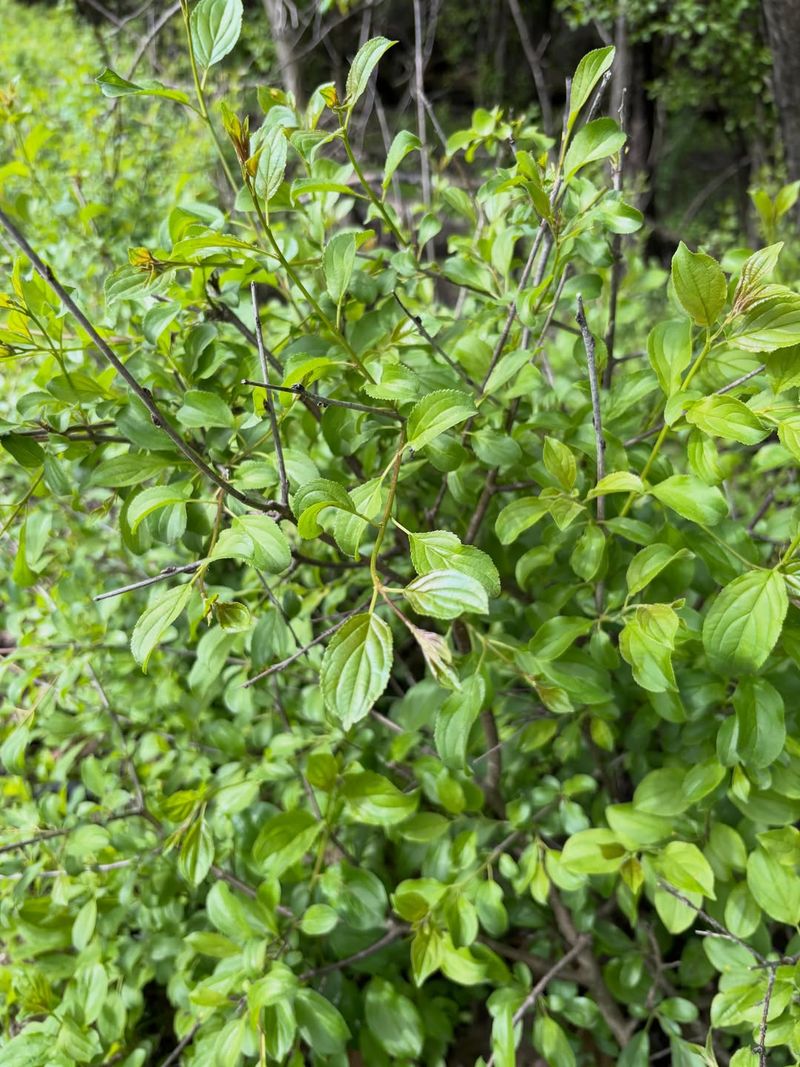
Japanese barberry might look like a pretty ornamental shrub, but researchers have found a striking connection between barberry thickets and high tick populations.
The dense, thorny growth creates humid, sheltered microclimates that both ticks and white-footed mice absolutely love.
Studies in the northeastern United States found that yards with barberry had significantly more ticks than those without it.
Buckthorn is another invasive shrub common in Michigan that creates similar problems. Both plants leaf out early in spring and hold their leaves late into fall, extending the shaded, moist habitat that supports tick survival longer than native plants do.
Removing them is not just good for biodiversity; it is genuinely good for your family’s safety during tick season.
Spring is the ideal time to tackle barberry and buckthorn before they fully leaf out and become harder to manage. Wear thick gloves when working with barberry because of its sharp thorns.
Dig out the root system thoroughly, since both plants can resprout aggressively if roots are left behind.
Replacing these invasives with native Michigan shrubs like ninebark, buttonbush, or native viburnum restores healthy habitat while keeping the landscape full and attractive.
Native plants support local wildlife without creating the dense tick-friendly conditions that invasive species promote. It is a spring project with real long-term rewards for the whole yard.
7. Keep Bird Feeders From Creating Rodent Hotspots
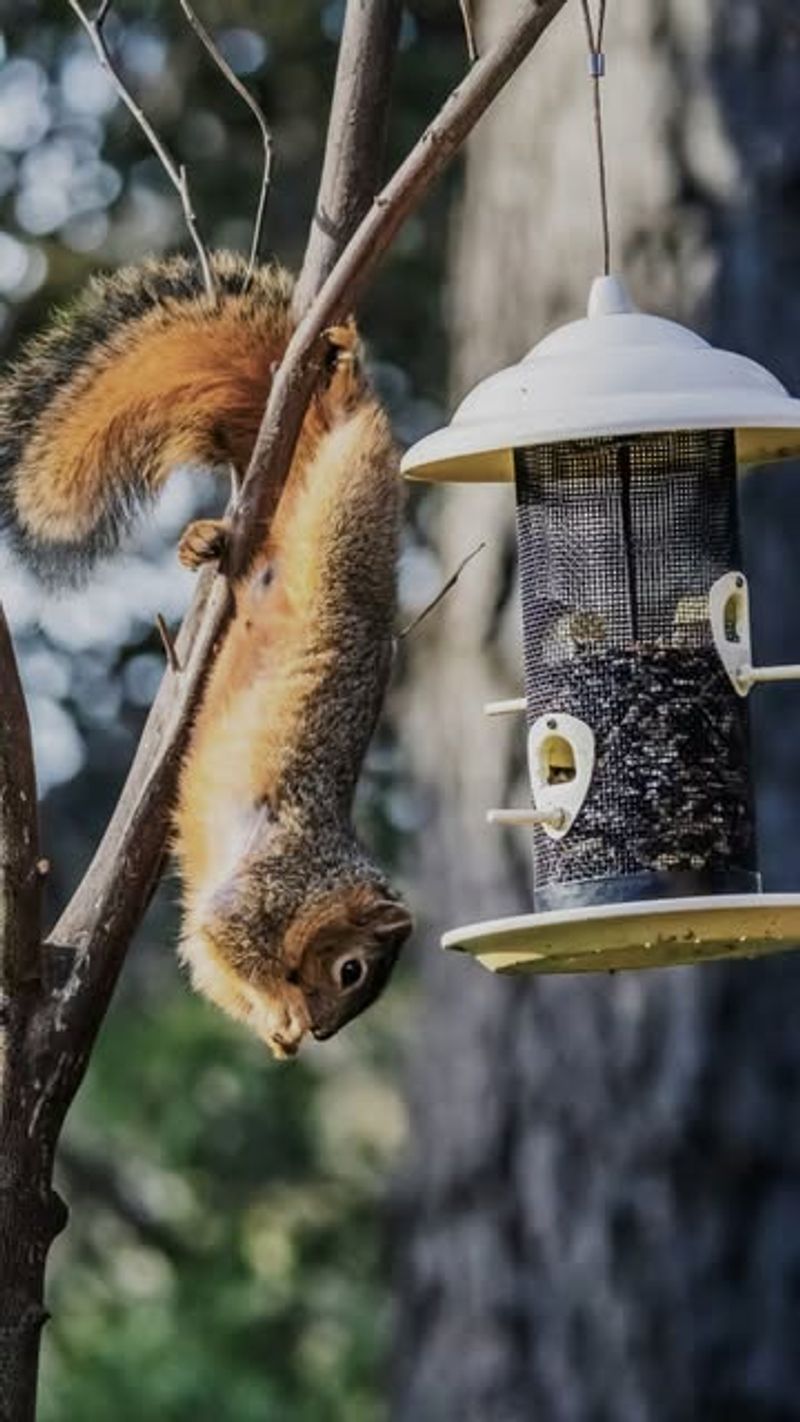
Bird feeders are a beloved feature in Michigan backyards, but spilled seed on the ground is an open invitation for mice and chipmunks.
Those small rodents are among the most important tick hosts in the entire tick life cycle, especially for larval ticks that need a first blood meal to develop.
A messy feeder area can quietly become one of the most tick-active spots in your whole yard.
Cleaning up spilled seed regularly is one of those small habits that has a surprisingly large payoff. When rodents gather under a feeder day after day, they also drop tick larvae into the surrounding soil and vegetation.
Over time, that feeder area can develop into a genuine tick hotspot that puts your pets and family at risk every time they pass nearby.
Switching to a no-waste birdseed mix, which contains hulled seeds that birds eat cleanly without scattering shells, can dramatically reduce spill. You can also place a tray under the feeder to catch falling seed.
Moving feeders away from patios, play areas, and high-foot-traffic zones gives rodents less reason to congregate where you spend time.
Checking and cleaning the area under your feeder each week in spring and summer takes only a few minutes. That consistent attention keeps rodent activity lower and reduces the tick pressure around the spots where your family relaxes and plays throughout the season.
8. Prune Shrubs To Improve Airflow
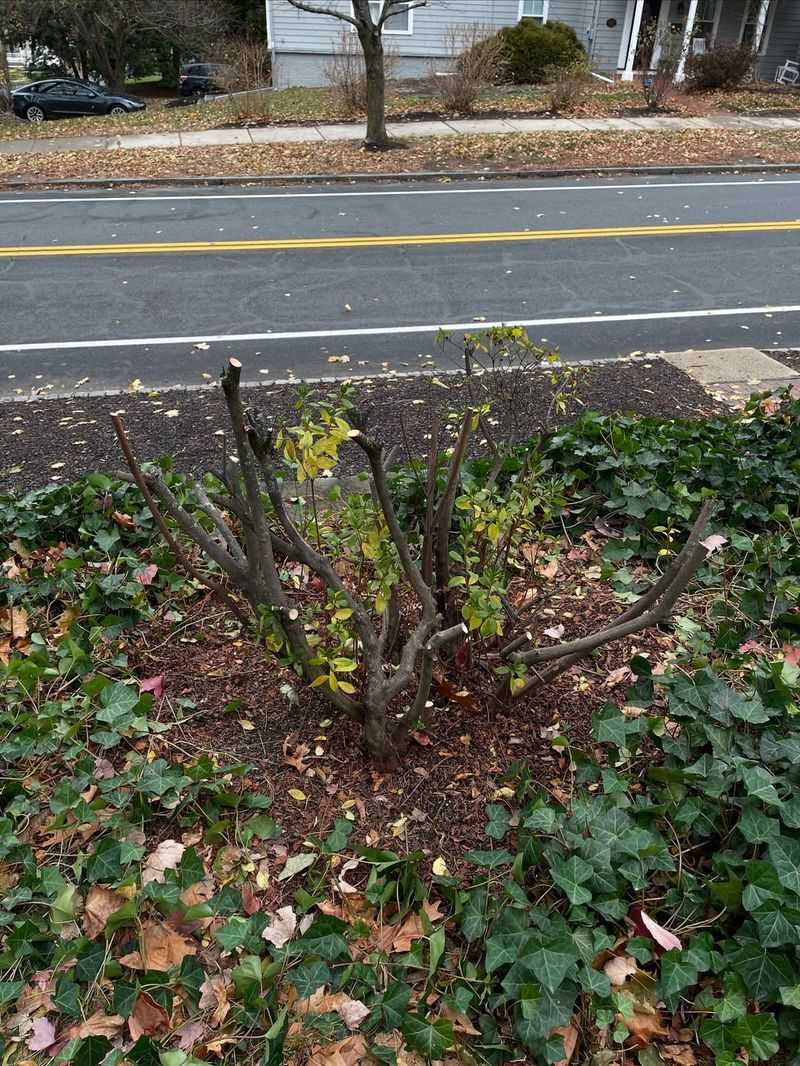
Ticks are surprisingly sensitive to environmental conditions, and one of their biggest weaknesses is low humidity.
Dense, unpruned shrubs trap moisture and block sunlight from reaching the ground below them, creating exactly the kind of cool, damp microhabitat where ticks can survive and stay active for longer periods.
Opening up those shrubs with a good spring pruning changes the whole environment underneath them.
Michigan gardens often have mature shrubs along foundation beds, pathways, and borders that have grown thick and bushy over the years. While that lush growth looks appealing, the shaded, humid ground beneath it is prime tick territory.
Removing the lower branches and thinning out interior growth allows sunlight and air to reach the soil, drying it out and making it far less hospitable to ticks.
Spring is the best time to do this kind of structural pruning before new growth fully emerges. Focus on shrubs that sit along paths, near seating areas, or close to the house.
Lifting the canopy by removing the bottom six to twelve inches of branches makes a noticeable difference in airflow and light penetration.
The bonus is that well-pruned shrubs also look better and stay healthier over time. You get a cleaner, more polished garden while simultaneously making the space less friendly to ticks.
It is one of those spring tasks that rewards you in multiple ways all at once throughout the growing season.
9. Apply Tick-Repellent Mulch In Garden Beds
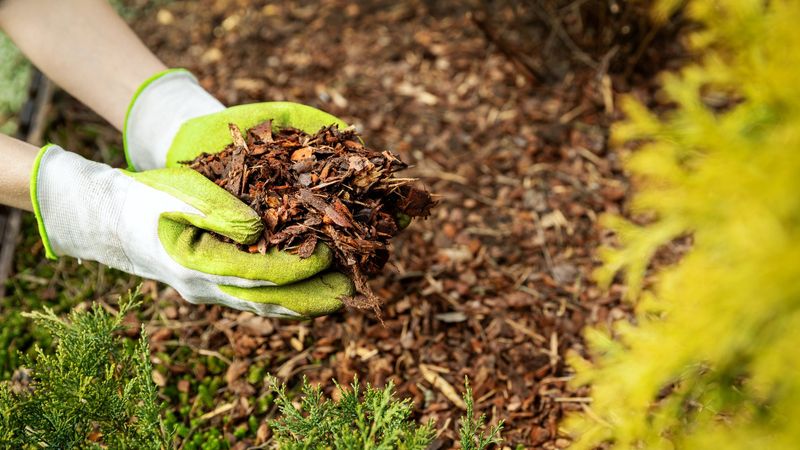
Not all mulch is created equal when it comes to ticks. Cedar mulch, in particular, contains natural aromatic oils, specifically thujone and other compounds, that ticks find repellent.
Spreading fresh cedar mulch in garden beds and around the perimeter of your yard in spring adds a layer of both beauty and protection that works quietly in the background all season long.
Michigan gardeners who use cedar mulch in their beds often notice fewer ticks in those areas compared to bare soil or standard bark mulch. While cedar alone is not a complete solution, it contributes meaningfully to a layered tick-reduction strategy.
Combined with other spring habits, it adds real value to your overall approach. Apply mulch at a depth of about two to three inches for the best results. Deeper layers retain moisture, which can actually work against you by keeping the ground damp.
A moderate layer lets the cedar oils do their job while still allowing the bed to dry out between rain events.
Refreshing your cedar mulch each spring ensures the aromatic oils stay active and effective. Over time, mulch breaks down and loses its potency, so adding a fresh top layer keeps the repellent properties working throughout the warm months.
It also helps suppress weeds and retain soil moisture for your plants, making it a genuinely multi-purpose spring garden task worth prioritizing.
10. Separate Woodland Edges From Sitting Areas

Where you place your outdoor furniture matters more than most people realize when it comes to ticks. Sitting areas that are positioned close to wooded edges, tall shrubs, or naturalized borders put you right in the zone where ticks are most active.
Moving patios, chairs, and tables toward the center of the yard, away from those edges, is a simple but genuinely effective spring adjustment.
Michigan backyards that blend seamlessly into wooded areas are beautiful, but that closeness to nature comes with a trade-off. The fewer feet between your sitting area and the tree line, the higher your tick exposure every time you relax outside.
Creating a visible, physical separation between where you sit and where the wild begins gives you a meaningful buffer.
You can use a combination of mowed lawn, a mulch or gravel strip, and low ornamental plantings to define that transition zone. The goal is to put at least ten to fifteen feet of open, maintained space between your patio and any wooded or brushy section.
Ticks are much less likely to travel across open, dry ground to reach you. Rethinking your outdoor layout in spring takes minimal effort but pays off throughout the entire summer.
Even repositioning a few chairs or adding a defined garden border can change how much tick exposure you and your guests experience while spending time in your Michigan backyard.
11. Do Tick Checks After Working In Brushy Areas
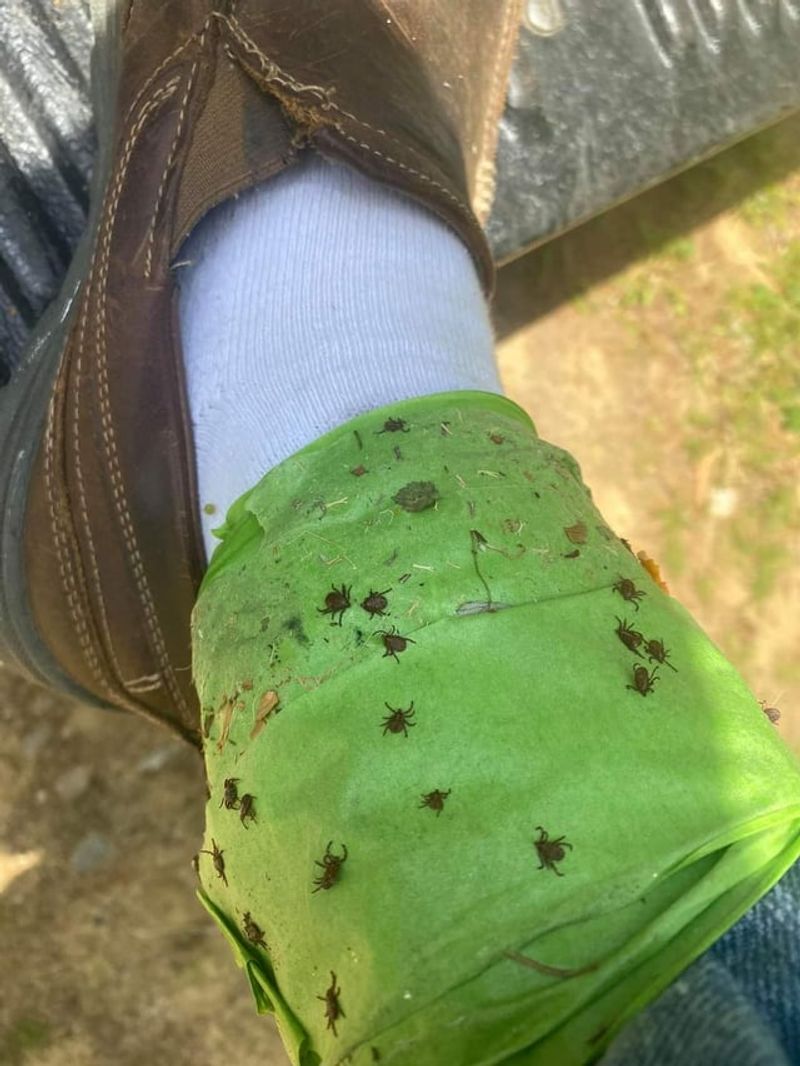
All the landscaping habits in the world work better when you pair them with one simple personal habit: checking yourself for ticks after spending time near brushy or wooded areas.
Ticks can take several hours to fully attach, which means catching one early, before it has had a chance to feed, significantly reduces any health risk.
Making tick checks a normal part of your spring and summer routine is genuinely one of the most protective things you can do.
Michigan gardeners who work near wooded edges, tall grass, or naturalized borders should check themselves thoroughly after every outdoor session.
Pay close attention to the hairline, behind the ears, under the arms, behind the knees, and around the waistband, since ticks tend to migrate to warm, hidden spots on the body. A quick but careful check takes only two to three minutes.
Tossing clothes in a hot dryer for ten minutes after yard work is another effective step that many people overlook. The heat removes any ticks that may be hiding in fabric before they have a chance to find skin.
Showering within two hours of coming inside also helps wash off any unattached ticks.
Building this habit into your routine from the very first warm spring day sets a consistent pattern that protects you all season.
The more automatic it becomes, the less you have to think about it and the more peace of mind you carry with you every time you head out into the yard.