7 Mulching Mistakes Virginia Gardeners Keep Making Every September
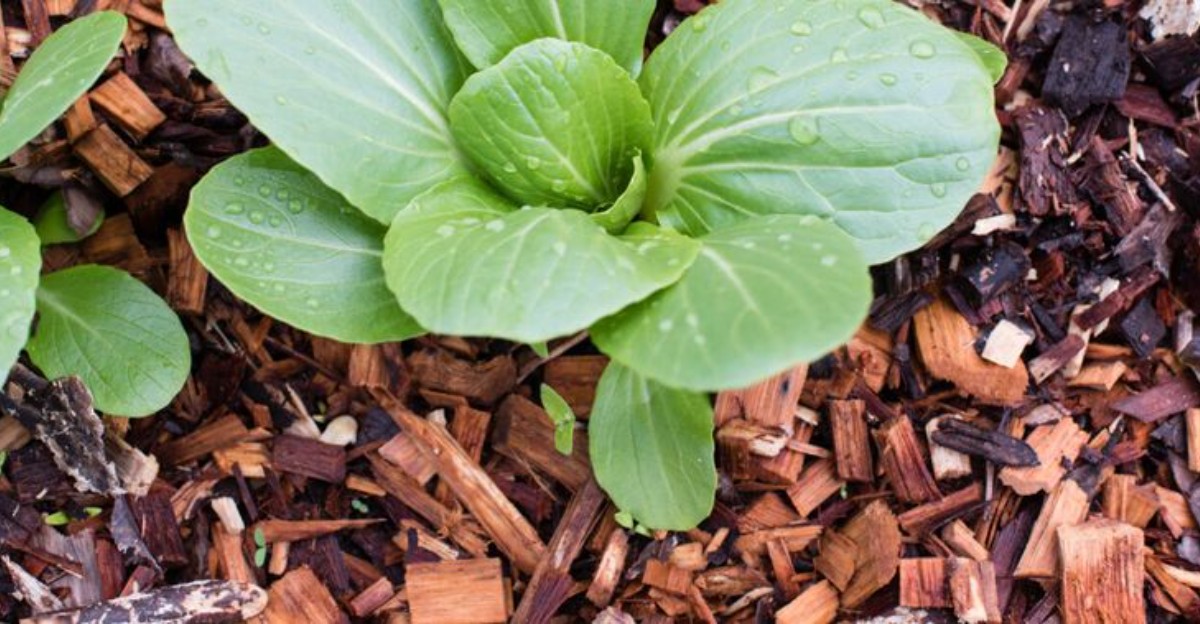
September in Virginia is when gardens start getting their fall refresh. Cool mornings, damp soil, and fresh mulch make it tempting to cover every bed before winter arrives.
But mulch mistakes are easy to make. Too much around a tree trunk, too little over bare soil, or a new layer on top of old mulch can create problems later.
Most of these issues happen with the best intentions. Gardeners want to protect roots, keep weeds down, and make beds look tidy.
Proper mulching is simple once you know what to avoid. A few small changes now can help your plants enter winter with healthier soil and stronger roots.
1. Piling Mulch Against Tree Trunks
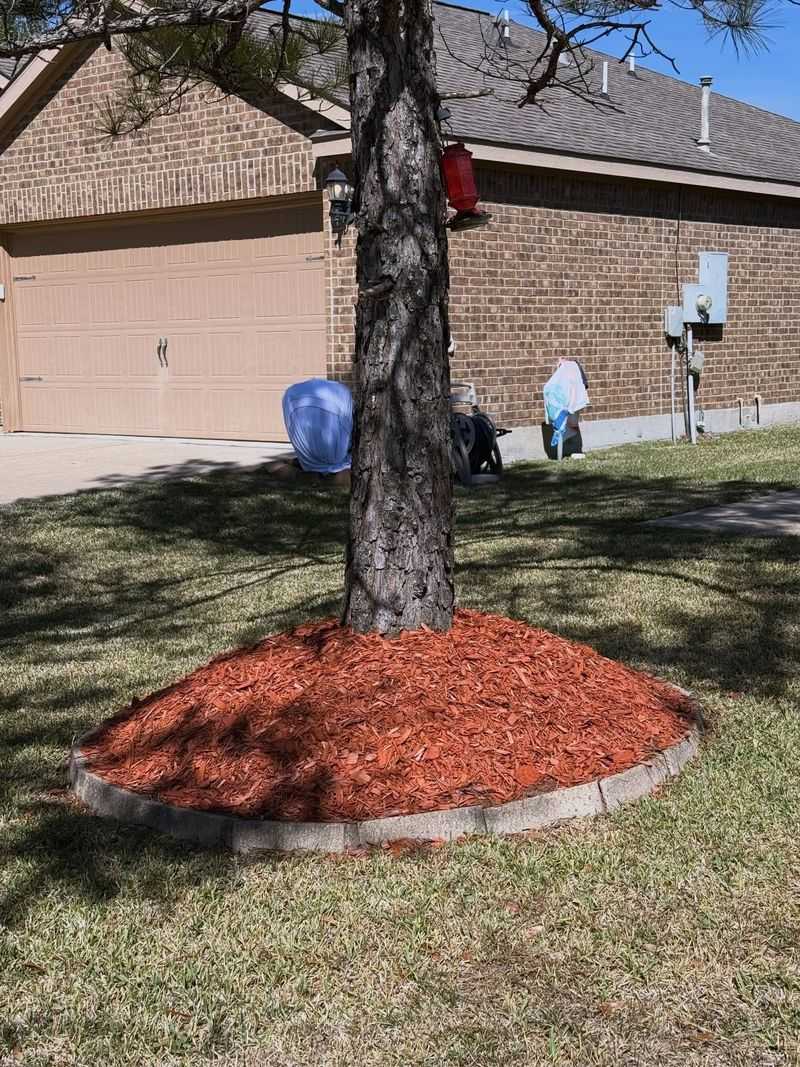
Arborists have a nickname for the cone-shaped mound of mulch heaped around a trunk: the mulch volcano. It looks tidy from the street, but it slowly works against the tree.
Bark is built to stay dry and breathe. When mulch presses against bark, trapped moisture can increase the risk of decay and create hiding places for some pests.
Over a season or two, that softened bark starts to decay. Rodents also love the cover, and they chew on bark hidden under the mound where nobody notices.
There is another quiet problem underneath. Thick piles cut off oxygen to the soil, so roots sometimes turn upward and grow into the mulch itself.
Roots can sometimes grow abnormally in deep mulch, which may create problems as the tree matures. Growth stalls, leaves thin out, and the tree slides into decline years before anyone connects the dots.
The correction takes about two minutes per tree. Pull mulch back 2 to 6 inches from the trunk and let the root flare, that widening base where trunk meets soil, stay visible.
Shape the mulch like a doughnut instead of a cone. Wide and flat out to the drip line does far more good than tall and close.
Across Virginia neighborhoods, mulch volcanoes are a common sight on newly planted trees, including crepe myrtles and river birches. If you inherited one with your house, rake it down this September and check the bark underneath for soft spots or hidden roots.
Trees rarely complain loudly. Giving them breathing room now saves a costly removal later.
2. Using Too Much Mulch
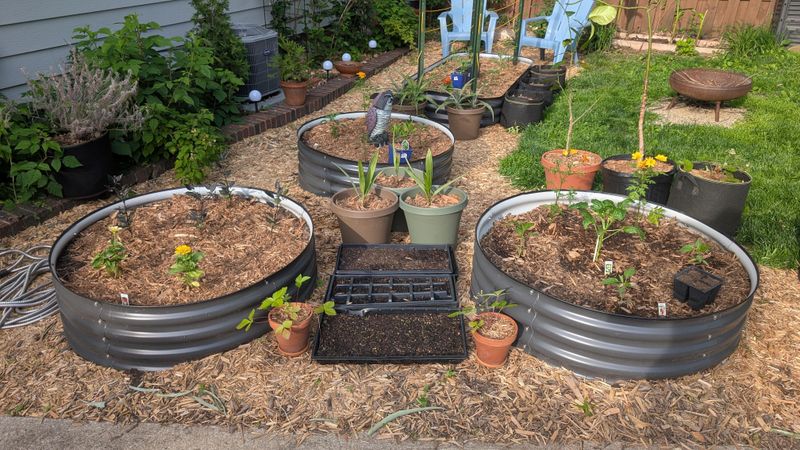
More mulch feels like more protection, which is exactly why this mistake is so tempting. A truckload arrives, and suddenly beds are buried six inches deep.
Roots need air just as much as water. A very thick layer can reduce airflow and keep soil wetter than some plants prefer.
Virginia gets plenty of autumn rain, so that damp layer stays damp. Root rot and fungal growth thrive in those conditions, especially around shallow-rooted shrubs like azaleas and hydrangeas.
Deep mulch can create shelter for pests such as slugs and voles, especially when it stays consistently moist.
Here is the sneaky part. Heavy mulch that fails to break down properly compacts into a crust that repels water instead of soaking it in.
You water faithfully, the surface looks wet, and the soil two inches down stays bone dry. Plants wilt while you scratch your head.
Your Virginia Garden Changes Every Week. Your Plan Should Too.
Gardening in Virginia changes quickly throughout the season. Every Friday you’ll receive a simple weekly plan showing exactly what to plant, prune, fertilize, harvest, and protect so you never miss the right timing.
Aim for 2 to 3 inches in most landscape beds. Smaller annuals and perennials do fine with 1 to 2 inches.
Measuring sounds fussy, but a cheap ruler or even your finger works. Poke down through the layer before you order another yard of material.
A handy trick: buy for the square footage, not for the look. One cubic yard covers roughly 100 square feet at 3 inches deep.
Plenty of beds would improve overnight if half the mulch were simply removed. Less really can do more here, and your wallet benefits along with the plants.
3. Skipping Soil Preparation
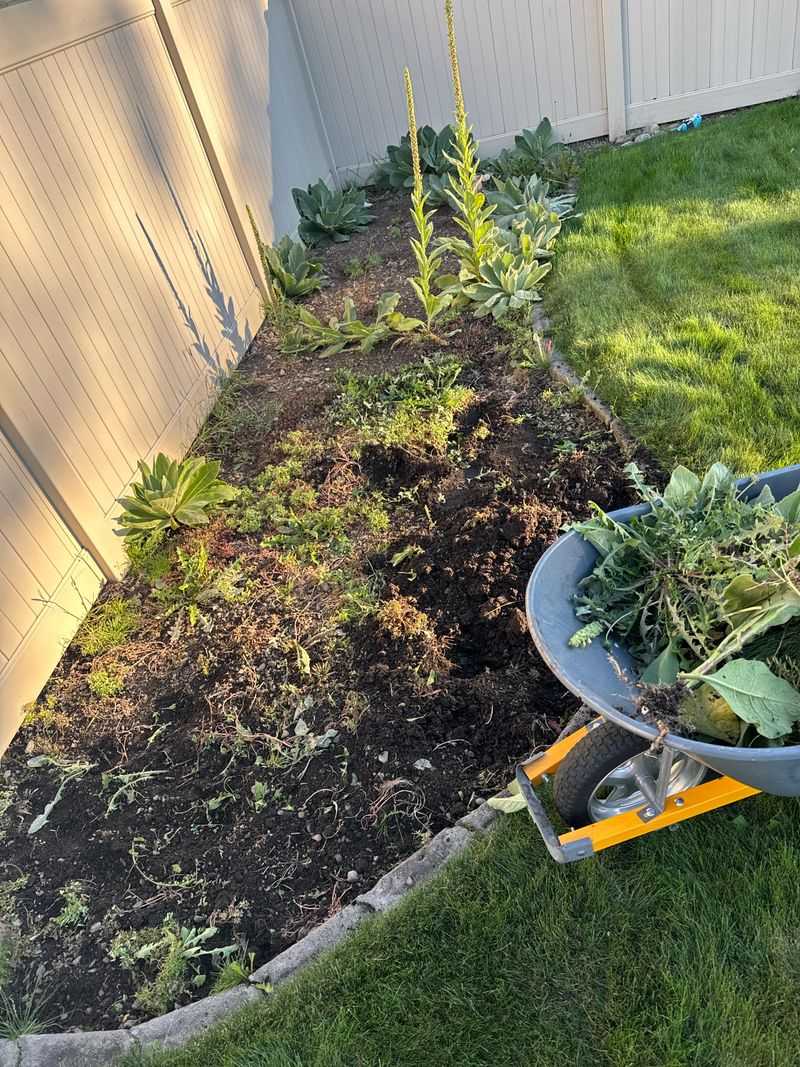
Mulch is a topping, not a magic eraser. Spreading it over weeds and leftover debris just hides the mess for a few weeks.
Those weeds have roots. Chickweed, nutsedge, and Virginia creeper push straight through bark and keep stealing water and nutrients from your plants.
Start by clearing the bed. Rake out fallen leaves, snapped branches, and crumbly remnants of last year’s mulch so the new layer sits evenly.
Pull weeds by the root rather than snapping off the tops. A weeding fork helps with taproots that snap under finger pressure.
If a bed has stubborn recurring weeds, a landscape fabric barrier along pathways can help. In planting beds, though, a good thick layer of mulch usually handles the job better than plastic.
Loosening compacted soil makes a big difference. A few passes with a garden fork opens channels so rain and roots can travel down instead of sideways.
September is a smart month for a soil test too. Many parts of the state have clay-heavy, slightly acidic ground, and knowing your pH tells you whether lime or compost belongs in the mix.
Work amendments in before the mulch goes on, not after. Spreading compost on top of fresh bark accomplishes very little.
Think of the sequence as clean, loosen, feed, then cover. Twenty extra minutes of prep can double how long your mulch looks sharp and works well.
Beds prepped this way also drain better through wet winters.
4. Choosing The Wrong Mulch
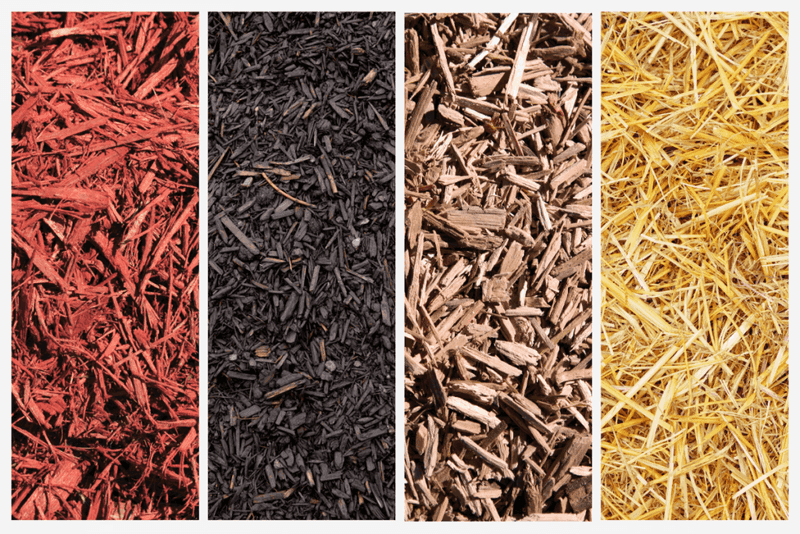
Not all bags on that pallet do the same job. Color-dyed mulch in bright red or jet black sells well, yet the dyes and mystery wood chips underneath can leach odd chemicals into your soil.
Some mulches break down in weeks. Others run too acidic or invite pests you would rather not host.
Organic options generally serve Virginia landscapes best because they feed the soil as they decompose. The choice comes down to your plants and your slope.
Pine bark is a workhorse. It lasts a long while, helps sandy soil hold moisture, and suits acid lovers like blueberries, camellias, and rhododendrons.
Shredded hardwood is the all-purpose pick. It knits together and stays put on the rolling hills common around Richmond and the Piedmont, plus it enriches soil as it ages.
Pine straw is a coastal Virginia favorite for good reason. Needles let air move freely, hold moisture nicely in sandy ground, and rarely wash away in a downpour.
Compost doubles as mulch and fertilizer. It moderates soil temperature and blocks weeds, though it vanishes quickly, so plan on topping it up.
Fresh grass clippings and whole leaves can mat down badly. Shred leaves first, and they become one of the best free mulches around.
Match material to purpose instead of grabbing whatever is on sale. Your plants notice the difference by next spring, and so will your water bill.
5. Spreading Mulch Too Thin
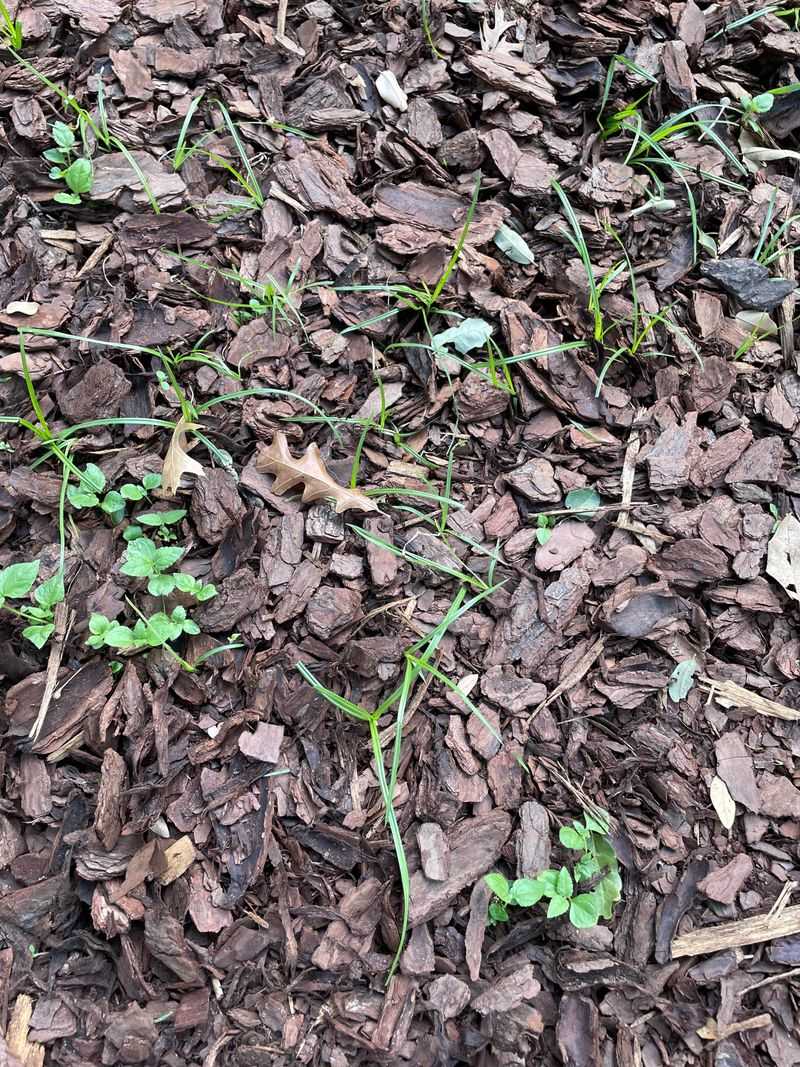
Stretching a few bags across a big bed feels thrifty in the moment. By October, the thin spots tell on you.
Layers under about 2 inches usually provide less weed control and moisture protection. Thin mulch layers are less effective at blocking weed growth, allowing more seedlings to emerge.
Moisture escapes fast from a skimpy layer. Virginia often serves up warm, dry stretches in September and early October, and bare-ish soil bakes during those afternoons.
Temperature swings hit harder too. One job mulch does well is buffering soil against wild ups and downs, and a thin coat cannot manage that.
Shoot for a steady 2 to 3 inches around shrubs and trees. Annuals and perennials with delicate crowns prefer 1 to 2 inches so they do not smother.
Even coverage beats uniform thickness in odd corners. Check behind shrubs and along bed edges where the wheelbarrow rarely reaches.
If the budget is tight, mulch fewer beds properly rather than every bed poorly. Half a job done right outperforms a whole job done thin.
Fluffing helps stretch material. Pine straw in particular covers far more ground when you shake it out loosely instead of dropping compressed clumps.
Wind and heavy rain redistribute mulch over time. A quick rake in late fall pulls the drifted piles back over the exposed patches.
Measure once, spread confidently, and the bed carries you straight through to spring with fewer weeds to pull.
6. Ignoring Old Mulch
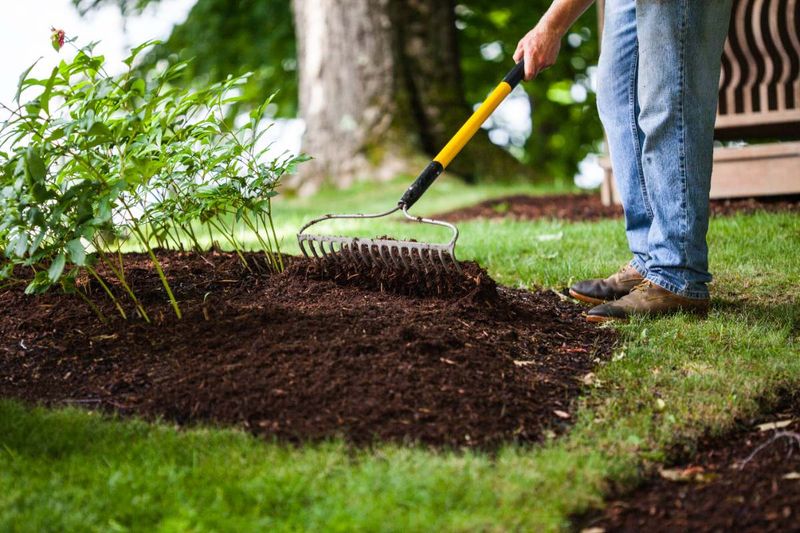
Picture last year’s mulch: gray, crusted, almost felted together. Dumping fresh bark on top of that is like putting a new rug over a puddle.
Organic mulch breaks down and mats as it ages. Aged mulch can sometimes form a dense layer that slows water movement into the soil.
Compaction also squeezes out oxygen. Roots sitting under a suffocating crust grow slowly and become easy targets for problems.
Fixing it starts with a rake, not a shopping trip. Scratch through the existing layer, break up clumps, and let air back in.
Do a depth check while you are there. If the old mulch already sits at 2 to 3 inches, fluffing may be all the bed needs this September.
Total buildup over 4 inches deserves removal. Slimy, sour-smelling, or white-threaded mulch should also come out and head to the compost pile.
Many landscapers refresh mulch twice yearly, once in spring and again in fall. Homeowners can usually get by with an annual top-up plus a mid-season fluff.
Save your money for compost instead of another full load of bark. A half inch of compost raked into tired mulch revives the whole bed.
Watch where mulch creeps against siding and foundations as it accumulates. Pulling it back protects your house as much as your plants.
Old mulch is not waste, it is the beginning of good soil when handled thoughtfully.
7. Mulching At The Wrong Time
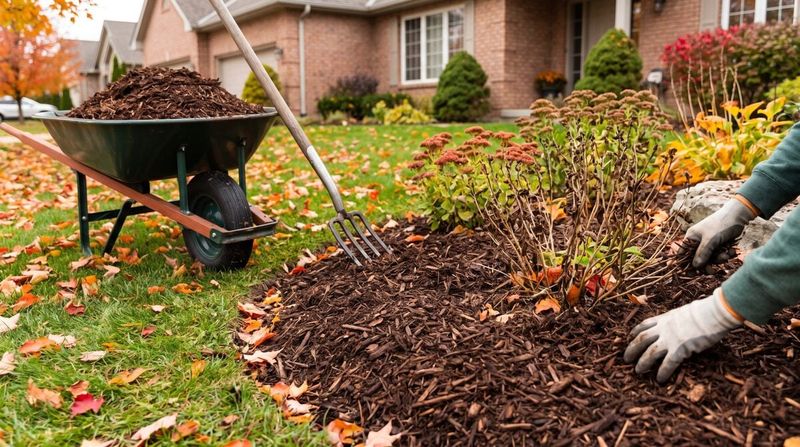
Timing trips up more gardeners than any other item on this list. Early fall often encourages gardeners to refresh mulch, but timing depends on the plants and current conditions.
Soil in September is still holding summer heat. Applying heavy mulch too early can keep soil warmer for longer, though normal mulch layers usually have a modest effect.
Warm, moist mulch can create conditions that some pests, including slugs, may prefer.
Another wrinkle: mulching plants still in active growth can nudge them into a late push of soft new shoots. Those tender tips take a beating when the first hard cold arrives.
Many gardeners mulch in spring or in fall, often from October into early November when temperatures begin to cool.
By then, many perennials are slowing down and soil temperatures are usually cooler than they were in summer. Mulch does its real winter job, which is insulating roots and slowing erosion, not encouraging growth.
Keep the fall layer modest. About 2 inches is usually plenty for winter protection around most beds.
Spend September on the prep work instead. Weed, test soil, rake old mulch, divide crowded perennials, and plant spring bulbs.
Then when that first light frost silvers the lawn, you can mulch in one relaxed afternoon. Waiting a few weeks costs nothing and pays off through every cold snap ahead.