Why Minnesota Gardeners Divide Daylilies In Early August For Bigger Clumps Next Summer
Every August, something quietly shifts in gardens across Minnesota and the rest of the upper Midwest. Gardeners who know their daylilies start eyeing their beds with a very particular kind of intention.
It is not random. There is a narrow window when the soil, the roots, and the calendar all line up just right, and missing it means waiting another full year for the payoff.
Clumps that look tired and crowded this summer can turn into something dramatically fuller by next season, but only if one seasonal move happens at the right moment.
Minnesota gardeners who consistently get show-stopping blooms are not doing anything mysterious. They are simply paying attention to what August is quietly telling them to do.
The Reason Behind Early August Timing
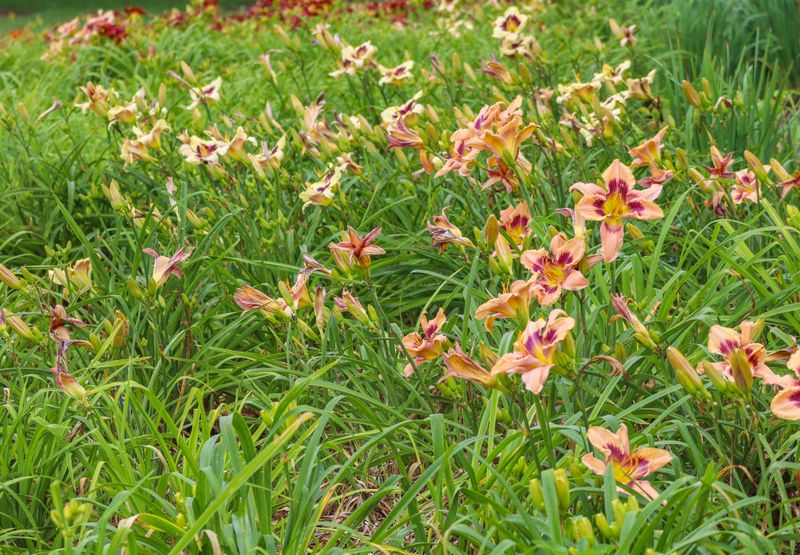
August hits and something shifts in the garden. Daylilies have finished their big bloom push, and the plant is finally ready for a new chapter.
Early August gives roots six to eight weeks of warm soil before the first frost. That window is exactly what divided fans need to anchor themselves and start growing new feeder roots.
Soil temperatures in the upper Midwest stay warm through September, even when air temps begin to drop at night. Roots keep growing as long as ground temps stay above 50 degrees Fahrenheit.
Dividing daylilies too early, like right after peak bloom in July, stresses plants during peak heat. Waiting until late September leaves too little time for roots to recover before the ground hardens.
Early August lands right in the sweet spot between those two extremes. The plant has enough energy stored to push new roots quickly after being split apart.
Minnesota gardeners in zones 4 and 5, which cover most of the state, follow this timing instinctively after a few seasons of trial and error. One failed late-season division teaches the lesson fast.
Experienced growers have long noticed the same pattern season after season. Daylilies divided in early August tend to come back as larger, healthier clumps the following summer.
Timing your division with the plant’s natural cycle is the single biggest factor in getting bigger blooms next year. Work with the plant, and it rewards you generously.
Signs Your Daylilies Are Ready To Divide
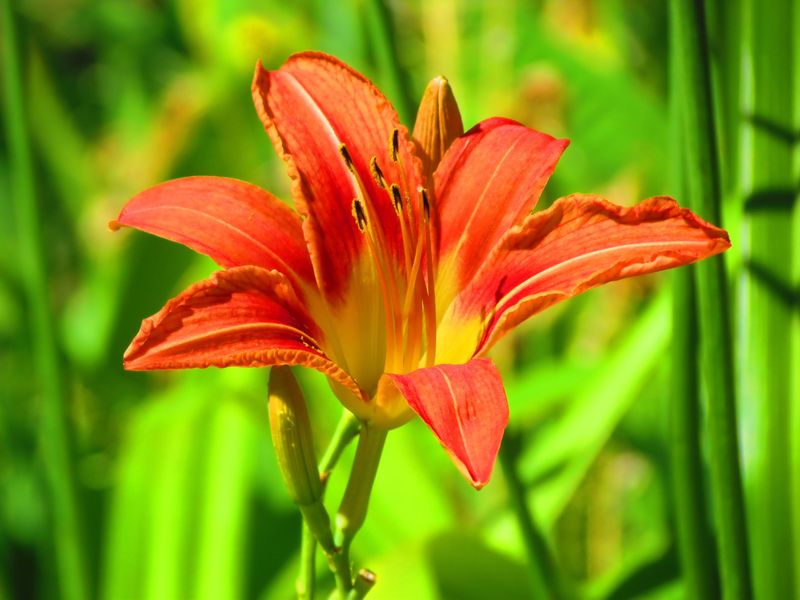
Crowded daylilies send signals long before most Minnesota gardeners notice. Fewer blooms on a clump that used to explode with color is the first red flag worth paying attention to.
When a clump starts looking more like a tight knot of leaves than an open, airy fan, the roots underneath are competing hard. Overcrowded roots steal nutrients from each other and slow the whole plant down.
Check the center of your clump closely. Dry or brown foliage right at the heart of the plant usually means the oldest growth has been pushed out by newer fans crowding in from the edges.
Smaller flowers on tall stalks are another clue the plant is stressed. Blooms that used to be the size of your palm suddenly look like they belong on a miniature variety.
Your Minnesota Garden Changes Every Week. Your Plan Should Too.
Gardening in Minnesota changes quickly throughout the season. Every Friday you’ll receive a simple weekly plan showing exactly what to plant, prune, fertilize, harvest, and protect so you never miss the right timing.
A clump that has not been divided in three to five years is typically overdue. Most daylily varieties benefit from splitting on that regular schedule to keep performance strong.
You might also notice the clump heaving slightly out of the ground after winter frost cycles. That upward push happens when root mass gets so dense that it has nowhere else to expand.
Healthy candidates for division still have green, upright foliage with multiple fans tightly packed together. Those are the plants that will recover fastest and reward you with the most impressive growth next season.
Spotting these signs early saves you a summer of disappointing blooms. Your daylilies are practically asking for help.
Tools Needed To Divide Clumps Properly

Sharp tools make the whole process faster and less damaging to the plant. Dull blades crush root tissue instead of cutting cleanly, and that slows recovery time significantly.
Minnesota gardeners swear by a pointed spade for getting under a large clump. Drive it straight down around the perimeter of the plant before trying to lift anything out of the ground.
A garden fork works better than a flat spade for prying the clump loose without slicing through too many roots. Wiggle it gently under the mass and rock it back and forth to loosen the soil grip.
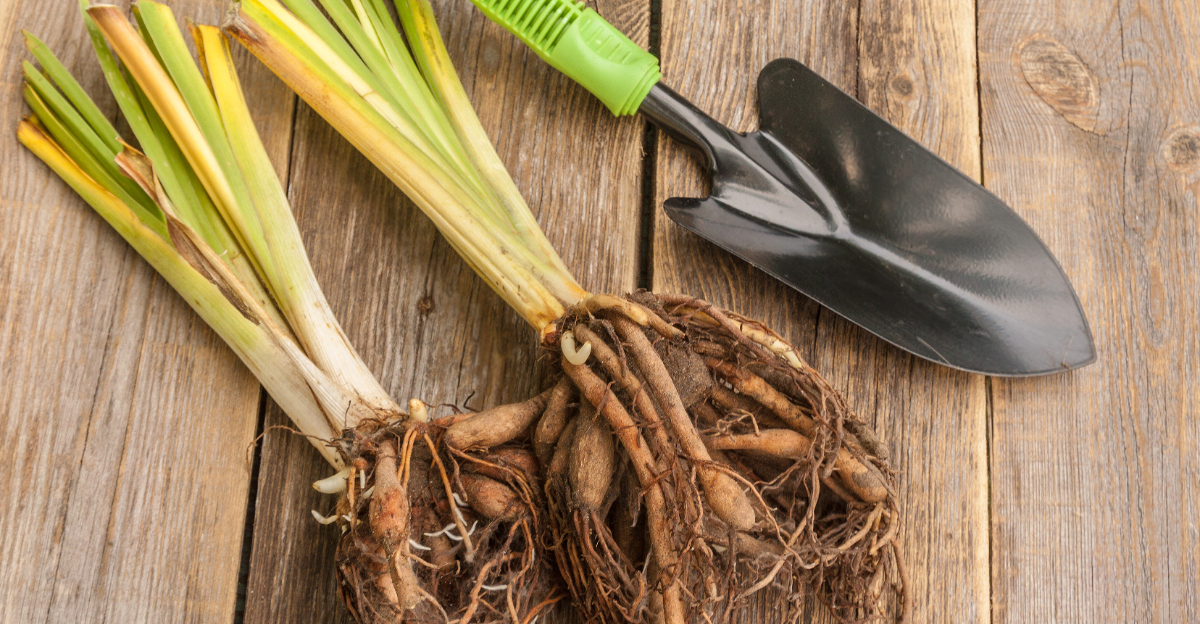
Once the clump is out of the ground, a second tool takes over. Two garden forks placed back-to-back in the center of the clump can be pushed apart to split dense root masses without a knife.
For smaller clumps or stubborn tangles, a sharp serrated knife or even an old bread knife cuts through roots cleanly. Rinse the blade between cuts if you are dividing multiple plants to avoid spreading any soil diseases.
Pruning shears help trim foliage down to about six inches before replanting. Shorter leaves reduce moisture loss and help the plant focus energy on root recovery instead of supporting a full canopy.
A bucket of water nearby lets you keep divided fans moist while you work. Exposed roots dry out faster than most people expect on a warm August afternoon.
Good tools turn a tough job into a satisfying one. The right setup makes every cut count.
Steps To Divide Daylilies The Right Way
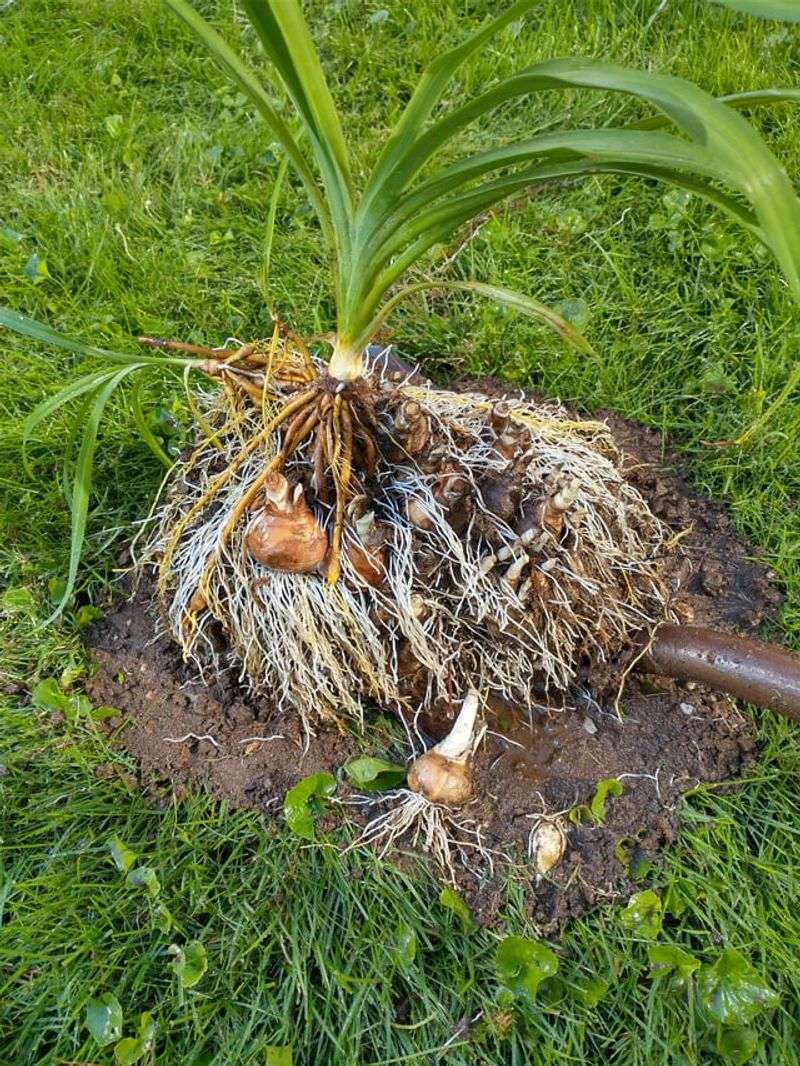
Minnesota gardeners know to start by watering the clump deeply the day before dividing. Moist soil releases roots far more easily than dry, compacted ground does.
Trim the foliage down to six or eight inches using clean pruning shears. This step reduces stress on the plant and makes the whole process easier to manage physically.
Slide your garden fork or spade about six inches outside the visible edge of the clump. Daylily roots spread farther than the foliage suggests, so giving yourself extra room protects more of the root system.
Lift the entire clump out of the ground and set it on a tarp or patch of grass nearby. Getting it out in one piece first gives you better control over how you split it.
Look for natural separation points between fans before forcing anything apart. Gently pulling fans in opposite directions often reveals where the roots want to come apart on their own.
For dense, older clumps that resist hand separation, use two forks back-to-back at the center. Push the handles apart slowly and the root mass will split without tearing individual fans apart.
Each division should have at least three to five fans attached to a healthy root section. Single fans can survive but take much longer to establish and bloom well the following summer.
Work steadily and keep divided sections shaded and moist. Replant as quickly as possible after splitting to give roots the best chance of settling in before cooler nights arrive.
Replanting Divided Clumps For Best Growth
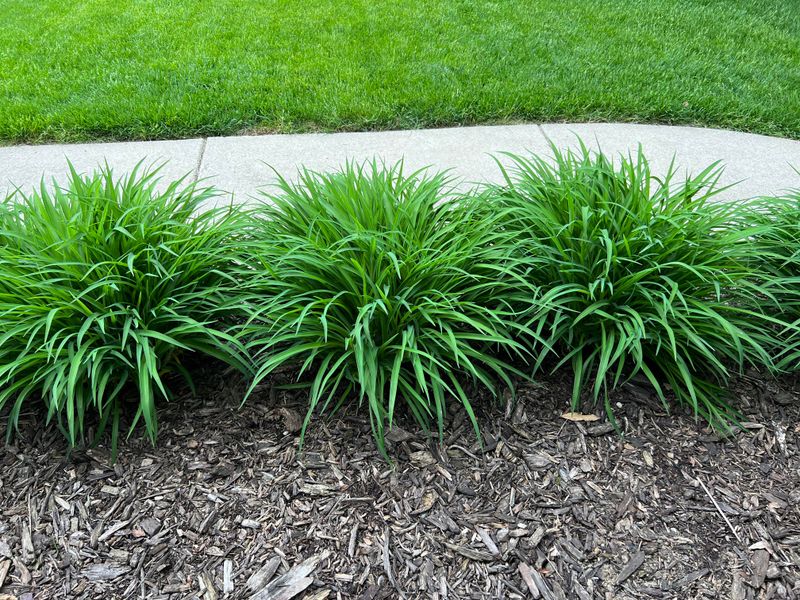
Freshly divided fans need a well-prepared hole, not just a quick slot in the ground. Taking five extra minutes per plant pays off in noticeably stronger growth come spring.
Loosen the soil in the new planting area at least twelve inches deep. Daylily roots reach down farther than most people expect, and compacted subsoil stops that growth cold.
Mix a light handful of compost into the bottom of each hole. Fresh organic matter gives newly separated roots a gentle food source as they start anchoring into unfamiliar ground.
Set each division so the crown, where the roots meet the foliage, sits about one inch below the soil surface. Planting too deep encourages rot, while planting too shallow leaves roots exposed to freeze-thaw cycles in late fall.
Space divided fans at least eighteen to twenty-four inches apart. Crowding them right away defeats the purpose of dividing in the first place and starts the competition cycle all over again.
Firm the soil gently around each plant with your hands to eliminate air pockets. Air gaps around roots cause drying and slow establishment significantly in the first critical weeks after replanting.
Water each newly placed fan thoroughly right after planting. A slow, deep soak encourages roots to push downward rather than staying shallow near the surface.
Proper replanting technique transforms a simple division task into a real investment in next summer’s garden. Give each fan a strong start, and it will deliver a spectacular payoff.
Aftercare To Support Bigger Blooms Next Year
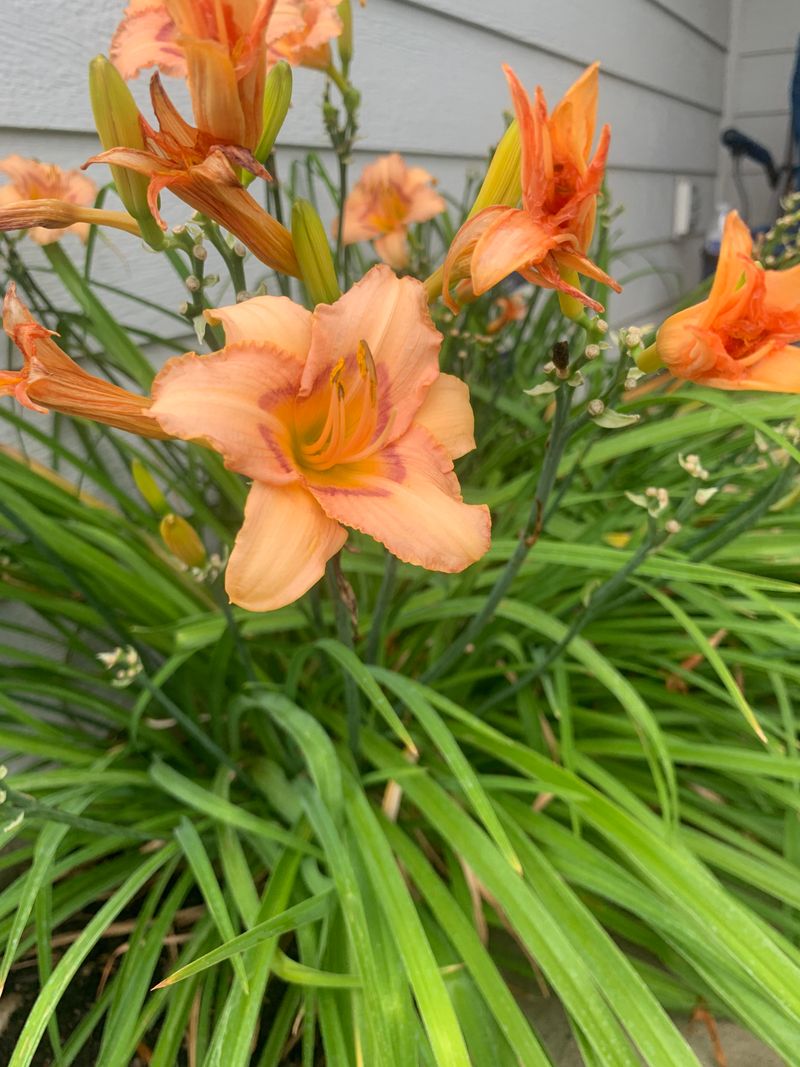
Planting is only half the job. What happens in the weeks after division determines whether those clumps come back bigger and stronger or just survive the winter at a minimal level.
Water newly planted divisions every two to three days for the first two weeks if rain does not cooperate. Consistent moisture keeps roots actively growing rather than shutting down from drought stress.
Apply two to three inches of shredded wood mulch or straw around each plant after watering. Mulch holds soil moisture, moderates temperature swings, and gives roots a more stable environment heading into fall.
Avoid heavy fertilizing right after division. A light application of a root-stimulating fertilizer with higher phosphorus content is enough to encourage root growth without pushing tender new foliage into frost danger.
Pull any weeds that pop up near your newly planted fans promptly. Young daylily divisions compete poorly with aggressive weeds in their first few weeks, and losing that competition sets back growth noticeably.
Watch for any fans that look wilted or yellowed a week after planting. A little transplant shock is normal, but persistent decline means the root system may need extra water or a slight soil adjustment.
Leave the foliage standing through fall and into early winter rather than cutting it back. The dried leaves act as natural insulation for the crown and root zone during the coldest months.
Minnesota gardeners who stick with this aftercare routine see the difference by the following June. Divided daylilies given proper attention will reward you with fuller, healthier clumps than the year before.