Minneapolis Lawns Are Facing A Wave Of Unseen Damage As Japanese Beetles Finish Their Season In Minnesota
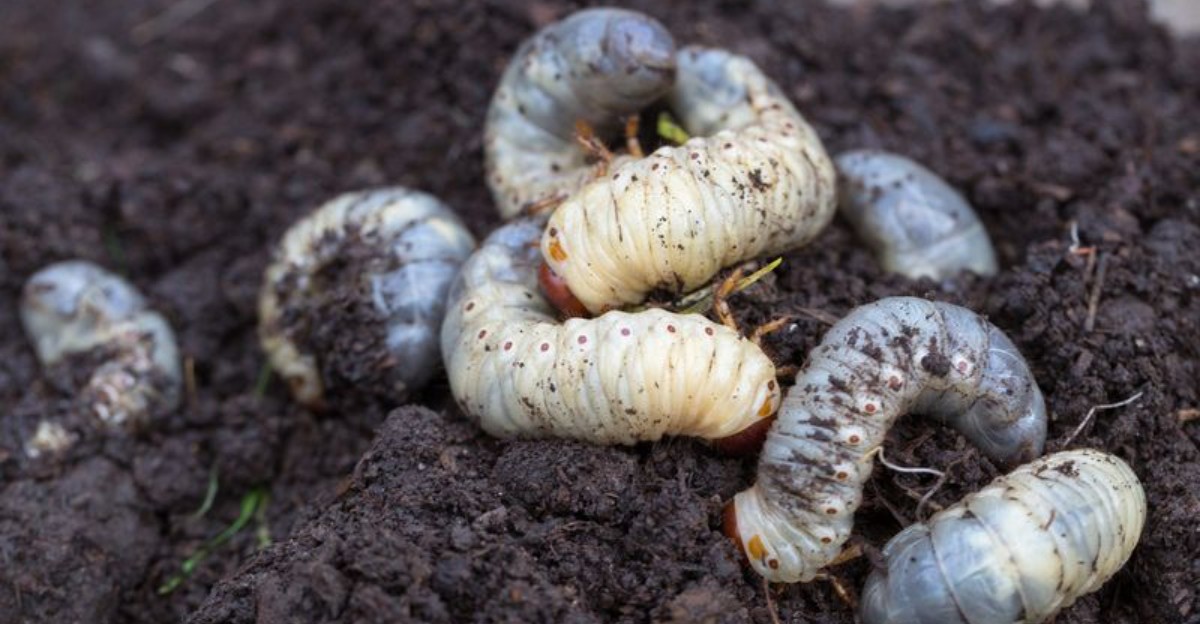
Grubs are feasting beneath your lawn while you sleep. You water faithfully, yet the green keeps fading fast. Feeding it right on your schedule changes little underground.
Minnesota threatens your lawn with this each late summer. Skunks show up at night, ripping your turf apart.
Cone shaped holes appear across your yard overnight. Tugging at the grass, you feel roots barely holding. Sod peels back like a rug in your hands.
Roots vanish quietly, long before you notice above ground. Underneath, pests have thrived for weeks without your notice.
Nights grow colder, and time works against you. Each passing day shrinks your window for repair. Homeowners across Minnesota watch your lawn’s color drain.
Damage spreads through your lawn, quiet and easy to miss. Answers exist, but only if you act quickly. Waiting costs you a lawn worth saving now. The fix is simple, but only if you act right now.
Why Early September Marks The Grub Feeding Rush
Soil temperatures around the Twin Cities are still cozy in early September, and that warmth is exactly what young turf larvae crave. The beetles that chewed ragged holes in rose petals and linden leaves during July spent August laying eggs in sunny, well-watered lawns.
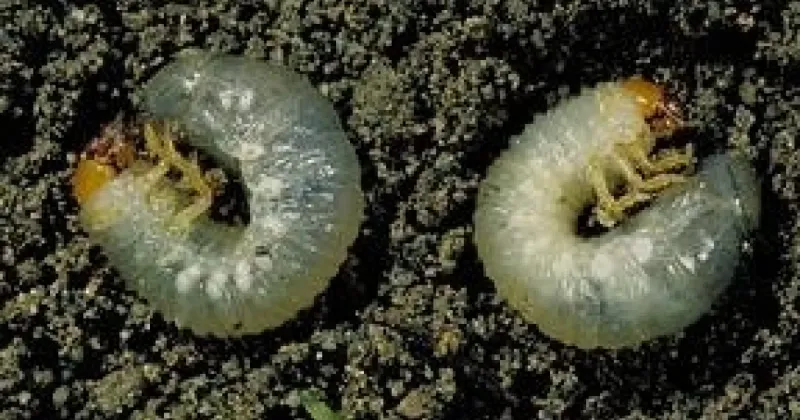
Those eggs have hatched, and the pale, C-shaped grubs are now parked an inch or two beneath the surface.
Their favorite meal is the network of fine roots holding your grass in place. Warm, moist soil lets them grow quickly, which means their appetite climbs week by week.
Since the chewing happens out of sight, a yard can look healthy one weekend and turn a dull gray-green the next. Grass with shortened roots struggles to pull up moisture, so it wilts even when the sprinklers run.
South-facing boulevards and sunny front yards tend to show the first signs, based on anecdotal reports from local homeowners.
There is a bright side to the timing. Smaller grubs are easier to handle than the chunky ones you find in October, and cool-season grass is entering its strongest growing stretch of the year. Repair work you start now has a real chance to take hold before frost.
Put a weekly walk on your calendar. Tug gently on any off-color area, note where the turf feels spongy underfoot, and keep a simple record of which spots are spreading.
That five-minute habit turns guesswork into something you can act on. Neighbors comparing notes often find the same pattern along shared property lines.
Brown Patches That Peel Back Like Loose Carpet
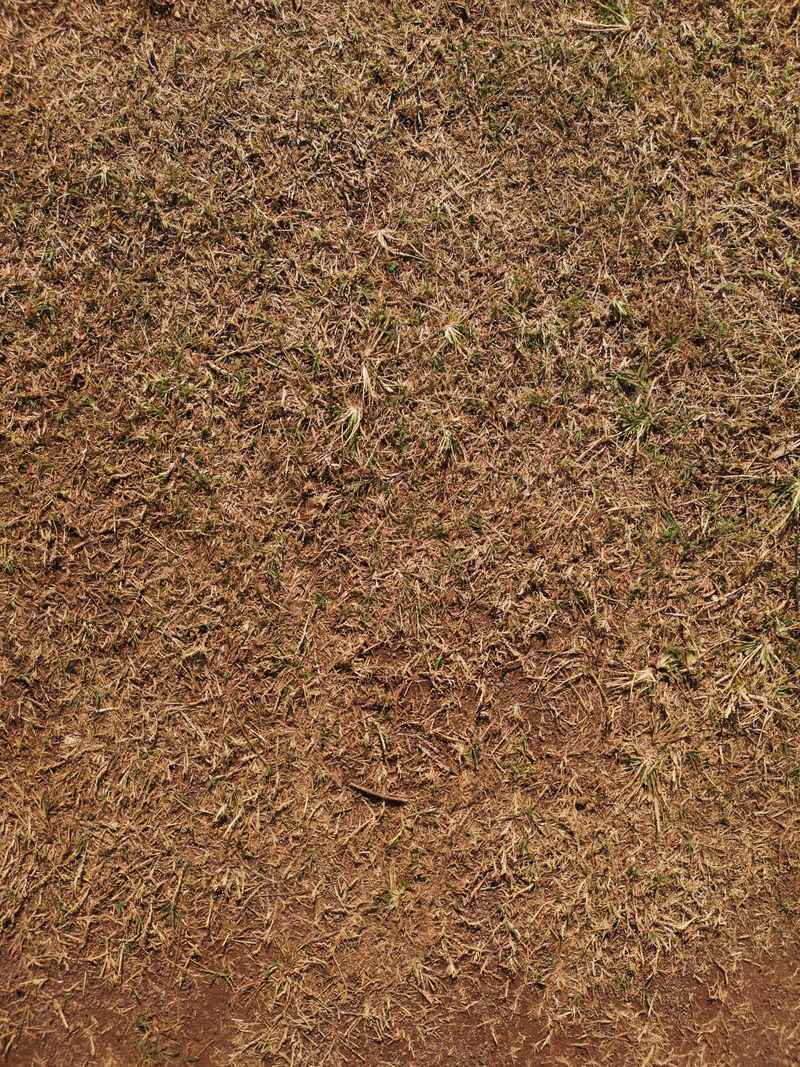
Picture reaching down to straighten a scruffy patch of grass and having the whole thing lift like a throw rug. That moment is a common early sign of root feeding below the surface.
Grubs shear off roots, leaving turf with almost no grip on the soil. Healthy grass resists a firm tug, while grub-chewed sod rolls up in your hand with loose, crumbly dirt underneath. Try the tug in several places so you have something to compare.
Your Minnesota Garden Changes Every Week. Your Plan Should Too.
Gardening in Minnesota changes quickly throughout the season. Every Friday you’ll receive a simple weekly plan showing exactly what to plant, prune, fertilize, harvest, and protect so you never miss the right timing.
Color clues usually arrive before the peeling does. Watch for patches fading to straw or blue-gray, especially near sidewalks, driveways, and sunny corners where soil warms fastest.
Spots often start small and irregular, then run together into larger stretches within a couple of weeks.
Footprints that linger in the turf are another hint, since weakened grass loses the springiness that pops blades back upright. You may also notice those areas stay soft and sink slightly when you walk across them.
Drought stress can mimic the same look, so check whether a deep watering brings color back within a day or two. If the patch shrugs off water and still lifts easily, roots are the issue rather than rainfall.
Mark the edges of each patch with landscape flags or a few golf tees. Come back in a week and see whether the boundary has moved.
That simple comparison tells you whether feeding is still active or winding down. Photos on your phone work just as well, and they help if you call a lawn service later.
Skunks, Raccoons, And Crows Digging Into Lawns Overnight
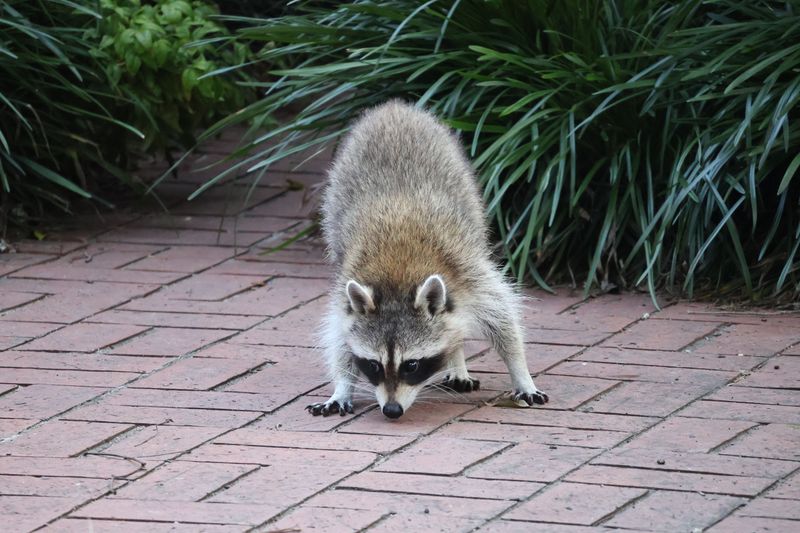
Some Minneapolis homeowners learn about grubs from the local wildlife before they spot a single patch. Skunks and raccoons have an excellent nose for a protein-rich snack, and they are happy to roll back sod to reach it.
Overnight digging usually shows up as scattered flaps of turf, cone-shaped snout holes, or shredded strips along bed edges.
Crows and starlings leave smaller pockmarks as they probe with their beaks. Damage can appear in the same area for several nights in a row.
The animals are not the root cause, though they compound the existing problem. Their digging is a strong signal that grub numbers under that section are high enough to be worth the effort.
Some homeowners near riverside and park-adjacent areas have reported heavier overnight wildlife activity, though this varies by location and year.
Rather than fighting the visitors, focus on the food supply and the repairs. Press torn sod firmly back into place, water it lightly, and step on the seams so roots reconnect with soil.
Motion-activated sprinklers and secure trash bins can reduce nightly visits in the meantime. Keeping pet food indoors helps too, since one easy meal tends to invite a second look.
Skunks are believed to detect grubs by scent from below the soil surface, which may explain why their digging often points to problem areas, though exact detection range varies by source.
Use that free information. Map the areas they hit, then check those same squares yourself with a spade. A quick morning walk before coffee catches the evidence while it is fresh.
The One-Foot Square Test Any Homeowner Can Do
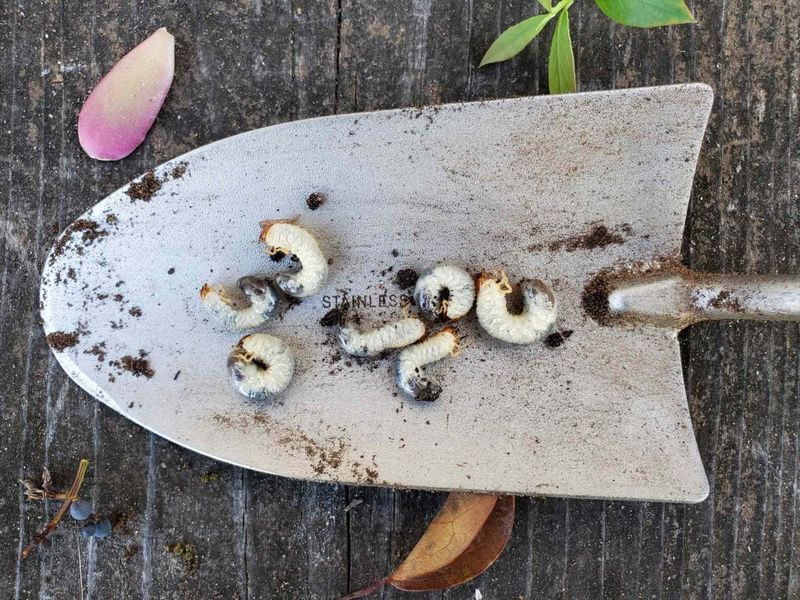
Guessing can lead to wasted effort, and a spade can settle the question in about ten minutes. Cut three sides of a one-foot square of turf, roughly two to three inches deep, and fold it back like a book cover.
Sift through the soil and root zone with your fingers and count the pale, C-shaped larvae you find. They have tan heads, six small legs near the front, and a darker rear end.
Numbers matter more than the sight of one or two. According to University of Minnesota Extension guidance, grub populations between 7 and 15 per square foot can cause significant turf damage in non-irrigated lawns, with irrigated turf tolerating higher counts.
Check current UMN Extension resources for the exact figure. Counts around eight to ten or higher in a struggling lawn are worth a plan.
Sample several spots rather than one. Check a bad-looking patch, a nearby green area, and a shaded section so you understand how the problem is spread across the yard.
When you finish, fold the flap back down, press it firmly with your foot, and water it in. The turf generally knits back together within a couple of weeks during September’s cooler weather.
Keep notes with your counts, the date, and where each sample came from. That record helps enormously if you call a professional, because it turns a vague complaint into useful detail.
A small trowel works for tight areas near foundations and boulevard strips. Just avoid digging near irrigation lines or buried cable, and call the utility locate service before deeper work. Gloves make the counting far less squeamish for kids helping out.
Watering And Overseeding Moves That Help Roots Bounce Back
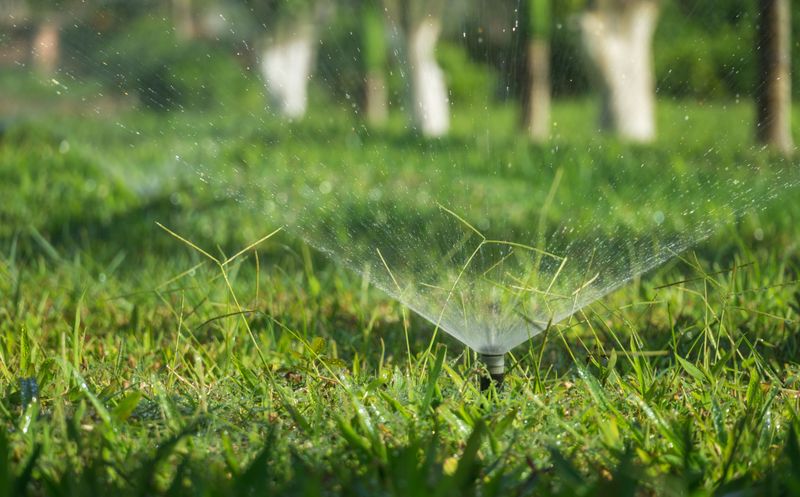
Current conditions favor recovery. Cool nights, warm soil, and September rain give Kentucky bluegrass and fescue their best growing window of the whole year.
Grass with chewed roots cannot reach deep moisture, so short, frequent watering beats one heavy soak for a few weeks.
Aim to keep the top couple of inches lightly moist while new roots form. Watering early in the morning reduces waste and keeps seedlings comfortable through sunny afternoons.
Rake loose debris out of damaged patches, then spread seed suited to your light conditions. A thin layer of compost or seed-starter mix over the top holds moisture and improves contact with soil.
Mid-August through mid-September is the sweet spot for seeding in the Minneapolis area, so do not wait long. Seed that sprouts in the next few weeks has time to root before the ground chills.
Go easy on nitrogen while the turf is stressed, and follow label rates rather than doubling up. A balanced fall feeding in late September or early October supports root growth heading into winter.
Mow a little higher, around three inches, so blades can make more food for struggling roots. Sharp mower blades matter too, since ragged cuts add stress the lawn does not need. Foot traffic and heavy play equipment should shift to sturdier ground while patches fill in.
Fencing off a small area with garden stakes for a few weeks often makes a visible difference. Give it patience. Thin spots seeded now frequently look respectable by Halloween.
Smart Treatment Timing And A Plan For Next Summer

Timing beats brute force with these larvae, and September sits in an awkward middle zone. Preventive products work best applied in June or early July, before eggs hatch, while curative options target small grubs in late summer.
If counts are high, curative products containing trichlorfon or carbaryl are typically applied between mid-August and late October, followed immediately by about half an inch of irrigation.
Confirm current registration status and label directions before use. Read the label twice, water the product in as directed, and keep children and pets off treated turf for the stated time.
Beneficial nematodes offer a lower-impact route and can be applied while soil stays warm and moist. They need careful handling, since heat and dry ground reduce their effect.
Skip the temptation to treat the whole property when only a corner is affected. Spot treatment saves money, protects pollinators visiting nearby flower beds, and keeps chemicals out of storm drains headed for the Mississippi.
For next summer, plan ahead rather than reacting. Adults prefer lush, heavily watered turf for egg laying, so slightly deeper and less frequent watering in July can make your lawn less inviting.
Hand-picking adults off roses and raspberries into soapy water during peak flight helps in small yards. Skip the pheromone traps, which tend to invite more beetles than they capture.
Aeration, compost topdressing, and steady mowing habits build turf that handles a modest grub load without flinching. Thick, deeply rooted grass is the cheapest insurance available.
When in doubt, call a licensed lawn care company or check University of Minnesota Extension resources for current recommendations.