Will Grass Seed Germinate on Top of Soil in Arizona?
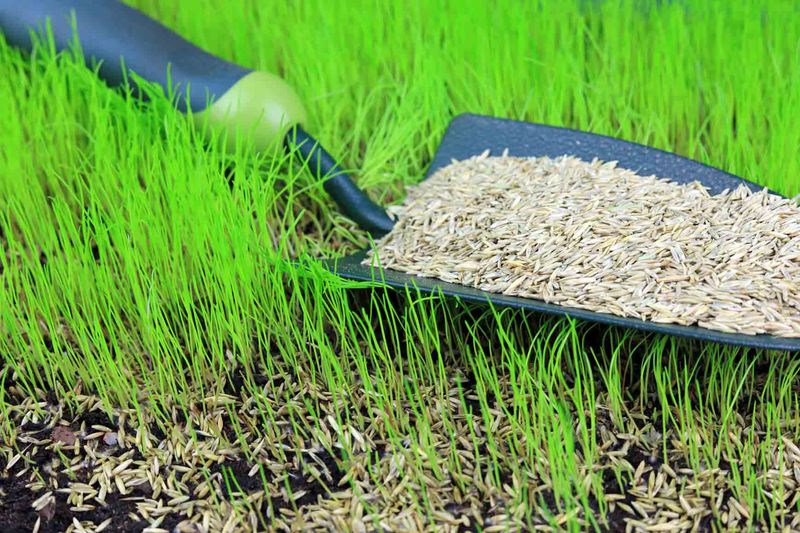
Toss a handful of seed on bare dirt and a few green sprouts may show up. That leaves Arizona homeowners wondering if lawn planting can really be that easy.
The desert heat, tough soil, and high water bills make the answer more complicated than it looks. Here is what actually helps seed turn into a lawn.
Grass seed can sprout on the surface, but that is not the same as establishing a lawn
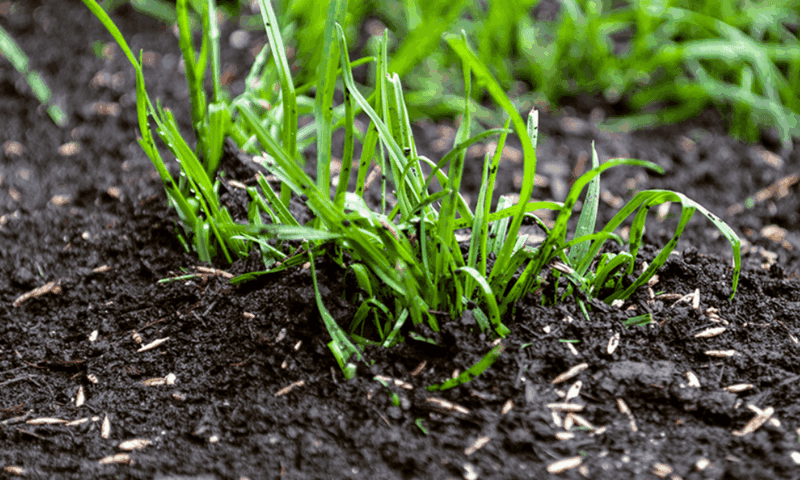
Yes, grass seed can germinate while resting on top of the soil, so burial is not an absolute rule. Some very small native-grass seeds are even surface-broadcast on purpose, depending on the species and seed size.
A USDA lab result with wheat showed seeds could sprout using water vapor without touching soil. That was wheat, though, and it does not prove that lawn seed tossed across an Arizona yard will grow in reliably.
Sprouting is only the first step. A seedling still has to survive heat, dry air, and uneven moisture, and the seed has to land somewhere it can stay damp.
Seed sitting on hard, dry ground or on a layer of thatch is far more likely to dry out and leave you with thin, patchy results.
So the honest answer is that surface germination is possible, but scattering seed alone is a gamble. Species, season, seedbed, and moisture all decide whether you end up with grass or just a few hopeful sprouts.
A look at the USDA wheat finding shows how much that single result can be stretched too far.
The right grass depends on which Arizona climate you garden in
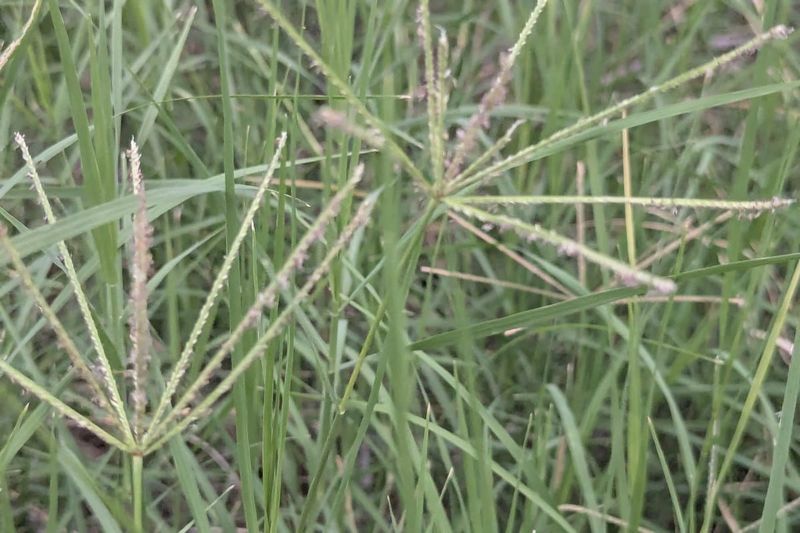
Arizona is not one planting zone, and the advice here is for the low desert, which includes areas like Phoenix, Tucson, Casa Grande, and Yuma. University of Arizona turf guidance names bermudagrass as the best-adapted lawn grass for low-desert heat, with summer as the ideal planting time.
Not every bermudagrass comes from a seed bag, though. Common bermudagrass can be grown from seed, but hybrid bermudagrasses are sterile and must be started from sprigs, sod, or other plant pieces.
Check the label before you buy. If it does not clearly say what kind of bermudagrass is inside, ask the seller.
Higher elevations play by different rules. Cooler places such as Flagstaff or Prescott have different turf considerations, and cool-season grasses often fit better there.
If you live above the low desert, check with your local extension office before picking any seed.
Bare soil and an existing lawn present different seedbeds
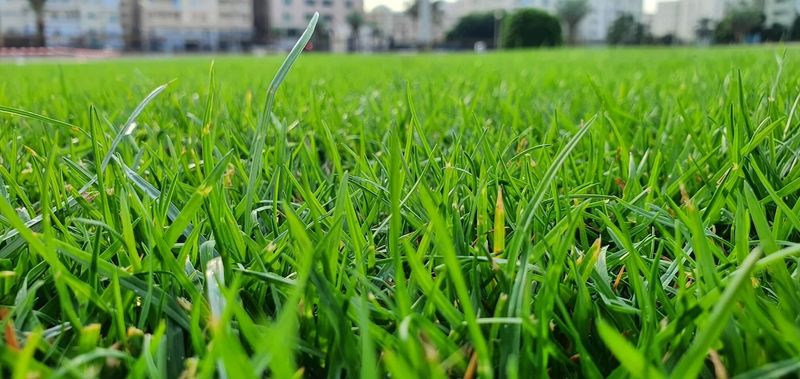
Picture two yards. One is a patch of bare, prepared dirt, and the other is a thick bermudagrass lawn.
Seed behaves very differently in each.
On exposed soil, seed can settle against the ground where moisture is steadier. On a lawn with heavy thatch, seed may hang up in the stems and never touch the soil, which leaves it exposed to drying.
Fall ryegrass overseeding is its own practice. Arizona guidance on overseeding covers adding winter ryegrass to an existing bermudagrass lawn after preparing it, mainly for green color in the cooler months.
Your Arizona Garden Changes Every Week. Your Plan Should Too.
Gardening in Arizona changes quickly throughout the season. Every Friday you’ll receive a simple weekly plan showing exactly what to plant, prune, fertilize, harvest, and protect so you never miss the right timing.
That job is not a general method for every lawn. A brand-new bermudagrass lawn is a separate project that starts in summer, and it generally should not be overseeded its first winter.
Lightly work seed into the surface rather than burying it deeply
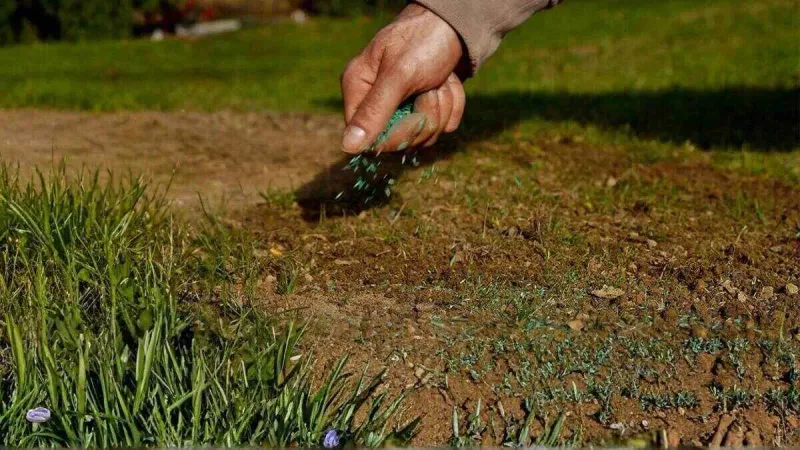
A good rule of thumb is to spread seed over a prepared surface, then lightly rake, drag, or press it in. For ryegrass overseeding, Arizona advice is to drag or lightly rake the seed into the turf so it touches soil.
That contact matters because USDA seedbed guidance explains it can reduce swings between wet and dry. Still, contact helps the odds and guarantees nothing.
Poor timing or the wrong seed can sink a planting anyway.
Skip any one-size-fits-all depth. Seed placement depends on the grass and the seed size.
Zoysiagrass is one example, since Arizona zoysia guidance calls for a prepared bed and light raking to about a quarter inch. That figure belongs to zoysia, not to every lawn seed.
Keep the seed zone moist, using guidance for the grass you planted
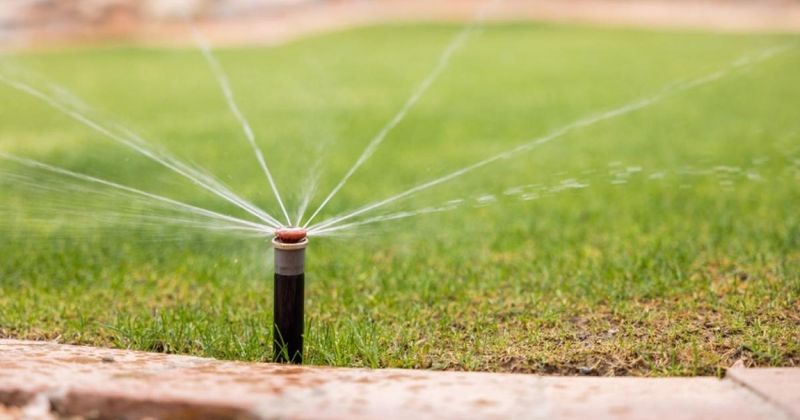
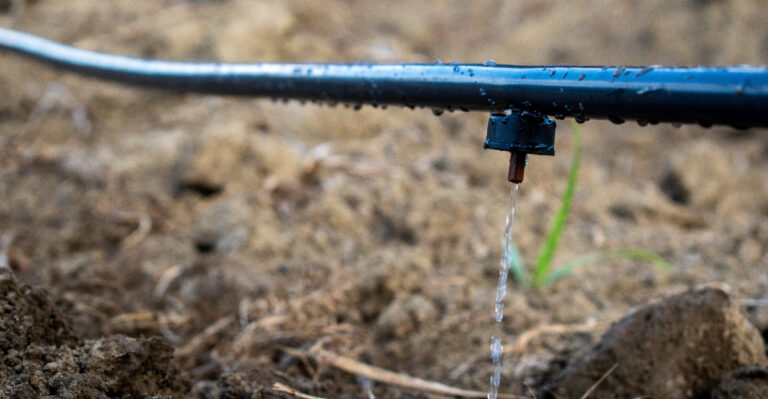
Seed and tiny seedlings cannot reach deep for water, so the top layer of soil has to stay damp. Low-desert heat dries that layer fast, which is why establishment can feel like a part-time job.
For new bermudagrass, University of Arizona turf guidance says establishment takes multiple irrigations during the day so seed and seedlings do not dry out in the heat.
Ryegrass overseeding has its own example. Arizona overseeding advice suggests watering three to four times daily for the first 7 to 10 days, until seedlings emerge.
Treat these as examples for specific situations, not a schedule for every grass, site, or weather pattern. They also show the tradeoff.
A seeded lawn is not automatically water-wise, because getting it started can take frequent watering and steady attention.
Prepare for the lawn you want, not just for seed to sprout
Start with your climate and your grass. Low-desert yards and higher-elevation yards need different choices, and only common bermudagrass can be seeded, since hybrids need to be planted vegetatively.
Next, name the job. A new low-desert bermudagrass lawn is a summer project, while ryegrass overseeding is a fall practice for an existing bermudagrass lawn.
Then prepare the seedbed that fits that job, work the seed in lightly, and plan on keeping the seed zone moist until the grass takes hold. Expect that stretch to take time, effort, and water.
Seed on bare soil may well sprout, but a tossed handful is no shortcut to a lawn. Grass rewards the yard that was ready for it.