Why More Earwigs Are Showing Up Inside Michigan Homes This Fall
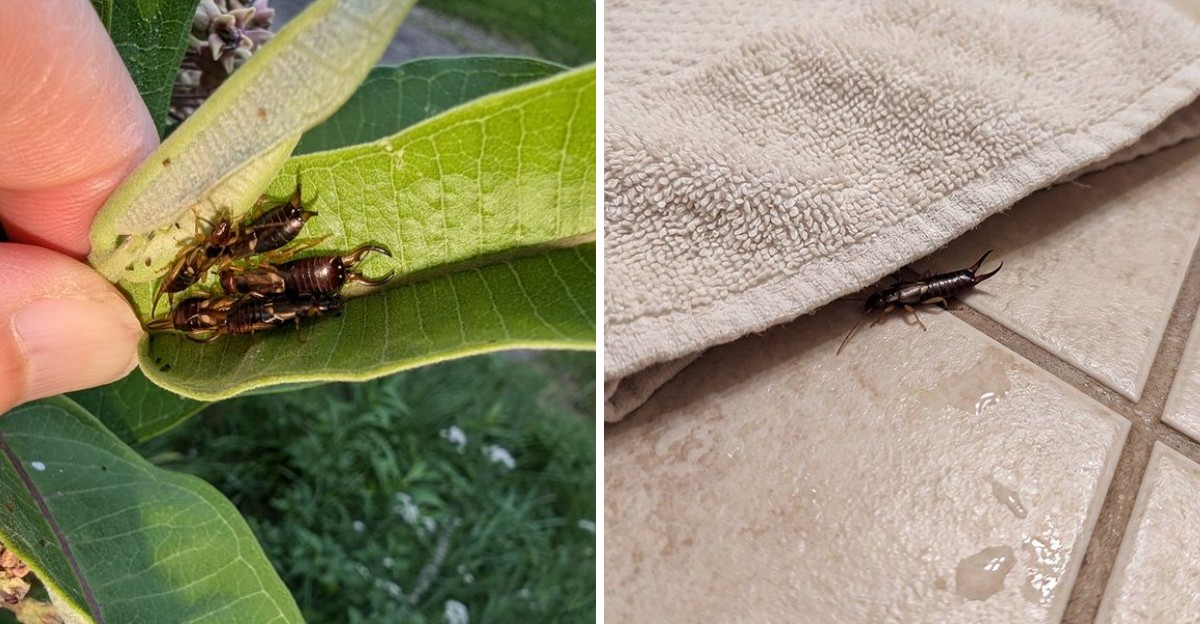
As temperatures drop in Michigan, earwigs start looking for warmer, more sheltered places to spend the colder months, and homes often provide exactly that.
These insects slip inside through small cracks and gaps around doors, windows, and foundations, often going unnoticed until several turn up in a bathroom or basement.
Earwigs are also drawn to moisture, so homes with damp basements, leaky pipes, or cluttered storage areas tend to see more activity than drier spaces.
A sudden uptick in sightings usually points to an entry point somewhere nearby that’s worth tracking down before more find their way in.
Here’s why earwigs tend to move indoors during Michigan falls, and what to look for around the house.
1. They Are Looking For A Winter Shelter
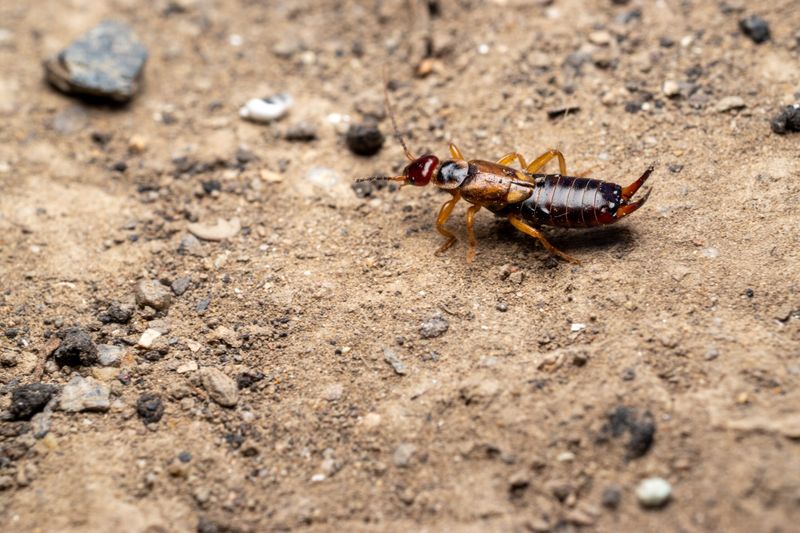
Cooler air sends a strong message to earwigs, and that message is simple: find somewhere warm. As Michigan nights start dipping toward freezing, these bugs begin searching for cozy spots where they can wait out the cold months ahead.
Homes offer everything an earwig wants. Basements stay dark and slightly damp, garages hold plenty of clutter to hide behind, and crawl spaces feel protected from harsh weather.
Even a stack of cardboard boxes or a pile of laundry can look like a five-star hotel to a wandering earwig.
These insects naturally seek out snug hiding places during fall. Outdoors they tuck themselves under rocks, bark, and leaves, but when the ground gets chilly, the warmth leaking from your house becomes hard to resist.
You might spot them near foundations, along baseboards, or close to heating vents where warmth escapes. They are not trying to bother you on purpose. They simply follow the comfort, and your home happens to provide it.
Knowing this helps you stay one step ahead. Keeping storage areas tidy, reducing dampness, and sealing gaps near the ground makes your space far less inviting. A dehumidifier in the basement can also make a big difference.
Once you understand that earwigs are mostly chasing shelter, their fall arrival makes a lot more sense. They are just looking for a safe place to settle down, and a little prevention goes a long way toward keeping them outside where they belong.
2. Fall Weather Pushes Them Closer To Buildings
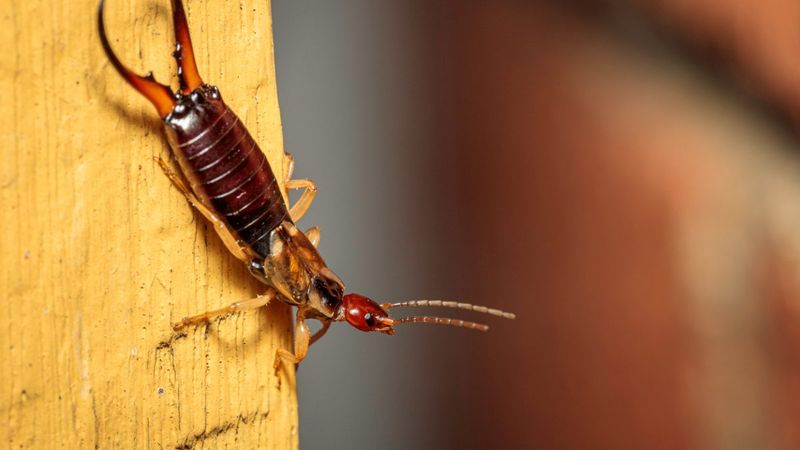
Michigan autumns bring big swings in temperature, and earwigs feel every one of them. Warm afternoons followed by crisp, chilly nights create the perfect recipe for these bugs to start moving around more than usual.
When outdoor hiding spots begin to disappear, earwigs go looking for new ones. Leaves dry out, plants fade, and the shady damp corners they loved all summer slowly vanish.
That loss pushes them to search closer to houses, where conditions stay steadier.
Moisture also shifts during fall. Rainy stretches followed by dry spells confuse their sense of where to settle, so they roam more often. As they wander, buildings act like magnets because walls trap warmth and block wind.
You may notice more of them along sidewalks, porches, and outdoor steps during this time of year. They tend to travel at night, so mornings often reveal the evidence of their wandering.
Your Michigan Garden Changes Every Week. Your Plan Should Too.
Gardening in Michigan changes quickly throughout the season. Every Friday you’ll receive a simple weekly plan showing exactly what to plant, prune, fertilize, harvest, and protect so you never miss the right timing.
Fewer outdoor shelters mean more competition, and crowded conditions encourage earwigs to spread out and explore. A home offers a peaceful escape from all that jostling, which is why they end up pressing against foundations and slipping into gaps.
Understanding this seasonal push helps you prepare. Sweeping porches, clearing away plant debris, and keeping outdoor lights lower at night can reduce how many gather nearby.
Fall weather is basically nudging earwigs toward your walls whether they mean to go there or not. Recognizing that pattern gives you a real advantage in stopping them before they slip inside.
3. Damp Areas Around Homes Attract Them

Water is the secret ingredient that draws earwigs in. These bugs love moisture so much that they will happily settle wherever the ground stays soft, cool, and damp for long stretches of time.
Around most homes, plenty of spots fit that description. Thick mulch beds hold water like a sponge, leaf piles trap dampness underneath, and clogged gutters spill moisture right against the foundation.
Each of these becomes a favorite earwig hangout. Overwatered flower beds add to the problem. When soil near your walls stays soggy, earwigs treat it like an open invitation.
Wet firewood, damp wooden boards, and shaded corners that never fully dry out all give them the humidity they crave.
The closer these damp zones sit to your house, the more likely earwigs are to eventually find a way indoors. They follow moisture the way we follow the smell of fresh cookies, and your foundation might be the last stop before they slip through a crack.
Fixing this starts with drying things out. Cleaning gutters so water flows away, spacing your watering schedule, and pulling mulch back a few inches from the walls can make a noticeable difference.
Raking up soggy leaves and letting sunlight reach shady patches also helps a lot. Earwigs simply cannot thrive where things stay dry.
By managing moisture near your home, you take away one of the biggest reasons earwigs gather nearby. A drier yard means fewer bugs pressing toward your doors and windows this fall.
4. They Enter Through Tiny Openings
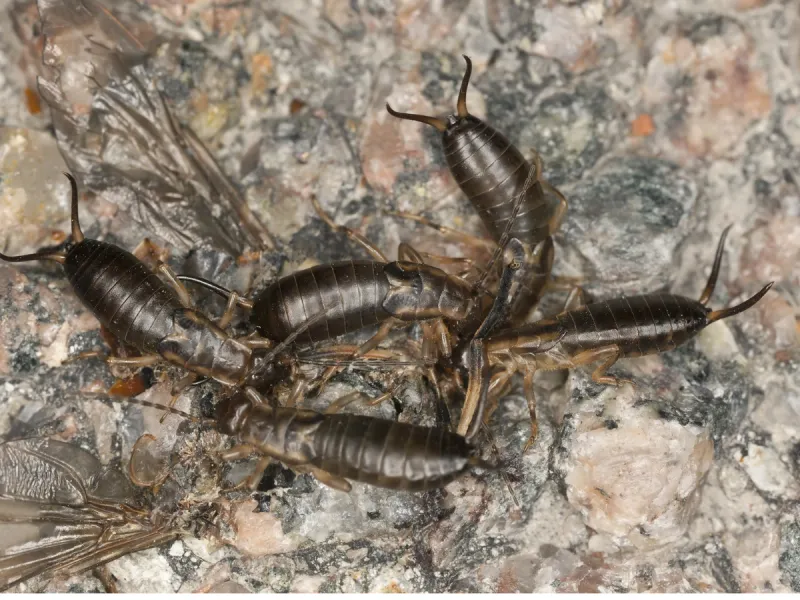
Earwigs are surprisingly flat, and that flat shape lets them squeeze into spaces you would never expect. A gap the width of a coin is more than enough for one of these bugs to wiggle right through.
Around every home, small openings hide in plain sight. Cracks under doors, gaps around window frames, and tiny holes where pipes and cables enter walls all serve as private doorways for earwigs looking to escape the cold.
Vents, foundation cracks, and worn weatherstripping give them even more chances to slip inside. Once one finds a good route, others often follow the same path, which is why sightings sometimes come in bunches.
Because they travel low to the ground, most earwigs enter near the bottom of your home. Basement windows, dryer vents, and the space beneath exterior doors are common favorites.
Sealing these openings is one of the smartest moves you can make. A tube of caulk closes cracks quickly, while fresh door sweeps block the gaps that let bugs crawl under.
Adding screens to vents and checking around utility lines keeps even the sneakiest earwigs outside. A little effort here pays off all season long.
Walk around your house and look closely at ground level, because that is where most problems start. Every gap you close is one less way for an earwig to reach the inside.
By blocking these tiny entrances, you cut down indoor sightings without needing sprays or traps. Prevention really is the easiest solution.
5. They Are Usually A Nuisance, Not A Structural Threat
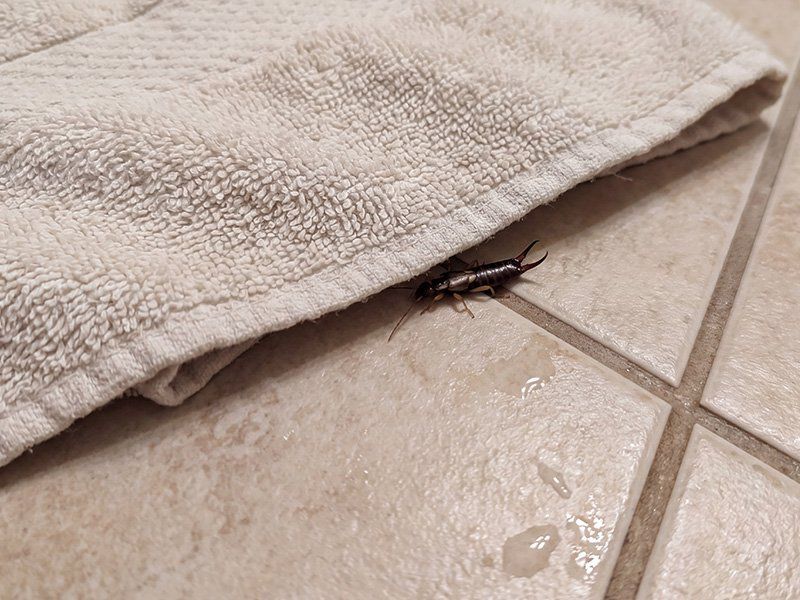
Here is some good news that surprises a lot of people: earwigs are far more annoying than harmful. Despite their scary-looking pincers, they do not cause the kind of trouble many homeowners fear.
Unlike termites or carpenter ants, earwigs do not chew through wood or weaken your walls. They will not tunnel into beams, damage furniture, or gnaw on your home’s structure in any meaningful way.
They also do not build nests or colonies indoors like some insects. An earwig that wanders inside is usually just a lost traveler, not the start of a growing problem hiding in your walls.
Their pincers may look intimidating, but they are mostly for defense and grabbing food. Even if one pinches you, it feels like a tiny pinch and causes no real harm.
Most indoor earwig visits are short. Without the moisture they need, they cannot survive long inside a dry, heated home, so their stay tends to end quickly on its own.
This means you do not need to panic if you spot one crossing the floor. Simply scooping it up with a cup and setting it outside solves the immediate issue.
Understanding that earwigs are basically harmless helps take the worry out of finding them. They are not a sign that your house is falling apart or being invaded by something dangerous.
Treat them as the temporary nuisance they are, focus on sealing and drying, and you can relax knowing your home is safe from any lasting damage.
6. They May Be Following Outdoor Food Sources
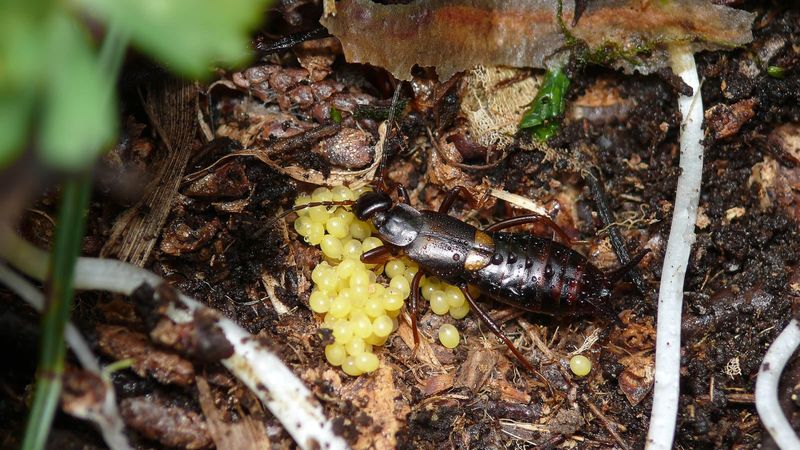
Food plays a huge role in where earwigs decide to hang out. These bugs are not picky eaters, and your yard might be serving up exactly the buffet they love.
Earwigs feed on rotting leaves, soft plants, tiny insects, and all sorts of organic bits scattered across the ground. Anywhere that decaying material piles up becomes a natural gathering spot for them.
Gardens are especially appealing. Fallen fruit, wilting flowers, and thick layers of leaf litter give earwigs plenty to munch on, which keeps their numbers high right next to your house.
Compost areas act like magnets too. All that breaking-down plant matter creates the moist, food-rich environment earwigs cannot resist, so populations often swell nearby.
When outdoor food sits close to your foundation, the bugs feeding on it are only a short crawl away from slipping indoors. Heavy leaf buildup along walls basically leads them straight to your door.
Cleaning up these food sources makes your yard less appealing. Raking leaves, harvesting ripe fruit, and turning compost regularly cut down on the free meals earwigs depend on.
Keeping garden beds tidy also helps. When you clear away decaying plants before they pile up, you remove both the food and the damp shelter earwigs enjoy at the same time.
The fewer snacks your yard offers, the fewer earwigs will stick around. A little cleanup goes a long way toward shrinking the crowd gathering near your home this fall, and that means fewer surprise visitors inside.
7. Reduce Their Hiding Places Outside

Take away their hiding spots, and earwigs lose their reason to stay. These bugs depend on cool, sheltered nooks, so a tidy yard becomes one of your best tools against them.
Clutter is the enemy here. Scattered boards, forgotten flowerpots, thick leaf piles, and random debris all create shady hideaways where earwigs feel safe and protected.
Firewood deserves special attention. Stacking it right against your house gives earwigs both shelter and a shortcut indoors, so moving woodpiles several feet away from walls makes a real difference.
Mulch matters just as much. A layer that is too thick holds moisture and hides bugs, so keeping it to a couple of inches and pulling it back from the foundation removes a favorite retreat.
Extra moisture only makes things worse. Fixing leaky faucets, adjusting sprinklers, and improving drainage keeps the ground drier and far less welcoming to moisture-loving earwigs.
Trimming plants that touch your house also helps. Overgrown bushes and dense ground cover trap dampness and shade, giving earwigs the exact conditions they love right beside your walls.
Regular yard cleanup keeps these pests guessing. When you rake leaves, clear debris, and let sunlight reach shady corners, you strip away the comfort earwigs count on.
None of this takes fancy tools or chemicals. A rake, some effort, and a bit of attention to damp spots do most of the work.
By making the outside of your home less cozy, you naturally push earwigs elsewhere. Fewer hiding places outdoors means fewer wanderers looking for a way inside.
8. Check Before Bringing Items Indoors
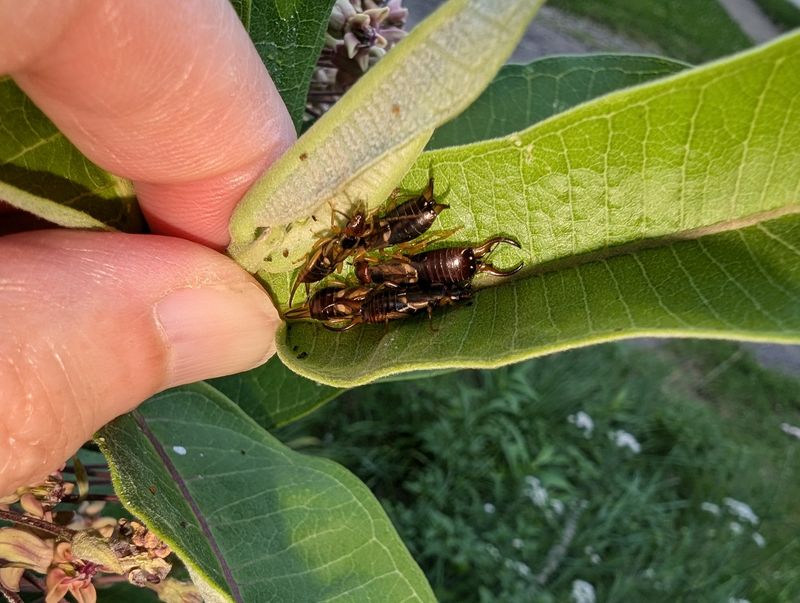
Sometimes we invite earwigs inside without even realizing it. These sneaky bugs love to hitch rides on the things we carry from the yard into our homes, garages, and sheds.
Flowerpots are common culprits. Earwigs tuck themselves under the rim, in the soil, or beneath the drainage holes, waiting quietly until you bring the whole pot indoors for the winter.
Firewood is another favorite hideout. Bugs nestled in the bark and gaps can ride right into your garage or living room, so a quick shake outside first saves you trouble later.
Outdoor furniture deserves a look too. Cushions, folding chairs, and patio pieces often hide earwigs underneath, especially if they have been sitting in a shady spot for a while.
Stored materials like cardboard, tarps, and boxes can also carry passengers. Anything that has been outside for a season may hold a few hidden bugs waiting to slip inside.
Taking a moment to inspect these items pays off. A gentle tap, a quick rinse, or a careful glance underneath usually reveals any stowaways before they reach your door.
Gardeners especially should stay alert this time of year. Bringing plants indoors is normal in fall, but each pot is a potential ride for earwigs hoping to stay warm.
Building this simple habit keeps countless bugs outside where they belong. A five-second check is far easier than chasing earwigs across your floor later.
Stay curious about what you carry in, and you will stop most indoor earwig surprises before they ever begin.