The Reasons To Plant Elderberry In Your Pennsylvania Yard And How To Get One Started This Fall
Elderberry has been quietly building a devoted following among Pennsylvania gardeners who have discovered just how much one plant can offer. It’s not a new discovery.
Elderberry has been growing wild across Pennsylvania for centuries, valued by Indigenous communities, early settlers, and generations of home gardeners for reasons that go well beyond its striking appearance.
But in recent years, more homeowners are intentionally planting it, and the reasons behind that shift are worth understanding. This is a plant that earns its place in the yard many times over.
Wildlife benefits, culinary uses, medicinal history, and genuine ornamental value all combine in a single plant that is also remarkably well suited to Pennsylvania’s climate and soil conditions.
It grows with a willingness and vigor that makes establishment straightforward, and once it’s settled in, it requires very little from you in return for everything it provides.
Fall is one of the best times to get one started. Here’s exactly why elderberry belongs in your Pennsylvania yard and how to plant one this season.
1. It Grows Naturally In Pennsylvania Soil
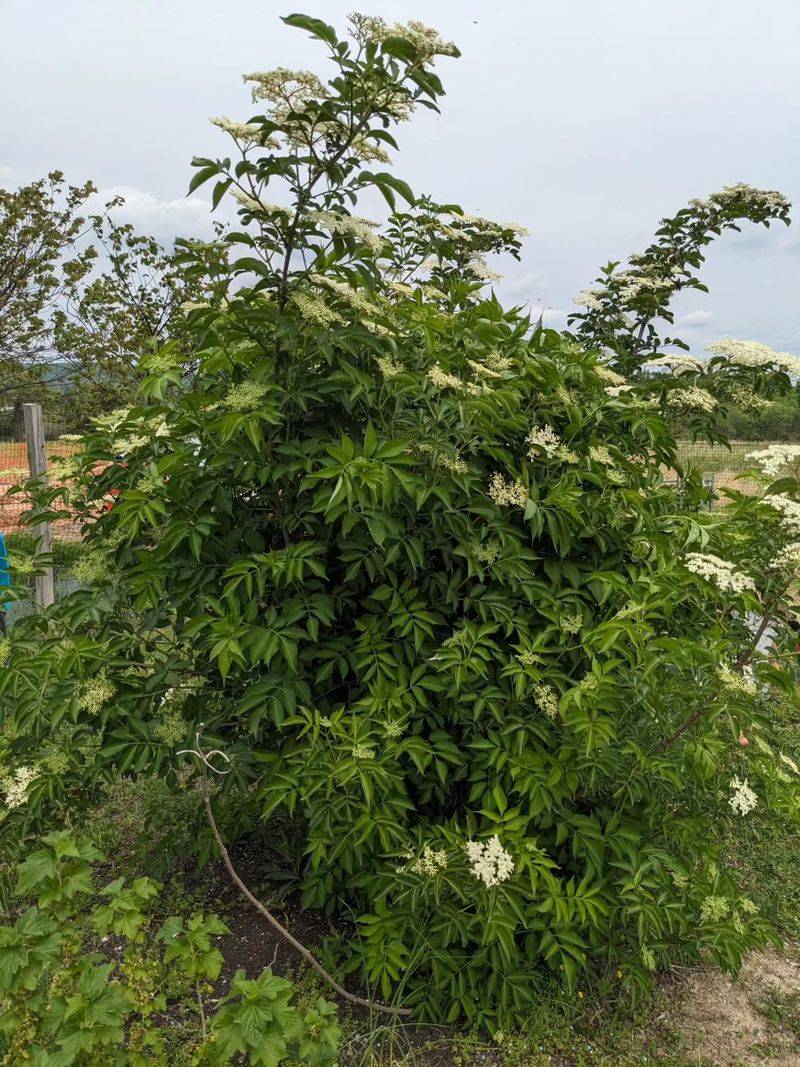
One of the best things about elderberry is that it already belongs here. The American elderberry, known as Sambucus canadensis, grows wild along roadsides, creek banks, and field edges all across Pennsylvania.
Because it is a native plant, it has spent thousands of years getting used to our clay-heavy soil, cold winters, and rainy springs.
That means you do not have to fuss over it the way you might with a fancy plant from another part of the world. It handles our weather with ease.
Native plants also tend to need less water and fewer chemicals once they settle in. Elderberry roots dig down and find moisture on their own, so you can skip a lot of the daily worry.
During a dry spell, a little extra water helps, but a mature plant is pretty tough.
Planting something native is also good for the whole neighborhood. Local insects, birds, and animals recognize elderberry as a food source, which keeps the small ecosystem in your yard humming along nicely.
If you have struggled to grow other shrubs in your yard, elderberry might change your luck. It tolerates spots that stay a bit damp, which trips up many other plants.
Just give it decent sun and room to spread.
Fun fact worth sharing: elderberry has been part of Pennsylvania farm life for generations, with old-timers picking the wild berries for pies and syrups. Adding one to your yard connects you to that same long history while giving you a plant that truly feels at home in the Keystone State.
2. Berries Packed With Vitamins For Your Family
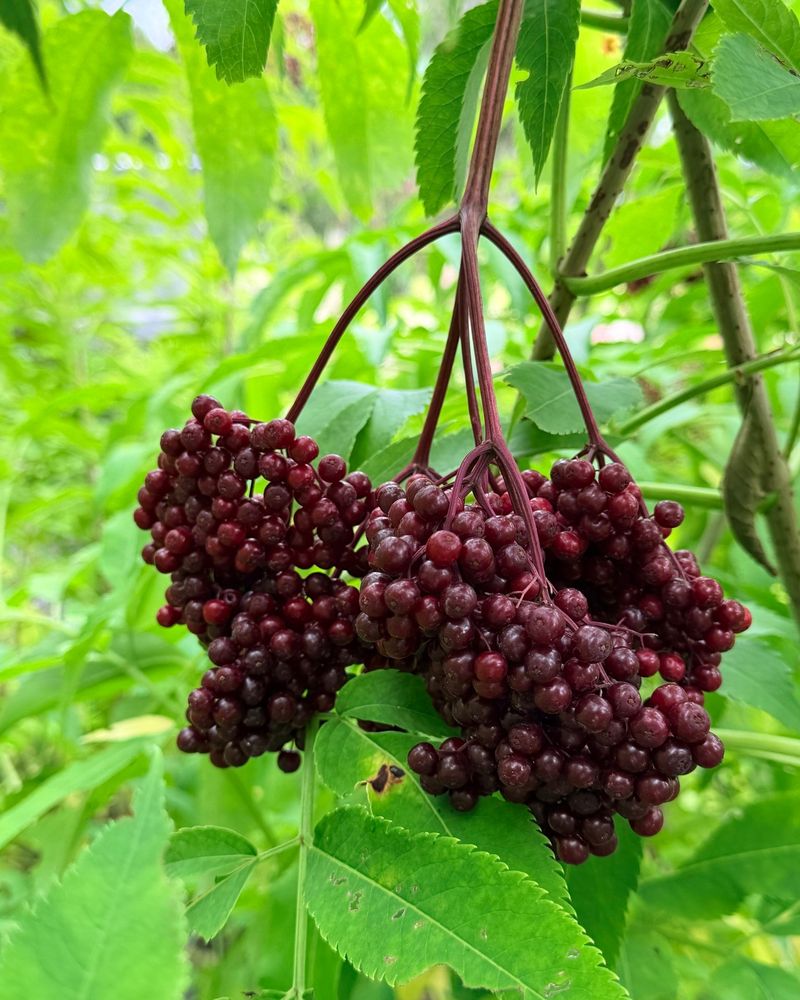
Picture a shrub in your own yard that hands you baskets of tiny purple berries every summer. Those little berries are loaded with vitamin C, antioxidants, and other good stuff that supports your body during cold and flu season.
Lots of families in Pennsylvania cook the berries down into elderberry syrup, which many folks take by the spoonful when sniffles start going around. Making your own syrup at home costs far less than buying it at the store, where a small bottle can be surprisingly pricey.
Your Pennsylvania Garden Changes Every Week. Your Plan Should Too.
Gardening in Pennsylvania changes quickly throughout the season. Every Friday you’ll receive a simple weekly plan showing exactly what to plant, prune, fertilize, harvest, and protect so you never miss the right timing.
Keep in mind that raw elderberries should always be cooked before eating. Once you simmer them into syrup, jam, or pie filling, they become safe, tasty, and full of flavor.
The taste is tart and rich, a little like a mix of blackberry and grape.
Beyond syrup, people bake the berries into muffins, blend them into smoothies, and even turn them into homemade wine. The flowers are useful too, since you can dip clusters in batter to make fritters or steep them for a light, floral tea.
Growing your own means you know exactly where your food comes from, with no mystery sprays or long shipping trips. You pick the berries when they are perfectly ripe and use them fresh.
A single mature elderberry bush can produce pounds of fruit each year. That is a lot of syrup, jam, and pie from one plant that mostly takes care of itself.
For a family looking to eat healthier while saving money, that is a hard deal to beat.
3. A Magnet For Bees, Birds, And Butterflies
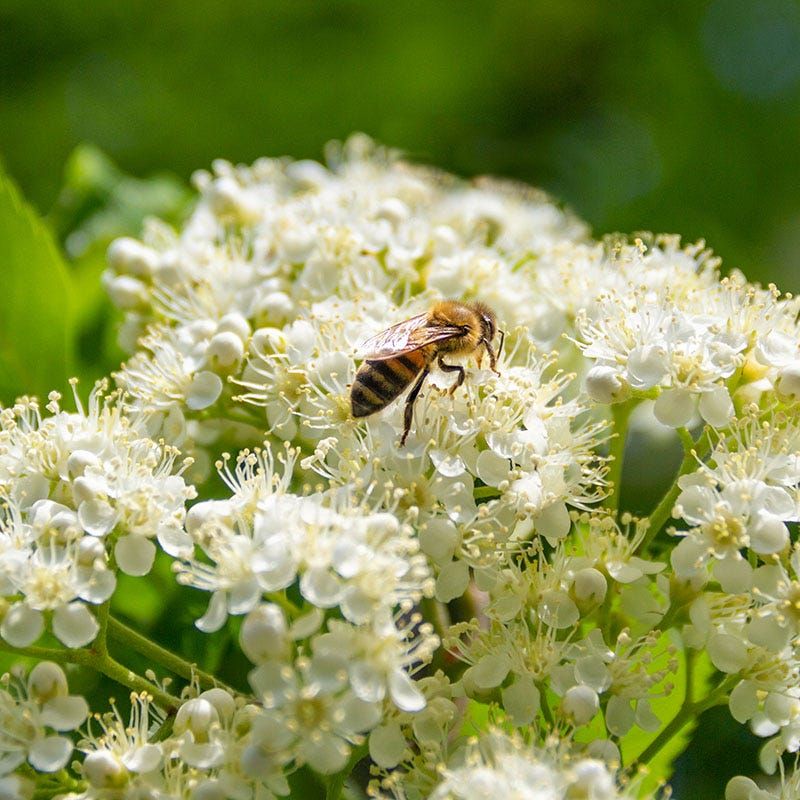
Step outside near a blooming elderberry and you will hear it before you see it. The wide, flat clusters of white flowers buzz with bees and hover with butterflies drawn to the sweet nectar.
Pollinators are having a rough time these days, and every plant that feeds them makes a difference. Elderberry blooms in late spring and early summer, filling a gap when some other flowers have already faded.
That timing helps hungry bees keep going.
Once the flowers turn into berries, the show shifts to the birds. Robins, cardinals, catbirds, and dozens of other species feast on the fruit.
If you love watching wildlife from your window, an elderberry bush is like setting out a free buffet.
Some gardeners worry the birds will steal all the fruit, and honestly, they might grab their share. The good news is that a healthy bush usually makes more than enough for both you and your feathered neighbors.
You can also net a few branches to save berries for yourself.
The plant offers shelter too. Its thick, branching shape gives small birds a safe place to perch and hide from hawks and cats.
By planting elderberry, you turn a plain patch of yard into a busy little wildlife stop. Kids especially love spotting all the visitors and learning their names.
Here is something neat: the flowers give off a soft, honey-like scent on warm days. Standing near one feels like a tiny gift from nature, and knowing you are helping bees and birds at the same time makes it even sweeter.
4. Beautiful Blooms And Berries All Season
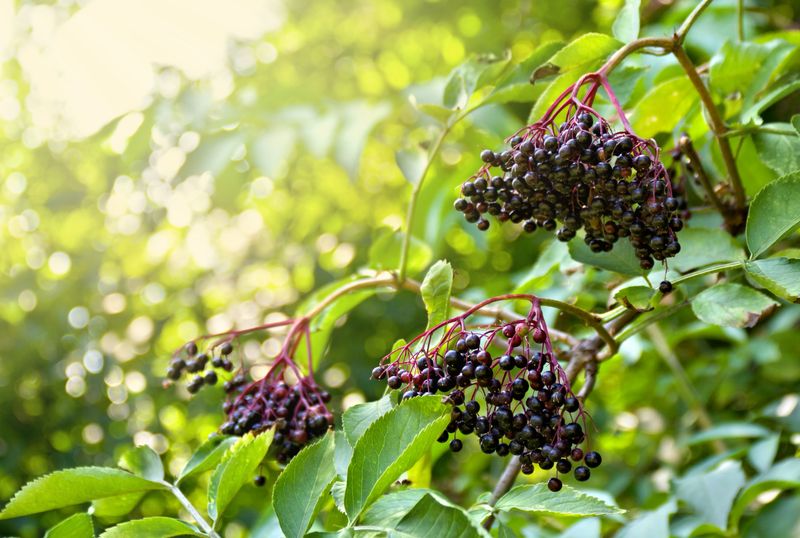
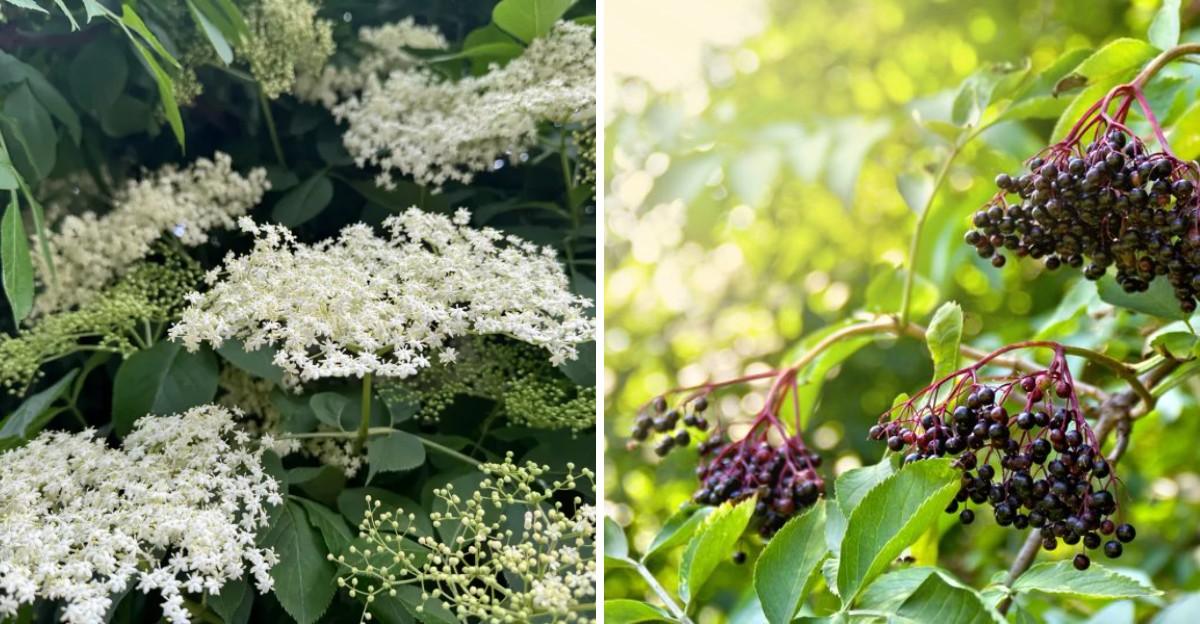
Elderberry is not just useful, it is genuinely pretty to look at. In late spring, the shrub covers itself in creamy white flower clusters that look like lace resting on green leaves.
As summer rolls in, those flowers give way to droopy bunches of shiny dark berries. The color shift from white to deep purple adds interest to your yard month after month.
Few plants give you two beautiful looks in one season.
There are also fancy elderberry varieties bred just for their looks. Some have deep purple, almost black leaves that pop against the rest of a green garden.
Others show off pink flowers or feathery, fern-like foliage.
Because the shrub grows tall and full, it works great as a natural screen. Plant a row along a fence line and you get privacy plus flowers plus berries, all from the same plants.
Elderberry fits nicely into all kinds of yards. It looks at home in a wild cottage garden, but a tidy pruned version can suit a neat, modern space too.
You get to decide how loose or shaped you want it.
The plant does grow quickly, which is great when you want to fill an empty spot fast. A little yearly pruning keeps it looking its best and encourages more flowers and fruit.
Something charming about elderberry is how the flower clusters sway in a summer breeze. Combine that gentle movement with the color and the buzzing pollinators, and you have a living piece of yard art that keeps changing all season long.
5. Easy To Grow With Very Little Fuss
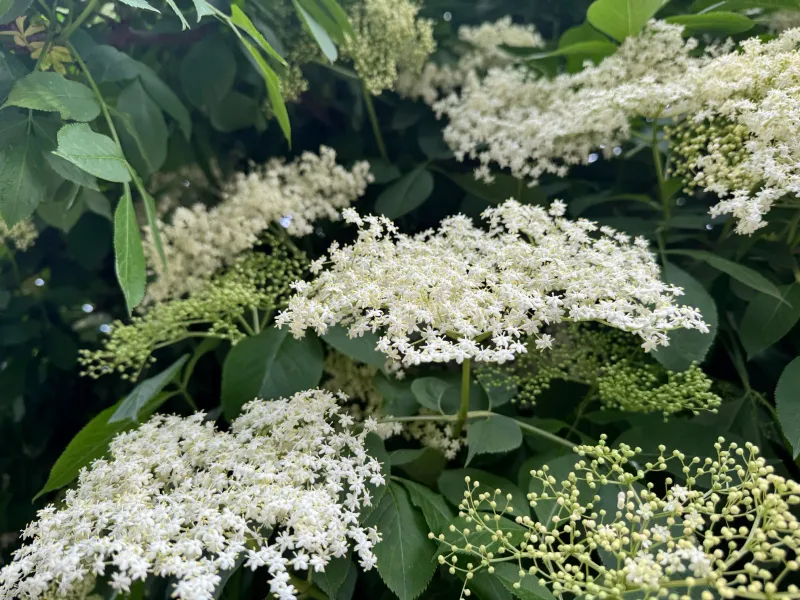
If you think you have a black thumb, elderberry may finally prove you wrong. Out of all the shrubs you could plant, this one asks for surprisingly little in return for what it gives.
It is not picky about soil. While it loves rich, damp ground, it will happily grow in ordinary yard dirt as long as it gets some sun.
Six or more hours of sunlight brings the best flowers and fruit, but it tolerates part shade too.
Watering is simple. During the first year, keep the soil moist while the roots settle in.
After that, elderberry mostly fends for itself, only needing extra water during long dry stretches.
Pests rarely cause big problems. Every so often a few Japanese beetles or aphids show up, but a healthy bush usually shrugs them off without help.
You will not need a cabinet full of sprays.
Pruning is easy and forgiving. In late winter, you can cut out old or crowded stems to keep the plant tidy and productive.
If you make a mistake, do not worry, because elderberry bounces back fast.
The shrub also grows quickly, so you see results in a season or two instead of waiting many years. That fast payoff makes it a great pick for beginners who want encouragement.
For busy families or first-time gardeners, elderberry is about as low-stress as a fruit plant gets. Plant it, give it a good start, and it rewards you with flowers and berries year after year without demanding much of your weekend.
6. Helps The Soil And Prevents Erosion
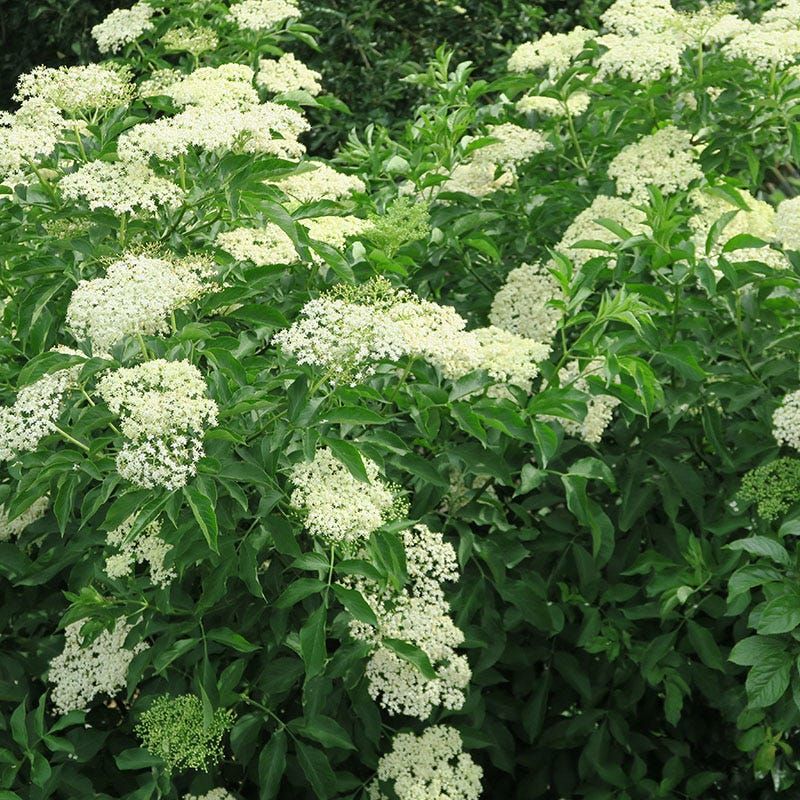
Elderberry does quiet, helpful work underground that most people never notice. Its spreading roots grab onto the soil and hold it firmly in place, which is a big deal on slopes and near water.
Pennsylvania gets plenty of rain, and heavy storms can wash away bare dirt in a hurry. Planting elderberry along a hillside or a creek bank creates a natural anchor that keeps your ground from sliding away.
The plant also improves the soil over time. As its leaves and old stems break down, they add organic matter that feeds the earth and helps other plants nearby.
Because elderberry likes damp spots, it is perfect for that soggy corner of the yard where nothing else seems happy. Instead of fighting a wet area, you can put it to good use with a plant that actually enjoys it.
Rain gardens are another smart place for elderberry. These are shallow spots designed to catch runoff, and elderberry roots drink up the extra water while filtering out gunk before it reaches streams.
By slowing water and holding soil, the shrub even helps reduce flooding in small ways around your property. Every bit of natural drainage helps during a big downpour.
Farmers and land stewards have long used native shrubs like this to protect stream edges and keep water clean. You can do the same thing on a smaller scale right in your own backyard.
Planting elderberry means you are not just growing food and flowers. You are also giving your land a helping hand, keeping your soil where it belongs and your local water a little cleaner.
7. How To Get One Started This Fall
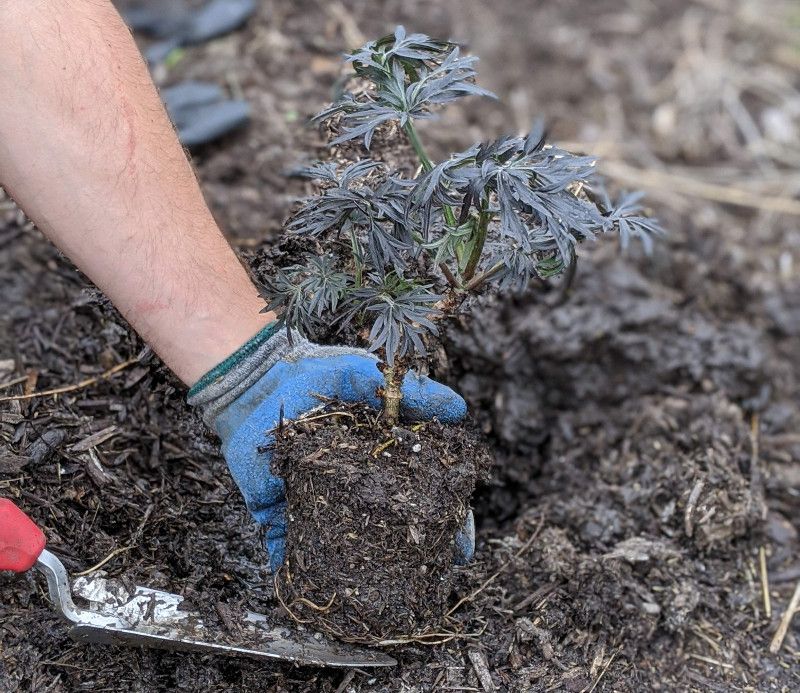
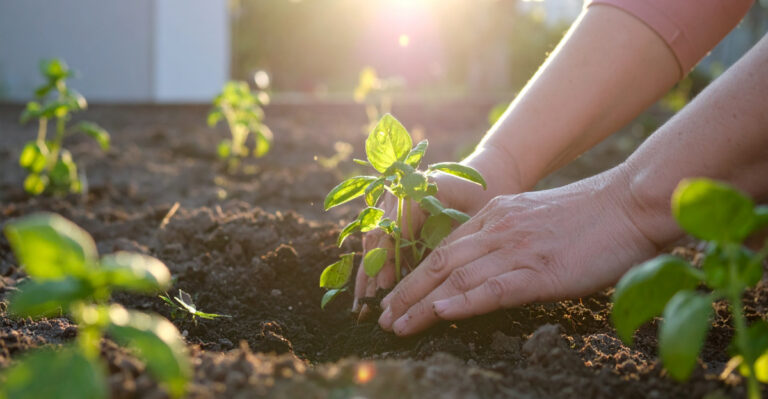
Fall is a wonderful time to plant elderberry, and getting started is easier than you might expect. The cool air and steady rain help the roots grow strong before winter arrives.
Start by picking a sunny, roomy spot. Elderberry can spread six to twelve feet wide, so give it space away from buildings and other plants.
A slightly damp area is ideal.
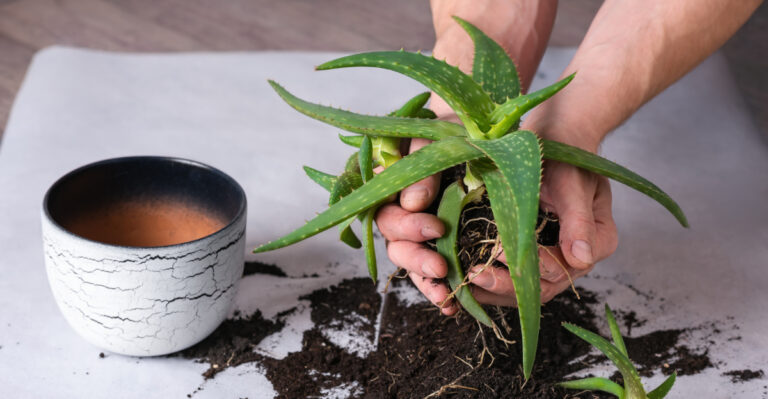
You can buy young plants from a local nursery, or ask a friend for a cutting from their bush. Elderberry roots very easily from cuttings, which makes it cheap to grow more.
Dig a hole twice as wide as the root ball but just as deep. Set the plant in, fill the soil back around it, and press gently to remove air pockets.
Water it well right away.
Spread a few inches of mulch around the base, keeping it away from the stem. Mulch holds in moisture and protects the roots through cold snaps.
For the best berry harvest, plant two different varieties near each other. They pollinate each other and produce more fruit that way.
Space them about six feet apart.
Keep the soil moist for the first several weeks, then let nature take over as the weather cools. Your new plant will spend the winter settling in below ground.
Come spring, watch for fresh green shoots pushing up. Within a year or two, you will enjoy your first flowers and berries.
Getting an elderberry going this fall is a small task with a big payoff, giving you years of beauty, food, and wildlife right outside your door.