Why More Rabbits Are Turning Up in Michigan Yards This November
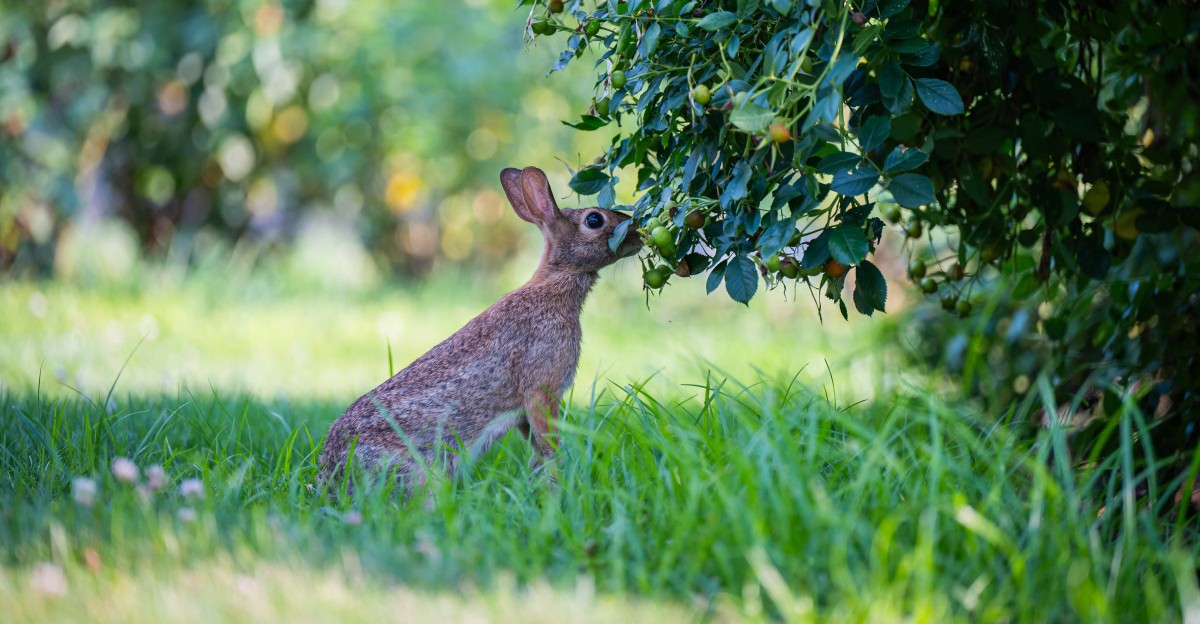
A wild cottontail can raise several litters in one summer, and the young from early nests can start breeding before fall arrives. That math adds up fast. By late autumn, the results of all that busy nesting are often hopping across our lawns at dusk.
I noticed it last week while hauling leaves to the curb. Two pairs of long ears froze beside my lilacs, then vanished under the porch like they owned the place. Honestly, they acted more relaxed than I did.
Here in Michigan, November strips away a lot of what wild animals count on. Tall grass flattens, clover fades, and thick summer cover thins out almost overnight.
Suddenly a tidy yard with shrubs, a woodpile, and a few tasty twigs starts looking like prime real estate. That raises a question, are there truly more of these visitors, or are they just easier to spot right now?
1. Those Cottontails Under Your Shrubs Aren’t Just Passing Through
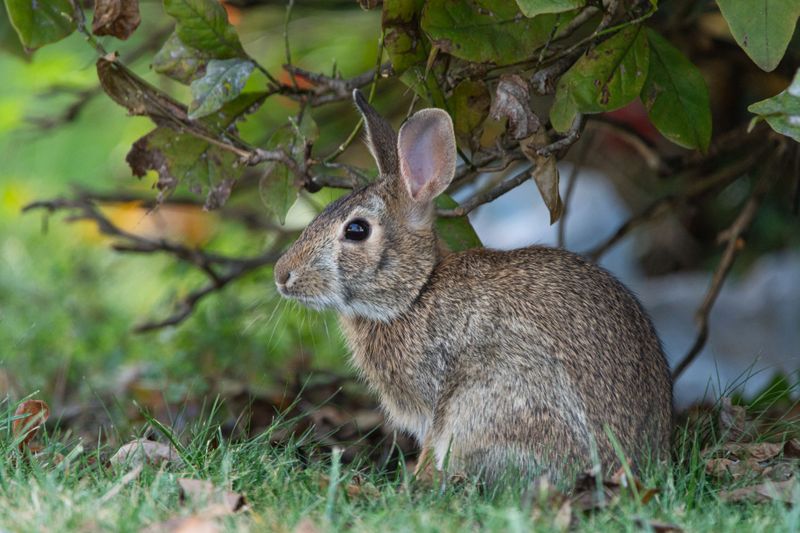
Spotting a rabbit by the back steps in November can feel like a surprise, but it makes a lot of sense. The eastern cottontail is the rabbit you see across most of the state, and it stays active all winter long.
Cottontails do not hibernate, and they do not store food. Every cold day, they have to find something to eat and somewhere safe to rest. That simple fact shapes everything about their late fall behavior.
Most cottontails live their whole lives in a fairly small area, often just a few acres. If your yard sits inside that range, you are part of their daily routine.
They are not wandering in from far away so much as shifting their focus closer to your shrubs, sheds, and garden beds.
I find it helpful to see them as neighbors with a tight schedule. They feed mostly around dawn and dusk, then tuck into hiding spots called forms during the day. A form is a shallow nest-like dip in grass or leaves, not a deep burrow.
Once you know they live nearby year-round, those November sightings stop feeling random. The real question becomes what changed to make them easier to see.
2. Bare Lawns Put Hungry Rabbits Right Out in the Open
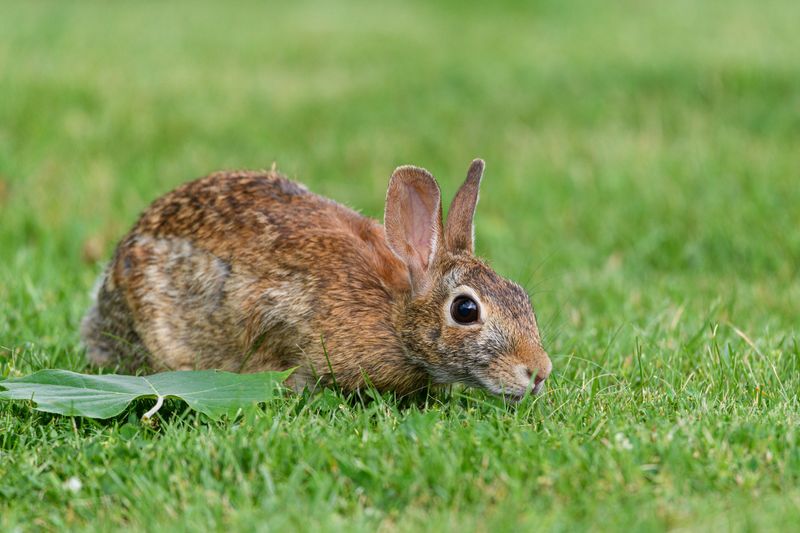
Leaves drop, grass shortens, and suddenly your yard has fewer secrets. A big part of the November rabbit mystery is plain visibility.
All summer, cottontails can feed in tall grass, garden rows, and leafy borders where you rarely notice them. Once plants fade and leaves come down, that same rabbit is sitting in plain sight. You may be seeing animals that were there all along.
Shorter days matter too. Rabbits are most active around sunrise and sunset, and in November those hours overlap with when people drive home, walk dogs, or take out the trash. More of us are outside right when rabbits are busiest.
Wildlife experts often point out that perceived increases can come from changes in our habits and the landscape, not only from more animals. That does not mean numbers never rise. It just means a sighting spike alone is not proof of a population boom.
Your Michigan Garden Changes Every Week. Your Plan Should Too.
Gardening in Michigan changes quickly throughout the season. Every Friday you’ll receive a simple weekly plan showing exactly what to plant, prune, fertilize, harvest, and protect so you never miss the right timing.
Try this little experiment. Note what time you spot rabbits over a week, and where they sit. You will likely find the same few animals using the same paths, which tells you a lot about where to focus your plant protection.
3. Your Deck, Brush Pile, and Evergreens Make Cozy Rabbit Shelters
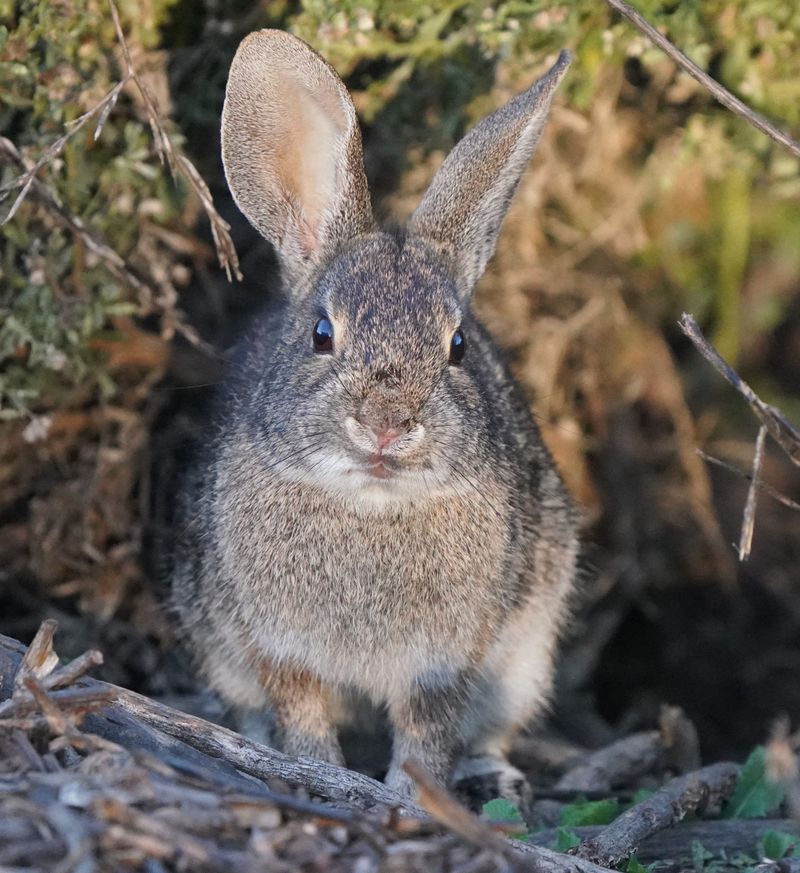
Shelter is just as valuable as food to a small animal on everyone’s menu. Hawks, owls, foxes, coyotes, and even neighborhood cats all hunt rabbits.
When fall cover thins out in fields and woodland edges, rabbits look for new hiding spots. Residential yards offer plenty.
Spaces under decks and sheds, woodpiles, brush heaps, dense evergreens, and thick hedges all give cover from both predators and biting wind.
I once found a tidy little form tucked beneath a juniper right next to my front walk. The rabbit had a clear view, quick escape routes, and a roof of needles overhead. Honestly, it was a smarter setup than some of my garden choices.
Yards also tend to sit near food. A rabbit that can rest under a porch and step out to nibble a rosebush barely has to travel. Less travel means less exposure to a swooping hawk.
If you want fewer rabbits, take a look at what you are offering for shelter. Blocking gaps under decks and sheds with hardware cloth makes a real difference.
Moving a brush pile away from your garden beds can help too, though you may want to keep it somewhere for songbirds.
4. Summer Baby Bunnies Are Now Full-Size Yard Visitors
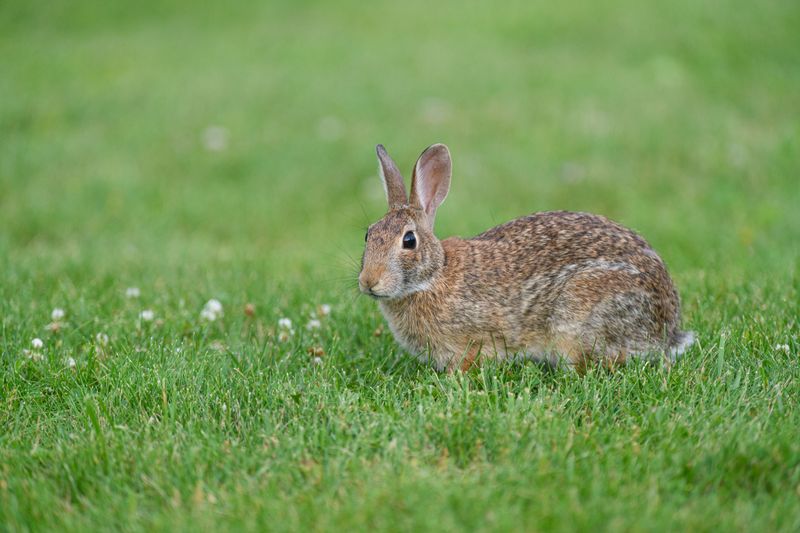
Those tiny nests you may have spotted in May have grown up. By November, many of the rabbits in your yard are this year’s young.
Eastern cottontails are famously productive. In Michigan, breeding usually runs from about March into September, and a female can raise several litters in a season. Each litter often has around four to six young, though numbers vary.
Baby cottontails grow fast. They leave the nest at roughly two to three weeks old, and some early-season young can breed before summer ends.
So by late fall, the neighborhood rabbit crowd includes adults plus a wave of fresh juveniles looking for their own territory. Those young rabbits are often less cautious than older ones.
They wander into open spots, freeze instead of running, and tend to get noticed. Many will not make it through winter, since predators, cold, and food shortages thin their numbers.
That natural drop is part of the cycle. It is also why counts usually peak in fall and shrink by spring. If you are seeing lots of smaller rabbits, you are looking at the tail end of a busy breeding year, not a never-ending invasion.
5. Fading Green Plants Send Bunnies Hunting for Twigs and Bark
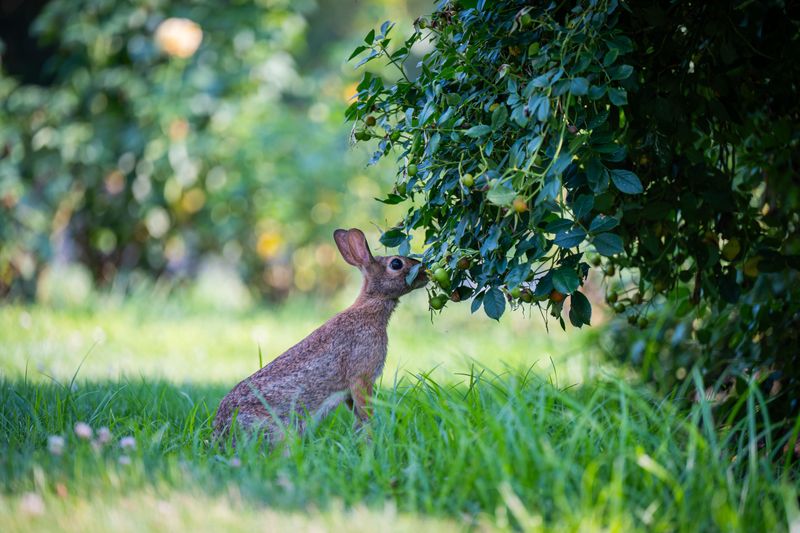
Picky eaters in summer turn into twig chewers by winter. That diet switch is one of the strongest reasons rabbits seem drawn to yards right now.
During the warm months, cottontails munch on clover, grasses, dandelions, and tender garden greens. As frost knocks those plants back, they move on to buds, twigs, and the thin bark of young woody plants.
Michigan State University Extension notes that rabbits often damage fruit trees, young ornamental trees, and shrubs in winter.
Favorites include apple, crabapple, serviceberry, burning bush, roses, raspberries, and young maples. Rabbits leave a telltale mark too. Their cuts on twigs look clean and slanted, almost like a knife sliced them at a 45-degree angle.
Deer, by contrast, tear branches and leave ragged ends. That trick can help you figure out who is snacking in your yard before you buy protection.
Landscaped yards tend to pack lots of tasty woody plants into one small space. To a hungry rabbit, that is far easier than hunting through a scrubby field.
Take a quick walk around your young trees this month and look low, since most rabbit chewing happens within a couple feet of the ground or snow line.
6. Cottontail Numbers Rise and Fall More Than You’d Guess
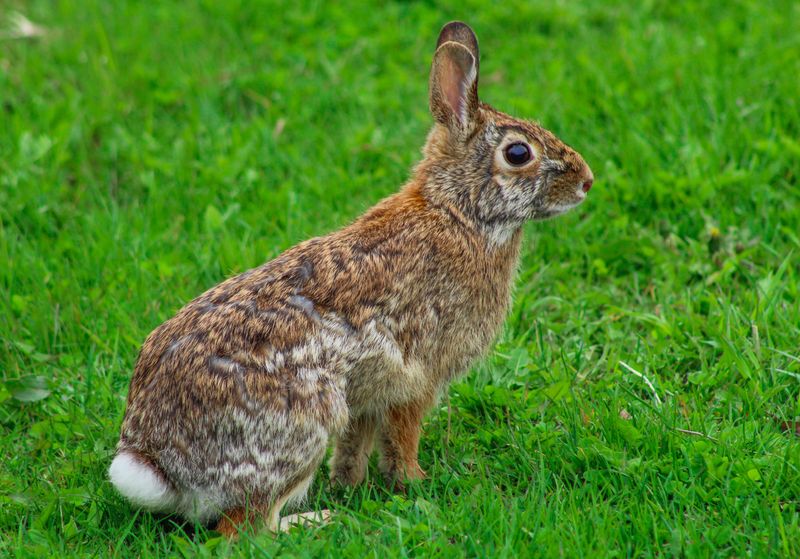
Neighbors comparing notes about a rabbit-heavy year are not imagining things. Cottontail populations naturally go up and down from year to year.
Weather plays a big role. A mild winter or a spring without heavy cold rains can help more young survive, which leads to more rabbits by fall. A harsh season can do the opposite. Predator numbers, disease, and available habitat also shift the balance.
Some people suggest fewer small game hunters or milder winters are pushing numbers higher.
Those ideas are plausible, but local rabbit counts are hard to pin down, and there is no official statewide survey announcing a November rabbit boom. I would treat claims of a huge surge with a little caution.
Suburbs add another twist. Neighborhoods offer steady food, lots of cover, and fewer large predators than wild areas. That can let rabbits do well in pockets, even when nearby farmland or forest supports fewer.
The takeaway is simple. Your yard might truly host more rabbits this year, or you might just be noticing them more. Either way, the same steps will protect your plants, so you do not need a population report to get started.
7. Wire Mesh Around Young Trees Beats Any Fancy Rabbit Trick
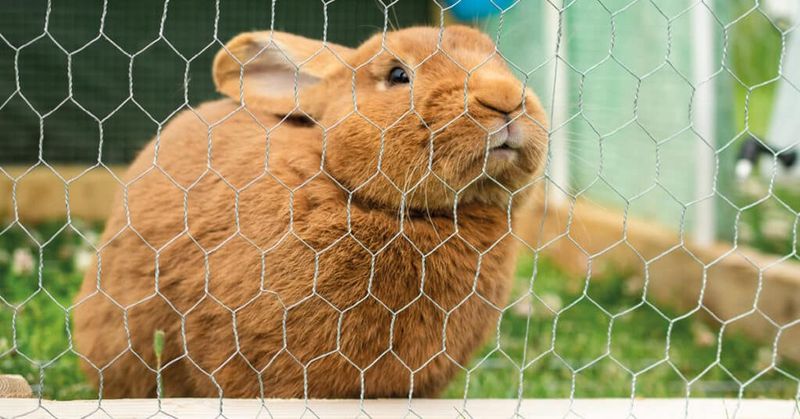
Sprays and gadgets come and go, but a simple ring of wire still does the heavy lifting. November is the perfect time to set it up, before snow piles high.
Wrap young trees and prized shrubs with hardware cloth or chicken wire. Michigan State University Extension suggests one-quarter-inch hardware cloth for trunk guards.
Make each cylinder a couple inches wider than the trunk so it does not rub the bark. Height matters more than most people think.
Snow lifts rabbits higher, so a guard that looks tall in November can be too short by February. Aim for at least 18 to 24 inches above your expected snow depth, and push the bottom an inch or two into the soil.
For garden beds, a fence of chicken wire about two feet tall works well. Bury the bottom edge a few inches or bend it outward so rabbits cannot squeeze under.
Repellents can help on shrubs you cannot fence. Most need reapplying after rain or snow, and results vary. Personally, I use them as a backup, not a main plan.
Check your guards after every big snowfall, since drifts can turn a solid barrier into a handy step stool.
8. A Few Yard Tweaks Can Make Rabbits Hop to the Neighbors
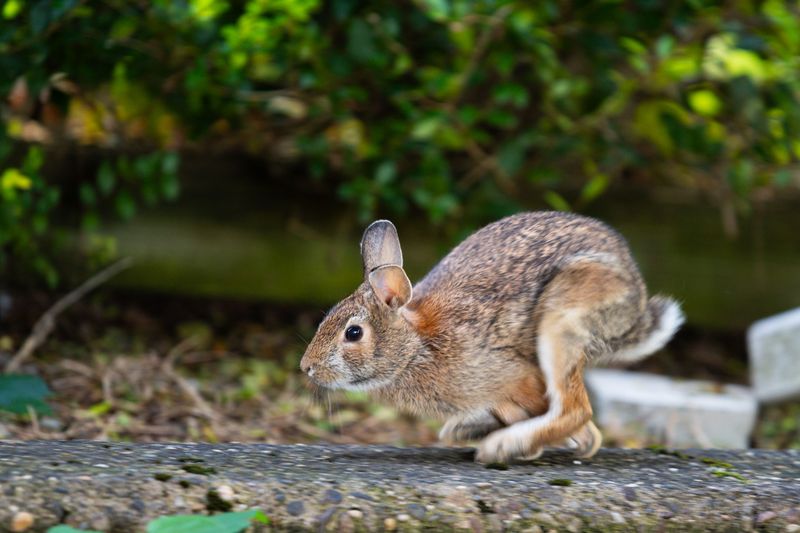
Living with rabbits is mostly about balance. You do not need to chase every bunny away to keep your landscape healthy through winter.
Start with the basics. Clear fallen fruit, pull up spent vegetable plants, and close off gaps under sheds and porches. Move woodpiles and brush heaps away from the plants you care about most.
Choose plants with rabbits in mind when you shop next spring. Many perennials like catmint, salvia, bee balm, and ornamental onions tend to get less attention. No plant is fully safe, though, since a hungry rabbit in February will sample almost anything.
Remember the legal side too. In Michigan, cottontails are a game species with a hunting season and rules about trapping.
If you are thinking about live trapping or relocating, check the Michigan Department of Natural Resources guidelines first, because moving wildlife without permission is generally not allowed.
I like to leave a little wild corner far from my beds. It gives birds and rabbits somewhere to go while my roses stay protected. With smart barriers and a few tidy habits, you can enjoy those twitching noses at dusk and still see healthy shrubs come spring.