Why Mosquitoes Explode In Georgia Yards After Summer Storms And What Cuts Them Down
Summer storms can disappear by the next morning, yet the mosquito problem often keeps getting worse. Many homeowners notice the change almost immediately when they step outside after several rainy days.
The sudden increase is not happening for just one reason. Several small changes around a yard begin working together before most people realize what is happening.
You may think the rain is the entire problem, but there is much more going on. Looking a little closer can explain why mosquitoes become so much more noticeable after wet weather.
This pattern repeats itself every summer in Georgia. Knowing what happens behind the scenes makes those sudden swarms much easier to understand.
The good news is that the cycle can be interrupted.
A few overlooked details can make a noticeable difference in how enjoyable your yard feels during the weeks that follow heavy summer rain.
1. Female Mosquitoes Lay Eggs Soon After Heavy Rain
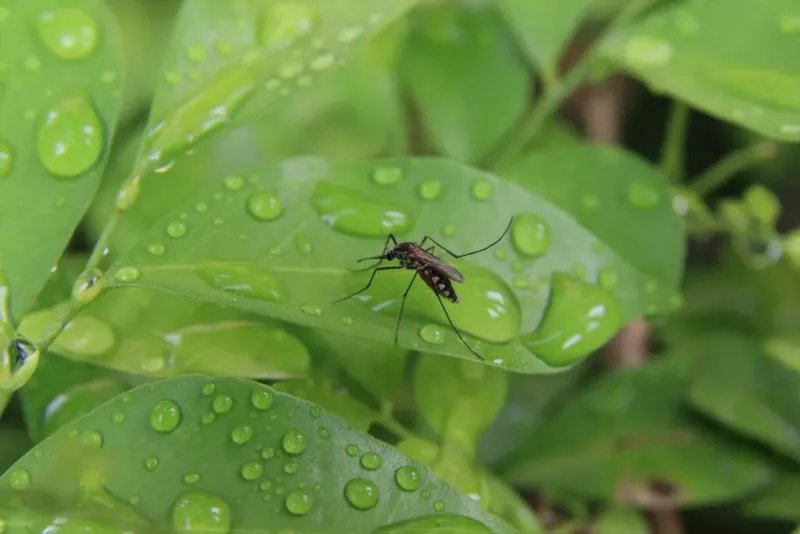
Rain creates the one thing mosquitoes need most: standing water. Female mosquitoes can sense fresh water quickly and begin laying eggs within hours of a storm passing through.
A single female can deposit up to 200 eggs at a time in a patch of water no deeper than a bottle cap.
Shallow puddles on tarps, low spots in your lawn, or water pooled in leaf piles are all fair targets. Eggs hatch in roughly 24 to 48 hours when temperatures are warm, which is common across Georgia from late spring through early fall.
That rapid cycle means a yard that seemed fine on Monday can feel overrun by Wednesday.
Checking your yard within a day of heavy rain is a smart habit. Walk around and look for any spot where water has collected and is not draining.
Flipping over containers, spreading out tarps, and leveling low lawn spots can interrupt the egg-laying cycle before it gets out of hand.
You do not need to remove every puddle instantly, but the faster standing water disappears, the fewer eggs survive to hatch. Consistent post-storm checks are one of the most practical steps a homeowner can take.
2. Warm Humid Weather Helps Mosquitoes Multiply Faster
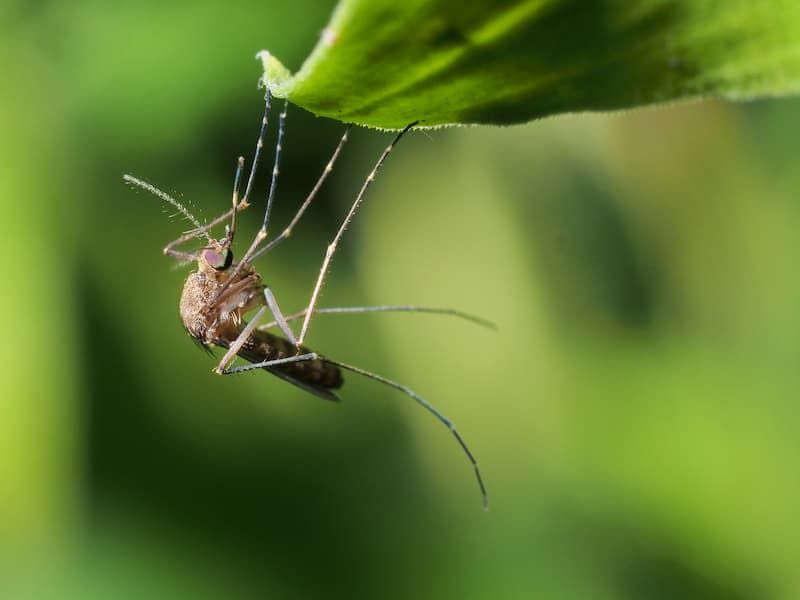
Hot, sticky air is not just uncomfortable for people. It actually speeds up the mosquito life cycle in a measurable way.
When temperatures stay above 80 degrees Fahrenheit and humidity is high, mosquitoes move from egg to adult in as few as seven to ten days instead of the two weeks it might take in cooler conditions.
Georgia summers routinely deliver those exact conditions from June through September. Humidity keeps moisture on leaf surfaces, in soil cracks, and inside containers longer than it would in drier climates.
That extended moisture gives larvae more time to develop even in spots that look like they are drying out.
Warm nights matter just as much as warm days. Mosquitoes stay active and continue feeding and reproducing when nighttime temperatures stay above 60 degrees.
Cooler nights tend to slow them down, but that rarely happens here during peak summer months.
Your Georgia Garden Changes Every Week. Your Plan Should Too.
Gardening in Georgia changes quickly throughout the season. Every Friday you’ll receive a simple weekly plan showing exactly what to plant, prune, fertilize, harvest, and protect so you never miss the right timing.
Wearing lightweight, long-sleeved clothing during evening hours reduces your exposure without much effort. Running a box fan on your porch can also help, since mosquitoes are weak fliers and struggle against even a light breeze.
3. Remove Unused Buckets And Flower Pots
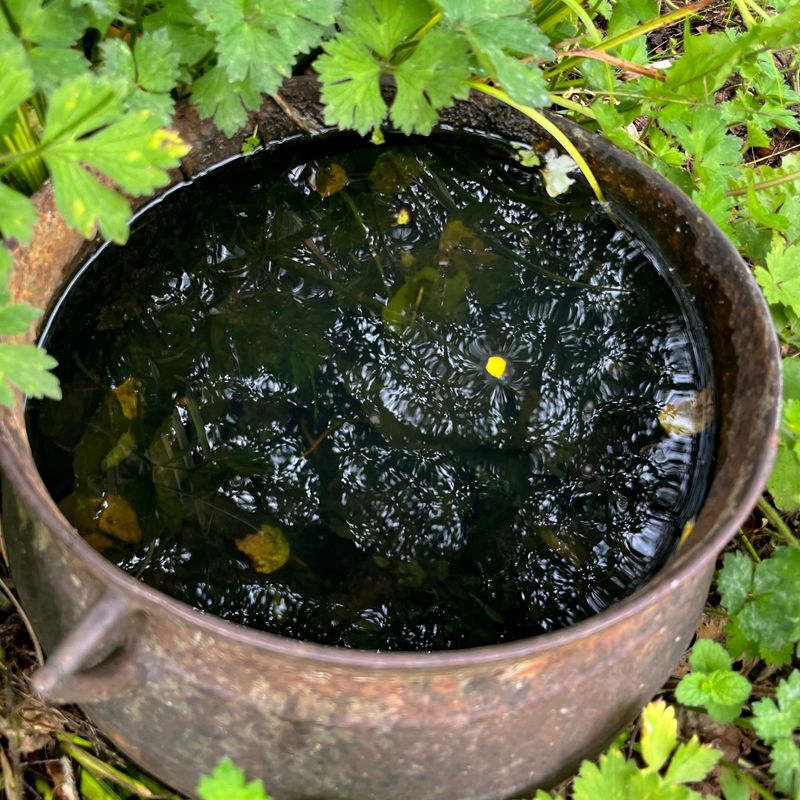
Buckets sitting upside down in the corner of a shed, old flower pots stacked near the fence, a forgotten wheelbarrow in the side yard.
Any of these can hold enough water to support dozens of mosquito larvae after a good rain. Most people do not think twice about them.
Plastic containers are especially problematic because they do not absorb water and they hold heat. Warm, still water in a dark container is close to ideal for mosquito breeding.
Even a small amount of water pooled in the drainage tray under a potted plant can be enough for a batch of eggs to hatch.
Going through your yard after each storm and emptying anything that holds water takes about ten minutes. Flip buckets upside down so they cannot collect rain again.
Remove drainage trays from outdoor pots you are not actively watering, or drill small holes in the bottom so water drains through quickly.
Store items like coolers, kids’ toys, and garden tools under a covered area or inside a shed when they are not being used.
It sounds simple, but this one habit can cut down on a significant number of breeding sites around your home.
4. Apply Mosquito Dunks In Rain Barrels And Ponds
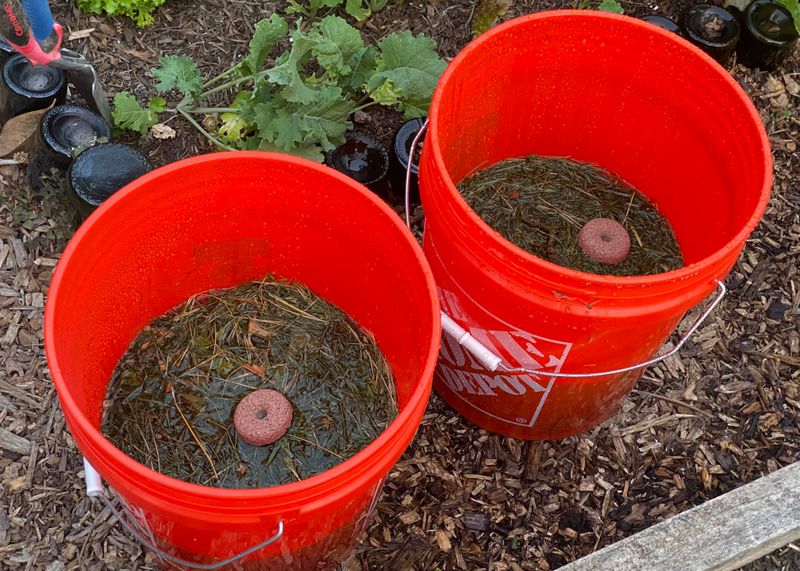
Rain barrels and decorative ponds are great for the garden but can become active mosquito nurseries if left untreated.
Standing water in these features stays in place by design, which makes them different from puddles that dry up on their own. Without intervention, a rain barrel can produce hundreds of adult mosquitoes over a single season.
Mosquito dunks are a practical solution. They contain a naturally occurring bacteria called Bacillus thuringiensis israelensis, often shortened to Bti.
Bti targets mosquito larvae specifically and does not pose a risk to fish, birds, pets, or beneficial insects like bees when used as directed. One dunk typically covers up to 100 square feet of water surface for about 30 days.
Drop a dunk into your rain barrel after each storm refills it. For small ponds, check the product label for the right amount based on surface area.
Dunks work best when the water is not moving too fast, so calm or slow-moving water is where they are most effective. They are widely available at hardware stores and garden centers throughout the region.
Replacing them monthly during the summer keeps protection consistent.
5. Clean Gutters Before Debris Traps Moisture
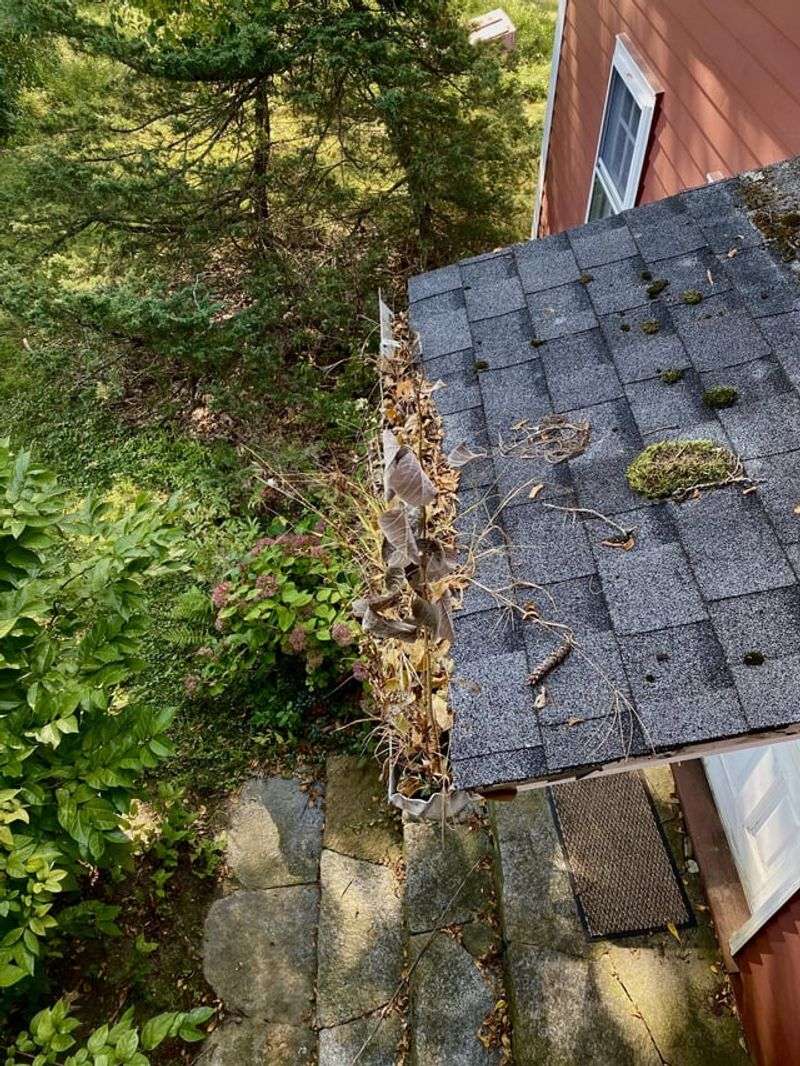
Clogged gutters are one of the most overlooked mosquito breeding spots on a property. Leaves, pine needles, and seed pods build up over time and create a soggy layer that holds water long after rain stops.
That damp debris sitting in a shaded gutter channel can stay wet for days, sometimes longer.
Mosquitoes do not need a pond to breed. A shallow channel of trapped water along your roofline is more than enough.
Because gutters are up high and out of sight, many homeowners do not realize they have a problem until mosquito populations are already climbing.
Cleaning gutters at least twice a year is a general recommendation, but in areas with heavy tree cover, doing it more often makes sense. After major summer storms, it is worth doing a quick check to see if debris has shifted and blocked drainage.
A gutter guard or screen can help reduce how often full cleanings are needed, though they are not a complete fix and still need occasional maintenance.
Once gutters are clear, water flows through and drains away from the roofline properly. Pair clean gutters with downspout extensions that direct water away from the foundation, so it does not pool near the house.
6. Cut Back Dense Vegetation Where Adults Hide
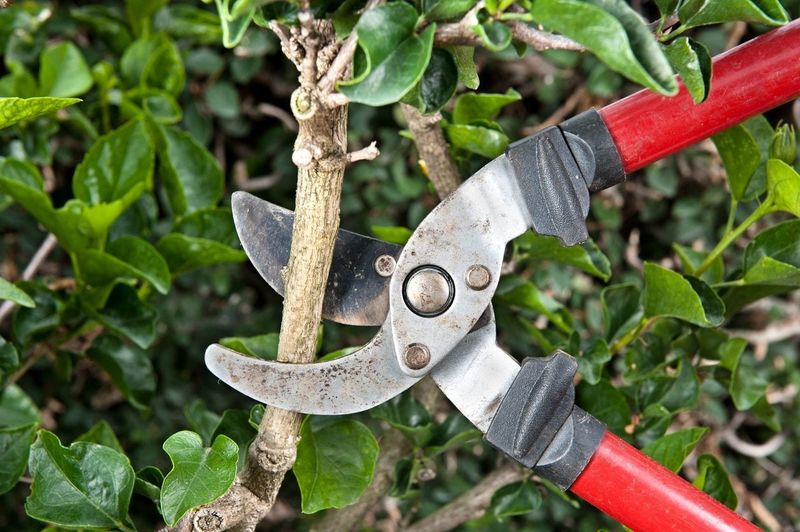
Adult mosquitoes do not spend all their time flying around looking for a meal. Much of the day, they rest in cool, shaded, damp spots, and dense vegetation is exactly where they prefer to hide.
Thick shrubs, tall grass, and overgrown ground cover near fences or tree lines are common resting areas.
Trimming back overgrown plants reduces the number of sheltered spots available to resting adults. Shorter grass dries out faster after rain.
Open, sunny areas are less attractive to mosquitoes because heat and air movement make resting harder for them.
Keeping your lawn mowed and shrubs shaped does not stop mosquitoes from entering your yard, but it does reduce how many can comfortably hang around during daylight hours.
Pay attention to shaded corners of the yard where sunlight rarely reaches. Dense ivy, untrimmed hedges along the fence line, and tall weeds around the base of trees are worth addressing before peak mosquito season hits.
Removing leaf litter from the ground also helps, since piles of damp leaves create cool, humid microhabitats that mosquitoes find appealing.
Consistent yard maintenance through the summer months, especially after storms bring extra moisture, keeps resting habitat limited.
Combining trimming with other prevention methods tends to produce better results than any single approach on its own.
7. Install Outdoor Fans Around Patios And Decks

Mosquitoes are surprisingly poor fliers. Even a moderate breeze can make it hard for them to navigate toward a target.
Outdoor fans take advantage of that weakness by creating consistent airflow across the spaces where you spend time outside.
A ceiling fan on a covered porch or a box fan aimed at a seating area can make a noticeable difference in how many mosquitoes reach you.
Fans work best in enclosed or semi-enclosed spaces like screened porches, covered patios, and decks with pergolas overhead.
Open yards with no walls or structure to contain the airflow are harder to protect with fans alone, but even a directional box fan on a table helps in a smaller seating area. Running fans at a medium to high speed tends to be more effective than low settings.
Beyond moving mosquitoes away, fans also help with the heat and humidity that make Georgia summer evenings feel so heavy.
That dual benefit makes them worth the investment for most outdoor living spaces. Look for fans rated for outdoor or damp locations so they hold up through rain and humidity without corroding or malfunctioning.
Ceiling-mounted outdoor fans with a UL wet-rated or damp-rated label are built for that environment.