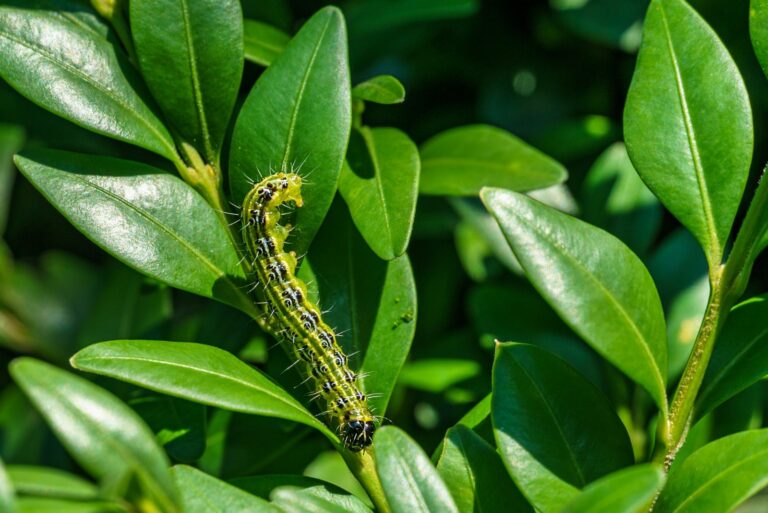
Think You Can Cut That Boundary Tree? Pennsylvania Law May Say Otherwise
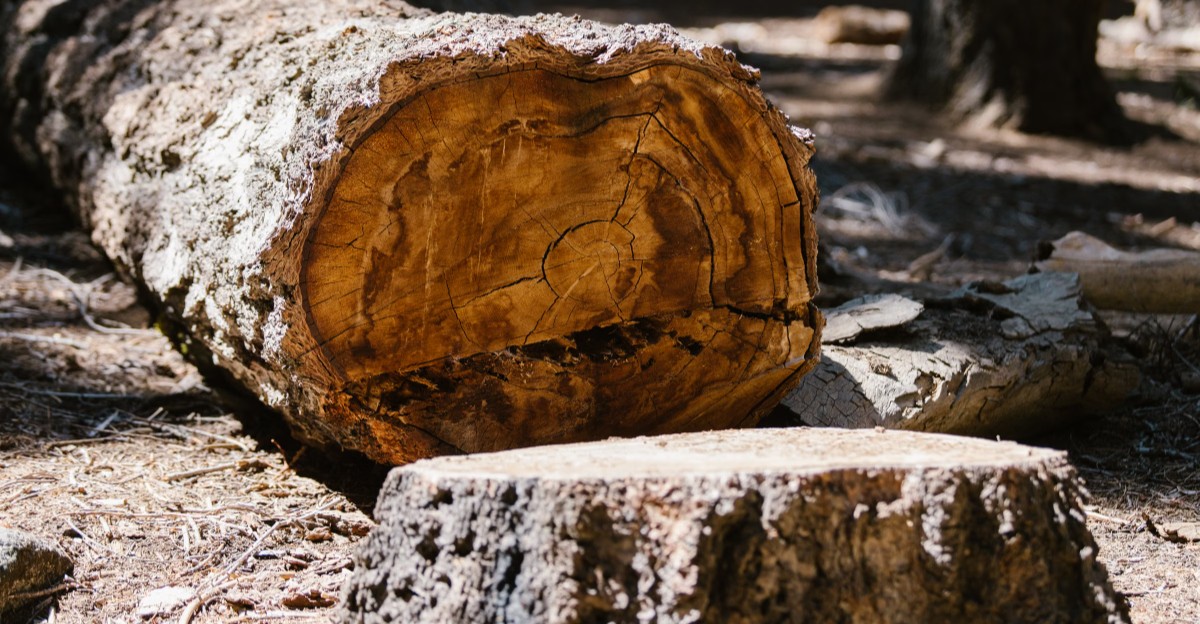
A single deliberate cut on a neighbor’s oak can cost you triple its value under Pennsylvania law. That rule sits right in the state code, and it surprised me more than any garden pest ever has.
Trees do not care about property lines, yet courts care very much about them. Trunks, branches, and roots each follow their own set of rules, and few homeowners ever learn them.
I used to grab my loppers whenever a stray limb shaded my tomatoes. After I read a few Pennsylvania court cases, I started measuring twice and talking to my neighbor first.
You probably have at least one tree near your fence that sparks a quiet debate. Some of the answers are clear, while others still sit in a legal gray zone. Which side of the line does your favorite shade tree actually stand on?
The Trunk Decides Who Owns That Maple
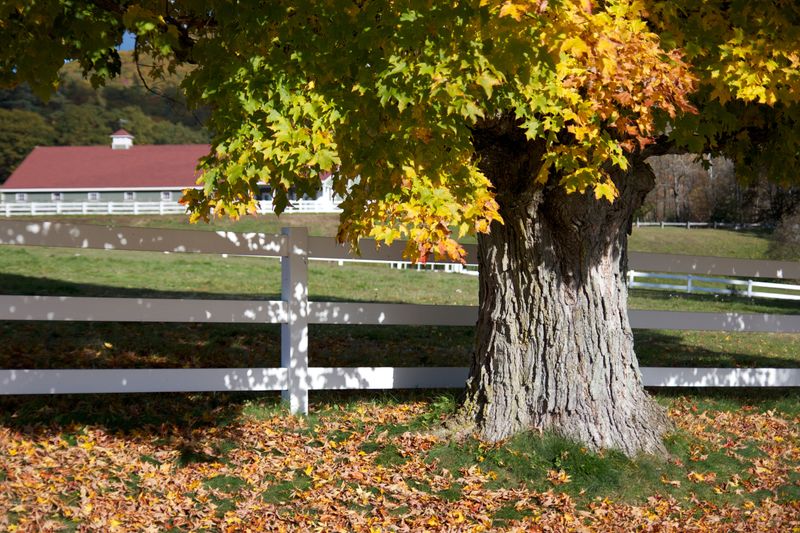
Ownership in Pennsylvania starts at the ground, right where the trunk rises out of the soil. If the trunk stands on your side of the line, the tree generally belongs to you alone.
That simple rule surprises folks who assume the branches or shade decide everything. A huge canopy over your yard does not make your neighbor’s tree yours, sadly for my shady vegetable bed.
When the trunk sits squarely on one property, that owner handles most decisions about care and removal. Still, local permits or homeowner association rules in Pennsylvania can add extra steps before any big job begins.
Old fences make tempting guides, but they often wander a few feet from the true boundary. I learned that the hard way when a survey moved my imagined line closer to my porch.
A licensed surveyor can mark your corners with pins and give you an accurate map. That small fee feels painless compared to a lawsuit over a tree you wrongly believed you owned.
You can also check your deed and county records before calling in any professional help. Many Pennsylvania counties post parcel maps online, though those maps are estimates rather than legal survey lines.
Once you know where the trunk truly sits, every other tree question becomes easier to answer. Think of it as the first chapter of your backyard story, written in bark and soil, right here in Pennsylvania.
Overhanging Oak Branches You May Trim
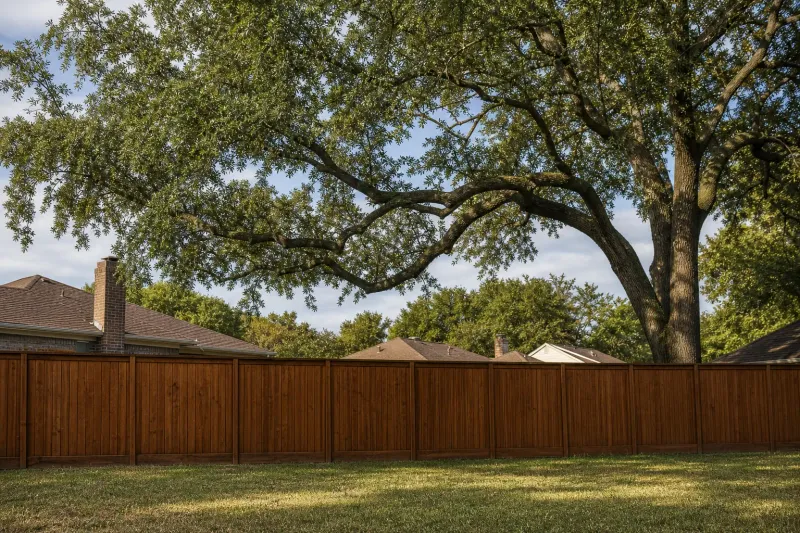
Sunlight stolen by a neighbor’s limb can turn sweet peppers into sulky little sticks. Courts here generally let you trim branches that hang over your yard, without asking permission first.
Lawyers call this a self-help remedy, and it treats overhanging limbs like a continuing trespass. You only get to cut back to your property line, though, and not one inch farther.
Stepping onto your neighbor’s lawn to reach a better angle crosses a real legal boundary. Leaning a ladder against their side of the fence counts too, so plan your access carefully.
Careful cuts matter just as much as location, because harming the whole tree can bring liability. Topping a healthy oak or stripping one side heavily may push it into a serious decline.
I like making clean cuts just outside the branch collar, the slightly swollen ring near the trunk. That method helps wounds seal over naturally and keeps the tree healthier for years.
Oaks need extra thought because oak wilt spreads more easily through fresh wounds in warm months. Penn State Extension suggests pruning oaks during the dormant season, roughly late fall through winter.
A quick chat before trimming often saves friendships and sometimes even earns you a helper. My neighbor once offered his pole saw, and we finished the work before the coffee cooled.
Sneaky Tree Roots Under Your Patio
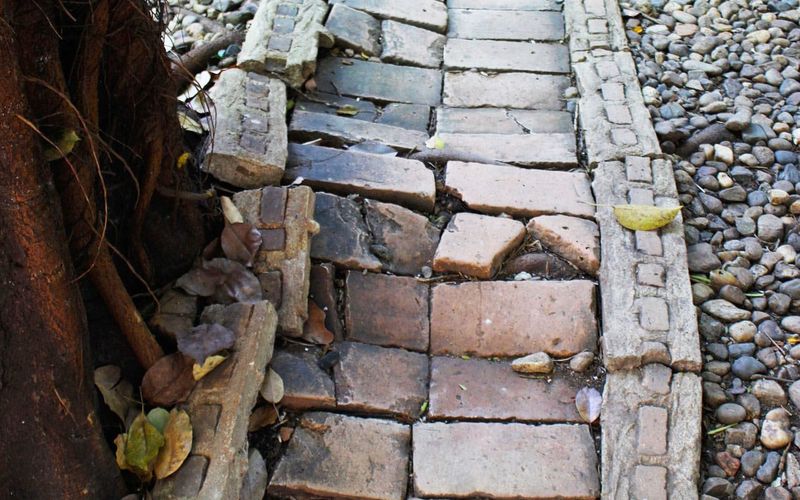
Underground, a busy tree can push roots far past its own branch tips in search of water. Those quiet travelers sometimes crack patios, nudge walkways, and crowd into older clay sewer pipes.
Encroaching roots are often treated much like overhanging branches under common law rules. You can usually cut them back at the boundary line when they cause trouble on your side.
Root cutting carries bigger risks than trimming twigs, because roots anchor and feed the whole tree. Slicing too many large roots near the trunk can leave a tree unstable during strong winds.
Any resulting harm could land the blame on you, especially if the tree later topples. I would rather pay an arborist for advice than gamble on a shovel and guesswork.
Certified arborists can find which roots are safe to cut and which are critical for stability. Many use air spades, tools that blow soil away gently without bruising the delicate root bark.
Root barriers offer another option once problem roots are trimmed back near the property line. These sturdy panels guide new growth downward, helping protect foundations and pipes for years afterward.
Before digging anywhere, call Pennsylvania One Call by dialing 811 several business days ahead. Hitting a gas or electric line would turn a simple root project into a frightening emergency.
A Fallen Tree After A Summer Storm
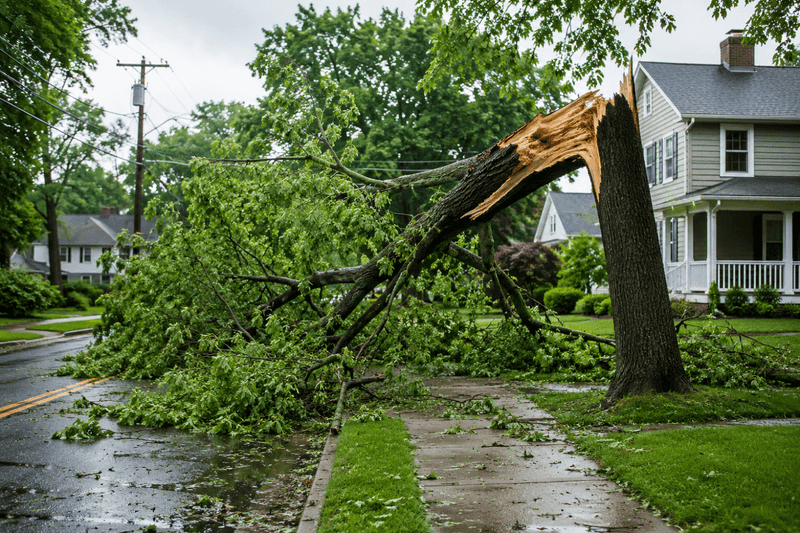
Thunder rolls, a gust roars, and suddenly your neighbor’s tulip poplar is resting on your shed. Who pays for that mess depends mostly on what the tree owner knew beforehand.
Healthy trees toppled by severe weather usually fall into the category insurers call an act of God. In those cases, each homeowner typically handles damage on their own property through their own insurance.
The picture shifts if the owner knew, or reasonably should have known, about a hazard. Obvious decay, large cracks, or a dangerous lean can create liability when the tree finally fails.
Courts use the terms actual notice and constructive notice to describe that kind of knowledge. Actual notice means someone told them, while constructive notice means the danger was easy to spot.
A polite letter describing your concerns creates a helpful record if trouble comes later. Many attorneys suggest sending it by certified mail, along with dated photographs of the problem.
An arborist’s written report adds even more weight, since it comes from a trained professional. I keep a copy of every report in a simple folder, right beside my seed catalogs.
After a fall, call your insurance company first before hauling away anything large. Photos of the scene, the broken trunk, and any rot can help sort out responsibility fairly.
A Freshly Cut Stump Can Cost Triple
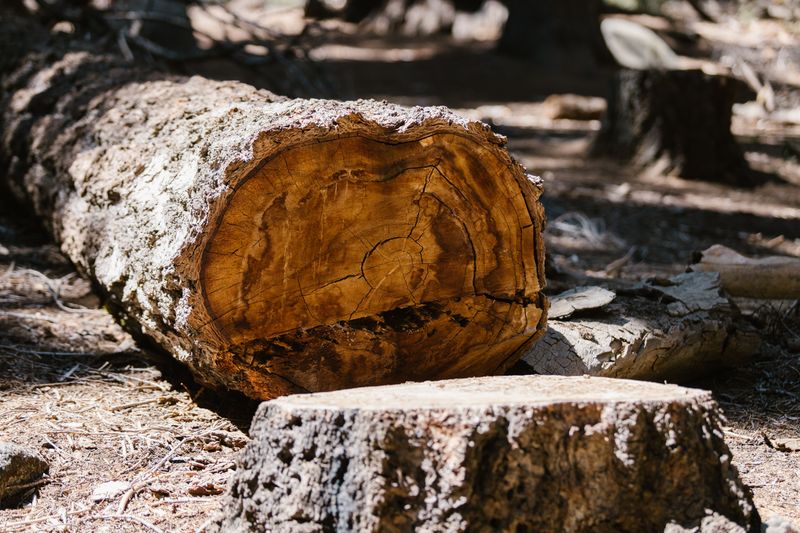
Chainsaws make fast work of a trunk, but the bill afterward can move much slower. Pennsylvania’s timber trespass statute, 42 Pa.
C.S. Section 8311, spells out serious penalties for wrongful cutting.
Deliberate cutting of someone else’s tree can bring damages of three times its market value. Negligent cutting, the careless kind, can still cost double that value under the same statute.
Even an honest mistake carries a price, though a smaller one than the other cases. Someone who reasonably believed the land was theirs may still owe the value plus related costs.
Those extra costs can include the usual and customary costs of establishing the timber’s value and of complying with erosion and sedimentation control rules. Suddenly that quick weekend project looks far more expensive than renting a stump grinder.
The statute covers the cutting of another person’s timber, and how it applies to ordinary yard trees may be a question for an attorney. Even a modest backyard tree can carry real cost, since damages are based on the market value of the standing timber, plus related costs.
I once watched a friend nearly remove a cherry tree that stood on her neighbor’s side. A last-minute survey saved her, and she baked that neighbor a pie as thanks.
Before any removal, confirm ownership and collect written permission from every possible owner. That signed note takes five minutes, while a courtroom dispute can stretch on for months.
A Shared Sycamore Straddling The Fence
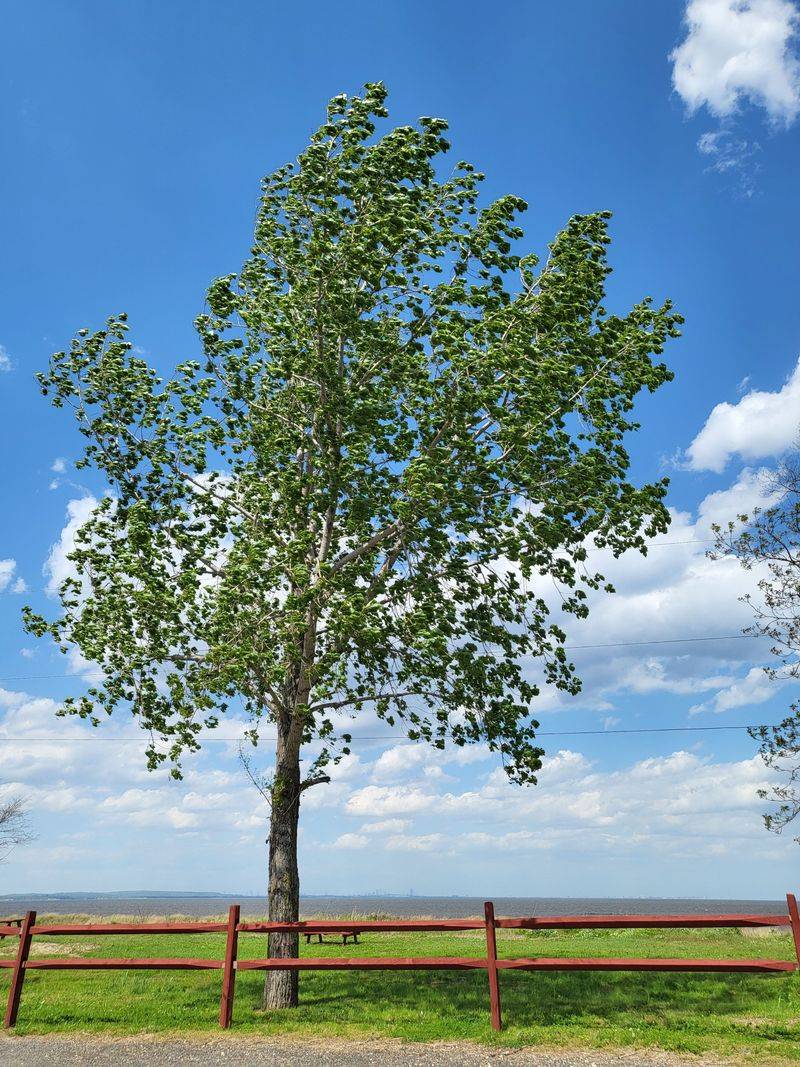
Some trees plant themselves right on the line, as if they cannot choose a favorite neighbor. A trunk that straddles the boundary is commonly called a boundary tree and treated as shared.
Under general common law, neither owner should remove or seriously harm it without the other’s consent. Pennsylvania appellate courts have said little directly on this, so caution remains your smartest tool.
Shared ownership usually means shared responsibility for care and costs over the years. Pruning, cabling, and eventual removal often work best when both households split expenses fairly.
My favorite solution is a short written agreement that both neighbors sign and keep. It can explain who hires the arborist, how bills get divided, and what happens with hazards.
Disagreements happen, especially when one family loves the shade and the other dislikes the leaves. Offering to cover a larger share of the removal cost sometimes softens a firm refusal.
Mediation services in many counties help neighbors settle disputes before anyone files a lawsuit. Those sessions cost far less than court, and they rarely leave lasting bad feelings behind.
Sycamores grow huge, so early conversations make sense long before branches threaten a roof. You will sleep better knowing your shared giant has a plan agreed upon by both sides.
Street Trees Along The Sidewalk Strip
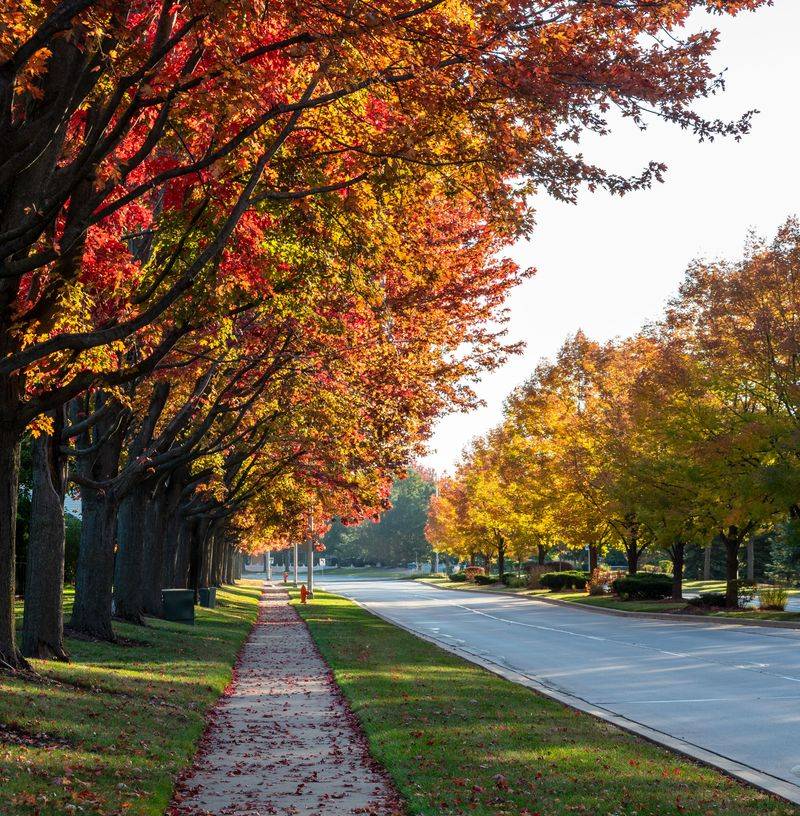
That leafy strip between your sidewalk and the street often follows its own special rulebook. Many boroughs and townships regulate these street trees through shade tree commissions or local ordinances.
State law allows municipalities to form these commissions and give them real authority. They may require permits before planting, pruning, or removing trees in the public right-of-way.
Some towns even charge abutting property owners for certain planting or removal costs. Rules differ widely from one municipality to the next, so your neighbor across town may follow different standards.
Sidewalk repairs bring another surprise for many homeowners living along tree-lined streets. Local ordinances commonly place sidewalk upkeep on the adjacent owner, even when roots caused the damage.
Utility companies also trim trees near power lines to keep electricity flowing safely. The Public Utility Commission oversees those practices, and you can contact your utility with vegetation concerns.
I called my township office before planting a new tree near the curb last year. They handed me an approved species list, and I chose a sturdy native serviceberry.
Native choices like serviceberry or redbud often fit under wires better than towering shade trees. Your local office can tell you which options suit your street, saving headaches down the road.
Two Neighbors Talking Over The Garden Fence

Friendly conversations have saved more trees than any pruning saw I have ever owned. A relaxed chat over the fence can prevent most boundary arguments before they even start.
Bring facts to that talk, like survey maps, photos, or a recent arborist report. Calm details help everyone focus on the tree itself instead of old frustrations or hurt feelings.
Written agreements turn handshakes into clear plans that both neighbors can revisit later. Note who pays, who hires the crew, and which branches or roots will be removed.
Dated photographs become valuable whenever a tree shows decay, cracks, or a growing lean. I snap pictures each season, which also helps me track changes I might otherwise miss.
Certified mail works well for formal notice about a hazardous tree near your home. That receipt proves your neighbor received the warning, which matters greatly if damage happens later.
Homeowners insurance policies differ, so read yours before trouble arrives at your doorstep. Ask your agent how tree damage, removal, and debris cleanup are handled under your coverage.
Laws can change, and local ordinances vary, so a real estate attorney offers reliable guidance for tricky cases. For everyday puzzles, though, kindness and a cup of coffee often work wonders.