Signs Voles Are Damaging Your California Lawn Before Winter
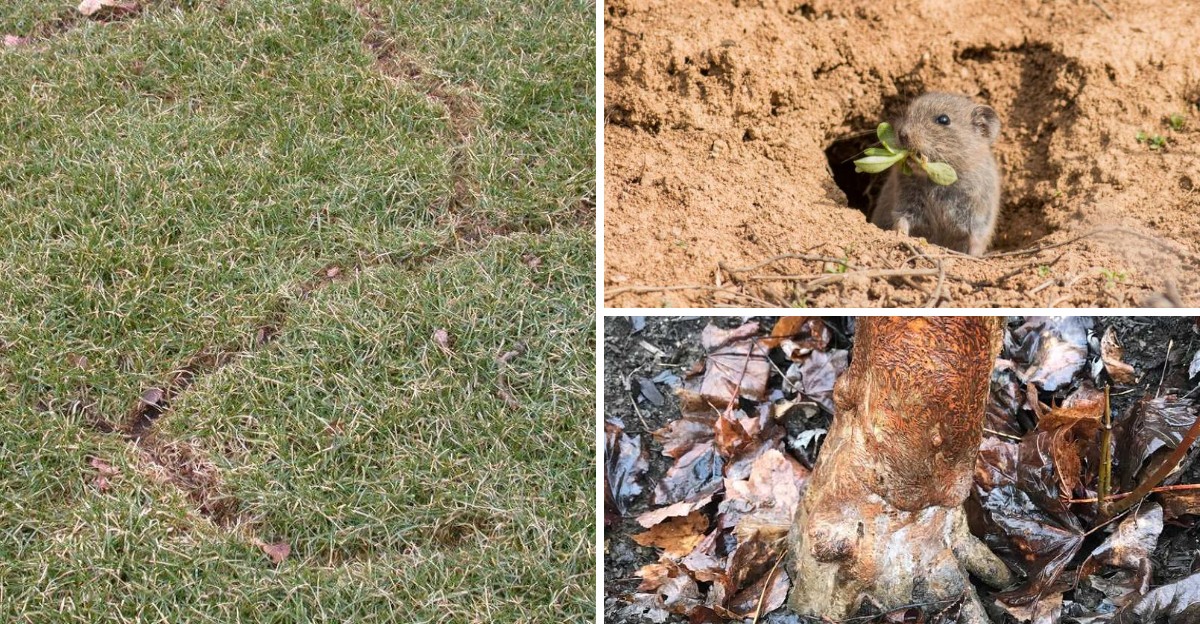
Thin, winding tracks of chewed grass can snake across a California lawn like tiny highways. Small round openings sit along their edges, oddly tidy, with no soil piled beside them.
Nearby, a young fruit tree may show a pale band close to the ground.
Each clue seems minor on its own.
Together, they point to a small, busy visitor that thrives this time of year, when fresh growth and fallen leaves offer both food and shelter.
Damage often grows quietly before winter rains settle in.
Spotting the pattern early can protect turf, young trees, and plenty of weekend effort. Most of the response involves simple yard habits and a little patience, with no poisons required.
1. Narrow Runways Crisscross The Turf
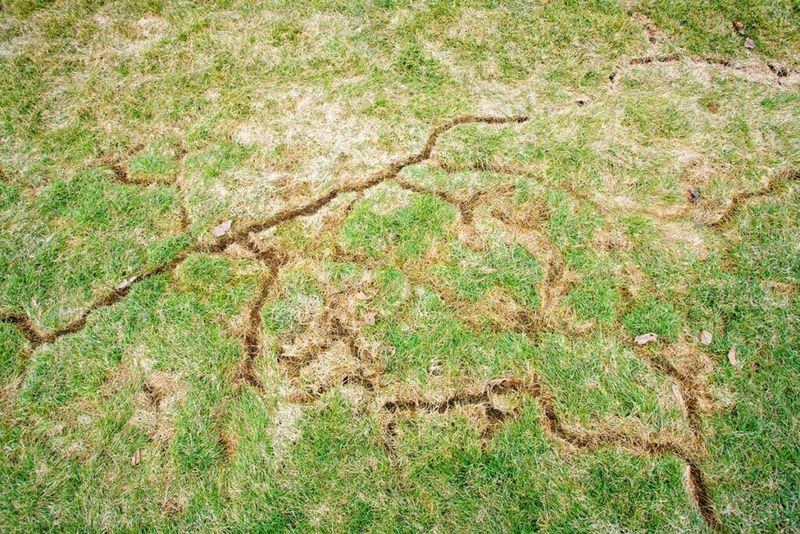
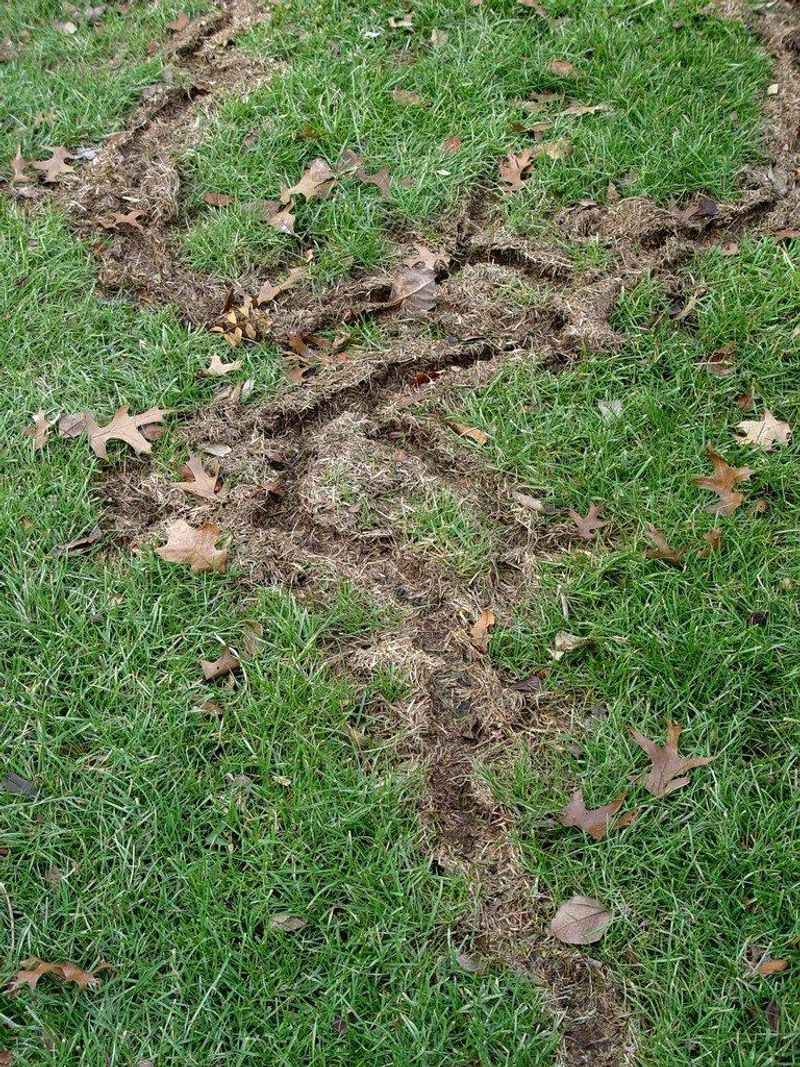
An early morning look across the lawn, eyes held low, often reveals skinny trails about one to two inches wide winding through the grass.
Some loop around shrubs, while others connect small holes like a tiny subway map.
Voles create these surface runways by traveling the same routes again and again. Their feet pack down the soil, and their teeth trim grass in the way.
Over time, the paths turn brown and bare. Unlike moles, voles travel mostly above ground, so their roads stay visible without digging.
Runways often hide under taller grass, ground covers, or leaf piles, and parting the blades by hand reveals them.
Fresh runways look clean and well used, with short clipped grass, while old ones may show new green shoots poking through the soil.
Small flags or sticks marking active trails make a useful first step. A recheck in a day or two shows whether grass along the path looks newly trimmed.
Freshly trimmed grass means voles still use the route.
A quick map in a phone or notebook, noting where runways start and end, adds valuable detail.
Many lead back to a weedy fence line, a woodpile, or a thick patch of ivy. Finding that home base guides which hiding spots to clear first.
In California, the most common culprit is the California vole, a native species found in grassy areas across much of the state.
2. Burrow Holes Have No Dirt Mounds
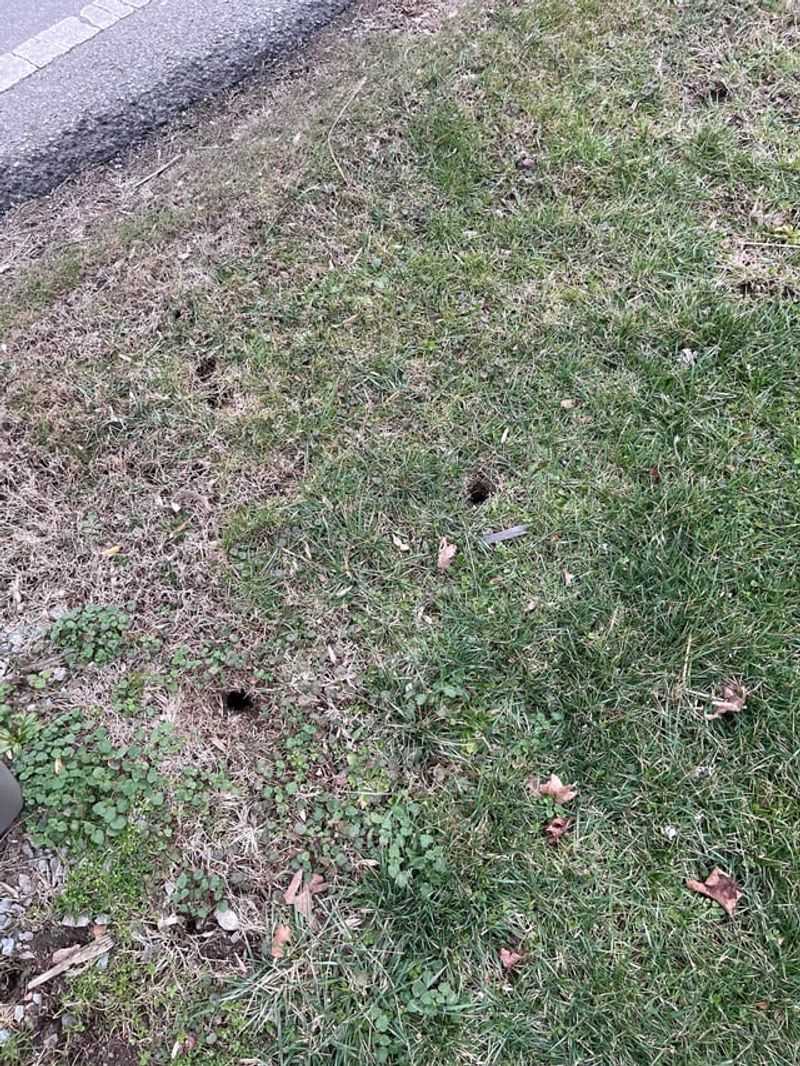
A clean little hole with no soil pile beside it offers a big hint. Vole burrow openings are round, about one to two inches across, and usually sit along a runway.
They resemble doorways off a hallway.
Gophers leave a very different calling card, pushing up fan-shaped or crescent-shaped mounds of loose dirt with plugged holes.
Moles raise volcano-shaped mounds and leave raised ridges where they tunnel just under the surface, and they mainly eat earthworms and grubs rather than plants.
Voles, by contrast, keep their holes open and tidy. Several openings often sit close together, linked by runways, with shallow, short burrows beneath.
Mixing these animals up is common and often leads to the wrong approach, especially in fall when all three stay active.
A simple test confirms activity. Open holes in one area, lightly covered with a bit of loose grass, reveal occupants when cleared by the next day.
Your California Garden Changes Every Week. Your Plan Should Too.
Gardening in California changes quickly throughout the season. Every Friday you’ll receive a simple weekly plan showing exactly what to plant, prune, fertilize, harvest, and protect so you never miss the right timing.
Correct identification shapes the entire plan. Gophers, moles, and voles each call for different strategies, and the wrong tools waste time and money.
Clear photos of holes, mounds, and runways help a licensed pest professional or the county Agricultural Commissioner’s office confirm the culprit quickly.
UC IPM Pest Notes on voles, gophers, and moles also include helpful comparison photos.
A few minutes of careful observation before buying anything saves considerable frustration later in the season.
3. Grass Looks Clipped Along The Paths
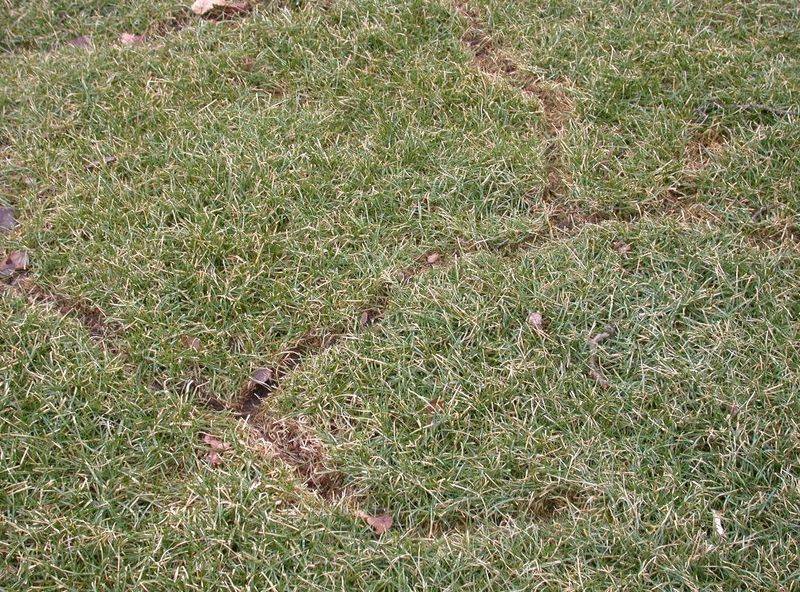
Grass that looks as if someone trimmed it with tiny scissors often lines vole runways. The blades are snipped short and neat, with sharp cut ends rather than torn tips.
Voles are grazers at heart. They nibble grass stems and leaves as they move, keeping highways clear and bellies full.
A single vole eats a surprising amount of plant material each day, and a family or two in a yard adds up quickly.
Clipping usually follows runway edges in a narrow band, while the rest of the lawn may look fine at first.
Over a few weeks, though, those trimmed strips can turn into brown, patchy streaks, and fall regrowth can hide damage until it spreads.
A phone camera on zoom offers a closer look. Fresh cuts look green and moist at the tips, while older cuts turn yellow or tan.
Fresh clipping signals a current problem rather than last season’s damage.
Clipped areas recover best with steady water and light feeding, helping roots bounce back once voles leave.
Reseeding works best after nearby cover has been removed and activity has dropped. Otherwise, new seedlings simply become a fresh salad bar for hungry visitors.
Fall remains a good overseeding season for cool-season lawns, so timing the work after cleanup gives grass a strong start before winter.
Patience here pays off with thicker turf by spring.
4. Bark Gnawing Rings Young Trees
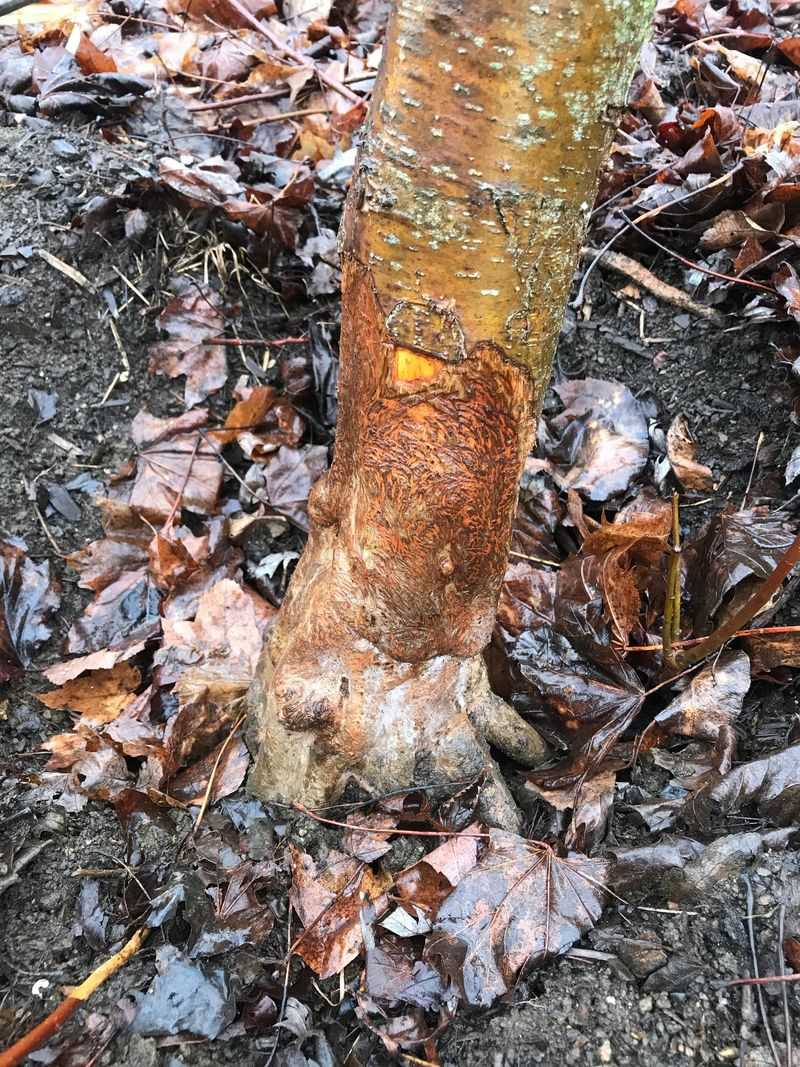
Mulch pulled back around a young tree can reveal an unwelcome surprise.
A band of bark near the soil line has been chewed away, leaving fine tooth marks across the wood.
Voles gnaw bark and roots, especially in fall and winter when tender green food runs low. They often work at or just below the soil surface, hidden under mulch or weeds.
Fruit trees, young landscape trees, and shrubs make common targets, and damage can stay hidden until the tree starts to struggle.
A full ring causes serious harm. Bark carries water and nutrients between roots and leaves, and chewing all the way around the trunk, called girdling, interrupts that flow.
A girdled young tree often struggles to recover, even if it looks fine for a while.
Trunk checks now, before winter, make sense. Gently scraping away mulch and soil an inch or two around the base reveals pale, exposed wood and tiny tooth marks.
Partial damage can still heal with prompt action.
Mulch works best pulled several inches away from trunks, with a weed-free and grass-free circle around each young tree.
A wire guard adds the final layer of protection, covered in detail further below.
A few minutes of prevention costs far less than replacing a favorite tree. A certified arborist can assess serious damage on valuable trees.
Fall planting of new trees benefits from guards installed at planting time.
5. Droppings And Clippings Collect In Runways
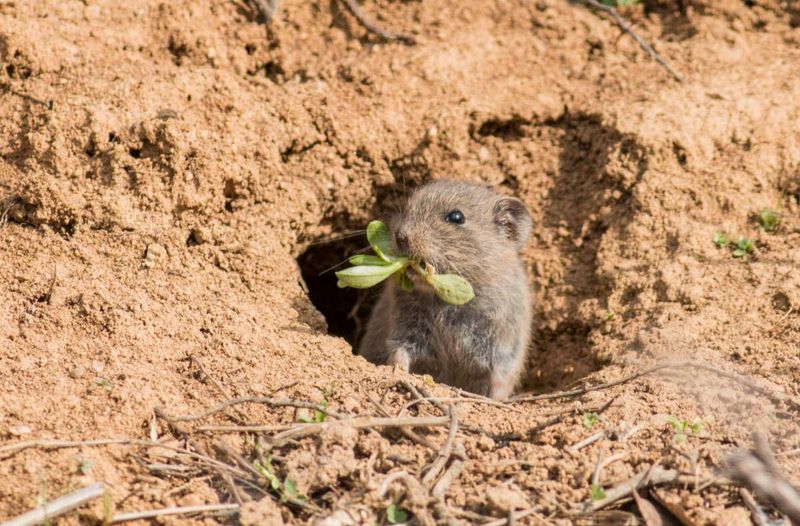
Tiny brown pellets and little piles of cut grass might not look like much, yet they rank among the surest signs that voles are using a path.
They work like crumbs left behind after a busy dinner party.
Vole droppings are small, dark, and shaped like grains of rice, often scattered along runways or near burrow openings.
Fresh ones look shiny and dark green to brown, while older droppings fade to dull gray or tan.
Short bits of grass also appear. Voles snip stems into pieces about an inch long, and some get dropped along the trail or heaped where they stop to feed.
Gophers and moles rarely leave this kind of tidy surface litter.
Gloves make sense during inspection, since rodent droppings can carry germs. A stick or small tool works for checking, followed by thorough hand washing.
Children and pets do best kept away from heavy activity zones during the work.
Fresh droppings and clippings help rank runways by activity, showing which trails are busiest.
That ranking guides cleanup priorities and helps a licensed pest professional focus efforts where they matter most.
Old debris raked away, then a recheck a few days later, shows whether activity continues. New pellets mean the job isn’t finished yet.
Weekly checks through fall and early winter track progress clearly and reveal any new hot spots.
6. Tall Grass And Mulch Give Them Cover
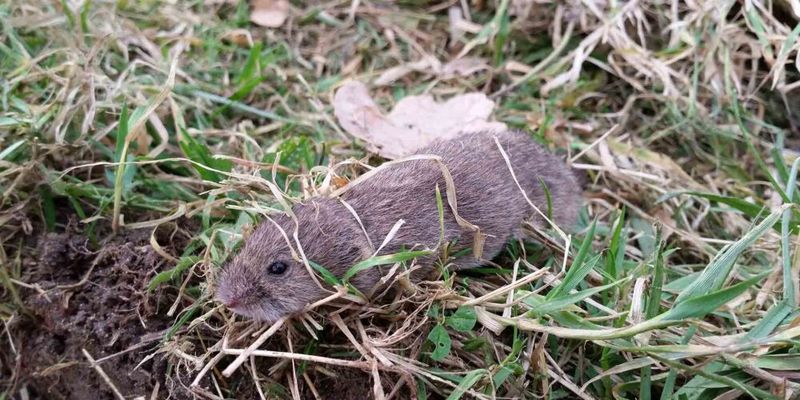
Thick grass, deep mulch, weedy borders, and a messy woodpile add up to a vole’s dream home. Heavy cover lets them eat, travel, and raise young while staying hidden.
Hawks, owls, snakes, coyotes, and cats all hunt voles, and out in the open, these little rodents make easy targets.
Dense plants and ground litter act like a roof overhead, so more cover means safer, more crowded voles.
Common hiding spots in California yards include ivy, thick ground covers, unmowed slopes, and tall weeds along fences. Deep layers of wood chips or straw count too.
Piles of boards, rocks, or garden supplies can shelter whole families, and voles breed quickly enough to fill a cozy yard within one season.
A walk around the property reveals these hideouts. Trimming weeds and tall grass near lawns and young trees reduces cover right away.
Thinning or removing dense ground covers in trouble spots helps, along with moving stacked materials away from turf or lifting them off the ground.
Mulch works best kept thin, about an inch or two, and well away from trunks. Within five feet of the house, Zone 0 rules exclude bark mulch anyway.
A bare or short strip between wild areas and the lawn makes voles hesitate before crossing.
Less cover means more nervous voles, and nervous voles tend to move along or get spotted by local predators.
7. Damage Builds As Cover Thickens In Fall
Fall in California brings cooler days, first rains, and a fresh surge of green. Lawns and weeds start growing again, and leaves pile up under trees.
For voles, the timing couldn’t be better.
New growth and fallen leaves create thick, soft cover almost overnight, offering safe places to roam and plenty of fresh food.
UC IPM notes that vole numbers can rise sharply, and populations sometimes boom in cycles every few years. Damage that looked minor in summer may spread fast.
Many households slow yard work in autumn, which makes things worse. Mowing happens less often, leaves sit for weeks, and weedy edges wait until spring.
Meanwhile, voles quietly expand their runways under all that cover, often unnoticed.
A short weekly walk keeps ahead of them. New runways, fresh holes, and clipped grass deserve notice, along with trunk checks on young trees every couple of weeks.
Notes on new hot spots show whether conditions are improving week by week.
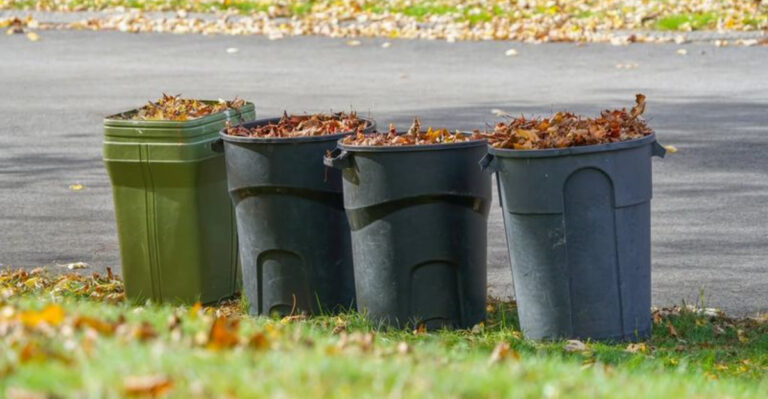
Regular raking prevents leaf buildup, and mowing on schedule continues even as growth slows, keeping grass short near borders.
Clearing weeds along fences before winter rains soften the soil makes the job easier. Raked leaves belong away from the house in fire-prone areas.
Fall offers the best season to get ahead of voles, and a little effort now prevents a lawn full of trails by spring.
8. Mow Short And Guard Trunks With Hardware Cloth
Reclaiming the lawn starts with the mower. Short grass, especially near runways, borders, and young trees, exposes voles to predators and makes the yard far less inviting.
Clearing clutter comes next. Raking leaves, pulling weeds, trimming ground covers, and moving woodpiles or boards away from the lawn all shrink living space.
Combined with mowing, cleanup often reduces vole activity considerably.
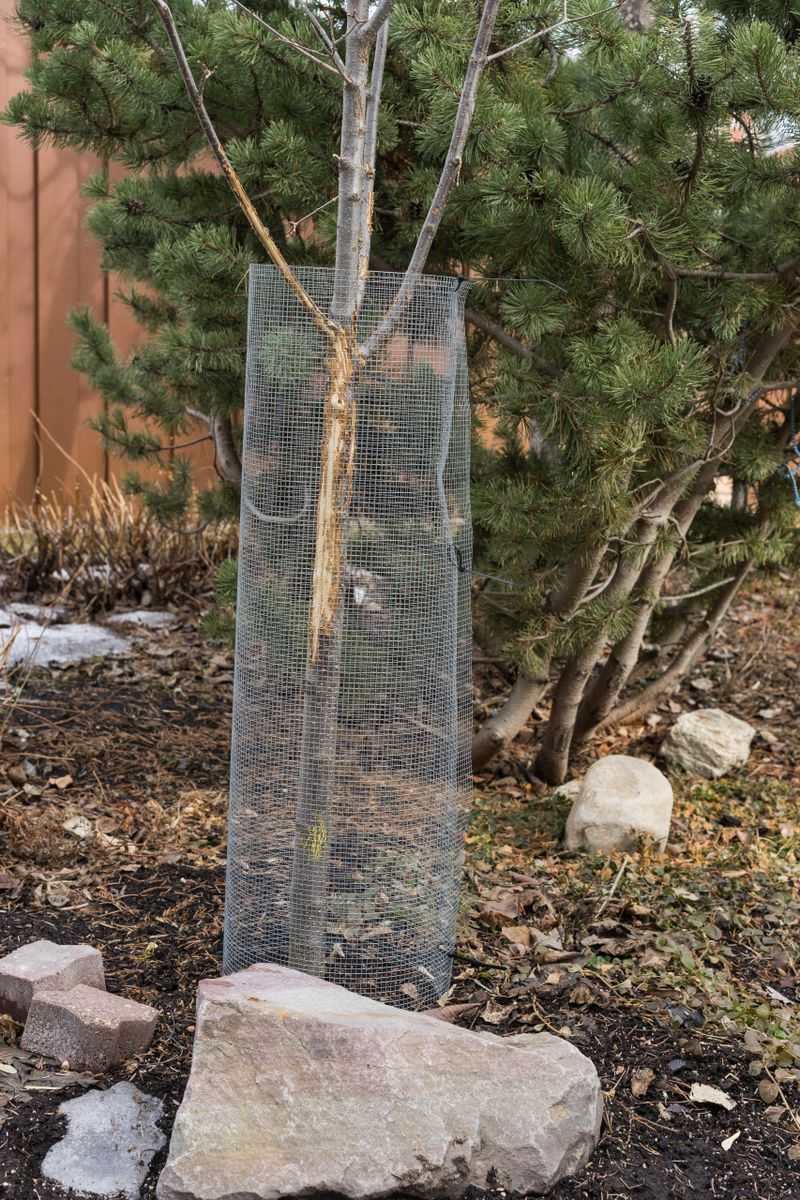
Young trees benefit from hardware cloth cylinders. UC IPM suggests mesh with openings of one-quarter inch or smaller, at least 12 inches tall, buried about 6 inches deep.
Space between the wire and trunk allows the tree to grow, and guards deserve checks each season for gaps, rust, or damage.
Persistent or heavy infestations call for a licensed pest professional or guidance from the county Agricultural Commissioner’s office.
These experts can recommend safe, effective management suited to the yard and local conditions.
Poison baits are best avoided. Rodenticides can harm pets, owls, hawks, and other wildlife that eat affected rodents, and California restricts many of these products.
Barn owls and other raptors provide natural help, and open, short grass makes their hunting easier, especially at dusk.
With short grass, clean edges, sturdy trunk guards, and steady attention, a lawn can head into winter in good shape and green up nicely by spring.
Fall cleanup now pays off for months to come, protecting both turf and young trees.