The Emergency Mulching Trick Saving California Gardens Right Now
California July heat has a very special talent for turning perfectly healthy garden soil into something that resembles dry concrete in what feels like about forty-eight hours.
Bare vegetable beds, ornamental borders baking in full sun, containers sitting in direct afternoon heat, raised beds with thin coverage, all of them are losing moisture faster than most gardeners realize right now.
And here is the thing: grabbing a bag of mulch and tossing it on top of whatever is already out there is not quite the fix it seems like. The approach that actually works is a little more specific than that, and the order of operations genuinely matters.
Water deeply first, then layer organic mulch on top of damp soil. That sequence slows evaporation, shields roots, and keeps soil temperatures from spiking during the most brutal part of the day.
1. Water Deeply Before Mulching
Pulling back a layer of dry mulch to find bone-dry soil underneath is one of the most discouraging discoveries a California gardener can make in July. Mulch is a powerful tool for holding moisture in, but it cannot create moisture that was never there.
Applying mulch on top of already-dry soil traps dryness rather than helping the garden recover.
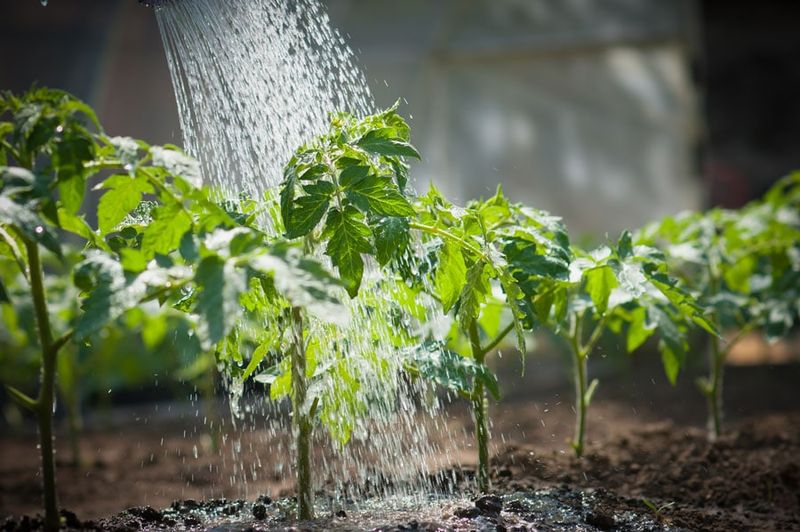
Before spreading any mulch, water the soil slowly and thoroughly so moisture reaches deeper root zones. A slow, steady soak for 20 to 30 minutes works better than a quick splash.
Sandy soils drain faster and may need shorter but more frequent watering sessions, while clay-heavy inland soils hold water longer and benefit from deep, less frequent soaking.
Checking soil moisture before mulching is simple. Push a finger two to three inches into the ground.
If it feels dry at that depth, keep watering before adding any mulch layer. For vegetable gardens and raised beds especially, damp soil at the root level gives the mulch something meaningful to work with.
Once the soil feels evenly moist several inches down, apply mulch right away. Waiting too long after watering allows the surface to dry again, especially during hot California afternoons.
Getting the timing right between watering and mulching is the step that separates a truly effective mulch job from one that barely helps the garden at all.
2. Cover Bare Soil Before July Heat Builds
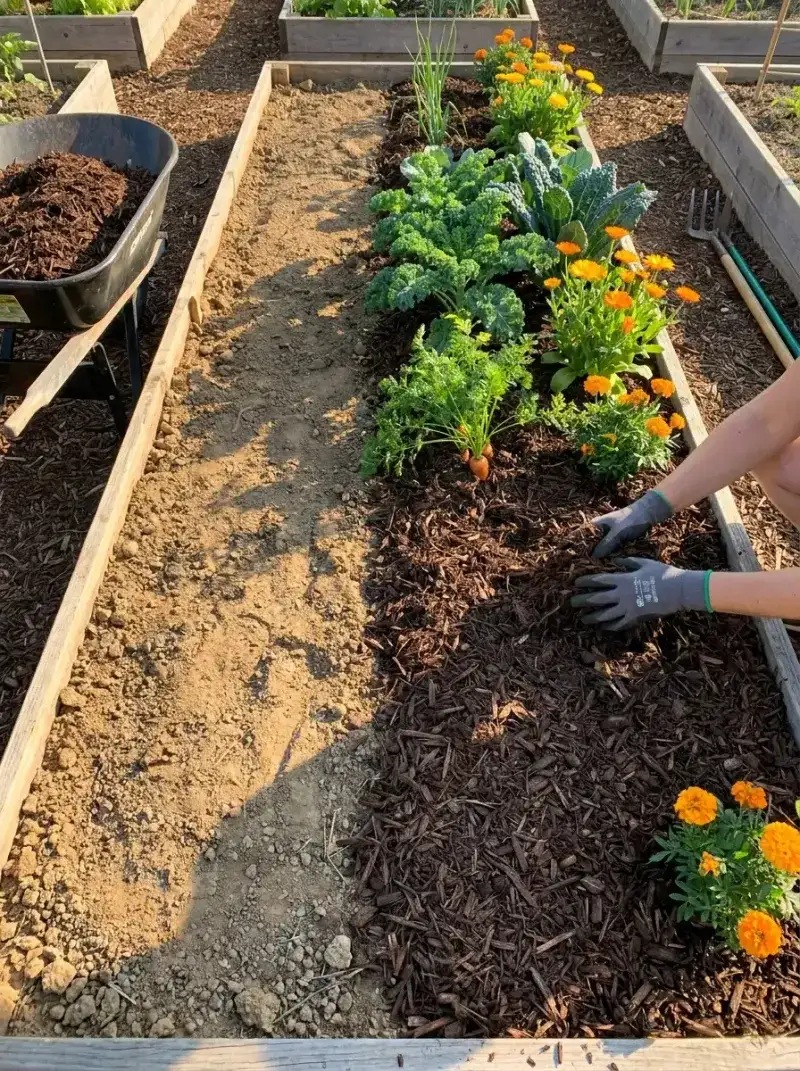
Bare soil in a California garden during July acts almost like a skillet left on a hot burner. Without any protective covering, soil surface temperatures can climb well above air temperature, stressing roots and pushing moisture out of the ground at a rapid pace.
Exposed beds lose water much faster than beds that are properly covered.
Organic mulch spread across bare soil creates a buffer between the sun and the ground below. That buffer helps moderate soil temperature during the hottest part of the afternoon, giving roots a cooler and more stable environment to grow in.
Ornamental beds, vegetable rows, and the ground around fruit trees all benefit from this kind of coverage.
Covering bare soil early in the morning, before heat builds, is generally more effective than waiting until afternoon. Once soil has already heated up significantly, it takes longer for a mulch layer to bring temperatures back down.
Your California Garden Changes Every Week. Your Plan Should Too.
Gardening in California changes quickly throughout the season. Every Friday you’ll receive a simple weekly plan showing exactly what to plant, prune, fertilize, harvest, and protect so you never miss the right timing.
Getting ahead of the heat is always more practical than trying to recover from it.
Even a thin layer of mulch offers some protection, though a proper two to three inch depth works considerably better for moisture retention. Gardeners in warmer inland California areas often find that bare soil between plants dries out within hours on a hot July day.
Keeping as much ground covered as possible through the summer months is one of the most straightforward ways to protect a home garden from seasonal heat stress.
3. Use Two To Three Inches Of Organic Mulch
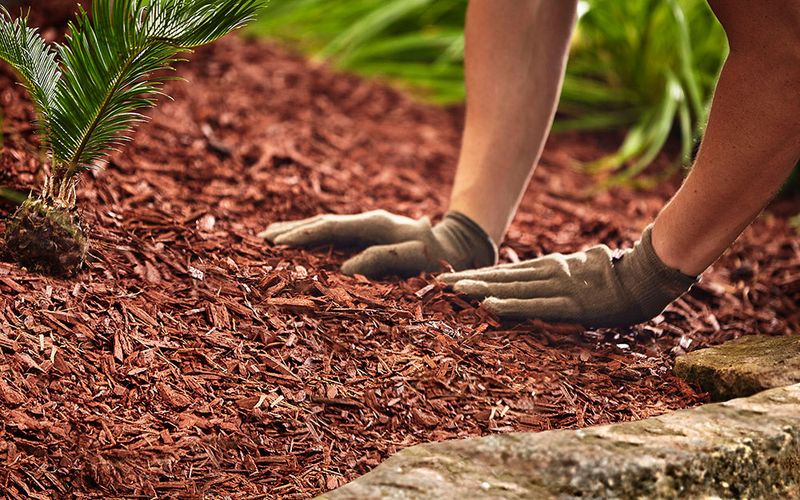
Depth matters more than most gardeners realize when it comes to mulching during California summers. A thin scattering of mulch may look tidy, but it dries out quickly and does little to slow evaporation or buffer soil temperature.
A proper layer of two to three inches provides meaningful insulation and moisture retention through even the hottest July afternoons.
Organic mulch options like wood chips, shredded bark, straw, or composted wood material each work well for home gardens. Wood chips tend to break down slowly and work nicely around fruit trees and ornamental shrubs.
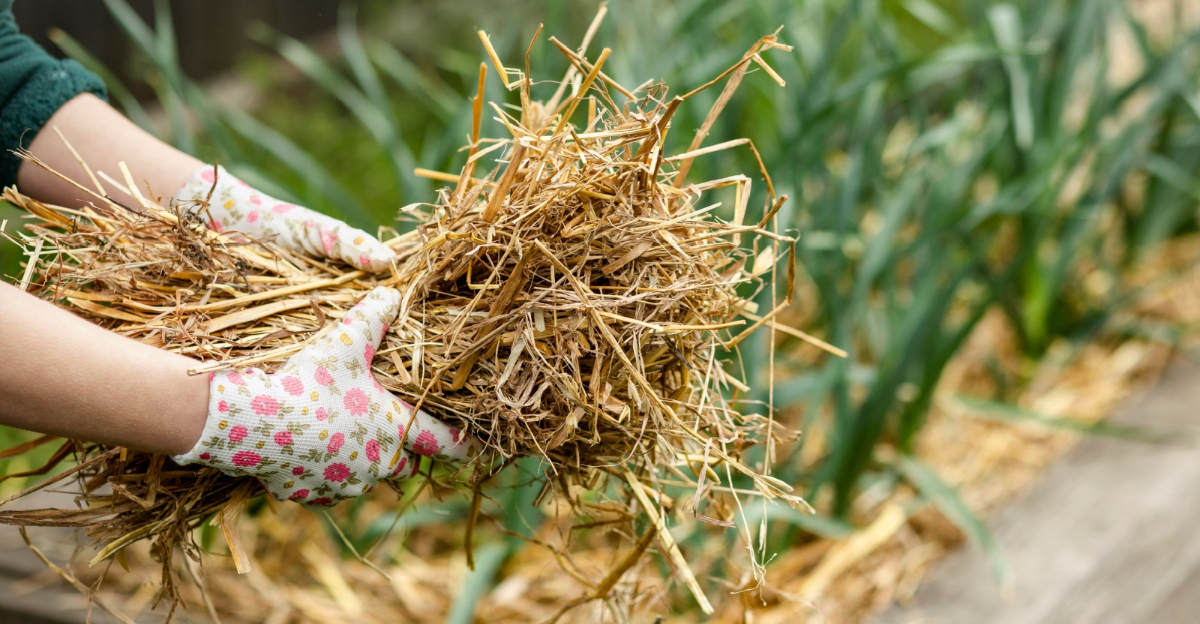
Straw is a popular choice for vegetable beds because it is lightweight, easy to move when harvesting, and breaks down into soil-improving organic matter over time.
Applying too much mulch, beyond four inches or so, can sometimes cause issues with water penetration and air circulation around plant bases. More mulch is not always better.
Staying within that two to three inch range gives most California home gardens a solid balance between protection and healthy soil conditions.
Freshly applied organic mulch also tends to look more attractive in the garden, which is a small but satisfying bonus. As the season progresses, mulch naturally settles and compacts slightly.
Checking the depth midseason and topping off areas that have thinned out keeps the protective layer working consistently from July through the rest of the dry California summer.
4. Keep Mulch Away From Stems And Trunks
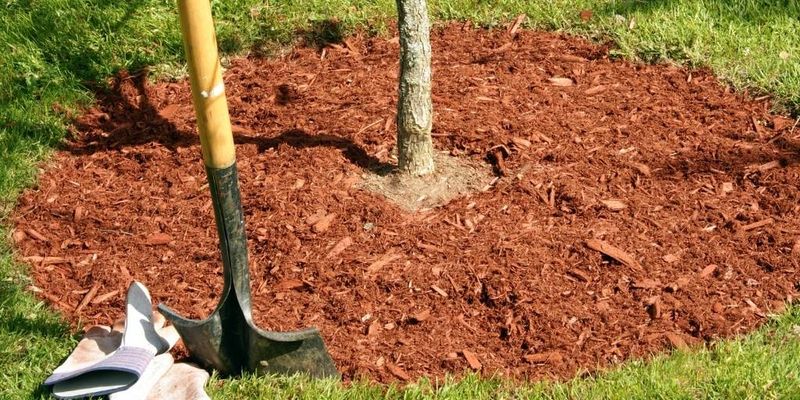
One of the most common mulching mistakes seen in California home gardens is piling mulch directly against plant stems, tree trunks, and the crowns of perennials.
It feels intuitive to cover as much ground as possible, but leaving the base of each plant open is genuinely important for long-term plant health.
Moist mulch sitting against bark or tender stems can encourage rot, fungal issues, and pest activity around the plant base.
For trees and shrubs, pulling mulch back at least two to three inches from the trunk creates a small gap that allows air circulation and keeps the bark from staying consistently damp.
This is especially relevant for young fruit trees in California backyards, which are still establishing their root systems and are more sensitive to crown stress during summer months.
Vegetable plants and annual flowers also benefit from a small clear zone around their stems. Tomatoes, peppers, squash, and similar warm-season vegetables can develop crown issues when mulch is packed tightly around their bases.
Keeping a few inches of clear soil visible around each stem gives the plant room to breathe.
Checking mulch placement after watering is a helpful habit. Water movement can sometimes shift mulch toward plant bases, especially in raised beds or sloped areas.
A quick visual check and a gentle adjustment with a hand rake keeps the mulch where it helps most and away from where it could cause problems throughout the summer garden season.
5. Refresh Thin Mulch Around Thirsty Plants
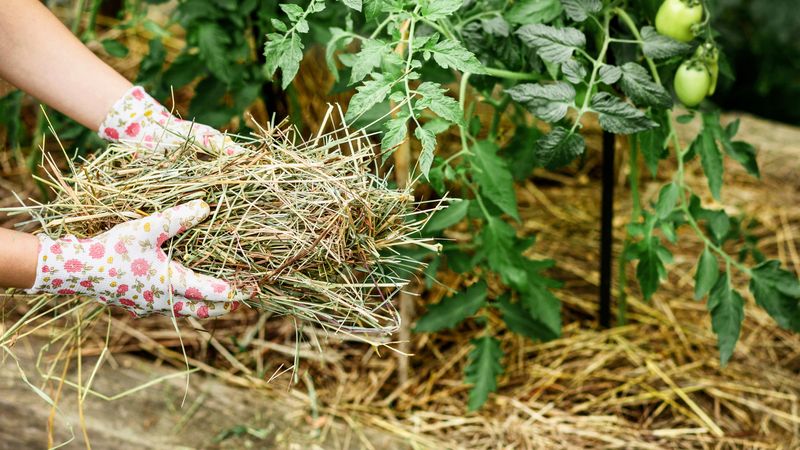
Tomatoes drooping slightly by early afternoon, container herbs wilting between waterings, and pepper plants with pale, stressed-looking leaves are all signs that the mulch layer around them may have thinned out too much to do its job.
Mulch breaks down gradually over a season, and what started as a solid two to three inch layer in spring can shrink to almost nothing by mid-July.
Refreshing thin mulch is a quick and rewarding task that pays off almost immediately in California summer gardens.
Adding a fresh inch or two of organic material around thirsty plants gives roots renewed protection from surface heat and slows down the rapid moisture loss that warm afternoons cause.
Straw works especially well around vegetable plants because it is easy to tuck in between closely spaced crops without disturbing roots.
Containers and raised beds tend to need mulch refreshing more often than in-ground beds. Because they have smaller soil volumes and often dry out faster, the mulch layer above them works harder and depletes more quickly.
A light topping of fresh mulch every few weeks during the hottest stretch of summer keeps these areas performing well.
Focusing refresh efforts on the most water-demanding plants first makes good use of limited time and materials.
Tomatoes, cucumbers, basil, and squash all appreciate consistent soil moisture and respond noticeably when their mulch layer is kept in good shape throughout the California summer growing season.
6. Protect Vegetable Beds From Fast Evaporation
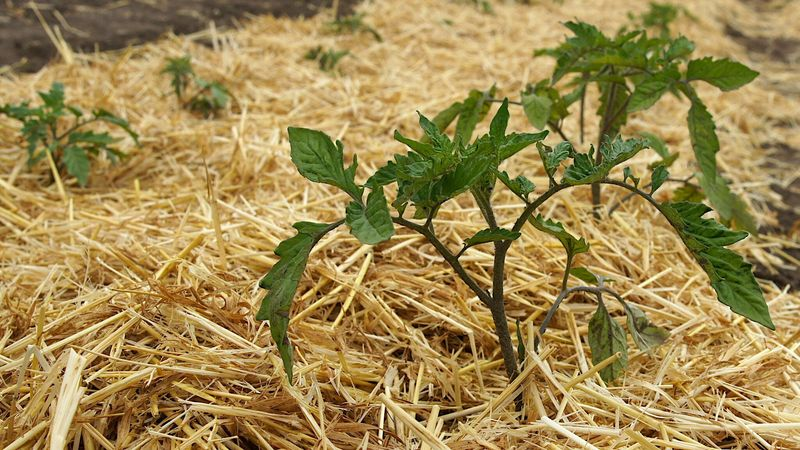
Vegetable gardens in California face some of the most demanding summer conditions of any home garden space.
Crops like tomatoes, squash, beans, and cucumbers are actively producing fruit during July while also trying to maintain enough moisture to support leaf function, root activity, and overall growth.
Fast evaporation from unmulched soil makes this balancing act considerably harder for the plants.
Straw mulch tucked between vegetable rows is one of the most practical and affordable ways to slow down surface moisture loss in a home vegetable garden.
It shades the soil between plants, reduces the heating effect of direct sunlight on bare ground, and helps keep the root zone cooler during the hottest afternoon hours.
Many California vegetable gardeners report needing to water noticeably less often once a proper straw layer is in place.
Timing mulch application around irrigation schedules helps maximize its effect. Spreading fresh straw or wood chip mulch right after a deep watering session locks in that soil moisture before evaporation has a chance to pull it back out.
Watering in the early morning and mulching immediately after is a routine that works well in warm California inland areas.
Raised vegetable beds, which tend to drain faster and warm up more quickly than in-ground beds, benefit from slightly thicker mulch coverage.
Keeping a consistent three-inch layer in raised beds through the summer can meaningfully reduce how often those beds need irrigation during the driest and hottest weeks of the California growing season.
7. Check Soil Moisture Under The Mulch
Mulch does a good job of hiding what is happening in the soil below it, which can sometimes give a false sense of security during California summers.
The surface of a mulched bed can look and feel dry on top while the soil underneath is still holding adequate moisture.
On the other hand, mulched soil can also dry out without obvious surface signs if the mulch layer has thinned or if heat has been particularly intense.
Checking soil moisture under the mulch is a simple habit that removes the guesswork from summer irrigation decisions. Pulling back the mulch slightly and pressing a finger two to three inches into the soil gives a reliable reading of actual soil conditions.
Soil that feels cool and slightly damp at that depth is in good shape. Soil that feels warm and dry at two inches needs water soon.
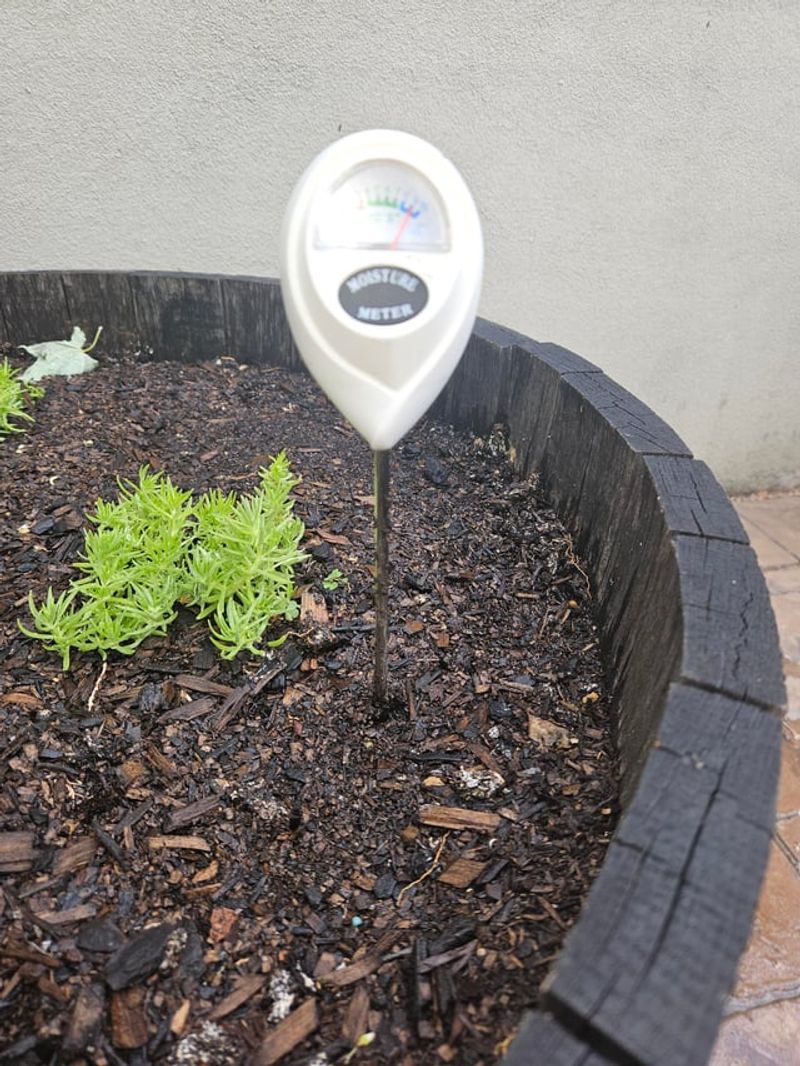
For gardeners who prefer a more precise approach, an inexpensive soil moisture meter can be pressed through the mulch layer directly into the soil. These tools are widely available and give a quick numerical reading without disturbing the mulch surface.
They can be especially helpful for containers and raised beds where soil volumes are smaller and moisture levels change more quickly.
Checking moisture levels two to three times per week during the hottest stretch of California summer keeps irrigation decisions grounded in actual soil conditions rather than assumptions.
Plants that receive water based on real need rather than a fixed schedule tend to handle summer stress more comfortably throughout the season.
8. Avoid Rock Mulch Near Heat-Stressed Plants
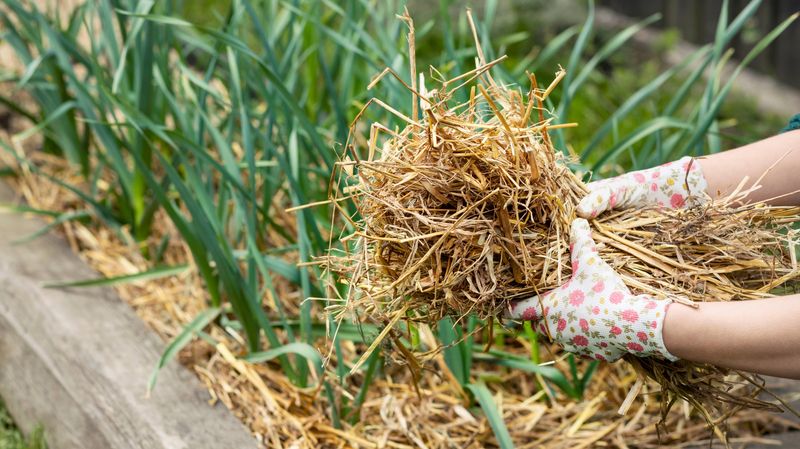
Decorative gravel and rock mulch show up in many California front yards and ornamental gardens because they look tidy, last for years, and require very little maintenance.
For certain drought-adapted plants in the right conditions, rock mulch can be a reasonable choice.
Around heat-stressed plants in the middle of a California summer, though, rock and gravel materials can create a challenging environment that makes things harder rather than easier.
Rocks absorb heat during the day and release it back into the surrounding air and soil during the evening hours.
In warm inland California areas, where summer nights stay relatively warm, this heat-storing effect can keep soil temperatures elevated even after the sun goes down.
Plants that are already dealing with high daytime temperatures get less nighttime recovery when rock mulch surrounds their root zones.
Organic mulch materials like wood chips and shredded bark behave very differently. Rather than storing heat, they help insulate the soil from it, keeping root zones cooler during the day and allowing soil to release heat more naturally at night.
For vegetable gardens, fruit trees, ornamental perennials, and container plants dealing with summer stress, organic mulch is generally the more supportive choice.
Switching from rock to organic mulch in stressed garden areas does not need to happen all at once.
Removing rock from around the most vulnerable plants first and replacing it with a layer of wood chips or shredded bark can give those plants meaningful relief during the hottest weeks of the California summer season.