Why New York Gardeners Are Embracing The Wild Yard Trend
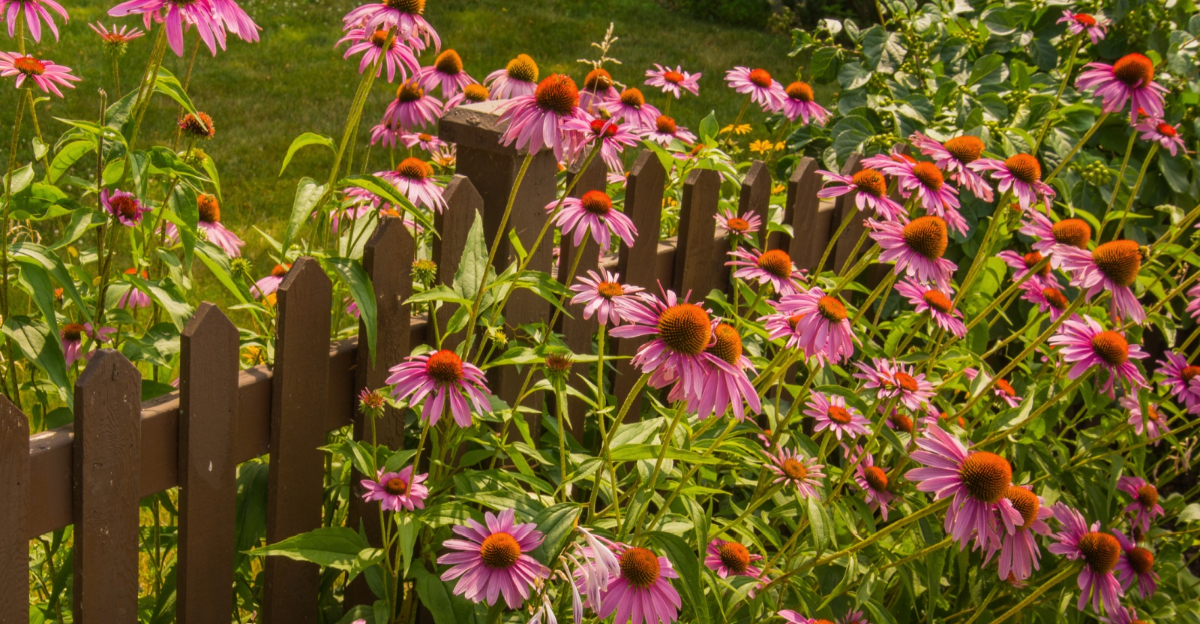
You step into a backyard and hear crickets instead of lawnmowers. Purple coneflowers spill over brick borders.
Bees drift through tall grasses. A rabbit slips beneath a patch of native plants. At first, the yard looks different. Then you realize it feels alive.
Across New York, more homeowners are experimenting with natural landscaping. Perfectly trimmed lawns are making room for native plants, taller grasses, and wildlife friendly gardens.
Interest in these lower maintenance spaces continues to grow. The shift is easy to spot. It is beautiful. It is surprisingly practical. Who knew a little spontaneity could make a yard feel so inviting?
From compact city gardens to sprawling rural properties, New York residents are exploring a more natural approach to outdoor spaces.
These yards can support pollinators. They can attract birds. They can create habitats for local wildlife.
What begins as a few free growing plants often develops into a more diverse landscape. The grass is not always greener on the other side. Sometimes it is taller, softer, and full of surprises.
Supporting Pollinators Like Bees, Butterflies, And Birds
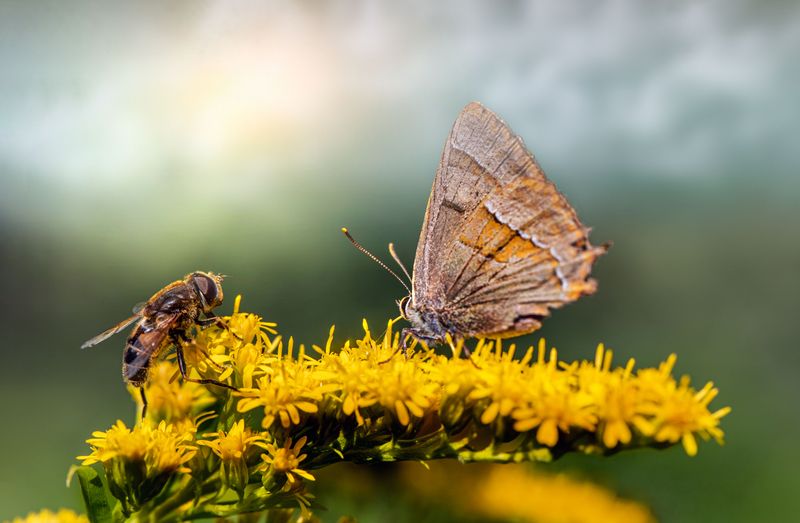
Bees are disappearing at an alarming rate across the country. Wild yards give them a fighting chance by offering food, shelter, and safe landing spots.
Native plants like milkweed, black-eyed Susans, and goldenrod are pollinator magnets. Butterflies flock to them almost immediately after planting.
Birds benefit too, especially species that eat insects or berries from native shrubs. A wild yard becomes a living buffet for local wildlife.
Gardeners in Queens and Brooklyn have spotted monarch butterflies in curbside rain gardens planted with milkweed, a small but meaningful sign of what native plantings can attract.
Even a small patch of native plants can support dozens of bee species. You do not need a huge yard to make a real impact.
Gardeners report that planting nectar-rich natives like trumpet vine and bee balm can bring hummingbirds right to their yards. Planting trumpet vine or bee balm tends to bring them right in.
The wild yard trend is reshaping how New Yorkers think about their outdoor space. Instead of a decorative patch of grass, it becomes a working ecosystem.
Supporting pollinators is not just a feel-good hobby. Scientists estimate that about one-third of global crop production benefits from pollinator activity, including many of the fruits, vegetables, and nuts we eat most.
When your yard feeds the bees, you are feeding your community too. That is a powerful reason to put down the lawn mower and pick up a seed packet.
Saving Water With Little To No Irrigation Needed
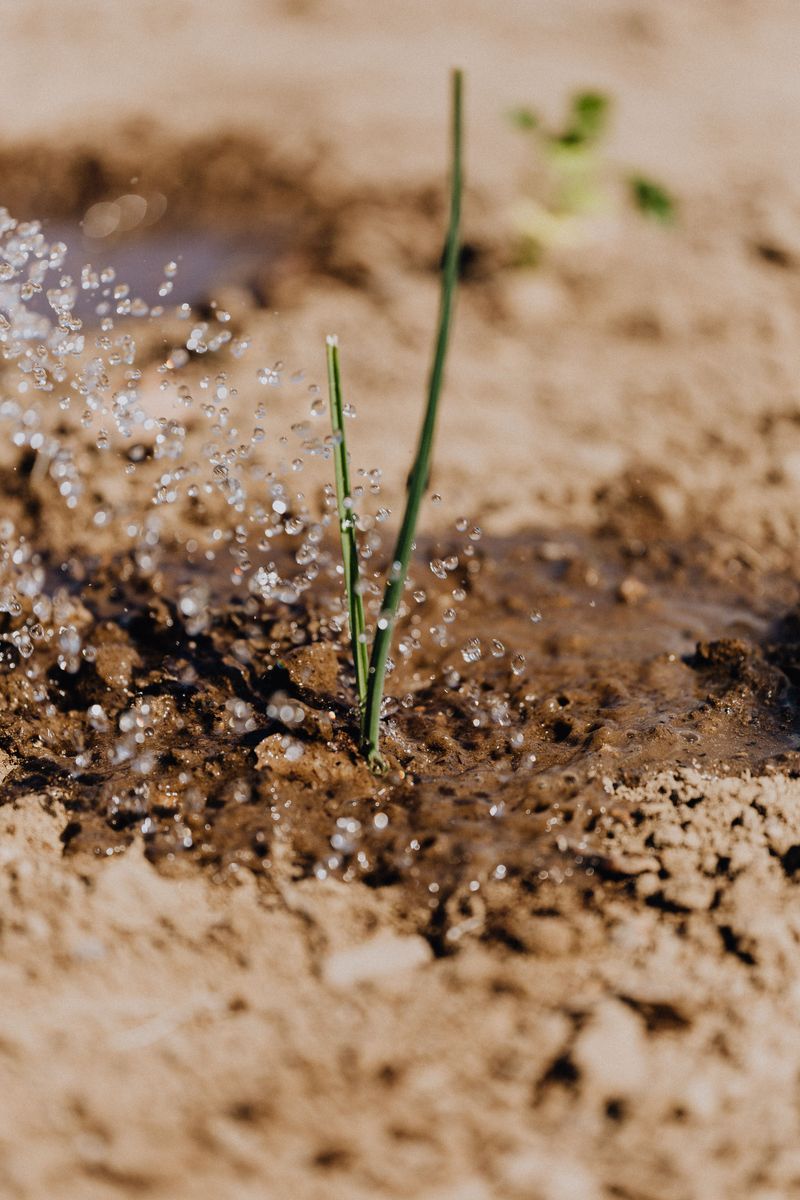
Watering a traditional lawn can eat up thousands of gallons every summer. Native plants, once established, barely need any extra water at all.
Their roots go deep, sometimes reaching several feet underground. That depth lets them tap into moisture that shallow grass roots simply cannot reach.
New York summers can be brutally dry, especially in July and August. Wild yards handle those dry spells with surprising ease and resilience.
Your New York Garden Changes Every Week. Your Plan Should Too.
Gardening in New York changes quickly throughout the season. Every Friday you’ll receive a simple weekly plan showing exactly what to plant, prune, fertilize, harvest, and protect so you never miss the right timing.
Homeowners who switched to native plantings often report turning off their irrigation systems entirely. That alone saves serious money on water bills each season.
Plants like wild bergamot, little bluestem grass, and prairie dropseed are built for tough conditions. They evolved here, so the local climate suits them perfectly.
Rain gardens, which are a popular feature in wild yards, collect and absorb stormwater naturally. They reduce runoff while keeping moisture available for surrounding plants.
During drought years, traditional lawns turn brown and patchy fast. A wild yard stays green, textured, and alive even without a single sprinkler running.
Water conservation matters more every year as climate patterns shift across the region. Choosing plants that thrive without extra irrigation is a smart long-term move.
The wild yard trend makes water-smart landscaping accessible to everyday homeowners. You get a beautiful outdoor space and a lower utility bill at the same time.
Storing Carbon And Absorbing Stormwater Naturally
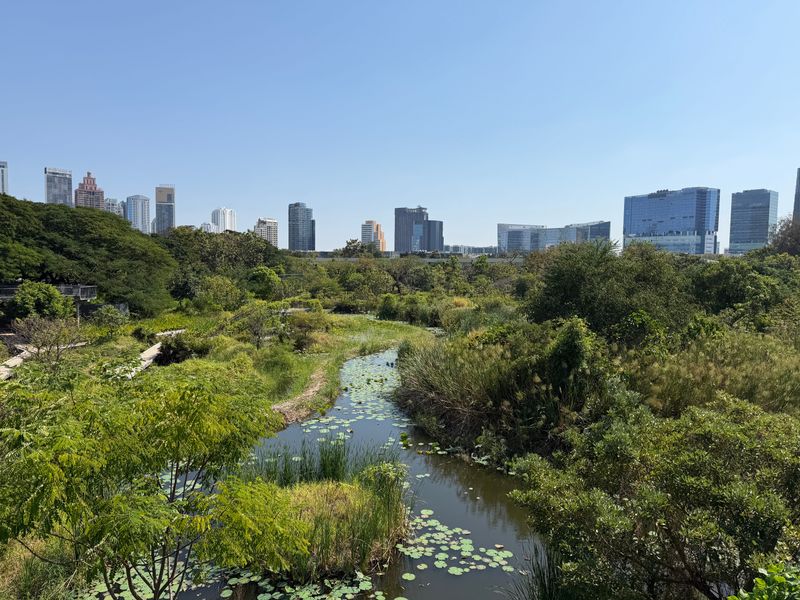
Climate change is not just a distant problem. It is showing up in flooded basements and washed-out streets right here in New York.
Wild yards help absorb stormwater before it overwhelms drainage systems. Deep plant roots act like natural sponges, pulling water down into the soil.
Native grasses and perennials store carbon in their roots year after year. That stored carbon stays in the ground long after the growing season ends.
A typical lawn stores very little carbon because the roots are shallow and short-lived. Native plantings, by contrast, build deep root systems that last for decades.
Rain gardens are a natural companion to the wild yard style. They redirect water from rooftops and driveways into planted areas instead of storm drains.
Cities like Albany and Syracuse have started encouraging homeowners to add rain gardens. Local rebate programs sometimes help cover the cost of installation.
Every inch of soil covered by native plants is doing quiet, powerful work. It is capturing carbon and filtering water without any effort from the homeowner.
Stormwater runoff carries pollutants like oil, fertilizer, and pet waste into waterways. Wild yards act as natural filters, catching those pollutants before they cause harm.
The wild yard trend offers an accessible way for individuals to fight back against climate stress. Your backyard can be part of the solution starting this weekend.
Reducing Mowing, Fertilizing, And Overall Maintenance
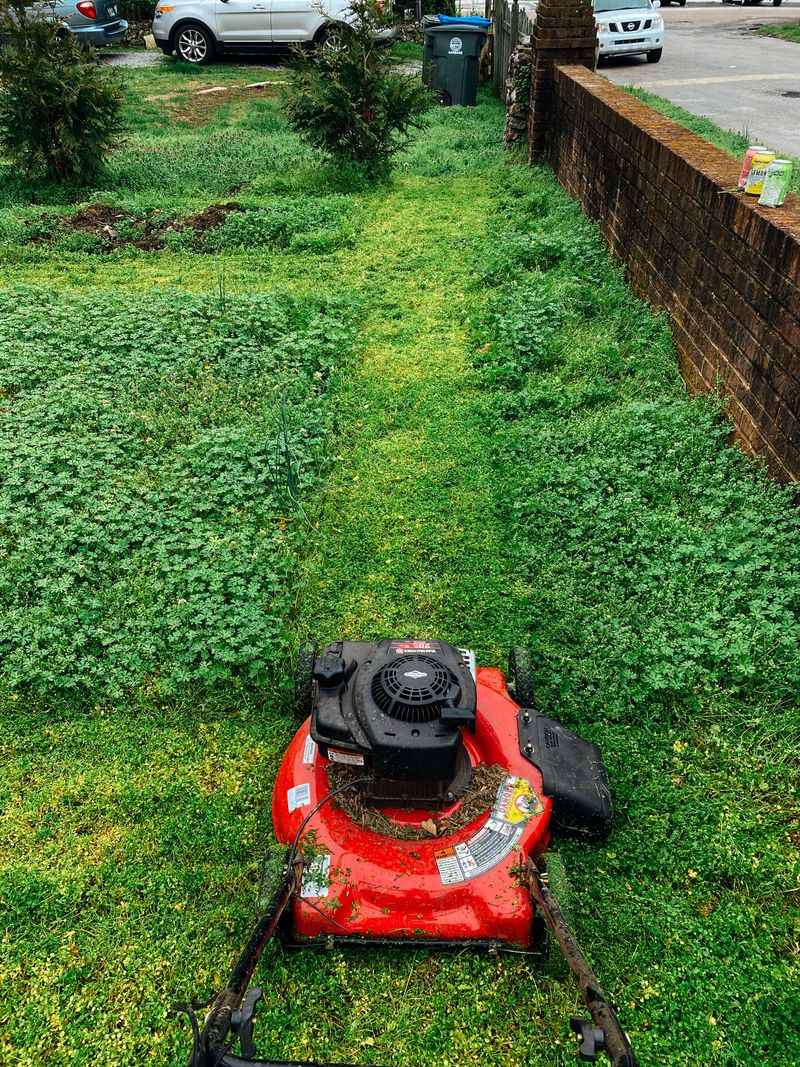
Mowing every weekend is nobody’s idea of a good time. Wild yards flip that exhausting routine on its head completely.
Once native plants are established, they largely take care of themselves. There is no need to mow weekly, edge obsessively, or haul out a spreader every spring.
Traditional lawns demand a constant cycle of feeding, watering, and grooming. That cycle costs both time and money that most homeowners would rather spend elsewhere.
Native plants evolved without fertilizer, so they do not need it. Adding synthetic fertilizer to a wild yard can actually harm the plants you are trying to grow.
Leaf blowers, gas mowers, and string trimmers contribute to air pollution in dense neighborhoods. Switching to a wild yard setup dramatically cuts down on that noise and exhaust.
Many gardeners describe the shift as genuinely freeing. Instead of fighting nature every weekend, they are finally working alongside it.
A simple annual cutback in late winter is usually all a wild yard needs. That one task replaces an entire season of weekly lawn maintenance.
The money saved on lawn care can be redirected toward plants, raised beds, or outdoor furniture.
Between lower water bills, no fertilizer costs, and minimal lawn equipment use, many homeowners find the savings add up quickly.
Low-maintenance gardening is especially appealing to busy families and older homeowners. The wild yard trend meets people exactly where they are, without judgment or extra labor.
Eliminating Toxic Pesticides And Chemicals
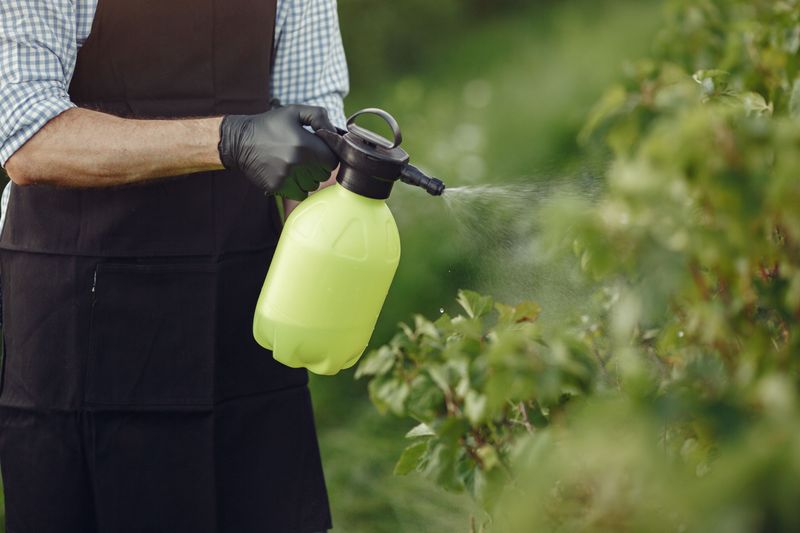
Pesticides do not just target the pests you are trying to remove. They also harm the beneficial insects, birds, and soil organisms that keep your yard healthy.
Wild yards rely on natural balance instead of chemical intervention. When the right plants are in place, nature handles pest control on its own.
Ladybugs, lacewings, and parasitic wasps are natural predators of common garden pests. A diverse native planting attracts and supports all of them without any spraying required.
Children and pets are most vulnerable to pesticide exposure in outdoor spaces. Eliminating those chemicals from your yard creates a safer place for everyone to play and relax.
Runoff from chemically treated lawns flows into streams, ponds, and drinking water sources. Native plantings reduce that chemical load significantly with each passing season.
Soil health improves dramatically when synthetic chemicals are removed from the equation. Beneficial fungi and bacteria return, creating a richer and more resilient growing environment.
Many New York gardeners report that pest problems actually decrease after going chemical-free. A balanced ecosystem self-corrects in ways that a sprayed lawn never can.
Organic gardening has grown in popularity, but wild yards take it even further. You are not just avoiding chemicals; you are building a system that does not need them.
The wild yard trend is quietly changing what healthy landscaping looks like. Clean soil, clean water, and a chemical-free yard are rewards worth every bit of the effort.
Boosting Mental Health And Lowering Stress
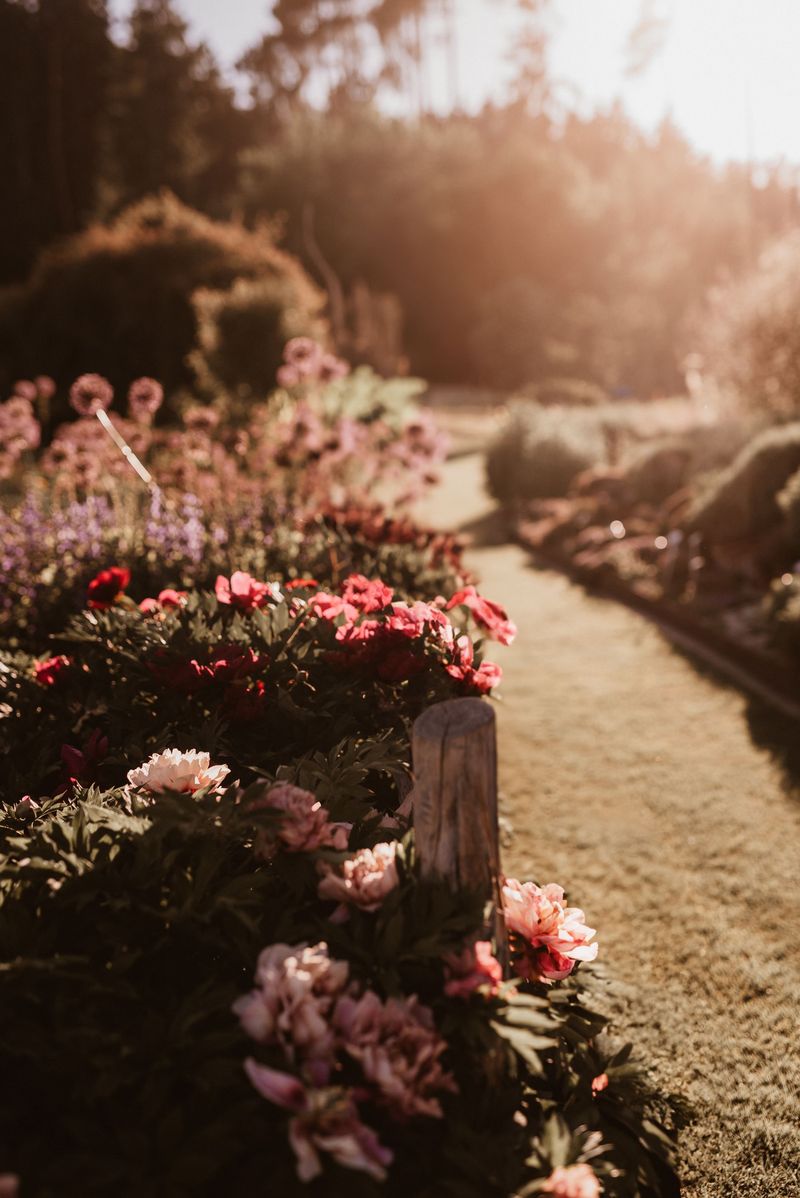
There is something deeply calming about a yard that feels alive and untamed. Science is starting to back up what gardeners have always known intuitively.
Spending time in natural, plant-rich environments lowers cortisol levels noticeably. That is the stress hormone that builds up during long workdays and busy city life.
Wild yards create a sensory experience that manicured lawns simply cannot match. The movement of grasses in the breeze, the hum of insects, and the scent of blooms all soothe the nervous system.
Gardening itself is a well-documented mood booster. Digging in soil exposes you to beneficial microbes that may actually trigger serotonin production in the brain.
For New Yorkers dealing with urban stress, a wild yard becomes a personal sanctuary. You step outside and immediately feel the city noise start to fade away.
Children who spend time in natural outdoor spaces show lower rates of anxiety. A wild yard gives kids a place to explore, observe, and simply be outside.
The wild yard trend encourages a slower, more observant relationship with your outdoor space.
You start noticing the first bloom of spring or the arrival of a new bird species. That mindful attention is a form of mental rest that screens and schedules rarely offer.
It pulls you into the present moment without requiring any effort or instruction. A wilder yard is not just good for the planet. It turns out it is quietly good for your mind too.
Restoring Habitats For Local Wildlife
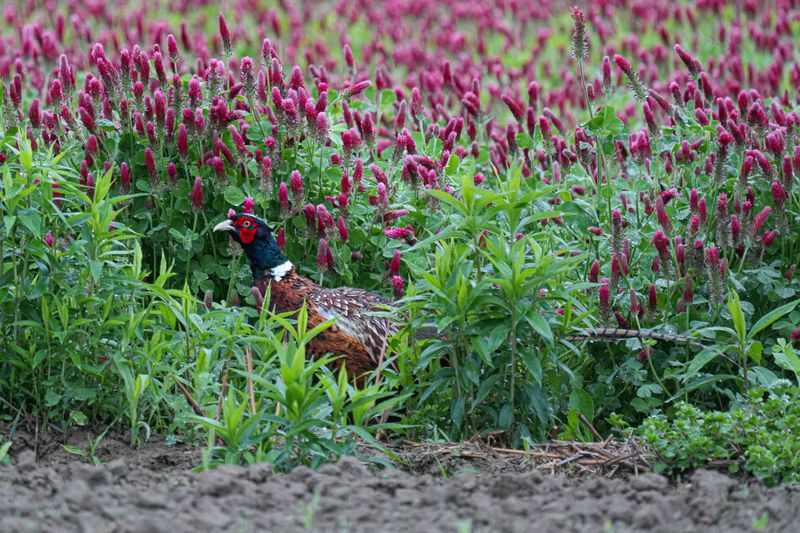
Wildlife habitat in New York has been shrinking for decades. Suburban development has replaced forests, wetlands, and meadows with pavement and turf grass.
Wild yards help reverse that loss one backyard at a time. Even a small plot of native plants can serve as a critical refuge for local species.
Brush piles, fallen logs, and leaf litter are not eyesores in a wild yard. They are intentional habitat features that shelter insects, small mammals, and ground-nesting birds.
Toads, fireflies, and native bees depend on undisturbed soil and leaf cover to complete their life cycles. A tidy, raked yard removes exactly what they need to survive.
Hedgehog-friendly fencing gaps and shallow water dishes make a wild yard even more welcoming. Small additions like these dramatically increase the number of species that visit your space.
The eastern box turtle, once common across New York, is now rarely seen in suburban areas. Restoring native ground cover could help bring populations like theirs back slowly.
Connectivity matters in habitat restoration. A row of wild yards along a street creates a green corridor that allows animals to move safely through the landscape.
Research consistently shows that native plantings increase local bird and insect diversity, often noticeably within the first couple of growing seasons. The results come faster than most homeowners expect.
The wild yard trend is part of a larger movement to rewild suburban landscapes. Your yard can become a genuine piece of the local ecosystem starting right now.
Connecting With The Natural World Right Outside Your Door
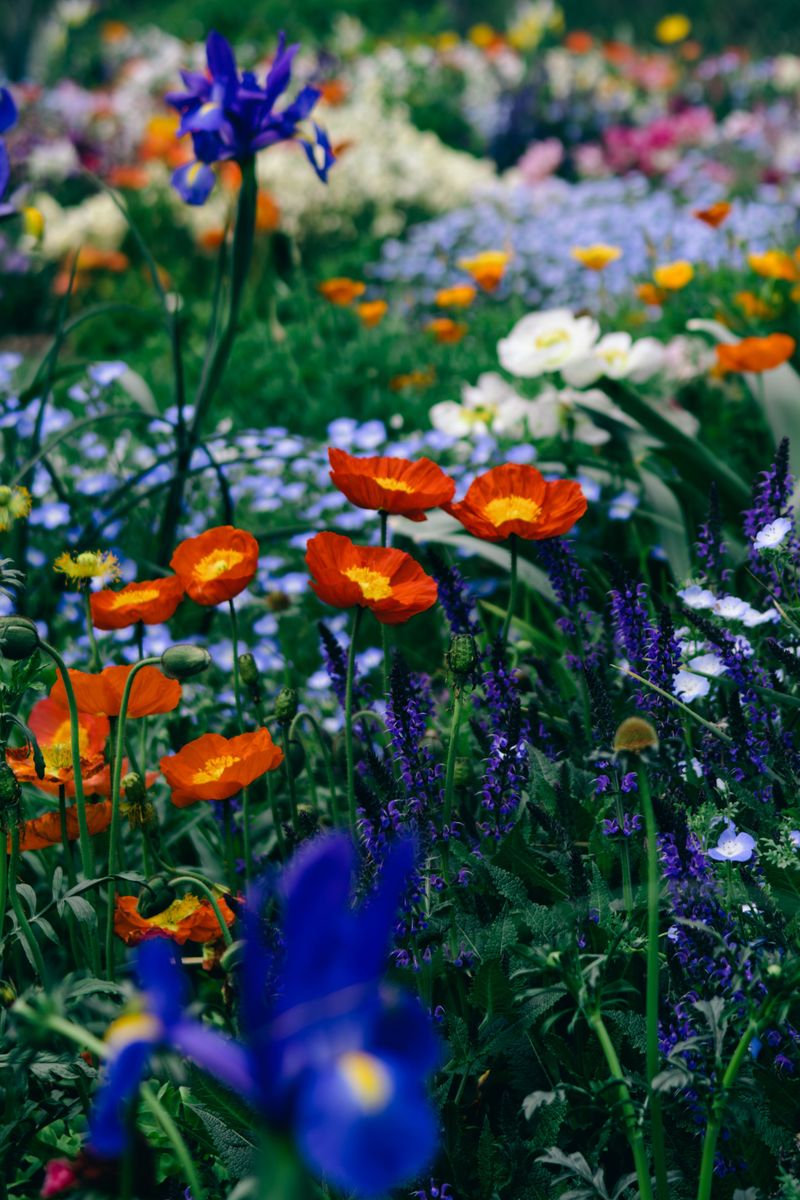
Most people spend the majority of their lives indoors. A wild yard changes that by making the outdoors genuinely hard to ignore.
When your yard buzzes with life, you want to be out there. Morning coffee tastes different when a goldfinch is feeding six feet away from your chair.
The wild yard trend invites a kind of curiosity that manicured landscapes rarely spark. You start asking questions like what is that plant, or which bee species just landed on your arm.
Field guides, nature apps, and neighborhood naturalist groups are growing in popularity alongside this movement. People are learning the names of plants and animals they have walked past for years.
Kids who grow up around wild yards develop a stronger sense of environmental stewardship. They learn that nature is not something you visit; it is something you live alongside.
Adults rediscover a sense of wonder they may have left behind in childhood. Watching a caterpillar transform or a spider build a web overnight is genuinely thrilling at any age.
Community wild yard tours have become popular events in cities like Buffalo and Ithaca. Neighbors share plants, trade seeds, and inspire each other to go a little wilder each season.
That shared enthusiasm builds something beyond just better gardens. It creates neighborhoods where people feel more connected to each other and to the land they share.
The wild yard trend is ultimately about belonging, to a place, a community, and a living world. That connection starts the moment you decide to let your yard breathe.