Why New York Gardeners Should Plant Native Perennials Before The First Hard Freeze
Soil in autumn often stays warmer than the air above it for weeks. That hidden warmth lets roots keep growing long after leaves start to fade.
I love how sneaky that is. While you rake leaves and pull on a sweater, a whole quiet growth spurt happens underground in New York gardens.
The plants that use this window best have lived here for thousands of years. They know our cold snaps, our clay, and our soggy springs better than any nursery tag could explain. Honestly, they deserve a little more credit.
You don’t have many weeks to take advantage of it, though. Once the ground locks up, the chance is gone until spring. So what could your yard look like next June if you acted before the thermometer hits that magic number?
Something Busy Happens Under Those Fading Fall Flower Beds
Above ground, a fall garden can look like it is winding down. Below the surface, newly planted perennials are doing some of their most important work.
Soil holds summer heat longer than air does. Cornell Cooperative Extension and many native plant nurseries point out that roots keep growing until soil temperatures fall to around 40 degrees. That often stretches well into October and even November in parts of the state.
Plants put this time into building roots instead of leaves and flowers. A perennial planted in September or early October can spend weeks anchoring itself. By spring, it wakes up with a root system ready to pull water and nutrients right away.
Spring-planted perennials face a different challenge. They must grow roots and leaves at the same time, often just before summer heat arrives. Many of them spend their first summer struggling, while fall-planted ones look settled and confident.
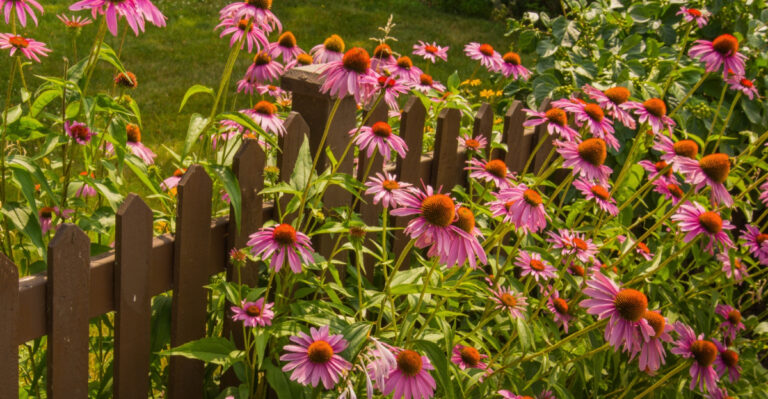
Fall planting also gives you a head start on blooms. Plenty of gardeners notice that fall-planted asters and coneflowers flower more fully in their first full season. It feels a bit like giving your garden an extra few months of growing time for free.
Cool Air And Autumn Rain Make Transplanting Native Perennials Easier
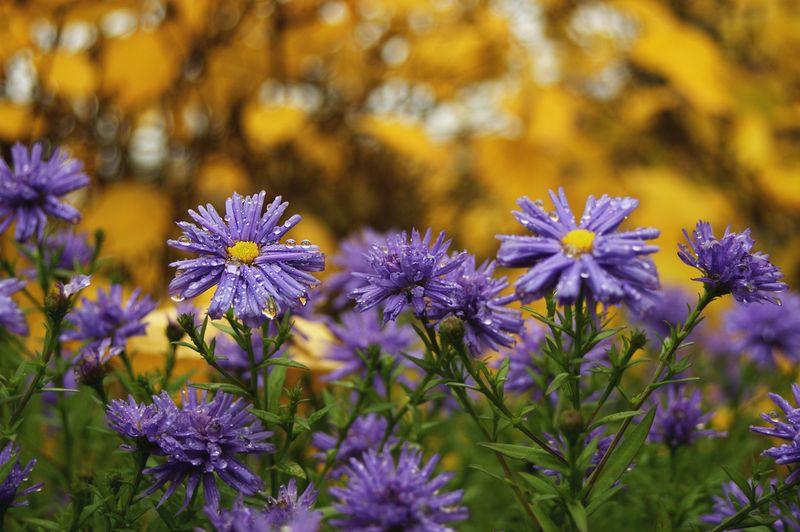
Anyone who has planted a perennial in July knows the struggle. You water every evening, and the leaves still flop by noon.
Autumn changes that story. Cooler air means leaves lose less water, so new plants suffer less transplant shock. Shorter days and gentler sunshine add to the relief.
Rain helps too. New York usually gets fairly steady rainfall in fall, and evaporation slows down as temperatures drop. Your hose gets a well-earned break, though you still need to check on things.
Plan to water new plantings deeply about once a week if rain falls short. Push a finger two inches into the soil. If it feels dry, give the plant a slow, thorough soak instead of a quick sprinkle.
Weeds slow down in fall as well, so your new perennials face less competition. Fewer pests are active, and you will spend less time fighting off hungry beetles. Even the gardener benefits, since digging feels a lot nicer at 60 degrees than at 90.
Your New York Garden Changes Every Week. Your Plan Should Too.
Gardening in New York changes quickly throughout the season. Every Friday you’ll receive a simple weekly plan showing exactly what to plant, prune, fertilize, harvest, and protect so you never miss the right timing.
Many local nurseries also run end-of-season sales on perennials. A slightly scruffy pot of native plants in September can become next year’s showstopper for a fraction of spring prices.
Know When That 28 Degree Hard Freeze Usually Hits Your Yard
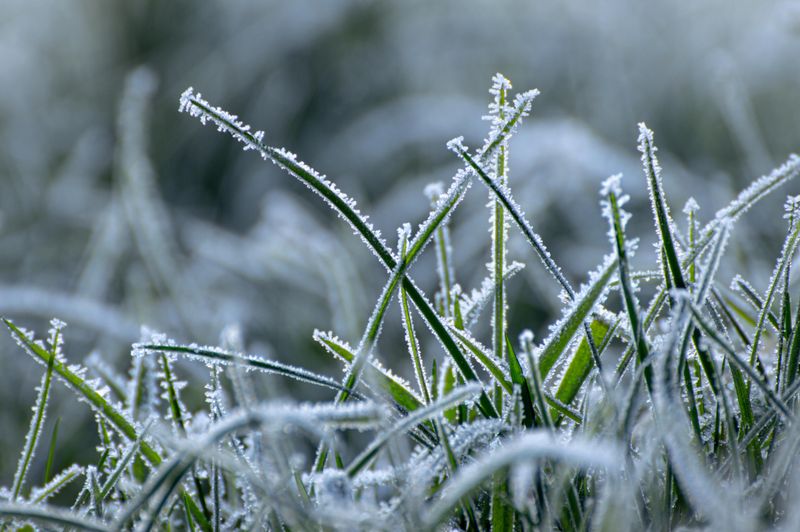
A light frost and a hard freeze are not the same event. Light frost forms when temperatures dip near 32 degrees and coats surfaces with ice crystals.
A hard freeze is tougher. Most weather sources define it as roughly 28 degrees or colder for several hours. Plant tissues and the top layer of soil take real damage at that point.
Timing varies a lot across New York. Higher spots in the Adirondacks and Catskills can see frost in September. Long Island and New York City often stay frost-free into late October or even November, thanks to the ocean’s warming effect.
A smart rule is to plant perennials at least four to six weeks before your ground usually freezes. For many upstate gardeners, that means mid-September through early October. Downstate gardeners often have until late October.
Check frost date tools from the National Weather Service or your county Cornell Cooperative Extension office. Then keep an eye on the ten-day forecast as fall goes on.
If you miss the window, do not panic. Keep potted perennials in a sheltered spot, or sink the pots into the ground and mulch them. You can plant them properly in spring.
Asters And Goldenrod Are Proven Native Picks That Laugh At Winter
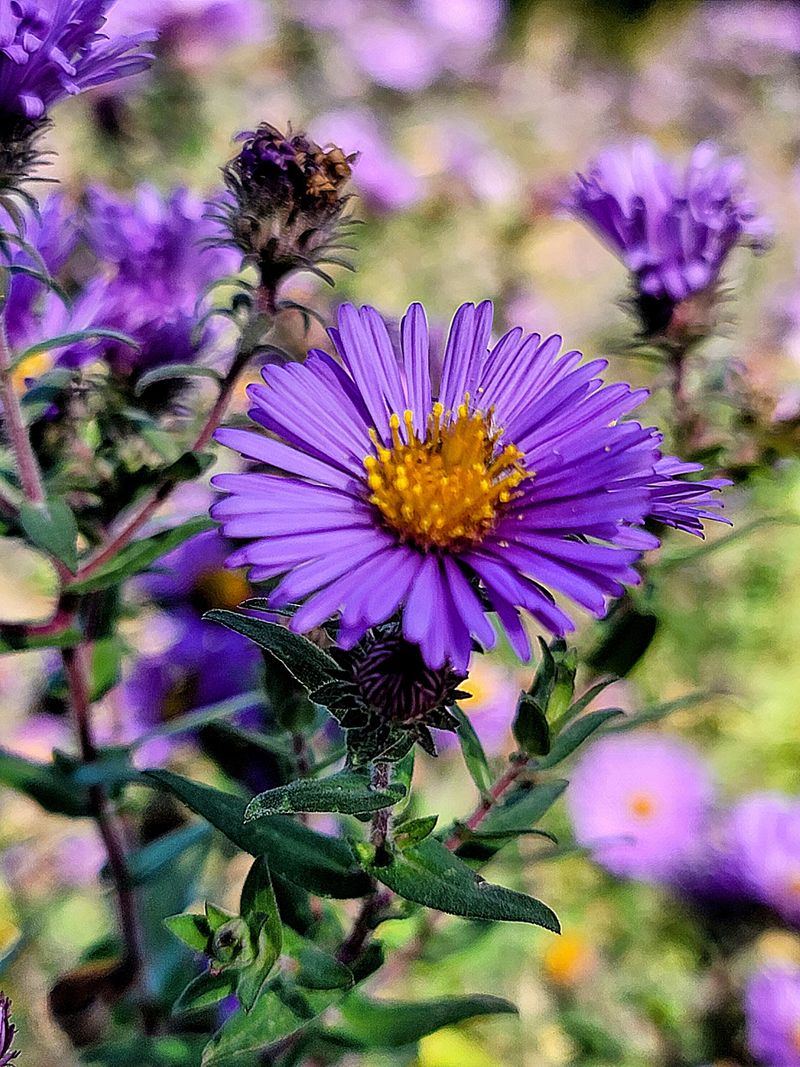
Some plants were simply built for New York winters. Native perennials evolved here, so subzero nights and spring thaws rarely bother them.
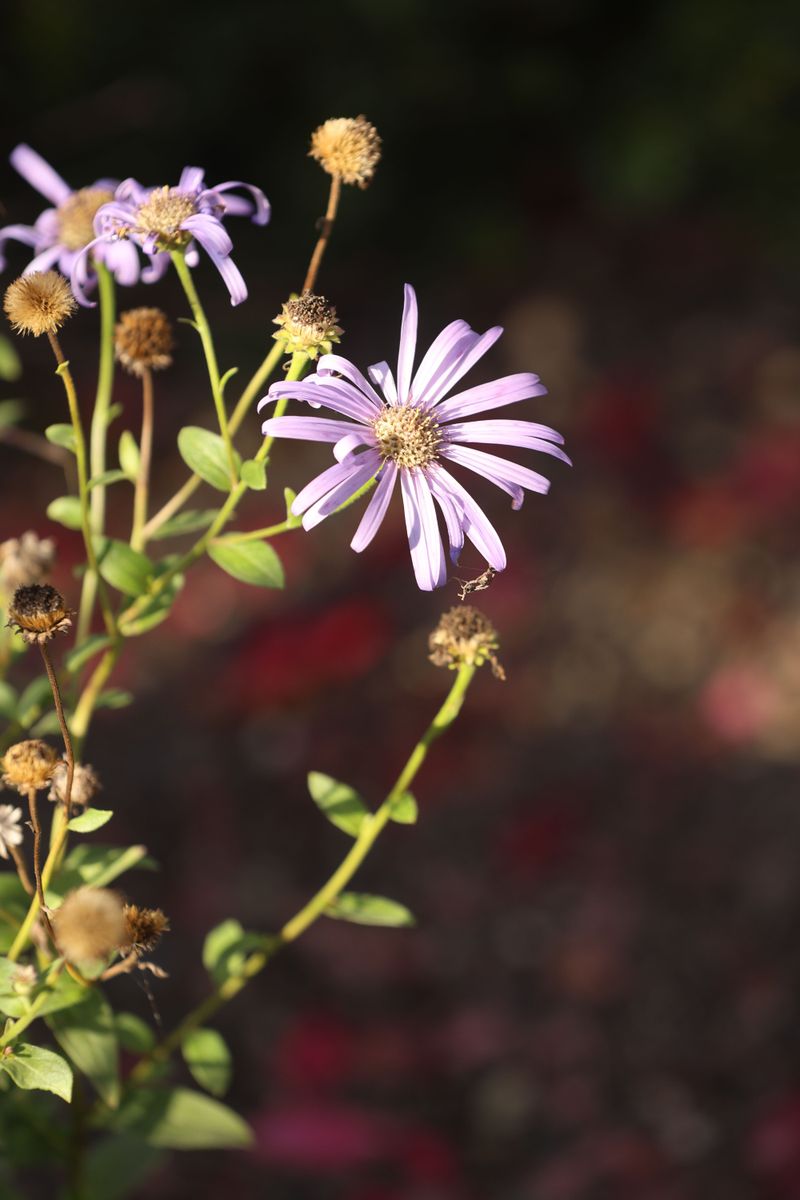
New England aster is a favorite of mine. Its purple daisy flowers glow in September and October when most gardens look tired. Goldenrod pairs well with it, and despite its reputation, it does not cause hay fever. Ragweed, which blooms at the same time, is the true culprit.
Other tough choices include purple coneflower, black-eyed Susan, wild bergamot, and butterfly weed. Joe Pye weed and swamp milkweed handle wetter spots. For shade, try wild geranium, foamflower, or Christmas fern.
Check the plant tag for species names, and look for straight species or locally sourced plants when possible. Cultivars with unusual colors or double flowers sometimes offer less food for pollinators.
Match the plant to your site. Butterfly weed wants sun and sandy, well-drained soil, while blue flag iris enjoys soggy ground.
Skip invasive look-alikes. Purple loosestrife, Japanese barberry, and burning bush are regulated in New York, and planting them spreads trouble into nearby woods and wetlands.
Monarchs And Native Bees Count On These Late Blooming Flowers
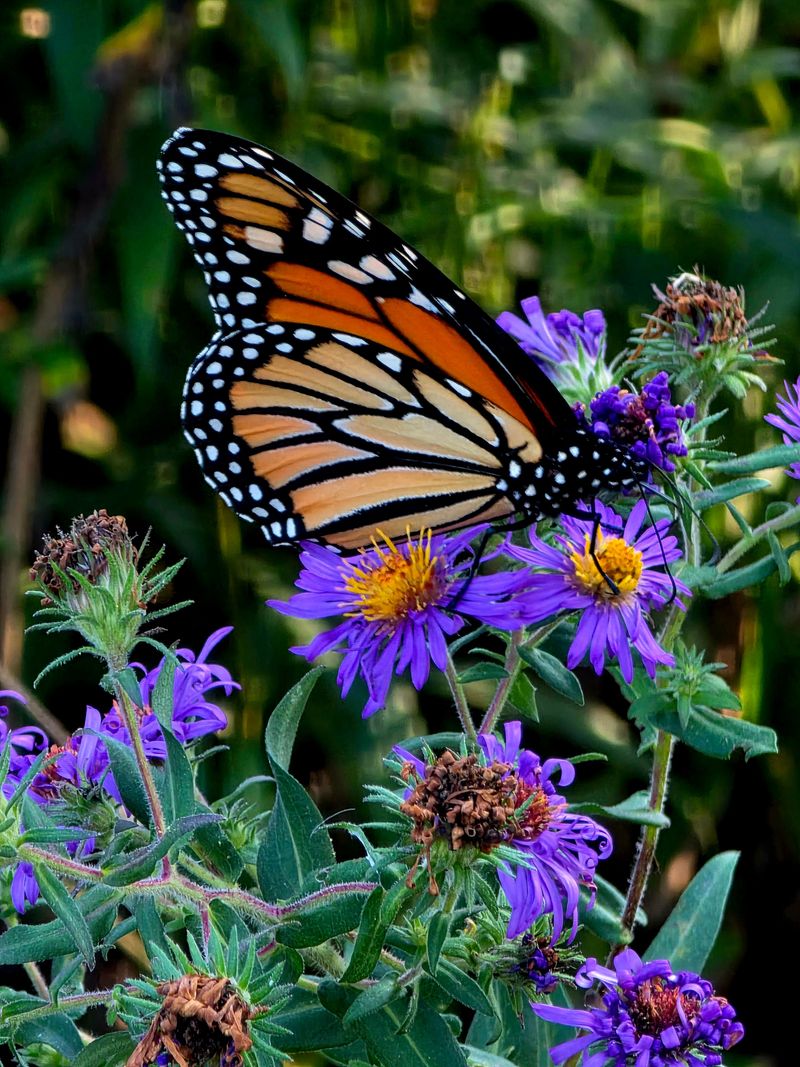
A single native oak can host hundreds of caterpillar species, according to entomologist Doug Tallamy. Native perennials work the same magic on a smaller scale.
Many insects can only eat certain native plants. Monarch caterpillars, for example, rely on milkweeds, including common milkweed, swamp milkweed, and butterfly weed. Without them, monarchs cannot complete their life cycle.
Fall-blooming natives matter just as much. Monarchs passing through New York in September need nectar for their long trip to Mexico. Asters and goldenrods help fill that gap, and native bumblebee queens fuel up on them before winter.
Birds join the party too. Most songbirds feed their babies insects, and native plants grow far more caterpillars than typical ornamental plants.
Planting in fall means these flowers will be ready for wildlife next season. Your spring blooms will greet early bees, and your summer milkweed may host monarch eggs by July.
Plant in groups of three or more of the same species. Pollinators find big patches of one flower much faster than scattered single plants. A small sunny bed can make a real difference for local wildlife.
Set Each Native Perennial Crown At Soil Level For Winter Success
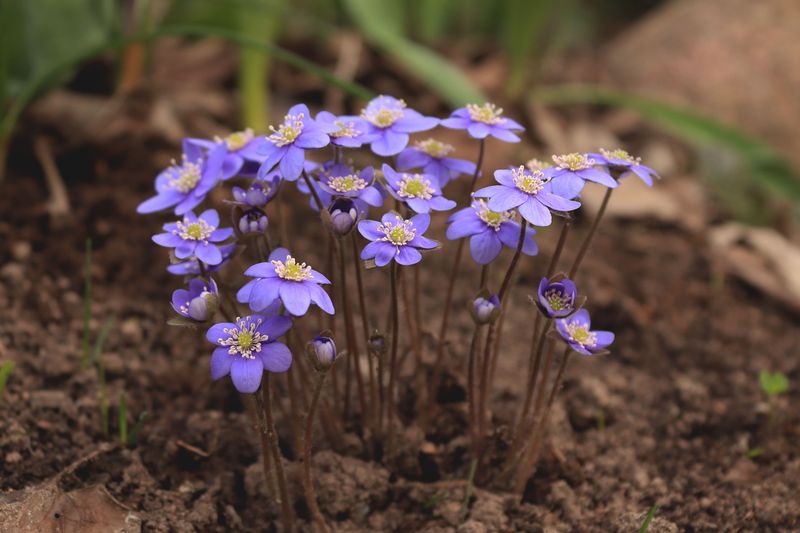
Good planting habits matter more in fall, since roots have only a few weeks to settle before cold arrives.
Start with a simple soil test from your county Cornell Cooperative Extension office. Most native perennials do not need rich soil or heavy fertilizer. In fact, many prairie and meadow plants grow floppy in soil that is too fertile.
Dig a hole about twice as wide as the pot but no deeper. Gently loosen roots that circle the pot. If they are matted, tease them apart with your fingers so they can reach into the new soil.
Keep the crown, where stems meet roots, level with the ground. Buried crowns can rot in wet winter soil, and crowns set too high dry out quickly.
Backfill with the native soil you removed. A thin layer of compost on top is fine, but avoid filling the hole with rich potting mix. Roots sometimes stay inside that soft pocket instead of spreading out.
Press the soil gently and water deeply right away. That first soak removes air pockets and helps roots make contact with the earth around them.
A Blanket Of Shredded Leaf Mulch Stops Frost Heave
Ever found a small plant sitting on top of the soil after a winter thaw? Frost heave did that.
When wet soil freezes and thaws over and over, it expands and shrinks. That movement can push young perennials right out of the ground, exposing their roots to cold, drying air. New plantings with shallow roots are most at risk.
Mulch helps keep soil temperatures steady. Spread two to three inches of shredded leaves, pine needles, or shredded bark around your plants. Many experts suggest adding it after the ground starts to freeze, so roots get as much growing time as possible first.
Keep mulch a couple inches away from the crown. Piling it against stems holds too much moisture and invites rot or hungry voles.
Watering also protects new plants. Keep soaking the soil during dry spells until the ground freezes. Well-watered roots handle winter far better than thirsty ones.
Check your new beds during a midwinter thaw. If any plants have lifted, gently press them back into the soil with your foot. Then add a little more mulch around them for extra cover.
Leave Those Coneflower Seed Heads Standing For Hungry Winter Birds
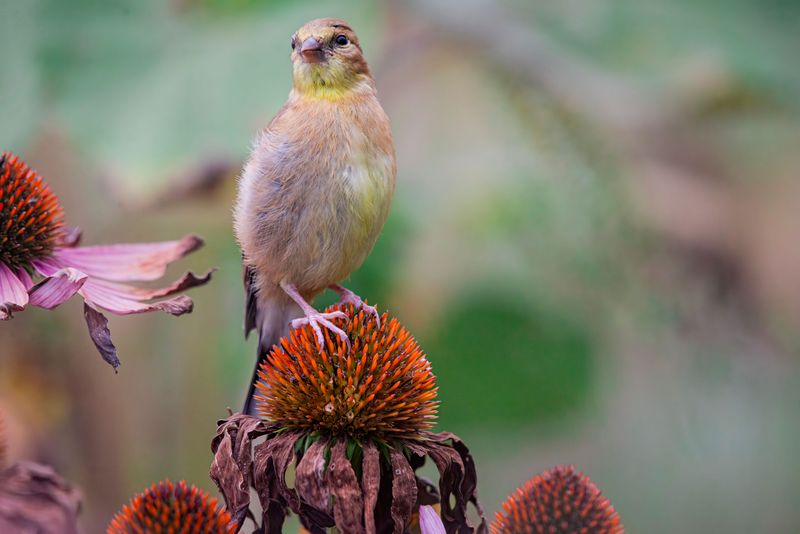
Your new garden does not need to look tidy to look good in winter. A little mess can turn it into a busy wildlife café.
Goldfinches, chickadees, and juncos happily pick seeds from coneflowers, black-eyed Susans, and asters. Snow-dusted seed heads also look lovely on a gray January morning.
Hollow and pithy stems matter too. Many native bees, including small carpenter bees, spend winter inside old plant stems. Fireflies, butterflies, and moths often shelter in leaf litter as eggs, caterpillars, or pupae.
Wait until spring to clean up. Many native plant groups suggest holding off until daytime temperatures stay above 50 degrees for about a week. Then cut stems to 8 to 24 inches tall, leaving stubs for bees to use later.
Fall planting and winter habitat work hand in hand. Your plants settle their roots while your yard shelters the insects that will pollinate them next year.
Start small if this feels new. Plant one bed of native perennials this fall, mulch it well, and leave it standing through winter. Come spring, you will see how much life a few plants can bring.