Why New York’s Fall Foliage Won’t Follow The Usual Road Trip Timing This Year
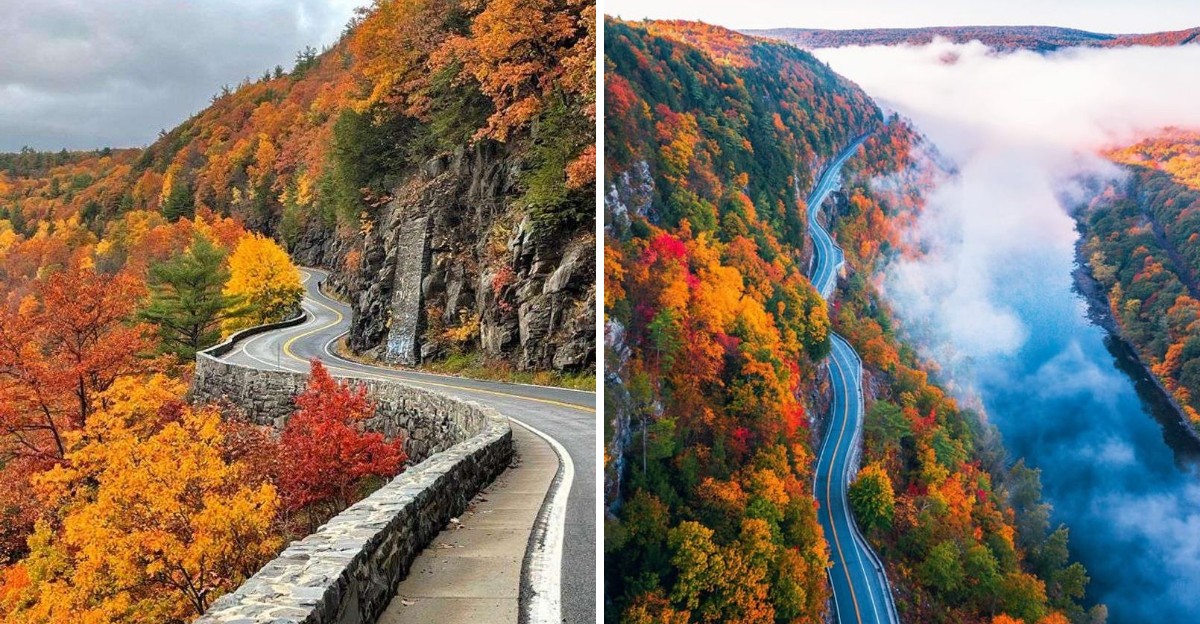
A hillside that looks like it caught fire overnight is the whole reason for a fall road trip. Show up a week too early, though, and all you’ll find is a wall of green.
That letdown catches plenty of leaf peepers in New York every autumn. Old habits say to pick a mid-October weekend and hope for the best.
The color show doesn’t care about your calendar. Warm spells, dry summers, and chilly nights can nudge peak color earlier or later than anyone expects.
On any given weekend, one region blazes while another barely blushes. Mountain peaks can glow weeks before the coast, and elevation can shift timing even within a single county.
The guide below tracks how color rolls across the state, region by region. Plan around it, and you’ll catch the reds, oranges, and golds right when they shine brightest.
The Adirondacks Hit Their Stride First
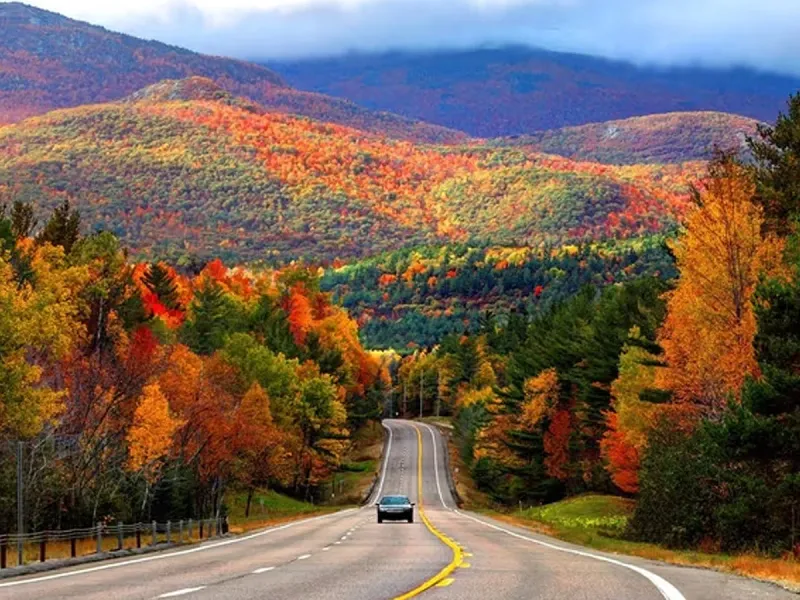
Mountain towns up north get the first invite to the fall party. By mid-September, parts of the Adirondacks were already showing bold color.
Wilmington, near Whiteface Mountain, hit about 55 percent change in September reports. Long Lake in Hamilton County glowed with bright reds and oranges around the same time.
Many travelers still wait for October to head north. By then, the best color in the high peaks may already be fading.
Cold nights arrive early in this northern region. Those chilly evenings push trees to drop their green pigment and reveal warmer shades.
Plan your Adirondack trip for late September through early October. Aim for a weekday if you can, since weekend traffic near Lake Placid gets heavy.
Scenic drives here are worth the effort. Route 73 through Keene Valley and Route 30 near Long Lake offer long stretches of bright woods.
Pack layers, because mountain mornings can feel close to freezing. A warm jacket, gloves, and a thermos of cocoa make early starts much nicer.
Fun fact for your trip: the Adirondack Park covers about six million acres. It is bigger than Yellowstone, Yosemite, and Glacier National Parks combined.
Book lodging early, since cabins and inns fill up fast in September. Some places near Saranac Lake sell out months ahead.
Keep an eye on weather before you leave. A strong windstorm can strip branches fast, so shifting plans by a few days can pay off.
The Catskills Follow Close Behind
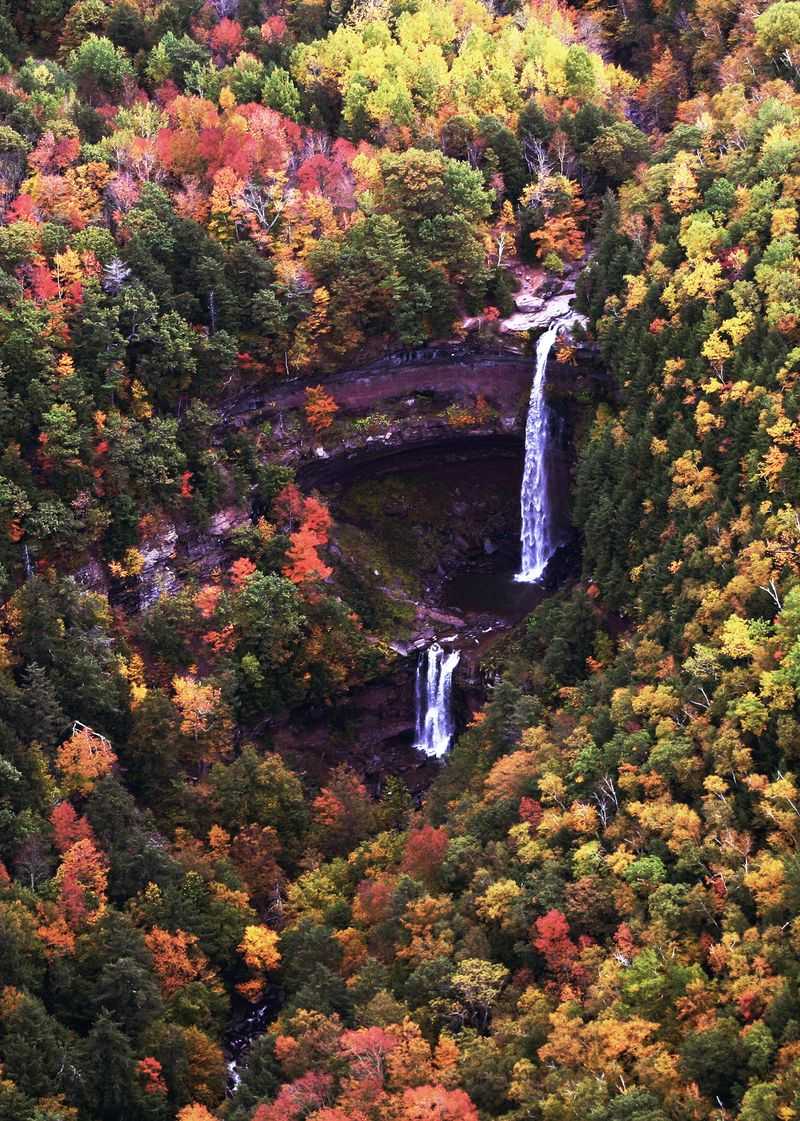
Think of the Catskills as the eager younger sibling of the Adirondacks. Color shows up a little later here, but it arrives with plenty of flair.
September reports from Greene County showed early signs of change. Windham and Hunter Mountain ranged from about 5 to 30 percent color.
Peak season in these mountains usually lands in early to mid-October. Higher summits turn sooner, while valley towns lag behind by a week or more.
Picking the right weekend can feel like a guessing game. A smart move is to watch reports and target the first half of October.
Skyride rides at Hunter Mountain give a bird’s eye view of the slopes. Kaaterskill Falls also pairs roaring water with golden trees along the trail.
Your New York Garden Changes Every Week. Your Plan Should Too.
Gardening in New York changes quickly throughout the season. Every Friday you’ll receive a simple weekly plan showing exactly what to plant, prune, fertilize, harvest, and protect so you never miss the right timing.
Route 23A through Kaaterskill Clove is a favorite drive. Its tight curves and steep walls show off color on both sides of the road.
Here is a helpful tip for families. Visit orchards and farm stands in the valleys while you wait for higher slopes to fill in.
Crowds tend to peak on Columbus Day weekend. Arriving before nine in the morning makes parking at popular trailheads much easier.
Painters from the Hudson River School loved these hills in the 1800s. Standing at the same overlooks feels like stepping into one of their canvases.
Bring sturdy shoes, since trails get slick with fallen leaves. A small flashlight helps too, because October daylight fades faster than you think.
Central New York Peaks Next
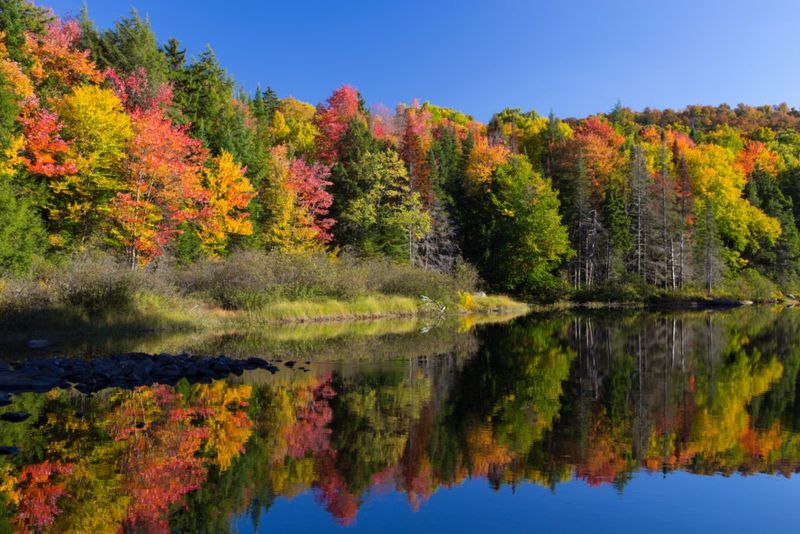
Farm country has its own quiet way of dressing up for fall. Central New York rarely shouts, but its rolling hills put on a lovely show.
By late September, early color was starting to appear across the region. Trees near Syracuse, Utica, and Cooperstown began shifting from green to gold.
Peak usually follows the Catskills by about a week. Early to mid-October often brings the richest mix of red, orange, and yellow.
Back roads are the real treasure here. Country lanes lined with maples and old stone walls feel peaceful and far less crowded.
Cooperstown makes a charming home base for a weekend. You can pair a leafy drive with a stop at the Baseball Hall of Fame.
Chittenango Falls State Park offers a short hike with a big payoff. The waterfall looks extra striking framed by bright autumn branches.
Try timing your trip around a local harvest festival. Apple picking, cider donuts, and hayrides give the day a cozy, small-town feel.
Weather in this area can swing quickly. A warm week may slow the change, while a sudden frost can speed it right up.
Keep a loose schedule so you can shift a day or two. Flexibility often means the difference between muted leaves and a glowing hillside.
Snap photos in the late afternoon for the best light. Low sun makes the colors on farm fields and barns look warm and rich.
The Finger Lakes Glow Around Mid-October
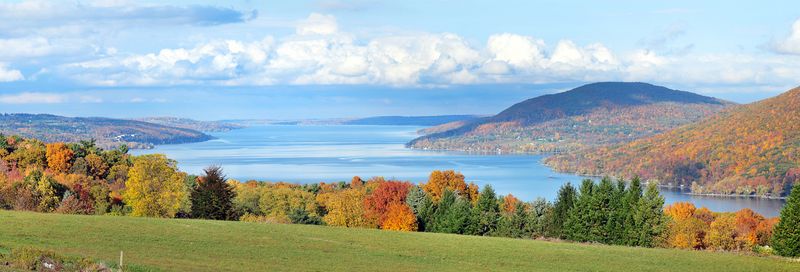
Deep lakes act like giant heaters for the land around them. That stored summer warmth helps the Finger Lakes hold color a bit longer.
In 2024, Ithaca reached peak foliage around October 18. Reports showed about 90 percent of the trees had changed by then.
Peak here typically stretches from mid-October into early November. That longer window gives road trippers more breathing room than the mountains.
Vineyards add a fun twist to the view. Grape leaves turn yellow and rust, blending with the maples on nearby slopes.
Watkins Glen State Park is a must for many visitors. Its stone gorge, waterfalls, and leafy rim feel almost like a movie set.
Taughannock Falls near Ithaca drops about 215 feet. That makes it taller than Niagara Falls, a fun fact that surprises plenty of guests.
Driving the loop around Seneca or Cayuga Lake takes a relaxed afternoon. Stop at farm markets for squash, maple syrup, and fresh apples.
Here is a handy tip for busy weekends. Visit the gorges early, then save wine tastings and lunch for later in the day.
Lakeside towns can stay mild while nearby hills turn colder. Check elevation along your route to spot where color is strongest.
Reserve dinner spots ahead during peak weeks. Popular restaurants in Ithaca and Geneva fill quickly when leaf peepers roll into town.
Western New York Takes Its Time
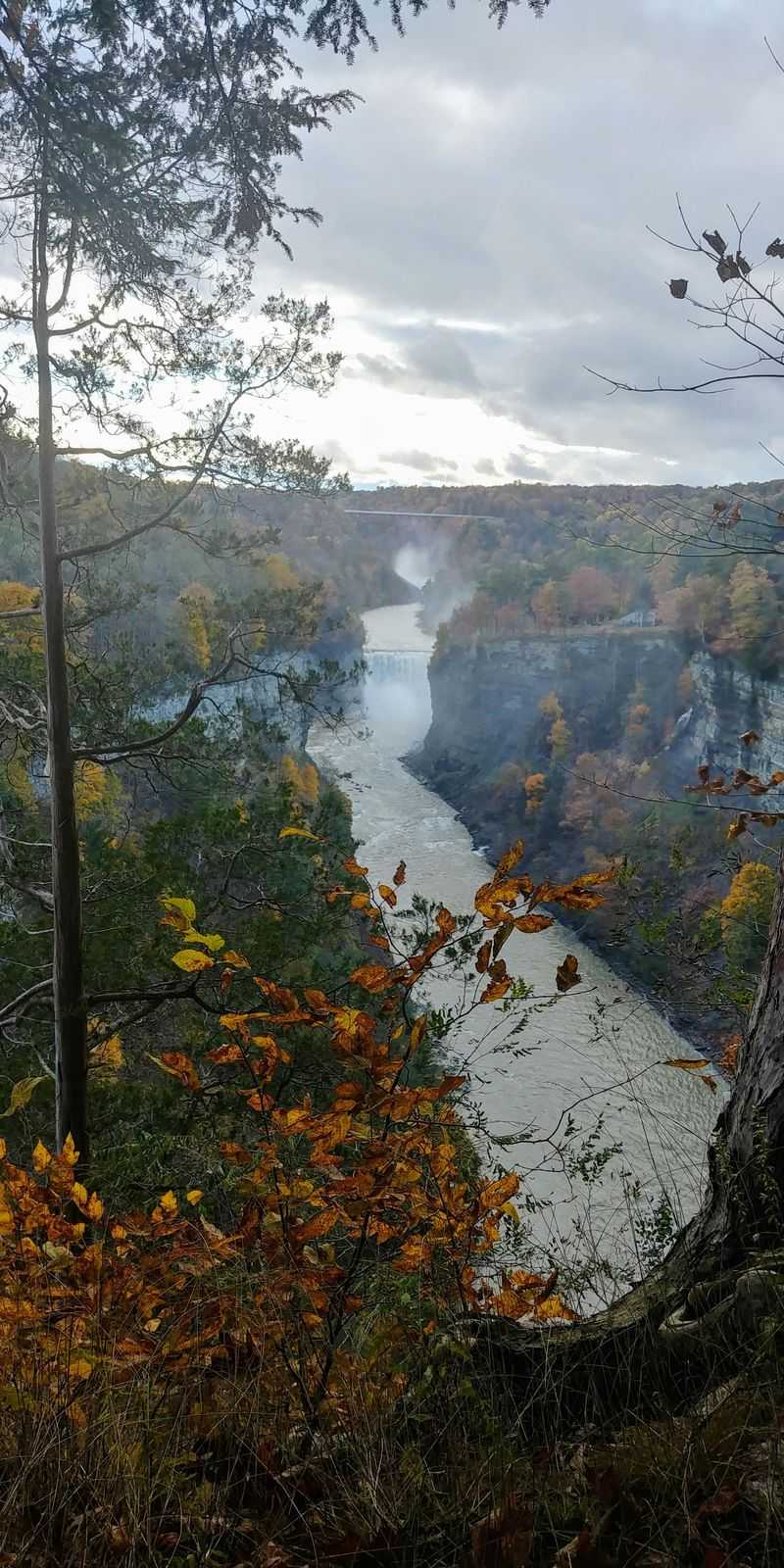
Patience pays off in the western corner of the state. Lake Erie and Lake Ontario keep things mild, so the leaves change on a slower clock.
During late October and early November 2024, Buffalo and Rochester reached peak or past peak. Niagara Falls hit full peak color around that time.
Many travelers assume the season is over by Halloween. Out west, that week can bring some of the brightest views of the year.
Letchworth State Park earns its nickname as the Grand Canyon of the East. Its deep gorge and three waterfalls look stunning with fiery trees.
Allegany State Park offers quieter trails and wide forest views. Fewer crowds make it great for families who want room to wander.
Niagara Falls pairs mist and rainbows with golden leaves. Goat Island is a lovely spot to walk and see both views at once.
Lake winds can shift the timing from town to town. Spots near the shore often lag behind hills just a few miles inland.
Plan a late-season trip if you missed the northern peaks. Western New York can feel like a second chance at fall.
Bring a rain jacket, since lake effect showers pop up often. Clouds can roll in quickly, then clear just as fast.
Wings in Buffalo make a tasty finish to a leafy day. A warm meal hits the spot after chilly gorge hikes.
The Hudson Valley Peaks Later Than Most Expect
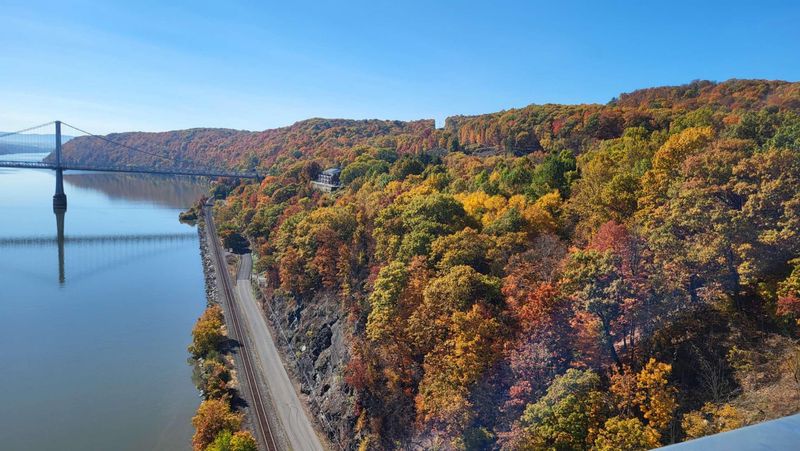
Ask a New Yorker when the Hudson Valley peaks, and many will guess early October. They are often a few weeks too soon.
Peak color here usually runs from mid-October into early November. A 2022 study near the Palisades pointed to late October peak.
Warmer, wetter seasons seem to be shifting the timing. Some years bring delays, while others see colors flash and fade quickly.
Leaves near the Palisades started dropping by early November in that study. So the window can feel short once it finally opens.
Bear Mountain State Park offers sweeping river views from its summit. The drive up Perkins Memorial Drive is worth every twisty turn.
Walkway Over the Hudson in Poughkeepsie is another gem. The old railroad bridge stands about 212 feet above the water.
Trains from Grand Central make this region easy to reach. Riding Metro-North along the river is a scenic trip all by itself.
Try aiming for the last two weeks of October. That timing gives you the best odds of seeing full color along the river.
Weekends near Cold Spring and Beacon get packed. A Friday visit often means shorter lines, easier parking, and calmer trails.
Stop by a local cidery on your way home. Hot mulled cider and a slice of apple pie round out the day nicely.
New York City And Long Island Save Color For Last
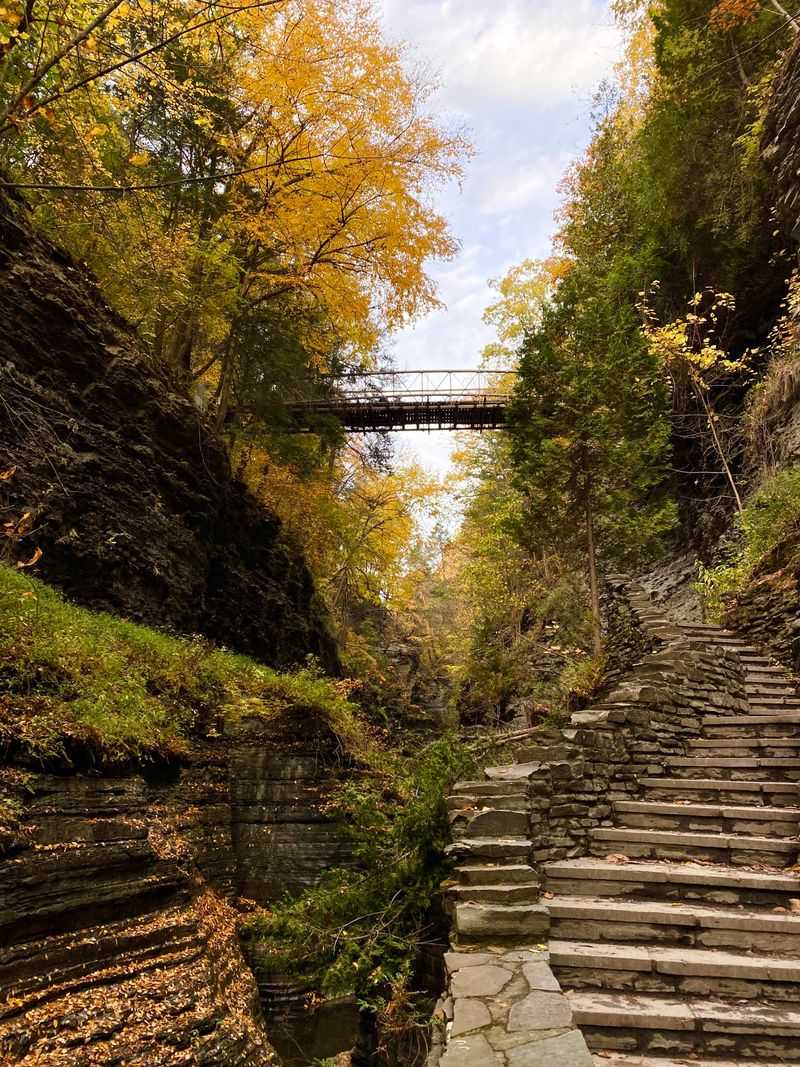
Concrete, glass, and asphalt act like a cozy blanket for the city. All that stored warmth keeps trees green much longer than upstate.
Experts call it the urban heat island effect. Buildings and pavement hold heat, which slows the signal telling leaves to change.
In late September 2024, New York City showed very little color. Estimates placed its peak around November 8.
Long Island follows a similar pattern. Peak often lands in late October, and it can stretch into mid-November.
Central Park is a classic spot for city leaf peeping. The Ramble, The Pond, and the Mall glow once November rolls around.
Prospect Park in Brooklyn and the New York Botanical Garden in the Bronx are also lovely. Each offers wide paths and plenty of mature trees.
On Long Island, try Planting Fields Arboretum or Caumsett State Park. Both mix open lawns with colorful woods and quiet trails.
Here is a practical idea for busy schedules. Skip the long upstate drive and enjoy fall color right in your own borough.
City peaks can feel short if a storm blows through. Watch the forecast and grab the first clear day you see.
Pair your walk with a warm treat from a street cart. Roasted nuts and hot coffee make a chilly stroll feel festive.
Elevation Changes Everything
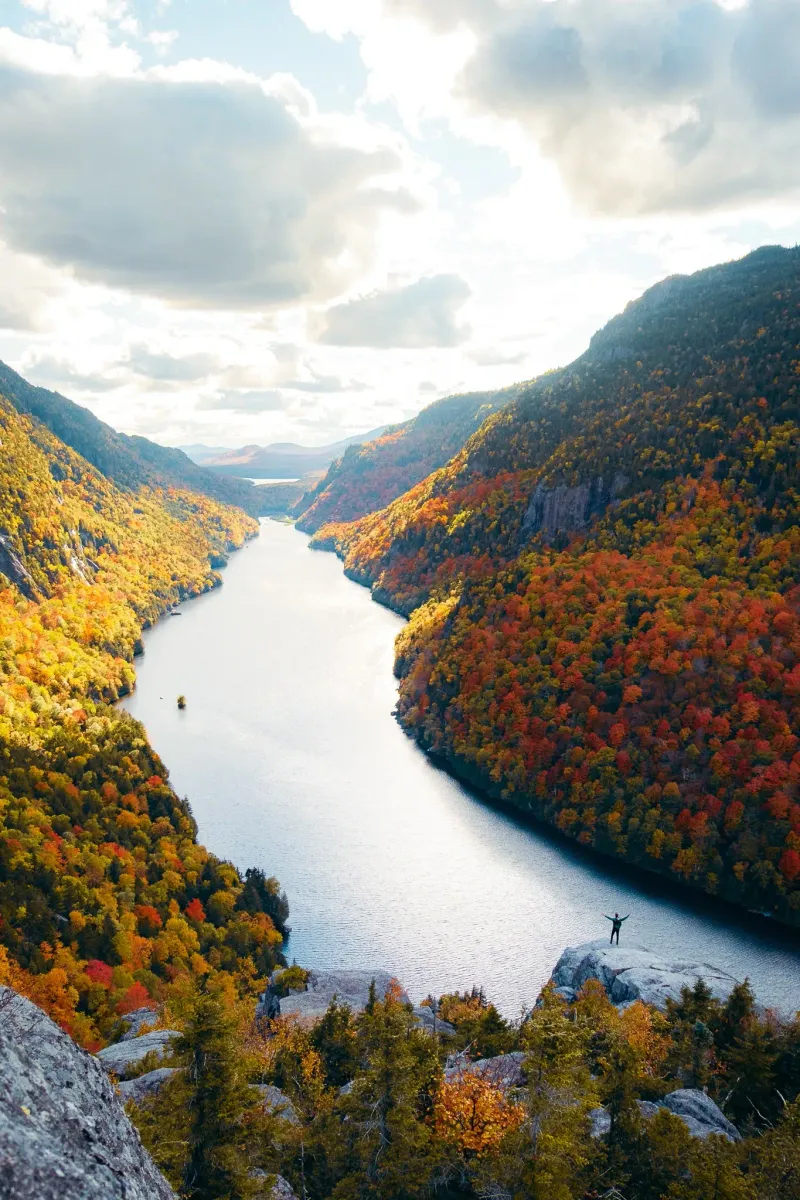
Stand at the base of a mountain, then drive to the top. You might feel like you jumped ahead a week in the season.
Higher ground stays cooler than the valleys below. Temperatures often drop about three to five degrees for every thousand feet you climb.
Those chilly readings tell trees that fall has arrived. Leaves stop making green chlorophyll sooner, so other colors show through earlier.
Here is the neat part for road trips. One mountain can show bare tops, bright middles, and green bottoms all at once.
Smart travelers use that pattern to stretch their trip. If the summit is past peak, head downhill to find fresh color.
The same trick works the other way too. When valleys look plain, a short climb might reveal a hillside already glowing.
Free apps and maps can show elevation along your route. Checking them before you leave helps you pick the best stops.
Whiteface Mountain rises nearly 4,900 feet in the Adirondacks. Its summit often changes days before the towns around its base.
Wind and frost also hit high spots harder. Upper leaves may drop quickly after a cold, blustery night.
Keep a sweater handy when you head up. Summit air can feel much colder, even when the valley seems pleasant and sunny.
Maples Turn First, While Oaks Hold Out Longest
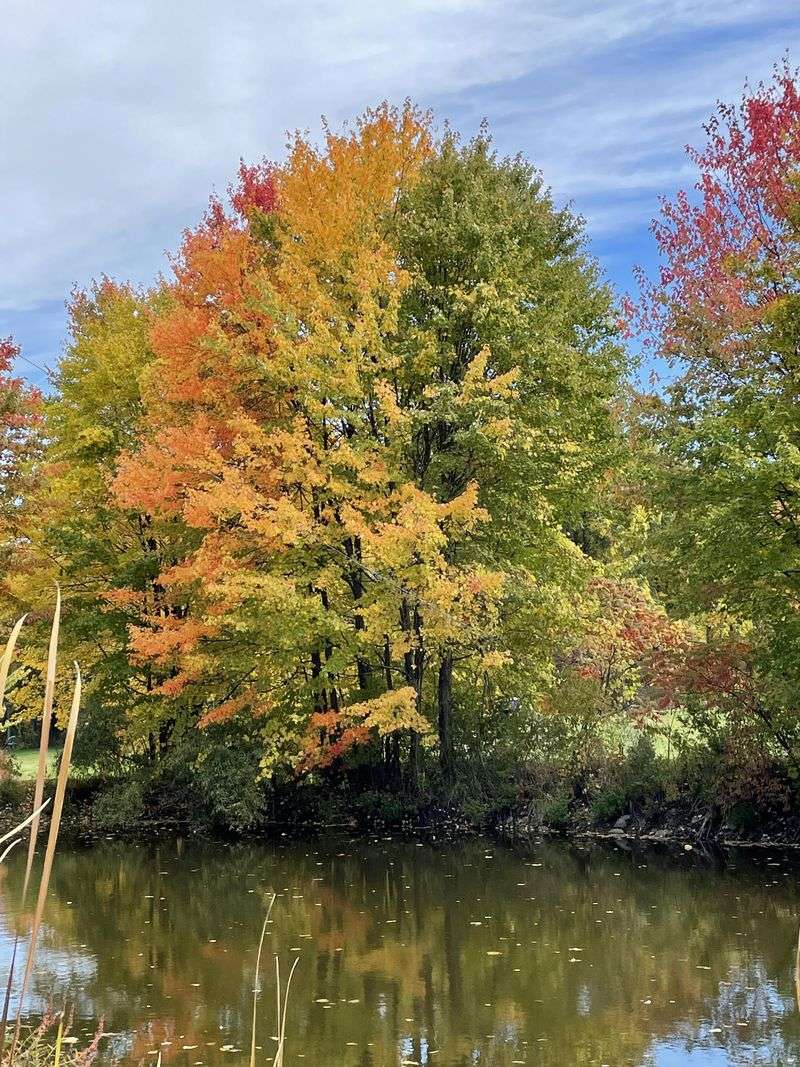
Every forest has its show-offs and its slowpokes. Knowing which trees change when can help you read the woods like a pro.
Maples usually lead the parade. Sugar, red, and silver maples flash bright reds, oranges, and yellows early in the season.
Red maples often turn first, especially in wet, low spots. Sugar maples follow with glowing orange crowns that seem lit from inside.
Birches and aspens join in with clear, sunny yellows. Their pale bark makes the golden leaves pop even more.
Oaks prefer to take their sweet time. Their leaves shift to russet and golden brown later, and many cling on into winter.
Such a mix helps stretch the whole season. When maples fade, oaks and beeches keep the hills warm and cozy looking.
Fun fact for curious kids: yellow and orange pigments hide in leaves all summer. They only show once the green chlorophyll breaks down.
Red colors are different, though. Maples make fresh red pigment in fall, especially after sunny days and cool nights.
Try a little tree hunt on your next hike. Look for pointed maple leaves and rounded or lobed oak leaves along the trail.
Late visitors should seek out oak-heavy forests. Areas near the Hudson and Long Island hold these trees in good numbers.
Weekly Field Reports Beat Any Calendar
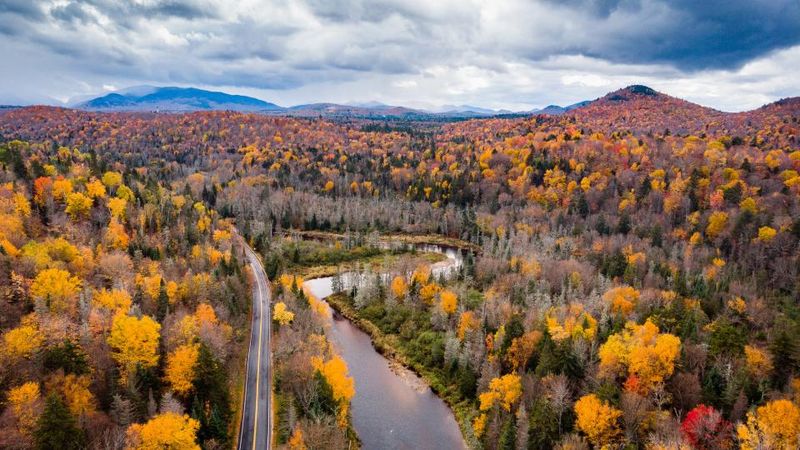
Calendars love to make promises that nature does not keep. A weekly foliage report is like a friend texting you live updates.
I LOVE NY publishes reports across the state every week during fall. Volunteer observers scout their areas and share how much color has changed.
Those updates show percentages, colors, and whether an area is near peak. You can compare regions in minutes before picking your route.
Yearly weather makes exact dates hard to predict. A dry summer or a warm fall can shift peak by a week or more.
Start checking reports around early September. Doing so gives you time to plan while keeping your dates flexible.
Book refundable hotels whenever you can. That way, you can slide your trip forward or back without losing money.
Local news stations and park websites also share helpful updates. Social media photos from hikers offer a real-world peek at conditions.
Here is a simple habit worth building. Check the newest report on Wednesday, then lock in plans for the weekend.
New York has so many regions that some spot is usually glowing. Reports help you find it instead of guessing.
Chasing leaves with fresh info turns a gamble into a win. Grab your map, trust the updates, and enjoy the colorful ride.