The New York Trees You Should Never Compost Leaves From
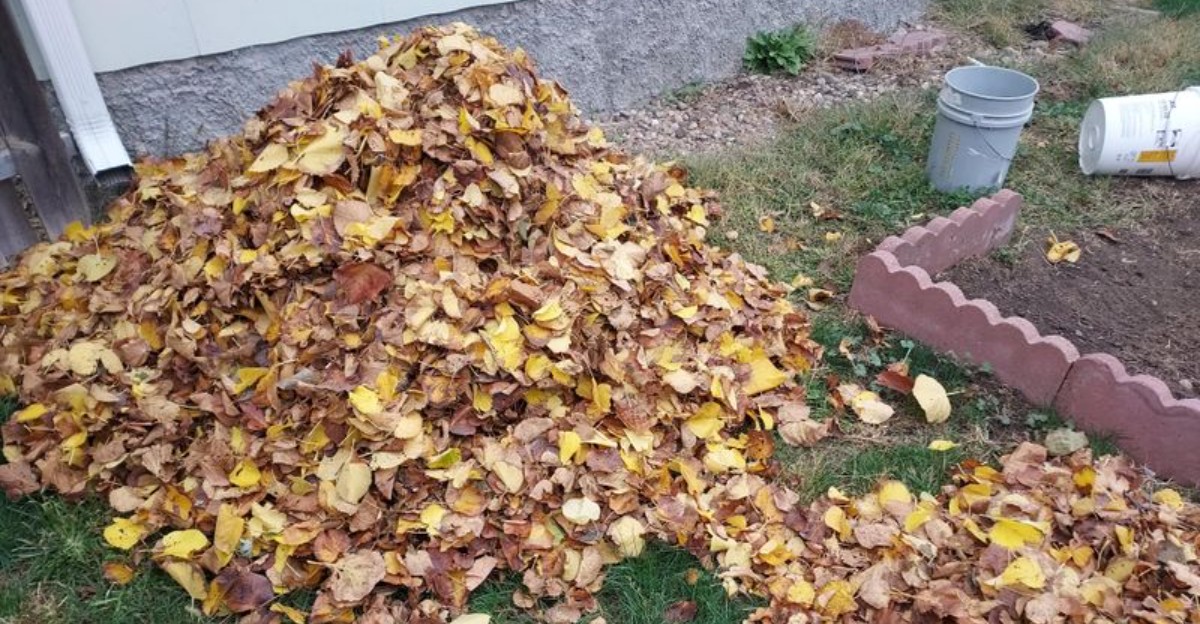
That leaf pile on your lawn is free fertilizer, but some leaves work against you. Toss in the wrong ones, and they follow your compost right back to the garden.
Most fallen leaves break down into dark, crumbly soil that plants absolutely love. Rake season across New York hands gardeners a mountain of this gold for free.
Black walnut and tree of heaven release natural compounds that hold back nearby plants. Apple, dogwood, and cherry leaves can hide fungal spores a backyard pile can’t fully wipe out.
Luckily, few of these problems are permanent, and smart timing fixes most of them. Even juglone fades once a well-turned pile has done its work.
Grab your rake before heading outside. The guide below sorts what goes in, what stays out, and what needs a little patience first.
1. Black Walnut Leaves Carry A Chemical Tomatoes Can’t Stand
Picture a proud tomato patch that suddenly wilts for no clear reason. Gardeners often blame the weather, but a nearby black walnut may be the real culprit.
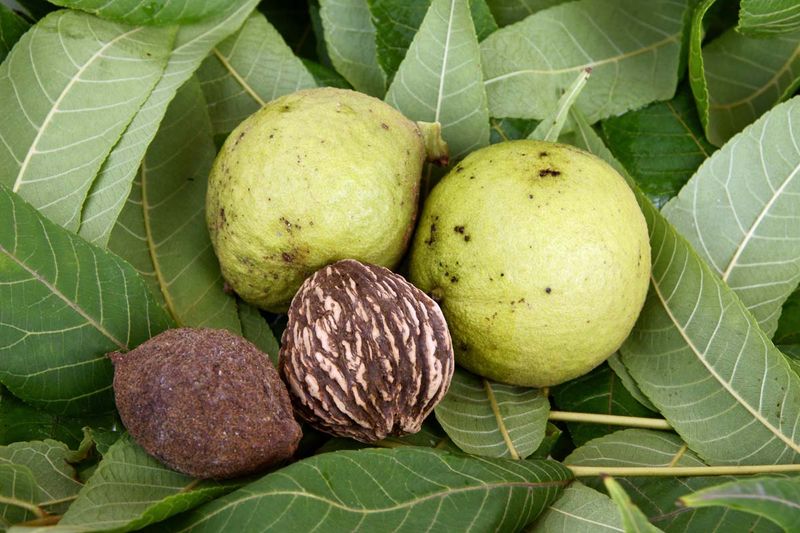
Walnut trees make a natural chemical called juglone. It lives in the leaves, roots, husks, and nuts, and it can stunt sensitive plants.
Tomatoes are some of the fussiest victims. Peppers, potatoes, and eggplant also struggle when juglone sneaks into their soil.
Signs of trouble include yellow leaves, droopy stems, and plants that simply stop growing. Many backyard growers have seen these symptoms without knowing the cause.
Here is some good news, though. Juglone slowly breaks down when air, water, and helpful bacteria go to work on it.
A busy, well-turned pile can handle small amounts of walnut leaves. Experts suggest letting that compost cook for at least six months before using it near vegetables.
Still, most home piles are not tended that closely. A cold, forgotten heap may hold onto juglone far longer than you expect.
For safety, keep walnut leaves to about 20 percent of your total leaf pile, or less. Better yet, give them their own separate bin away from garden compost.
Husks deserve extra caution because they are packed with the chemical. Toss those into yard waste pickup instead of your bin.
Fun fact: Native Americans once used walnut husks as a rich brown dye. The same strong stuff that stains your fingers can also stain your harvest hopes.
2. Tree Of Heaven Leaves Leak Growth Blockers Into Soil
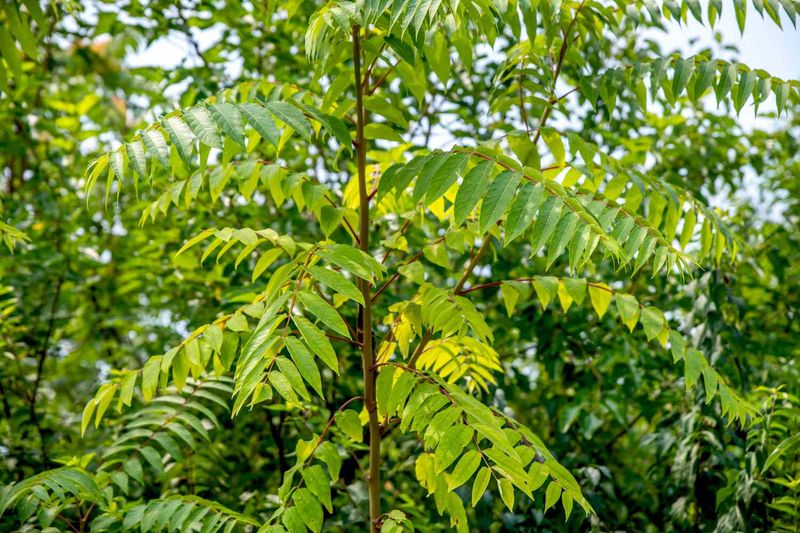
Ever notice a fast, scraggly tree popping up in sidewalk cracks and empty lots? Chances are you have met the tree of heaven, one of the toughest invaders around.
Brought over from China in the 1700s, it spread quickly through cities. Today it grows almost everywhere in New York, from Brooklyn alleys to upstate roadsides.
Its secret weapon is a chemical called ailanthone. The tree uses it to push other plants out of its space.
Leaves, roots, bark, and stems all carry this growth blocker. When the leaves break down, the chemical seeps right into the soil.
Seeds nearby may refuse to sprout, and young plants often stay tiny. That is great news for the tree, but bad news for your garden beds.
Your New York Garden Changes Every Week. Your Plan Should Too.
Gardening in New York changes quickly throughout the season. Every Friday you’ll receive a simple weekly plan showing exactly what to plant, prune, fertilize, harvest, and protect so you never miss the right timing.
Many gardeners still keep these leaves out of compost. The chemical fades fast, but the plant is invasive enough to cause extra headaches.
So what should you do instead? Bag the leaves and send them out with municipal yard waste.
If you spot the tree itself, identify it carefully. Crushed leaves smell a bit like rancid peanut butter, which makes it easy to recognize.
Removing young sprouts early saves plenty of effort later. Pull seedlings when the soil is moist so the roots come out whole.
Also watch for spotted lanternflies, which love feeding on this tree. Getting rid of it helps your yard and your neighbors at the same time.
3. Apple And Crabapple Leaves Harbor Scab Spores All Winter
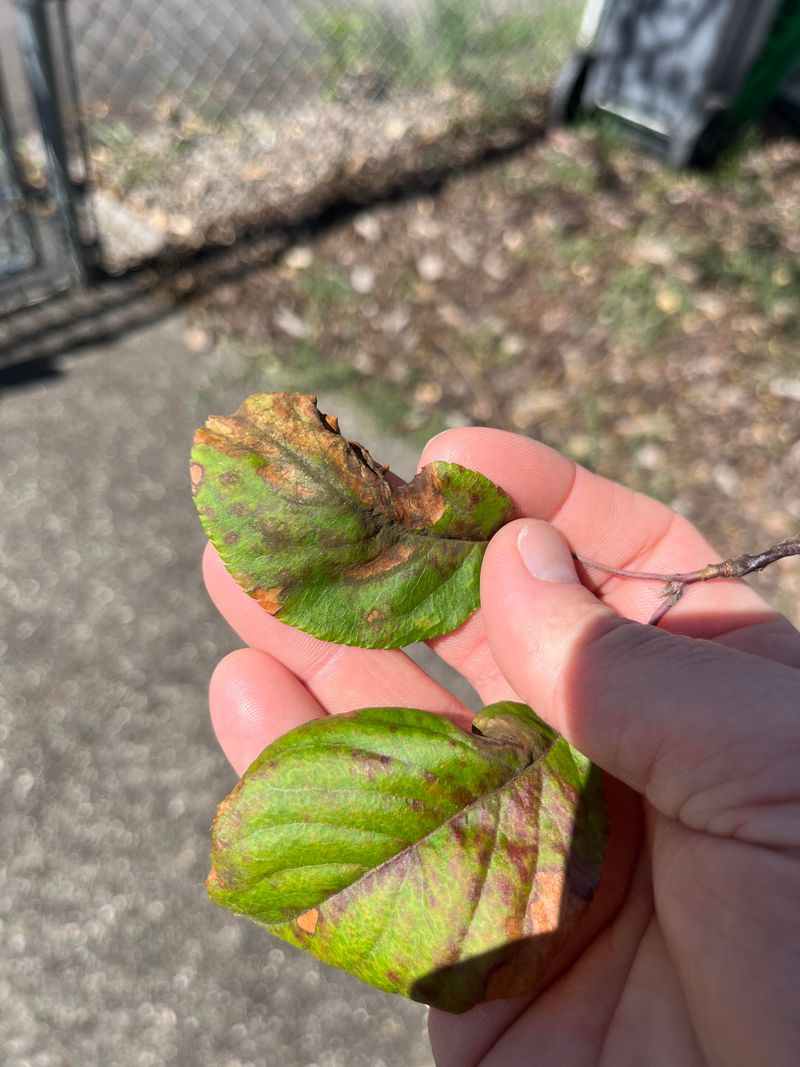
Crisp apples and pink crabapple blossoms make New York falls and springs feel magical. Sadly, a fungus called apple scab loves our cool, damp weather just as much.
The culprit is Venturia inaequalis, and it spends winter tucked inside fallen leaves. While snow covers the yard, tiny fruiting bodies quietly form on those leaves.
By early spring, spores mature inside them. Wind and rain then carry the spores up to fresh leaves and baby fruit.
Infected leaves show olive or black velvety spots. Apples may crack, look scabby, and drop before harvest.
Tossing scabby leaves into compost seems harmless. However, most home piles never get hot enough to wipe out every spore.
A perfectly managed hot pile might do the job. For most of us, though, the risk of spores surviving is just too high.
Your best move is raking up every leaf under apple and crabapple trees in fall. Bag them for pickup or bury them well away from the trees.
Mowing leaves into tiny bits also helps them break down faster on the lawn. Some growers spread a thin layer of urea on shredded leaves to speed rotting.
Planting scab-resistant varieties like Liberty or Enterprise saves future trouble. Many newer crabapples also shrug off the disease nicely.
Think of fall cleanup as an investment in cleaner fruit. A few afternoons of raking can mean shinier apples next September.
4. Flowering Dogwood Leaves Give Anthracnose A Free Ride
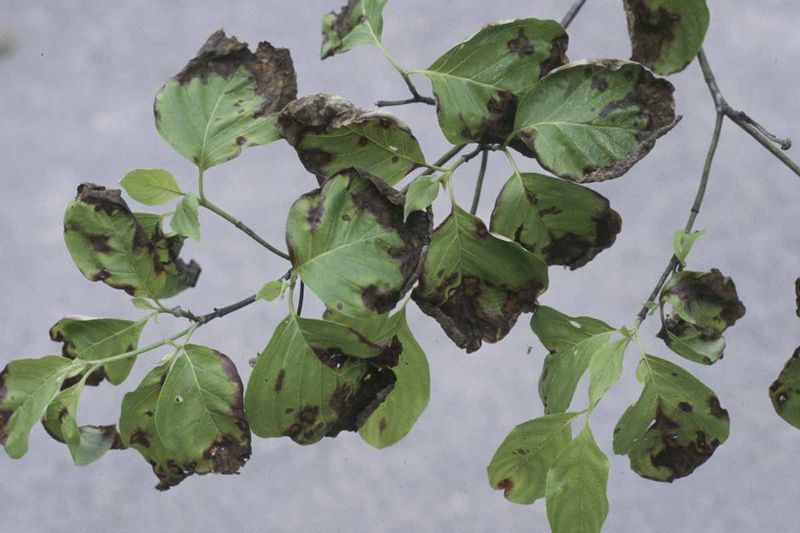
Few trees can match a flowering dogwood in full bloom. Those creamy white blossoms light up spring yards like little paper lanterns.
Unfortunately, a fungus named Discula destructiva has been troubling these beauties for decades. First spotted in the late 1970s, it spread across the Northeast quickly.
Dogwood anthracnose hides in fallen leaves and small twig cankers over winter. Cool, wet spring days then wake the fungus up.
Spores splash and drift onto brand new leaves. Soon you may see tan spots with purple edges, and lower branches may start thinning out.
Leaves on the ground act like a waiting room for the disease. Every spring, they send a fresh batch of spores back into the tree.
Home compost bins rarely stay hot enough to stop this fungus. Adding infected leaves can spread the problem to other parts of your yard.
Instead, rake dogwood leaves promptly and bag them for disposal. Prune out twigs with sunken cankers during dry weather, and clean your pruners afterward.
Good airflow makes a big difference too. Thin crowded branches, and avoid wetting the leaves when you water.
Healthy trees handle stress better, so add mulch and water during summer dry spells. Keep mulch a few inches away from the trunk.
Shopping for a new tree? Kousa dogwoods and hybrids like Stellar Pink resist anthracnose well and still offer lovely flowers.
5. Cherry Leaf Spot Waits Out Winter In Fallen Foliage
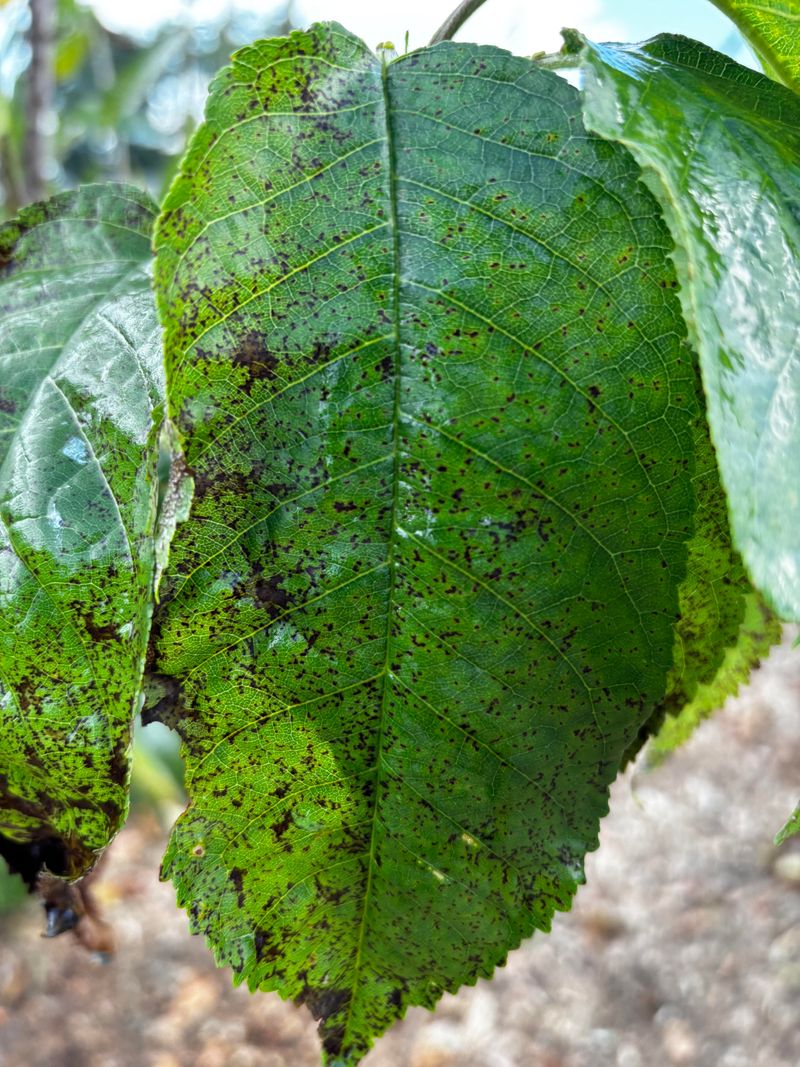
Tiny purple dots might look harmless on a cherry leaf. By midsummer, though, they can strip a tree nearly bare.
Cherry leaf spot is caused by a fungus called Blumeriella jaapii. Tart cherries get hit especially hard, and New York growers know it well.
Once leaves fall, the fungus settles in for winter right under the tree. It patiently waits in the soggy leaf layer.
Around bloom time, small fruiting bodies form in that old foliage. They release spores that ride wind and rain up to new leaves.
Spots start small and purple, then grow larger. Leaves often turn yellow and drop early, leaving the tree weak going into winter.
A weakened cherry may give smaller crops and handle cold poorly. Repeated years of heavy leaf loss can seriously stress it.
Home compost piles usually run too cool to destroy these spores. Adding cherry leaves basically plants next year’s infection yourself.
Rake up every fallen cherry leaf and bag it for yard waste. Try to finish before the first snow flattens everything.
Opening the tree canopy with careful pruning helps leaves dry faster. Dry leaves give the fungus fewer chances to settle in.
Picking up fallen fruit also keeps the area cleaner overall. Pair good sanitation with an early spring check, and your cherries will stay leafier and happier all season.
6. Horse Chestnut Leaves Bring Leaf Blotch Back Every Spring
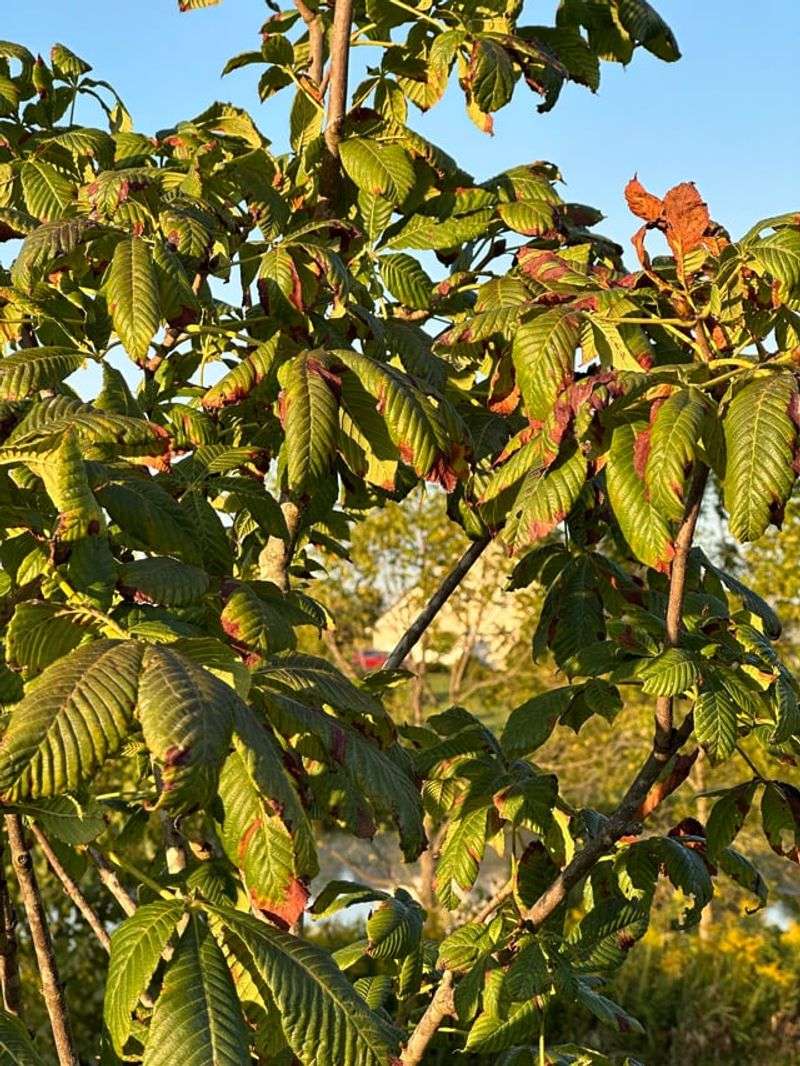
Kids love collecting shiny horse chestnuts from city sidewalks. The big hand-shaped leaves, however, often come with an unwelcome guest.
Leaf blotch is caused by a fungus called Guignardia aesculi. Trees across New York show its brown patches by late summer.
Blotches look irregular and reddish brown, often ringed with yellow. Heavily infected leaves curl up and fall early.
Winter does not stop the fungus at all. It hides safely in fallen leaves piled around the trunk.
Wet spring weather wakes it up again. Spores shoot out from old leaves and land on fresh ones, restarting the whole cycle.
Home compost piles rarely heat up enough to stop these spores. Your bin could easily send infection right back to the tree.
There is another catch with these leaves. They contain a compound called esculin and break down very slowly, so they clog piles anyway.
Plan on raking thoroughly each fall. Bag the leaves and let your town’s yard waste program handle them.
Watering at the base during dry spells keeps trees less stressed. Stressed trees tend to show worse blotch symptoms.
Here is a quirky fact for you. Horse chestnuts are not true chestnuts, and their nuts are not safe to eat, so admire them rather than roasting them.
7. Hawthorn Leaves Hold Leaf Blight For Next Season
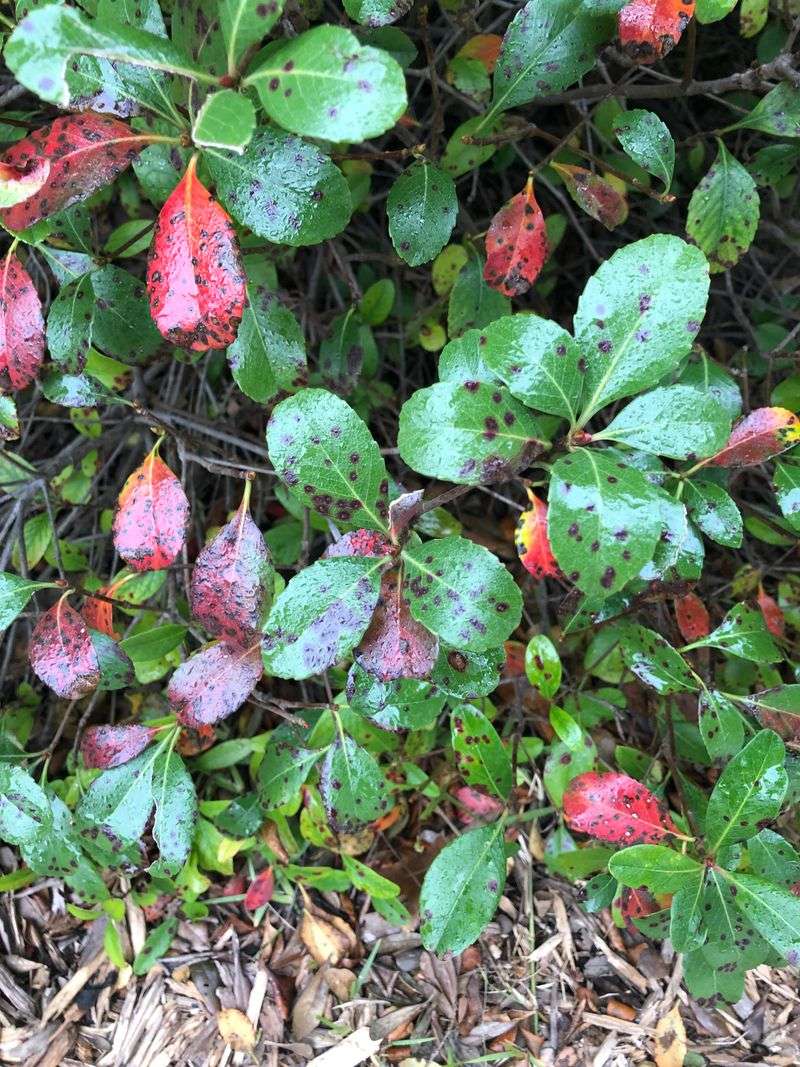
Thorny, tough, and full of bright red berries, hawthorns seem nearly unbeatable. Birds adore them, and many hedgerows are packed with them.
Yet these hardy shrubs have a weak spot. A fungal disease called Entomosporium leaf spot, often called leaf blight, loves them.
Small red or brown spots appear on leaves in late spring. Wet years can turn those spots into early, heavy leaf drop.
Fallen leaves become a cozy winter shelter for the fungus. When rain returns in spring, spores splash onto fresh growth.
Hawthorns are related to apples, so they share some similar troubles. Cedar rusts also visit them, adding orange spots to the mess.
Composting diseased hawthorn leaves carries real risk. Spores can survive a lukewarm pile and hitch a ride back into your beds.
A smarter plan starts with raking under hawthorns each autumn. Bag the leaves or bury them well away from your hawthorns.
Pruning helps too, especially in crowded hedges. Opening up branches lets sunlight and breezes dry leaves faster after rain.
Avoid overhead sprinklers near these shrubs whenever you can. Soaker hoses keep water on the roots instead of the leaves.
If you are planting new ones, look for resistant choices like Winter King hawthorn. You will still get cheerful berries without so much spotty foliage.
8. Hemlocks And Ash Trees On Systemic Insecticide Treatments
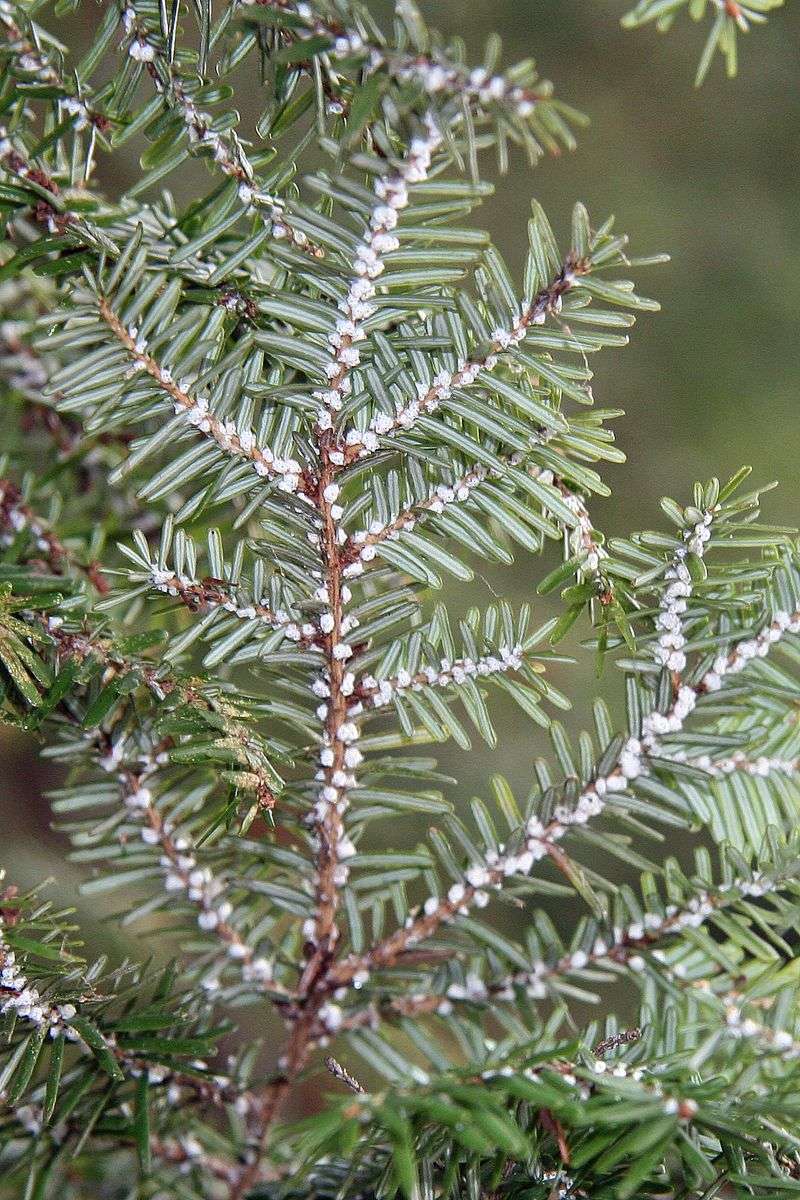
Sometimes the problem is not the tree at all. Instead, it is the medicine that keeps the tree healthy.
Across New York, many hemlocks get treated for hemlock woolly adelgid. Ash trees often receive treatment against the emerald ash borer.
Common treatments include imidacloprid and emamectin benzoate. Arborists inject them into trunks or soak them into the soil around roots.
The tree then carries these chemicals up into its needles and leaves. Pests take a bite and get knocked out.
Here is the catch for composters. Treated leaves and needles can hold small amounts of insecticide after they fall.
Bees, earthworms, and other helpful critters may be harmed by these chemicals. Spreading that compost around flowers could expose pollinators you want to protect.
Some treatments also linger for a long time in plant material. A single application can protect a tree for one to several years.
So check before you rake these into your pile. Ask your arborist what was used and when it was applied.
If a tree was treated recently, bag its leaves separately. Send them out with yard waste or let them rest beneath the tree itself.
Keeping records of treatment dates makes future decisions easier. Jot them on a calendar so you remember every fall which piles are safe to use.
9. Poison Sumac Leaves Keep Their Itch Long After They Fall
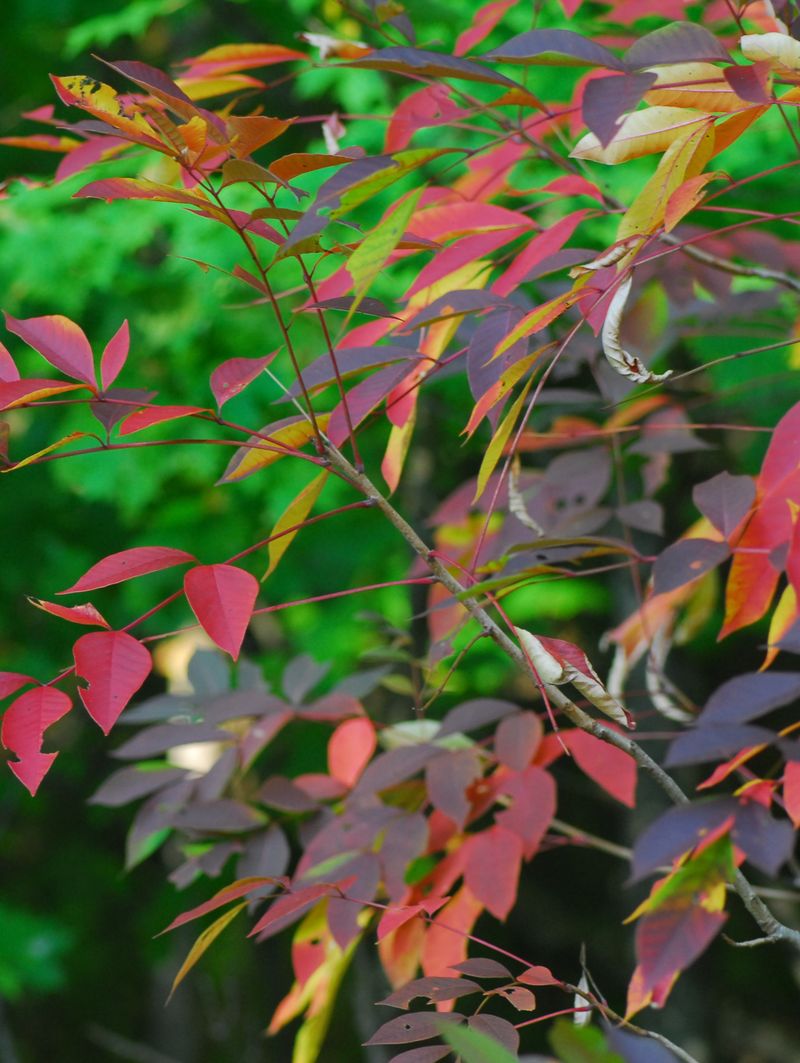
Blazing red leaves in a swamp might tempt you to grab a handful. Please resist, because poison sumac is one plant you want to admire from afar.
Like poison ivy, it carries an oil called urushiol. Some experts say poison sumac packs an even stronger punch.
Urushiol does not disappear when leaves drop. It can stay active on leaves, stems, and tools for years.
Handling these leaves in a compost pile invites an itchy mess. Turning the pile could spread oil onto gloves, forks, and bare arms.
Burning is even worse. Smoke carries the oil into the air, where breathing it can cause serious lung trouble.
Identifying the plant is your first defense. Look for 7 to 13 smooth leaflets on red stems, often growing in wet, soggy ground.
Harmless sumacs have fuzzy red berry clusters that point upward. Poison sumac has droopy white or gray berries instead.
Found some in your yard? Wear long sleeves, gloves, and old shoes, then bag the leaves in heavy plastic for the trash.
Wash tools and clothes with soap and cool water right away. Scrubbing skin within 30 minutes can greatly reduce a rash.
Wetland edges are where you will spot it most. Keep leaves from those areas out of your bin, and your summer will stay itch-free.