How To Keep Potted Perennials Going Through Winter In An Unheated Michigan Garage
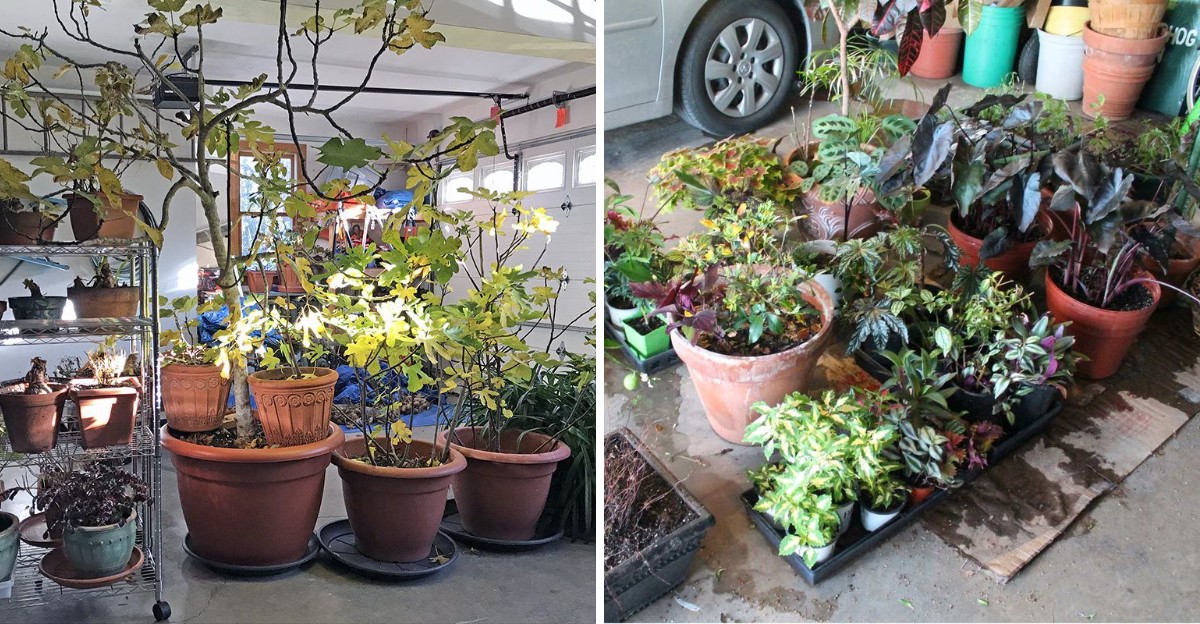
An unheated garage can be a surprisingly useful space for overwintering potted perennials in Michigan.
These plants generally need protection from deep freezing, but not the warmth of a heated indoor space, since most perennials are naturally dormant and inactive through winter anyway.
A garage offers just enough insulation to keep pots from freezing solid while still letting plants experience the cold temperatures they actually need for proper dormancy.
Checking soil moisture occasionally, since pots can still dry out even in cold conditions, helps prevent roots from drying out completely over the winter months.
This simple approach protects perennials without requiring indoor space or constant attention until spring arrives.
1. Choose Perennials That Can Handle Garage Storage

Not every plant on your patio is cut out for a winter in the garage. Some perennials are tough as old boots, while others shiver at the first hint of frost. Picking the right ones from the start makes the whole job much easier.
An unheated garage blocks icy wind and the worst of the deep cold, but it still gets chilly in there. Hardy favorites like hostas, coneflowers, daylilies, sedums, heucheras, and ornamental grasses handle those conditions well.
They expect a cold rest every year, so a frosty garage feels pretty normal to them. Tender plants are a different story.
Perennials such as geraniums, cannas, and many tropical types cannot handle freezing at all. Those need to come inside your house or have their bulbs and roots stored somewhere warmer.
Before you haul anything into the garage, check the plant tag or look up its hardiness zone. Southern Michigan sits mostly in zones 6a and 6b, while the north and the Upper Peninsula drop to zones 4 and 5.
For potted plants, choose ones rated at least one or two zones colder than where you live. Why the extra margin?
Roots in a container face much colder temperatures than roots tucked into the ground, where soil acts like a thick blanket. Even inside a garage, a pot can freeze through in a way garden soil rarely does.
So if you garden in Grand Rapids, a plant hardy to zone 4 is a safer bet than one rated for zone 6. That simple choice gives your plants a real head start.
2. Let Them Go Dormant Outdoors First
Patience pays off here. Your first instinct might be to rush pots into the garage the moment the weather turns cool, but your plants actually need a little chill first. Cool nights and light frosts send a clear message that winter is on the way.
Those signals tell perennials to slow down and slip into dormancy, which is a deep resting stage. During dormancy, plants stop pushing out new leaves and save their energy in the roots. That rest makes them much tougher when the real cold arrives.
Plants moved inside too early can get confused. They may keep growing in the shelter of the garage, using up stored energy and producing weak, floppy shoots. Come spring, those plants often start the season tired and struggling.
Your Michigan Garden Changes Every Week. Your Plan Should Too.
Gardening in Michigan changes quickly throughout the season. Every Friday you’ll receive a simple weekly plan showing exactly what to plant, prune, fertilize, harvest, and protect so you never miss the right timing.
A good rule is to leave pots outdoors through several light frosts. Watch the leaves closely. Once the foliage turns yellow or brown and the plant looks like it has called it quits for the year, it is ready for its winter home.
Timing still matters on the other end, too. Move your pots into the garage before the soil inside them freezes solid. A frozen pot is heavy, hard to move, and its roots have already taken a beating.
Michigan is a big state, so the calendar shifts depending on where you live. Gardeners in the Upper Peninsula and the northern Lower Peninsula often see plants go dormant by early October.
Down in Detroit or Kalamazoo, that moment might not come until late October or even early November.
3. Cut Back Foliage Before Storage
Grab your pruners, because a quick trim now can save you a lot of headaches later. Old leaves and stems might look harmless, but they can cause real trouble in a closed garage. A tidy pot is a healthier pot.
Spent foliage holds onto moisture, and damp plant material is a perfect place for mold and rot to start.
Those soggy leaves can also spread problems down into the crown, which is the spot where stems meet the roots. On top of that, a tangle of dried stems makes a snug hiding place for insects and other pests.
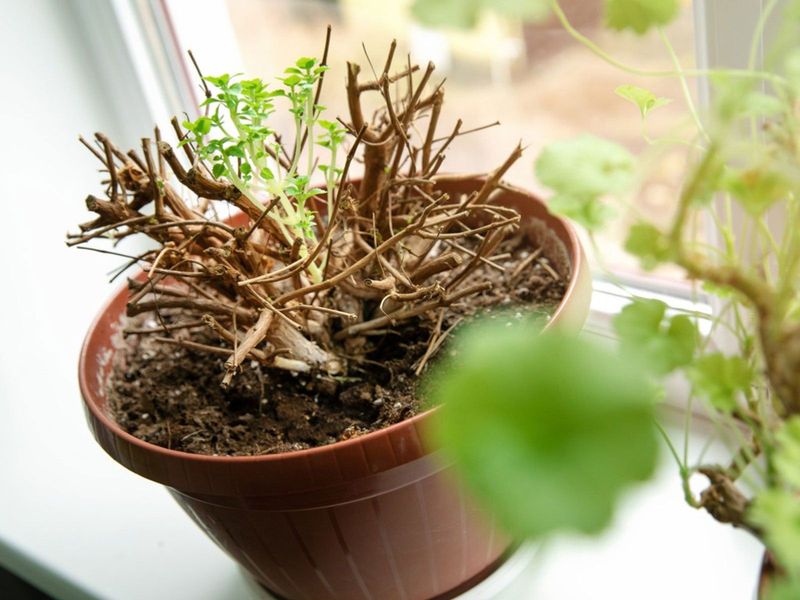
Once the leaves have faded and flopped over, cut the stems back to a few inches above the soil. Clean, sharp pruners make neat cuts that heal well. Leaving a short stub also helps you remember where the plant is if the label goes missing.
A few plants break the rule. Evergreen and semi-evergreen perennials, like heucheras, should keep their leaves through winter. Those leaves help protect the crown, so simply pull off any that look brown or mushy and leave the rest alone.
Finish the job by clearing fallen leaves, petals, and other debris off the soil surface. A clean top layer lets air move freely and gives mold far fewer chances to settle in.
For Michigan gardeners, these small steps count for a lot. Your pots may sit in the garage for four to five months, from late fall into April. That is a long stretch, and a clean start keeps your plants fresh the whole way through.
4. Water Pots Before Moving Them In
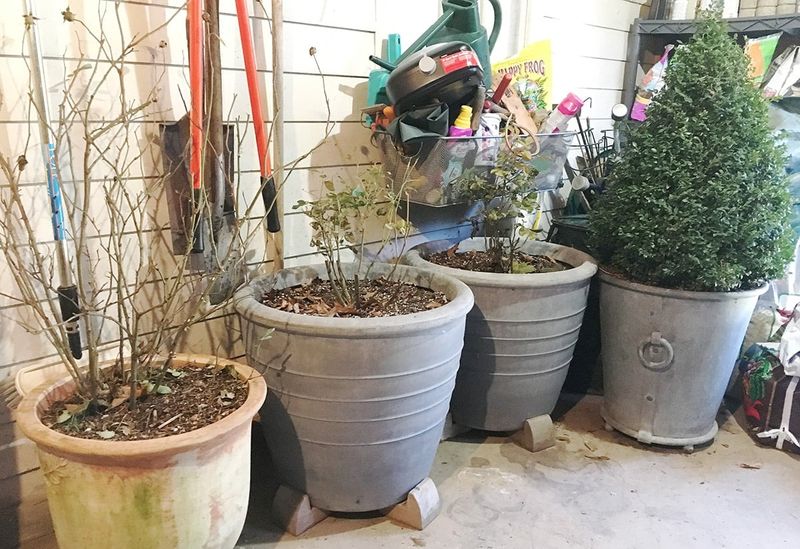
Here is a trick that surprises plenty of gardeners: wet soil actually helps protect roots from cold. It sounds backward, but it is true. A good drink before storage gives your perennials a big winter advantage.
Roots sitting in bone-dry soil are much easier to damage when temperatures drop. Moist soil works a bit like a heat battery, holding warmth and releasing it slowly as the air cools. Dry soil, by contrast, lets the cold slip right through.
There is a catch, of course. Soggy, waterlogged soil can lead to root rot, especially when plants are resting and not using much water. The goal is a happy middle ground.
Water each pot thoroughly a day or two before you move it into the garage. Keep pouring until water runs out of the drainage holes, so you know the whole root ball got wet. Then let the pots sit and drain completely.
By the time they head inside, the soil should feel moist, like a wrung-out sponge, but not wet and heavy. Press a finger an inch or two into the mix to check. If water pools or the soil feels mushy, give it another day to dry a bit.
Michigan falls can be sneaky. Sunny, breezy weeks with little rain often leave container soil far drier than you would guess, even when the air feels damp and cool. Checking your pots before storage keeps your plants from heading into a long winter thirsty.
5. Group Pots Together Away From The Door
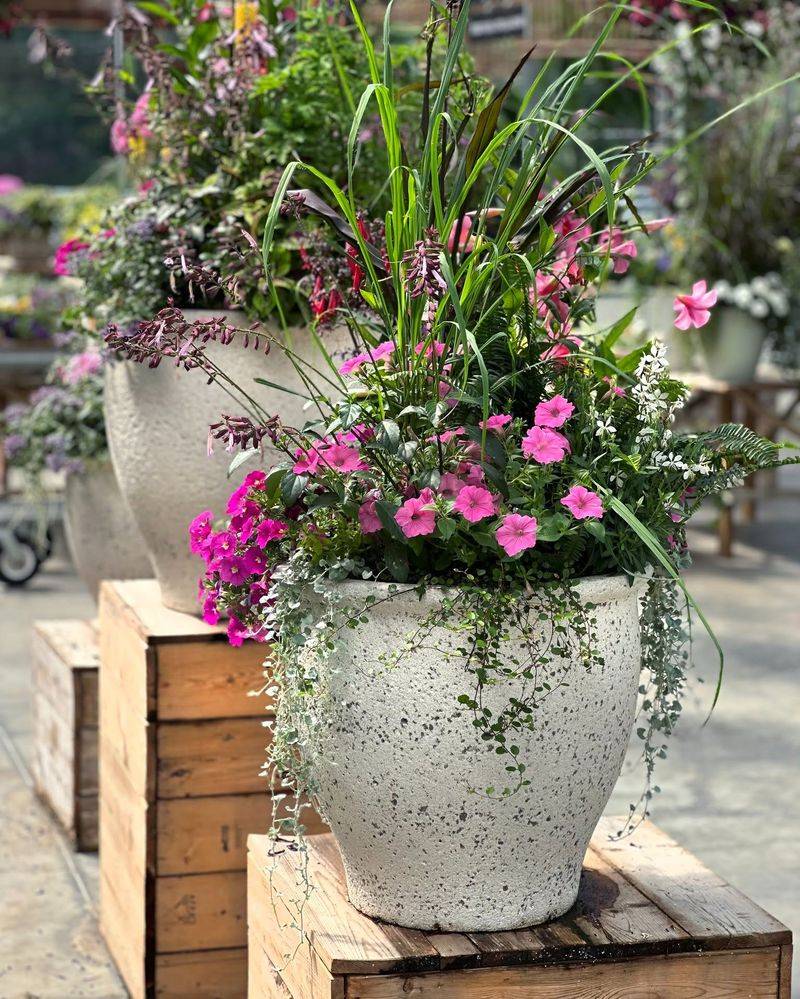
Think of your pots like a group of friends huddled together at a chilly football game. Standing close keeps everyone warmer. Plants work the same way, and a smart setup can make a big difference.
When pots sit side by side, they share warmth and shield each other from the cold. A lonely pot sitting by itself loses heat from every side. A tight cluster, on the other hand, protects the plants in the middle and cuts down on exposure for the ones on the edges.
Location inside the garage matters, too. The area near the big garage door gets hit with blasts of cold air every time it opens. Exterior walls also run colder and see bigger temperature swings than inside walls.
For the best spot, line your pots up along an inside wall. In an attached garage, the wall shared with your house is the warmest place you have, since a little heat seeps through from indoors.
Skip the bare concrete floor. Concrete pulls heat out of pots fast, so set them on wooden boards, pallets, or even thick cardboard. That small gap makes a real difference for the roots.
Want extra protection? Surround the group with bags of fall leaves, bales of straw, or old blankets. These materials trap air and act like a fluffy winter coat.
Michigan cold snaps can be brutal, with nights dipping below zero. During those stretches, garage temperatures can fall well below freezing, and a well-packed cluster helps your plants ride it out.
6. Keep Them Cold But Steady
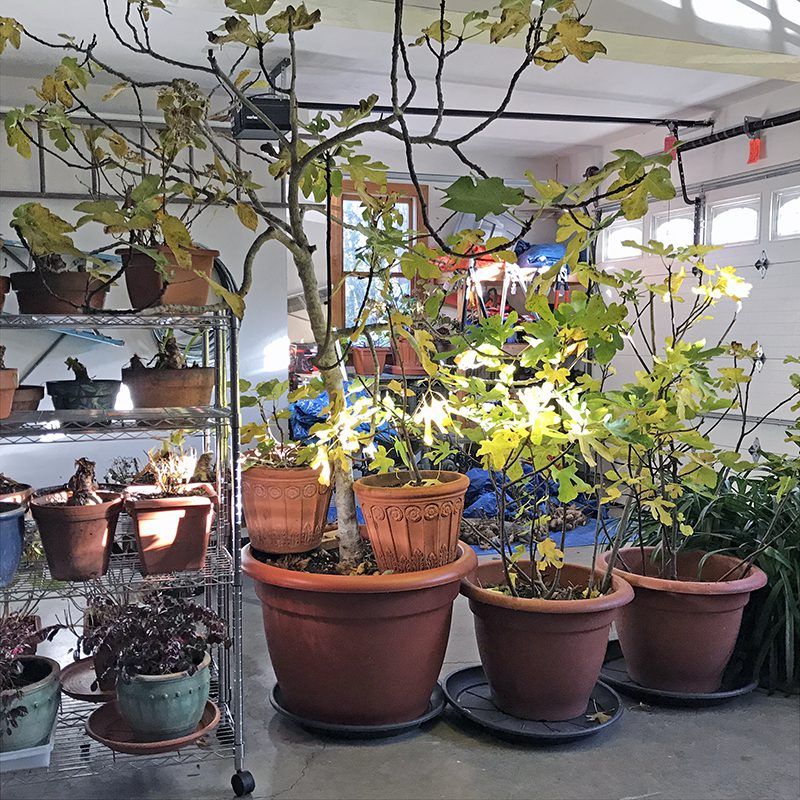
Cold is your friend this winter, as long as it stays steady. Dormant perennials actually want chilly conditions to stay asleep. The real enemy is wild swings between too warm and way too cold.
Most dormant perennials do best somewhere between the mid-20s and about 40°F. In that range, they rest comfortably without waking up. If the garage gets much warmer, plants may think spring has arrived and start sprouting far too soon.
On the flip side, very deep cold can still harm roots in pots. Containers do not have the protection of the earth around them, so a long stretch of single-digit temperatures can be rough. Keeping things in that sweet spot is the goal.
A simple thermometer makes this easy. Hang one near your plants, at about pot height, so you know exactly what they are feeling. Some gardeners love the kind that records the daily high and low.
When a severe cold snap rolls in, add more insulation. Toss an extra blanket over the cluster or pile on more bags of leaves for a few nights.
Warm spells need attention, too. On an unusually sunny, mild day, a closed garage can heat up quickly. Open the door for a little while to let the extra warmth out, then close it again before evening.
Michigan weather loves to keep people guessing. A January thaw can bring temperatures in the 50s, and a few days later the thermometer may drop below zero. Watching your garage closely helps your plants stay calm through all of it.
7. Check Moisture Every Few Weeks
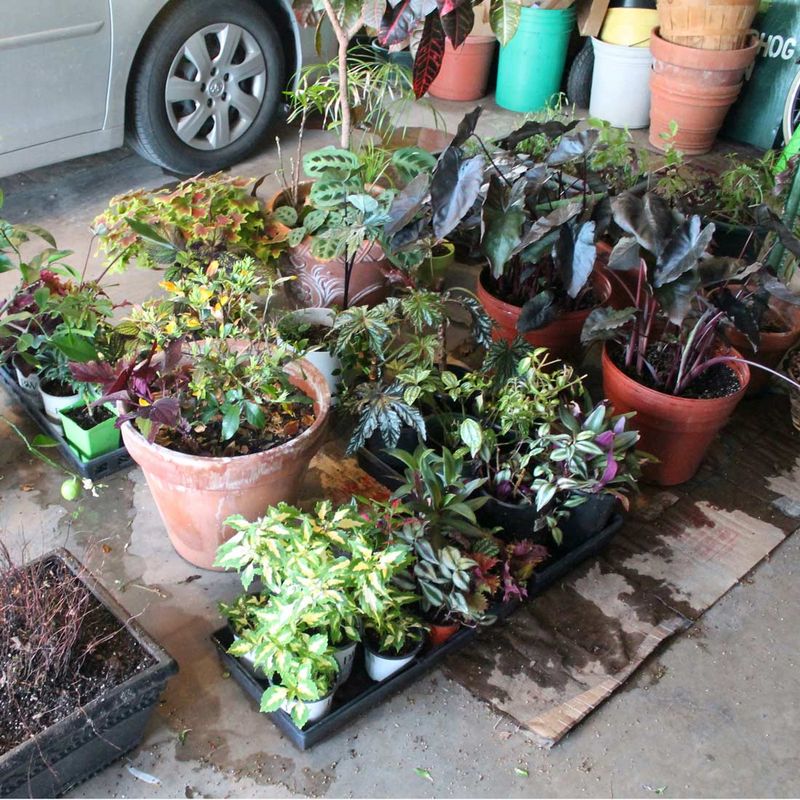
Out of sight should not mean out of mind. Even sleeping plants need a sip now and then. It only takes a few minutes every few weeks to keep them in good shape.
Soil in pots slowly dries out over the long winter months. Dormant plants do not drink much, but their roots still need some moisture to stay healthy.
If the soil dries out completely, those roots can shrivel and suffer damage you will not notice until spring.
Set a reminder on your phone to check your pots every two to three weeks. Push a finger into the soil about an inch or two deep. If it feels dry and crumbly, it is time for a drink.
Water lightly when the soil is dry and not frozen. A small amount is plenty, just enough to dampen the mix. Avoid soaking the pots, because cold, soggy soil invites rot and mold.
Sometimes the best move is to do nothing. If the soil still feels moist, skip watering until your next check. And if the soil is frozen solid, leave it alone, since water cannot soak in and will just sit on top or turn to ice.
A mild, thawed day is often the perfect time to water. The soil softens, and the water can reach the roots.
Michigan garages can get surprisingly dry in winter. Cold air holds very little moisture, and it slowly pulls water from container soil week after week. Those quick checks keep your perennials comfortable until warmer days return.
8. Watch For Mice And Voles
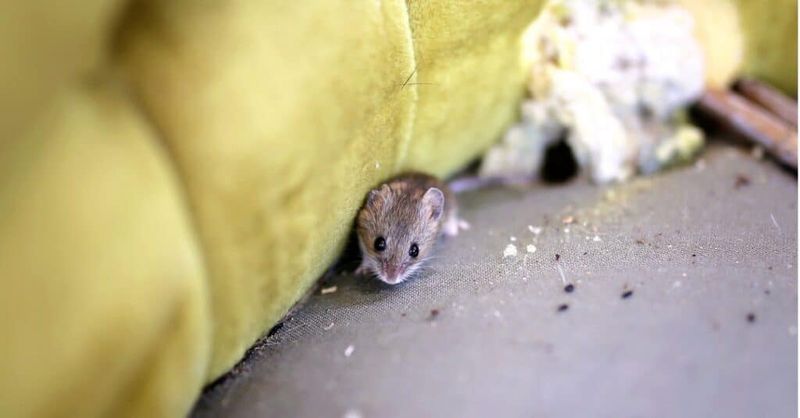
Your garage is not just a winter home for plants. Small furry visitors find it pretty inviting too. Mice and voles can quietly cause a surprising amount of damage if you are not paying attention.
When the weather turns cold, these critters hunt for shelter and food. A cluster of pots filled with soft soil looks like a five-star hotel to them. They may build nests in the pots, dig tunnels through the potting mix, or chew on tasty crowns and roots.
Hostas are a well-known favorite for voles, and plenty of gardeners have opened their garage in spring to find a pot of chewed-up roots. A little effort now can spare you that disappointment.
Make a habit of checking your pots during your regular moisture checks. Look for small holes, loose soil, chewed stems, or tiny droppings. Catching trouble early makes it much easier to fix.
Set traps along the garage walls near your plants, since rodents like to run along edges. Snap traps baited with peanut butter work well. Keep them out of reach of pets and children.
Food is the biggest draw, so cut off the buffet. Store birdseed, grass seed, and pet food in sealed metal or thick plastic bins. If mice are already a problem, avoid piling loose straw right against your pots, because it makes a cozy nesting spot.
In Michigan, rodents move into garages the moment cold weather shows up, often in October. Staying alert all winter keeps your perennials safe from those hungry little guests.
9. Move Them Out Gradually In Spring
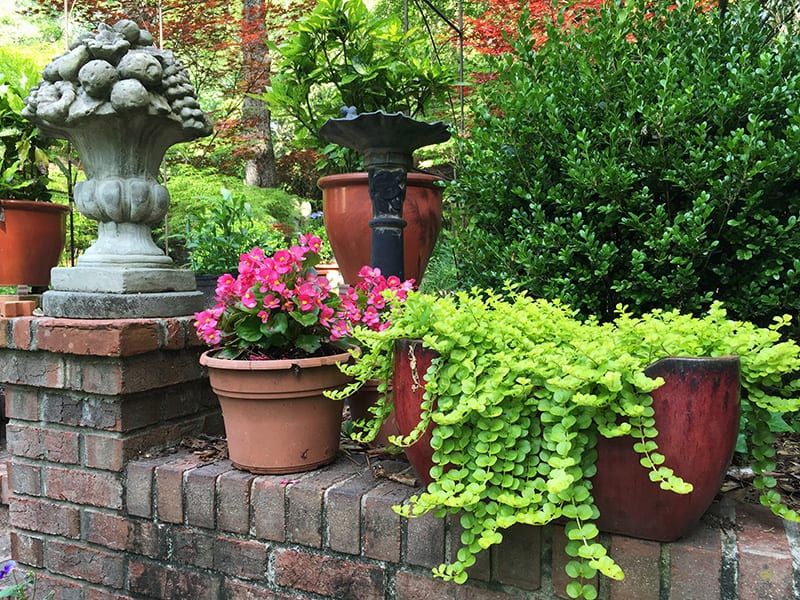
Spring fever hits hard after a long Michigan winter. Those first warm days make you want to throw open the garage and haul every pot into the sun. A slower approach, though, keeps your plants strong and safe.
Plants that wake up early can be hurt by late hard freezes. Any shoots that started growing in the garage are often pale and tender, since they formed without much light. Sudden sun and cold can scorch or damage that soft new growth.
Wait to move pots outside until the danger of hard freezes has passed. Light frosts are usually fine for hardy perennials, but nights well below freezing can set them back.
Once they head out, give your plants a gentle transition. Place them in a sheltered, partly shaded spot, like along the east side of the house, for about a week. After that, they can move into full sun if that is where they like to grow.
Keep frost cloth or an old sheet handy. Spring weather can flip quickly, and a quick cover on a chilly night protects those fresh leaves.
As new growth appears, start regular watering again. Once the plants are actively growing, add a balanced fertilizer to help them bounce back.
Timing depends a lot on where you live in the state. Southern Michigan often sees its last frost in early to mid May. Up north and in the Upper Peninsula, spring can arrive several weeks later, sometimes not until early June.