This Feeder Mistake Could Be Hurting New York Hummingbirds This August
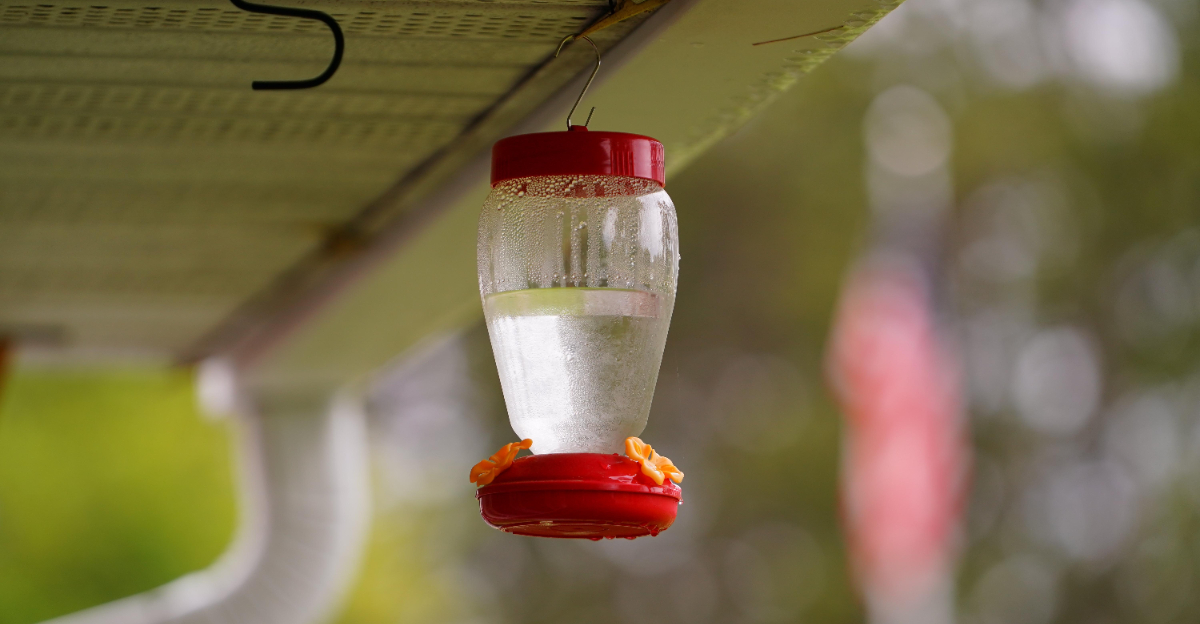
August draws New York backyards into full hummingbird mode, feeders swinging from porches and fence posts everywhere. Most people fill them once and forget them, trusting sugar water to hold its ground against summer heat.
That trust is often misplaced. Warmth turns nectar cloudy within days, and a feeder left untouched can quietly shift from a lifeline into a liability for the birds it’s meant to attract.
It really looks ordinary. No obvious warning signs, just a slightly hazier liquid swaying in the sun while hummingbirds keep visiting anyway.
If a feeder has been hanging outside your window for a while now, this is worth a closer look. What’s happening inside that reservoir might be working against the very visitors you’re hoping to welcome.
Warm Nectar Ferments Within A Day Or Two
Sugar water sounds harmless, but heat turns it dangerous fast. In August, outdoor temperatures in New York can push past 85 degrees Fahrenheit by midday.
At that temperature, the simple sugar-water mixture you made ferments quickly. Fermentation means the sugar breaks down and produces bacteria and yeast.
That process can start in less than 48 hours. Most backyard birders have no idea this is happening right under their noses.
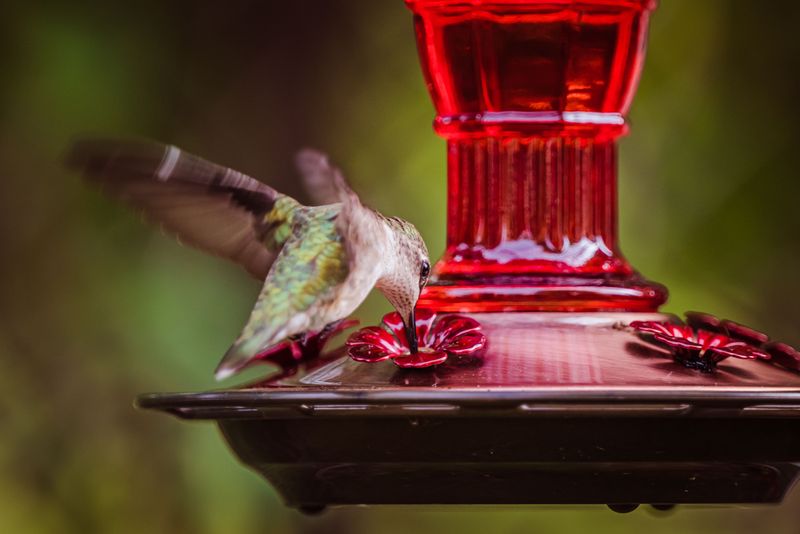
Hummingbirds visiting a feeder mistake that nectar for fresh food. They have no way to tell the difference between clean and spoiled liquid.
Think about leaving a glass of lemonade on your porch all day in August. By evening, it smells off and tastes wrong.
Nectar works the same way, except hummingbirds keep drinking it anyway. Their tiny bodies are not built to handle fermented or bacteria-laden liquid.
Fermented nectar can cause digestive problems and weaken a bird’s immune system. For a creature that weighs less than a nickel, that stress is serious.
The good news is that understanding the timeline gives you real power. Once you know nectar can turn in under two days, you can plan around it.
Many New Yorkers refill feeders once a week out of habit. That schedule works fine in cooler months but becomes a problem in peak summer heat.
Adjusting your routine to match the weather is the first smart step. Fresh nectar is the foundation of a safe, welcoming feeder for late-season hummingbirds.
Cloudy Or Sour Nectar Signals Trouble
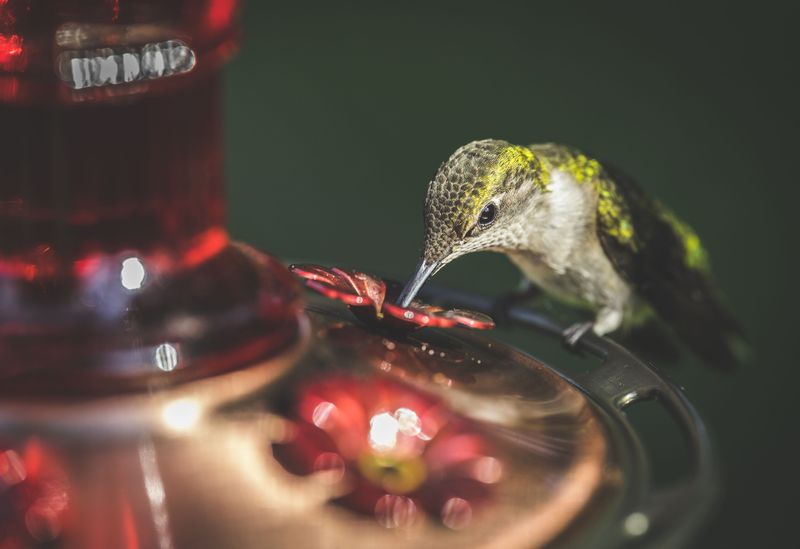
Your eyes and nose are actually great tools for feeder maintenance. Fresh nectar looks clear, like clean water with a slight shimmer.
The moment it starts turning cloudy, that is a warning sign you should not ignore. Cloudiness means bacteria or yeast have already started multiplying inside the liquid.
Sometimes the nectar will also develop a faint sour smell, similar to old juice left on a counter. That odor is caused by the same fermentation process that ruins food in your kitchen.
Skipping that quick visual check is easy to do, but it opens the door to real risk for your visitors. Take thirty seconds every morning to look at your feeder before the day heats up.
Your New York Garden Changes Every Week. Your Plan Should Too.
Gardening in New York changes quickly throughout the season. Every Friday you’ll receive a simple weekly plan showing exactly what to plant, prune, fertilize, harvest, and protect so you never miss the right timing.
Tilt the feeder slightly and watch how the liquid moves. Clear nectar flows smoothly, while spoiled nectar may look slightly thicker or murky.
If you spot any floating particles, those are likely mold or yeast colonies forming. Mold can begin growing on feeder surfaces before it becomes visible in the liquid itself.
Smell the feeder port openings too, since that is where bacteria tend to gather first. A sour or yeasty odor near the ports means it is time for a full cleaning and refill.
You do not need fancy equipment to catch these problems early. Your senses alone can protect the hummingbirds that depend on your feeder.
Catching spoilage early keeps your feeder safe and saves you from a messier cleaning job later. Staying observant is one of the simplest, most effective habits a backyard birder can build.
Feeder Placement In Direct Sun Speeds Spoilage
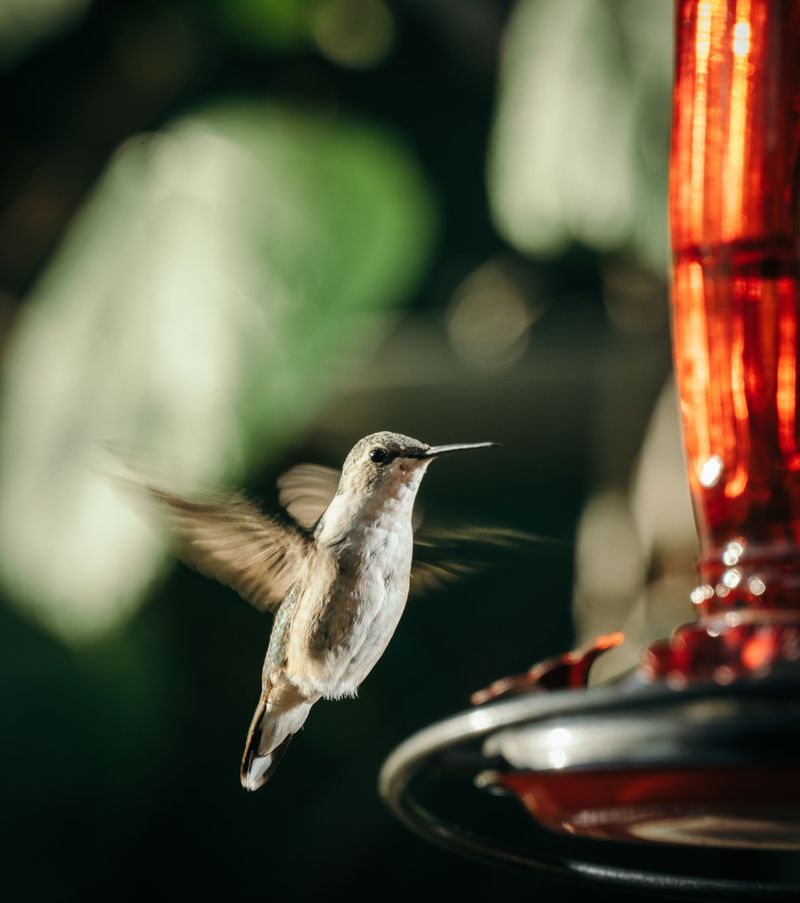
Where you hang your feeder matters just as much as how often you clean it. Direct sunlight is one of the biggest reasons nectar spoils so quickly during August in New York.
A feeder sitting in full sun from morning to afternoon can heat the nectar to dangerous temperatures within hours. That warmth is basically an oven for bacteria and yeast growth.
Shade is your best friend when it comes to feeder placement. Moving your feeder under a tree canopy, a porch overhang, or beside a tall shrub can dramatically slow spoilage.
Even partial shade makes a measurable difference in how long nectar stays fresh. Many birders find that shaded feeders can stay fresh noticeably longer than ones left in full sun.
You also want to think about morning versus afternoon sun exposure. Morning sun is gentler, but afternoon sun in August can be brutal and relentless.
Try to find a spot that gets morning light but stays shaded from noon onward. That balance keeps hummingbirds comfortable while they feed and protects the nectar from intense heat.
If your yard does not have natural shade, consider a simple patio umbrella positioned near the feeder. Even a modest amount of cover can lower the temperature of the liquid inside by several degrees.
Relocating a feeder takes about two minutes and costs nothing. That small effort can protect the hummingbirds visiting your yard all through the hottest weeks of summer.
Smart placement is an underrated fix that works around the clock, even when you are not home to check.
Mold Buildup Can Sicken Visiting Birds
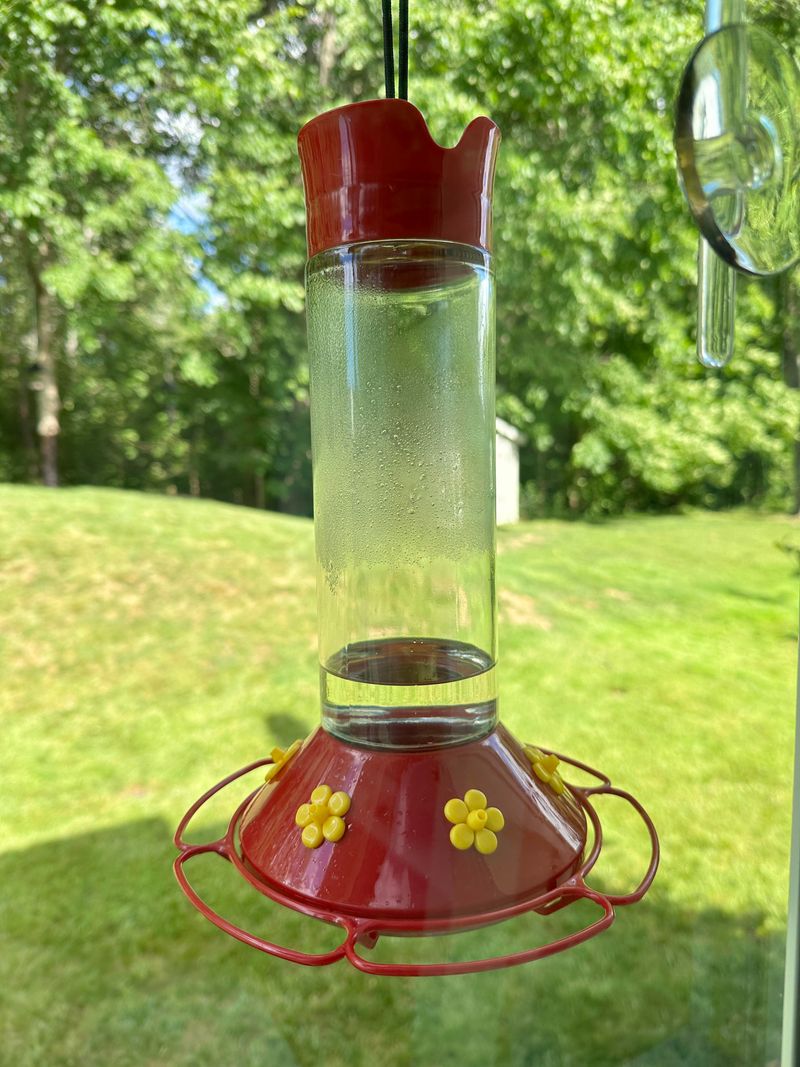
Mold inside a feeder is not just unpleasant to look at. It poses a genuine health threat to every hummingbird that stops by for a sip.
Black or dark green spots inside the feeder bowl or feeding ports are classic signs of mold growth. Once mold takes hold, it spreads fast in warm, sugary conditions.
Hummingbirds that consume mold-contaminated nectar can develop a fungal tongue infection called candidiasis. This condition makes it painful and difficult for them to eat, which is especially dangerous during migration prep.
August is a critical month because ruby-throated hummingbirds in New York are beginning to bulk up for their long southern journey. A sick bird heading into migration faces serious survival challenges.
Cleaning your feeder thoroughly every time you refill is the most effective defense against mold. Use a bottle brush and warm soapy water to scrub every surface, including the feeding ports.
Rinse everything at least twice so no soap residue remains. Soap left behind can also harm the birds that visit your feeder.
Some birders use a diluted white vinegar rinse as a natural mold deterrent. Rinse thoroughly after using vinegar, since strong residues can irritate a hummingbird’s sensitive system.
Avoid using bleach unless you rinse the feeder extremely well afterward. Natural cleaning methods are safer and just as effective when done consistently.
A clean feeder is a welcoming feeder, and welcoming feeders attract healthy, happy hummingbirds. Staying on top of mold is one of the most protective things you can do this August.
A Two-Day Refill Schedule Fixes The Problem
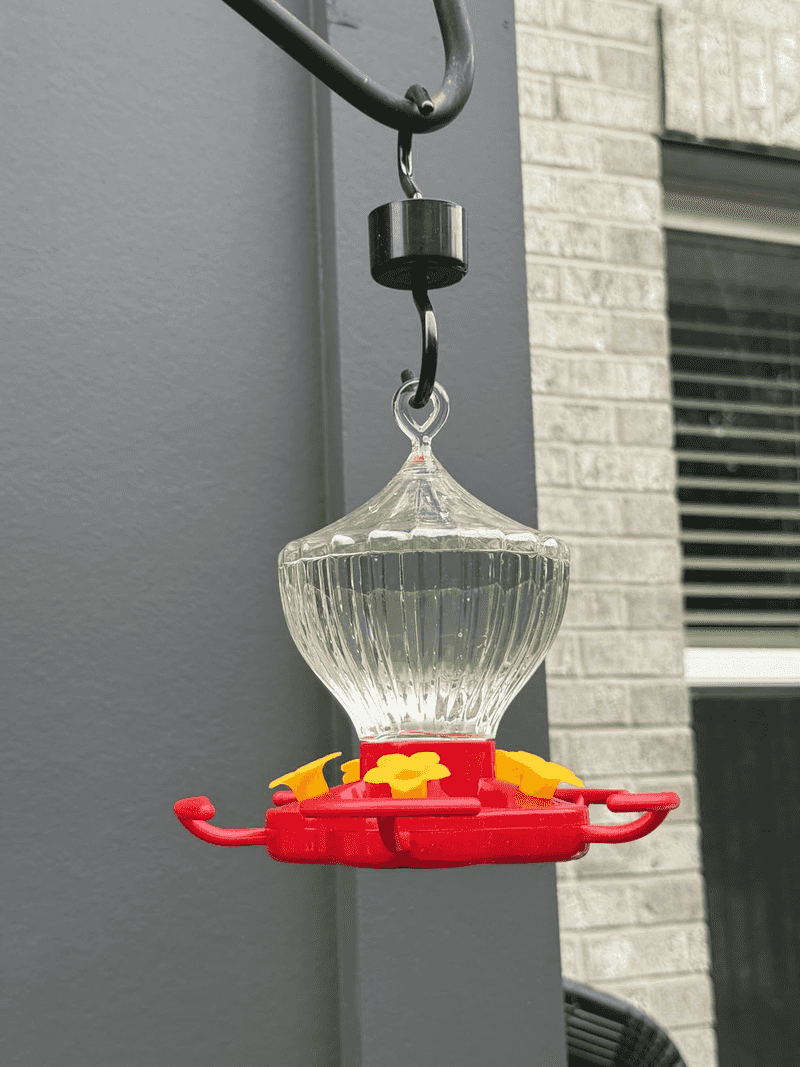
Switching to a two-day refill routine sounds like extra work, but it quickly becomes second nature. Most people already have a morning routine, and adding a feeder check takes under five minutes.
In August heat, two days is about the maximum safe window for nectar to stay fresh outdoors. Anything beyond that is pushing your luck, especially during a heat wave.
Make a small batch of nectar using one part plain white sugar to four parts water. Boil the water first to help the sugar dissolve and reduce any tap water contaminants.
Let the mixture cool completely before filling your feeder. Pouring hot nectar into a plastic feeder can warp the container and also stress any birds that visit before it cools.
Store any extra nectar in the refrigerator for up to two weeks. Having a ready supply means refilling takes seconds rather than requiring a full prep session every time.
Avoid using honey, brown sugar, or artificial sweeteners in hummingbird nectar. Those alternatives can cause serious digestive and health issues for the birds.
Skipping red food dye is also smart since most feeders are already red and that color alone attracts hummingbirds. Clean, plain sugar water is all they need.
Keeping a small calendar reminder on your phone makes the two-day schedule effortless. A simple alert that says “refill feeder” can protect the hummingbirds in your yard all season long.
Consistency is the real secret here. A reliable schedule beats occasional heroic efforts in the long run.
Small Adjustments Protect Late-Season Visitors
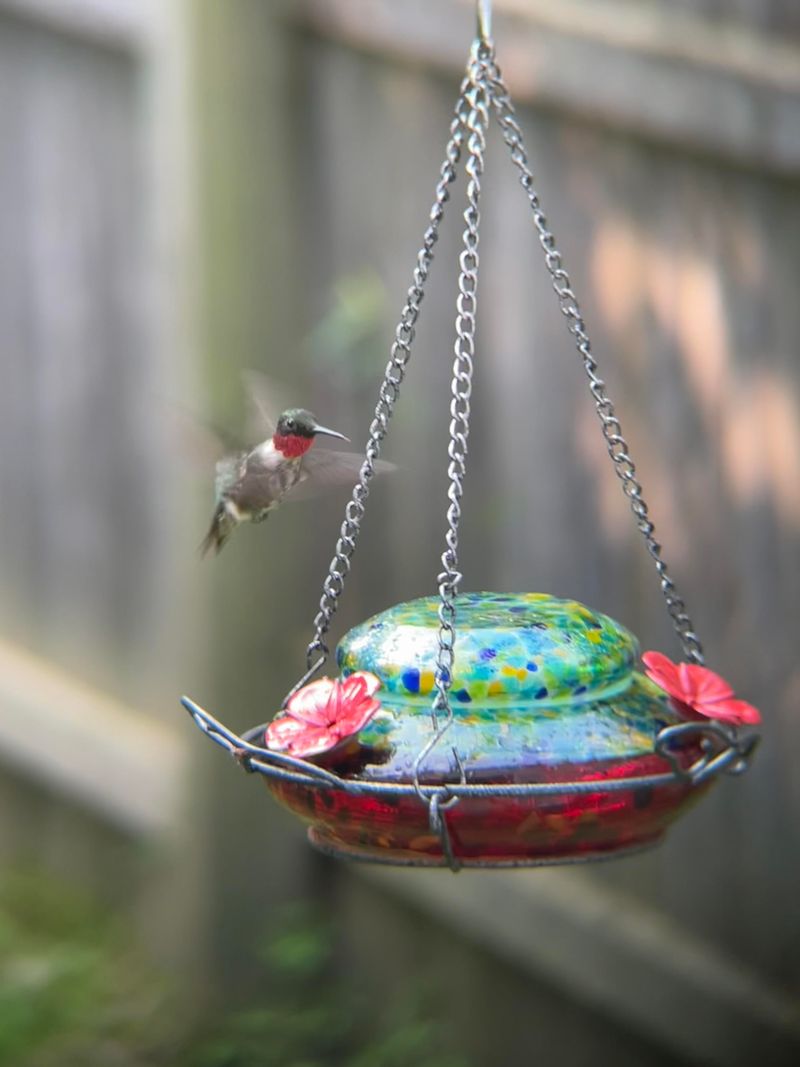
August is not just another summer month for hummingbirds in New York. It is a turning point, the time when ruby-throated hummingbirds begin preparing for their remarkable migration south.
These birds need reliable, clean food sources more than ever during this preparation phase. Your feeder could be one of the most important stops on their pre-migration fuel route.
Making these small fixes now, before September arrives, gives late-season visitors the best possible send-off. Small changes add up to a big difference for these tiny travelers.
Move your feeder to a shadier spot if you have not already done so. Add a two-day refill routine and a quick daily visual check to your morning habits.
Clean the feeder thoroughly every time you swap out the nectar. These three habits together create a feeder environment that is genuinely safe and consistently welcoming.
You might also consider adding a second feeder in a different part of your yard. Multiple feeding stations reduce competition and give more birds access to fresh nectar at the same time.
Watch for increased feeder activity in late August, since migration prep often brings more hummingbirds to yards than usual. That spike in visitors means your clean feeder will get a serious workout.
Keeping up with refills during that busy period is especially important. A feeder that runs dry or turns sour during peak migration prep is a missed opportunity to help these birds.
Your backyard can be a genuine sanctuary this August. Fixing that one feeder mistake puts you squarely on the right side of hummingbird conservation.