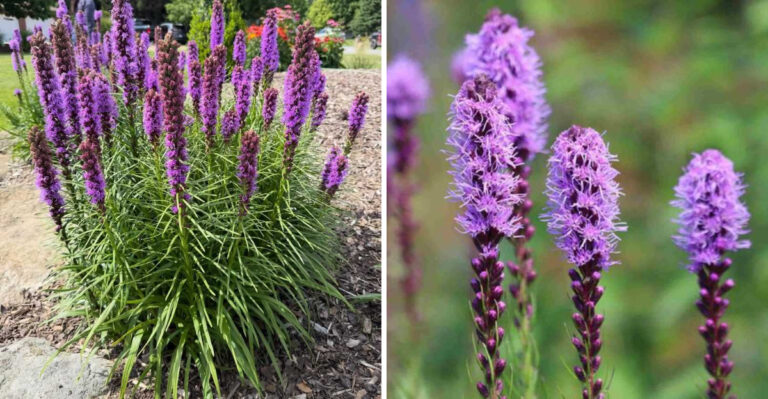
Why North Carolina Arugula Leaves Fill With Tiny Holes In Early Fall
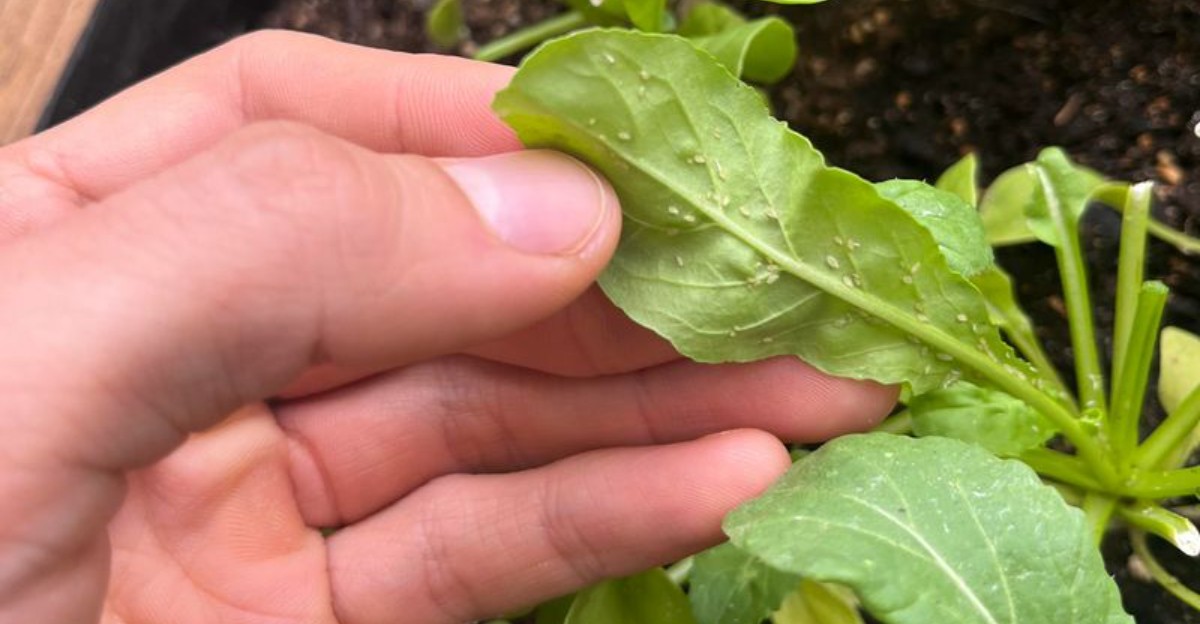
Arugula leaves peppered with small, round holes is such a common sight in North Carolina fall gardens that many people assume it’s just part of growing the crop, but it almost always points to flea beetles feeding heavily on young plants.
These tiny, jumping insects are especially active during warm early fall days, chewing shallow pits into leaves that can quickly turn into a lace-like pattern if left unchecked.
Young, tender arugula seedlings are particularly vulnerable, since flea beetles can cause enough damage to stunt growth before plants have a chance to mature past their most susceptible stage.
Because these pests thrive in warm, dry conditions, a stretch of unseasonably mild fall weather often coincides with the worst outbreaks.
Recognizing this pattern early gives North Carolina gardeners a real chance to protect a crop that’s otherwise remarkably easy to grow.
1. Flea Beetles Are The Most Common Cause
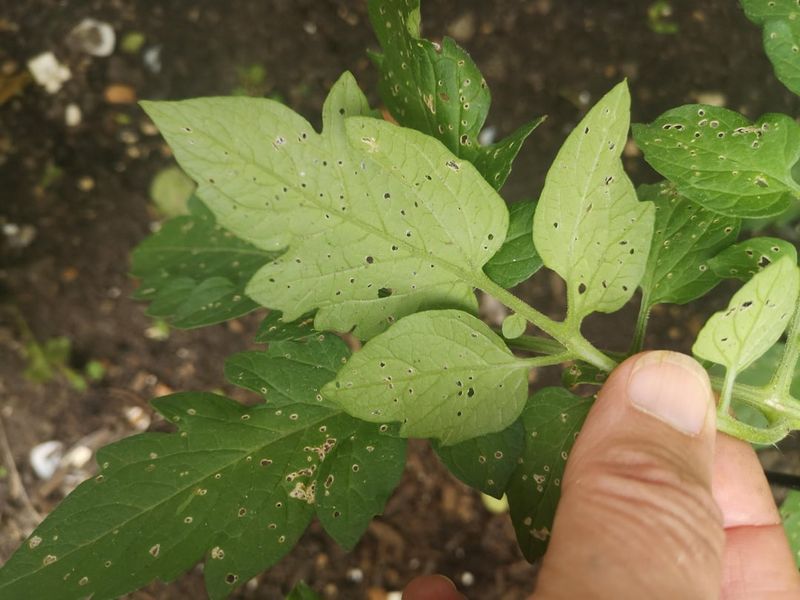
Tiny holes scattered across your arugula, as if someone blasted the leaves with a shotgun full of birdshot, almost always point to one culprit.
Flea beetles are small, shiny insects about the size of a pinhead, and they come in solid black or black with pale stripes. Brush past a plant and they scatter, leaping away just like fleas on a dog.
Arugula sits in the mustard family, right beside radishes, kale, and turnips. Those plants make sharp, peppery compounds that give arugula its famous bite.
Many pests find those flavors unpleasant, but flea beetles actually follow the scent, because many kinds specialize in mustard family crops.
Your best defense starts on planting day. Cover the bed with lightweight row cover right after sowing, then seal every edge with soil, bricks, or landscape pins so no beetle can crawl underneath.
Even a small gap can let a crowd slip inside. Scouting helps too. Check leaves during the warm middle part of the day, when beetles are busiest and easiest to spot.
If damage turns heavy, reach for a product labeled for flea beetles on leafy greens, such as spinosad or pyrethrin, and follow the label directions closely, including the waiting time before harvest.
North Carolina gardeners know these pests well. Flea beetles rank among the most common insects on arugula, radishes, and other fall brassicas across the state.
Once you learn to recognize their calling card, you can act fast and still enjoy plenty of clean, peppery salads from your own backyard.
2. Warm Early Fall Weather Keeps Them Feeding
September in North Carolina rarely feels like fall. Afternoons often climb into the 80s, the sun still bakes the garden, and rain can be scarce for days at a time. For flea beetles, that stretch is a perfect party.
Warm, sunny, dry weather suits these beetles better than anything else. Their activity picks up as temperatures rise, so populations stay high well into the month.
Sadly, that timing lines up exactly with the moment most gardeners sow fall arugula and watch the first tender leaves appear.
A small shift on the calendar can make a big difference. Try sowing arugula a bit later, once the heat breaks and nights start to feel crisp.
Your North Carolina Garden Changes Every Week. Your Plan Should Too.
Gardening in North Carolina changes quickly throughout the season. Every Friday you’ll receive a simple weekly plan showing exactly what to plant, prune, fertilize, harvest, and protect so you never miss the right timing.
Arugula actually prefers cool weather anyway, and it tastes milder and less bitter when it grows in cooler temperatures.
Succession planting adds another layer of protection. Sow a short row every two weeks instead of the whole bed at once, and later plantings will face fewer hungry beetles. If one batch gets chewed, the next one is already on its way.
Row covers deserve a longer stay during a warm autumn. Leave them in place until nights turn consistently cool, rather than pulling them the first time a cold front passes through. A single chilly evening does not end beetle season.
Where you live in the state matters, too. The Piedmont and Coastal Plain hold onto summer heat much longer than the Mountains, where cool nights arrive earlier.
Gardeners in Raleigh or Wilmington may need to wait a few extra weeks compared to friends near Boone or Asheville.
3. Young Seedlings Take The Worst Damage
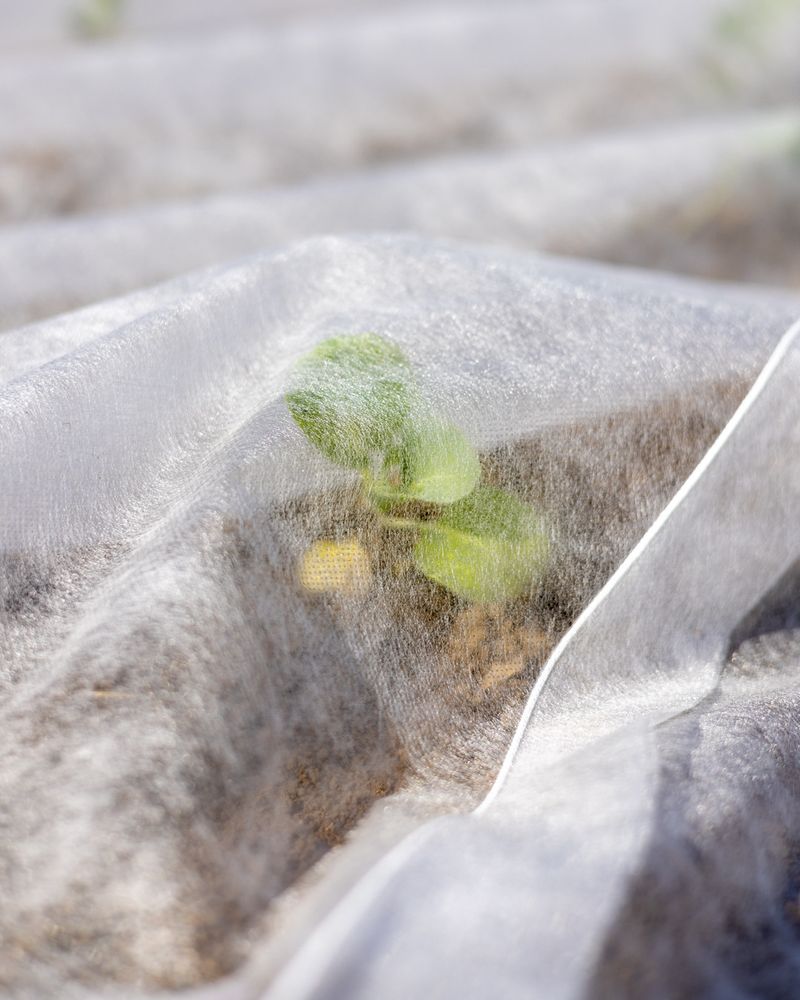
A full grown arugula plant can shrug off a few holes and keep pushing out new leaves. A seedling has no such luxury.
With only two tiny seed leaves and maybe one true leaf, every bite takes a big share of its food factory.
Leaves act like solar panels, catching sunlight and turning it into energy for growth. When flea beetles riddle a small seedling, even a moderate number of holes can remove much of that leaf area.
Heavy feeding leaves plants stunted, weak, or too damaged to recover at all. Waiting to see damage before acting is the most common mistake. Protect the bed on the very day you sow, placing row cover over the soil before the first sprouts break through.
Beetles often find new seedlings within a day or two of their appearance. Sowing a little thicker than you need gives you a safety net. If beetles take a few plants, you still have plenty left, and you can thin the extras later.
Those thinnings make a tasty micro salad, so nothing goes to waste. Steady moisture is the other secret. Seedlings that never dry out grow quickly, racing past the fragile stage in a week or two.
Once plants have four or five true leaves, they handle feeding far better. North Carolina fall sowings face a tough start. Seeds sprout into soil that still holds summer warmth, and beetles are active nearby, often fresh off summer crops.
Giving seedlings a protected, well watered first few weeks sets up the whole season for success.
4. Dry Soil Makes Feeding Damage Worse
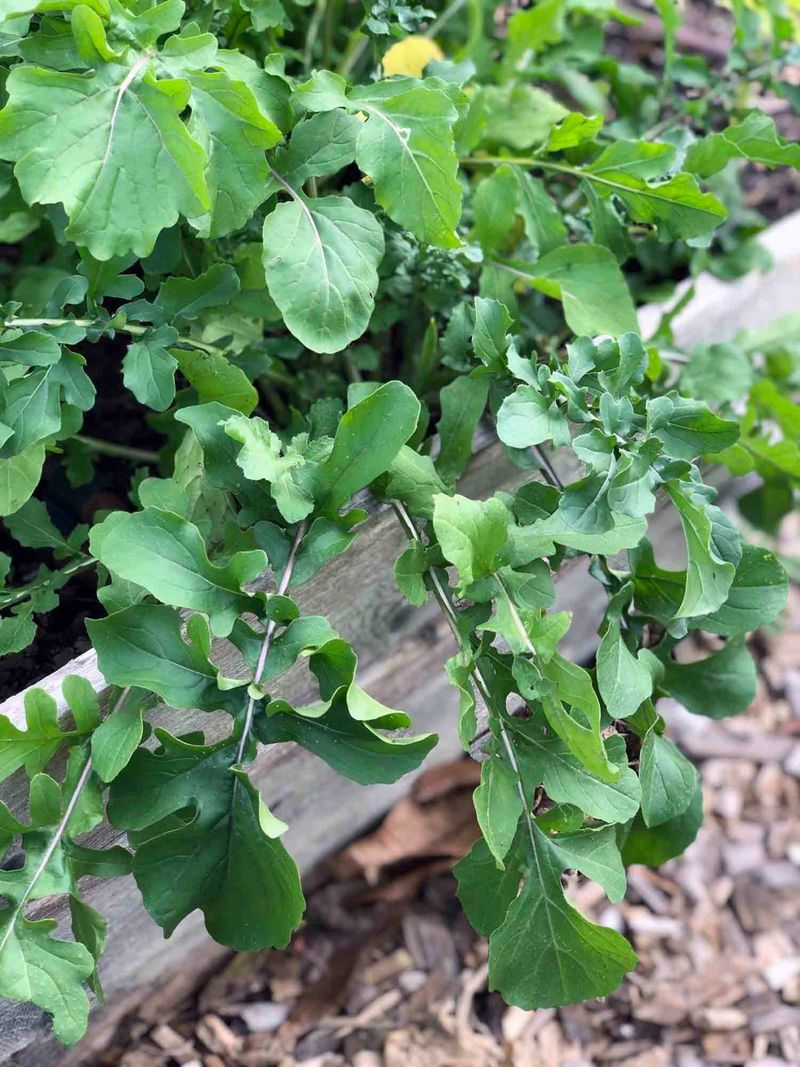
Ever notice how flea beetle damage seems worse after a dry week? That is no coincidence. Flea beetles thrive when conditions stay dry, and thirsty arugula struggles to keep up with them.
Healthy, well watered arugula grows fast, sometimes putting out a new leaf every few days. That speedy growth lets a plant outgrow light feeding, since fresh leaves replace the chewed ones.
Water stressed plants slow down, so the holes pile up faster than new leaves can form. Good watering habits make a real difference. Keep the soil evenly moist, like a wrung out sponge, but never soggy or puddled.
Soggy soil invites rot and other problems, so aim for balance. Deep watering beats frequent sprinkles.
Aim water at the base of plants with a watering can, soaker hose, or drip line, so moisture soaks down into the root zone instead of just wetting the surface. Watering early in the morning also helps leaves dry before evening.
Mulch works like a blanket for the soil. Once seedlings are up and growing, spread a thin layer of fine mulch such as shredded leaves or straw around them. It holds moisture, keeps soil temperatures steadier, and cuts down on weeds.
Early fall in North Carolina often brings dry stretches between storms, even in a year with a hurricane or two. Sandy Coastal Plain soils drain especially fast, so beds there can dry out in a single sunny afternoon.
A quick finger test, poking an inch into the soil, tells you whether it is time to water again.
5. Mustard Family Weeds Feed Nearby Beetles
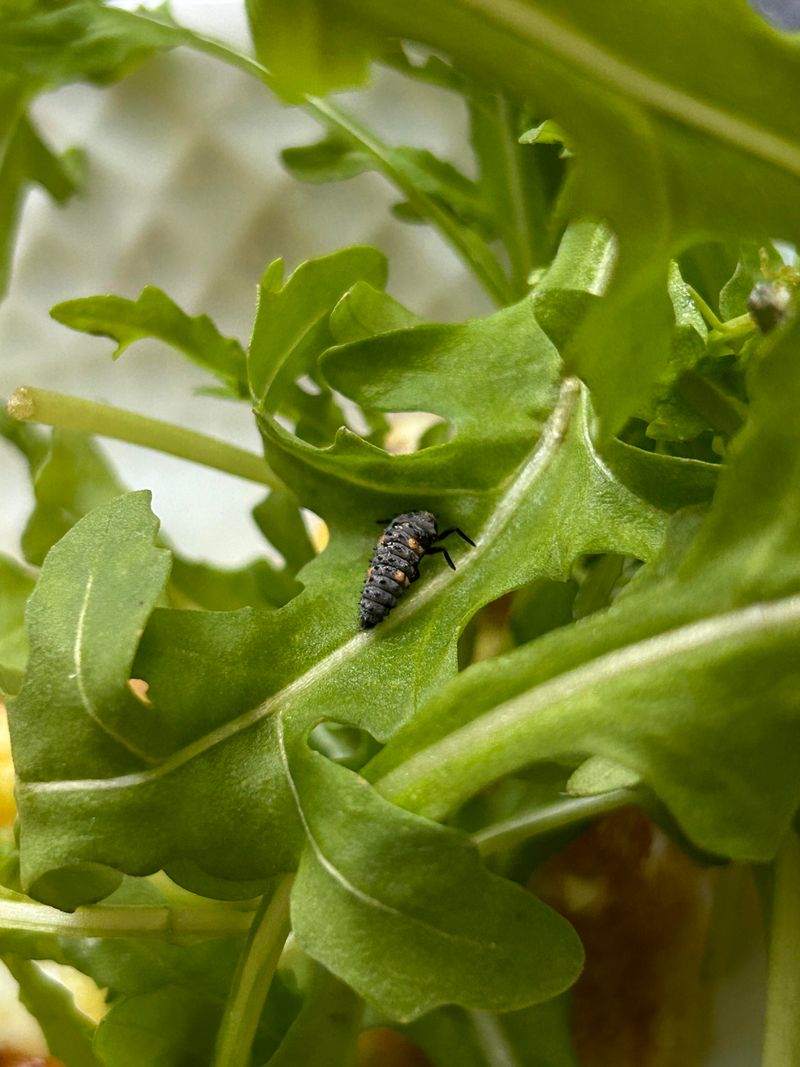
That little white flowered weed poking up in your lawn might be doing more than spoiling the view. Many common weeds belong to the same mustard family as arugula. For flea beetles, they are free snack bars parked right next to your garden.
Wild radish, wild mustard, shepherd’s purse, and bittercress all host the same beetles that chew arugula. Shepherd’s purse is easy to spot by its heart shaped seed pods, while bittercress forms flat rosettes and flings its seeds when touched.
Wild radish and wild mustard grow taller, with yellow, white, or pale purple flowers that often show up in open fields.
When those weeds grow unchecked, beetle numbers stay high all around the yard. The insects feed, breed, and wait, ready to move onto your fresh arugula the moment it sprouts.
Clearing their backup food supply lowers the pressure on your crop. Timing your cleanup helps a lot. Pull or mow these weeds around beds and along garden edges before you sow fall crops, ideally a week or two ahead.
Try to catch them before they flower and drop seeds, or next year’s crop of weeds will be even bigger.
Borders and paths need attention through the whole season, too. A quick weekly walk with a hoe keeps new weeds from settling in. Bittercress in particular can pop up again in cool, damp weeks.
North Carolina has plenty of these plants. You can find them in farm fields, lawns, and roadside ditches across the state, from the mountains to the coast. Keeping your own little patch clear gives your arugula a real head start.
6. Summer Brassica Leftovers Keep Populations Going
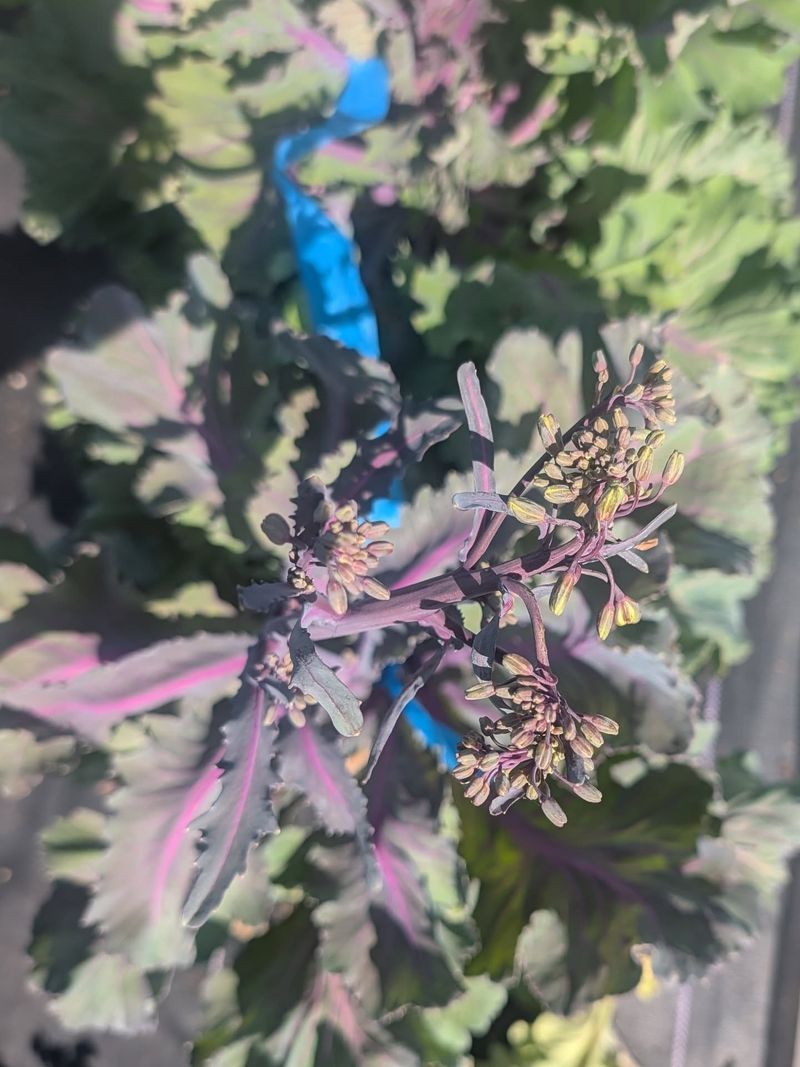
Those bolted radishes and tough old collards in the corner might seem harmless. Leaving them standing is a bit like leaving the porch light on for flea beetles.
Beetles that spent all summer munching on these plants are ready and waiting when fresh arugula pops up nearby.
Old radish, mustard, turnip, and collard plants give flea beetles a steady food supply long after their harvest window passes. The insects multiply on these leftovers, raising generation after generation.
Once your new seedlings appear, the beetles simply hop a few feet over to a tastier, more tender meal.
Cleanup before sowing is the simplest fix. Pull spent brassica plants, roots and all, and clear away fallen leaves and plant debris.
Compost healthy material or bag anything covered in pests. Crop rotation helps too. Whenever possible, plant fall arugula in a different bed from where summer brassicas grew.
Even a short distance can slow beetles down, especially when combined with row covers and a clean garden.
After harvest, tidy up once more. Adult flea beetles shelter in plant debris, leaf litter, and weedy edges during winter, then emerge hungry in spring. Removing those hiding spots means fewer beetles waiting for your next planting.
Here in North Carolina, the long growing season is both a blessing and a challenge. Gardeners can grow brassicas nearly year round, with spring, fall, and even winter crops in milder areas.
Pests enjoy that nonstop buffet just as much as we do, so breaking the chain with a clean bed and a short gap between crops pays off.
7. Tiny Caterpillars Chew Small Holes Too
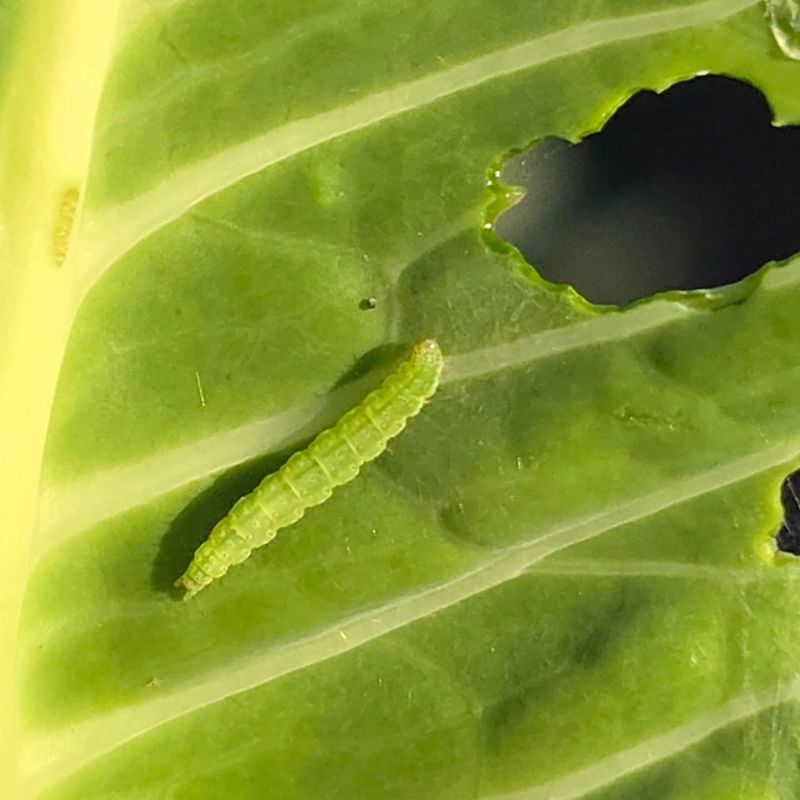
Not every tiny hole comes from a beetle. Sometimes the real troublemaker is a small green caterpillar hiding under the leaf.
Young diamondback moth larvae can chew little holes that look surprisingly similar to flea beetle damage.
Telling the two apart is easier than you might think. Diamondback caterpillars are small and pale green, usually less than half an inch long, and they wriggle wildly when touched.
Many will even drop off the leaf on a thin silk thread, dangling like tiny bungee jumpers. Their feeding pattern offers another clue. Young larvae often scrape away the leaf surface first, leaving thin, see-through patches that look like little windows.
Later, they chew all the way through, creating holes that are slightly more uneven than a beetle’s neat pits.
Flip leaves over during your garden checks, since the caterpillars prefer undersides. Hand picking works well in small beds, especially when you check every few days.
For bigger problems, spray Bacillus thuringiensis, often called Bt, a natural bacteria product that targets caterpillars while leaving bees and ladybugs alone.
Row covers help here as well. Adult diamondback moths are small, gray brown, and show a diamond pattern along their backs when their wings fold. Covering beds keeps them from laying eggs on your plants in the first place.
North Carolina gardeners see these moths on brassicas through much of the fall. Warm afternoons keep them busy, and several generations can appear in a single season. Weekly scouting catches problems early, before a few caterpillars become a crowd.
8. Slugs Leave Ragged Holes After Damp Nights
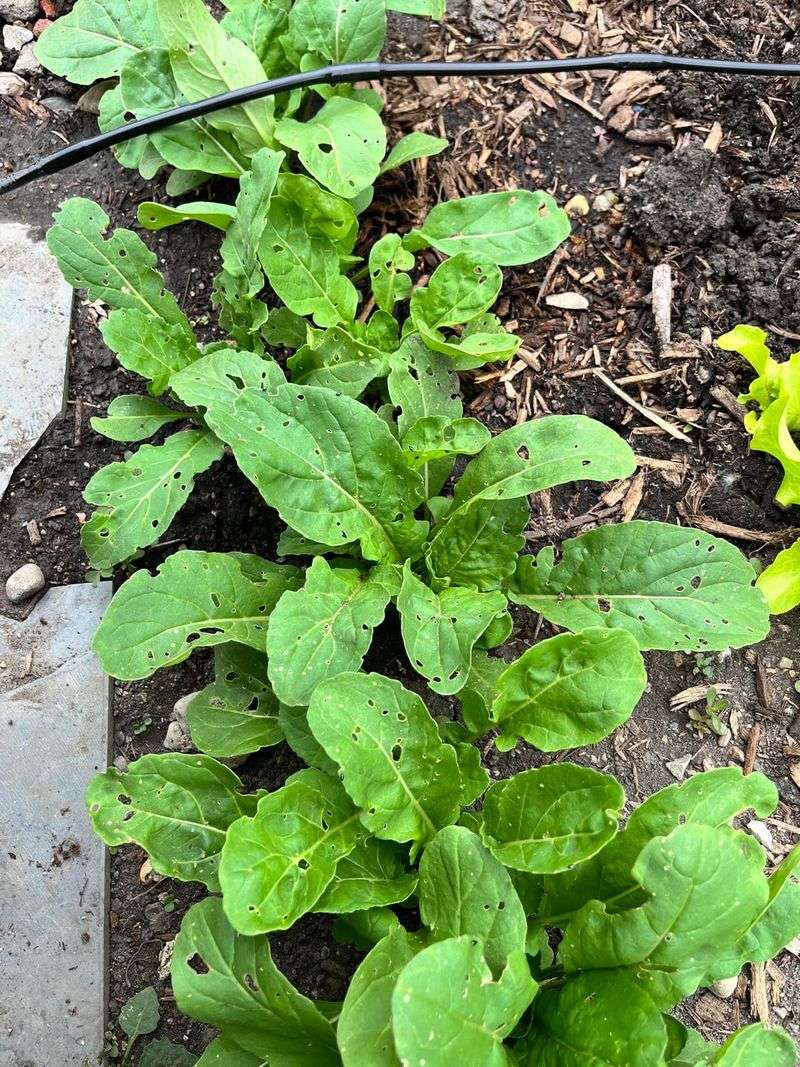
Walk out on a cool October morning and you might find arugula that looks freshly nibbled, even though it looked perfect at sunset. Silvery streaks glinting on the leaves give away the answer.
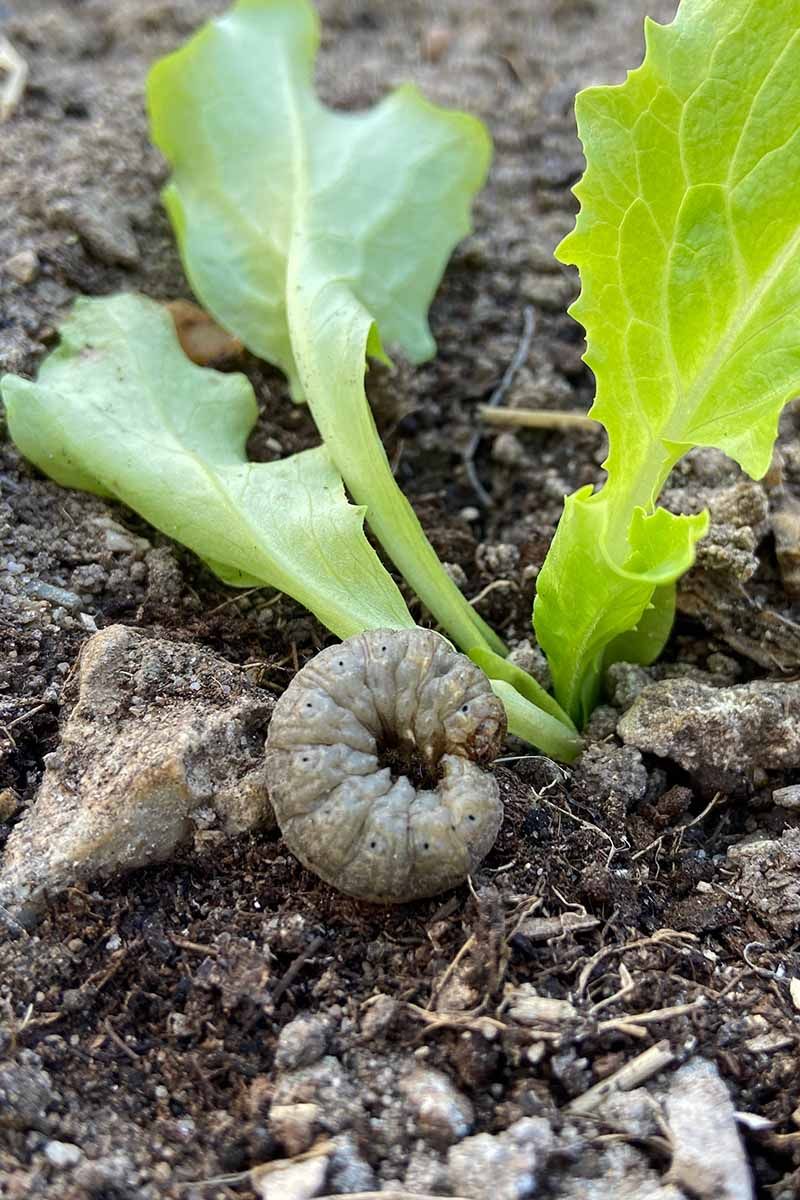
Slugs have been busy while you slept. Slug damage looks different from flea beetle damage. The holes are larger and irregular, with ragged edges instead of neat round pits.
They usually appear overnight and come with shiny slime trails across leaves and nearby soil.
Grab a flashlight and head outside after dark to catch them in action. Slugs are easiest to find an hour or two after sunset, especially after rain. Pick them off by hand and drop them into a bucket of soapy water.
Traps make the job easier. Set shallow containers of beer into the soil with the rim at ground level, or lay flat boards between rows so slugs crawl underneath to hide. Check and clear traps every morning.
For bigger slug problems, iron phosphate bait is a smart choice. Look for a product labeled for vegetable gardens and scatter it lightly around plants following the label.
Iron phosphate breaks down into nutrients the soil can use. Slugs need cool, damp hiding spots during the day. Remove extra boards, piles of weeds, and garden debris near your beds so they have fewer places to rest.
Early fall in North Carolina brings cooler nights, heavy dew, and passing rain showers. Those damp conditions draw slugs out in large numbers.
Watering in the morning instead of evening also keeps the soil surface drier at night.