9 Mum Mistakes Virginia Gardeners Keep Making At Fall Nurseries
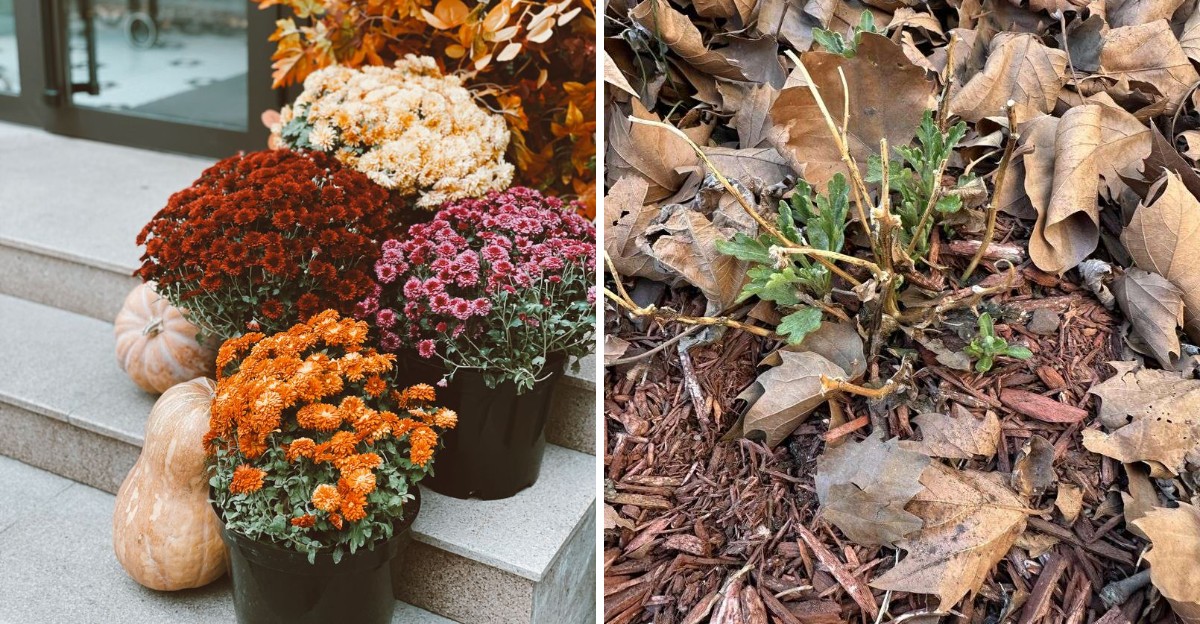
The first cool morning hits, and Virginia garden centers suddenly burst with bright mums. Orange, bronze, burgundy, and yellow blooms make it easy to fill a cart.
Then November arrives. The flowers fade, and many shoppers wonder why their beautiful mums lasted only a few weeks.
Often, the problem started before planting. The pot you chose, when you planted, and where you placed the mum can all affect how well it settles in.
A few simple shopping mistakes can also reduce its chances of returning next year. Know what to look for at the nursery, and your fall color can have a better chance of lasting.
1. Buying Florist Mums Expecting Them To Survive Winter
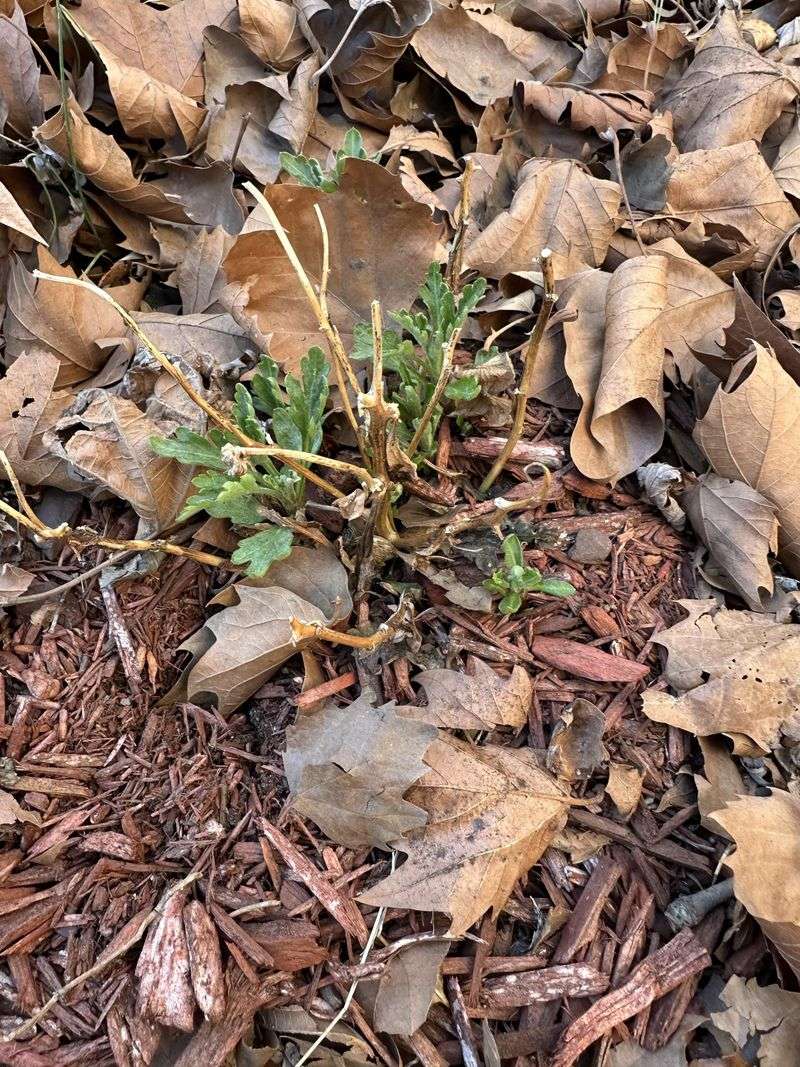
Two mums can look nearly identical on a nursery bench and behave like totally different plants. One is a florist mum, grown fast for indoor color, and the other is a hardy garden mum bred to handle cold soil.
Florist types are grown for seasonal color rather than winter hardiness. They can provide weeks of beauty, but they are not bred to survive winter.
Garden mums, sometimes labeled hardy mums, are the ones you want if the goal is a return performance. Look for nursery-grade plastic pots, sturdy stems, and a tag that mentions garden or hardy in the name.
Staff at most nurseries can point out the difference in about ten seconds if you ask. That one question saves money and a lot of disappointment in February.
Fun fact: florist mums were bred under controlled greenhouse lighting to bloom on a schedule for holidays and events. Cold tolerance was rarely part of the breeding goal.
There is nothing wrong with buying a florist mum on purpose. Treat it as seasonal decor, like a pumpkin on the porch, and enjoy it without guilt.
Trouble starts when shoppers pay garden prices and expect perennial behavior from a temporary plant. Expectations, not the mum itself, cause most of the frustration.
Check the tag, check the pot, and ask one question before loading the cart. Your fall budget will stretch much further.
2. Planting Fall Mums Too Late For Strong Roots
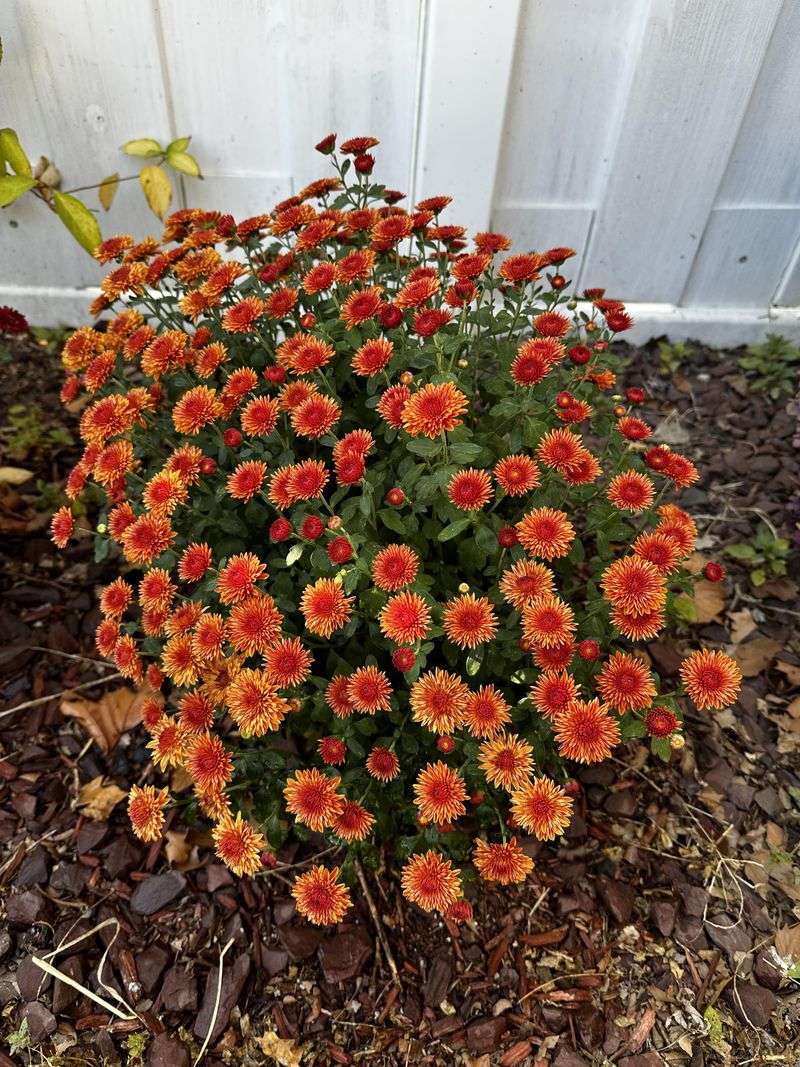
Timing beats technique with mums, and most shoppers wait far too long. By the time October rolls around, roots have very little warm soil left to work with.
Late August through early September is the sweet spot for planting garden mums in Virginia. Soil is still warm, days are still long, and roots spread before cold weather settles in.
A mum bought in full bloom is already pouring its energy into flowers. Shorter days push the plant toward blooming instead of building the root mass that carries it through winter.
Shoppers often report the same story. The plant looked spectacular for a month, then spring came and nothing pushed up from the crown.
If you want blooms and a comeback, buy earlier and pick plants with tight buds instead of open flowers. Tight buds mean more time in the ground before the show starts.
Nurseries across the state stock mums by mid to late summer, even when the weather still feels like July. Shopping then feels odd, but it works.
Your Virginia Garden Changes Every Week. Your Plan Should Too.
Gardening in Virginia changes quickly throughout the season. Every Friday you’ll receive a simple weekly plan showing exactly what to plant, prune, fertilize, harvest, and protect so you never miss the right timing.
Another option is planting mums in spring from a perennial section. Those plants get a full season of root growth and usually return reliably.
For October purchases, simply enjoy them where they sit. Trying to force a late planting rarely pays off.
Mark a calendar reminder for late August next year. That single note changes your results more than any fertilizer ever will.
3. Choosing A Spot With Poor Drainage

Soggy feet bother mums more than cold air ever will. Heavy clay soil holds water long after a storm, and roots sitting in that muck begin to rot.
Some yards have dense clay that drains slowly. Add winter rain and melting snow, and a low spot in the yard turns into a shallow bathtub.
Root rot is the usual result, and it often shows up quietly. Leaves yellow from the bottom, growth stalls, and the plant loses vigor without any obvious cause.
A simple test helps before planting. Dig a hole about a foot deep, fill it with water, and watch how long the water takes to drain away.
If water still sits there after several hours, pick a different location or build up the bed. Raised beds and gentle mounds solve the problem without heavy equipment.
Mixing compost or pine bark fines into the planting area loosens clay and improves airflow around roots. Two or three inches worked into the top layer makes a noticeable difference.
Slopes and raised borders tend to be the best real estate for mums in Virginia yards. Water moves away instead of pooling around the crown.
Avoid spots below downspouts or at the bottom of a driveway slope. Those areas collect runoff every single time it rains.
Good drainage is unglamorous, but it quietly decides whether a mum returns next fall.
4. Pinching Mums After Mid July

Pinching is the secret behind those perfectly rounded mum mounds you admire at nurseries. Growers snip the stem tips during early summer, which forces side branches and a fuller shape.
The trick has a hard deadline. Stop pinching by mid July, because anything later pushes the bloom schedule dangerously close to frost.
Late pinching delays flowering by several weeks. In Virginia, that can mean buds forming right as the first hard frost arrives, and the show ends before it starts.
Home gardeners sometimes buy leggy mums and try to fix them in August with a heavy trim. The plant responds by growing new shoots that never get a chance to flower.
A better plan is pinching two or three times between late spring and mid July. Take about an inch off each growing tip and let the plant rebuild.
If you missed the window, leave the plant alone. Loose, floppy stems still bloom, and you can stake them or let them lean naturally.
Some gardeners mark their calendars for Independence Day as the final pinch. Fireworks and last snips go together nicely.
Quick tip: use clean fingers or small snips rather than tearing stems, since ragged wounds invite disease.
Save the shaping for early summer and let autumn be all about color. Patience really is the whole technique here.
5. Watering Mums Too Little Before Winter
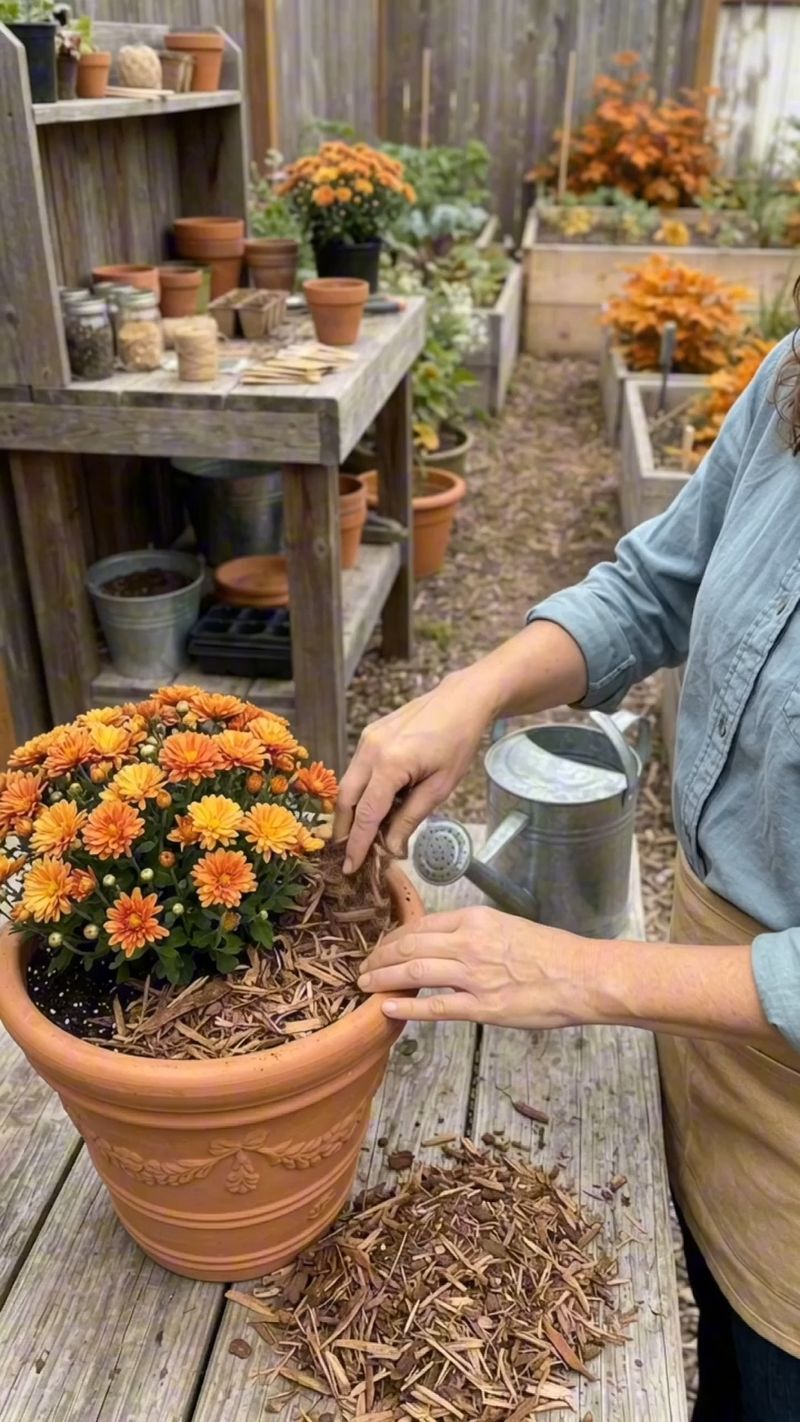
Dry autumn stretches sneak up on gardeners, especially after the summer watering routine fades. Mums have shallow roots, and they thirst quickly once rainfall slows.
Newly planted mums need steady moisture right through fall. Keep watering thoroughly until the first hard frost, then ease back as the ground cools.
Bone-dry soil going into winter creates a real problem called root heaving. Freezing and thawing cycles lift the crown right out of the ground, exposing roots to cold wind.
Moist soil holds temperature better and shifts less during those swings. It acts like a buffer around the root zone.
Deep watering beats frequent sprinkles. Soak the root area slowly so moisture reaches several inches down instead of just wetting the surface.
Morning watering works best because foliage dries before evening. Wet leaves overnight encourage fungal spots and blight.
Check moisture by pushing a finger into the soil near the plant. If the top inch feels dry and crumbly, it is time to water.
Virginia autumns bounce between soaking rain and stretches of nothing. Relying on the weather alone usually leaves plants short.
A quick weekly check takes under a minute per plant. That small habit protects everything you spent at the nursery.
Once the ground freezes hard, watering can usually be reduced until spring growth begins, depending on weather and soil moisture.
6. Skipping Mulch After Planting Mums
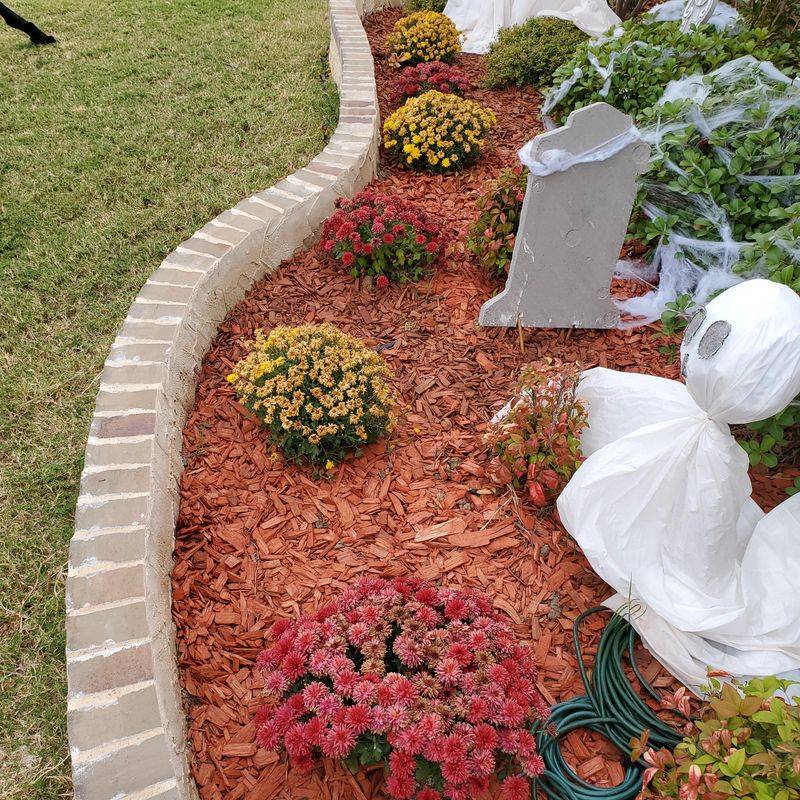
Mulch does the quiet work while you are inside drinking cider. A loose three to four inch layer over the crown shields roots from the freeze and thaw whiplash of winters.
Bare soil swings wildly in temperature. One sunny afternoon warms it, one cold night refreezes it, and roots get pushed around in the process.
Shredded bark, pine straw, and chopped leaves all work well. Keep the material fluffy rather than packed, since air pockets provide the insulation.
Timing matters too. Wait until after the first hard frost so the soil has cooled, otherwise you trap warmth and confuse the plant.
Another overlooked step involves the old stems. Leave faded foliage and stalks standing through winter, because they catch leaves and add another insulating layer around the crown.
Cut everything back in early spring once new green shoots appear at the base. That timing keeps protection in place during the coldest stretch.
Drying winter winds are common across the state, especially in open yards and newer subdivisions. Mulch blocks that wind from pulling moisture out of the soil.
Avoid piling mulch directly against stems in a tight mound. Keep it loose and spread evenly across the root zone.
A single bag of mulch covers several plants and costs less than one replacement mum. That math makes the decision easy.
7. Overwatering Mums In Poorly Drained Pots
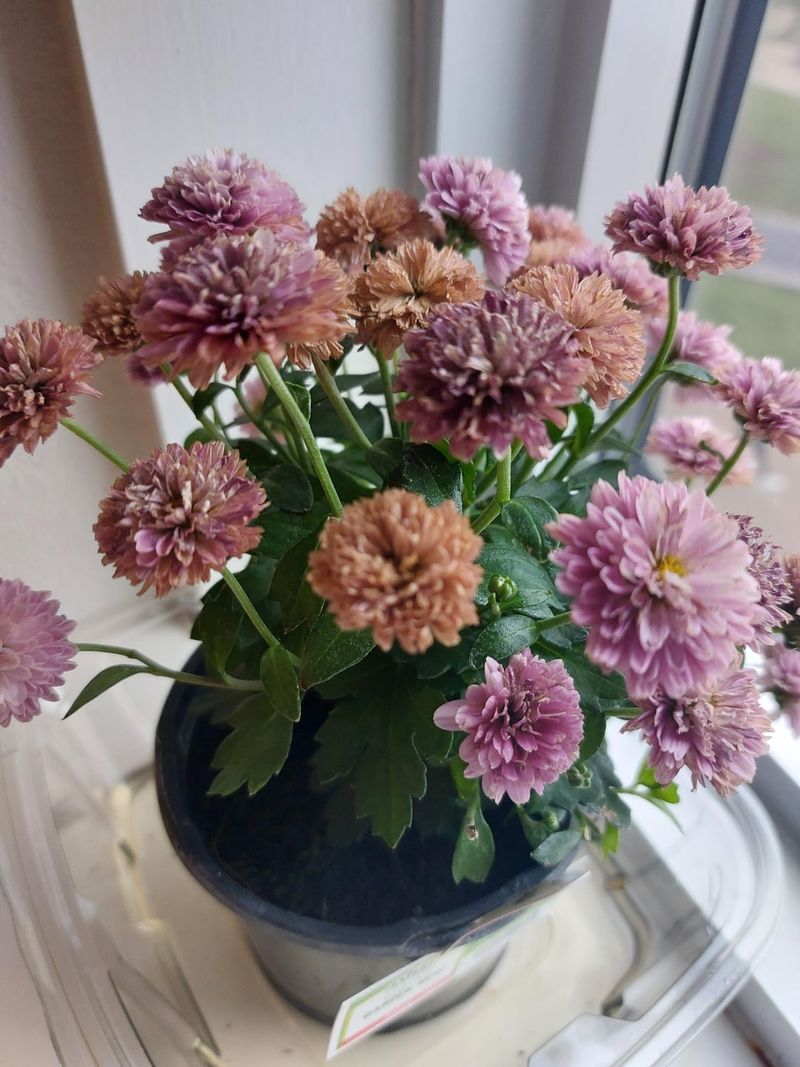
Porch mums drown far more often than they dry out. That pretty ceramic cachepot with no drainage hole is usually the culprit.
Water collects at the bottom where you cannot see it. Roots sit in that hidden pool, oxygen disappears, and rot follows within days.
Check every decorative container before planting. If there is no hole, either drill one or keep the plastic nursery pot inside and lift it out to drain.
Saucers create the same trap. Empty them after watering rather than letting the plant sip from a standing puddle.
Potted mums do need frequent attention, since containers dry faster than garden beds. The goal is moist soil, not soggy soil.
Test daily by pressing a finger into the top inch of the mix. Water thoroughly when that layer feels dry, and let the excess run straight through.
Virginia weather makes this tricky, because a rainy week can keep pots saturated with no help from you. Move containers under cover during long soaking stretches.
Wilting can signal either extreme, which confuses plenty of gardeners. Feel the soil before reaching for the watering can, since adding more water to a drowning plant makes things worse.
Heavier pots hold moisture longer than thin plastic ones. Adjust your routine based on the container, not a fixed schedule.
Drainage beats discipline every time.
8. Planting Mums In Too Much Shade

Sunlight is the fuel behind those dense flower clusters. Mums want at least six hours of direct light daily, and anything less shows up in the shape of the plant.
Shaded mums stretch toward whatever light they can find. Stems grow long and floppy, flowers shrink, and the whole mound loses its tidy look.
A sneaky problem in Virginia involves seasonal tree cover. A bed that looks bright in October sits under heavy oak and maple shade from May through September.
Judge the spot during the growing season, not during leaf-drop. Watch the area at mid morning, noon, and mid afternoon in midsummer to count real sun hours.
South and west facing beds usually deliver the most reliable light. East facing spots work too, especially with open sky overhead.
Morning sun carries an extra benefit by drying dew from foliage early. That reduces fungal problems during humid stretches.
Container growers have an advantage, since pots can chase the sun. Shift them a few feet as the season changes.
Too much shade also slows soil drying, which pairs badly with clay and creates root issues. Light and drainage work as a team.
If your only open spot is shady, choose plants suited to it and place mums on the porch instead. Working with the yard you have beats fighting it.
9. Removing Faded Blooms Without Checking For Pests
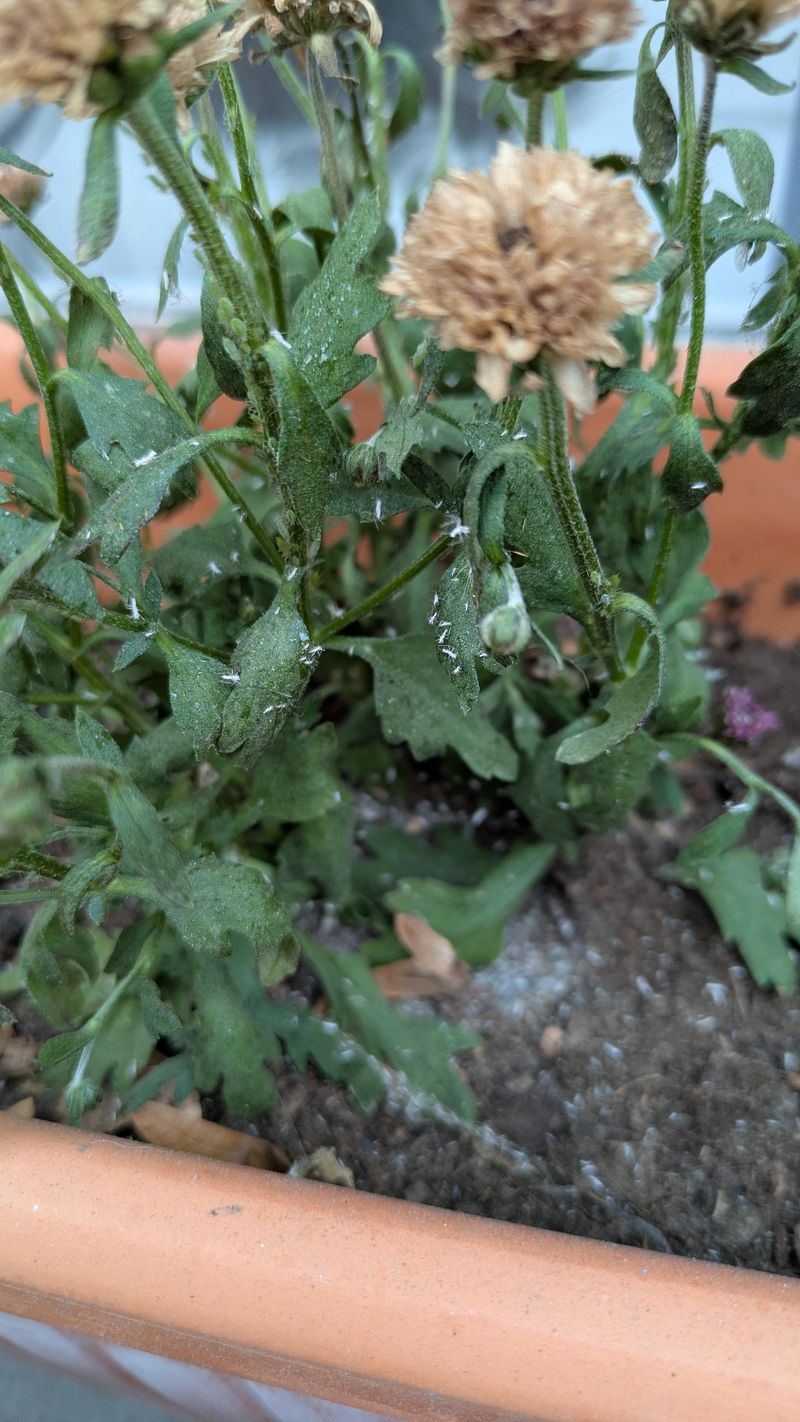
Removing spent blooms feels like a mindless chore, but it doubles as a free plant inspection. Every time you pinch off a spent flower, you are inches from the leaves and stems.
Removing faded blooms keeps the plant looking crisp and gives you a chance to check the leaves and stems for problems. Skipping the check means small problems grow unnoticed.
Flip a few leaves while you work. Aphids cluster on tender new growth, and spider mites leave fine webbing and speckled foliage.
Chrysanthemums also face several diseases worth watching for. Pythium root rot, bacterial blight, and web blight all show early warning signs.
Look for mushy stem bases, dark streaks, or gray fuzz spreading across leaves. Catching those early gives you options.
Toss diseased clippings in the trash instead of the compost pile. Spores travel easily and can return to the same bed next year.
Clean your snips between plants with rubbing alcohol. That habit stops you from carrying trouble across the garden.
Humid autumns favor fungal issues, especially when plants sit close together with poor airflow. Space mums so breezes can move between them.
Remove faded blooms every few days during peak bloom rather than waiting for a big cleanup session. Short visits keep you familiar with each plant.
A five minute walk through the garden catches more problems than a monthly deep inspection ever could.