Why North Carolina Gardeners Are Planting Buttonbush In Rain Gardens This Year
Buttonbush has become an increasingly popular choice for North Carolina rain gardens, thanks to its natural ability to thrive in consistently wet, poorly draining soil.
This native shrub tolerates both standing water and occasional dry spells, making it especially well suited for the unpredictable moisture swings rain gardens often experience.
Its extensive root system helps absorb excess water quickly, reducing runoff while also filtering pollutants before they reach nearby waterways.
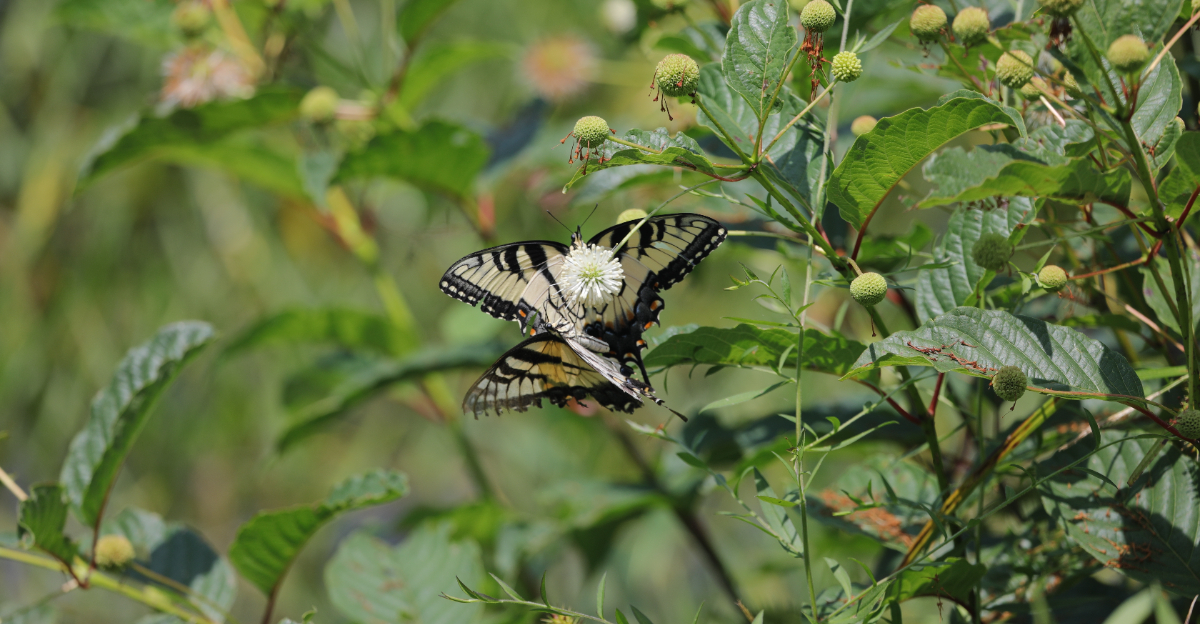
Buttonbush produces unique, round flower clusters throughout summer that attract a wide variety of pollinators, adding ecological value beyond simple water management.
Unlike many ornamental options, this native plant requires little maintenance once properly established in the right location. Its ability to handle both flooding and drought makes it far more forgiving than typical rain garden plant choices.
Planting it near downspouts or low lying yard areas addresses drainage problems while adding genuine visual interest. Choosing buttonbush now gives rain gardens a resilient, low effort centerpiece built for exactly these challenging conditions.
1. Buttonbush Loves Wet Ground
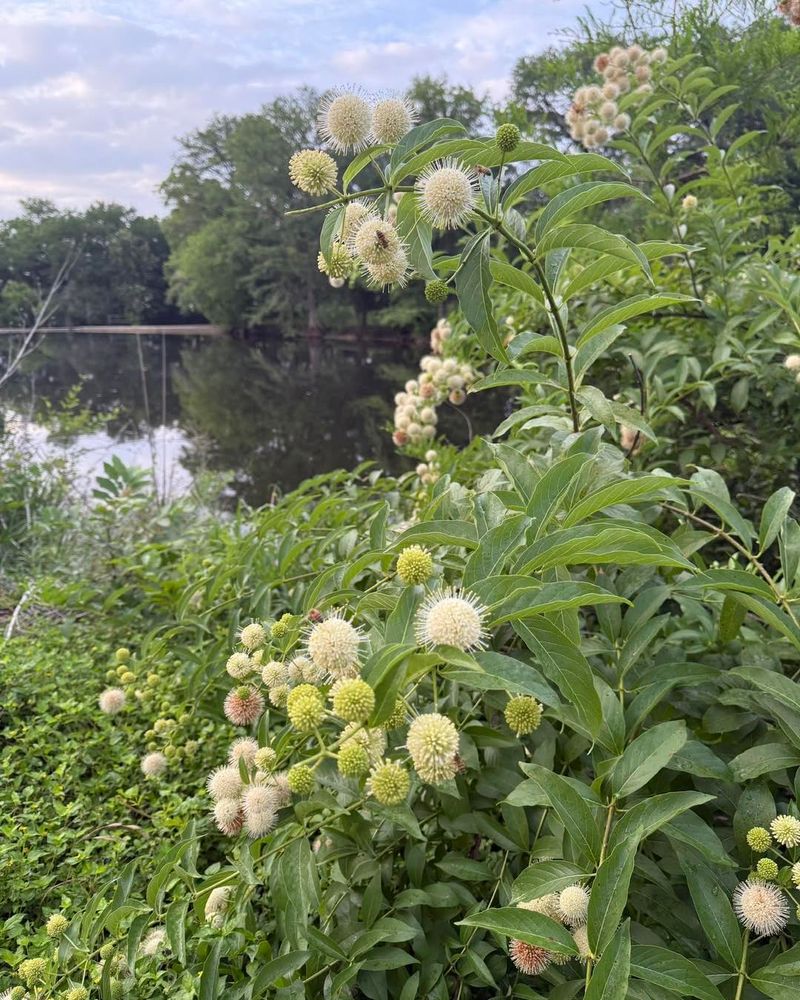
Most shrubs sulk when their roots stay damp, but buttonbush does the exact opposite. Wet, mucky soil is where it feels most at home, which makes it a natural fit for the low spot in your yard that never seems to dry out.
Rain gardens are built to catch runoff from roofs, driveways, and downspouts. That water sinks into the ground slowly, keeping the soil moist for long stretches.
While many plants would rot in those conditions, buttonbush drinks it up and keeps growing strong.
Its roots are used to swampy edges, ponds, and streambanks in the wild. When you plant it in a rain garden, you are giving it something close to its favorite habitat. That means less fuss for you and less worry about babying a fussy plant.
You can place buttonbush right in the deepest, wettest part of your rain garden where nothing else wants to live. It fills that tricky zone with lush green leaves and looks good doing it.
Because it enjoys moisture, you rarely need to water it once it settles in. Rain does most of the work. During a normal North Carolina spring or summer, natural rainfall keeps it happy.
For gardeners tired of losing plants to soggy roots, this shrub feels like a relief. It turns a problem area into a thriving corner, proving that the wettest part of your yard can still be beautiful and full of life.
2. Standing Water Does Not Scare It
Picture a heavy summer storm dumping inches of rain in an hour. Your rain garden fills up like a shallow bowl, and water sits there for a day or two. Many plants would suffer, but buttonbush shrugs it off.
Temporary flooding is no big deal for this shrub. It can handle several inches of standing water resting around its base without missing a beat. In the wild, it often grows with its feet soaked at the edges of marshes and slow streams.
That toughness matters in North Carolina, where sudden downpours are common in summer. A rain garden is supposed to pool and then drain, and buttonbush was practically built for that rhythm of wet and slightly less wet.
Your North Carolina Garden Changes Every Week. Your Plan Should Too.
Gardening in North Carolina changes quickly throughout the season. Every Friday you’ll receive a simple weekly plan showing exactly what to plant, prune, fertilize, harvest, and protect so you never miss the right timing.
Once the water soaks away, the shrub keeps growing like nothing happened. You will not see wilted leaves or stressed branches after a flood. Instead, it seems to enjoy the extra drink.
Because of this trait, gardeners often plant buttonbush in the very center of a rain garden, the spot that holds water the longest. Other plants go on the drier edges, and buttonbush anchors the middle.
If your yard has a stubborn puddle that never quite drains, this shrub is a smart pick. Rather than fighting the water, you invite a plant that treats flooding as a treat.
That kind of resilience saves you time, money, and the frustration of replanting.
3. It Is Native Across North Carolina
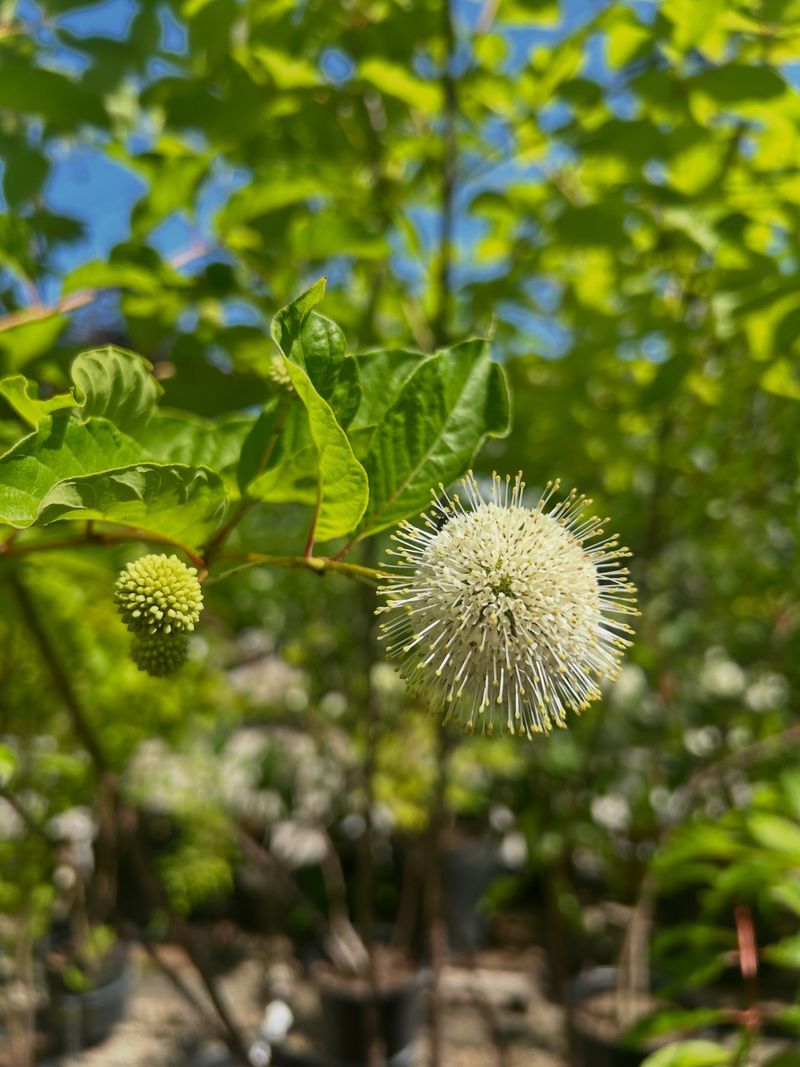
Buttonbush is not some plant shipped in from far away. It grows wild in all three regions of North Carolina, from the misty Mountains to the rolling Piedmont and out to the flat Coastal Plain.
Being native gives it a big head start. It already knows how to handle local weather, local soil, and local bugs.
You are not asking it to adjust to a strange new place, so it settles in quickly and grows with confidence.
Native plants also support the web of life around them. Local insects, birds, and other creatures have grown up alongside buttonbush for a very long time. When you plant it, you plug into a system that has worked for thousands of years.
No matter where you live in the state, there is a good chance buttonbush belongs there naturally. That means you can plant it without worrying about it becoming an invasive troublemaker.
It stays polite and plays well with other native plants. Choosing native species also cuts down on chemicals. Because buttonbush is suited to the region, it rarely needs sprays or special treatments to stay healthy.
Gardeners who want a yard that feels connected to the real North Carolina landscape love this shrub for that reason. It brings a little piece of wild wetland right into your backyard.
Planting native is one of the kindest things you can do for your local environment, and buttonbush makes it easy.
4. The Flowers Are Pollinator Magnets
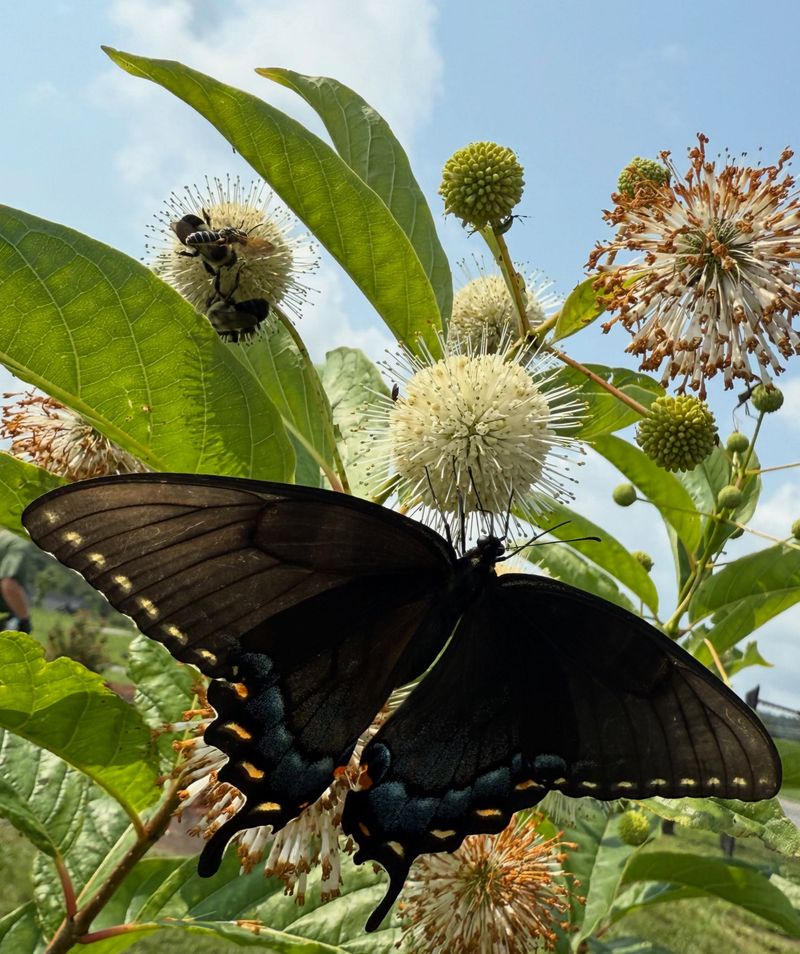
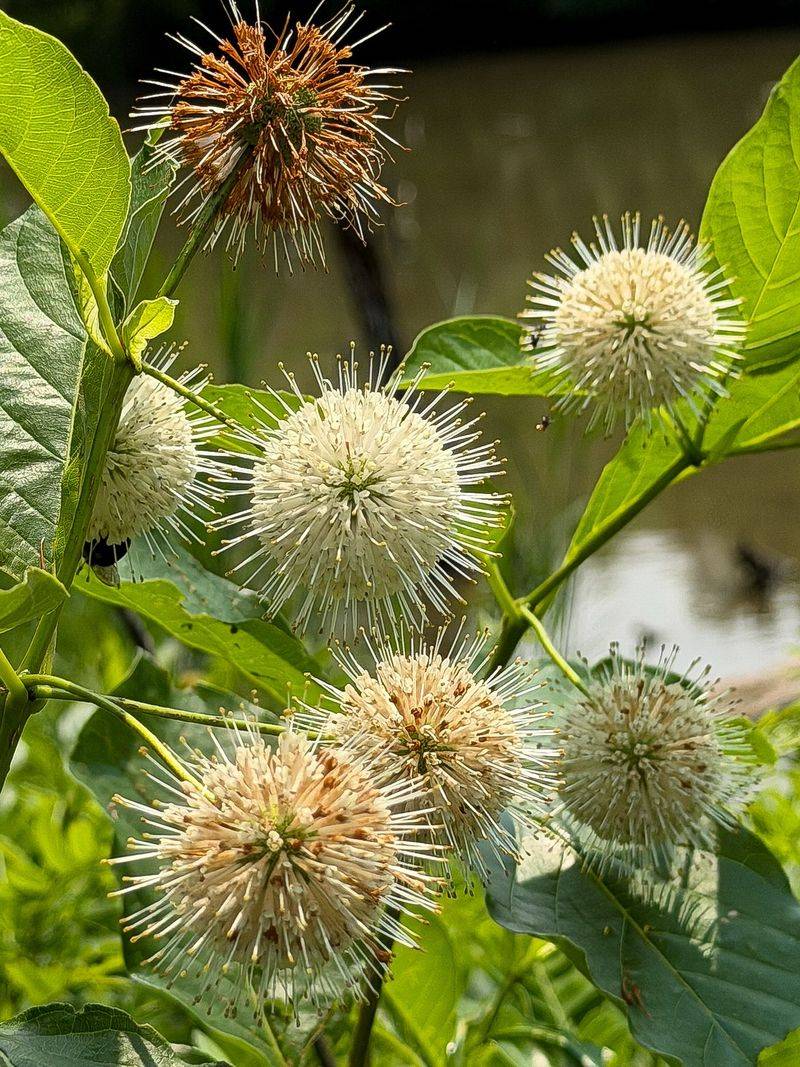
Once summer rolls around, buttonbush shows off with flowers unlike anything else in the garden. Each bloom is a perfect little white ball covered in tiny spikes, almost like a pincushion or a small firework frozen in time.
Bees cannot resist these flowers. From early morning until evening, they buzz from ball to ball collecting sweet nectar. On a warm day, a single shrub can hum with dozens of busy visitors.
Butterflies love it too. Swallowtails, monarchs, and many others flutter down to sip, adding splashes of color against the green leaves. It turns your rain garden into a moving, living picture.
Hummingbirds join the party as well, darting in for a quick drink of nectar. Watching these tiny birds hover near the round blooms is a treat that never gets old.
All this activity is not just fun to watch. Pollinators are important helpers that keep flowers, fruits, and vegetables growing across the whole neighborhood. By planting buttonbush, you give them a reliable food source right in the middle of summer.
The blooms usually appear from June through August, filling a gap when some other flowers fade in the heat. That steady supply of nectar makes buttonbush extra valuable.
If you enjoy sitting outside on warm evenings, plant it where you can watch the show. The gentle buzz and fluttering wings turn an ordinary yard into a lively spot full of motion and cheer.
5. Birds Use It Too
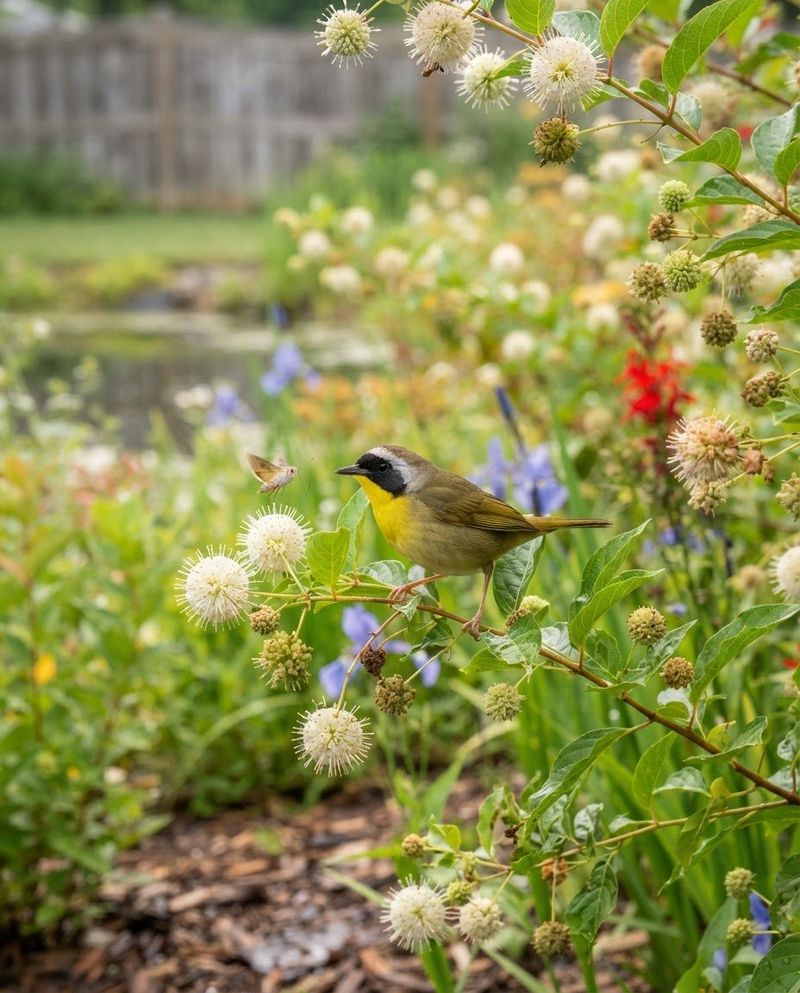
The flowers are only the first act. After the blooms fade, buttonbush produces round seed balls packed with little nutlets, and that is when the birds show real interest.
Songbirds flit in to peck at the seeds, especially as fall arrives and food gets harder to find. The shrub becomes a natural feeding station that costs you nothing and refills itself every year.
Ducks and other waterfowl also enjoy the seeds, which is one reason buttonbush is so common near ponds and marshes. If you have a wet garden that attracts these birds, the shrub gives them a reason to stick around.
Beyond food, the branches offer shelter. Small birds hide among the leaves, safe from bigger predators and rough weather. Some even use the shrub as a spot to build nests and raise their young.
Watching birds come and go adds a whole new layer of enjoyment to your yard. A rain garden with buttonbush becomes a busy neighborhood hub where wildlife gathers throughout the seasons.
Because the shrub provides both food and cover, it supports birds in more than one way. That makes it a strong choice for anyone hoping to build a wildlife-friendly space.
For families with curious kids, this is a bonus. Grab a pair of binoculars, sit quietly, and see how many different feathered visitors show up.
Buttonbush quietly does the work of turning your garden into a place bursting with life.
6. The Roots Help Hold Wet Soil
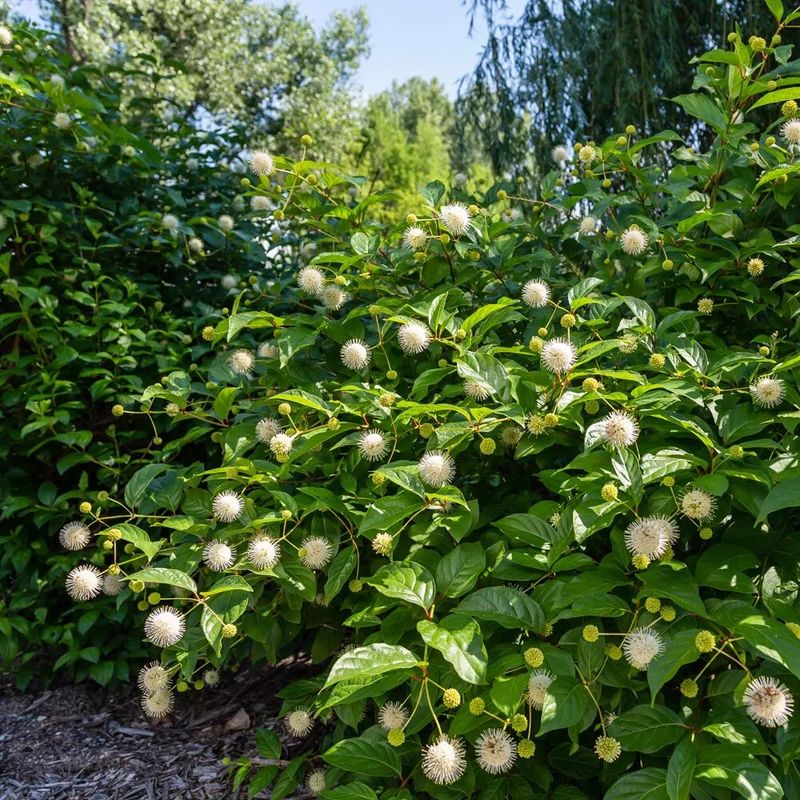
Wet soil has a habit of washing away, especially on slopes and along the edges of ponds. Every heavy rain can carry bits of dirt downhill, leaving bare, muddy patches behind. Buttonbush helps put a stop to that.
Its roots spread out and grip the soil like a net. As water rushes past during a storm, those roots hold the ground firmly in place instead of letting it slip away.
Rain gardens are all about slowing water down and letting it soak in. A shrub with strong, spreading roots fits that goal perfectly. It keeps the shape of your garden intact season after season.
Along pond edges and streambanks, this quality is even more useful. The constant flow of water can chew away at the shore, but buttonbush acts like a living anchor that protects the bank.
Because it thrives in the exact spots where erosion is worst, you can plant it right where the trouble starts. Other plants might struggle in that soggy zone, but buttonbush digs in and gets to work.
Over time, the roots also improve the soil by adding structure and supporting tiny helpful organisms. The ground becomes stronger and healthier the longer the shrub grows.
For gardeners battling muddy runoff or crumbling edges, buttonbush offers a natural fix. Instead of hauling in rocks or building walls, you let a hardworking plant do the job.
It is a simple, green solution that keeps your wet areas neat and stable.
7. Summer Heat Is Not A Problem
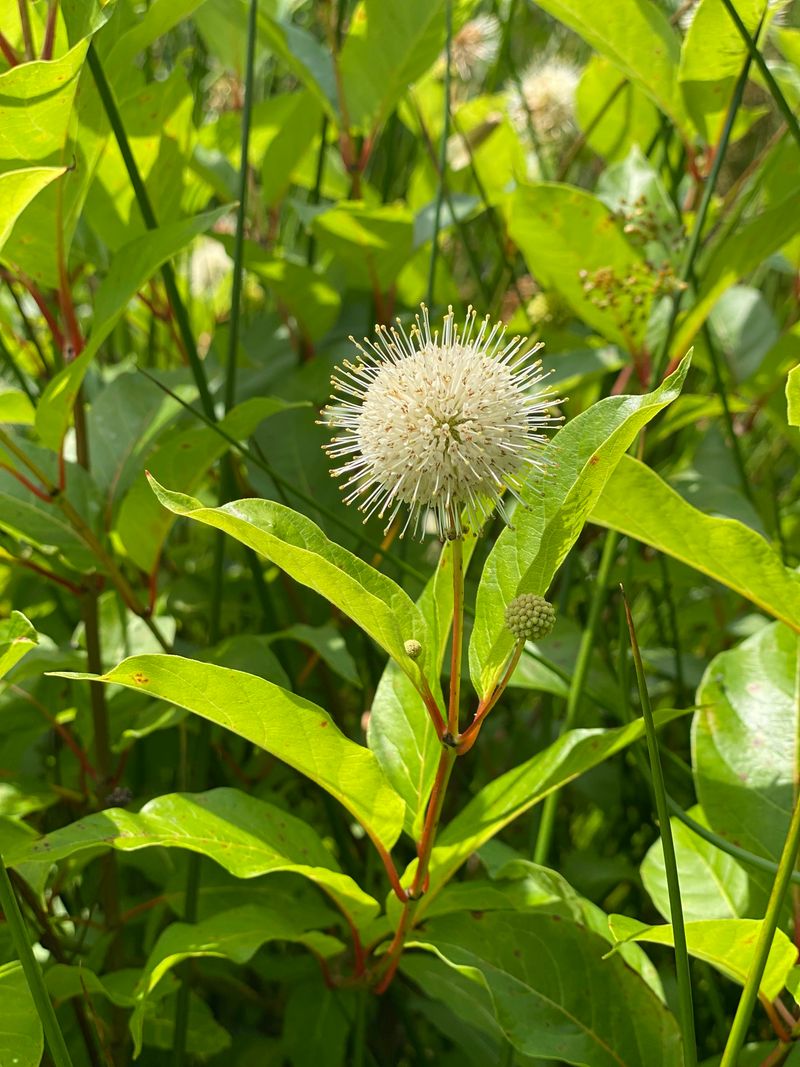
North Carolina summers can turn brutal, with sticky heat and blazing sun day after day. Plenty of plants droop and struggle when the temperature climbs, but buttonbush stays cool and collected.
The secret is water. As long as its roots have plenty of moisture, this shrub laughs at the heat and keeps growing all season long. That is exactly why a rain garden suits it so well.
Rain gardens hold onto moisture even when the air feels like an oven. While your lawn browns out and other shrubs wilt, buttonbush sits in its damp spot looking fresh and green.
Because it stays hydrated, you avoid the daily chore of dragging out the hose during a heat wave. The garden does the watering for you, using rain that would otherwise run off and vanish.
Its glossy leaves and round summer flowers actually peak during the hottest months. So while some gardens look tired in July and August, buttonbush hits its stride and puts on its best display.
This makes it a smart pick as our summers seem to grow warmer. A plant that shrugs off heat is worth its weight in gold for a low-stress garden.
Just remember the one rule: keep the soil moist. In a proper rain garden, that happens naturally most of the time.
Give buttonbush the wet feet it craves, and hot weather becomes a chance for it to shine rather than suffer.
8. Give It Enough Room
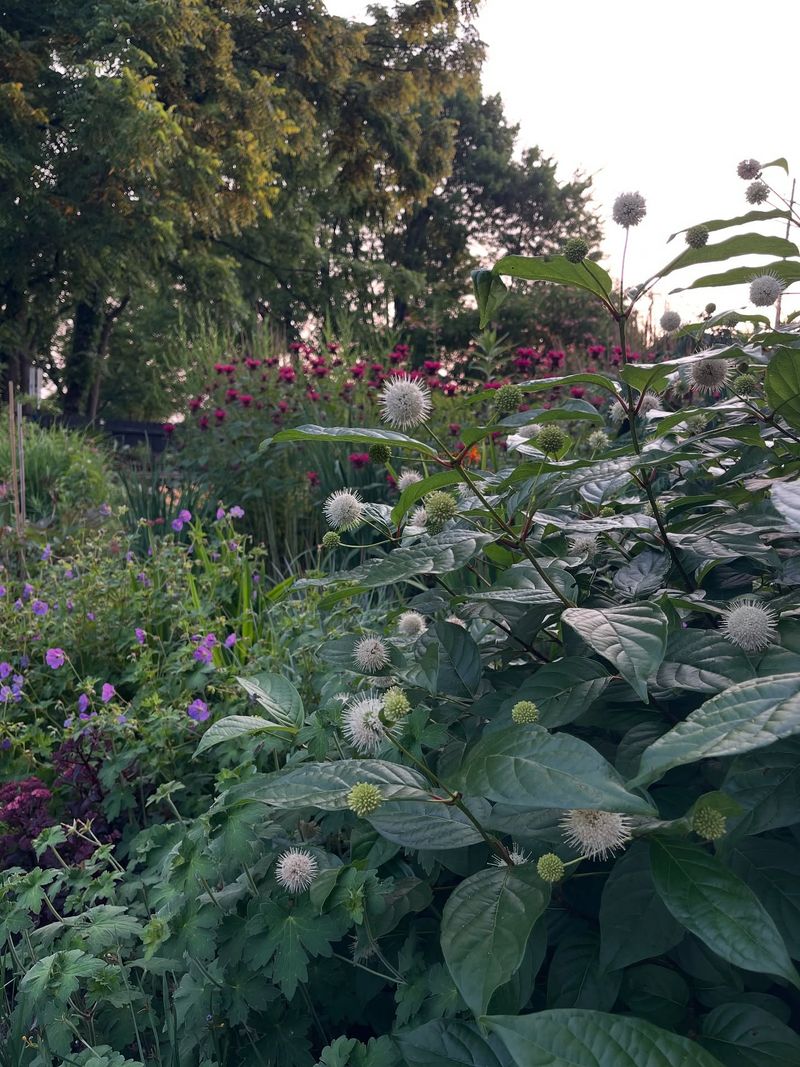
Before you tuck buttonbush into a tight corner, know this: it likes to stretch out. A happy shrub can reach six to twelve feet tall and just as wide, filling far more space than a small seedling suggests.
Planning ahead saves headaches later. Picture the full-grown size when you dig the hole, and leave plenty of breathing room on all sides. Crowding it against a fence or path only leads to constant trimming.
Given space, buttonbush grows into a rounded, leafy shrub that anchors the back or center of a rain garden beautifully. Its size becomes a strength, offering shade, structure, and a big canvas for those summer blooms.
Not everyone has a huge yard, though. If your space is snug, look for a dwarf cultivar such as one bred to stay compact.
These smaller versions offer the same wet-loving toughness and cheerful flowers in a tidier package.
A dwarf type usually tops out around three or four feet, which fits neatly into smaller gardens, raised beds, or containers near a downspout. You get all the benefits without the sprawl.
Whichever size you choose, give the shrub room to breathe and good airflow around its branches. That keeps it healthy and reduces any chance of leaf trouble.
Think of spacing as a gift to your future self. A little planning now means a strong, shapely shrub later, with no crowding, no heavy pruning, and no regrets about where you placed it.