Most North Carolina Gardeners Have No Idea About The Hidden Powers Of Lamb’s Quarters
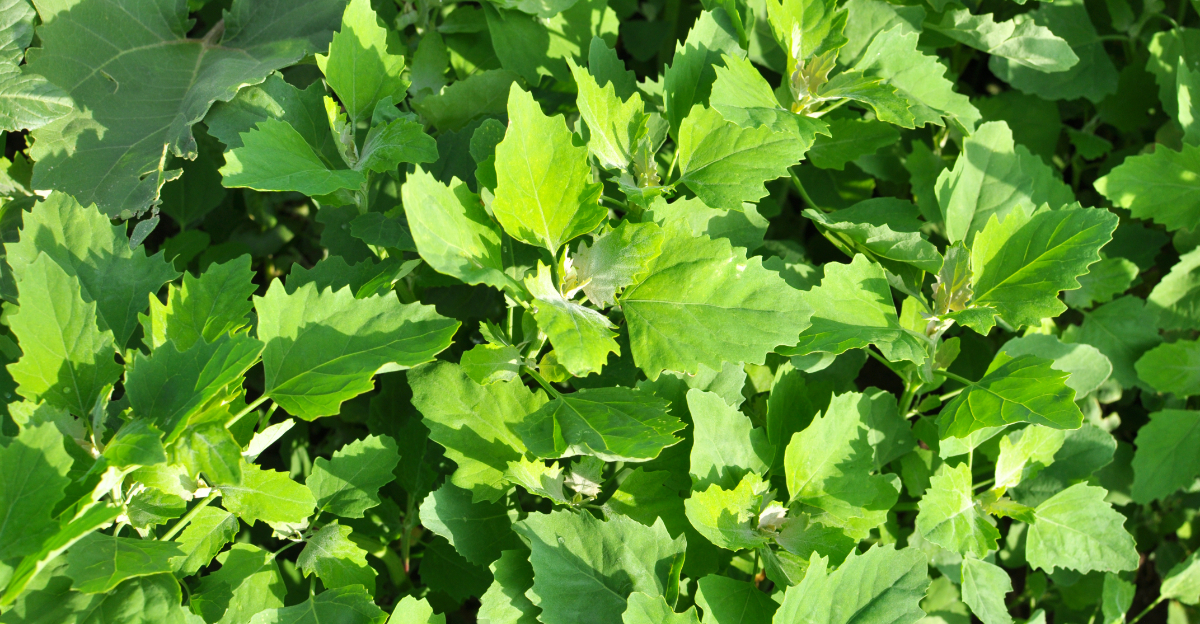
Lamb’s quarters is probably growing in your North Carolina yard right now, and if you pulled it last season without a second thought, you are not alone.
It shows up uninvited, blends in with other leafy growth, and gets treated as a weed without much consideration for what it actually is.
That snap judgment costs more than most gardeners realize, because lamb’s quarters is genuinely one of the more useful plants that can appear in a garden without being planted.
The nutritional profile of the leaves rivals spinach, it improves soil as it grows, it attracts beneficial insects, and it thrives through conditions that wipe out the vegetables planted intentionally nearby.
North Carolina’s long growing season gives it plenty of time to do all of that before it goes to seed.
The gardeners who stopped pulling it and started paying attention to it tend to come around quickly once they understand what they have been casually tossing into the compost pile for years.
1. Lamb’s Quarters Is A Common Edible Weed
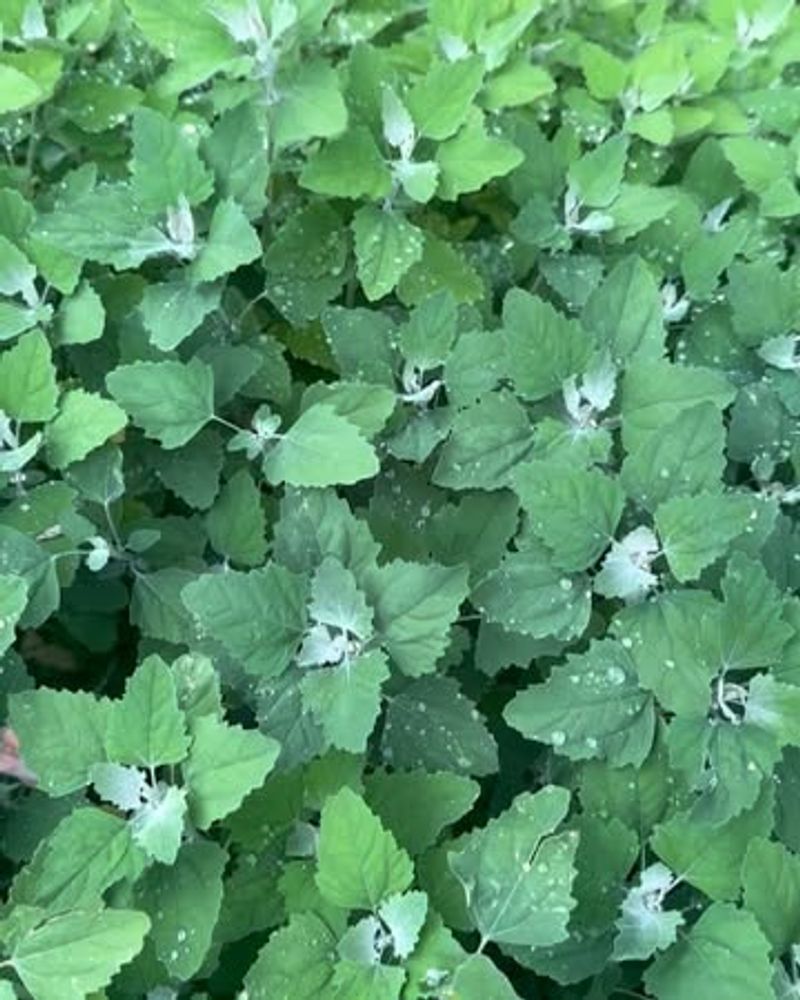
Not many gardeners realize that one of the most nutritious plants in their yard is the one they keep pulling out. Lamb’s quarters, or Chenopodium album, has been eaten by people around the world for thousands of years.
The young leaves have a mild, slightly earthy flavor that many people compare to spinach, making them surprisingly pleasant to eat.
In North Carolina, this plant pops up in gardens from early spring through late summer. Young leaves can be eaten raw in small amounts or cooked lightly to bring out a softer texture.
Cooking is often recommended because raw leaves contain oxalic acid, which in large quantities can be hard on digestion.
Nutritionally, lamb’s quarters is quite impressive. It contains vitamins A, C, and K, along with calcium, iron, and protein.
Many foragers and homesteaders consider it a powerhouse green that outperforms store-bought spinach in several nutrient categories. Before eating any wild plant, always confirm your identification with a reliable field guide or local extension resource.
North Carolina gardeners who take the time to learn about this plant often discover a free, fresh, and genuinely useful food source growing right outside their back door. It is one of those happy surprises that makes gardening even more rewarding.
2. It Thrives In North Carolina’s Disturbed Garden Soil
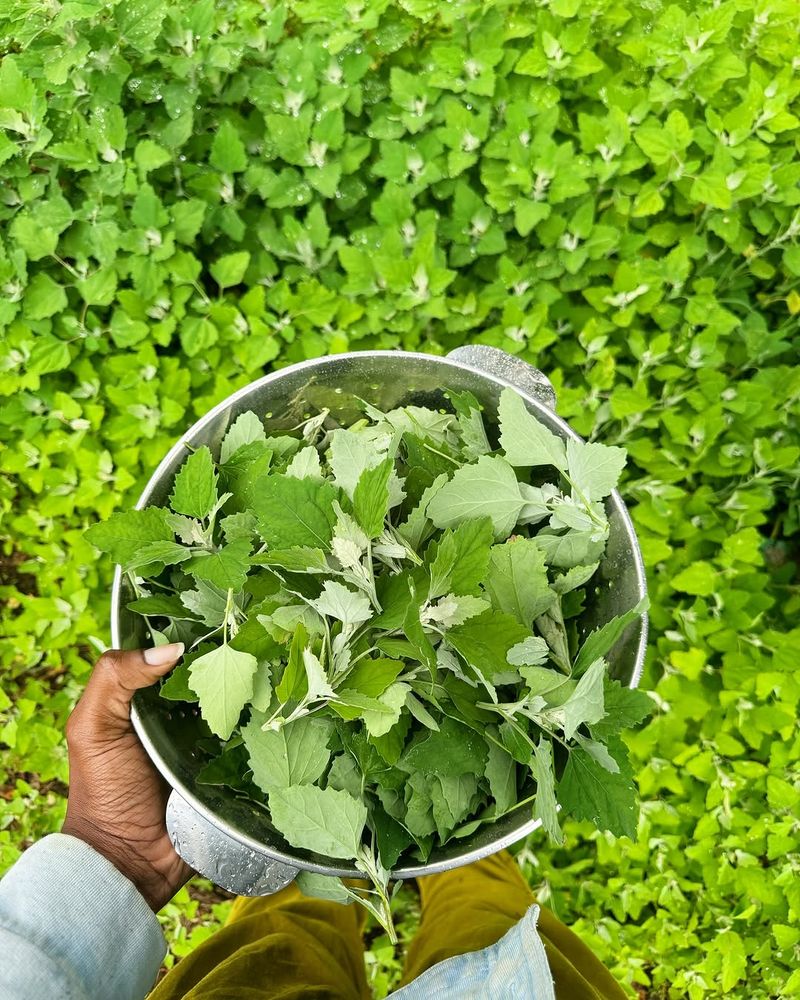
There is something almost stubborn about lamb’s quarters. Pull it once, and it comes right back.
This plant has a remarkable ability to establish itself quickly in disturbed soil, which is exactly what most active vegetable gardens produce every season.
Across North Carolina, gardeners who regularly till, amend, or dig up their beds are essentially creating the perfect conditions for this weed to thrive. It especially loves soil that has been recently turned or enriched with compost and organic matter.
High nitrogen levels in the soil act almost like a welcome sign for this plant, drawing it in season after season.
Vegetable beds, compost pile edges, raised garden borders, and freshly prepared planting areas are all common spots where lamb’s quarters shows up first. Its seeds can remain viable in the soil for years, just waiting for the right moment to sprout.
Your North Carolina Garden Changes Every Week. Your Plan Should Too.
Gardening in North Carolina changes quickly throughout the season. Every Friday you’ll receive a simple weekly plan showing exactly what to plant, prune, fertilize, harvest, and protect so you never miss the right timing.
This is why North Carolina gardeners often notice it appearing even in areas where it was not present the previous year. Understanding why it grows where it does helps you manage it more strategically.
Rather than being frustrated by its persistence, you can use that knowledge to stay one step ahead and decide whether to remove it, relocate it, or let a few plants stay where they will not cause problems for your main crops.
3. A Surprising Natural Soil Indicator
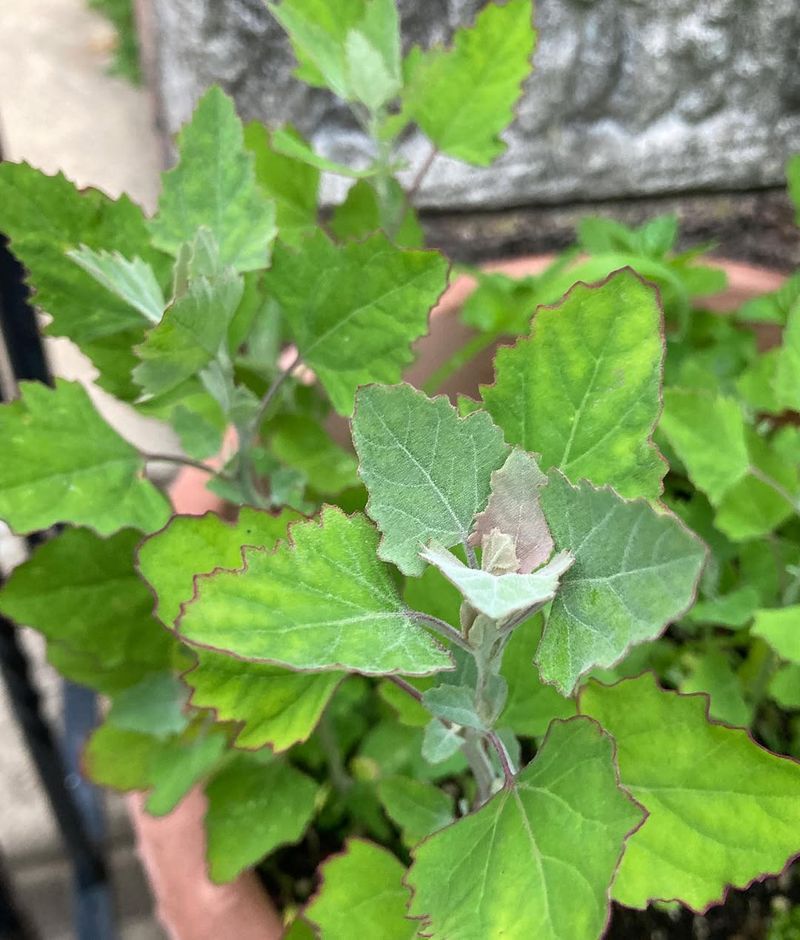
Here is something genuinely useful to know: the plants that grow in your garden without any help from you can actually tell you a lot about the soil beneath them.
Lamb’s quarters is one of the most reliable natural soil indicators you will ever find growing in a North Carolina garden.
When this plant shows up in large numbers or grows unusually tall and lush, it is often a signal that your soil is rich in nitrogen.
Actively composted beds, gardens that receive regular organic amendments, and areas near chicken runs or animal pens tend to produce the most vigorous lamb’s quarters growth.
Experienced gardeners have long used this as a quick, free soil reading tool before spending money on a formal test.
Of course, a soil test from your local North Carolina Cooperative Extension office will always give you the most accurate picture of what your garden soil contains.
But noticing where lamb’s quarters grows most aggressively can point you toward areas of your garden that may need nutrient balancing rather than more feeding.
Too much nitrogen can actually work against crops like tomatoes and peppers, causing lots of leafy growth but fewer fruits.
Treating this weed as a natural clue rather than just a nuisance gives you one more smart tool for building a healthier, more productive garden throughout the growing season.
4. Young Plants Quietly Support Beneficial Insects
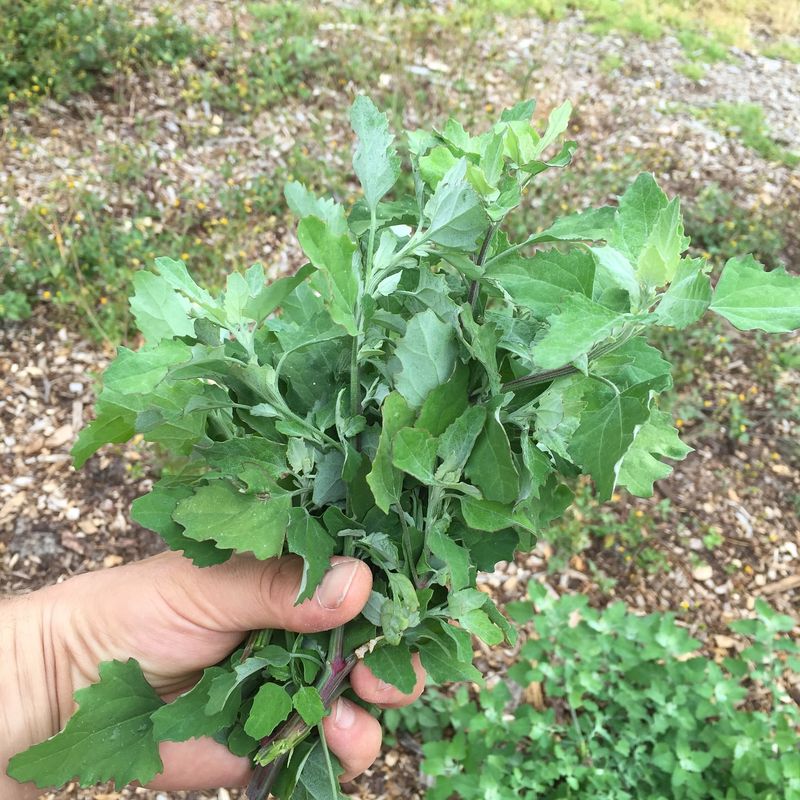
Lamb’s quarters does not have flashy blooms or sweet nectar that draws in butterflies from across the yard.
Still, this understated plant plays a quiet but real role in supporting garden insect life, and North Carolina gardeners who appreciate biodiversity will find that interesting.
The tiny, clustered flowers that lamb’s quarters produces in late summer provide pollen for small native bees, hoverflies, and other beneficial insects.
These are the same insects that help pollinate your vegetable crops and keep pest populations in check by preying on aphids and other garden troublemakers.
Hoverfly larvae, for example, are voracious aphid feeders, and adult hoverflies are drawn to the kind of small, open flowers that lamb’s quarters produces.
Beyond pollinators, the dense leafy growth of lamb’s quarters offers shelter and microhabitat for ground beetles and other predatory insects that patrol the soil surface.
Allowing a few plants to remain in low-traffic corners of your garden can quietly boost the overall insect diversity of your growing space.
This matters more than many gardeners realize, especially as native insect populations face increasing pressure from habitat loss. In a state as ecologically rich as North Carolina, every small contribution to insect habitat adds up.
Lamb’s quarters may not be the star of your garden, but it earns its place as a reliable supporting player in a healthy garden ecosystem.
5. Left Unmanaged, It Can Overwhelm Your Garden
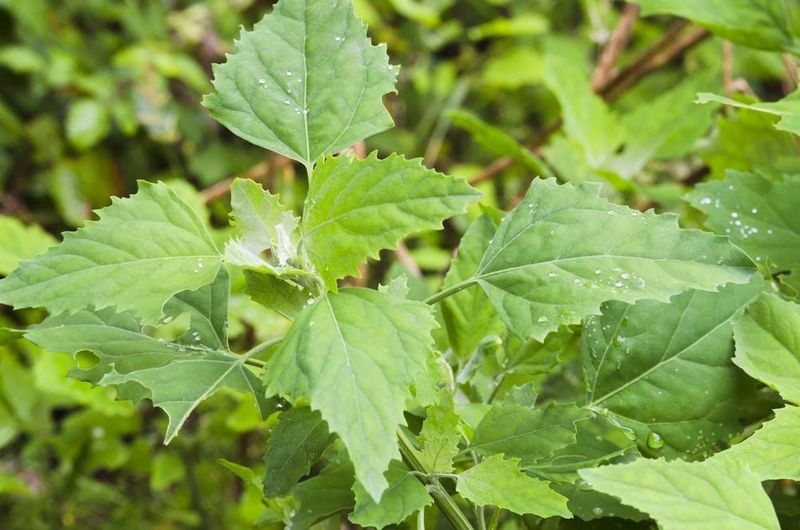
Anyone who has let a single lamb’s quarters plant go to seed knows exactly how quickly things can spiral. This plant is a prolific seed producer, and that is putting it mildly.
A single mature plant can produce anywhere from 70,000 to 500,000 seeds in one growing season, depending on conditions and plant size.
In North Carolina’s warm growing climate, those seeds find plenty of opportunity to germinate. Once lamb’s quarters gets ahead of you in the garden, it competes directly with your vegetables for water, nutrients, and light.
Tall plants can shade out smaller crops, and their dense root systems pull moisture away from shallow-rooted vegetables like lettuce and radishes during dry summer stretches.
The good news is that lamb’s quarters is actually easy to manage when you catch it young. Young seedlings pull out of the soil cleanly, roots and all, without much effort.
The key is consistency. Checking your beds weekly during the warm season and removing plants before they flower and set seed is the most effective strategy.
Mulching garden beds heavily also helps suppress germination significantly. North Carolina gardeners who stay on top of early removal rarely find themselves overwhelmed by this weed.
Treating it as a manageable part of the seasonal garden routine, rather than a crisis, makes the whole process far less stressful and keeps your vegetable beds productive all season long.
6. It Belongs To The Same Family As Spinach And Beets
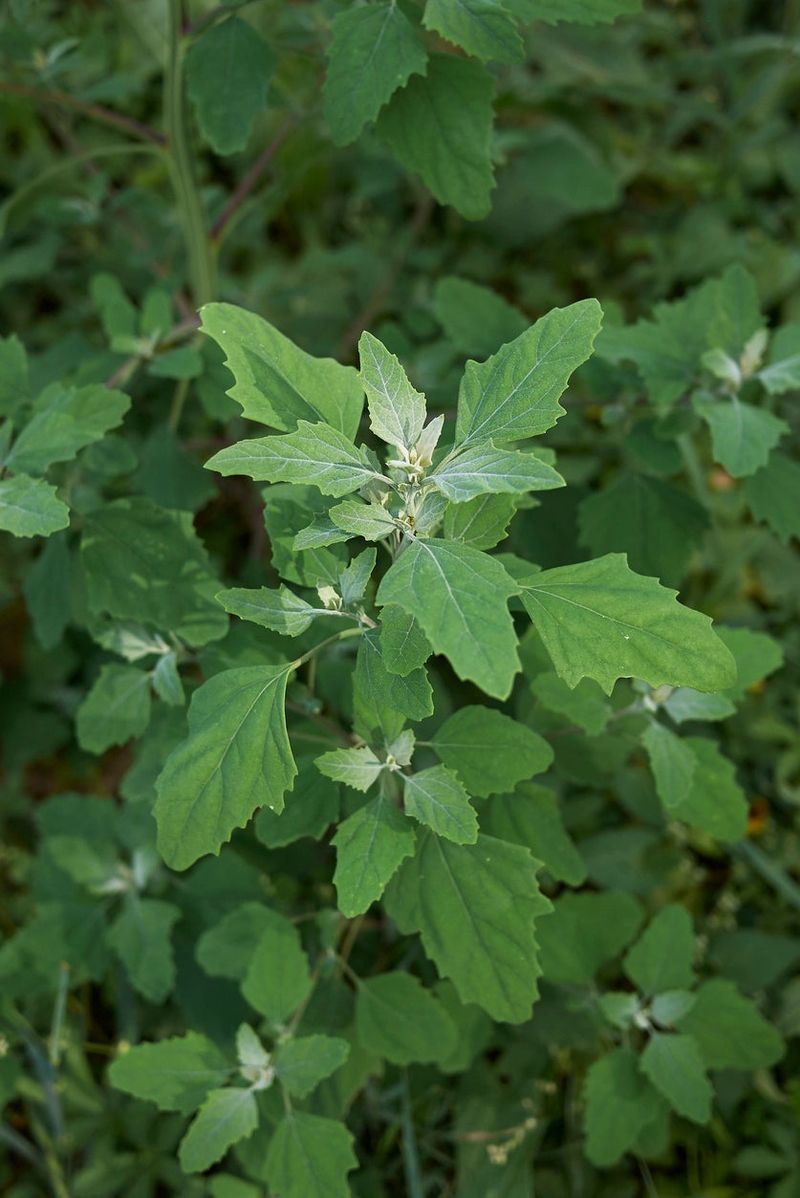
Knowing the plant family a weed belongs to can completely change how you think about it. Lamb’s quarters is a member of the Amaranthaceae family, which also includes spinach, beets, Swiss chard, and garden orache.
That family connection explains a lot about why lamb’s quarters behaves and tastes the way it does.
Like spinach and chard, lamb’s quarters contains oxalic acid, which gives all these plants a slightly tangy edge when raw.
Cooking reduces the oxalic acid content significantly, just as it does with spinach, making cooked lamb’s quarters gentler on digestion and easier for the body to process.
People who already enjoy cooking with beet greens or Swiss chard often find that lamb’s quarters fits naturally into those same recipes.
This botanical relationship also means that lamb’s quarters can sometimes host the same pests and diseases that affect spinach and beet crops in North Carolina gardens.
Leaf miners, which are a common headache for beet and chard growers across the state, will also target lamb’s quarters.
Keeping this in mind is useful when deciding whether to let lamb’s quarters plants remain near your vegetable beds. Positioning them away from your spinach and chard rows reduces the chance of shared pest pressure.
Understanding these family connections turns a random weed into a plant you can make smarter, more informed decisions about throughout the entire growing season.
7. Proper Identification Is Essential Before You Act
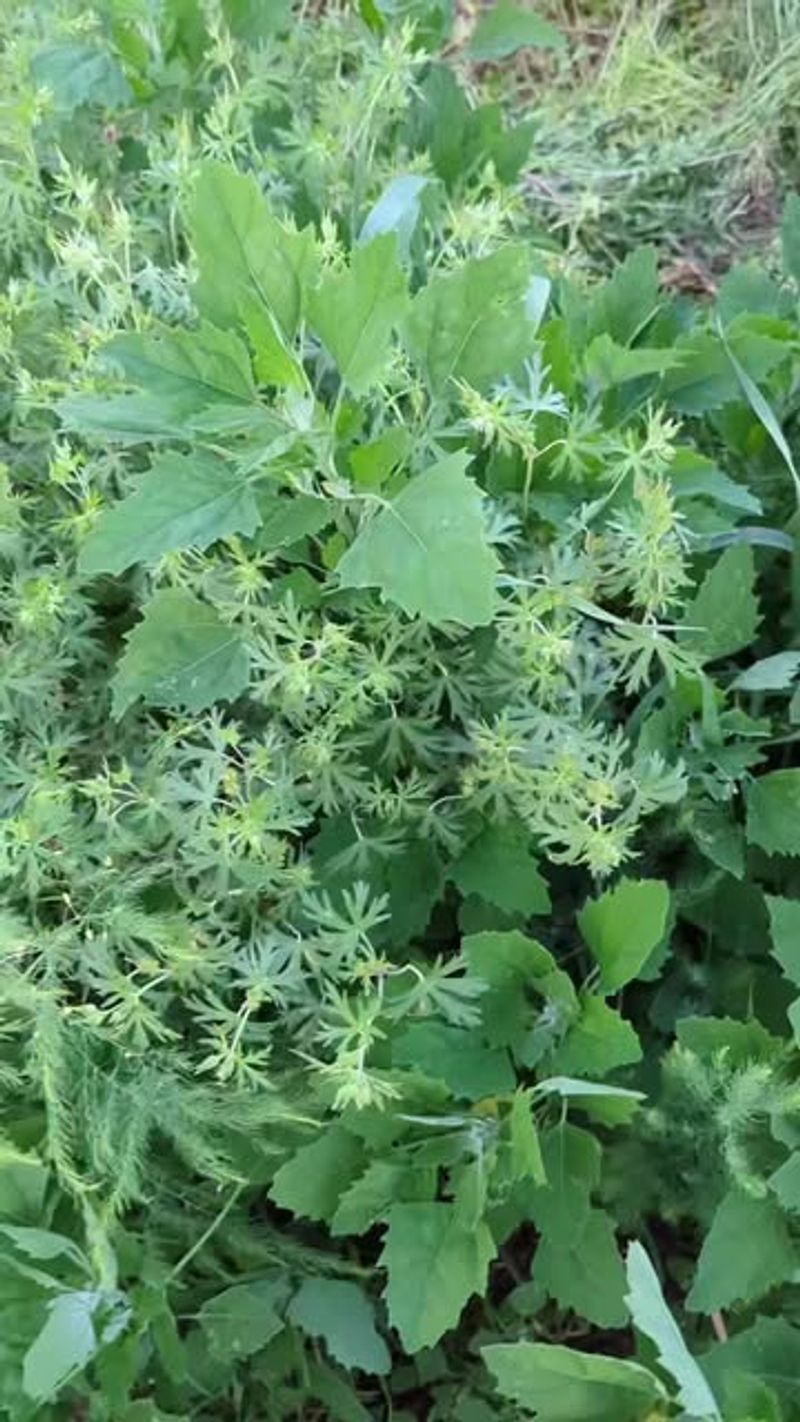
Before you eat it, encourage it, or make any deliberate decision about lamb’s quarters in your garden, you need to be completely certain about what you are looking at.
Several common weeds can look similar to lamb’s quarters at the young seedling stage, and mixing them up is an easy mistake to make, especially early in the season.
Lamb’s quarters has a few reliable identifying features that set it apart. Look for a white, powdery, almost dusty coating on the undersides of young leaves and on new growth at the tips.
The leaves are typically diamond or goosefoot shaped with slightly toothed edges, and the stems often show faint pink or red striping as the plant matures. These details together make a strong identification case.
North Carolina gardeners should cross-reference what they find with a trusted field guide, a university extension publication, or a reputable foraging resource.
The North Carolina State Extension service offers excellent resources for plant identification and can help gardeners distinguish lamb’s quarters from lookalikes with confidence.
If you are ever uncertain, the safest move is simply to remove the plant without eating it. Getting identification right is not about being overly cautious.
It is about being a smart, informed gardener who respects both the potential and the limits of what grows in their yard. That kind of knowledge makes every season in the garden safer, more enjoyable, and genuinely more productive.