Florida Gardeners Are Pulling Down Wooden Trellises After Discovering This Native Vine
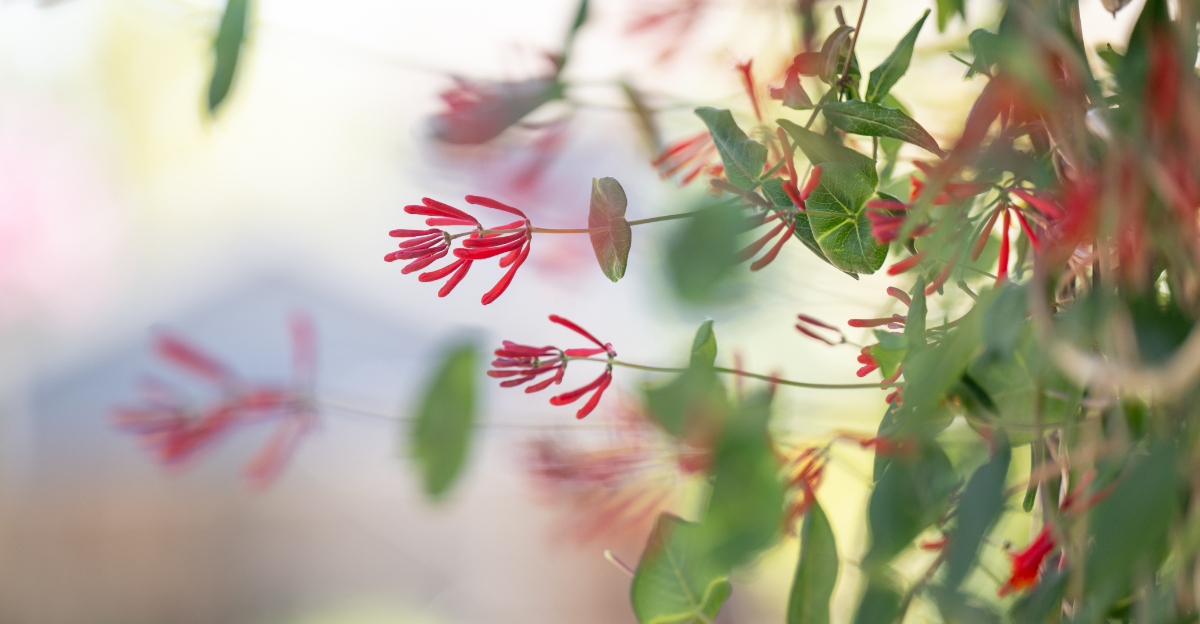
Wooden trellises are coming down in Florida yards, and a stunning native vine is going up in their place.
Gardeners across the state are making the switch after discovering a plant that thrives in Florida’s heat, needs surprisingly little fuss, and rewards you with months of brilliant color without turning into an invasive nightmare.
Hummingbirds find it almost immediately. Butterflies follow. Neighbors stop and ask what it is.
What makes this vine worth pulling down a perfectly good trellis for is a combination of qualities that is genuinely hard to find in a single plant, and once you see it covering a fence or arbor in full bloom, the decision starts to feel obvious.
The good news is that getting it right is straightforward once you know what to do.
Start with the right structure, give it enough sun, train the young stems early, and let the wildlife handle the rest.
Whether you are a seasoned gardener or just starting out in a new Florida home, this vine might be exactly what your yard has been missing all along.
1. Meet The Coral Honeysuckle
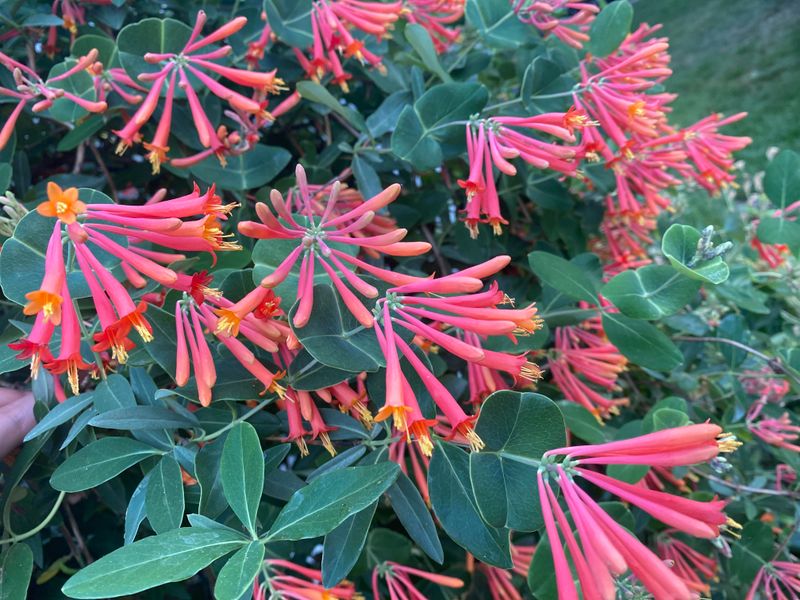
Not every vine earns a standing ovation, but coral honeysuckle comes pretty close.
Lonicera sempervirens is a Florida native that has been growing wild along forest edges and roadsides long before anyone thought to put it in a garden.
It produces clusters of slender, trumpet-shaped blooms in shades of deep coral red with golden-yellow centers, and it does this from late winter straight through fall.
Unlike its invasive cousin Japanese honeysuckle, this one plays nicely with the local ecosystem.
It does not smother nearby plants or spread aggressively. Gardeners love that it stays manageable while still making a bold visual statement.
Coral honeysuckle is semi-evergreen in North Florida and stays leafy year-round in South Florida’s warmer zones.
It grows in USDA hardiness zones 4 through 9, making it a reliable choice across nearly the entire state. The vine reaches anywhere from 10 to 20 feet when given proper support, so it has real presence without being overwhelming.
For new gardeners, the plant is forgiving and adaptable.
It tolerates a range of soil types, from sandy to loamy, as long as drainage is decent. Start with a healthy transplant from a native plant nursery, give it a sturdy structure to climb, and watch it reward you with one of Florida’s most striking natural displays.
2. Use A Fence Instead Of A Wooden Trellis
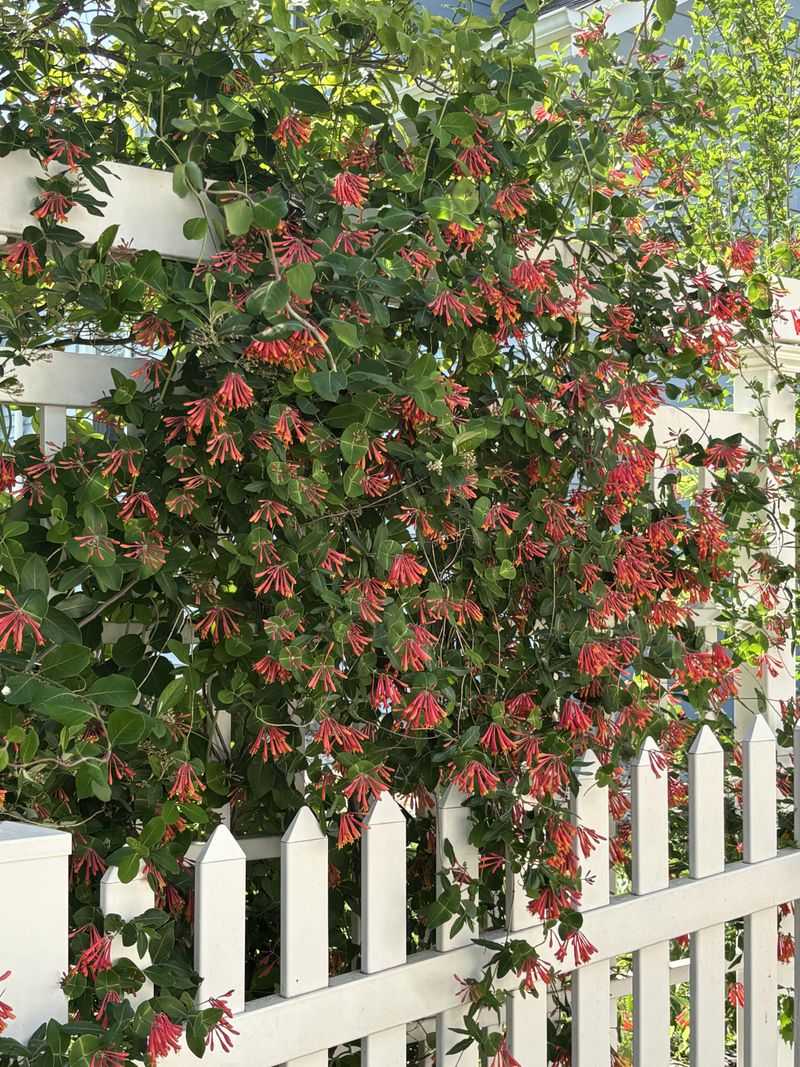
Wooden trellises look charming in a catalog, but in Florida’s humidity and heat they tend to rot, warp, and splinter faster than you expect.
That is exactly why so many gardeners are swapping them out for something already standing in their yard: the fence.
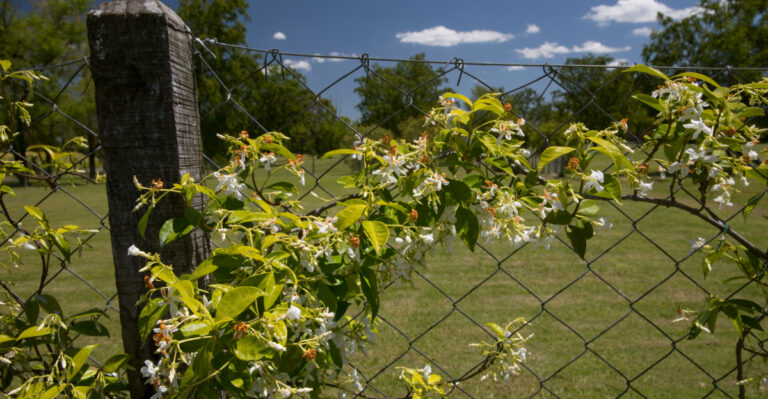
A chain-link fence, wire panel, split-rail fence, or even a porch railing gives coral honeysuckle exactly the grip it needs to climb beautifully.
This vine climbs by twining its stems around a support rather than using sticky pads or thorns, so it is gentle on structures and easy to redirect.
Your Florida Garden Changes Every Week. Your Plan Should Too.
Gardening in Florida changes quickly throughout the season. Every Friday you’ll receive a simple weekly plan showing exactly what to plant, prune, fertilize, harvest, and protect so you never miss the right timing.
A wire panel or cattle panel stretched between two posts works especially well and costs far less than a fancy wooden trellis. The vine weaves through the gaps naturally, creating a lush green wall dotted with red blooms.
Arbors and pergolas are also excellent options.
If you have an existing garden arch or metal arbor, coral honeysuckle will cover it gracefully within a season or two. Attach the young stems loosely with soft plant ties or garden twine to get them started in the right direction.
Avoid attaching the vine directly to wood siding or painted surfaces, since constant moisture from the plant can cause damage over time.
A few inches of space between the vine and any wall surface keeps air moving and reduces problems. Simple adjustments like these make your setup last much longer while keeping the vine happy and thriving.
3. Give It Sun For The Best Flower Show
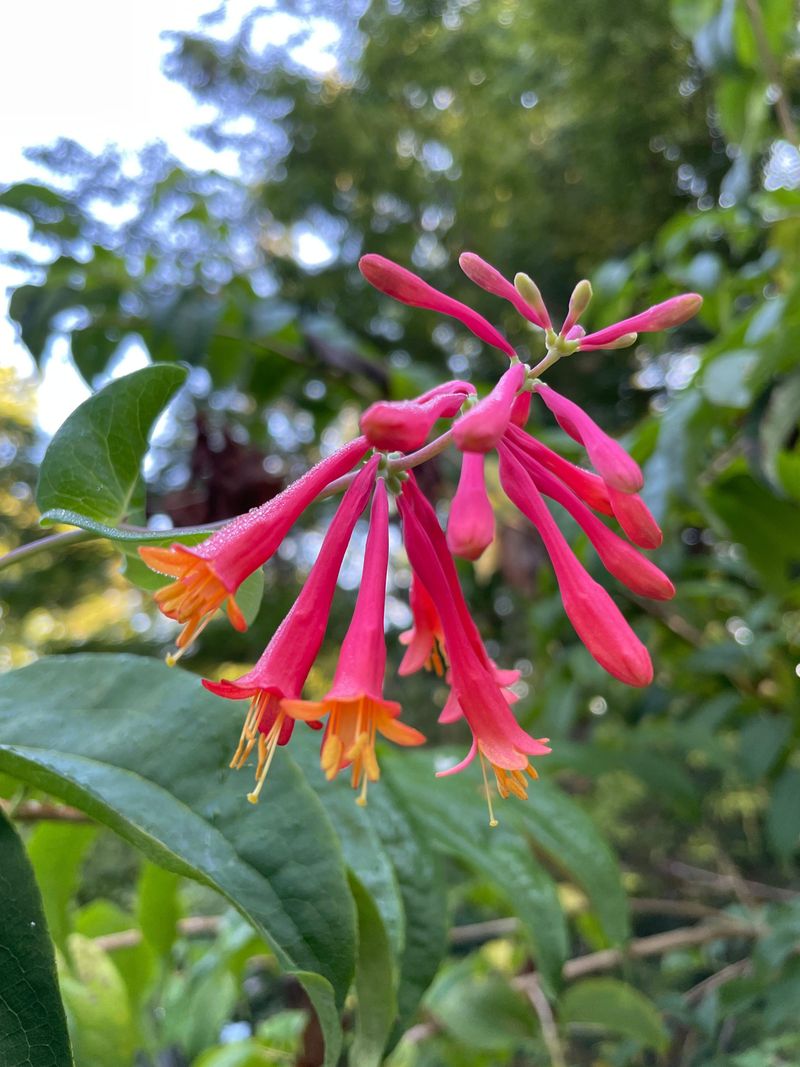
Sun is the secret ingredient behind a spectacular coral honeysuckle display.
Full sun, meaning at least six hours of direct sunlight per day, produces the densest and most vibrant bloom clusters.
Plants grown in shadier spots still survive and look decent, but the flower count drops noticeably. If you want a vine that stops traffic, plant it where the sun hits hardest.
In Florida, morning sun with some afternoon shade can work well, especially in South Florida where summer heat gets intense.
That combination keeps the plant productive without stressing it during the hottest part of the day. North and Central Florida gardeners can usually handle full sun all day without any issues, since the vine is naturally adapted to those conditions.
Bloom strength is directly tied to light exposure.
A sun-drenched coral honeysuckle can produce flowers almost continuously from February through November in warm years.
A shaded one might give you a modest spring show and then go quiet for the rest of the season. The difference is dramatic.
Before planting, spend a day or two watching how sunlight moves across your yard.
Note where shadows fall from trees, fences, and your house. Choose a spot that gets maximum light, and your coral honeysuckle will reward you with color that lasts for months on end.
4. Train Young Stems Before They Wander
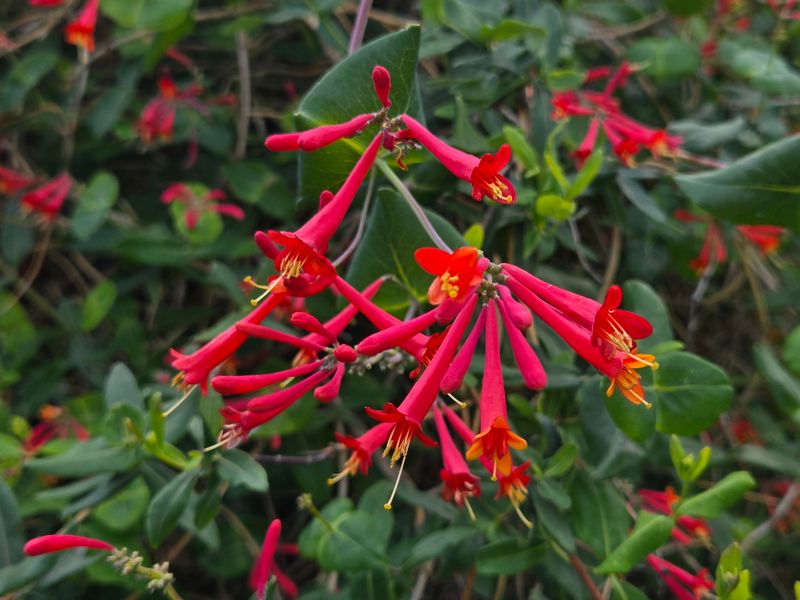
Young coral honeysuckle stems are enthusiastic explorers.
Left completely on their own, they will reach in random directions, loop around nearby shrubs, or simply flop onto the ground looking lost. A little early guidance makes a huge difference, and it does not require much effort at all.
Start training the vine as soon as it puts out new growth in its first season.
Gently wrap or loosely tie the young stems toward your chosen support structure. Use soft garden twine, foam-covered wire ties, or strips of old fabric to avoid cutting into the tender stems.
Check the ties every few weeks and adjust as the plant grows.
Focus on getting three or four main stems established along the base of your fence or arbor.
Once those anchor stems are in place, the vine will naturally send out side shoots that fill in the gaps on their own. You do not need to tie every single stem. Just guide the main framework and let the plant do the rest.
Avoid letting stems tangle into thick knots at the base of the plant.
Tangled growth traps moisture and reduces airflow, which can invite fungal problems in Florida’s humid conditions.
A quick five-minute check every week or two during the growing season keeps everything organized. Neat training now means a gorgeous, well-shaped vine for years to come.
5. Let Hummingbirds Find The Tubular Blooms
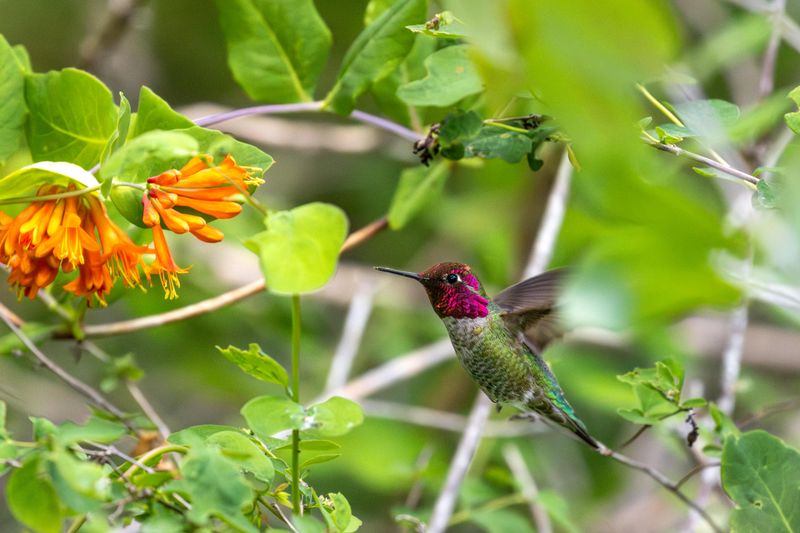
Few garden moments beat watching a ruby-throated hummingbird hover at a cluster of coral honeysuckle blooms.
The long, narrow tubular flowers are practically custom-built for hummingbird feeding. Their shape matches the bird’s bill perfectly, and the nectar reward inside keeps them coming back day after day throughout the blooming season.
Ruby-throated hummingbirds are the most common species to visit Florida gardens, and they rely on native tubular flowers as a primary nectar source during migration and breeding.
Planting coral honeysuckle gives them exactly what they need without the hassle of maintaining a sugar-water feeder. No mixing, no cleaning, no worrying about fermented nectar in the heat. The vine does all the work for you.
Beyond hummingbirds, the flowers attract native bees, butterflies, and other pollinators that appreciate the open-faced blooms.
Later in the season, small red berries appear and attract songbirds like goldfinches and purple finches. The plant essentially becomes a full-service wildlife destination from spring through late fall.
To maximize bird activity, plant the vine near a window or seating area where you can watch the action up close.
Avoid using pesticides anywhere near the plant, since hummingbirds and beneficial insects are sensitive to chemical exposure. A pesticide-free zone around your coral honeysuckle keeps the wildlife visiting safely all season long.
6. Prune Lightly After Heavy Bloom
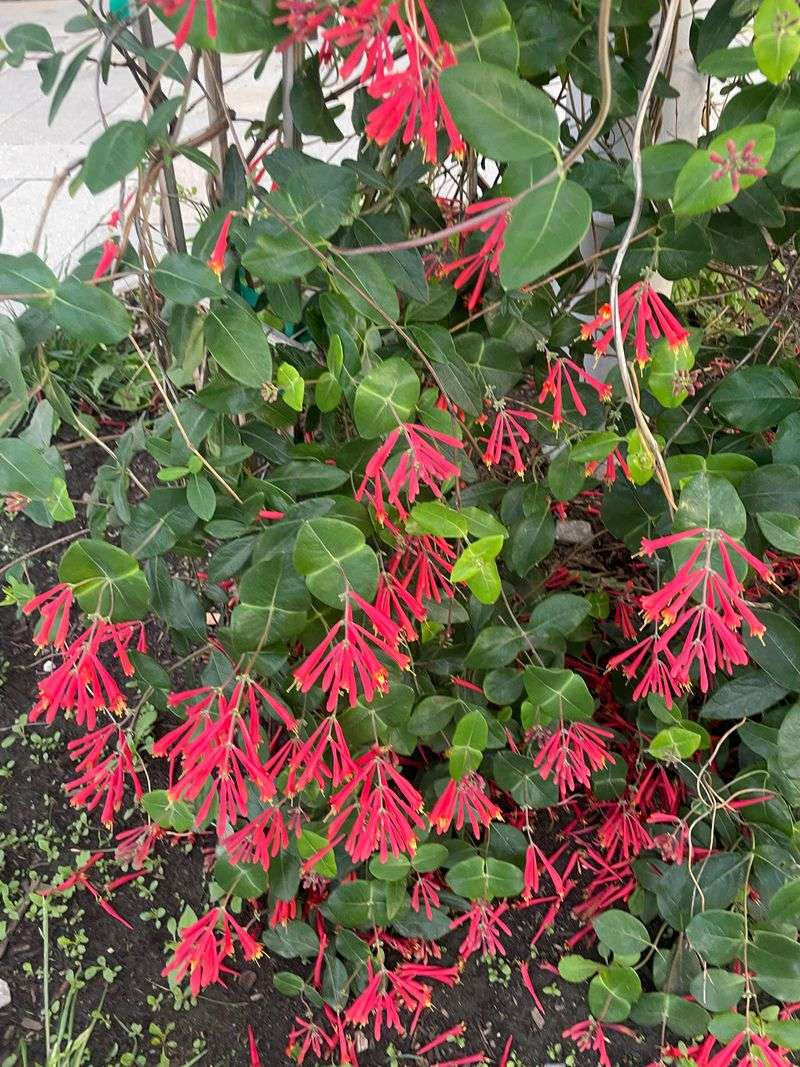
Coral honeysuckle does not demand aggressive pruning, and that is genuinely good news for gardeners who would rather spend time enjoying their yard than working in it.
The vine responds best to light, selective trimming rather than heavy cutbacks. Think of it as a light haircut rather than a full overhaul.
The best time to prune is right after the main spring bloom flush winds down, usually in late spring or early summer in Florida.
At that point, remove any crossed or congested stems, cut back any overly long shoots that are heading in the wrong direction, and thin out dense areas to improve airflow.
This modest cleanup encourages fresh growth and often triggers a second wave of blooms later in the season.
Avoid hard pruning in fall or winter.
Coral honeysuckle sets its flower buds on new growth, and cutting back severely at the wrong time removes the very stems that would have produced your next season’s flowers.
A little restraint with the pruners pays off in a much better bloom display the following year.
Use clean, sharp bypass pruners to make smooth cuts that heal quickly. After pruning, give the vine a light feeding with a balanced slow-release fertilizer to help it recover and push out fresh growth.
Keep it simple, keep it light, and this vine will keep performing beautifully for many seasons ahead.
7. Keep Roots Moist While It Settles
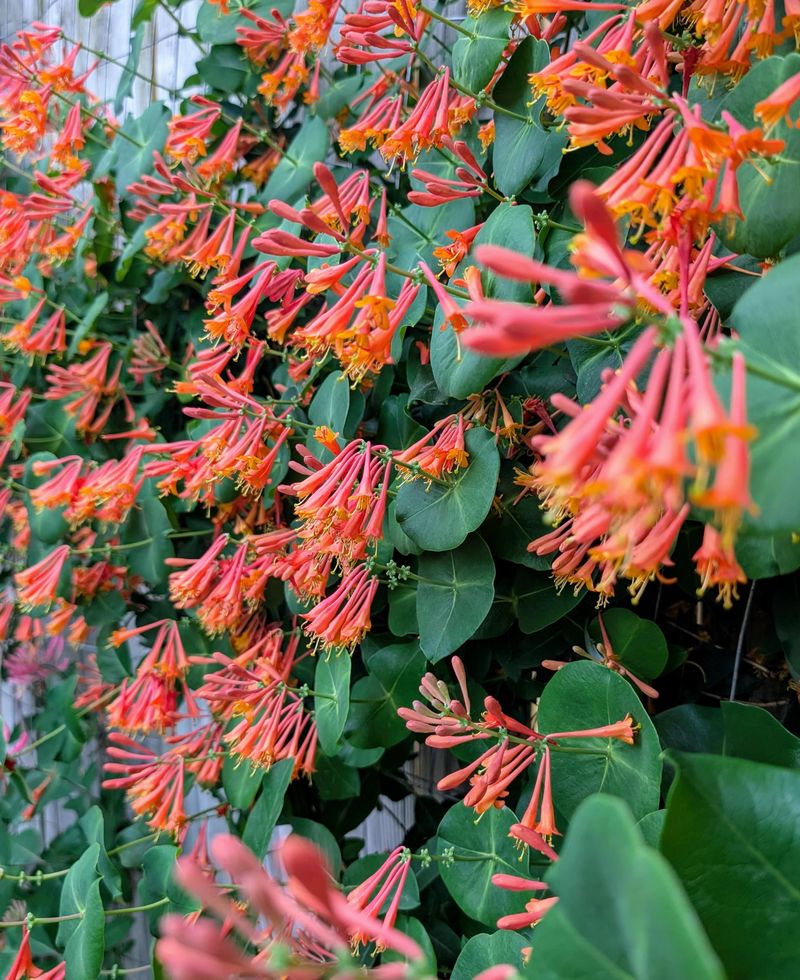
The first few months after planting are the most critical for any new vine, and coral honeysuckle is no exception.
During the establishment period, the root system is still small and cannot pull moisture from a wide area of soil. Consistent watering during this time gives the plant the best possible start and sets it up for long-term success.
Water deeply two to three times per week during the first growing season, especially during Florida’s dry spells.
Deep watering encourages roots to reach down into the soil rather than staying shallow and vulnerable.
Shallow roots make plants more susceptible to drought stress and heat damage, so the extra watering effort early on is absolutely worth it.
A two to three inch layer of organic mulch around the base of the plant is one of the smartest moves you can make.
Pine bark, wood chips, or shredded leaves all work well. Mulch holds moisture in the soil, moderates soil temperature, and reduces weed competition around the young vine. Keep the mulch a few inches away from the main stem to prevent rot.
Once established, usually after the first full growing season, coral honeysuckle becomes remarkably drought-tolerant.
It can handle Florida’s dry winters with minimal supplemental watering.
Well-drained soil combined with smart watering habits produces a vine that thrives for years with very little extra attention, which is exactly the kind of plant a Florida yard deserves.
8. Watch For Scale And Treat It Early
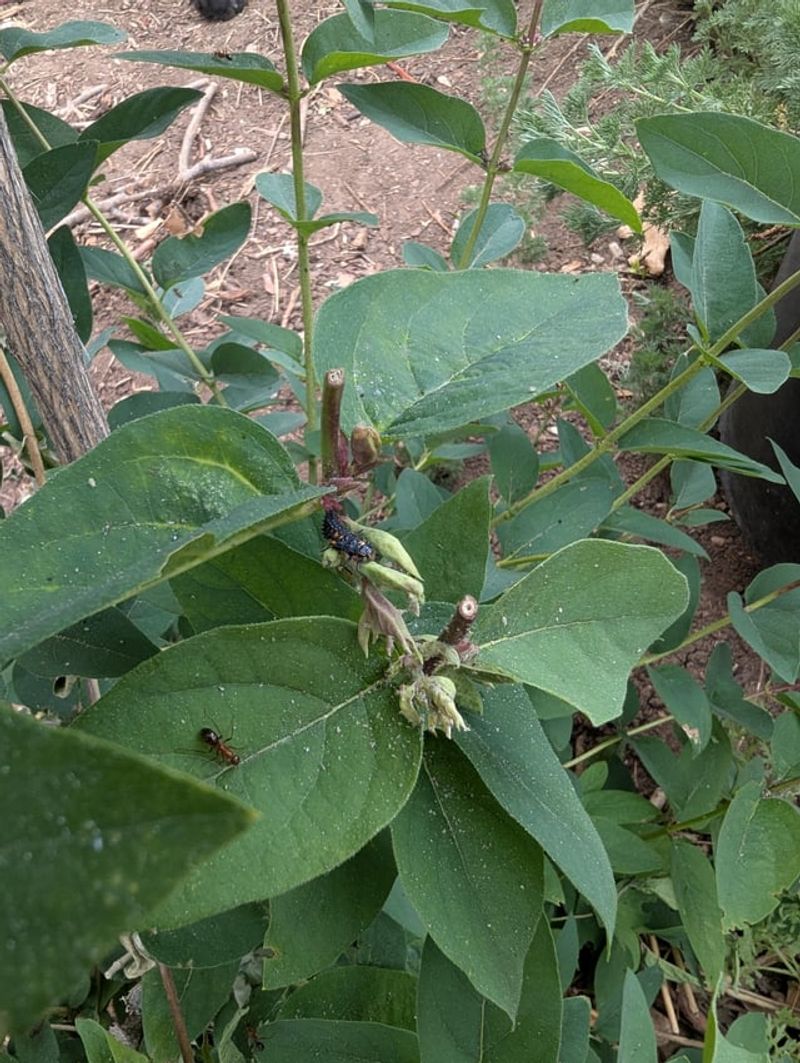
Coral honeysuckle is a tough, low-maintenance vine, but it does have one weakness worth knowing about before it catches you off guard.
Scale insects are the most common pest problem on this plant in Florida, and they are easy to miss until the infestation is already well established.
Scale insects look like tiny brown or white bumps attached to stems and the undersides of leaves. They feed by sucking sap from the plant, and a heavy infestation can cause yellowing foliage, reduced bloom production, and overall decline.
The good news is that scale is very manageable when caught early.
Check stems and leaf undersides during your regular garden walk, especially on new growth and at the junction points where stems meet.
A small hand lens makes the inspection much easier and turns a two-minute check into something almost satisfying.
Horticultural oil or neem oil applied according to label directions smothers scale insects effectively without harming the hummingbirds and pollinators that visit the flowers.
Apply any treatment in the early morning or evening when temperatures are cooler and beneficial insects are less active. Avoid spraying when the plant is in active bloom to protect visiting pollinators.
A healthy, well-established coral honeysuckle growing in good sun with proper airflow around the stems is far less susceptible to scale pressure than a stressed or overcrowded plant.
Good siting, light annual pruning, and consistent monitoring keep most pest problems from gaining a foothold in the first place. Stay observant and this vine will rarely give you anything serious to worry about.