Why Northern Pennsylvania Gardeners Should Stop Planting By Early October
In northern Pennsylvania, winter doesn’t wait for an invitation. Gardeners in the southern part of the state may still be enjoying mild afternoons.
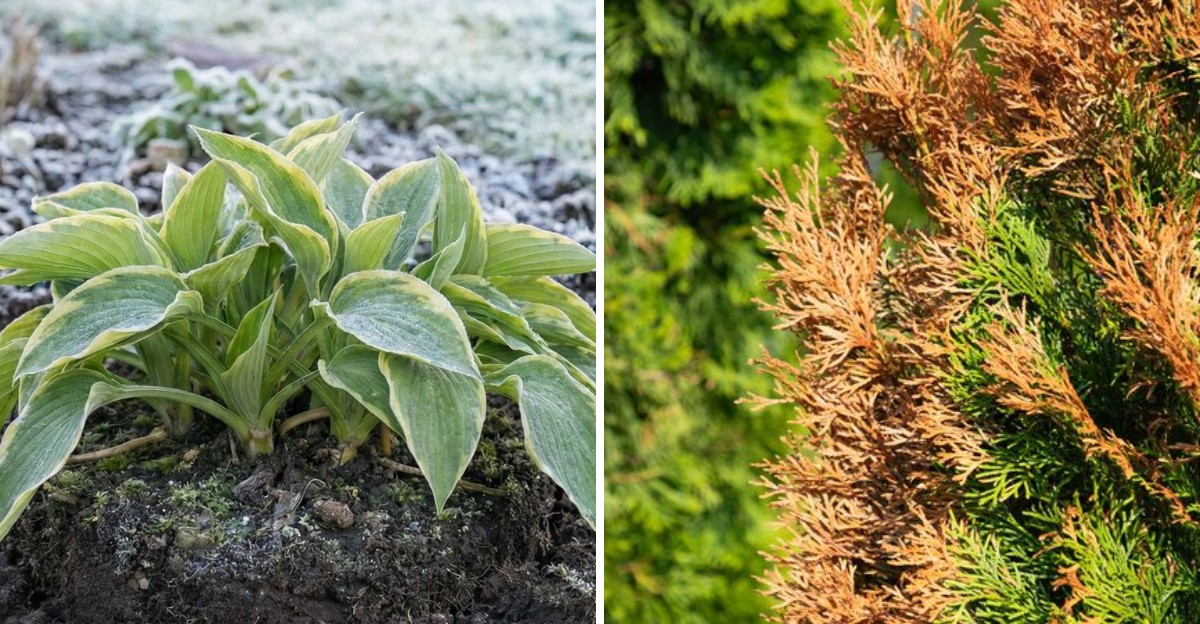
Up in the northern tier, frosty mornings and chilly nights are already here. By mid-October, the soil can start to cool fast. Not long after, it may freeze solid.
That timeline matters more than most people think. New plants need time to settle in and grow roots before the cold arrives.
Without that head start, they’re left sitting in the soil with nothing to anchor them. Freeze-and-thaw cycles can even push young plants right out of the ground.
It’s tempting to squeeze in one more shrub or perennial while the nurseries are still stocked. Waiting until spring, though, often gives those plants a much better shot at thriving.
1. Frost Arrives Early In The Northern Tier
Ask any longtime gardener in Potter or Tioga County, and they will tell you a story about a surprise frost.
One chilly night in September, and the tomato plants are wilted by morning. Folks up north learn this lesson fast.
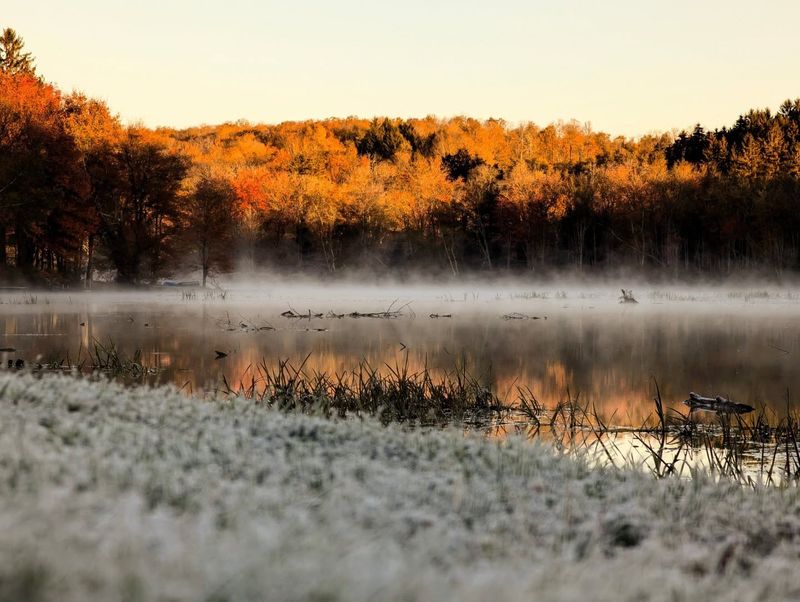
Much of northern Pennsylvania sees its first frost between mid-September and early October.
That is often two to four weeks sooner than the southern part of the state. Higher elevations and valleys can get frost even earlier, because cold air settles in low spots at night.
So what does that mean for new plants? Anything tender that you set out after that point faces a tough welcome.
Young leaves and soft stems are easily damaged by ice crystals. The plant then spends its energy trying to heal instead of growing.
Many fall transplants simply never catch up. A lettuce seedling planted in October might sit still for weeks.
A small perennial may lose its top growth before its roots take hold. The result is a weak plant going into a very long winter.
Here is a smart habit to build. Look up the average first frost date for your exact town. Local extension offices and online frost maps can help. Then count back at least four to six weeks, and treat that as your planting deadline.
You can also keep a simple garden journal. Write down the date of the first frost each year. After a few seasons, you will have your own local record, which is often more accurate than any chart.
Frost is not your enemy. It is just a signal. Listen to it, plan ahead, and your plants will thank you.
2. Roots Need Time Before The Ground Freezes
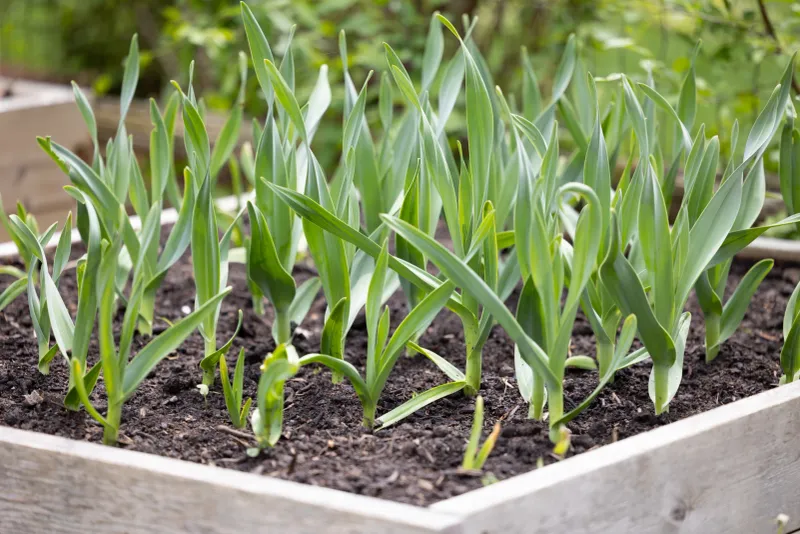
Think of roots as the hidden anchor of every plant. You cannot see them working, but they do almost all the heavy lifting. They pull in water, hold the plant steady, and store food for the cold months.
When you plant a perennial, shrub, or tree, it arrives with a small root ball. Before winter, those roots need to push out into the surrounding soil. That growth only happens while the soil stays fairly mild, usually above about 40 degrees.
Your Pennsylvania Garden Changes Every Week. Your Plan Should Too.
Gardening in Pennsylvania changes quickly throughout the season. Every Friday you’ll receive a simple weekly plan showing exactly what to plant, prune, fertilize, harvest, and protect so you never miss the right timing.
In southern Pennsylvania, soil can stay warm well into November. Up north, the ground cools much faster.
By late October, soil temperatures in many northern towns are already dropping toward that cutoff point.
Plants that go in too late often stay trapped in their original root ball. They never really settle into the garden. When a long, hard winter arrives, they have very little support and very little stored energy.
Here is a helpful tip. Aim to finish planting trees and shrubs by mid-September if you can, and perennials by early October. That gives them roughly six weeks of root growth before the soil turns cold.
Water matters too. Give new plants a deep soaking once or twice a week until the ground freezes. Moist soil holds heat better than dry soil, and roots grow more easily in it.
A soil thermometer is a cheap and handy tool. Poke it a few inches into the ground in the morning.
If it reads in the 50s, roots are still busy. Once it slips into the 30s, the growing window has closed. Give roots the time they need, and your plants will stand strong through the snow.
3. Short Days Slow Growth To A Crawl
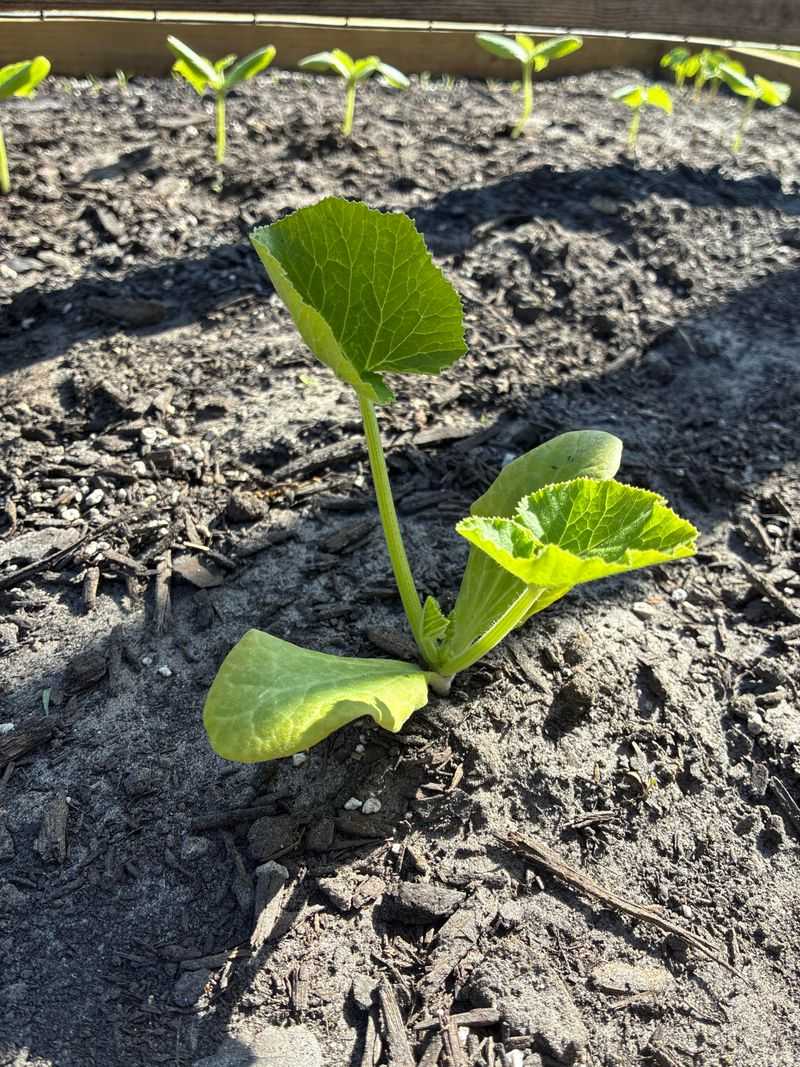
Sunlight is plant food. Leaves use it to make the sugars that fuel every bit of growth. When the light fades, so does the plant’s energy.
By mid-fall, daylight in northern Pennsylvania shrinks fast. In late June, you get around 15 hours of sun. By early November, it drops closer to 10 hours. Each week in October trims off a few more minutes.
Many vegetables grow very little once days fall below about 10 hours. Gardeners even have a name for this period.
Some call it the Persephone period, after the Greek story about the goddess who spends winter underground. During this time, crops mostly pause and wait.
That is a problem for late plantings. Say you sow a row of spinach in mid-October. Cool weather alone slows it down, and the short days push it nearly to a stop. The plants may still be tiny when winter arrives.
Want fall crops that actually reach harvest size? Plant them in August or early September. Lettuce, kale, radishes, spinach, and turnips all do well when started then. They grow strong during the longer days and hold on as the season cools.
Another trick is to check the days to maturity on the seed packet. Add about two weeks, since fall growth is slower. Then count backward from your first frost date.
Row covers and cold frames can stretch the season a little. They trap warmth, though they cannot add extra daylight. So timing still matters most.
Work with the sun instead of against it. Your fall harvest will be bigger, tastier, and far less stressful.
4. Frost Heaving Can Push Young Plants Out Of The Ground
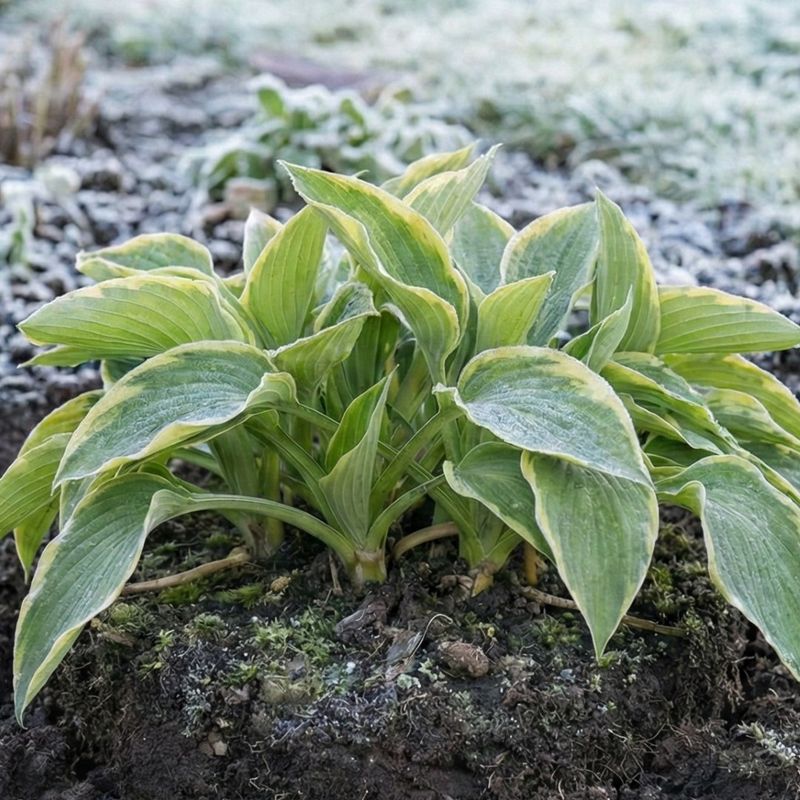
Here is a strange sight many gardeners find in March. A perennial planted last fall is sitting on top of the soil, roots poking out like a crooked tooth. No animal dug it up. The ground itself pushed it out.
That sneaky process is called frost heaving. When wet soil freezes, the water inside it turns to ice and expands.
When it thaws, the soil shrinks back down. Northern Pennsylvania often swings between freezing nights and mild afternoons, so this cycle can happen again and again.
Each freeze lifts the soil a tiny bit. Plants with deep, spread-out roots hold firm. Newly planted ones, with small and shallow roots, get lifted along with the dirt. Over a few weeks, they can rise right out of the ground.
Once roots are exposed, cold wind and dry air go to work. The roots lose moisture quickly. Without water, the plant weakens and often does not recover by spring.
So how can you protect your garden? The best defense is simply planting early, so roots grip the soil well before winter. Beyond that, mulch is your best friend.
Wait until the ground has frozen, then spread two to four inches of shredded leaves, straw, or bark mulch around plants.
The goal is to keep the soil frozen instead of stopping the freeze. Steady cold is far gentler than constant up and down.
Also check your beds during winter thaws. If you spot a plant lifted up, gently press it back down with your foot. Add a little extra mulch on top. A few minutes of care can save plants you worked hard to grow.
5. New Evergreens Are Prone To Winter Burn
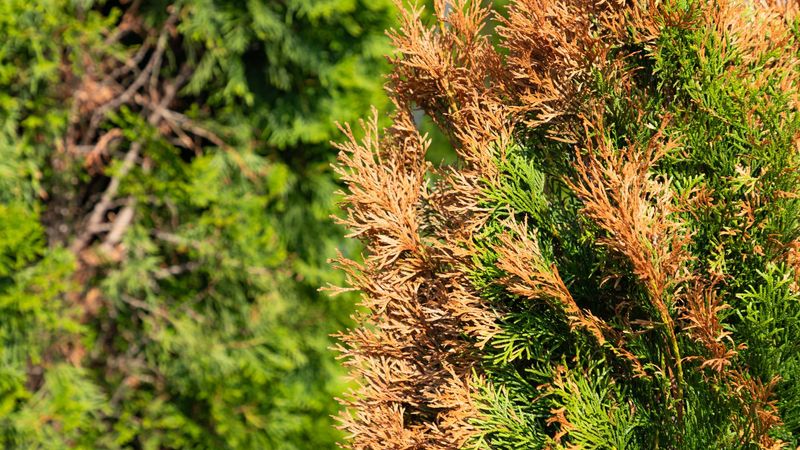
Nothing looks sadder than a new arborvitae turning brown in February. You picked it out, planted it with care, and pictured it green all winter. Then the tips start looking crispy and rusty.
What happened is called winter burn. Evergreens keep their needles and leaves all year. Even in January, those leaves slowly give off moisture into the air. Sun and wind speed that up.
Normally, the roots replace that lost water. The trouble starts when the ground freezes solid.
Roots cannot pull water from frozen soil, so the plant keeps losing moisture with no way to refill. It is a bit like trying to drink through a frozen straw.
Newly planted evergreens have it the worst. Their root systems are small and have not spread out yet.
They start winter with less stored water and fewer roots to grab moisture on warm days. Northern Pennsylvania winters are long and windy, which makes the risk even higher.
Planting evergreens by early September is the safest choice. If yours are already in the ground, a few steps help a lot.
Water deeply every week through fall, right up until the ground freezes. Spread mulch over the root zone to hold in moisture.
For plants in open, windy spots, set up a burlap screen on the side facing the wind and sun. Leave space so air can still move.
Some gardeners use anti-drying sprays, though results vary. Good watering and wind protection matter more.
If some browning shows up anyway, stay patient. Wait until late spring before pruning, because many branches push out fresh growth once the weather warms.
6. A Few Exceptions Are Worth Planting Later
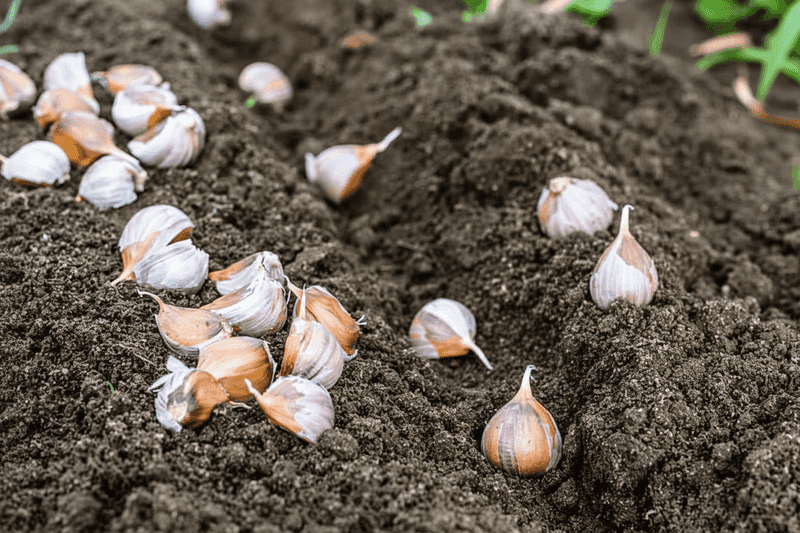
Good news for gardeners with itchy fingers. Not every plant wants to be done by early October. A handful of garden favorites actually prefer a later start.
Garlic tops the list. It needs a cold period to form those plump bulbs you love. In northern Pennsylvania, plant cloves from mid-October to early November, about three to four weeks before the ground freezes.
Set them pointy side up, two inches deep, and cover them with straw after the soil chills.
Fun fact: hardneck garlic grows best in cold regions like ours. It also sends up curly flower stalks called scapes in early summer. They taste great in stir-fries and pesto.
Spring-flowering bulbs belong in this group too. Tulips, daffodils, crocuses, and hyacinths all need a long chill to bloom.
Plant them when the soil cools to around 50 degrees, usually October in the northern tier. A good rule is to bury them about three times as deep as the bulb is tall.
Daffodils are a smart pick if deer or chipmunks visit your yard. Animals tend to leave them alone because they taste bitter.
Then there is cereal rye, a tough cover crop. You can sow it on bare vegetable beds into late October, sometimes even later.
It sprouts quickly, holds soil in place, and blocks weeds. In spring, you cut it down and turn it into the soil to add rich organic matter.
So when most planting wraps up, keep a bag of garlic, a sack of bulbs, and some rye seed handy. They let you enjoy fall gardening a little longer while setting up a colorful, productive spring.