What It Means When Your Pennsylvania Lawn Stops Growing In August Heat
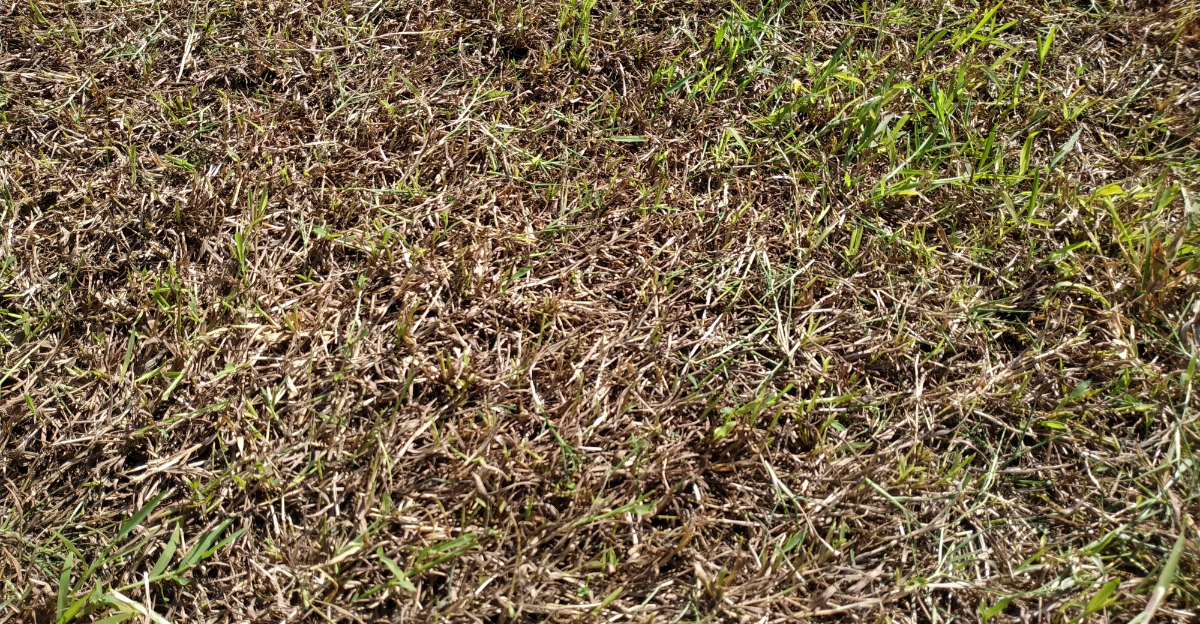
Something happened to your lawn sometime around the Fourth of July, and it wasn’t subtle. That thick June green thinned out, growth flatlined, and now you’re standing in the yard wondering if you did this to yourself.
Pennsylvania summers don’t ask permission. Heat builds day after day until the soil itself starts working against your grass instead of for it.
A stalled lawn in August isn’t broken. It’s reacting exactly the way it’s supposed to, just not in a way that matches your expectations from spring.
Figure out what’s driving that reaction, and the panic disappears fast. What replaces it is a plan that actually works with the season instead of fighting it.
It Usually Signals Natural Summer Dormancy
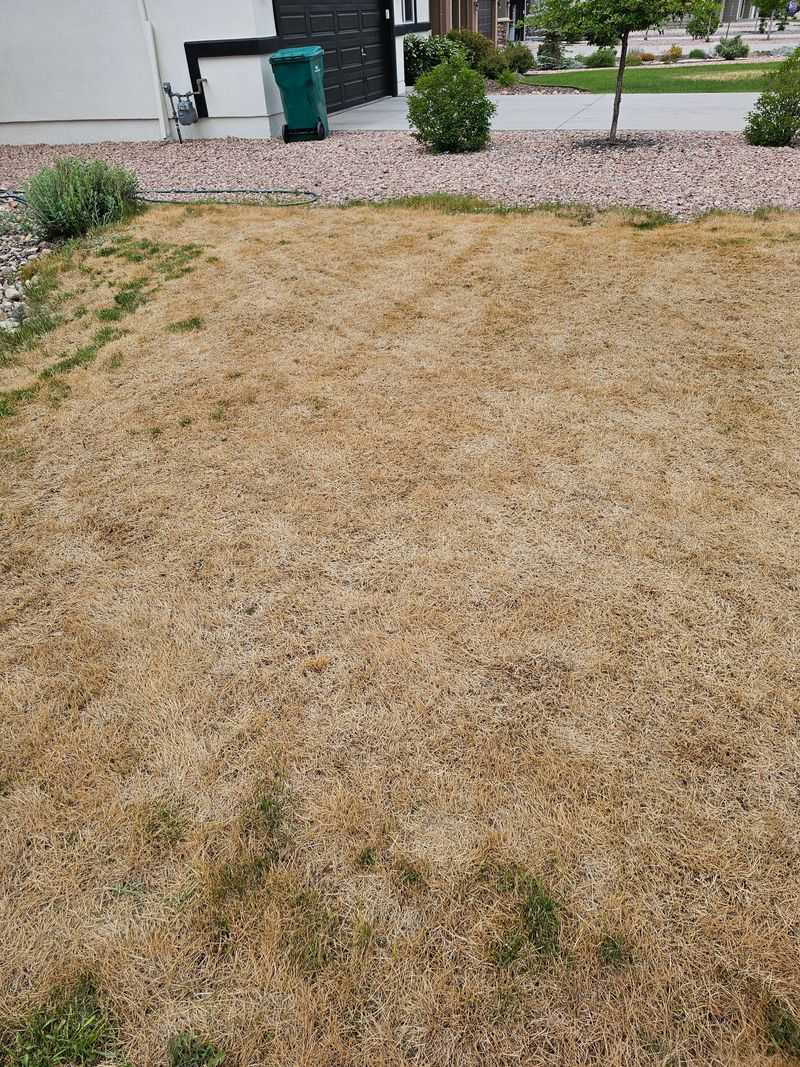
Your lawn stopping growth in August heat is not a disaster. Most cool-season grasses common to Pennsylvania simply shut down once heat and dryness stick around long enough.
Grass has a built-in survival mode called dormancy. During this phase, the plant pulls energy inward to protect its roots rather than pushing new blades upward.
Think of it like a bear hibernating, but in reverse. Your lawn is protecting itself from the scorching summer stress by pressing pause on visible growth.
Cool-season grasses like tall fescue and Kentucky bluegrass are especially prone to this response. These varieties thrive in spring and fall but naturally slow down when August rolls around.
Dormancy is not failure. It is the lawn doing exactly what evolution designed it to do under pressure.
This shutdown typically lasts anywhere from a few weeks to over a month, depending on how long the heat sticks around. Once temperatures ease and rainfall becomes more consistent, most lawns snap back into active growth within days.
Pennsylvania summers can be brutal, with humidity layered on top of relentless heat. Your grass is smarter than you think, and dormancy is proof of that.
The key thing to remember is that a dormant lawn is still alive. Roots stay active underground even when the surface looks completely lifeless.
When your Pennsylvania lawn stops growing in August heat, the first thing to do is breathe. Dormancy is temporary, predictable, and totally manageable with the right approach.
Heat And Drought Are Behind The Slowdown
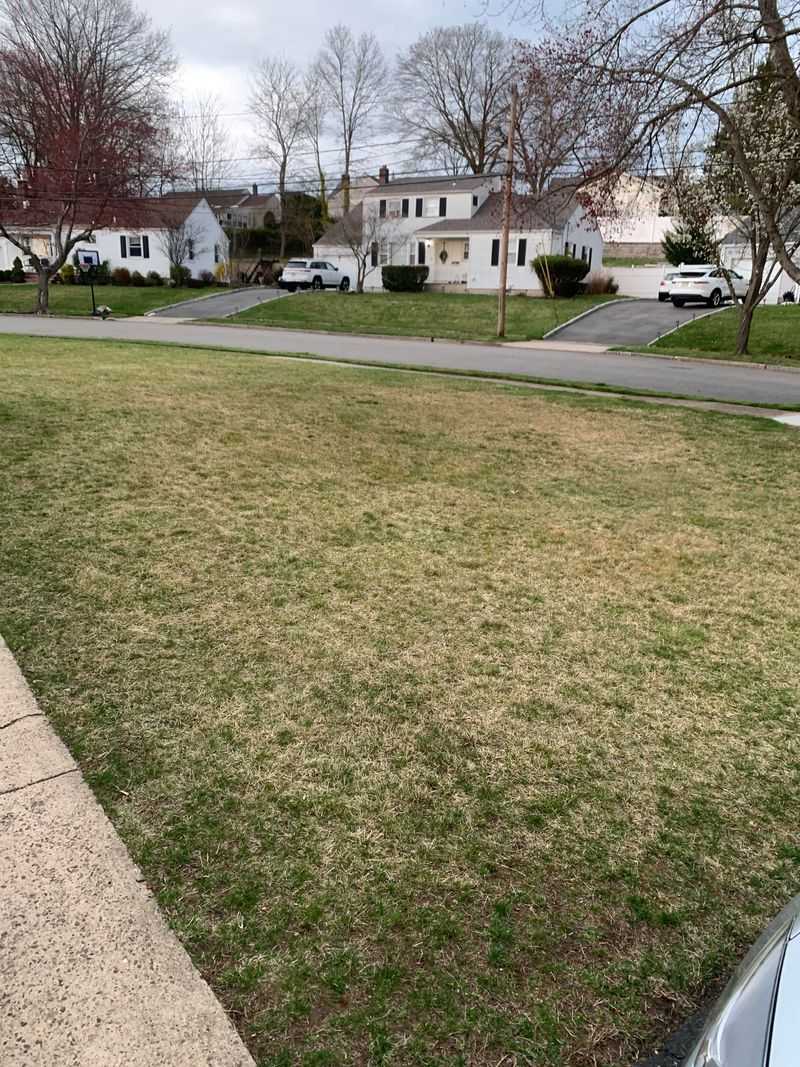
Grass is mostly water, and when water disappears, growth follows right behind it. August in Pennsylvania often brings stretches of low rainfall combined with blazing temperatures.
When soil dries out, grass cannot pull the moisture it needs for photosynthesis. Without that process running, no new cell growth happens above ground.
Heat also increases something called evapotranspiration. That is the rate at which water escapes from both the soil surface and the grass blades themselves.
On a 95-degree day, a lawn can lose moisture faster than even regular rainfall can replace it. The grass responds by shutting down non-essential functions, and blade growth is first to go.
Root systems, however, keep working even in extreme heat, drawing on whatever moisture sits deeper in the soil.
Your Pennsylvania Garden Changes Every Week. Your Plan Should Too.
Gardening in Pennsylvania changes quickly throughout the season. Every Friday you’ll receive a simple weekly plan showing exactly what to plant, prune, fertilize, harvest, and protect so you never miss the right timing.
This is why watering deeply matters more than watering often. Shallow watering keeps roots near the surface, where heat hits hardest.
High humidity in Pennsylvania can make the heat feel worse but does not actually help the grass absorb moisture. Humidity in the air and moisture in the soil are two entirely different things.
Understanding the science behind heat stress helps you stop blaming yourself for a brown lawn. Nature is running the show in August, and your lawn is simply responding to what it gets.
Telling Dormancy Apart From Real Damage
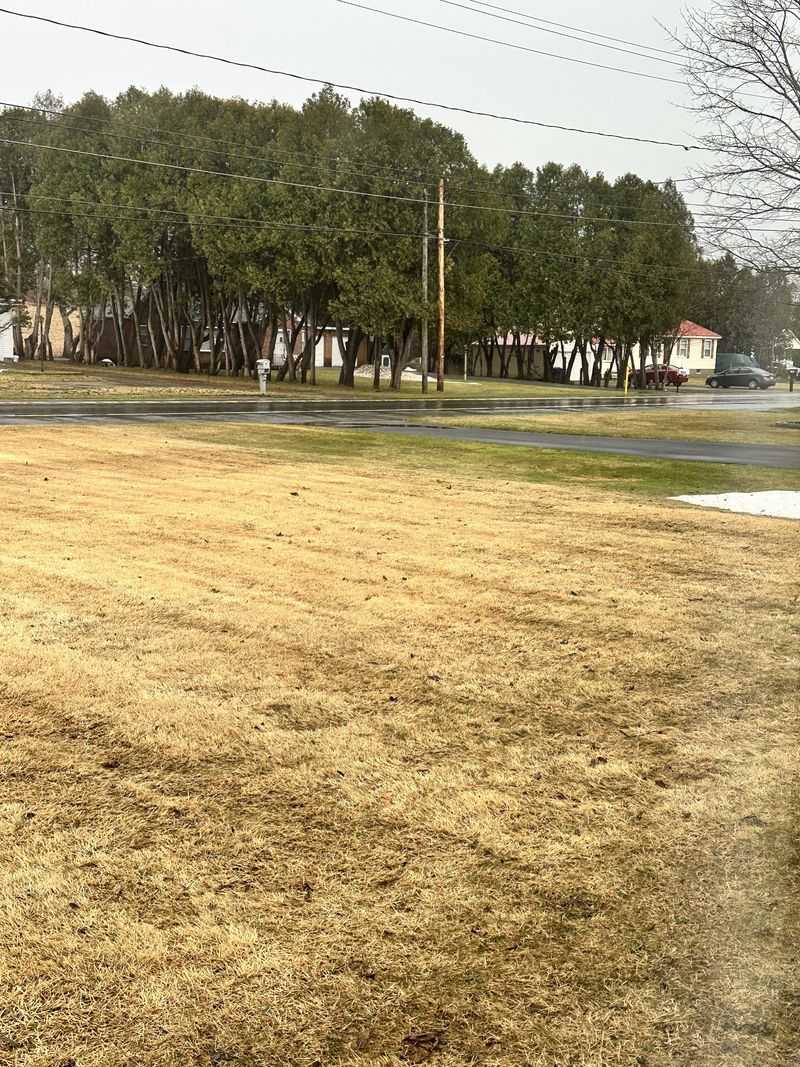
Not every brown lawn is a dormant lawn, and that distinction matters a lot. Some lawns are genuinely struggling, and the signs are different from normal seasonal slowdown.
A dormant lawn turns tan or straw-colored fairly evenly across the yard. Real damage tends to show up in irregular patches, rings, or streaks that look out of place.
Pull gently on a handful of grass blades in a suspicious spot. If the blades slide out easily without resistance, the roots may no longer be viable.
Dormant grass holds firm when you tug it. Roots are still anchored and healthy even if the top looks lifeless.
Check for any unusual smell near damaged patches. Fungal disease or grub activity often carries a musty or sour odor that healthy dormant grass does not produce.
Look at the color more carefully too. Dormant grass is consistently tan, while disease damage often shows yellow, orange, or dark brown tones mixed in.
Footprints are another clue. Walk across your lawn and look back. Dormant grass springs back slowly, but struggling grass stays flat where you stepped.
When your Pennsylvania lawn stops growing in August heat, a quick visual inspection can tell you a lot. Catching real damage early gives you the best chance at a full recovery before fall arrives.
Signs Your Lawn Needs More Than Just Time
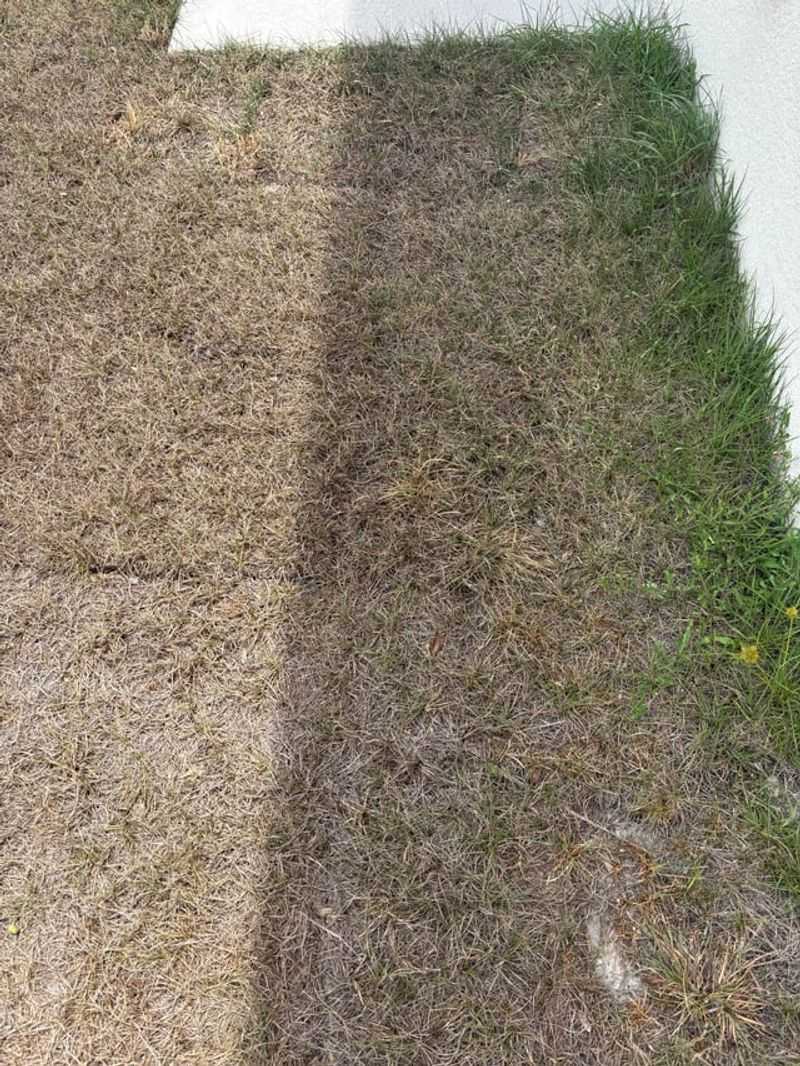
Some lawns are not just dormant. They are sending out distress signals that need attention before fall seeding season begins.
One of the biggest warning signs is bare soil showing through in multiple spots. A dormant lawn still has dense, intact grass blades covering the ground.
Grubs are a common culprit in Pennsylvania yards during late summer. These white larvae feed on grass roots just below the soil surface, cutting plants off from water and nutrients.
You can check for grubs by cutting a small square of sod about three inches deep and folding it back. Finding more than five grubs per square foot signals a real problem.
Fungal disease is another issue that mimics dormancy but needs treatment. Dollar spot, brown patch, and red thread are all active in Pennsylvania during hot, humid stretches.
Each disease leaves a slightly different pattern. Dollar spot creates small, silver-dollar-sized circles, while brown patch leaves larger irregular rings with a dark outer border.
Soil compaction can also stop grass growth during summer heat. When soil gets too dense, air and water cannot reach roots, and the lawn starves slowly from below.
If your lawn has not bounced back within two or three weeks of cooler weather, time alone is not the answer. Your Pennsylvania lawn may need targeted treatment before the next growing season kicks in.
Simple Watering Habits That Protect Dormant Grass
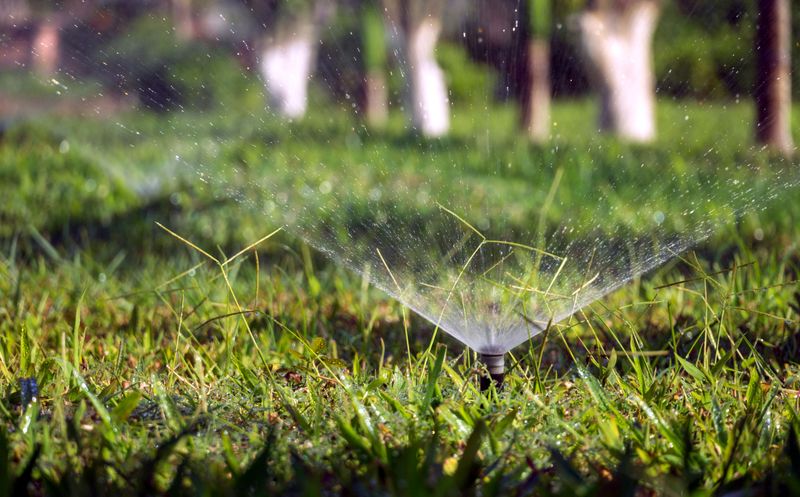
Dormant grass still needs some water to stay alive. Ignoring irrigation entirely during a long dry spell can push a lawn past dormancy into a state it may not recover from.
Aim to give dormant grass about half an inch of water every two to three weeks. That amount is enough to keep roots hydrated without forcing the plant out of dormancy.
Water early in the morning, ideally before 9 a.m. Morning watering lets moisture soak into the soil before heat evaporates it off the surface.
Evening watering leaves blades wet overnight, which invites fungal growth. Pennsylvania’s humid nights already create enough conditions for disease without adding extra moisture at the wrong time.
Deep, infrequent watering tends to work better than light daily sprinkles. One good soak per week encourages roots to grow downward toward cooler, moister soil layers.
A simple tuna can placed on the lawn works as a free rain gauge. When it fills to half an inch, you have hit the right target for the week.
Avoid watering during the hottest part of the day. Much of that moisture evaporates before it ever reaches the roots.
Good watering habits during August are one of the simplest ways to protect your investment. When your Pennsylvania lawn stops growing in August heat, keeping roots alive sets the stage for a strong fall comeback.
Temperatures Cool Down, Recovery Begins
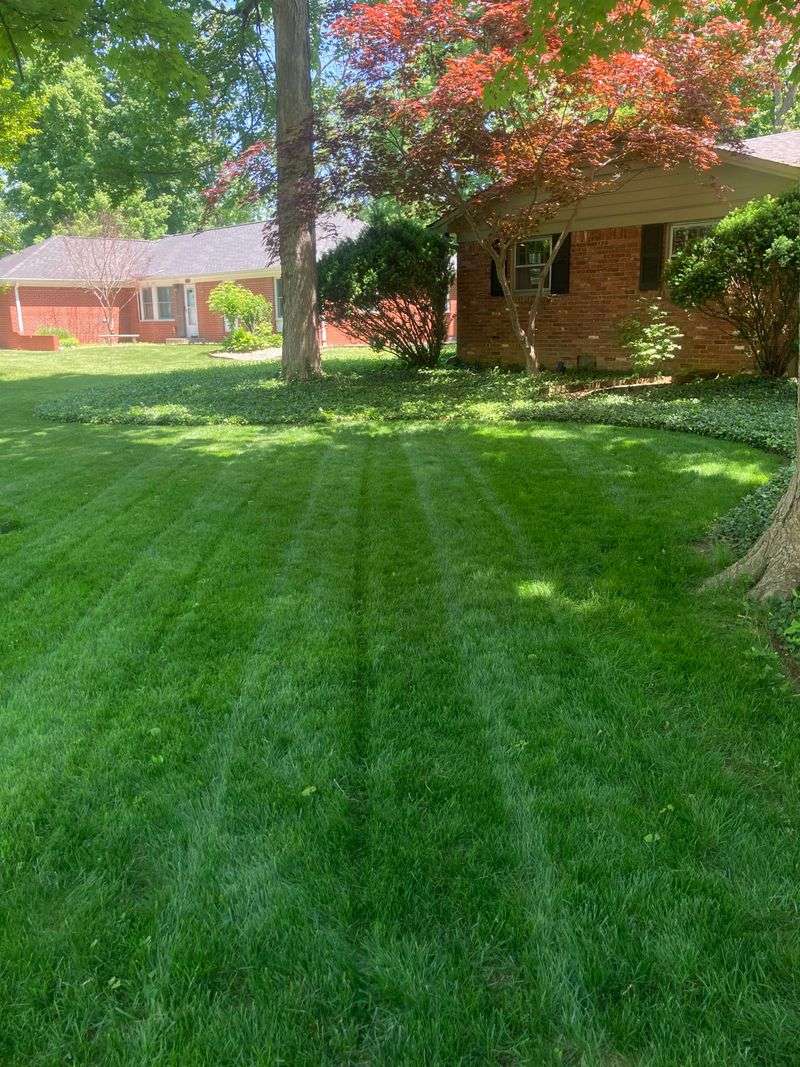
September is where the magic happens for Pennsylvania lawns. As temperatures drop back into the 60s and 70s, cool-season grasses wake up like nothing ever happened.
The recovery usually begins within one to two weeks of consistent cooler nights. You will notice a shift from tan to green starting near the base of each grass plant.
This window is also the best time of year for overseeding thin or bare areas. Soil is warm, air is cool, and new seed germinates quickly under those conditions.
Do not rush to fertilize the moment green returns. Wait until the lawn has been actively growing for at least two weeks before adding any nitrogen-based product.
Early fall feeding gives grass the fuel it needs to build strong roots before winter sets in. A healthy root system heading into November means a faster, fuller green-up the following spring.
Rake out any thatch that built up during the summer slowdown. Thick thatch blocks water and air from reaching roots and can harbor disease through the colder months.
Mowing height matters during recovery too. Keep blades set at about three to three-and-a-half inches to reduce stress on newly active grass.
When your Pennsylvania lawn stops growing in August heat, the story is far from over. Fall is your lawn’s favorite season, and with a little preparation, it will come roaring back better than ever.