Why Nothing Grows Under That Big Tree in Your New York Yard
A single mature tree can drink well over 100 gallons of water on a hot summer day. Much of that comes from the upper layers of soil, right where your poor little plants are trying to live.
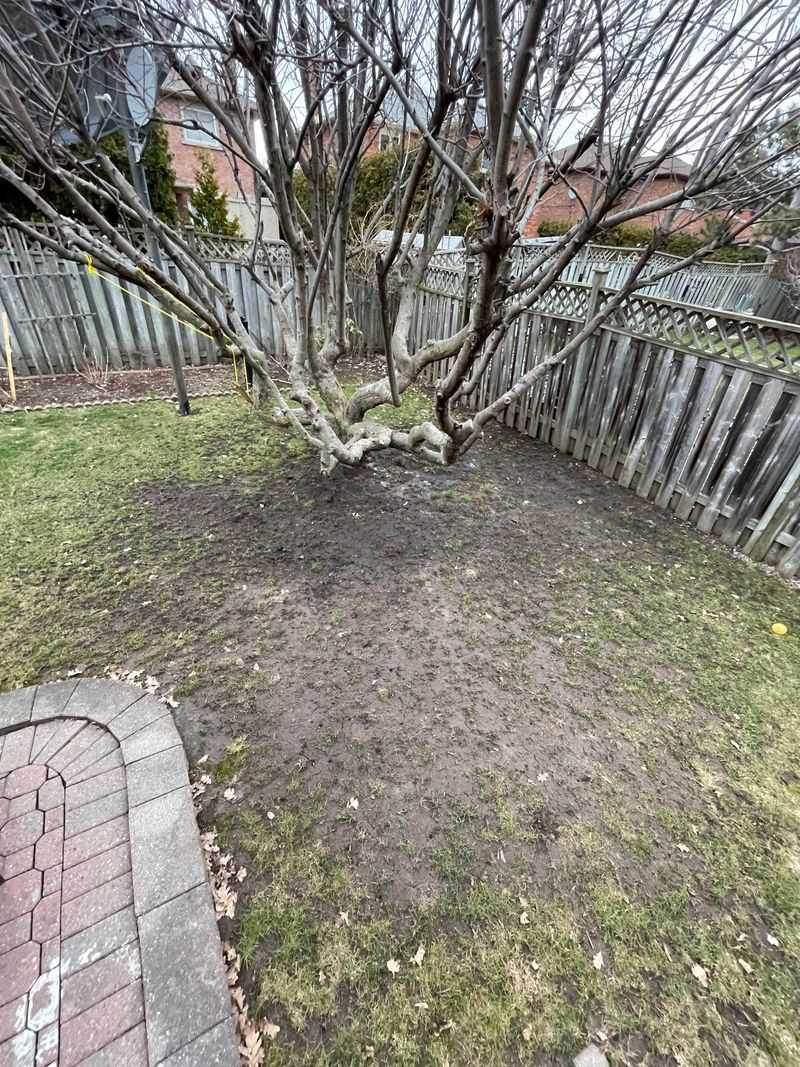
I learned the hard way that grass seed and shade plants were not enough. Every spring I scattered, watered, and hoped. Every summer that same patch under my old maple turned back into dusty bare dirt.
Truth is, the tree was winning a contest I never knew existed. Shade is only one piece of it. Thirsty roots, packed soil, and sometimes even natural chemicals all team up against newcomers in many New York yards.
So what can actually survive in that tough spot? The answer surprised me, and it might change how you look at that bare ring of soil.
That Bare Ring Under Your Maple Has More Than One Cause
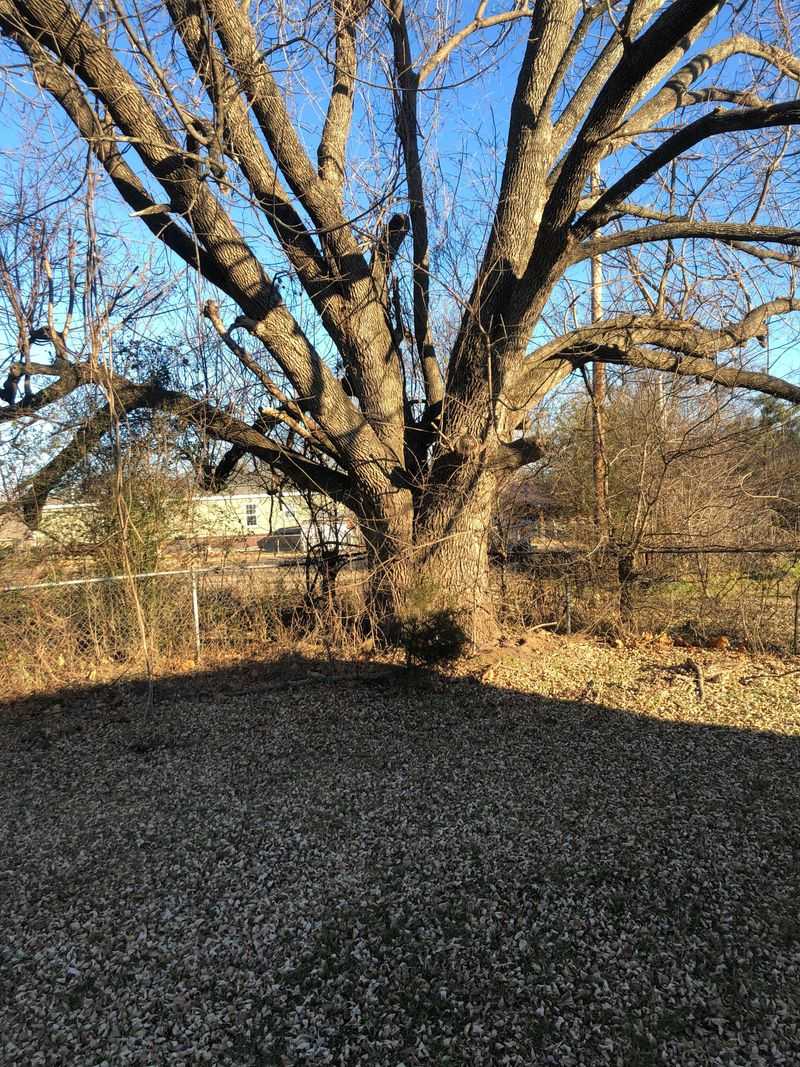
Shade gets blamed first, and it does play a big part. A mature maple or oak can block most of the sunlight that reaches the ground beneath it.
Still, I was surprised to learn that light is rarely the whole story. Researchers often call this tough zone dry shade, because low light and low moisture show up together. Plants that handle one of those problems may struggle badly with both at once.
Norway maples are a classic example in older New York neighborhoods. Their leaves are thick and wide, so they cast very deep shade. They also leaf out early and hold their leaves late, which shortens the sunny window for spring growth below.
On top of that, many shade trees drop a heavy layer of leaves each fall. If those leaves are raked away every year, the soil loses organic matter it would naturally rebuild over time.
So before you buy another bag of grass seed, take a slow walk under your tree. Notice how dark it gets at noon in July. Push a finger into the soil after a rain and see if it feels dry already. Those two clues tell you a lot about what you are really up against.
Thirsty Tree Roots Are Hogging the Water and Food
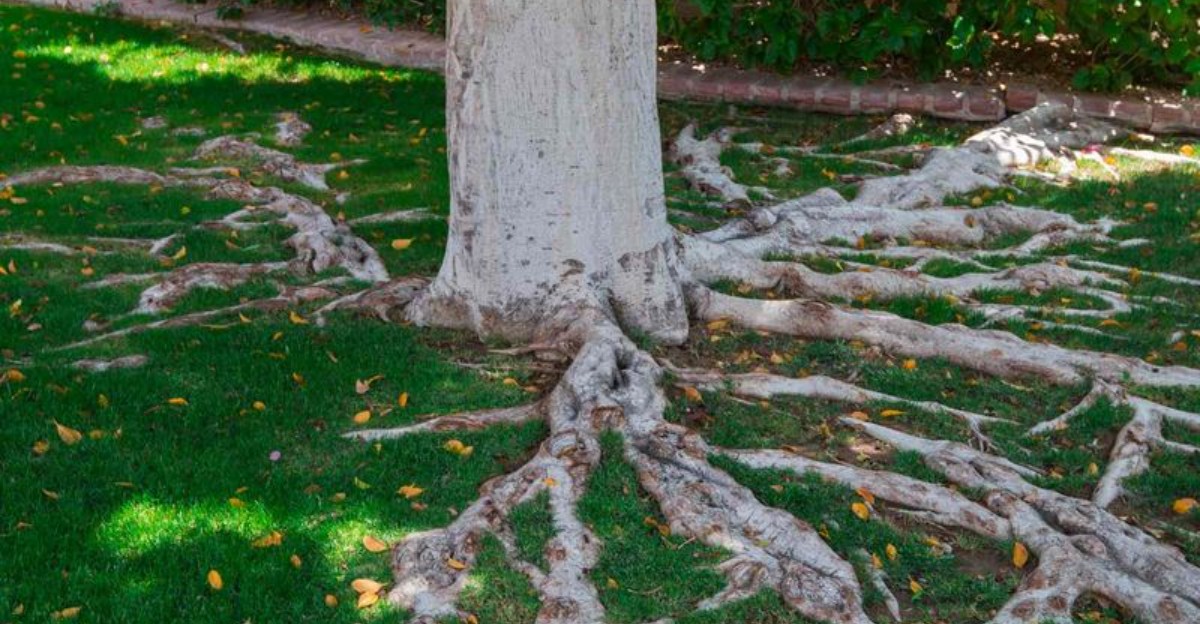
Most people picture tree roots diving straight down like carrots. In reality, the majority of a tree’s roots live in the top 12 to 18 inches of soil.
Those fine feeder roots are the ones that soak up water and nutrients. University extension experts note they often spread two to three times wider than the branches above. That means your flower bed twenty feet from the trunk may still be sitting on top of a busy root zone.
Here’s what that looks like in daily life. You water a new hosta, and the tree roots grab a big share before the hosta can settle in. Fertilizer gets pulled away just as fast.
Maples, beeches, and willows are especially known for dense, shallow roots. Some maple roots even creep right up to the surface, where you can trip over them while mowing.
This root competition is usually the biggest reason plants fail under large trees, even more than shade alone. Knowing that helps you plan smarter. Your new plants need extra water for the first couple of seasons, and they should be the kind that tolerate dry soil once established. Fighting the roots head-on is a contest you will not win.
A Black Walnut Tree Plays by Its Own Chemical Rules
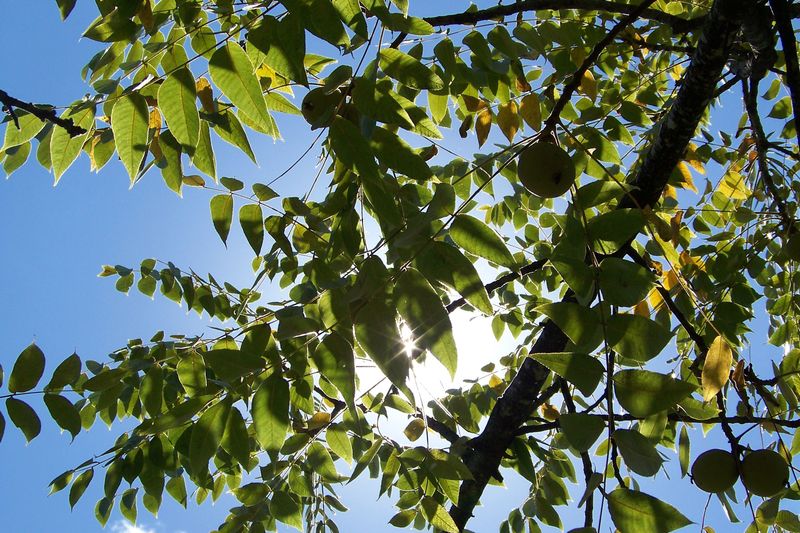
Got green, tennis ball sized nuts dropping on your lawn every fall? You may be living with a black walnut, and that tree has a trick up its sleeve.
Black walnuts produce a natural compound called juglone. It is found in the roots, leaves, buds, and nut hulls. Sensitive plants exposed to it often wilt, yellow, and struggle no matter how well you care for them.
Tomatoes, peppers, potatoes, blueberries, rhododendrons, and azaleas are well known for reacting badly. Cornell and other extension programs report that the affected zone usually covers the root area, which can reach 50 to 80 feet from a large tree.
Not every bare spot is a walnut problem, though. Only a few trees, like black walnut and butternut, produce meaningful amounts of juglone. A maple or oak is not doing this.
To identify a black walnut, look for long compound leaves with 15 to 23 leaflets and dark, deeply ridged bark. Crush a leaf and you will smell a sharp, spicy scent.
If you do have one, plenty of plants shrug off juglone. Many native ferns, wild ginger, Virginia bluebells, and most hostas grow fine nearby.
Packed Soil Around the Trunk Smothers New Roots
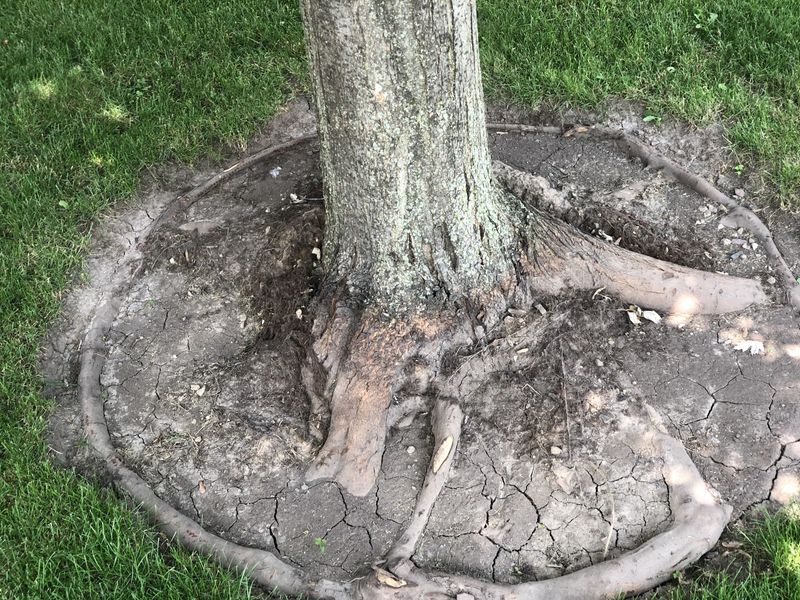
Kids love that big tree. So do dogs, picnic tables, swings, and the lawn mower that circles it every week.
All that traffic squeezes the soil tighter over time. Compacted soil has fewer air pockets, so water runs off instead of soaking in. Young roots from new plants struggle to push through dirt that feels almost like pavement.
I didn’t expect this one to matter as much as it did. Under my own tree, a garden fork barely went two inches deep in some spots.
The fix is not heavy tilling. Digging deep around a tree can tear its feeder roots and harm the tree you love. Instead, steer foot traffic to a set path and move the swing or bench if possible.
Spreading organic mulch helps loosen the surface slowly. Earthworms and soil life pull that material down and open up channels for air and water.
A certified arborist can also use an air spade tool to loosen compacted soil around roots safely. That service costs money, but it can help a stressed tree and the plants below it at the same time. Patience goes a long way here.
Native Ferns and Wild Ginger Actually Like It Down There
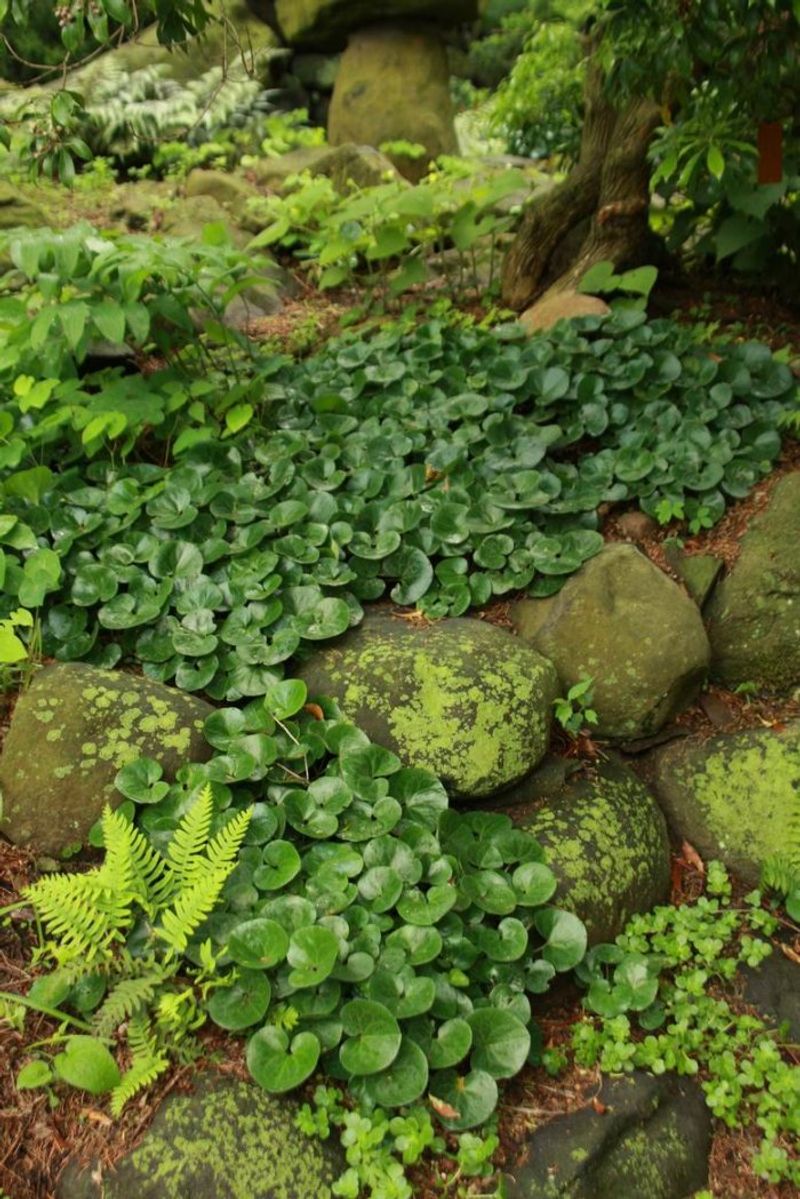
Forests in the Northeast are full of plants that have lived beneath big trees for thousands of years. Borrowing from that playbook is the smartest move you can make.
Christmas fern stays green all winter and handles dry shade once established. Canada wild ginger forms a low carpet of glossy, heart shaped leaves. White wood aster adds airy blooms in late summer when little else flowers in shade.
Other tough natives worth trying include Pennsylvania sedge, foamflower, woodland phlox, and Solomon’s seal. Barrenwort and coral bells are other good picks that also handle root competition well.
Fair warning about two old favorites. Japanese pachysandra and periwinkle are sold everywhere, but both can spread aggressively into nearby woods. Periwinkle is listed as invasive in parts of the Northeast, so I would skip them. Allegheny spurge is a native cousin of pachysandra that behaves much better.
Choose smaller plants over big ones. A plug or quart sized pot needs only a small hole, which disturbs far fewer tree roots.
Plant in early fall or spring when rain is more reliable. Across New York, those cooler months give roots time to settle before summer heat arrives.
Arborist Wood Chips Beat Piling On New Topsoil
Call me guilty, but my first plan was to dump a truckload of topsoil under the tree and start fresh. Thankfully, an arborist talked me out of it.
Adding more than an inch or two of soil over tree roots can cut off their oxygen. Over a few years, that can weaken or harm a mature tree. Building raised beds against the trunk causes the same trouble.
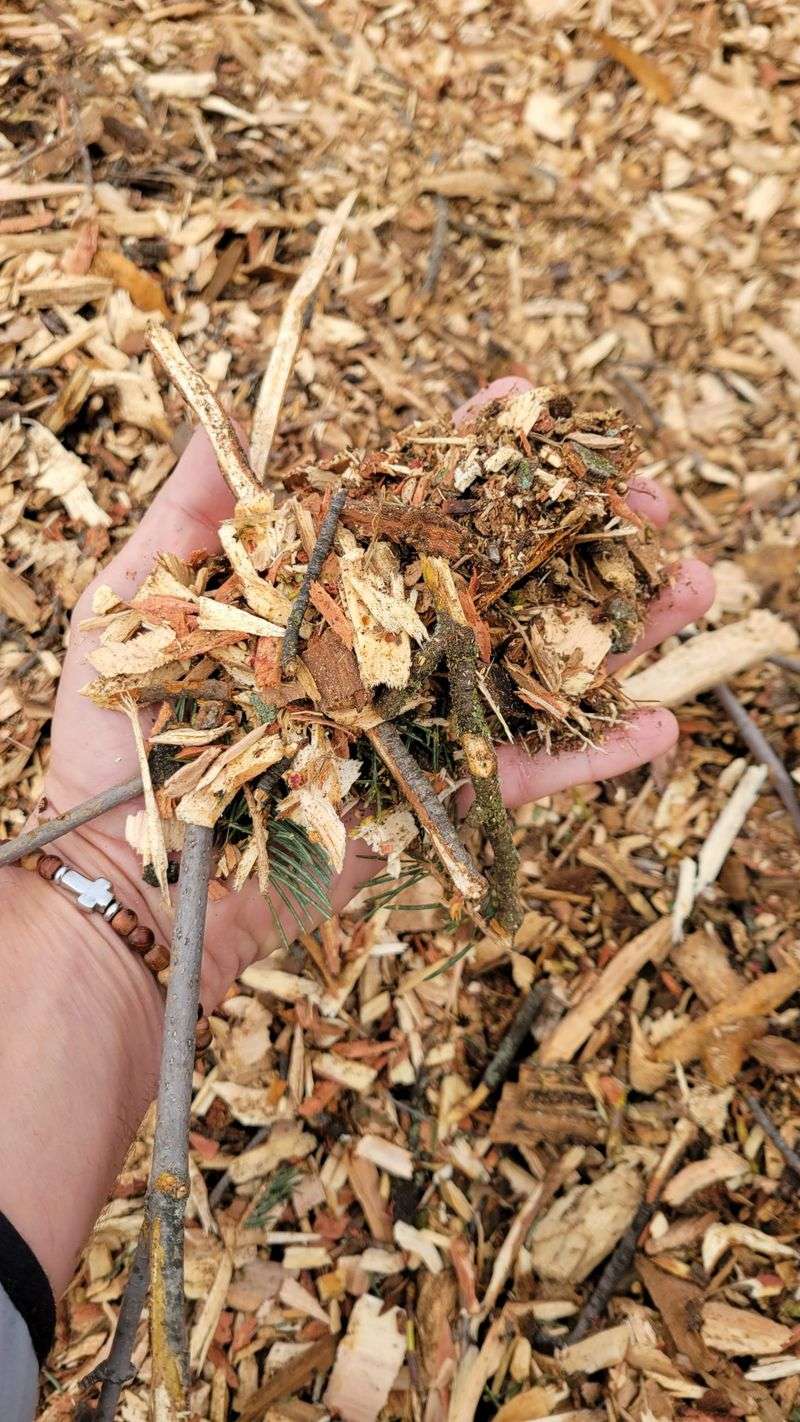
A smarter move is a 2 to 4 inch layer of arborist wood chips. Many tree services give them away free. The chips hold moisture, keep the soil cooler, and slowly break down into rich organic matter.
Keep the mulch a few inches away from the trunk itself. Mulch piled against bark, often called a mulch volcano, traps moisture and invites rot and pests.
When planting, pull the chips aside, dig a small hole, and mix a handful of compost into it. Then tuck the chips back around the new plant.
Leaving fallen leaves in place under the tree helps too. They act like nature’s own mulch, feeding the soil the way a forest floor does. Your plants and the tree both benefit.
Deep Soaking Helps New Shade Plants Outlast Tree Roots
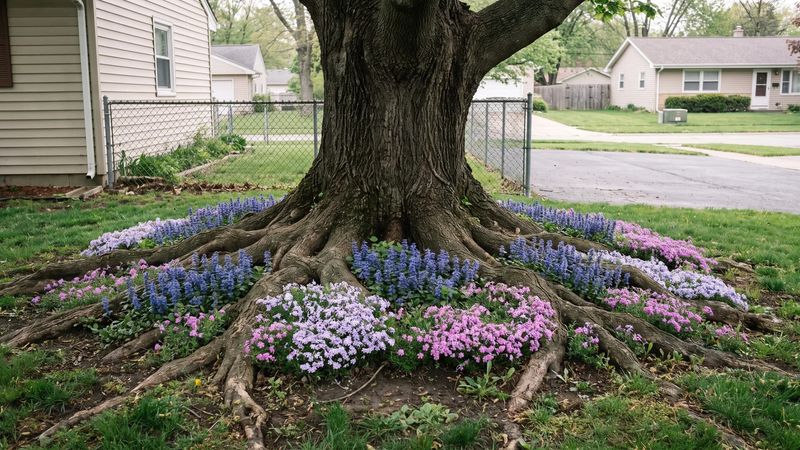
New plants under a tree are basically competing with a giant for every sip. Without help, they lose that race fast.
For the first two growing seasons, plan on watering more often than you would elsewhere in the yard. Aim for about an inch of water a week, counting rainfall. During hot spells in July and August, you may need even more.
A soaker hose or drip line works wonders here. Water seeps in slowly, so it reaches deeper instead of running off packed soil.
Watering deeply but less often trains roots to grow downward. Quick daily sprinkles keep roots shallow, where they fight hardest with the tree.
I check moisture the low-tech way. I push a finger two inches into the soil, and if it feels dry, I water.
Early morning is the best time. Leaves dry off quickly, which helps reduce fungal problems in shady, humid spots.
Don’t forget the tree itself. Long droughts stress large trees too, especially city trees in New York surrounded by pavement. A slow soak across the root zone every couple of weeks in dry summers helps everyone growing there.
Pots, Benches, and Mulch Beds Can Turn That Shady Spot Around
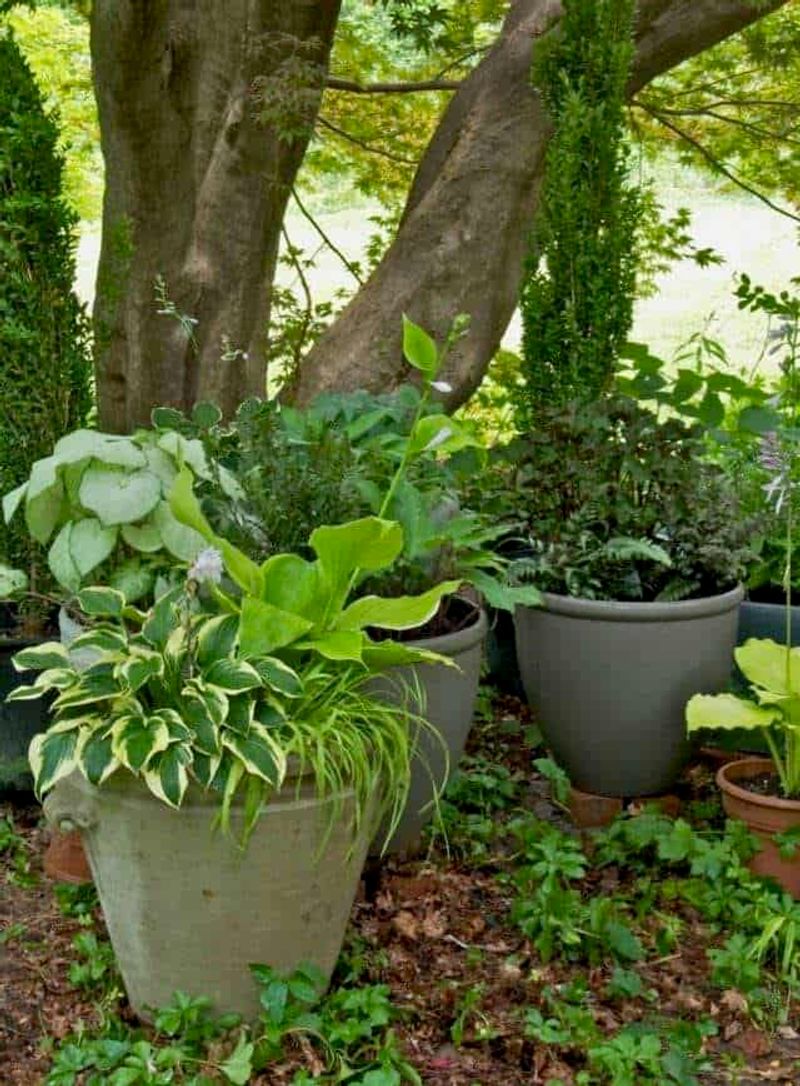
Sometimes the wisest answer is to stop planting in the ground at all. Honestly, that idea felt like giving up at first, but it turned my bare patch into my favorite spot.
Large containers sit right on top of the roots without disturbing them. Fill them with shade lovers like begonias, caladiums, coleus, or New Guinea impatiens. Pots dry out quickly under trees, so check them often in summer.
Avoid stacking lots of heavy pots over the same roots for years. Move them around a bit each season so the soil below can breathe.
A clean mulch bed edged with stones or logs also looks tidy and intentional. Add a bench, a birdbath, or a hammock, and suddenly the space feels like an outdoor room.
Moss is another option many gardeners overlook. If your shade is moist and acidic, moss may move in by itself and form a soft green carpet.
Here’s my takeaway after years of trial and error. The tree is not your enemy. Work with its shade, roots, and fallen leaves, and that stubborn bare circle can become the coolest, calmest corner of your yard.