Is It Too Late To Overseed Your New York Lawn In Mid-October?
Is mid-October too late to overseed in New York? The honest answer is a little surprising, and it could save you money and frustration.
The prime seeding window has mostly passed, and cold weather can turn a hopeful project into a wasted weekend. A chilly calendar doesn’t have to mean giving up on a thicker lawn, though.
Dormant seeding works with winter instead of against it. It sounds backward at first, since you spread seed when nothing can grow.
The guide below explains what your lawn needs right now and when to do it. Time it right, and spring could bring a much fuller yard.
Mid-October Is Past The Prime Seeding Window
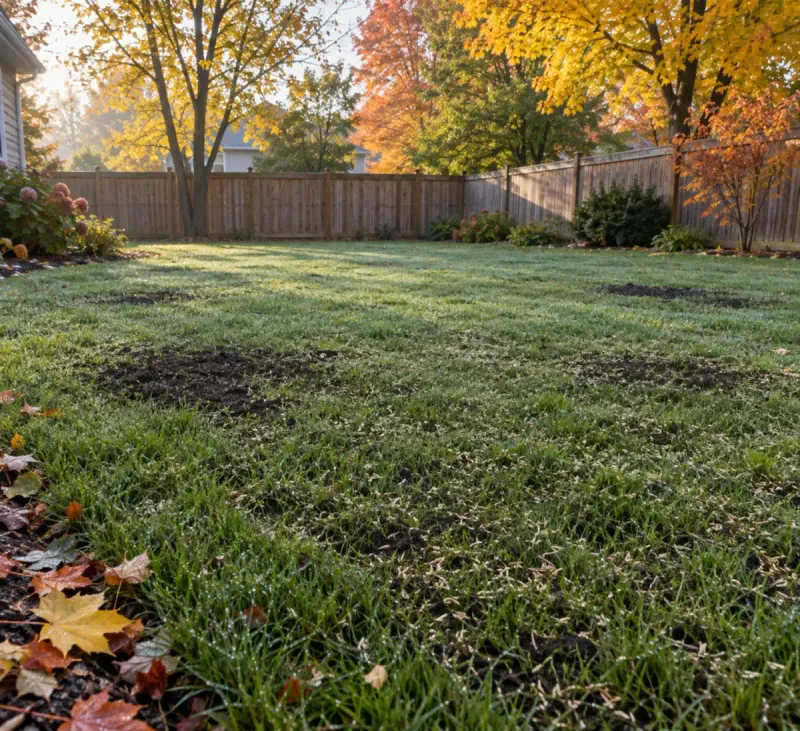
Picture a perfect seeding day in late August, with warm dirt and cool evenings. Grass seed loves that mix more than anything else.
Most of New York has a prime overseeding window from mid-August to mid-September. During those weeks, soil stays warm while air temperatures start to cool.
Warm soil wakes up seeds quickly and helps roots spread fast. Cooler air keeps young blades from getting stressed by summer heat.
By mid-October, things look very different. Soil temperatures often slip below the range grass seed needs to sprout well.
Here is a fun fact about your region. In the coldest parts of upstate New York, the last useful overseeding day can be around August 29th.
Milder spots near New York City get a bit more time. Even there, the traditional window usually closes around October 7th.
So what does that mean for you? Seed spread in mid-October may sprout slowly, unevenly, or barely at all.
Grab a cheap soil thermometer from any garden center to check your yard. Push it about two inches deep in the morning for an accurate reading.
Cool-season grasses like tall fescue and Kentucky bluegrass sprout best above about 50 degrees. Readings below that number signal that regular overseeding is a long shot.
Missing the window is not a disaster, though. It just means switching to a smarter plan that fits colder weather.
Think of it like missing a bus. Another route will still get you home, and the next sections show exactly which one to take.
Seed Sown Now Can Sprout Right Before A Hard Freeze
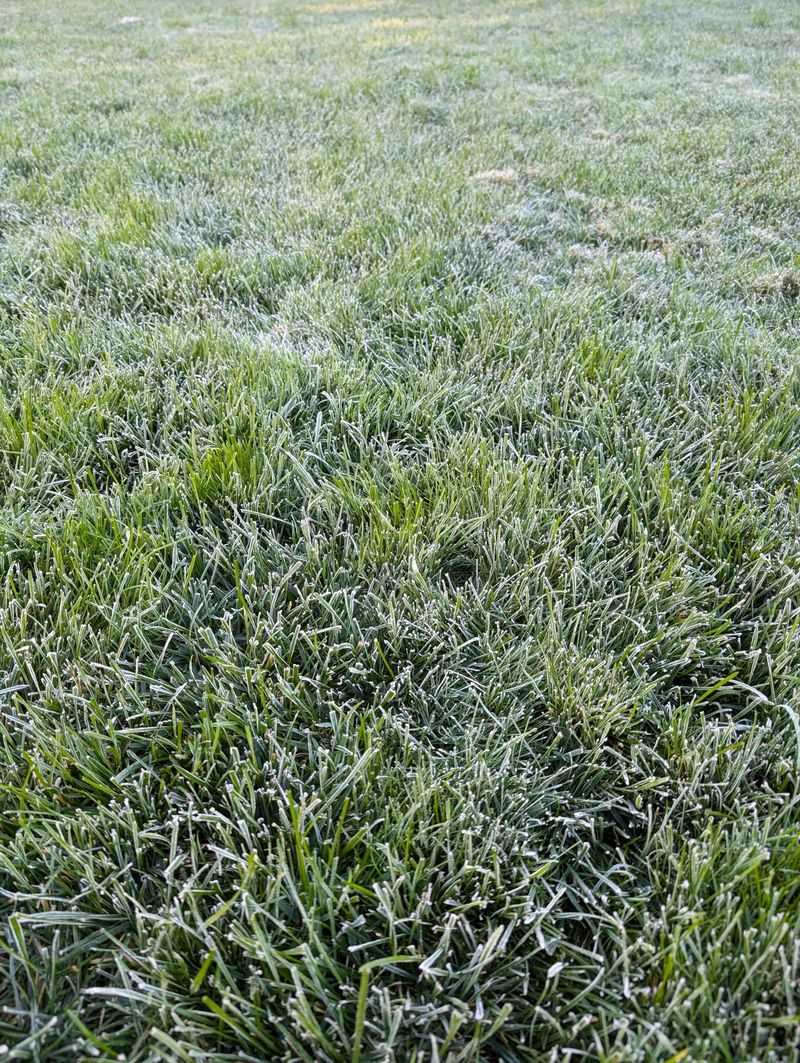
Tiny green sprouts look adorable in late October. Sadly, they are also in serious trouble.
Seed planted now might still sprout during a stretch of mild days. Then a hard freeze rolls in, and those baby blades get caught off guard.
Young grass needs several weeks to build roots strong enough for winter. A seedling that sprouted last week has roots barely deeper than a fingernail.
Frozen ground can push those shallow plants upward, a process called frost heaving. Once roots get lifted out of the soil, they dry out and fail.
Harsh winds and icy nights add even more stress. Tender leaves can turn brown and mushy after just one rough cold snap.
Think about a puppy sent outside in a snowstorm without a coat. Mature grass has stored energy to survive, but newborn grass does not.
Your New York Garden Changes Every Week. Your Plan Should Too.
Gardening in New York changes quickly throughout the season. Every Friday you’ll receive a simple weekly plan showing exactly what to plant, prune, fertilize, harvest, and protect so you never miss the right timing.
Many New York homeowners learn this lesson the hard way. They see a green fuzz in November, then bare dirt again by April.
That lost seed means wasted money and wasted effort. Quality grass seed is not cheap, so timing matters.
Keep an eye on your local ten-day forecast before spreading anything. Warm spells followed by sudden freezes are the worst combination for new seed.
Here is the good news hiding in this problem. If seed sprouting too early is the issue, the fix is to keep it from sprouting at all until spring.
Sounds strange, right? That idea is exactly what the next strategy is built on.
Dormant Seeding Is The Smart Move This Fall
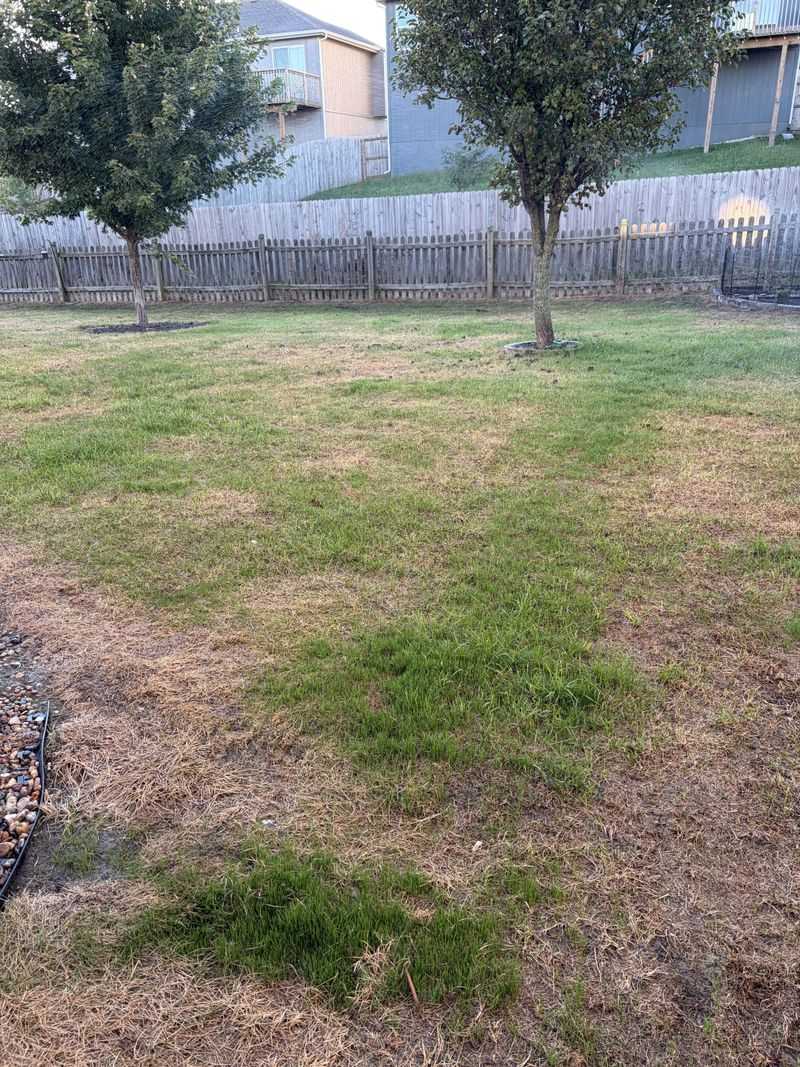
Ever planted something on purpose so it would not grow? Welcome to dormant seeding, the sneaky trick lawn pros love.
Dormant seeding means spreading grass seed when the ground is too cold for it to sprout. The seed simply rests in the soil until spring warms things up.
Nature does the same thing every year. Wildflowers and meadow grasses drop seeds in fall, and those seeds wait patiently through winter.
For a late-season lawn, the benefits stack up nicely. Seeds get in place early and sprout the moment conditions turn right.
Spring-planted seed often shows up late to the party. Dormant seed is already sitting in the soil, ready to go weeks sooner.
That early start gives new grass more time to grow roots before summer. Stronger roots mean better heat and drought tolerance in July.
Plenty of New York lawn experts recommend dormant seeding for thin or patchy turf. It works well with tall fescue, perennial ryegrass, and Kentucky bluegrass mixes.
There are a few small risks to plan for. Birds may snack on some seed, and heavy rain can wash some away.
Mow your lawn short, about two inches, before spreading. Rake up leaves and loose thatch so seed can reach the soil.
Light raking after spreading helps too. Good contact between seed and dirt is the secret sauce here.
Best of all, you skip the daily watering routine. Winter snow and spring rain handle that job for you.
Wait Until Late Fall Or Early Winter To Spread It
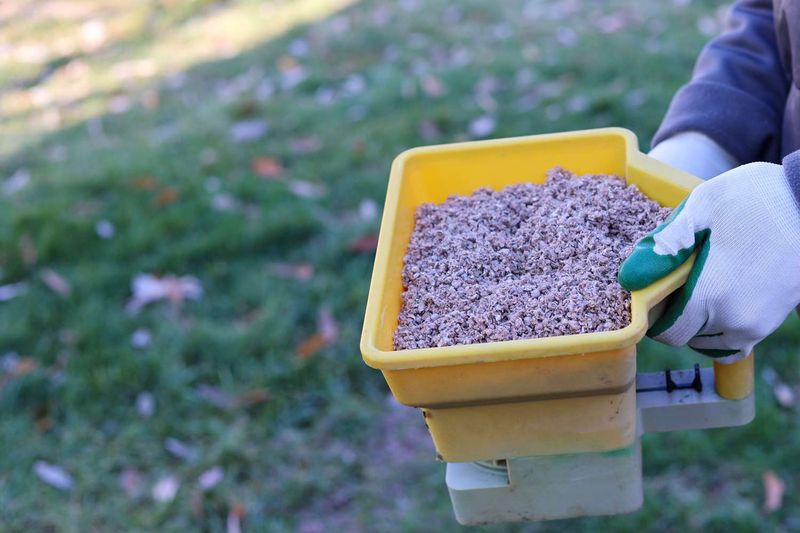
Patience pays off with dormant seeding. Spreading seed too soon can backfire in a big way.
Timing is everything with this method. You want soil that stays below 50 degrees, and ideally under 40 degrees.
Why so cold? Warmer soil might trick the seed into sprouting during a brief warm spell in November.
That early sprout would face the same freeze problem we talked about earlier. Waiting keeps the seed safely asleep.
In most of New York, the sweet spot runs from mid-November into early March. Upstate areas often cool down sooner than Long Island or the city.
A soil thermometer takes the guesswork out of this. Check it several mornings in a row to make sure temperatures stay low.
Many people like spreading seed right after Thanksgiving. Lawns are usually brown and quiet by then, and soil has chilled down.
You can also seed on top of a thin snow layer in winter. The white surface even makes it easier to see where seed landed.
Avoid seeding on thick ice or deep snowdrifts, though. Melting runoff can carry seed toward low spots and sidewalks.
Pick a calm day with little wind. Gusty weather scatters lightweight seed into flower beds and your neighbor’s yard.
Mark the date on your calendar so you remember. Fall gets busy, and this simple reminder keeps your lawn plan on track.
Cold Soil Keeps The Seed Sleeping Until Spring
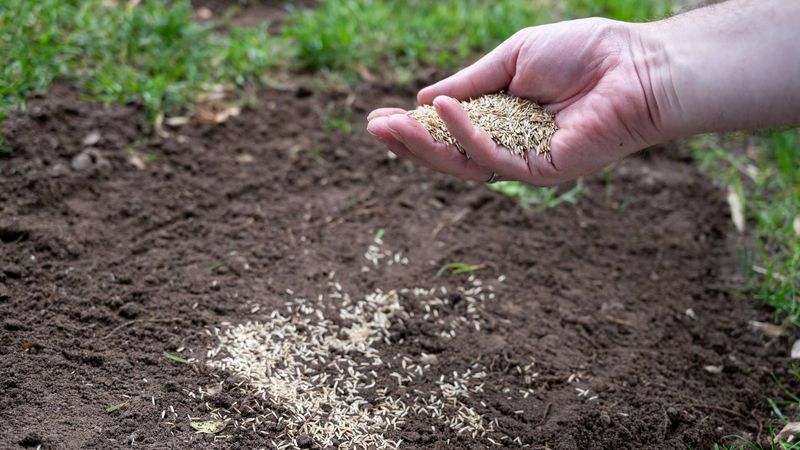
A grass seed is basically a tiny packed lunch with a baby plant inside. It waits for the right signal before opening up.
Warmth and moisture are the main wake-up calls. Without enough warmth, the seed stays in a resting state for months.
Cold soil acts like a pause button. Growth stops, and the seed holds onto its stored energy for later.
Here is a cool fact. Many grass seeds can stay healthy in frozen soil all winter without any harm.
Their tough outer coat protects the inside from ice and moisture. Think of it as a sleeping bag rated for a snowy campout.
Once spring arrives, the ground slowly warms. When soil reaches around 50 to 55 degrees, seeds begin to sprout.
In New York, that usually happens sometime in April. Timing shifts a bit depending on whether you live upstate or downstate.
Spring snowmelt helps too. Melting snow soaks the soil gently, giving seeds the moisture they need right on time.
Your job during winter is mostly to leave things alone. Try not to walk across seeded areas too much, especially when soil is soft.
Skip rolling snowblowers or heavy carts over those spots. Pressure can compact soil and make sprouting harder later.
Hold off on pre-emergent crabgrass treatments in spring as well. Those products can stop grass seed from growing along with the weeds.
Raise The Seed Rate By About 50 Percent
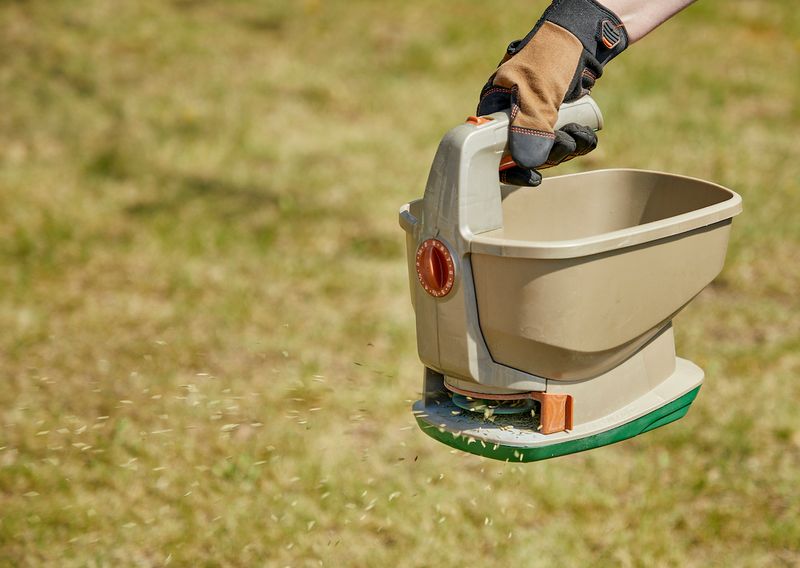
Winter is not kind to every seed you spread. Planning for some losses keeps your spring lawn looking full.
Birds, squirrels, and mice see grass seed as a free buffet. Heavy rain and melting snow can also wash some seed away.
A few seeds may just fail to sprout after months outside. Small losses add up across a whole yard.
Many experts suggest bumping your seed rate when dormant seeding. Some recommend adding 10 to 15 percent more, while others say up to 50 percent.
Going toward the higher end makes sense for patchy spots. It gives you a safety cushion against winter surprises.
Here is a simple example. If the bag suggests four pounds per 1,000 square feet, try about six pounds instead.
Check the label for your grass type before measuring. Tall fescue usually needs more seed per area than Kentucky bluegrass.
Measure your lawn first so you buy the right amount. A long tape measure and quick math beat guessing every time.
Use a spreader for even coverage. Walk in one direction with half the seed, then cross the lawn the other way.
That crisscross pattern helps prevent stripes and empty gaps. Your spring lawn will look smoother and more even.
Buy fresh seed from a trusted garden store. Old seed sprouts poorly, and that defeats the purpose of seeding extra.
Poorly Drained Spots Benefit Most From Dormant Seeding
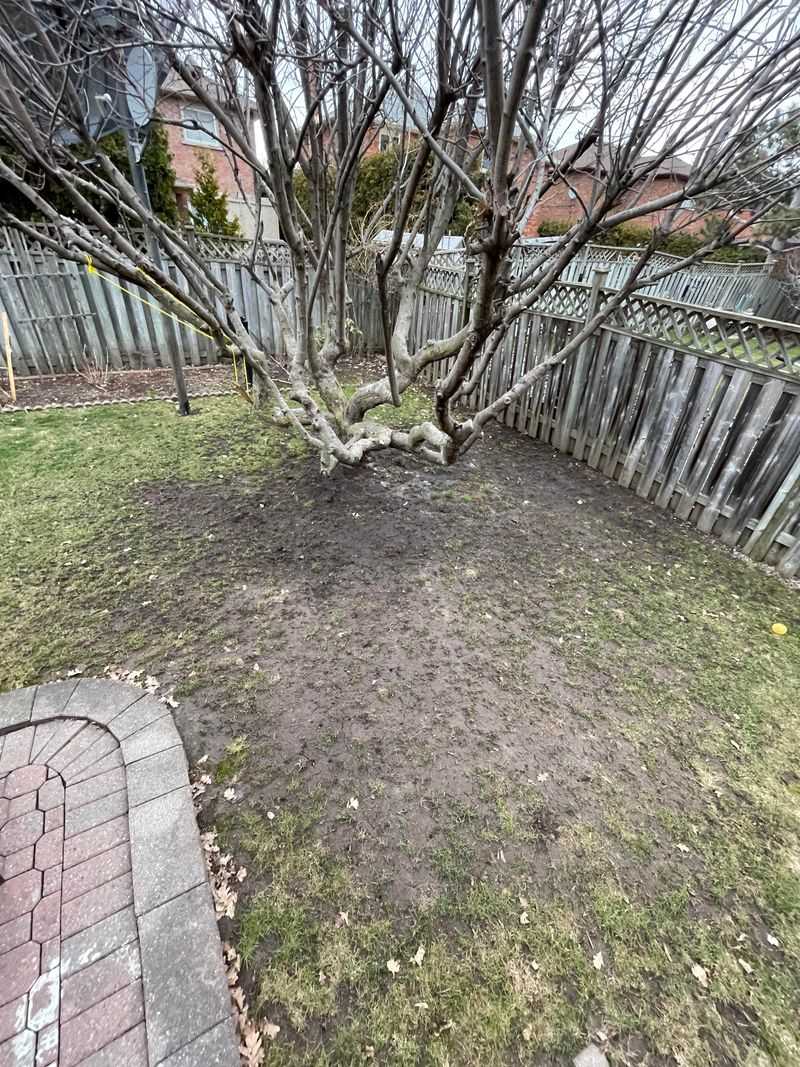
Every yard has its trouble zones. Maybe it is the soggy corner by the fence or the thin patch under the big maple.
Dormant seeding can work wonders in those tricky areas. Seed placed in winter is ready the moment spring conditions allow.
Spots that stay wet in fall make regular seeding hard. You cannot easily rake or walk on mushy ground without making a mess.
Frozen ground in winter is much easier to work on. Seed can be spread without sinking boots or ruts.
Shady areas under deciduous trees also get a major boost. Grass there can sprout in early spring before the leaves fill in overhead.
That head start lets young grass soak up sunlight while it lasts. By the time shade returns, roots are better established.
Pick a shade-tolerant mix for those zones. Fine fescues handle low light better than most other cool-season grasses.
For soggy patches, consider improving drainage too. Adding compost or core aerating next fall can help water move through the soil.
Avoid seeding in spots where water pools for days. Standing water can float seed away or leave it soaking too long.
Walk your yard after a heavy rain to find problem areas. Snap a few photos so you remember them when seeding time comes.
Small fixes in tough spots make a big difference. A once-bare corner can blend right in by early summer.
Late-Winter Freeze And Thaw Works Seed Into The Ground
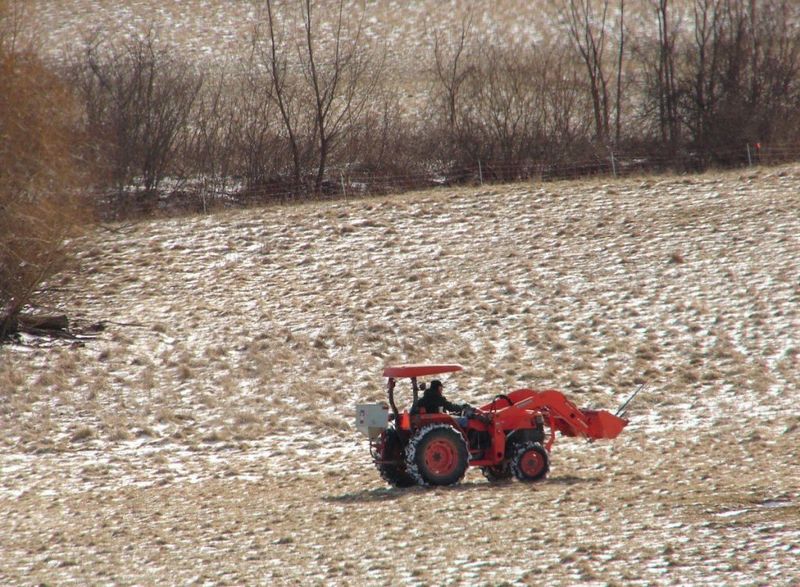
Nature has its own free lawn crew. It shows up every late winter and works for nothing.
Those wild New York weather swings play a big role here. Soil freezes at night, then thaws during sunny afternoons.
Each freeze makes the soil swell a little. Each thaw lets it shrink back down again.
All that movement creates tiny cracks across the surface. Grass seeds slip down into those openings like coins into a slot.
The result is better seed-to-soil contact. Seeds tucked into the dirt sprout more reliably than seeds sitting on top.
Farmers have used this trick for generations. Frost seeding clover into pastures works on the exact same idea.
You do not need special tools to make it happen. Just let the weather do its thing from February into March.
Bare or thin spots benefit the most from this process. Thick turf can block seed from reaching the soil surface.
Lightly raking bare areas before seeding helps loosen the top layer. Loose soil cracks more easily during freeze and thaw cycles.
Resist the urge to cover seeded spots with heavy mulch. A thick layer can keep seeds from settling into the soil.
A thin straw sprinkle is fine on slopes, though. It can slow runoff without blocking the natural seed shuffle happening below.
Early Spring Seeding Is The Backup Plan
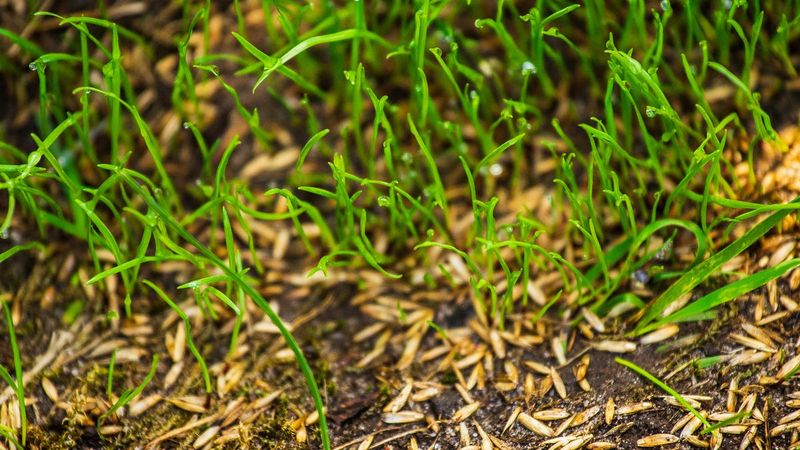
Life gets busy, and sometimes the whole winter slips by. Your lawn still has one more chance to catch up.
Early spring seeding works as a solid backup. Cool temperatures and steady spring rain help new grass get started.
Aim to seed as soon as soil reaches about 50 degrees. In most of New York, that lands somewhere between late March and April.
Spring seeding has some downsides, though. Weeds like crabgrass wake up at the same time and compete for space.
Summer heat arrives soon after, too. Young grass with short roots can struggle through hot, dry July weeks.
Plan to water more often once temperatures climb. Light daily watering helps seedlings, then switch to deeper, less frequent soaks.
Skip typical crabgrass preventers on newly seeded areas. Look for a product containing mesotrione, which is labeled safe for new seedings.
Mow gently once new blades reach about three to four inches. Sharp mower blades cut cleanly and cause less stress.
Treat spring seeding as a patch job rather than a full makeover. Next August, you can plan a proper fall overseeding with perfect timing.
Write that late-summer date on your calendar right now. Future you will be grateful when your New York lawn looks thick and green.
Whatever route you pick, a fuller lawn is still possible. Smart timing simply turns hard work into real results.