Why October Is The Best Month To Destroy Creeping Charlie In Ohio Lawns
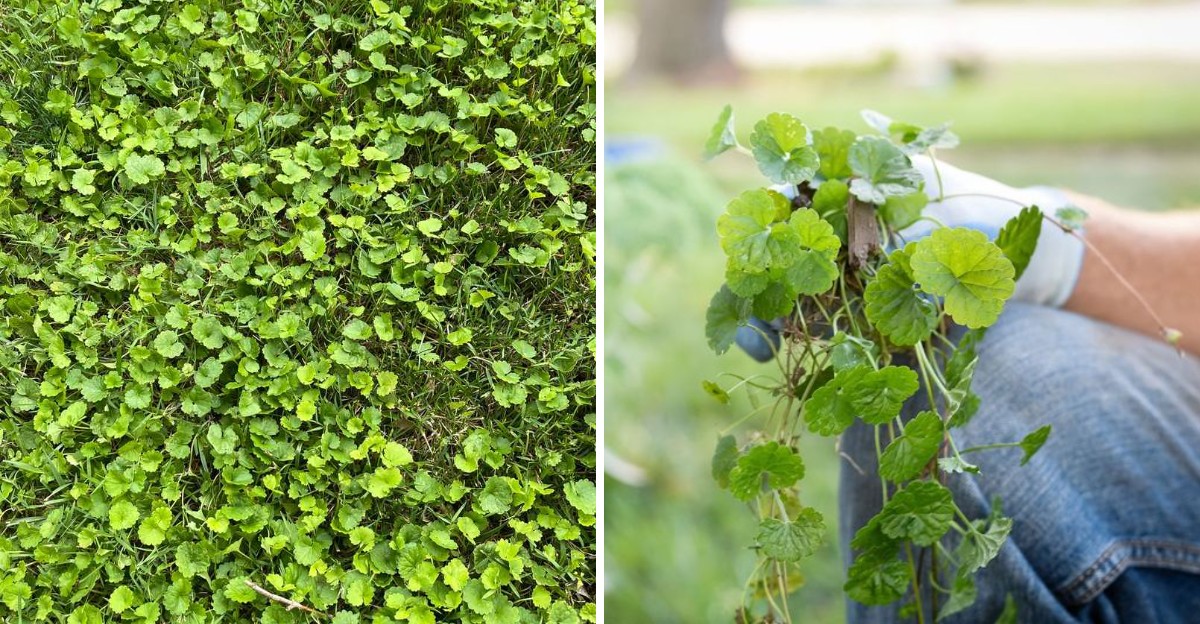
There is something deeply personal about a weed that smells like mint while it destroys your lawn.
Creeping Charlie has that kind of audacity, spreading through Ohio yards like it has somewhere important to be, laughing at your mower, and thriving in the exact spots where you most want nice grass.
Most homeowners go after it in spring or summer, put in real effort, and end up with basically the same amount of creeping Charlie they started with. Frustrating does not quite cover it.
Here is the thing though: the timing has been wrong all along. October gives Ohio homeowners a surprisingly effective window to tackle this weed in a way that actually sticks, and the science behind it is genuinely satisfying once you understand it.
Your lawn’s best season is closer than you think.
1. Ohio Plants Pull Food Down To Their Roots In October
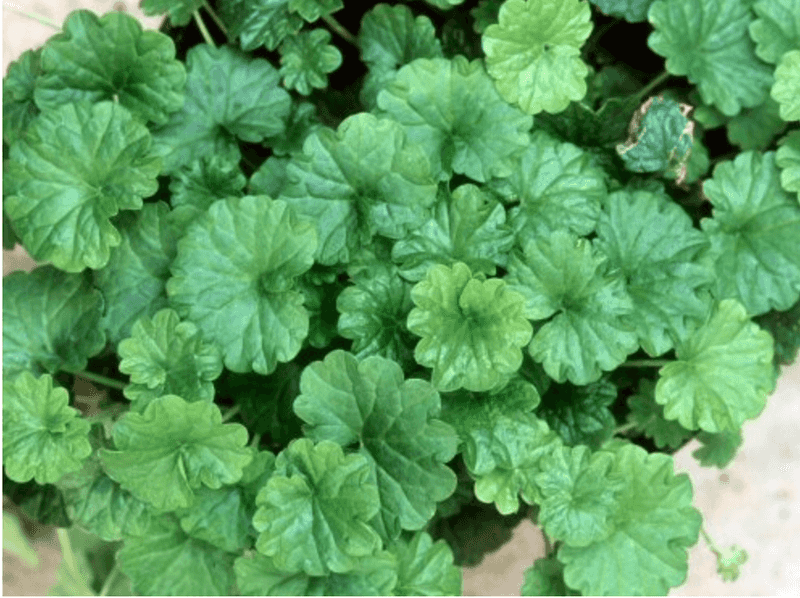
Think of a squirrel stashing acorns before winter. Creeping Charlie does something similar, sending sugars from its leaves down into its roots and runners.
That habit is your big advantage in Ohio each October. When you spray a weed control product on the leaves, the plant carries it right down to the roots along with its food.
In spring, the flow moves the other way. Sugars rush up into new leaves and flowers, so sprays tend to burn the top growth while the roots stay safe underground.
Fall treatments work more like a delivery truck heading straight to the warehouse. The product reaches the deep runners and root crowns that let the weed bounce back year after year.
Here is a simple tip to make the most of it. Pick a day when the weed is still green and growing, not after a hard freeze has shriveled the leaves.
Aim for mid to late October in most of Ohio. Northern counties near Lake Erie may cool off a week or so earlier, so watch your local forecast.
Fun fact: creeping Charlie belongs to the mint family. That explains the fresh scent when you mow it and its square stems if you roll one between your fingers.
Once you understand this seasonal flow, the whole fight starts to make sense. You are working with nature instead of against it.
2. Cool Ohio Weather Helps Weed Sprays Work Their Best
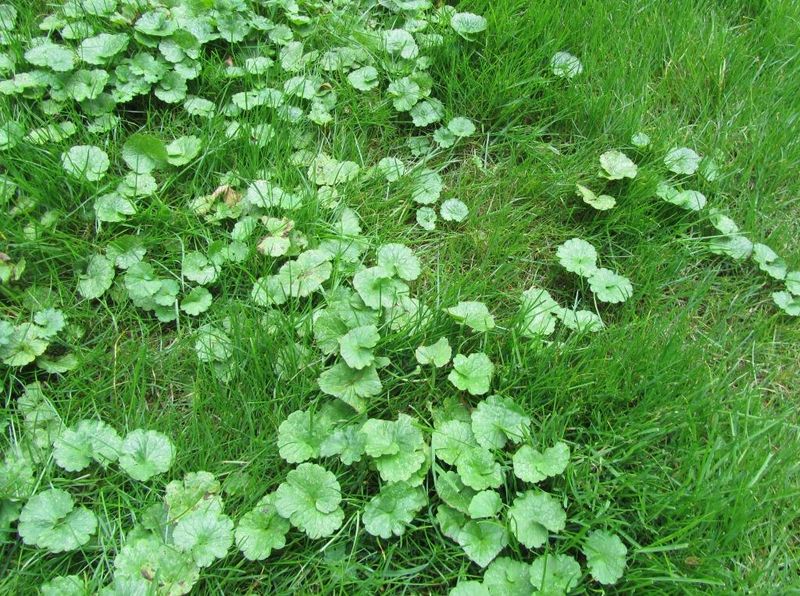
Summer heat can turn a lawn project into a sweaty mess. It can also make weed products act in ways you did not plan for.
Many broadleaf herbicides, like those with triclopyr or dicamba, can turn into vapor when temperatures climb too high. That vapor may drift onto your tomatoes, roses, or the neighbor’s prize hostas.
Because volatilization thresholds vary by product and formulation, checking the specific temperature guidelines on your product label before spraying is always the smartest move.
October usually brings daytime highs in the 50s and 60s. Those mild temperatures keep sprays sitting right where you put them, on the weed leaves.
Your Ohio Garden Changes Every Week. Your Plan Should Too.
Gardening in Ohio changes quickly throughout the season. Every Friday you’ll receive a simple weekly plan showing exactly what to plant, prune, fertilize, harvest, and protect so you never miss the right timing.
Cooler air also means less stress on your grass. Turf that is not baking in the sun handles treatments much better and recovers quickly.
So when should you spray? Look for a day between 50 and 75 degrees with little wind and no rain expected for at least 24 hours.
Mornings can be chilly, so late morning or early afternoon often works best. Let any dew dry off first, because wet leaves can water down the product.
Read the label every single time, even if you have used the product before. Labels list the temperature range, mixing amounts, and safety steps for pets and kids.
A calm, cool fall afternoon is like a gift for lawn care. You get to enjoy the fresh air while your treatment quietly does its job.
3. Your Grass Grows Stronger While The Weed Slows Down
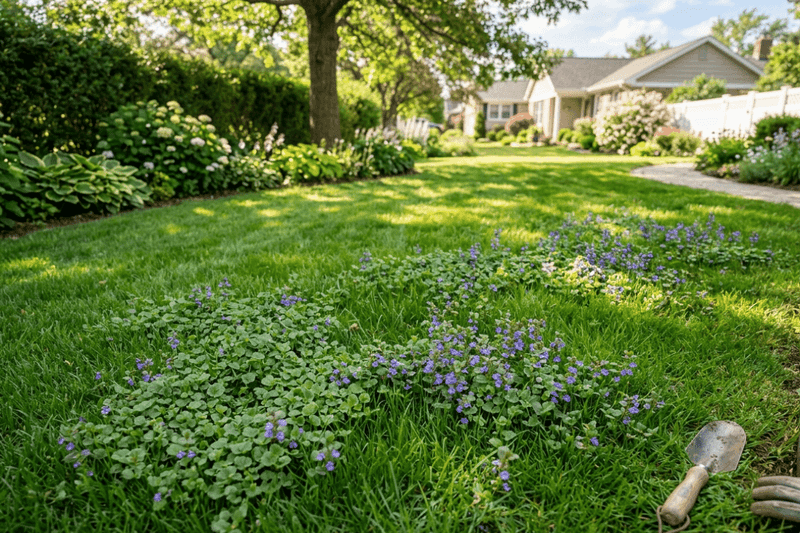
Here is a happy truth for anyone with cool season grass. Fall is when turf types like Kentucky bluegrass and tall fescue really shine.
Most lawns are made of these grasses. They love chilly nights and moderate days, so October gives them a burst of root growth.
Creeping Charlie, on the other hand, loves shady, damp spots and slower competition. When your grass thickens up, the weed has less room to sneak through.
Picture a crowded school hallway between classes. If every spot is filled with students, nobody new can squeeze in, and that is how a dense lawn protects itself.
You can help your grass win this race. Feed the lawn with a fall fertilizer in September or early October to power up those roots.
Keep mowing until the grass stops growing. Set the mower a bit high, around three to three and a half inches, so the blades shade out weed seedlings.
Water during dry spells too, since fall droughts do happen in Ohio. About an inch per week keeps grass roots busy and happy.
Combining a strong lawn with a smart weed treatment is a winning team. One pushes the weed back while the other fills in the gaps.
4. Fall Treatments Set Up Lawns For A Cleaner Spring
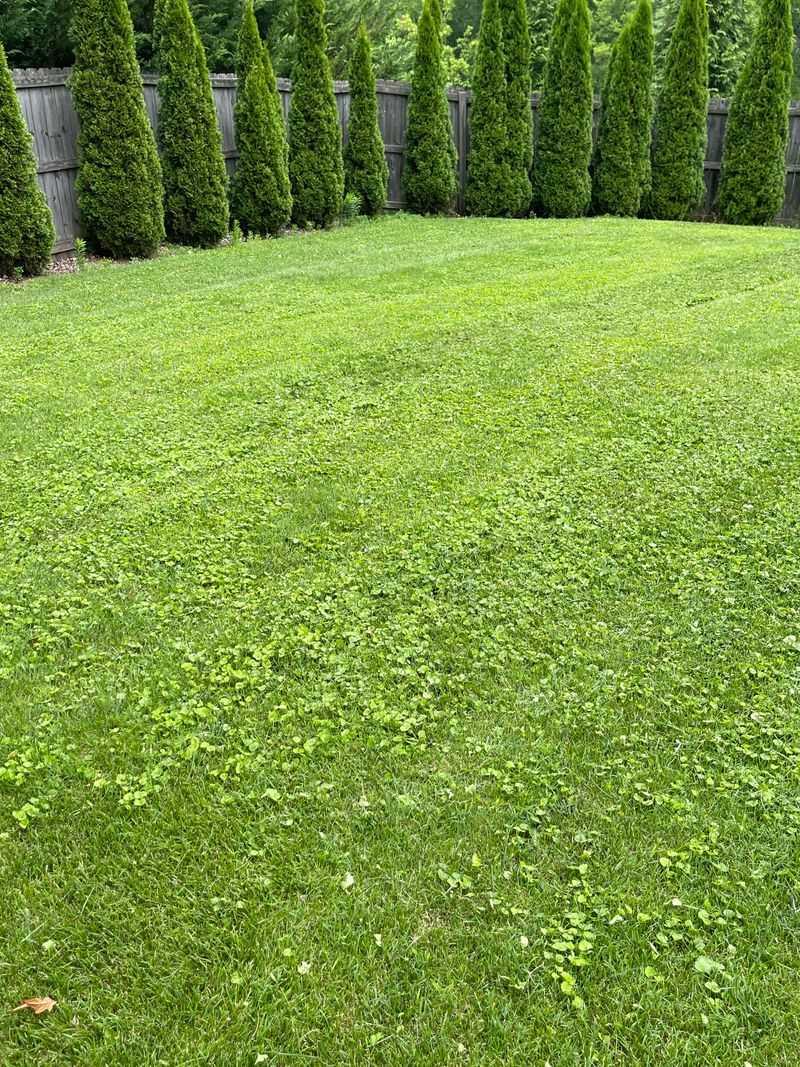
Ever notice how spring cleaning feels easier when you tidied up before winter? Lawns work the same way.
Treating creeping Charlie in October means the weed goes into winter weak and hurt. Many plants simply fail to return when warm weather comes back to Ohio.
Those that do survive tend to be smaller and easier to handle. You will spend less money and time on spring sprays.
A neighbor of mine in Columbus tried spring spraying for three years with little luck. After one fall treatment, her backyard had only a few scattered sprigs by May.
Results like that are common, though they can vary based on how thick the patch was. Heavy infestations may need a second round the following fall.
Take a few photos of your problem spots before you treat. Snap another set in spring, and you will clearly see how much ground you gained.
Mark stubborn areas with small garden flags too. That way you remember exactly where to check first when the snow melts.
Planning ahead turns a frustrating chore into a steady project. Each fall you chip away at the weed until your lawn looks the way you want.
5. Pick The Right Weed Control Products
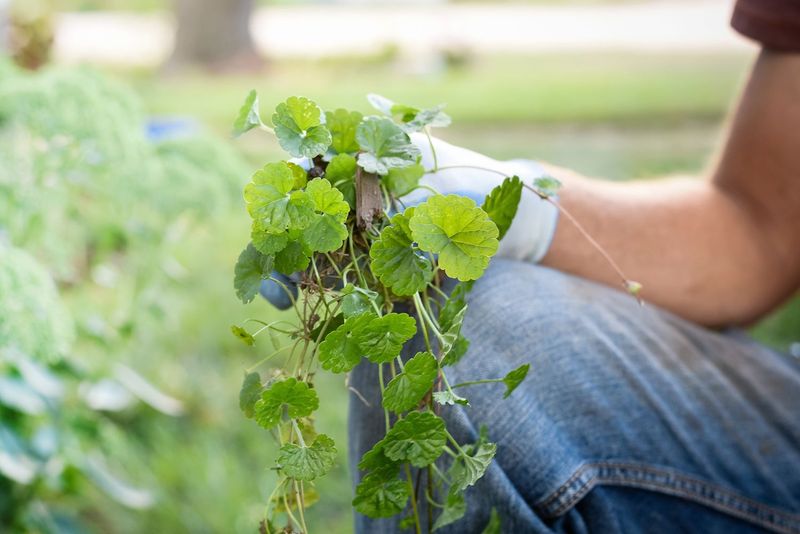
Walking down the lawn aisle can feel like reading a foreign menu. So many bottles promise results, yet creeping Charlie shrugs off many of them.
Look for products that list triclopyr as an active ingredient. Research from universities in the Midwest shows it works well on this tough mint family weed.
Blends with dicamba, 2,4-D, and MCPP can help too. Many garden centers stock these three way mixes in both ready to spray and concentrate forms.
Skip total vegetation products unless you want bare soil. Those will harm your grass along with the weed.
A pump sprayer gives you better control than a hose end bottle. You can target patches without soaking healthy turf.
Adding a drop of spreader sticker, if the label allows it, helps the spray cling to waxy leaves. Creeping Charlie has a slightly slick surface that sheds water easily.
Wear gloves, long sleeves, and closed shoes while mixing and spraying. Keep pets and kids off the lawn until it dries, as the label directs.
Organic fans sometimes try borax mixtures, but these can harm grass and build up in soil. Most experts now suggest sticking with labeled lawn products instead.
6. Hand Pulling Gets Easier In Moist Fall Soil
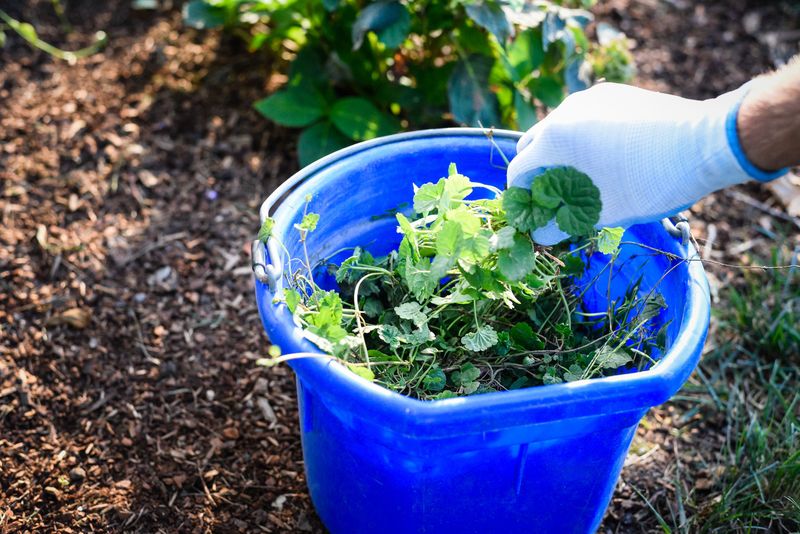
Some gardeners find weeding oddly relaxing, like popping bubble wrap. If that sounds like you, October is a sweet time to get your hands dirty.
Fall rains keep Ohio soil soft and loose. Runners slide out more easily, often with their little roots still attached.
Creeping Charlie roots at almost every leaf joint along its stems. Leaving even a small piece behind can let it regrow, so go slow and follow each runner to its end.
Hand pulling works best in garden beds and small patches. For big lawn areas, it pairs nicely with a spot spray afterward.
Bring a bucket or bag for the pulled pieces. Tossing them in a compost pile is risky, because stems can root right there.
A garden weeder with a forked tip makes the job quicker. A kneeling pad will also save your knees during longer sessions.
After pulling, rake the spot and toss down a bit of grass seed. Early October is still fine for seeding in much of central and southern parts of the state.
Put on some music or a podcast and make it a little ritual. An hour each weekend can clear more ground than you might expect.
7. Fix The Shady, Soggy Spots Weeds Love
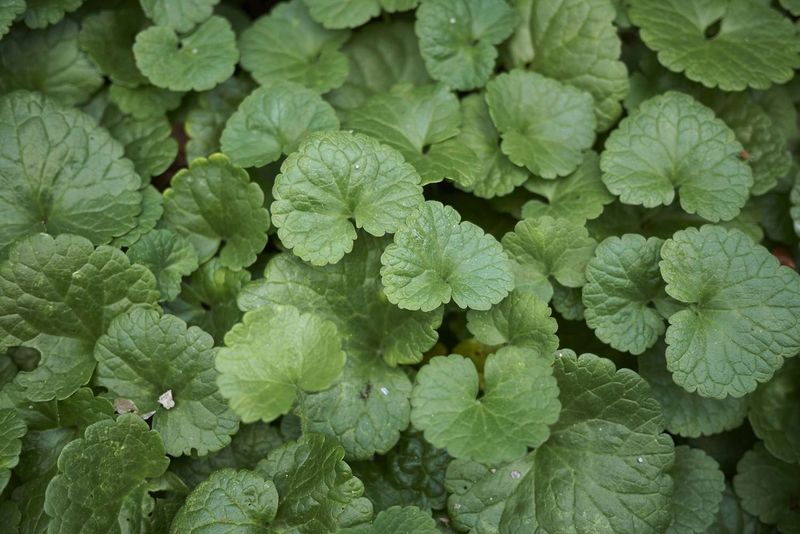
Creeping Charlie is a bit like a cat hunting for the coziest corner. It seeks out shade, damp soil, and thin grass where it can stretch out.
Ohio yards often have big maples, oaks, and fences that block sunlight. Add clay soil that holds water, and you have the perfect weed hangout.
October is a smart time to change those conditions. Trees have dropped many leaves, so you can see which branches cast the heaviest shade.
Trim low limbs to let more light reach the ground. For large trees, call a certified arborist to keep the job safe.
Core aeration helps soggy clay breathe better. Pulling small plugs of soil lets air and water move deeper, which grass loves and the weed does not.
Fix drainage problems where water pools after rain. A downspout extension or a little regrading can make a real difference.
For deep shade that no grass will handle, consider a mulch bed or shade loving plants. Hostas, ferns, and native wild ginger can look lovely there.
Changing the habitat is like changing the locks. The weed may knock, but it will have a much harder time moving back in.
8. Timing Tips For Northern And Southern Ohio Lawns
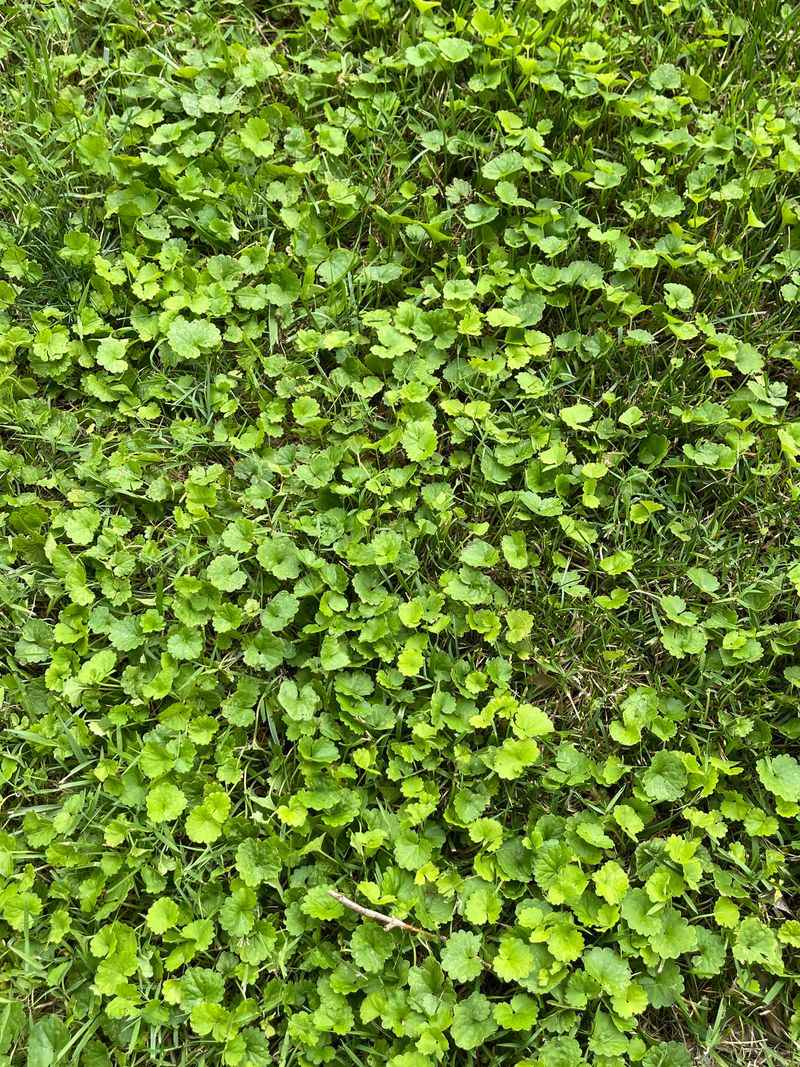
Did you know Ohio stretches roughly 200 miles from north to south? That distance means fall arrives at slightly different times across the state.
Near Cleveland and Toledo, lake breezes bring cooler air earlier. Early to mid October is often the sweet spot for spraying there.
Central areas around Columbus usually hit the ideal window in mid October. The weather tends to stay mild long enough for good results.
Down south near Cincinnati and the Ohio River, warmth can linger. Late October or even the first days of November may still work well.
Watch for the first light frost as a helpful signal. Creeping Charlie often keeps growing after a mild frost, and treating soon after can be very effective.
Avoid spraying after a hard freeze, when temperatures drop into the low 20s. Leaves may be damaged, and the plant stops moving product to its roots.
Keep a small lawn journal with dates, weather, and results. After a year or two, you will know the perfect week for your own yard.
Local extension offices also share seasonal tips online. Checking in with your county office is free and packed with useful advice.
9. Plan A Follow Up Routine To Keep Lawns Weed Free
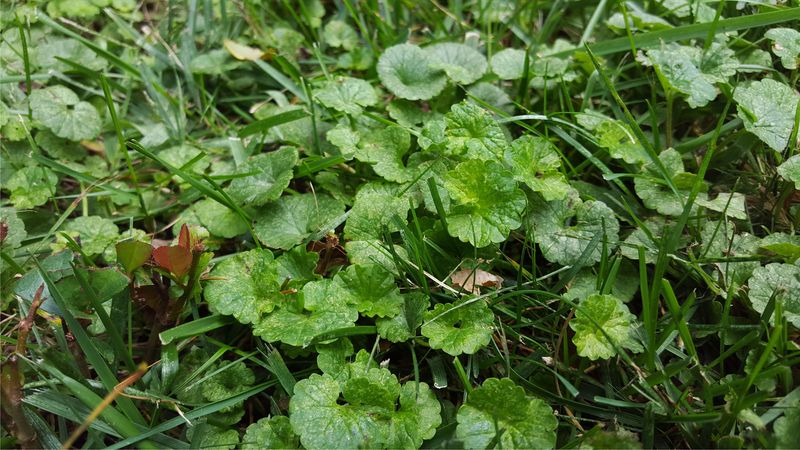
Winning one battle is great, but a smart plan keeps the peace for years. A simple yearly routine helps your lawn stay green and tidy.
Start by checking treated areas two to three weeks after your fall spray. Leaves should look curled, yellow, or twisted if the product is working.
If you spot healthy green runners, a second light treatment may help. Make sure the weather is still mild enough before you head out.
In spring, walk the yard once the grass wakes up. Pull or spot treat any small survivors before they can spread again.
Overseed thin patches in early fall each year. Fresh grass fills gaps and leaves little room for weeds.
Mow high all season and sharpen the mower blade once or twice a year. Clean cuts help grass stay strong and bounce back quickly.
Test your soil every few years through your county extension service in Ohio. The results show exactly what nutrients your lawn needs.
Soon your yard will feel like a soft carpet under bare feet. Friends may even ask for your secret, and you can smile and say, just wait for October.