Why Ohio Cucumbers Turn Bitter In July And How Watering Can Help
You grew the cucumbers, you waited patiently, you picked them at what seemed like exactly the right moment, and then you took a bite and immediately regretted it.
Bitter, sharp, and honestly kind of offensive for a vegetable that looked so promising on the vine.
If this has happened in your Ohio garden during a July heat wave, there is actually a very specific explanation and it has nothing to do with your gardening skills.
Heat stress, uneven watering, and fruit that stayed on the vine a little too long can all trigger a natural bitter compound inside cucumbers called cucurbitacin.
The frustrating part is that once a cucumber forms under stressful conditions, it tends to stay bitter. The good news is that protecting the ones still developing on the vine is very much within your control.
1. Hot Dry Weather Triggers Bitterness
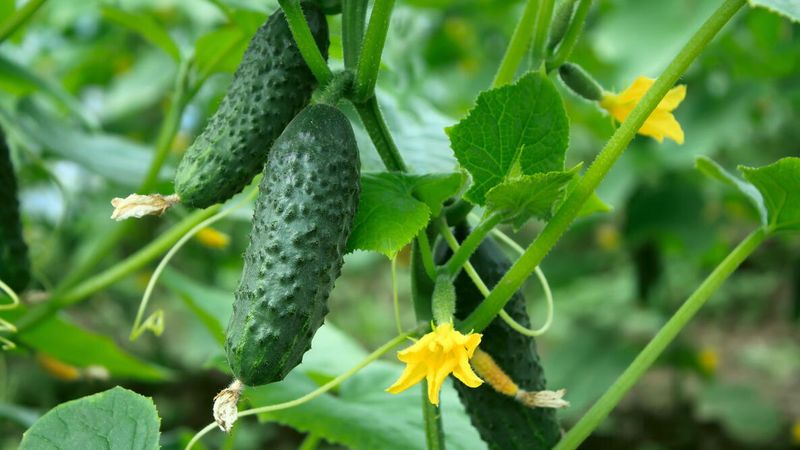
Walking out to an Ohio vegetable bed on a hot July afternoon, you can almost feel the stress radiating off the cucumber vines.
When temperatures climb into the upper 80s and 90s and rainfall stays scarce for days at a stretch, cucumber plants shift their energy toward survival rather than producing mild, sweet fruit.
That shift in priorities is what often leads to bitter cucumbers in Ohio gardens each summer. The plant responds to heat and drought by producing higher levels of natural compounds that protect it from pests and environmental pressure.
Unfortunately, those same compounds are what make the fruit taste unpleasant to eat.
Ohio summers can flip quickly from wet and mild to hot and dry, sometimes within the same week. That unpredictability makes cucumber vines especially vulnerable during fruit development.
Gardeners who notice their cucumbers tasting fine early in the season and then turning sharply bitter by mid-July are likely seeing the direct effect of heat stress on fruit that formed during a dry spell.
Keeping an eye on soil moisture during hot stretches can go a long way toward protecting cucumbers that are still forming on the vine.
2. Cucurbitacins Cause The Bitter Taste
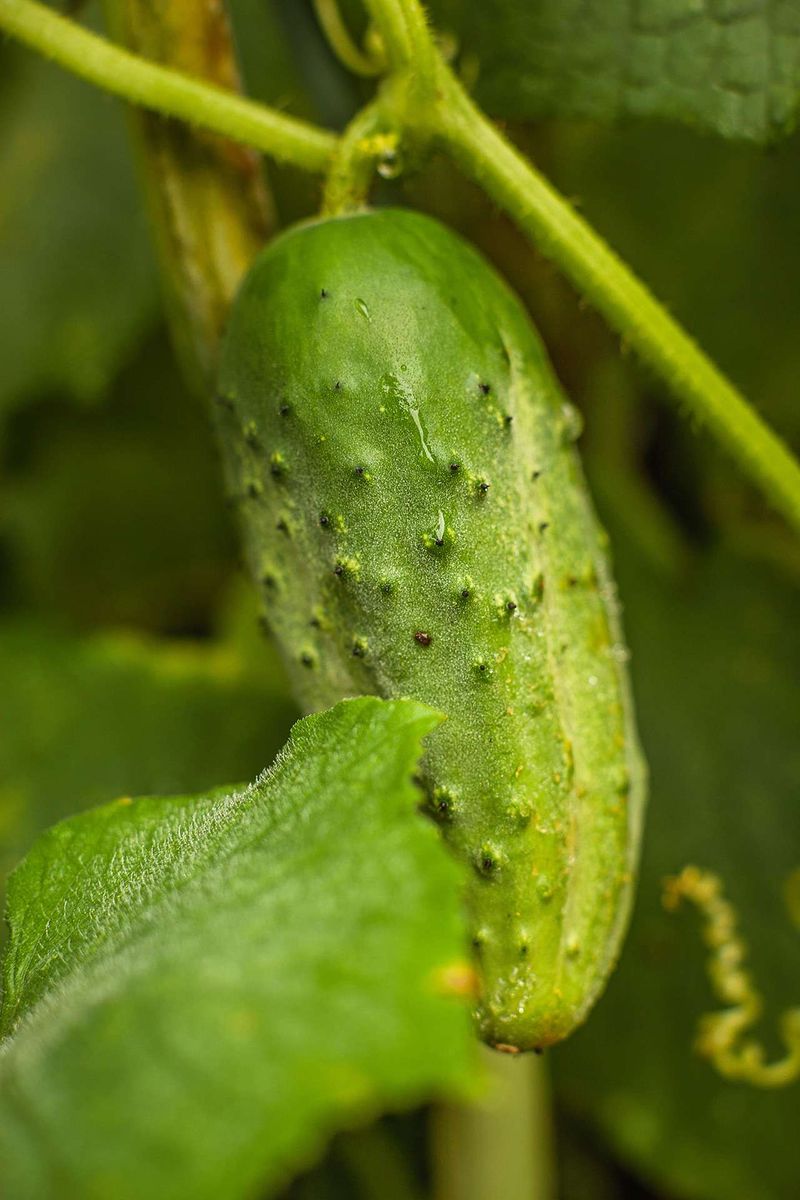
Cucurbitacins are the reason a cucumber can go from refreshing to unpleasant so quickly. These naturally occurring compounds exist in small amounts in all cucumber plants, concentrated mostly in the leaves, roots, and stems.
Under normal growing conditions, the fruit itself contains very little of these compounds, which is why most cucumbers taste mild and crisp.
When a cucumber vine experiences stress, whether from heat, dry soil, or inconsistent moisture, cucurbitacin levels can rise in the developing fruit. The plant essentially pushes these protective compounds into the cucumber as a response to difficult conditions.
Gardeners in Ohio often notice this shift most dramatically in July, when the combination of high temperatures and dry spells hits cucumber vines during their most productive weeks.
Cucurbitacins are not harmful to eat, but the bitter flavor they create is strong enough to make a cucumber unenjoyable. Cooking does not reliably remove the bitterness, and neither does soaking the fruit in water.
Your Ohio Garden Changes Every Week. Your Plan Should Too.
Gardening in Ohio changes quickly throughout the season. Every Friday you’ll receive a simple weekly plan showing exactly what to plant, prune, fertilize, harvest, and protect so you never miss the right timing.
Peeling and trimming the stem end can reduce the intensity somewhat, since cucurbitacins tend to concentrate near the skin and the stem.
Growing conditions that reduce plant stress are the most reliable way to keep cucurbitacin levels low in Ohio backyard cucumbers.
3. Uneven Watering Stresses Cucumber Vines
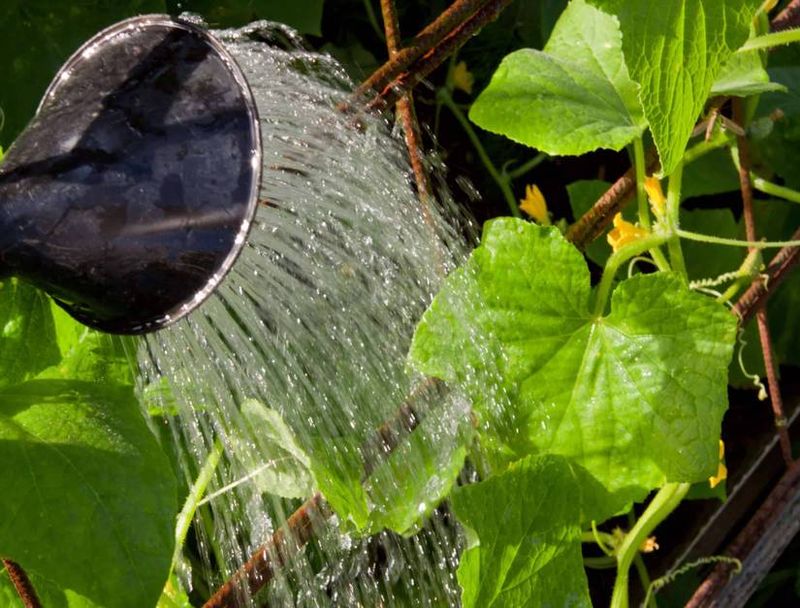
Cucumbers are surprisingly sensitive to how consistently they receive water, and Ohio gardens can make that consistency tricky to maintain.
A few days of heavy rain followed by a week of dry heat creates exactly the kind of uneven moisture cycle that pushes cucumber vines toward stress.
When roots experience wet-dry-wet-dry patterns repeatedly, the plant struggles to move nutrients and water evenly into developing fruit.
That inconsistency is one of the more common reasons Ohio gardeners find bitter cucumbers in July even when they are watering regularly. Watering a little every day does not always match what the plant actually needs.
Shallow, frequent watering can encourage roots to stay near the surface, making vines even more vulnerable when the top inch of soil dries out between sessions.
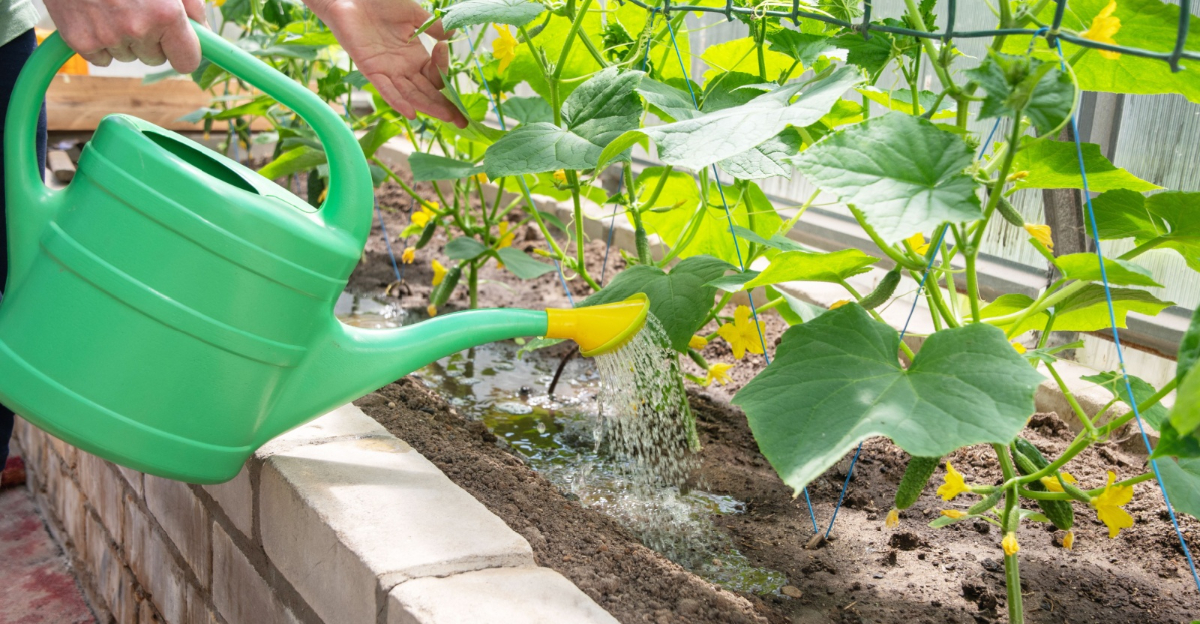
Switching to a deeper, less frequent watering routine tends to help more than daily light watering.
Giving cucumber roots a thorough soak two or three times a week, depending on heat and rainfall, encourages roots to grow deeper into the soil where moisture is more stable.
Ohio gardeners growing cucumbers in raised beds or containers may need to water more often since those setups dry out faster than in-ground garden beds during hot July weather.
4. Deep Watering Supports New Fruit
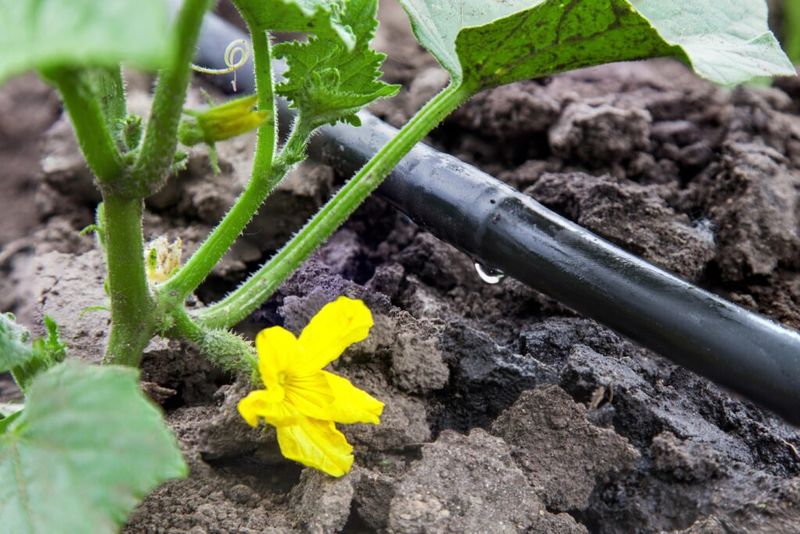
Soaker hoses and drip irrigation are popular with Ohio vegetable gardeners for good reason. Delivering water slowly and directly to the root zone encourages deeper root growth and reduces the surface evaporation that wastes water during July heat.
Deep watering means the soil several inches below the surface stays moist even when the top layer dries out quickly on hot afternoons.
Cucumber roots that reach deeper into cool, moist soil are better equipped to keep the plant stable during Ohio heat waves.
That stability is what allows new cucumbers forming on the vine to develop under less stress, which is when watering has the most meaningful effect on fruit flavor.
Cucumbers that are already harvested and tasting bitter will not improve with additional watering, but fruit that is still small and green on the vine has a real chance to develop with lower cucurbitacin levels if moisture stays consistent.
A good rule of thumb for Ohio gardens is to water deeply enough that the soil stays moist at least four to six inches below the surface.
Checking soil moisture with a finger or a simple moisture meter before watering helps avoid both underwatering and overwatering, both of which can stress cucumber vines during the growing season.
5. Mulch Helps Keep Soil Moisture Steady
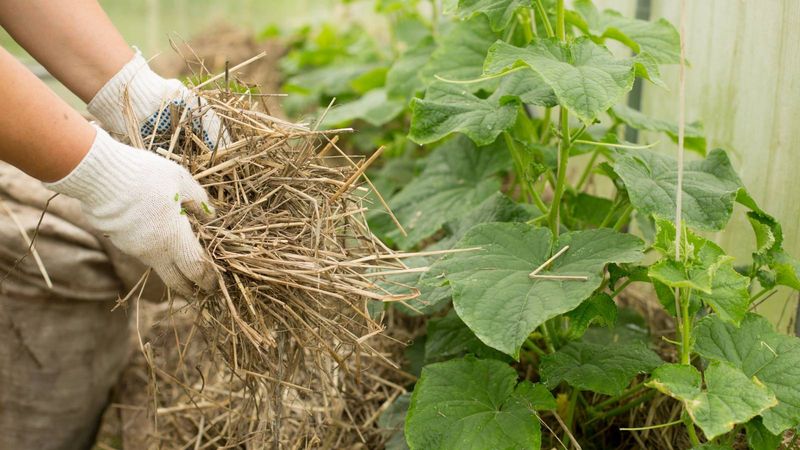
Straw spread around the base of cucumber vines might look simple, but it does a remarkable amount of work during an Ohio July.
A two-to-three-inch layer of organic mulch slows evaporation from the soil surface, which means the moisture from a deep watering session lasts longer between waterings.
That steadier moisture level is exactly what cucumber vines need to keep developing fruit without the stress spikes that lead to bitterness.
Mulch also helps moderate soil temperature, which matters more than many Ohio gardeners realize. When bare soil sits under direct July sun, surface temperatures can climb high enough to damage shallow roots and disrupt moisture uptake.
Mulched soil stays noticeably cooler, which helps roots function more effectively even during the hottest stretches of summer.
Straw, shredded leaves, and wood chip mulch all work well around cucumber vines. Avoid piling mulch directly against the main stem, since that can create moisture problems at the base of the plant.
Pulling mulch a couple of inches away from the stem while still covering the surrounding soil gives roots the moisture benefit without creating unnecessary issues.
Ohio gardeners who add mulch early in the season often notice their cucumber vines holding up better through July dry spells than they did in previous years without it.
6. Bitter Flavor Often Starts Near The Stem End
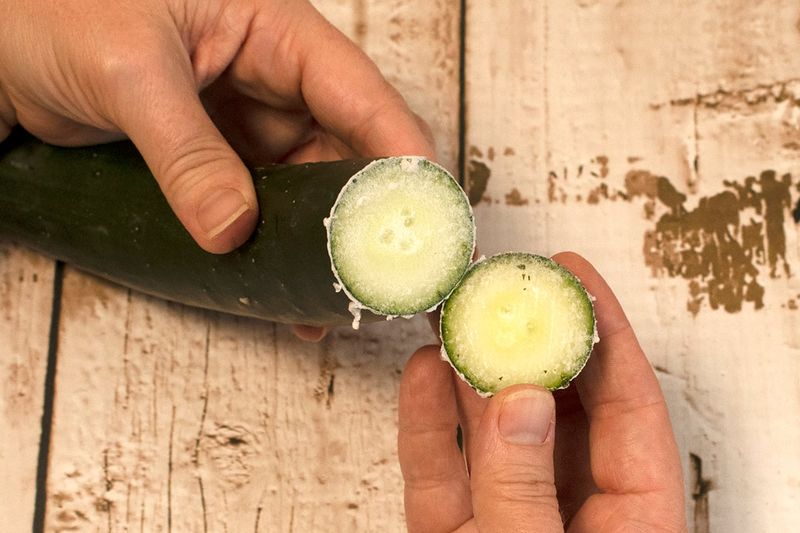
Many Ohio gardeners have noticed that one end of a cucumber tastes noticeably sharper than the rest, and that sharper end is almost always the stem end.
Cucurbitacins tend to concentrate near the stem and just under the skin of the cucumber, which is why peeling and trimming can make a bitter cucumber more tolerable even if it does not completely fix the flavor.
Slicing off about half an inch from the stem end and peeling the skin before eating can reduce bitterness enough to make the cucumber usable in salads or as a snack.
Some gardeners also rub the cut stem end against the sliced cucumber surface, which is a traditional method said to draw out some of the bitter compounds.
Results vary, and this technique works better on mildly bitter cucumbers than on severely bitter ones.
Understanding where bitterness concentrates helps Ohio gardeners salvage some of their July harvest even when growing conditions were not ideal.
It also helps explain why a cucumber that tastes sharp near the top might be perfectly mild in the middle and at the blossom end.
Knowing this pattern makes it easier to decide which cucumbers are worth trimming and peeling versus which ones have developed too much bitterness throughout to enjoy.
7. Overgrown Cucumbers Can Taste More Bitter
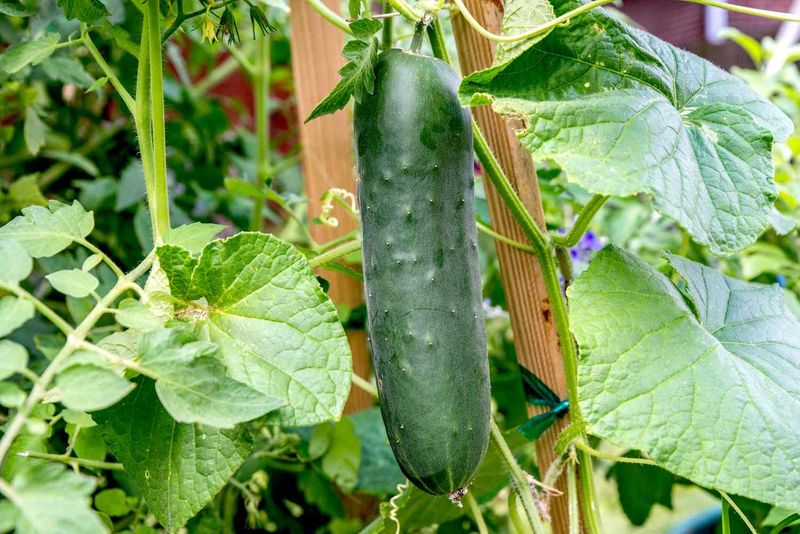
Tucked under broad leaves or tangled in a trellis, cucumbers can grow surprisingly large before a gardener even notices them.
An overgrown cucumber that has stayed on the vine too long tends to develop more bitterness than one harvested at the right size, partly because the plant has been directing resources into that fruit for an extended period under summer stress conditions.
Ohio July heat speeds up cucumber growth, which means a cucumber that looked small on Monday might be oversized by Thursday.
Checking vines every two to three days during peak summer heat helps catch cucumbers before they grow past their ideal harvest window.
Most slicing cucumbers taste best when harvested between six and eight inches long, while pickling varieties are typically best at two to four inches.
Leaving overgrown cucumbers on the vine also signals to the plant that it has successfully produced mature fruit, which can slow the production of new cucumbers.
Removing oversized cucumbers, even if they are bitter and not worth eating, encourages the vine to keep setting new fruit.
Those new cucumbers, developing after improved watering, have a better chance of forming under less stress and tasting milder.
Regular harvesting is one of the simplest ways Ohio gardeners can keep their cucumber vines productive through the rest of the summer.
8. Bitter-Free Varieties Can Help Next Season
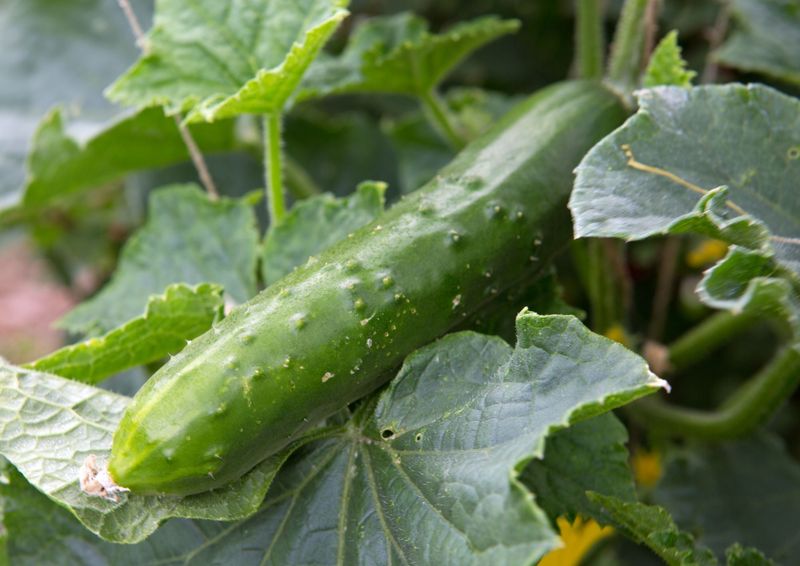
Plant breeders have developed cucumber varieties specifically selected for low cucurbitacin content, and these are often labeled as burpless or bitter-free on seed packets and in garden catalogs.
For Ohio gardeners who deal with recurring bitterness problems every July, choosing one of these varieties for next season can make a noticeable difference in fruit flavor even during hot, dry stretches.
Popular options include varieties like Marketmore 76, Straight Eight, and several burpless hybrid cucumbers that have been bred to produce fruit with naturally lower levels of bitter compounds.
These varieties are not completely immune to stress, but they tend to respond to heat and dry conditions with less cucurbitacin production than older heirloom types.
Ohio gardeners growing in raised beds, on trellises, or in community garden plots have reported better results with these varieties during challenging July weather.
Switching varieties does not eliminate the need for good watering practices, but it does give the garden a built-in advantage going into a hot Ohio summer.
Starting seeds indoors in late April or purchasing transplants from a local garden center in May gives these varieties enough time to establish strong root systems before July heat arrives.
Planning ahead with a lower-bitterness variety is one of the most straightforward adjustments an Ohio gardener can make for a better cucumber harvest next year.
9. Better Watering Helps Future Cucumbers Taste Milder
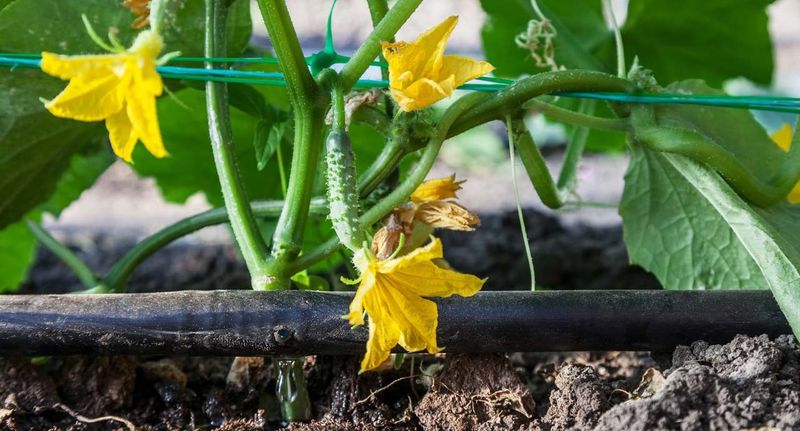
Cucumbers that are already hanging on the vine and tasting bitter when you pick them are not going to improve much with extra water at that point.
The bitterness formed during an earlier stress period is locked into those fruit, and no amount of watering after the fact will reverse it.
Peeling and trimming can help a little, but the real benefit of better watering shows up in the next round of cucumbers still developing on the vine.
When Ohio gardeners shift to consistent deep watering after a dry or stressful period, the new small cucumbers forming under the leaves have a much better chance of developing with lower cucurbitacin levels.
Keeping soil moisture steady from the moment a cucumber starts forming through harvest is when watering has the most impact on final fruit flavor.
That window of development, usually one to two weeks for most slicing varieties, is the critical period to protect.
Combining deep watering with mulch, timely harvesting, and a lower-bitterness variety gives Ohio vegetable gardens the best overall chance of producing mild, crisp cucumbers through the rest of the summer season.
No single fix solves everything, but building better habits around moisture management can genuinely shift the balance toward more enjoyable cucumbers in July and beyond.