The Plumbago Mistakes Texas Gardeners Make That Lead To Fewer Blue Flowers
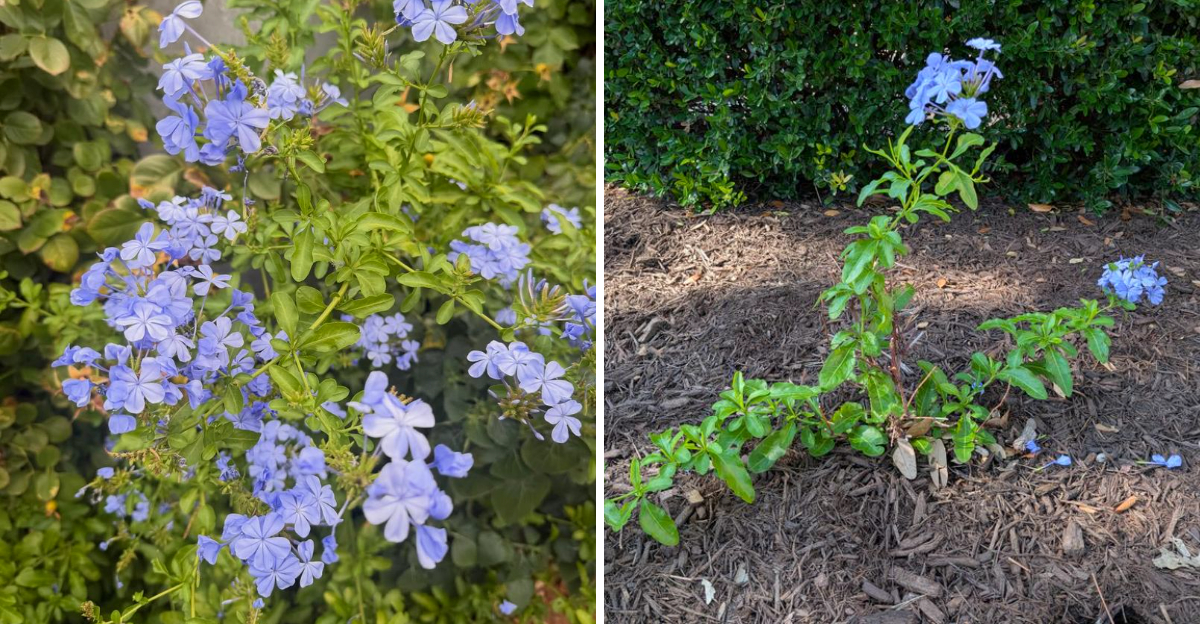
Few plants bring that particular shade of sky blue to a Texas landscape quite like Cape Plumbago.
Once you have seen a healthy, full shrub absolutely covered in those cheerful clusters during the long warm season, it is pretty much impossible not to want one. Or several.
The good news is that when conditions line up right, this plant is genuinely spectacular and remarkably heat tolerant. The less exciting news is that when something is off, those blue flowers start thinning out or disappearing entirely, and it can feel like a mystery.
Spoiler: it usually is not.
The cause almost always traces back to something specific, the wrong spot, inconsistent watering, poor drainage, mistimed pruning, crowding, cold damage, or accidentally grabbing the white form when blue was the whole point.
Fixing any one of those things can completely change how this plant performs.
1. Planting Plumbago In Too Much Shade
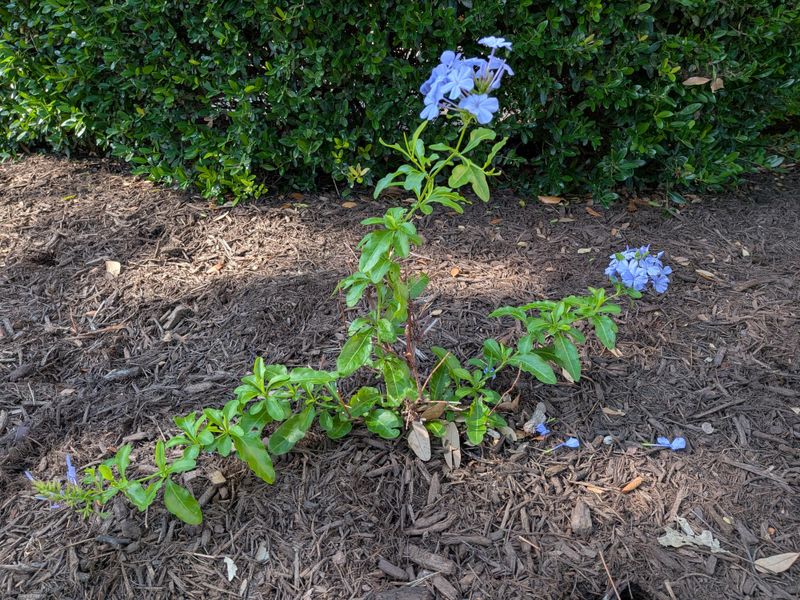
Blue blooms on a plumbago plant can fade fast when the shrub ends up in a spot that simply does not get enough sun.
Cape Plumbago is known for performing well in full sun to partial sun, and when it gets pushed into heavy shade under a large oak or tucked against a north-facing wall, flowering often drops off noticeably.
The plant may still grow, but the stems tend to stretch and reach, and the flower clusters become sparse and scattered.
In Texas, where sunlight is intense and plentiful through much of the year, it can feel tempting to protect plants by giving them shade.
However, plumbago actually uses that sunlight to push out its signature blue clusters, and shading it too much works against that goal.
A spot that gets morning sun with some afternoon relief is usually workable, but deep shade through most of the day tends to reduce bloom performance.
Before moving an established plant, observe how much direct sunlight the current location actually receives. Counting true sun hours, not just bright indirect light, gives a clearer picture.
Shifting a container plumbago to a sunnier patio edge or choosing a more open bed location can make a real difference in how freely it flowers.
2. Letting Containers Dry Out Too Often
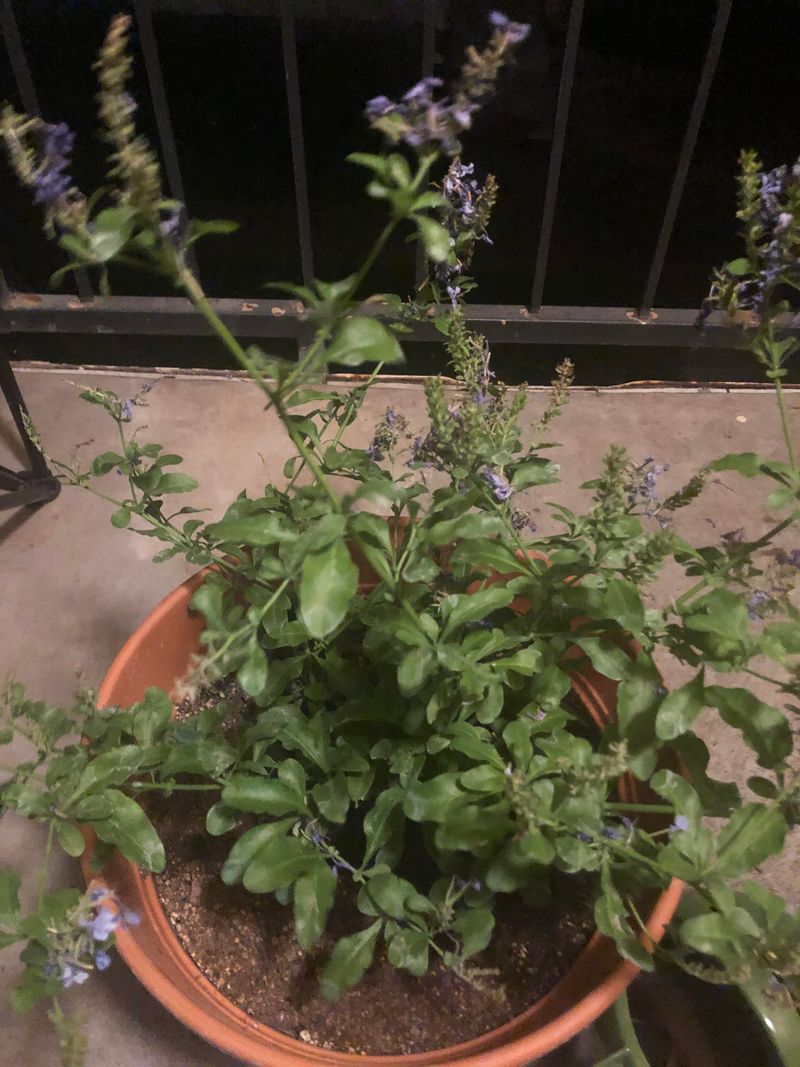
Picture a porch pot sitting in the Texas sun during a hot July afternoon, the soil bone dry and the plumbago stems drooping slightly at the tips.
That scene plays out in many Texas yards, and it is one of the more common reasons container-grown plumbago produces fewer flowers than expected.
Pots dry out far faster than in-ground beds, especially in the intense heat that Texas summers bring, and plumbago in containers needs consistent moisture to keep pushing out blooms.
When a container plant dries out repeatedly, it shifts energy toward survival rather than flowering. The roots cannot absorb nutrients efficiently in dry soil, and stressed plants tend to drop buds or skip bloom cycles.
Larger containers hold moisture longer and tend to give plumbago more buffer during hot spells, which is worth considering when choosing a pot size for a patio or poolside display.
Your Texas Garden Changes Every Week. Your Plan Should Too.
Gardening in Texas changes quickly throughout the season. Every Friday you’ll receive a simple weekly plan showing exactly what to plant, prune, fertilize, harvest, and protect so you never miss the right timing.
Checking the soil moisture by pressing a finger an inch or two into the mix is a simple habit that helps avoid repeated dry-out cycles. Watering thoroughly until water drains from the bottom, rather than just wetting the surface, gives roots the deep drink they need.
In peak Texas summer heat, containers may need water more frequently than gardeners expect.
3. Keeping The Soil Soggy Or Poorly Drained
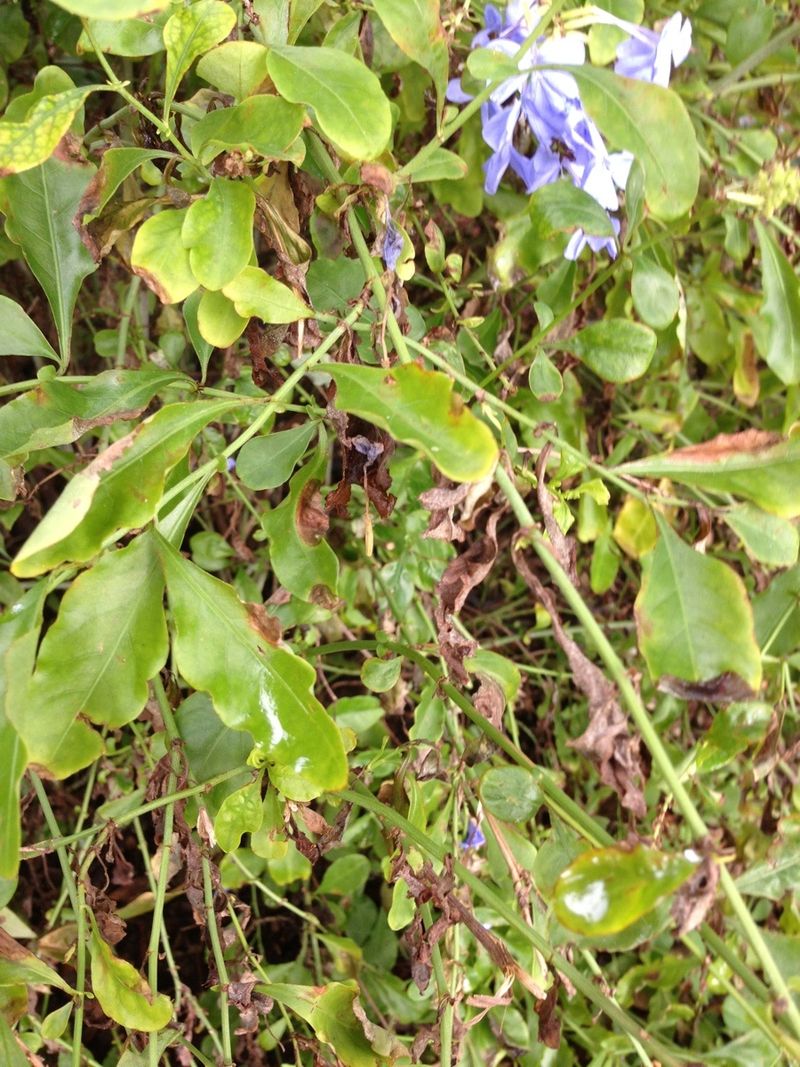
Water sitting around plumbago roots for extended periods creates a very different problem than drying out, but it leads to the same result: fewer flowers and a struggling plant.
Cape Plumbago performs well in well-drained soil, and when roots stay wet for too long, they lose the ability to take up oxygen and nutrients properly.
In Texas landscapes with heavy clay soil, water can pool around shrub roots even when the surface looks dry, quietly limiting the plant below ground.
Soggy conditions can slow growth, cause yellowing leaves, and reduce the energy the plant puts into producing flower clusters. Gardeners sometimes mistake these symptoms for drought stress and add more water, which compounds the issue.
Checking drainage before planting by digging a small hole and observing how quickly water soaks away can save a lot of trouble later.
Raised beds, amended planting areas with compost or coarse material, and slightly elevated planting positions can all help improve drainage in problem spots.
Container gardeners should use a mix that drains freely rather than one that holds moisture heavily.
In Texas landscapes where summer rain can arrive in large amounts, giving plumbago a site where water moves through quickly tends to support steadier bloom performance over the season.
4. Skipping Water While Plants Get Established
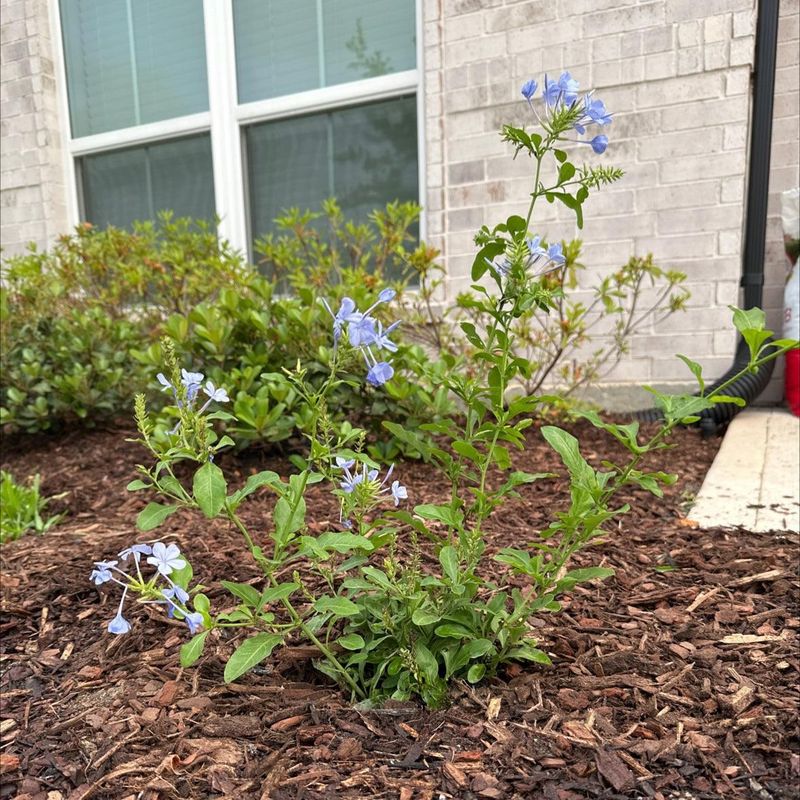
A newly planted plumbago in a Texas spring bed can look healthy at the nursery and then slow down dramatically once it is in the ground, not because anything is wrong with the plant, but because establishment takes real effort.
During the first growing season, plumbago is still developing a root system large enough to support steady growth and flowering.
Without consistent watering during that period, the plant focuses on root survival rather than producing flower clusters.
Texas heat can be intense even in spring, and a shrub that arrived in a nursery pot is suddenly dealing with a new soil environment, more direct sun, and wind exposure.
Skipping watering sessions during this window, even for a week or two, can set the plant back and delay the point at which it starts blooming freely.
Establishment care is not the same as ongoing care, and the two phases require different attention levels.
Watering deeply and regularly through the first season, checking soil moisture rather than following a fixed schedule, gives roots the steady support they need to spread.
Once plumbago is established and rooted in well, it generally handles Texas heat with more resilience.
Getting through that first season with consistent moisture is one of the most useful things a gardener can do to set up strong future bloom performance.
5. Pruning At The Wrong Time
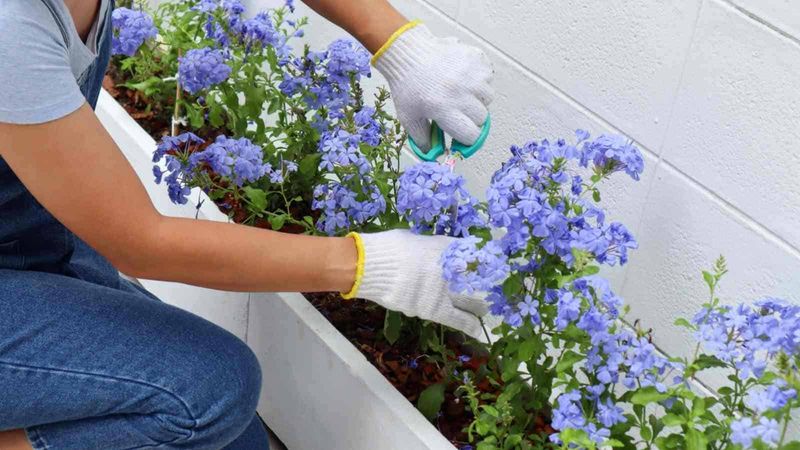
Reaching for the hedge trimmers at the wrong moment is one of the quieter ways Texas gardeners accidentally reduce their plumbago’s flower output.
Cape Plumbago blooms on new growth, meaning the fresh stems it pushes out during the warm season are the ones that carry flower clusters.
Heavy pruning done too late in spring or during the active blooming period removes that new growth before it has a chance to produce flowers, leaving the plant to start the process over again.
Late winter or very early spring, before new growth emerges, is generally considered a reasonable window for cutting plumbago back. In Texas, that timing can shift depending on the region and the particular year’s temperatures.
Pruning during the growing season, especially mid-summer through fall when the plant is actively blooming, tends to interrupt the flower cycle rather than encourage it.
Light shaping to remove damaged tips or spent clusters is different from hard structural cuts, and understanding that distinction matters.
If a plant has been cut back at the wrong time and flowering is slow to return, giving it several weeks of steady sun, water, and warmth usually allows new growth to catch up.
Patience after a mistimed pruning session is often the most practical approach in a Texas garden.
6. Crowding It Where Airflow And Spread Are Limited
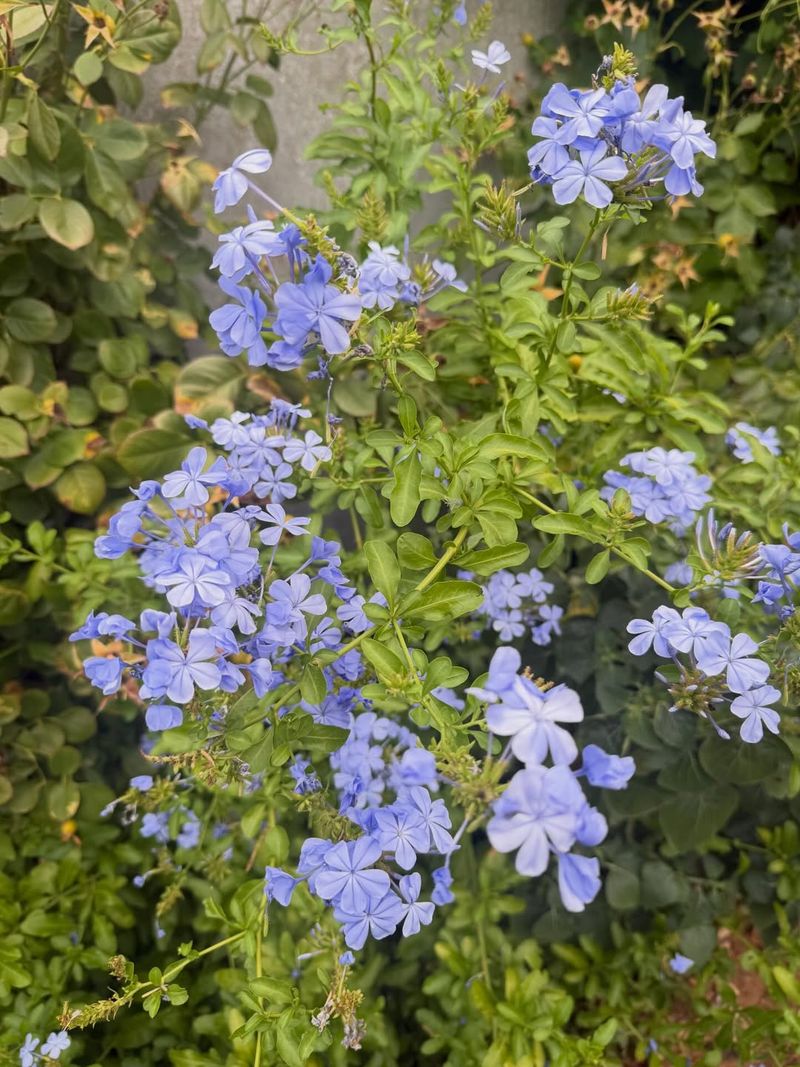
Squeezed between two large shrubs or pressed against a fence with no room to spread, plumbago tends to put more energy into competing for light and air than into flowering.
Cape Plumbago naturally wants to spread as it matures, and in Texas landscapes it can become a fairly wide-spreading plant when given room.
Crowding limits that natural growth habit and can reduce the overall vigor that drives consistent bloom production.
Poor airflow around densely planted shrubs can also create conditions that stress the plant in ways that are not always obvious.
While plumbago is not particularly prone to fungal issues compared to some other landscape plants, consistently poor airflow combined with moisture and heat can slow growth and reduce the quality of new stems, which in turn affects flowering.
Foundation beds packed too tightly are a common place where this problem develops in Texas landscapes.
Giving plumbago enough space to grow outward, roughly checking the mature spread listed on the plant tag before placing it in a bed, helps avoid the crowding problem from the start.
If an existing plant is already crowded, selectively removing neighboring plants or trimming back encroaching shrubs can open up airflow and give plumbago room to grow and bloom more freely.
A little extra elbow room often shows up quickly as improved flowering.
7. Expecting Strong Blooms After Cold Damage
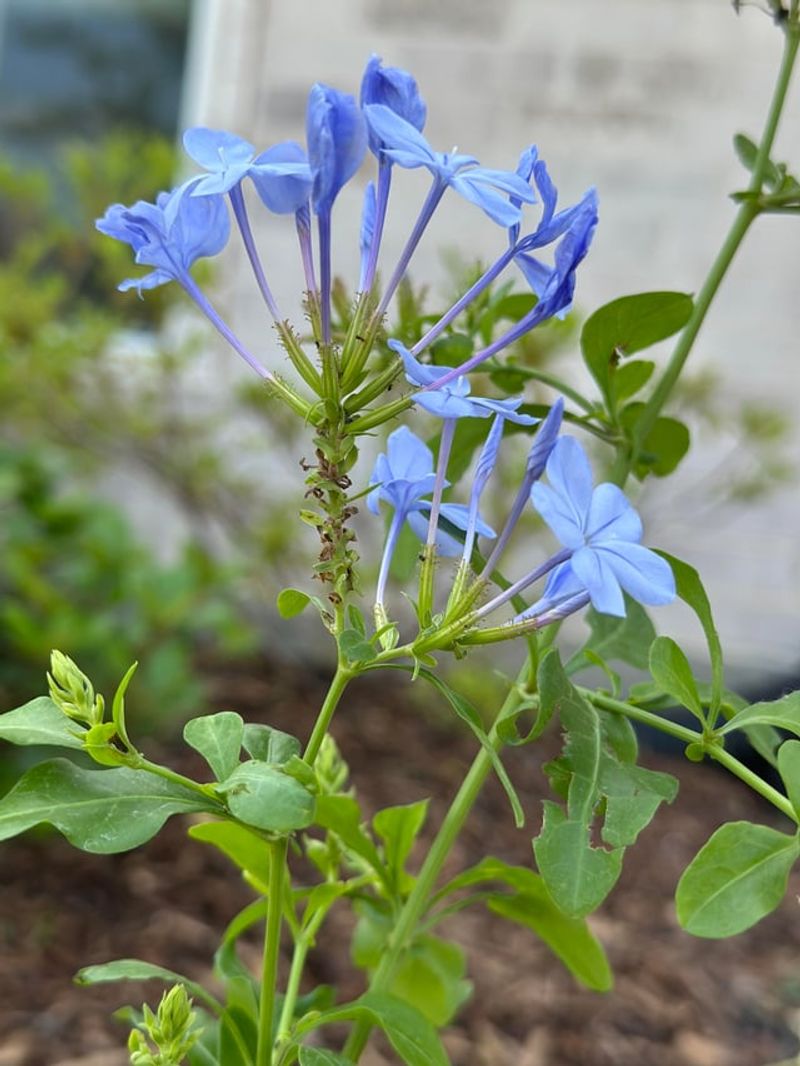
Cold winters in Texas can leave plumbago looking rough by early spring, with brown stems, damaged tips, and little sign of the lush plant that was flowering just a few months earlier.
Gardeners who see this damage sometimes expect the plant to bounce back and bloom quickly, but cold-damaged growth needs time to recover before flowering can resume in any meaningful way.
The plant has to push out fresh stems from healthy wood or from the base before it can start working toward flower production again.
The extent of cold damage varies across Texas depending on region, winter severity, and how exposed the planting site is.
A plumbago in a protected courtyard in San Antonio may come through a mild winter looking fairly intact, while the same plant in an exposed North Texas border might get cut back hard.
Both situations are real, and assuming the same recovery timeline for every plant and every location leads to unrealistic bloom expectations.
Waiting until new growth is clearly visible before pruning away old or damaged material is a practical and reliable approach.
Cutting too early can remove stems that might still push out new growth from living tissue.
Once fresh growth appears and begins to extend, the plant is on its way toward a new bloom cycle. Supporting that recovery with regular watering and a sunny location gives it the best conditions to flower again as the season warms.
8. Choosing The White Form When You Want More Blue Flowers
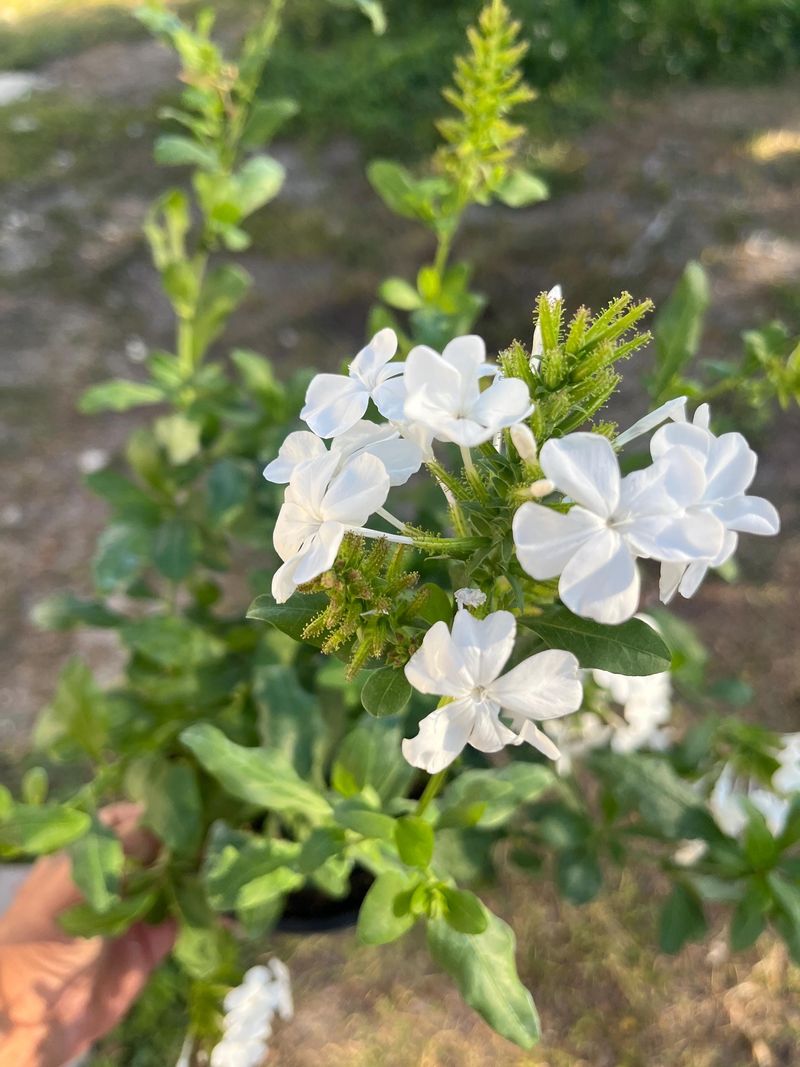
A nursery tag can be easy to overlook when a plant looks healthy and full in its pot, but with plumbago the flower color on the tag matters more than many shoppers realize.
Cape Plumbago comes in both a blue-flowering form and a white-flowering form, and while both are attractive landscape plants, choosing the white form when your goal was blue flowers leads to permanent disappointment no matter how well you care for the plant.
The color is a variety characteristic, not a condition that changes with sun, water, or pruning.
In Texas nurseries, both forms are sometimes sold near each other, and the pots may not always be in bloom when you visit.
Checking the tag carefully or asking a staff member to confirm the flower color before purchasing is a simple step that saves a lot of frustration later.
Some gardeners have planted what they believed was a blue-flowering plumbago only to discover at first bloom that they brought home the white variety.
The white form has its own appeal and can work beautifully in certain garden designs, so it is not a lesser plant, just a different one.
If blue flowers are the goal for a Texas border or patio container, confirming the variety at the point of purchase is the most reliable way to make sure the plant you take home will deliver the color you are expecting.
9. Ignoring Afternoon Heat Stress In Exposed Spots
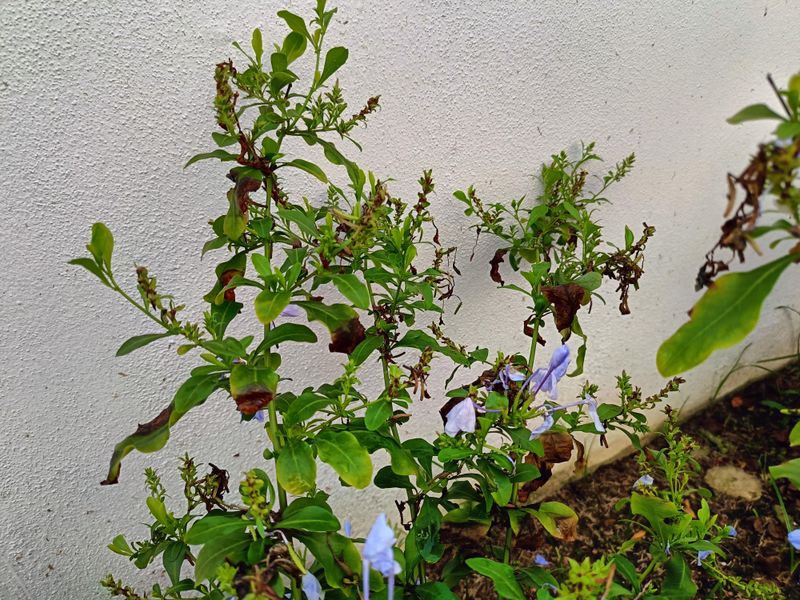
Full sun is generally good for plumbago, but there is a point in a Texas summer afternoon where intense reflected heat from a south or west-facing wall, a concrete patio, or a light-colored fence can push even a heat-tolerant plant past its comfortable range.
In those exposed spots, plumbago may show signs of stress during the hottest part of the day, and a stressed plant tends to slow its bloom cycle rather than push through it.
Fewer flowers during peak summer heat in exposed locations is a pattern worth paying attention to.
The difference between a plumbago thriving in open full sun and one struggling against a sun-baked wall often comes down to how much radiant heat is being added on top of direct sunlight.
Morning sun with afternoon relief from intense western exposure can sometimes produce better flowering results than a spot that bakes from all angles through the hottest hours.
Observing where shadows fall during the afternoon in your specific yard gives useful information that general planting guides cannot always provide.
Mulching around the base of the plant helps moderate soil temperature and retain moisture in exposed beds, which supports the plant during heat stress. Container plants in very exposed patio spots can be shifted during extreme heat periods.
Matching the planting site to the plant’s actual needs rather than just its general sun tolerance tends to produce more consistent bloom performance across a Texas summer.