Why Ohio Gardeners Should Wait To Prune Roses Until The Nights Turn Cold
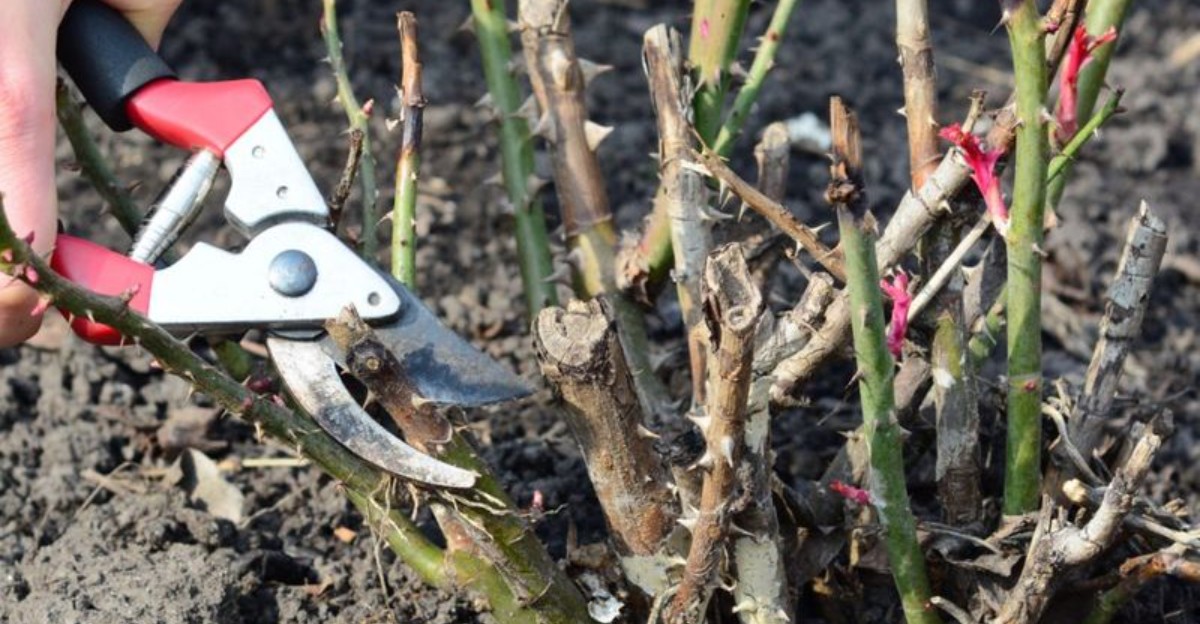
Your rose bushes may look ready for a fall trim, especially when their branches have grown long and untidy after months of flowering. But reaching for the pruning shears too early can interfere with how they prepare for winter.
Roses respond to seasonal changes, and pruning at the wrong time may encourage tender new growth.
That fresh growth can be vulnerable when freezing temperatures arrive.
In Ohio, autumn weather can shift from mild afternoons to frosty nights, making pruning decisions particularly important. What seems like a good cleanup task today could leave your roses more exposed to cold damage.
Of course, not every rose needs the same treatment.
The type of rose you’re growing and the condition of its branches both influence when pruning makes sense.
Knowing which cuts can wait until spring will help you protect your plants without neglecting their fall care.
1. Early Pruning Can Encourage Growth Vulnerable To Frost
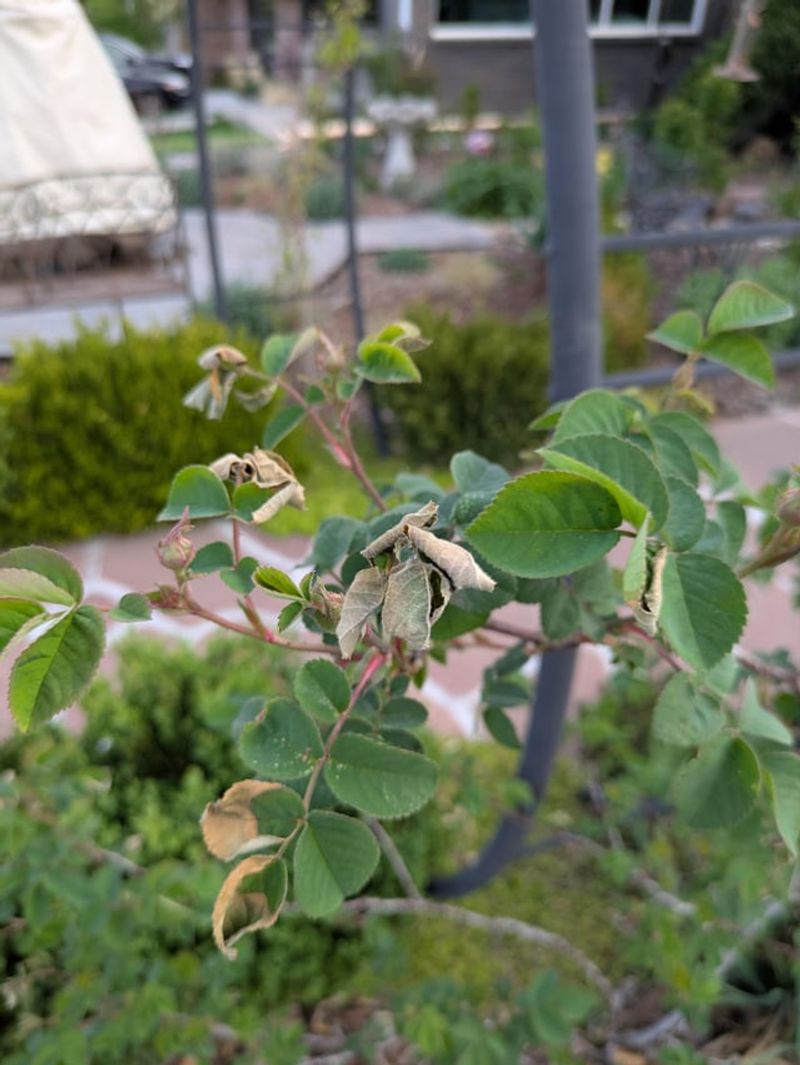
Pruners in September can wake up a rose that should be winding down. Cutting a cane often prompts buds below the cut to start growing, especially when the weather stays mild.
Those fresh shoots look healthy at first, with soft red leaves and tender stems.
Trouble shows up when the first freeze arrives. New growth has not had time to harden, so it can turn black and shrivel after a cold night.
Losing a few tender tips is not a disaster for most established roses. Still, the plant spends energy making growth that may not survive, and that energy could have gone toward preparing for winter.
Fall timing in Ohio varies quite a bit from one region to another.
Northern counties and higher spots tend to see frost earlier, while areas near the Ohio River often stay warm longer. Your own yard may also have cold pockets or sheltered corners that change how your roses respond.
A better habit is to put away the heavy pruning tools once late summer arrives.
Light snipping of a broken stem is fine, and so is cutting a bloom for a vase. What you want to avoid is cutting canes way back while the days are still warm.
Letting the plant slow down at its own pace usually works better than pushing it with a hard trim.
2. Shorter Days Help Roses Prepare For Winter Dormancy
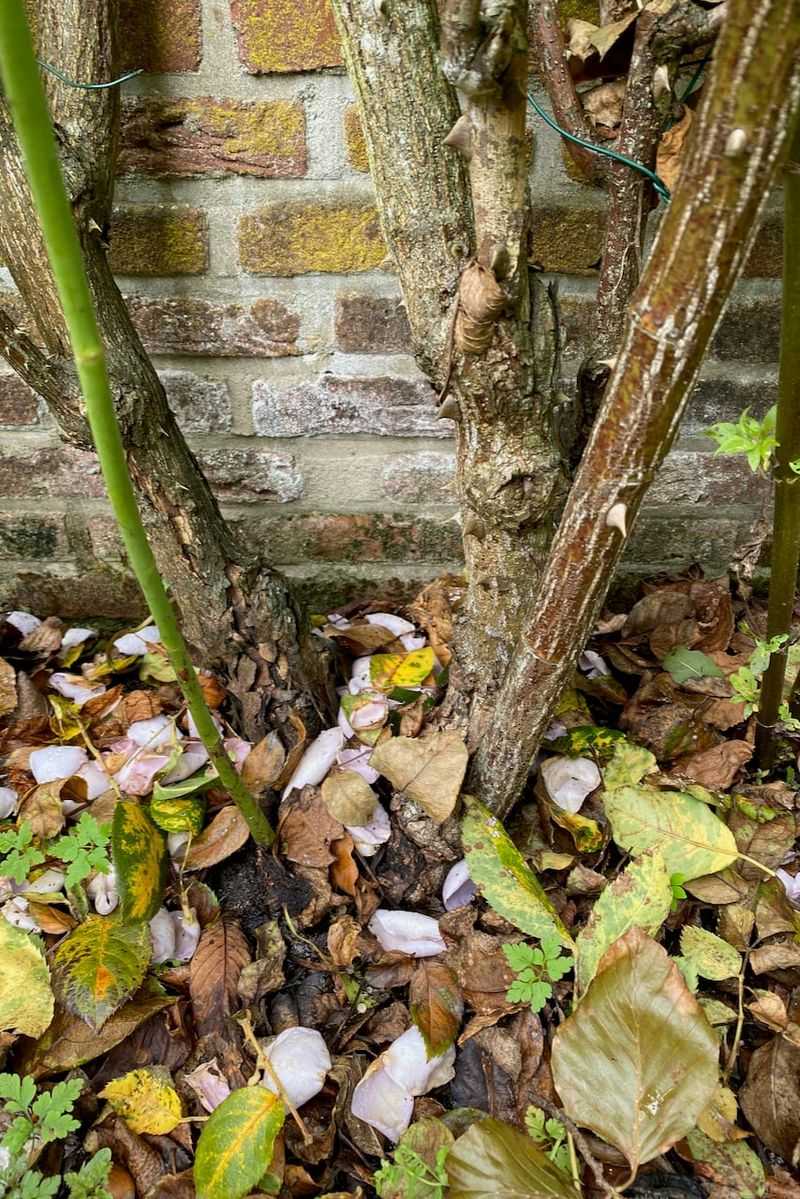
Daylight is the quiet signal roses watch most closely in autumn. As the sun sets earlier each evening, the plants begin shifting from growing to resting.
Cooler nights work alongside shorter days to push that change along.
During this slowdown, stems gradually firm up and the plant starts storing reserves in its canes and roots. Leaves may yellow and drop as the season moves on, which is a normal part of the process.
Gardeners sometimes worry when a rose looks tired in October. In most cases, that worn look simply means the plant is doing what it should for the coming cold.
Heavy pruning during this period can interrupt the natural wind-down.
Fertilizing late can have a similar effect, since extra nitrogen may encourage soft new growth. Many Extension guides suggest stopping fertilizer in mid to late summer, though exact timing depends on your area and the rose type.
Your Ohio Garden Changes Every Week. Your Plan Should Too.
Gardening in Ohio changes quickly throughout the season. Every Friday you’ll receive a simple weekly plan showing exactly what to plant, prune, fertilize, harvest, and protect so you never miss the right timing.
In northern Ohio, that cutoff often comes a bit earlier than in the southern part of the state.
Watering is a different story, and it still matters if fall turns dry.
Giving roses a deep drink during dry spells can help them go into winter in better shape. Beyond that, the most useful thing you can do now is step back and let the season guide your plants.
3. Rose Hips Can Remain On Plants Through Fall
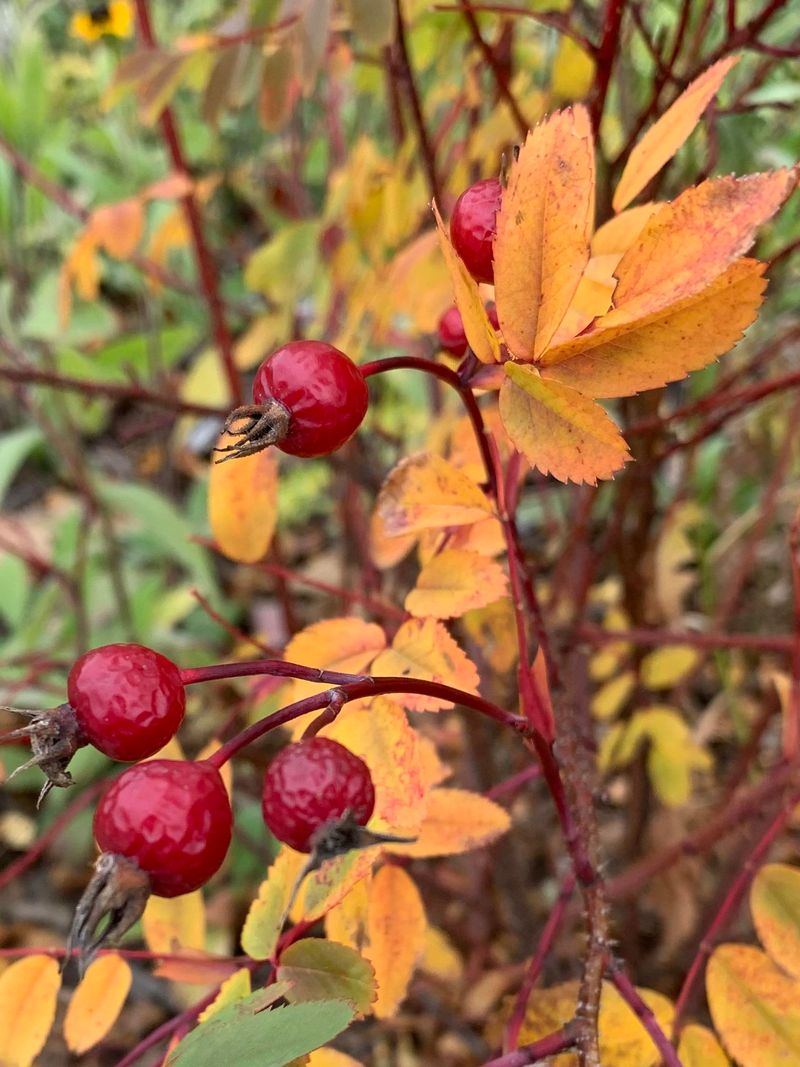
Bright orange and red hips can turn a plain fall rose bush into a real eye-catcher. They form when spent flowers are left on the plant instead of being snipped off.
Leaving those faded blooms in place is one easy way to help a rose settle down.
Many gardeners stop deadheading in late summer for this reason. When a rose starts forming hips, it often shifts away from pushing out new flowers, which fits the slower pace of fall.
Not every rose makes showy hips, so results can vary a lot.
Rugosa roses and many shrub and species roses produce large, colorful hips. Some modern hybrid teas with very full flowers may form small hips or hardly any at all.
Birds sometimes eat the hips during colder months, depending on what else is available. That can make your garden a little livelier when most plants in Ohio have gone quiet.
A few hips also add winter color against snow, which is a nice bonus during gray months.
If you prefer a tidy look, you can still remove some later in the season. Just try not to cut deep into the canes while doing it.
Snipping only the hip itself keeps the plant mostly intact until the bigger pruning job comes around.
4. Strong Winds Can Damage Long Unsecured Canes
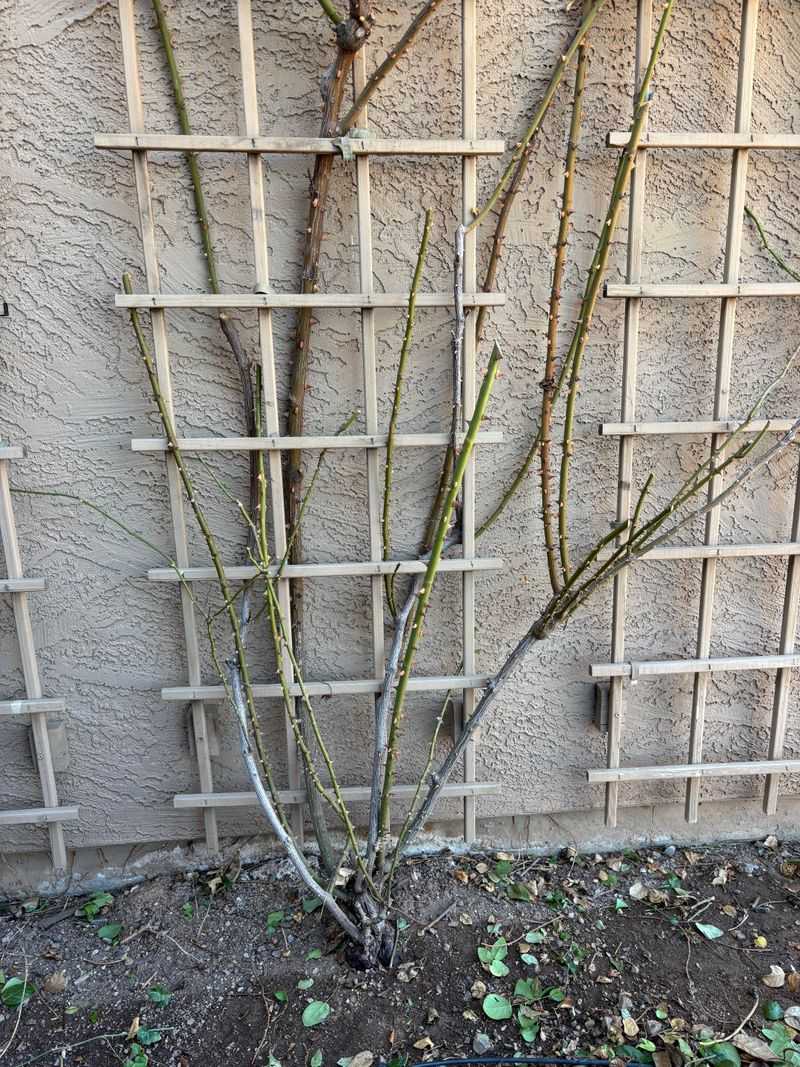
Picture a tall rose cane whipping back and forth in a November gust. Each swing can loosen the roots or rub the cane against other stems.
Wind rocking is a real concern for long canes once storms pick up in late fall.
Here is where a small, careful trim makes sense even before full dormancy. Shortening extra-long canes a little can lower the chance of the plant being tugged around by strong winds.
Keep that trim light and focused.
You are not shaping the bush or cutting it back hard. The goal is simply to reduce height enough that canes do not flop or snap during rough weather.
Climbing roses need a different approach, since their long canes are part of their structure. Tying them loosely to a trellis or fence with soft ties usually works better than cutting them down.
Open, exposed yards often feel the worst of winter wind, especially in flat areas of northwest Ohio.
Sheltered spots near buildings or fences may need little attention at all. Walk around your roses after a windy day and look for canes leaning or rubbing.
A quick fix with a soft tie or a small snip can prevent bigger problems down the road.
5. Wait Until After A Hard Frost To Shorten Vulnerable Stems
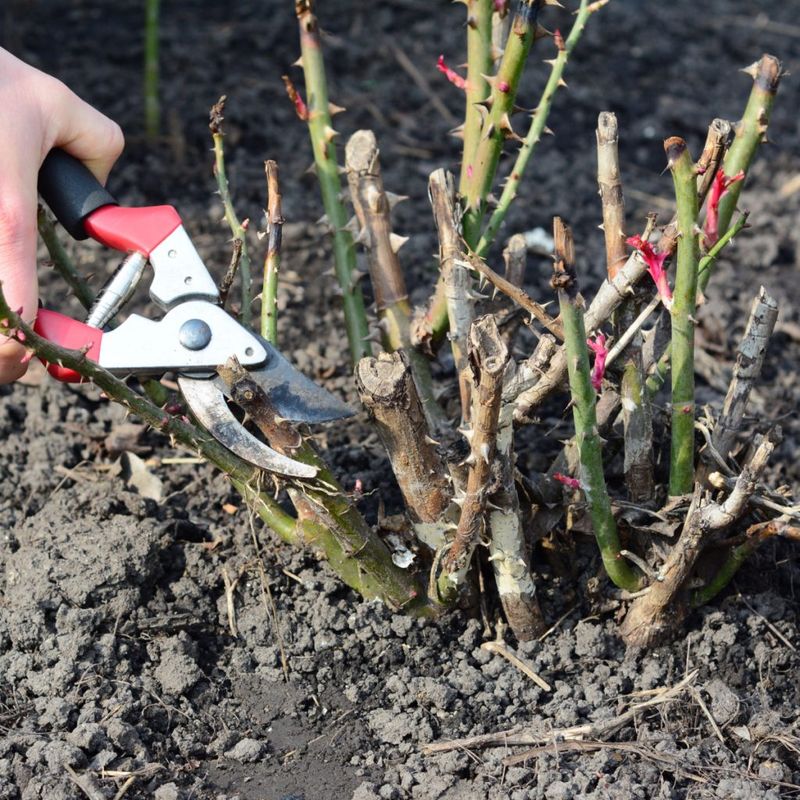
Frosty mornings tell you more than any calendar can. Once a hard freeze settles in, roses are usually well on their way into dormancy.
That is often the safer window for any modest stem shortening.
A light frost might only nip leaves, while a hard freeze typically stops active growth. After that point, a small cut is far less likely to trigger new shoots that could get damaged.
Timing for that first hard freeze differs across the state.
Gardeners in northern Ohio may see it weeks before folks near the southern border. Lake Erie can also delay frost along the shoreline, so even nearby towns may not match.
When the time comes, keep cuts moderate and leave plenty of cane for spring pruning. Winter can still cause some tip damage, and extra length gives you room to remove those parts later.
Clean, sharp pruners make smoother cuts that may heal more easily.
Wiping blades with a household disinfectant between plants can also help limit the spread of disease. Cutting just above an outward facing bud is a good habit, though this matters more in spring.
If you are unsure, doing less in fall is usually the more forgiving choice for your roses.
6. Clear Away Diseased Leaves Before Winter
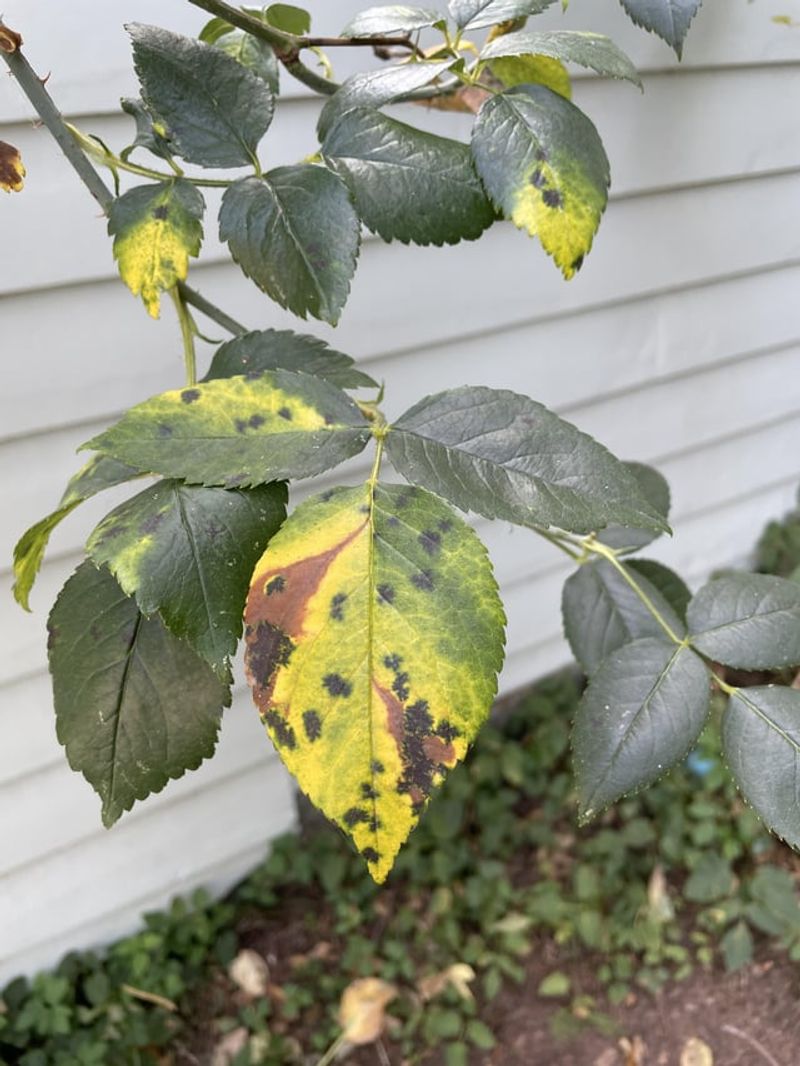
Black spot does not simply vanish when the weather cools. The fungus can survive winter on fallen leaves and infected canes.
Cleaning up under your roses is one of the most useful fall chores you can do.
Spotted, yellow leaves on the ground are a common sight in humid Ohio summers. Raking them up and bagging them removes a source of spores that might splash onto new leaves next spring.
Avoid tossing infected leaves into a home compost pile.
Small backyard piles often do not get hot enough to break down disease organisms reliably. Bagging the leaves or following your local yard waste rules tends to be a safer option.
Leaves still clinging to the plant can be picked off if they show heavy spotting.
Watch for canes with dark, sunken patches as well. Those may be signs of canker, though other problems can look similar.
Marking them for removal in spring is reasonable unless they are clearly broken or badly damaged now.
Fresh mulch spread after cleanup can add a tidy look and help protect roots. Keep it from piling against the canes, and remember that good air flow and resistant varieties also play a big role in reducing disease.
7. Save Major Pruning For Late Winter Or Early Spring
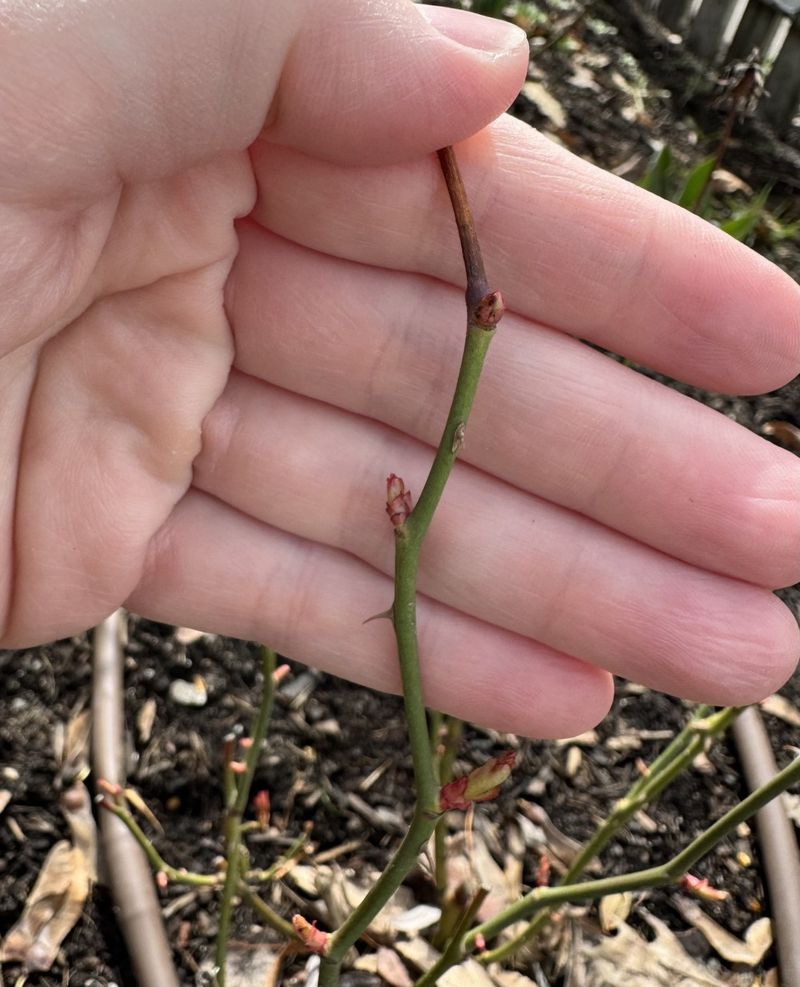
Swelling buds on bare canes are the real cue for a serious haircut. Most rose experts point to late winter or early spring as the best time for heavy pruning.
By then, you can see exactly which parts of the plant made it through the cold.
Winter often leaves some canes brown or shriveled at the tips. Cutting back to healthy green wood is much easier when the damage is visible.
Timing in Ohio usually follows the weather more than a set date.
Southern parts of the state may be ready earlier, while northern gardens often wait a bit longer. Watching for buds starting to swell is a helpful signal no matter where you live.
Variety matters too. Modern repeat bloomers like hybrid teas and many shrub roses respond well to spring pruning, while some old garden roses and once-blooming climbers flower on older wood.
Those once-bloomers are often pruned right after they finish flowering in summer.
Cutting them hard in spring could remove the stems that would have carried this year’s blooms. If you are unsure what type you have, checking the plant tag or asking your local Extension office can clear things up.
A little patience through the cold months usually leads to a stronger start once spring finally arrives.