Dark-Eyed Juncos Showing Up Under Indiana Feeders Are An Old Sign That Winter Is Close
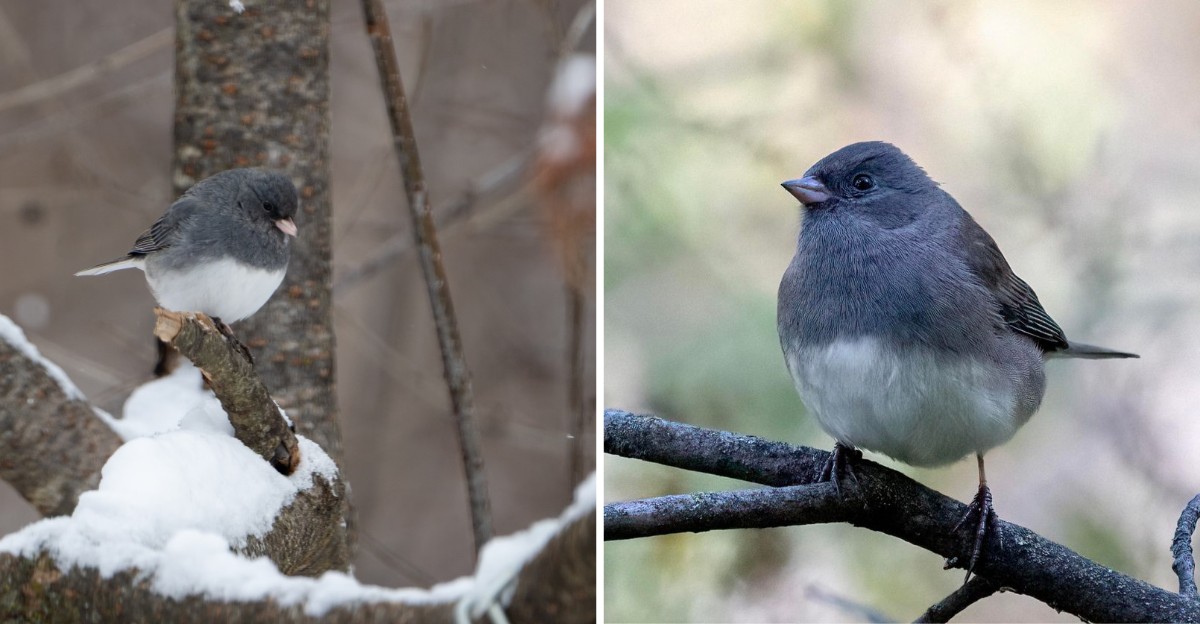
John James Audubon called a certain little gray bird a snowbird back in the 1800s, and the nickname stuck for good reason. Its scientific name even comes from a Latin word meaning wintry.
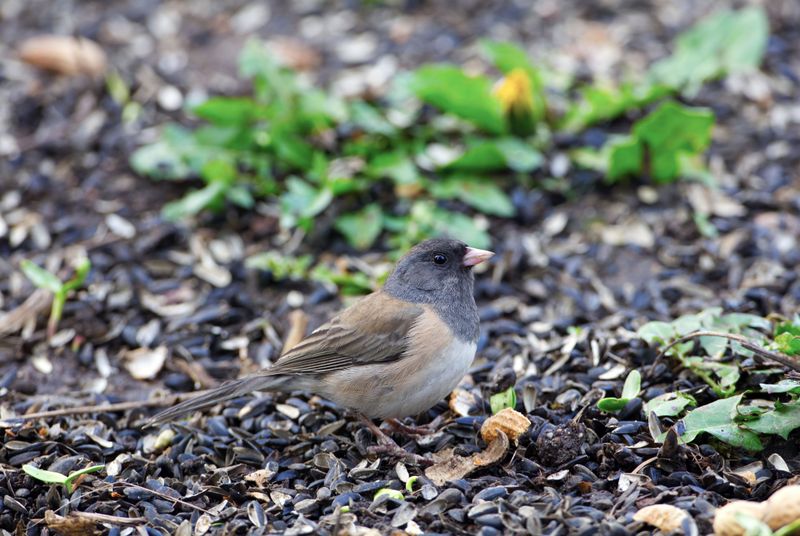
Every fall, this tidy visitor drops into Indiana yards from forests far to the north. It skips the fancy hanging feeders and shuffles around on the ground instead, picking up the seeds other birds spill. I like how it acts like the cleanup crew nobody hired.
For me, the first sighting is my cue to pull the hoses, stack firewood, and check the bird bath heater. You might already have one hopping under your feeder right now. Have you spotted that flash of white tail feathers yet?
Old-timers swore these birds carried snow on their backs. So how much of that old saying holds up, and what do they want from your backyard?
That Little Gray Ground Bird Has Traveled A Long Way To Reach You
A bird weighing less than an ounce may have flown from Canada just to sit under your feeder. Most dark-eyed juncos nest in northern forests across Canada, Alaska, and the far northern and mountain parts of the United States.
When fall arrives, many of them head south and spread across much of the lower 48 states. Indiana sits right in their main winter range, so nearly every county gets visitors. Most arrive in October and November, and they usually stay until about April.
I love knowing that the bird pecking at millet on my patio spent its summer in spruce and fir country. It makes a plain backyard feel connected to wild places far away.
You can track this movement yourself. Websites like eBird show junco sightings sweeping south each fall, almost like a slow gray wave rolling across the map.
Juncos also tend to return to the same wintering areas year after year. Banding studies have caught individual birds coming back to familiar spots more than once. That means the flock in your yard this winter could include a few returning regulars.
So when that first one appears, give it a little credit. Getting here took real effort.
Snowbird Folklore Holds Up Better Than Most Weather Sayings
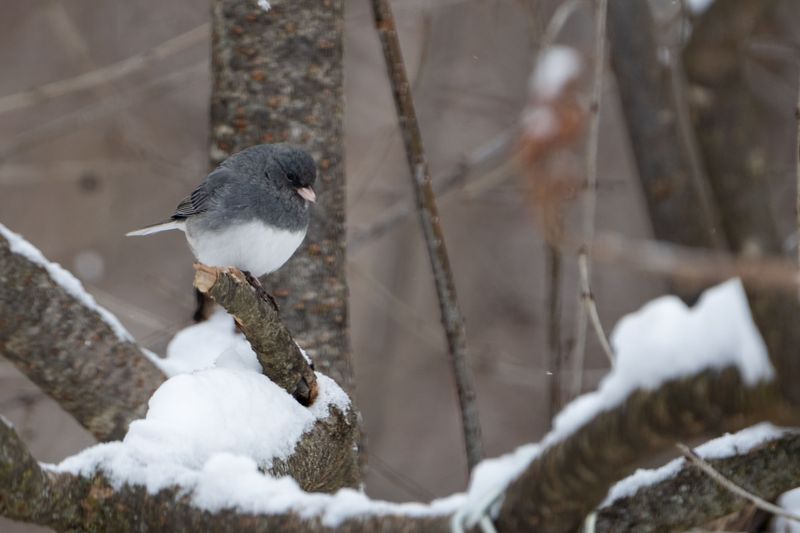
Grandparents across the Midwest used to say the snowbirds bring the snow. Surprisingly, that old saying gets the general idea right.
Juncos really do arrive as the season turns cold. Their species name, hyemalis, means wintry in Latin, and Audubon used the snowbird nickname in his writings. People noticed the pattern long before anyone banded birds or tracked migration online.
Still, a bit of honesty helps here. A junco cannot forecast the first snowfall or tell you how harsh the coming winter will be. Its arrival simply lines up with the calendar, since the birds move south each fall on a fairly steady schedule.
In other words, the junco is more like a clock than a weather report. When it shows up, you know late fall is here and winter weather is getting close.
Your Indiana Garden Changes Every Week. Your Plan Should Too.
Gardening in Indiana changes quickly throughout the season. Every Friday you’ll receive a simple weekly plan showing exactly what to plant, prune, fertilize, harvest, and protect so you never miss the right timing.
I find that reliability comforting. Weather apps change their minds every hour, but these birds keep the same yearly rhythm.
You can use their arrival as a handy garden reminder. Wrap up fall planting, mulch tender perennials, drain outdoor faucets, and bring in clay pots before hard freezes crack them. The snowbird saying works best as a nudge to get ready.
Scatter Millet On The Ground And Watch The Juncos Gather
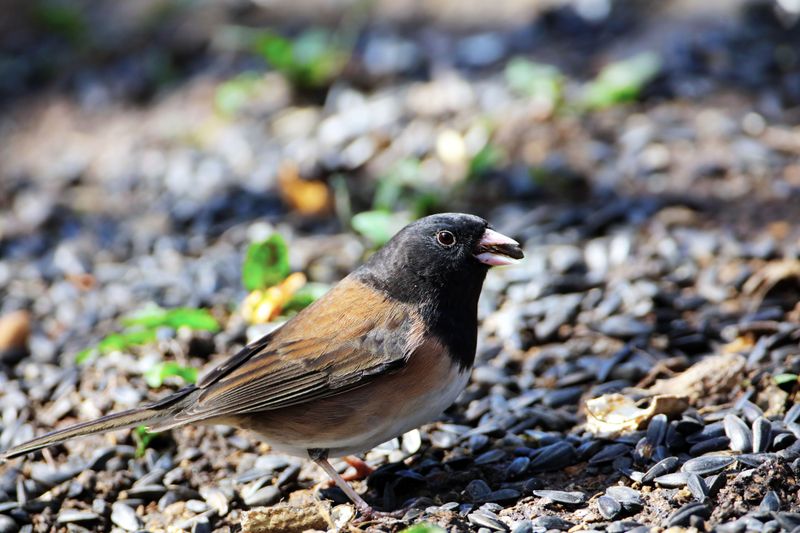
Hanging tube feeders rarely impress juncos. These birds are ground foragers, so they like their meals low and easy to reach.
White proso millet is a favorite. Finely cracked corn, hulled sunflower chips, and black oil sunflower seeds also work well. Toss a handful on a clear patch of ground, or use a low platform feeder a few inches off the soil.
A covered platform helps keep seed dry during snow and freezing rain. Wet seed can spoil and grow mold, so rake up old clumps and offer smaller amounts more often.
Placement matters too. Juncos feel safer near shrubs or a brush pile where they can dash for cover. Try to keep feeding spots about ten feet from dense hiding places cats could use, while still offering shelter nearby.
Your garden can feed them naturally as well. Leave seed heads standing on coneflowers, black-eyed Susans, little bluestem, and other native plants instead of cutting everything back in fall.
I skip a tidy fall cleanup now, and the juncos reward me by picking through those stems all winter. A little mess turns into a free buffet.
Watch For Those Flashing White Tail Feathers
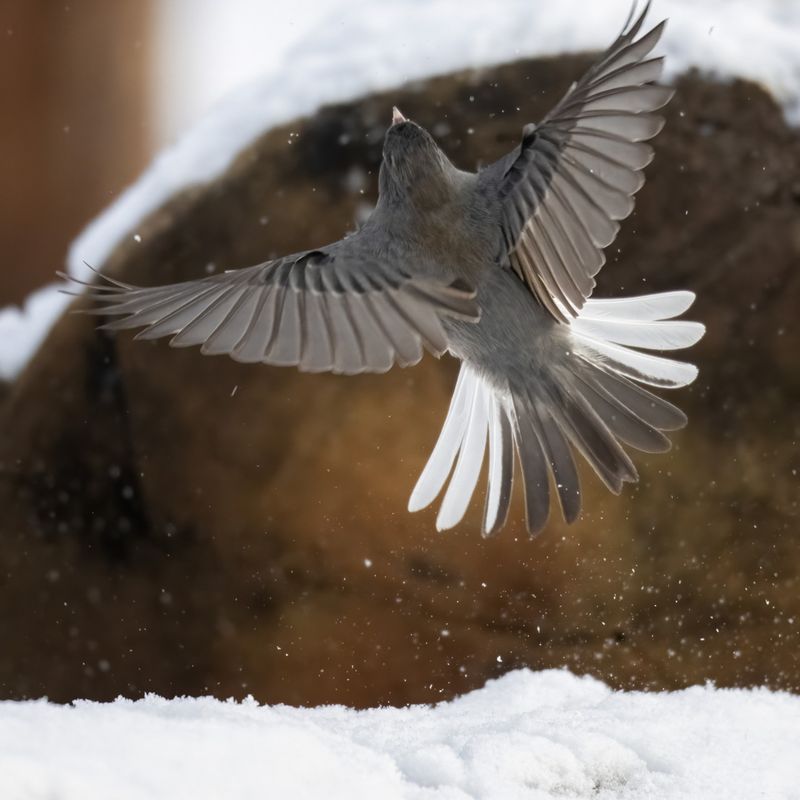
Spotting a junco gets easy once you know the trick. Watch for white flashes on the edges of the tail when the bird flies off.
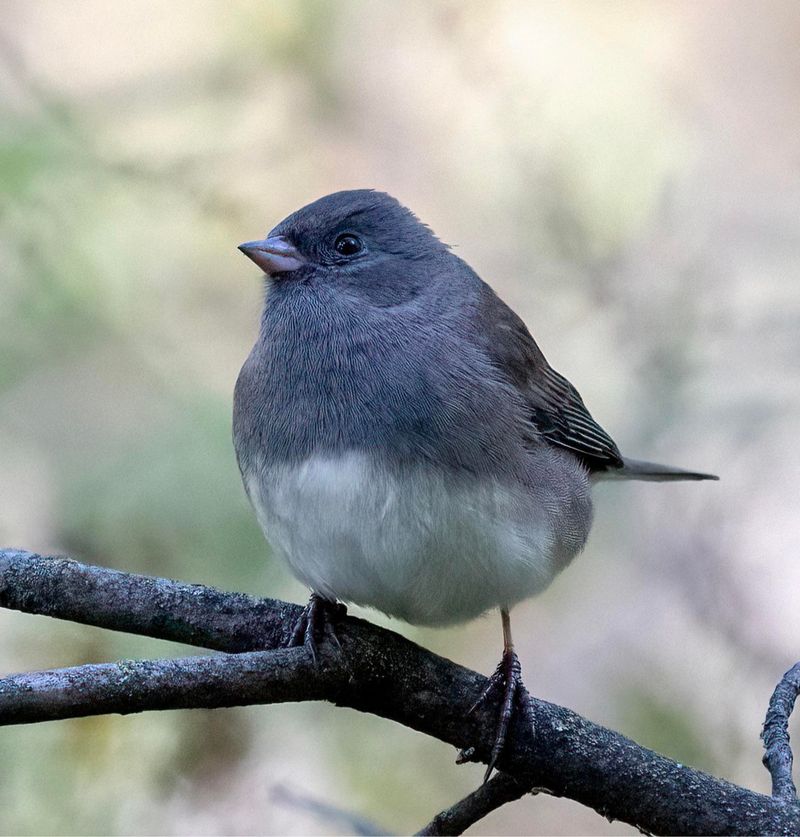
In Indiana, most visitors belong to the slate-colored form. Males wear dark charcoal gray on the head, back, and chest, with a clean white belly that looks like it was dipped in paint. Females and young birds usually look a bit browner or paler.
Look at the bill, too. It is small, cone-shaped, and pale pink, built for cracking seeds.
Those white outer tail feathers may help flock members keep track of each other or confuse a chasing hawk for a split second. Scientists still study exactly why they evolved, so treat that as a likely explanation.
Juncos come in several regional forms out west, such as the Oregon junco with its dark hood and rusty sides. Once in a while, one wanders east into the Midwest. That makes checking every flock a fun little treasure hunt.
Keep binoculars by the window. Kids especially enjoy calling out the tail flash, and it turns morning cereal into a quick bird lesson.
Junco Flocks Have Their Own Pecking Order Under Your Feeder
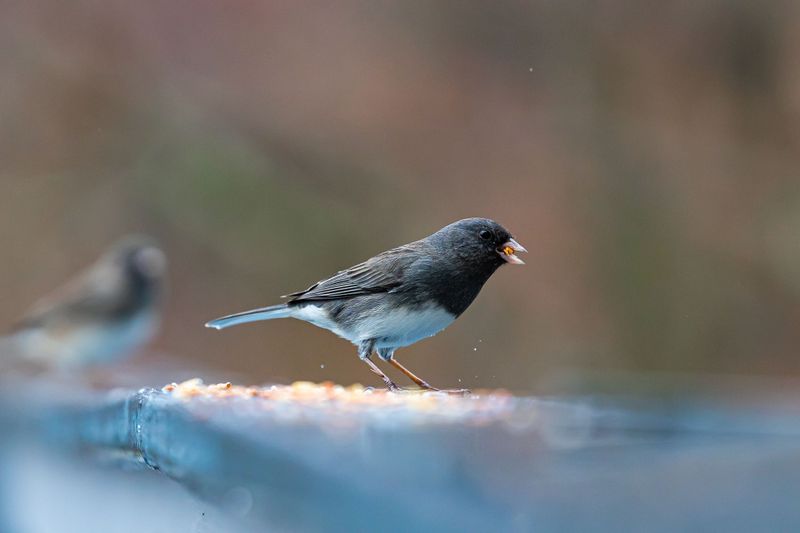
Grab a mug of coffee and watch closely, because there is drama happening in the snow. Juncos spend winter in flocks that often number from about six to thirty birds.
Each flock has a social ladder. Adult males usually rank highest, then young males, with females often lower. Higher-ranking birds claim the best seeds by fanning their tails, flicking wings, or making quick little lunges.
Research shows this ranking can affect where birds winter. Females tend to travel farther south than males, so the ratio of males to females in your yard may differ from flocks in other states.
You will often see juncos mixed in with other ground birds. American tree sparrows, white-throated sparrows, and cardinals frequently join them under feeders across Indiana.
Listen as well. Juncos make sharp tick and smack calls while feeding, and sometimes a soft twittering. On mild late-winter days, males may sing a fast musical trill.
Personally, I think this is the best free show of the season. Once you notice the bossy bird and the shy one in the back, you start recognizing personalities.
Shorter Days Tell The Snowbirds When To Fly South
Cold air feels like the obvious trigger, yet daylight plays the bigger role. Studies on juncos helped scientists learn how birds respond to changing day length.
As days shorten in late summer and fall, hormone changes prompt juncos to fatten up and grow restless at night. That restlessness helps push migration. Weather then fine-tunes timing, since many birds travel when cold fronts bring helpful north winds.
This is why their arrival feels so dependable. Day length changes on the same schedule every year, regardless of a warm October or an early cold snap.
Juncos also prepare their bodies for winter. Their feathers grow denser in fall, and they fluff up to trap warm air on frigid nights. At night, flocks often roost in thick evergreens or brush.
You can help by planting native evergreens like eastern red cedar or white pine where space allows. Dense cover blocks wind and gives small birds a safer place to sleep.
I find it amazing that a tiny bird reads the sky better than I read my calendar. Their timing reminds me to slow down and notice the season too.
Fresh Water And A Clean Feeding Area Keep Your Juncos Healthy All Winter
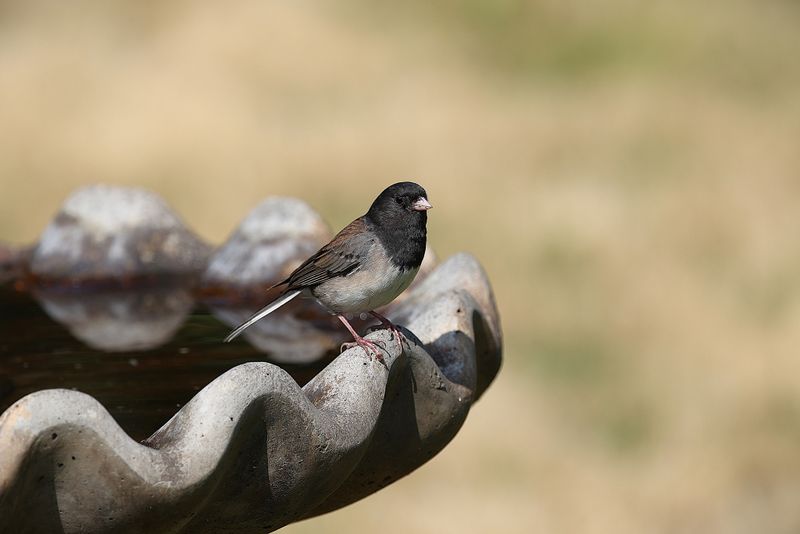
Food gets most of the attention, but water can be just as hard for birds to find in January. Frozen puddles leave few options when temperatures dip.
A heated bird bath solves the problem. Keep the water shallow, around one to two inches, and clean the basin regularly. Skip antifreeze or salt, since both can harm birds.
Clean feeding spots matter because ground-feeding birds can spread illness through droppings and moldy seed. Move scatter areas now and then, rake up hulls, and scrub platform feeders with a mild bleach solution every couple of weeks.
Keep cats indoors if you can. Ground feeders like juncos are easy targets, and outdoor cats take a huge toll on songbirds across the country.
Window strikes are another concern. Decals, screens, or feeders placed within three feet of glass help reduce collisions.
Finally, enjoy the visitors while they are here. Most juncos head north again by April, and their leaving becomes a cheerful hint of spring. Count them for Project FeederWatch or the Great Backyard Bird Count in February. Your sightings help scientists track these snowbirds for years to come.