Why Ohio Raised Beds Built With Native Soil Outperform Imported Mixes Over Time
Filling a raised bed sounds like the easy part of the whole project. You put soil in the box, you plant things, and then good stuff grows.
Simple, right? Not exactly.
The soil you choose for an Ohio raised bed has more influence over your garden’s long-term success than almost any other decision you will make, and a lot of gardeners only figure that out after a season or two of underwhelming results.
Bagged mixes feel great at first: light, fluffy, and full of promise.
But they can shift and compact over time in ways that create real problems for roots, moisture, and nutrient availability. Ohio’s native soil, blended thoughtfully with compost, can actually build something more durable and productive over time.
Here’s what to know before you start filling that box.
1. Native Soil Adds Mineral Structure
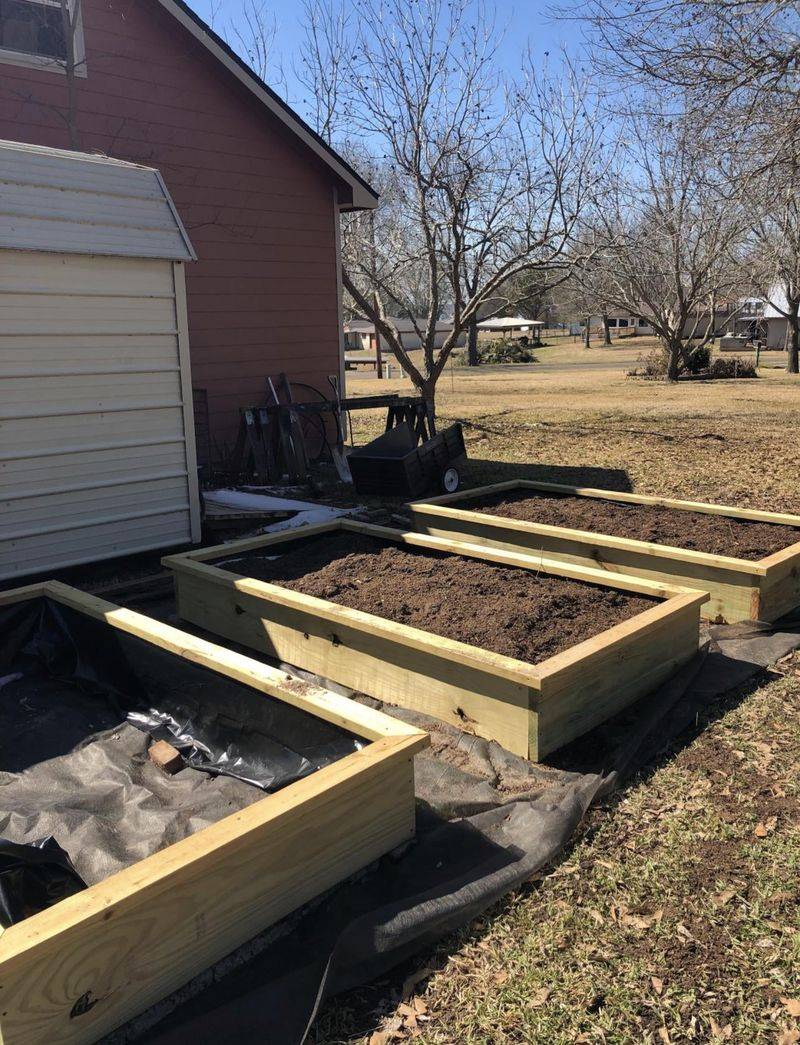
New raised beds often start with the best intentions but run into trouble when the filling material lacks real mineral structure.
In Ohio, native soil pulled from a safe, uncontaminated yard can bring something that bagged mixes often cannot replicate: a natural blend of sand, silt, and clay particles that gives the bed a stable physical foundation.
That mineral backbone helps roots anchor firmly and supports healthy drainage without letting the bed dry out too fast.
Mineral particles in native soil also interact with organic matter in ways that build lasting soil structure over time. As compost breaks down within a mineral-rich base, it creates aggregates that hold both air and water in the right balance.
Lightweight bagged mixes skip this process entirely, which can leave roots searching for stability.
Of course, Ohio native soil should be tested before use. Soils near older buildings, roadsides, or industrial areas may carry contaminants that make them unsafe for vegetable gardens.
When the soil is clean and reasonably workable, blending it with quality compost gives raised beds a mineral-rich base that keeps improving season after season rather than breaking down or compressing over time.
2. Compost Improves Soil Texture Over Time
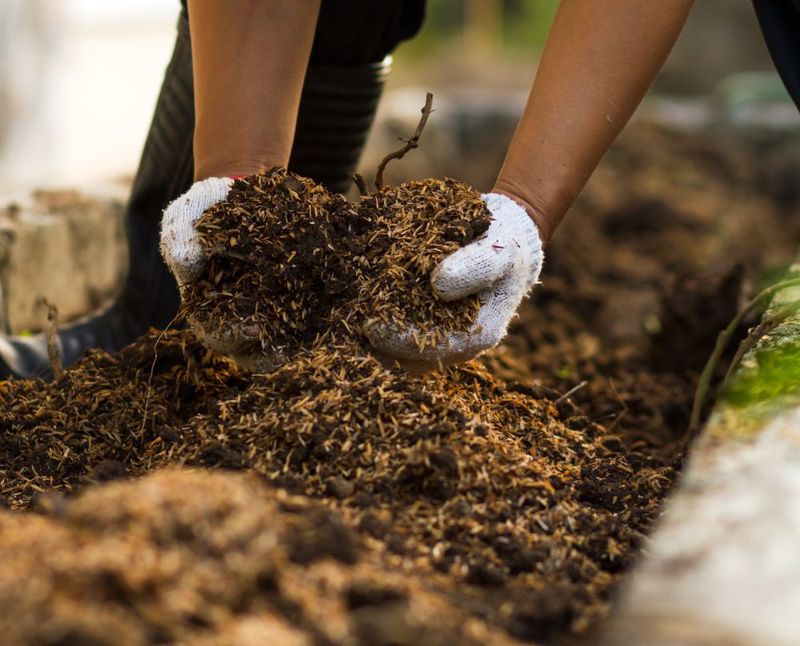
Watching a raised bed transform after a few seasons of compost additions is one of the quiet rewards of patient gardening. Compost does not just feed plants with nutrients.
It also changes how soil feels, drains, and holds water, which matters enormously in Ohio where summer heat can stress vegetable plants quickly.
When compost is blended into native mineral soil, the two materials work together in a way that neither can achieve alone.
Over time, compost breaks down into humus, a stable form of organic matter that binds mineral particles into loose, crumbly clumps. Those clumps create small pockets of air and moisture that roots love.
Gardeners who add a few inches of finished compost each spring tend to notice that their beds become easier to work and more forgiving during dry spells.
The key is balance. Adding compost every year without testing can eventually push nutrient levels out of range, particularly phosphorus, which builds up quickly in heavily amended beds.
Your Ohio Garden Changes Every Week. Your Plan Should Too.
Gardening in Ohio changes quickly throughout the season. Every Friday you’ll receive a simple weekly plan showing exactly what to plant, prune, fertilize, harvest, and protect so you never miss the right timing.
A modest annual top-dressing of one to two inches of compost, combined with occasional soil testing, keeps the texture improving without creating a nutrient imbalance that could limit plant growth in Ohio raised beds.
3. Soil Testing Prevents Guesswork
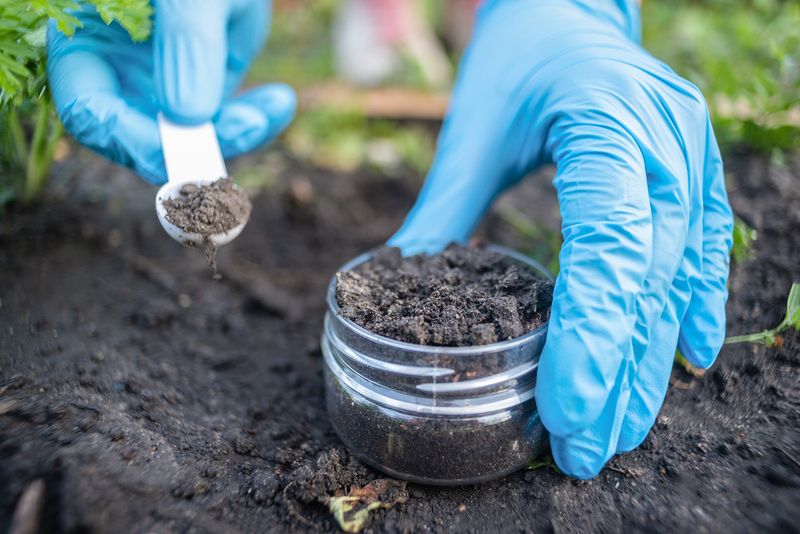
Guessing what your raised bed needs is one of the easiest ways to waste time and money in the garden.
Soil testing removes the uncertainty by giving gardeners a clear picture of what nutrients are present, what is missing, and whether the pH is in a range that vegetables can actually use.
Without that information, even the most carefully chosen soil blend can underperform simply because one or two key nutrients are out of balance.
Ohio has a network of soil testing resources that make this process straightforward and affordable. A basic test typically measures pH, phosphorus, potassium, and organic matter.
Results come with specific amendment recommendations tailored to what you plan to grow, which takes the guesswork out of fertilizing and liming decisions.
Testing is especially helpful before filling a new raised bed with native soil, since local soils can vary widely depending on location, land use history, and natural geology.
Clay-heavy soils common in western Ohio behave differently from the sandier soils found in other parts of the state.
Testing every two to three years after the bed is established helps gardeners stay ahead of slow-building problems like phosphorus buildup or pH drift before those issues affect harvest.
4. Mineral Soil Holds Moisture More Steadily
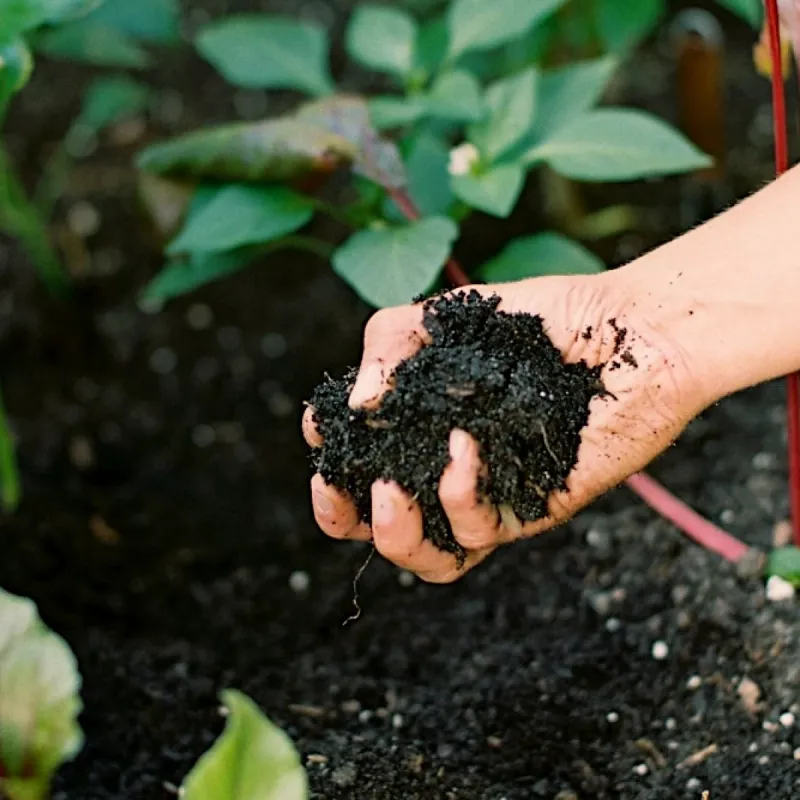
Summer can swing between heavy rain and weeks of dry heat, and a raised bed that cannot hold moisture steadily will struggle during both extremes. Mineral soil has a natural ability to buffer those swings better than many lightweight mixes.
The clay and silt particles in Ohio native soil hold onto water molecules and release them slowly, which keeps roots supplied during dry stretches without waterlogging during wet ones.
Bagged mixes made mostly from peat or bark-based materials can feel moist right after watering but dry out surprisingly fast in the summer sun.
Once those materials dry completely, they can also become hydrophobic, meaning water runs off the surface rather than soaking in.
That behavior makes consistent watering harder and can stress plants during Ohio’s warmer months.
Blending native mineral soil with compost gives a raised bed the best of both materials. The compost improves drainage and adds organic matter, while the mineral particles help retain moisture between waterings.
Mulching the surface of the bed with a thin layer of straw or shredded leaves adds another layer of moisture protection that works well in Ohio’s variable summer climate without requiring a complete overhaul of the soil mix.
5. Roots Help Improve The Bed Below

Something interesting happens in a raised bed once plants are established and growing well: the roots start doing some of the soil improvement work on their own.
As roots push downward through native mineral soil, they create small channels that improve drainage and aeration over time.
When roots from annual vegetables break down at the end of the season, they add a thin thread of organic matter directly into the soil profile, feeding the microbial life that keeps the bed healthy.
In Ohio, open-bottom raised beds placed over native soil give roots the freedom to explore far beyond the walls of the box.
Tomatoes, squash, and other deep-rooted crops can reach well below the raised bed itself, tapping into moisture and nutrients in the native soil below.
That extra rooting depth can make a noticeable difference during dry summers when surface soil dries out faster.
Roots from cover crops planted in the off-season are especially helpful. Daikon radishes, for example, send thick taproots deep into compacted soil, breaking up tight layers and improving structure.
Ohio gardeners who rotate cover crops through their raised beds over several seasons often notice that the soil becomes looser, more workable, and better draining without any mechanical intervention or expensive amendments.
6. Open-Bottom Beds Connect With Existing Soil
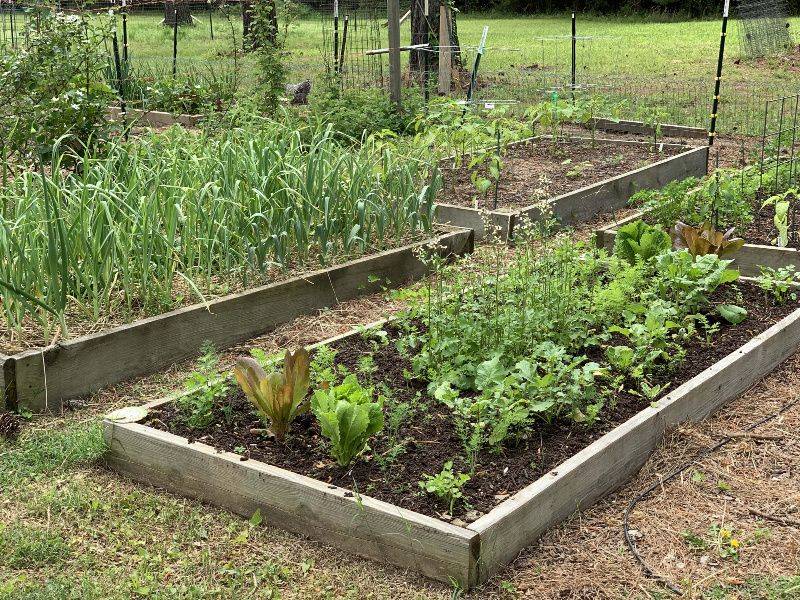
Raised beds built without a solid floor offer a quiet advantage that many gardeners overlook when they are focused on what goes inside the box.
An open-bottom bed placed directly on Ohio’s native soil creates a living connection between the imported or blended fill and the ground below.
That connection allows earthworms, beneficial fungi, and soil microbes to move freely between layers, which supports the biological activity that makes soil productive over time.
Drainage also improves significantly when a raised bed opens directly to the ground. Excess water from heavy Ohio rains can move downward into native soil rather than pooling at the bottom of a sealed container.
That movement prevents waterlogging and keeps roots from sitting in saturated conditions for too long, which is a common problem in raised beds placed over landscape fabric or solid bases.
Gardeners using open-bottom beds should still clear the area of persistent weeds or invasive grass before setting the frame in place. A layer of cardboard under the bed breaks down naturally within a season while blocking unwanted growth.
As the cardboard decomposes, it adds a small amount of organic matter to the soil below and allows roots and soil life to pass through freely, strengthening the connection between the raised bed and the native ground beneath it.
7. Lightweight Mixes Can Dry Out Quickly
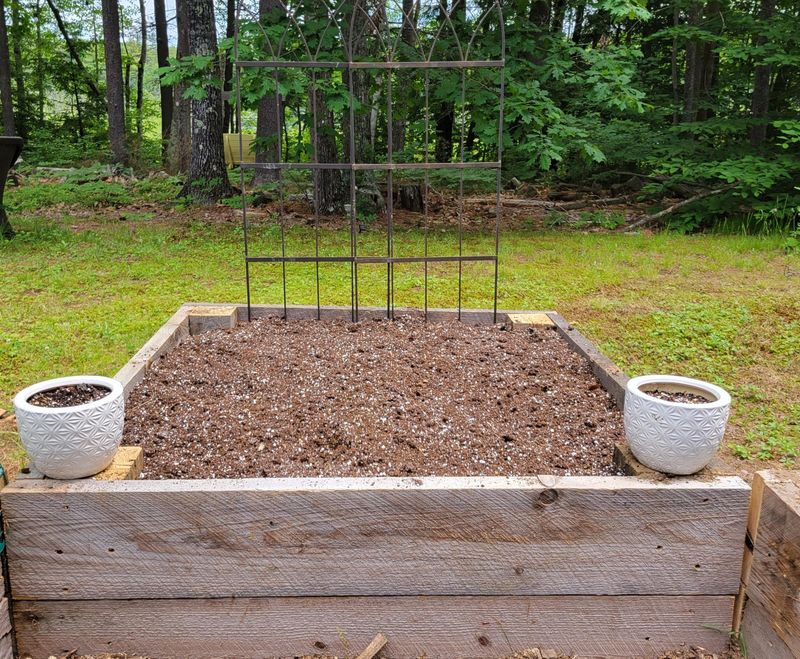
Bags of raised-bed mix at the garden center look appealing because they feel light, fluffy, and easy to work with. That texture is genuinely helpful when a bed is first planted, but it can become a liability as Ohio summers heat up.
Many commercial mixes rely heavily on peat moss, coir, or composted bark, materials that drain quickly but also lose moisture fast when temperatures rise and rainfall becomes inconsistent.
Peat-based mixes in particular can shrink noticeably over a single growing season. As the organic material breaks down, the volume of the mix decreases, sometimes by several inches.
Gardeners who fill a bed to the brim in spring may notice a significant drop in soil level by midsummer, which exposes roots and reduces the bed’s ability to hold water evenly.
This does not mean lightweight mixes are a poor choice across the board. Many work well for container growing or for gardeners who water frequently and consistently.
The issue arises in larger raised beds where maintaining even moisture across the entire surface is harder.
Blending a purchased mix with some mineral soil or quality topsoil can add weight, reduce shrinkage, and improve moisture retention without sacrificing the workability that makes those mixes popular among Ohio home gardeners.
8. Too Much Compost Can Create Problems
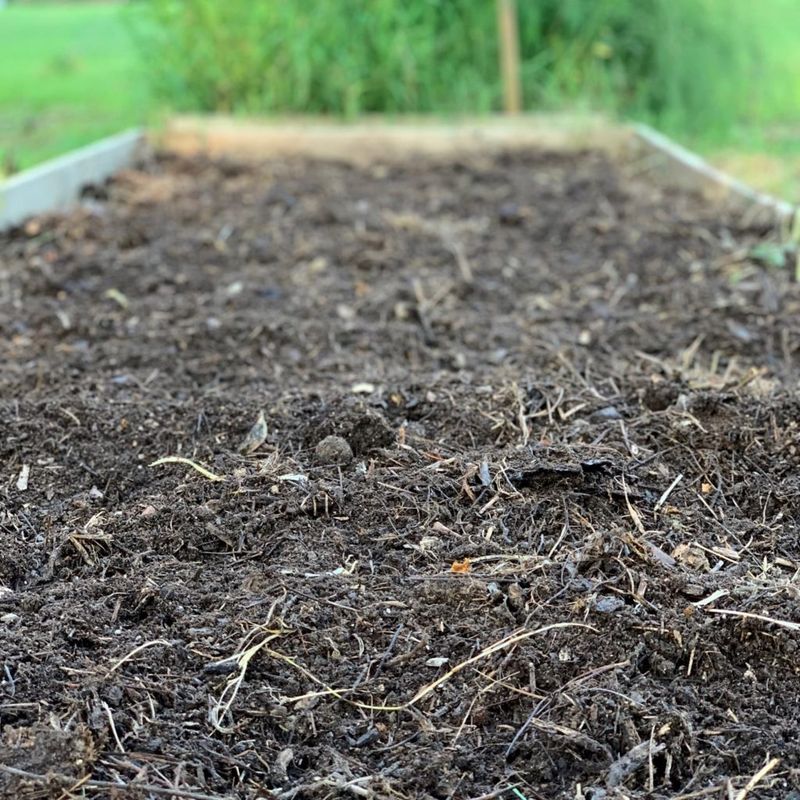
Compost has earned a well-deserved reputation as one of the most useful things an Ohio gardener can add to a raised bed.
However, adding too much of it too often creates a different set of problems that can be harder to spot and fix.
Heavily amended beds with very high organic matter percentages can develop nutrient imbalances, particularly elevated phosphorus levels, that interfere with how plants absorb other minerals.
Phosphorus does not leach out of soil easily, so it builds up over time when compost is added every season without testing.
High phosphorus can block plants from taking up zinc, iron, and other micronutrients, leading to deficiency symptoms even when those nutrients are present in the soil.
Gardeners sometimes chase these symptoms with more amendments, which can make the imbalance worse rather than better.
Very high organic matter content can also affect drainage and soil temperature. A bed that is mostly compost may stay cooler in spring because organic material holds moisture and reflects less heat than mineral soil.
In Ohio, where spring soil temperatures matter for seed germination and early transplant establishment, a mix that is too heavy in organic matter can slow things down unexpectedly.
Keeping compost additions moderate and testing periodically helps maintain a healthy, balanced raised-bed environment.
9. Long-Term Beds Need Yearly Soil Care
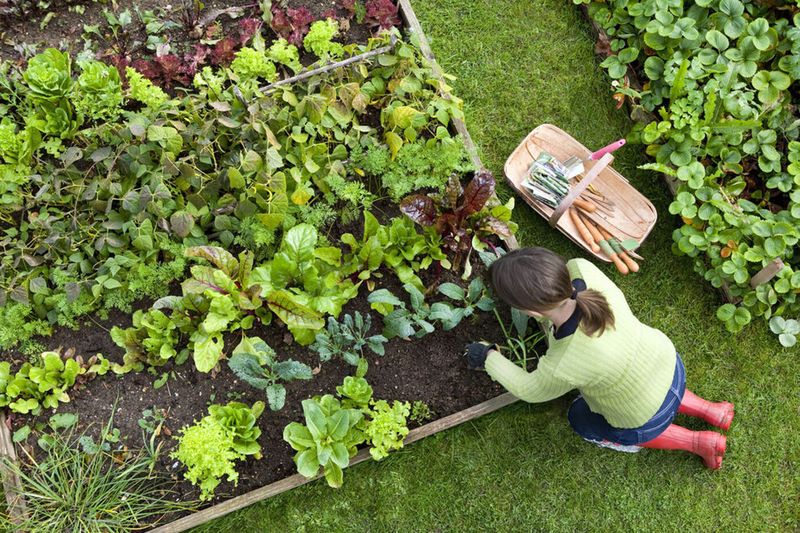
A raised bed that performed beautifully in its first season will not maintain that quality on its own. Soil is a living system, and like any living system, it needs regular attention to stay in good shape.
Ohio gardeners who invest in yearly soil care tend to see their beds improve steadily rather than plateau or decline after the first few seasons of heavy vegetable production.
Yearly care typically includes topping off the bed with one to two inches of finished compost in early spring, which replaces organic matter lost to decomposition and plant uptake during the previous season.
Checking soil level and adding a small amount of quality topsoil or blended mix when the volume has dropped significantly keeps the bed at a productive depth.
Rotating what you plant in each section of the bed also helps prevent nutrient depletion in specific spots.
Periodic soil testing, perhaps every two to three years, gives gardeners the information they need to make smart decisions rather than routine ones. Some years a bed may need lime to raise pH.
Other years it may need nothing more than compost and a good mulch layer. Paying attention to how the bed looks, drains, and supports plant growth from one season to the next is one of the most reliable ways to keep an Ohio raised bed productive for many years.