Why Oregon Squirrels Dig Up Newly Planted Bulbs
Nothing is more frustrating than carefully planting bulbs for a future spring display, only to find disturbed soil and missing treasures a short time later.
That fresh garden bed you worked so hard on may have already caught the attention of a curious visitor.
Squirrels are drawn to newly planted areas for reasons that go beyond simple digging. Loose soil, fresh scents, and hidden underground surprises can turn a tidy planting spot into an irresistible investigation zone.
The tricky part is that the damage often happens before there is anything to see above ground.
By the time the first signs appear, the bulbs may already have been moved, uncovered, or discovered. A few small changes around your planting routine can make a big difference.
Understanding what attracts squirrels in the first place gives you a better chance of protecting the flowers you are waiting to enjoy. That spring color starts with what happens now, long before the first blooms appear.
1. Squirrels Are Searching For Hidden Food Stores
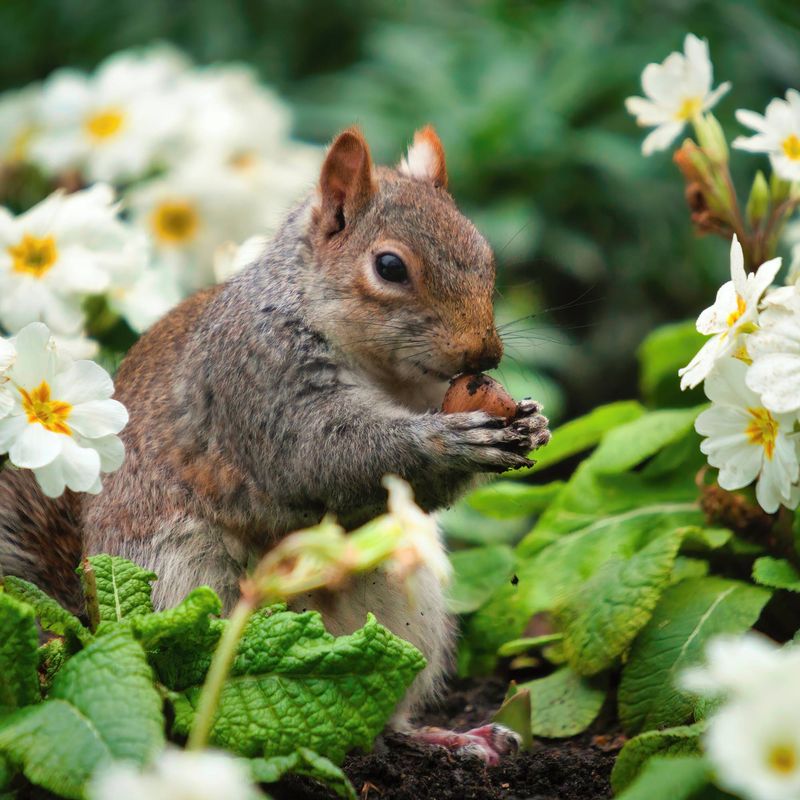
Every fall, squirrels kick their survival instincts into high gear. They spend weeks running back and forth, burying nuts, seeds, and other food so they have something to eat during the cold winter months.
This behavior is called caching, and it is completely natural for them.
Here is where things get tricky for gardeners. When a squirrel smells something that seems edible underground, it does not stop to check whether it belongs to you.
It simply digs. Tulip and crocus bulbs contain starches and sugars that smell appealing, especially to a hungry animal preparing for winter.
Squirrels in Oregon are remarkably good at remembering where they buried things. But they also check areas where other animals or even other squirrels may have buried food.
A freshly planted garden bed sends signals that something valuable might be hidden below the surface. They are not trying to ruin your garden on purpose.
They are just doing what their instincts tell them to do. Knowing this makes it easier to approach the problem with a practical mindset rather than frustration.
You can work with their behavior instead of against it by making your garden less interesting to their food-seeking instincts.
2. Freshly Turned Soil Makes Bulbs Easier To Find
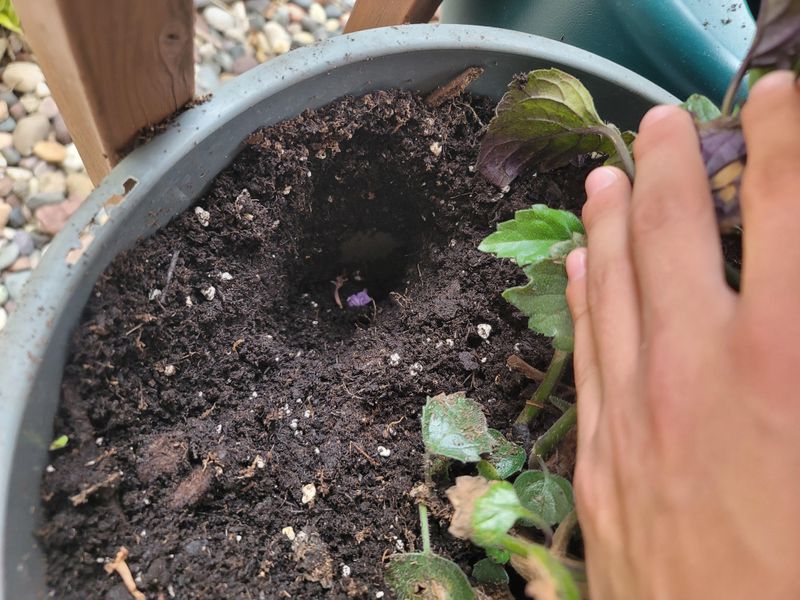
There is something about freshly dug soil that acts like a flashing sign for squirrels. When you plant bulbs, you loosen and turn over the earth, which releases all kinds of underground scents into the air.
Squirrels pick up on these smells almost immediately.
Loose soil is also much easier to dig through than packed ground. A squirrel can move through freshly worked garden beds in seconds.
Compare that to hard, compacted soil where digging takes real effort. Your newly planted bed is basically a soft, fragrant treasure chest from a squirrel’s point of view.
The scent of disturbed soil can linger for days after planting. Even if you try to smooth the surface and make it look undisturbed, the smell underground tells a different story.
Your Oregon Garden Changes Every Week. Your Plan Should Too.
Gardening in Oregon changes quickly throughout the season. Every Friday you’ll receive a simple weekly plan showing exactly what to plant, prune, fertilize, harvest, and protect so you never miss the right timing.
Rain can intensify these scents even further, making bulbs easier to detect. One helpful tip is to water your garden thoroughly right after planting.
This helps settle the soil and can reduce the strong scent signals that attract squirrels. Pressing the soil down firmly after planting also helps close up air pockets that carry smell to the surface.
It is a small step, but it can make a real difference in how quickly squirrels zero in on your new plantings.
3. Some Bulbs Are More Attractive Than Others
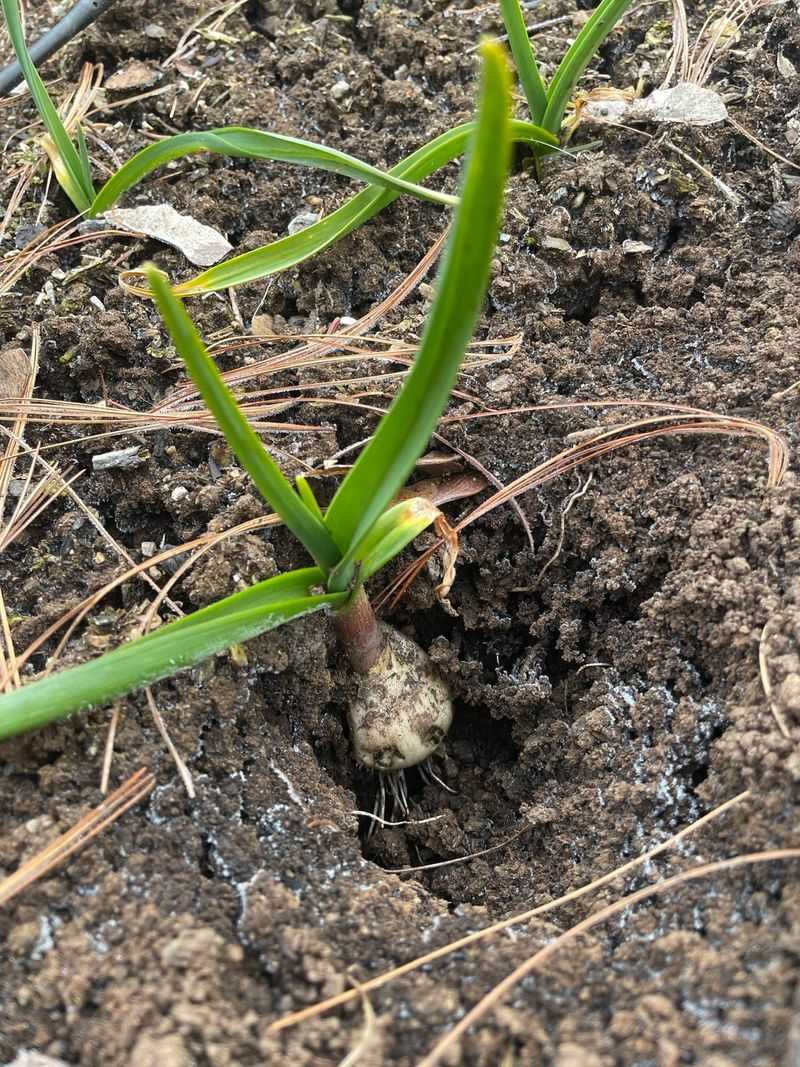
Not all bulbs are equally tempting to squirrels. Some, like tulips and crocuses, are practically irresistible.
Others, like daffodils and alliums, tend to get left alone. The difference comes down to taste, smell, and the chemicals each bulb contains.
Tulip bulbs are starchy and mildly sweet, making them a desirable snack. Crocus bulbs are small and easy to carry off, which makes them a favorite target too.
Squirrels will gobble these up or stash them for later without a second thought. On the other hand, daffodil bulbs contain a toxic compound called lycorine.
Squirrels seem to sense this and usually avoid them entirely.
Alliums, which include ornamental onions and garlic, also get skipped over most of the time because of their strong smell. Hyacinths fall somewhere in the middle.
They are not as popular as tulips but still get dug up occasionally. Knowing which bulbs attract the most attention can help you plan your garden more strategically.
If you live in an area with heavy squirrel activity, consider planting more daffodils and alliums as a natural deterrent. You can still grow tulips and crocuses, but pairing them with less appealing bulbs may help confuse and redirect foraging squirrels away from your most prized plantings.
4. Planting Depth Can Make A Big Difference
Depth matters more than most people realize when it comes to protecting bulbs. Squirrels are opportunistic diggers.
They tend to go after the easiest targets first. If a bulb is only a couple of inches underground, it is very easy to sniff out and retrieve quickly.
Planting bulbs deeper gives them a better chance of going unnoticed. Most gardening guides recommend planting tulip bulbs at a depth of about six to eight inches.
At that depth, the scent has a harder time reaching the surface, and the squirrel has to work much harder to get to it. That extra effort can be enough to send them looking elsewhere.
Deeper planting also helps bulbs in other ways. It protects them from temperature swings and gives them a more stable environment to develop strong roots.
Oregon winters can be unpredictable, and a well-planted bulb is better prepared to survive the season. Always follow the recommended planting depth for each bulb type.
Some smaller bulbs like crocuses are typically planted three to four inches deep, while larger tulips and daffodils go deeper. Using a bulb planter tool can help you get consistent depth across your garden bed.
Consistent depth makes a big difference in both squirrel resistance and overall plant health come springtime.
5. Loose Mulch Can Make Digging Easier
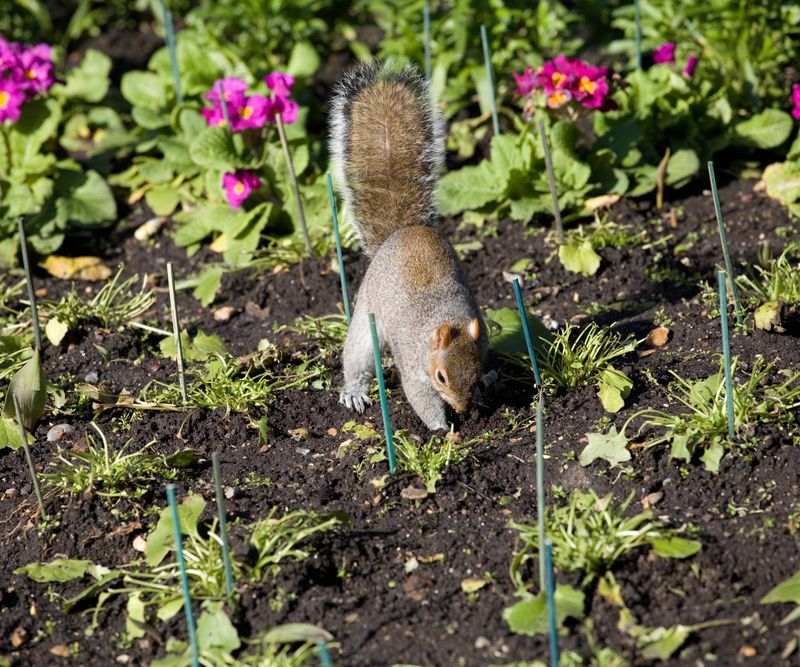
Mulch is wonderful for your garden in many ways. It holds moisture, regulates soil temperature, and breaks down to feed the soil over time.
But there is a downside when it comes to squirrels. Loose mulch layers can actually make it easier for them to dig.
A thick layer of light, fluffy mulch gives squirrels a soft entry point. They can move it aside quickly and reach the soil beneath without much effort.
Wood chips, shredded leaves, and straw are common examples of mulch types that offer little resistance to a determined digger. This does not mean you should stop using mulch altogether.
It means you need to think about how you apply it.
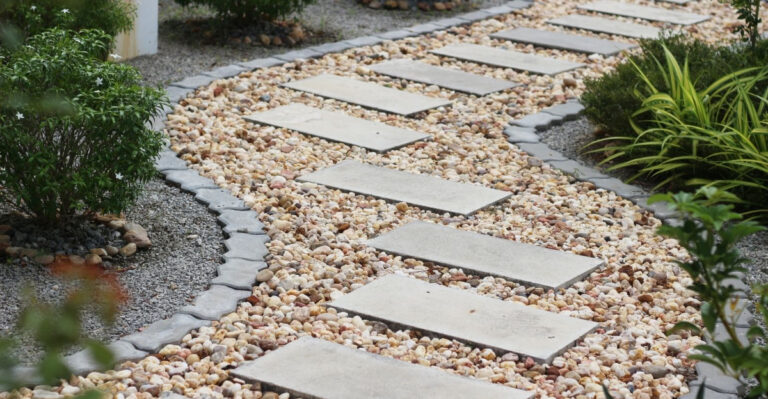
One strategy is to use a heavier mulch material, like gravel or river rock, on top of your bulb beds. These materials are harder to move and less comfortable for squirrels to dig through.
You can also lay a layer of hardware cloth beneath your mulch and above the soil to create a physical barrier. Another option is to use a finer, more compact mulch that packs down tightly and does not shift as easily.
Combining mulch with other protective methods gives you the best results. No single approach works perfectly on its own, but layering your defenses makes it much harder for squirrels to reach your bulbs.
6. Squirrels Often Return To The Same Spots
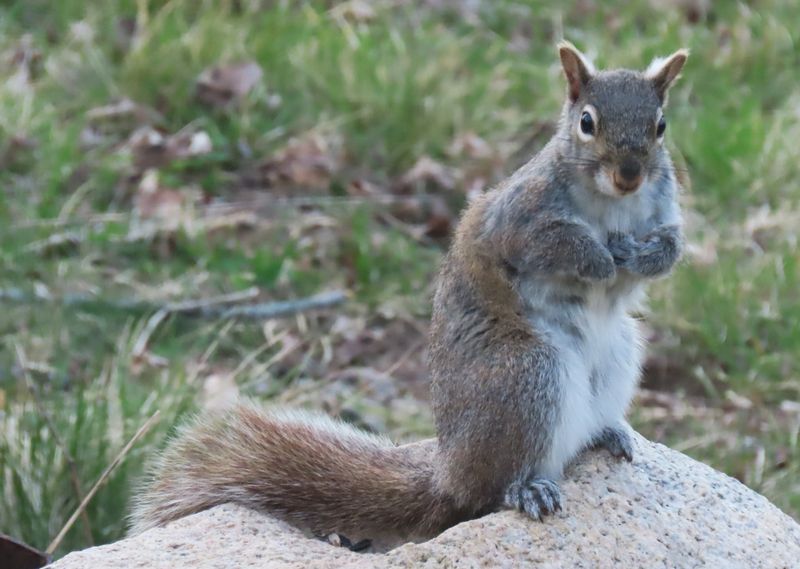
Once a squirrel finds food in a certain spot, it remembers that location. Squirrels have surprisingly good spatial memory, which helps them return to places where they have successfully found food before.
If one bulb was easy to find in your garden, the squirrel will likely come back looking for more.
This repeat-visit behavior is one of the most frustrating things about squirrel activity in the garden. You might replant a bulb, only to have it dug up again within a day or two.
The squirrel is not being stubborn. It is simply following a learned pattern that has worked for it in the past.
Breaking this cycle requires changing the conditions that made your garden attractive in the first place. Repellents can help here.
Sprinkling cayenne pepper or using a commercial squirrel repellent spray around the affected area can discourage return visits. Some gardeners report success with predator scents like fox urine, which signals danger to squirrels.
Rotating where you plant each season can also help, since the squirrel’s mental map becomes less useful when the layout changes. Staying consistent with your deterrent efforts matters most.
Squirrels are persistent, but so are good gardeners. With a little patience and the right combination of strategies, you can make your garden a less appealing destination for repeat visitors.
7. Protective Barriers Can Save New Plantings
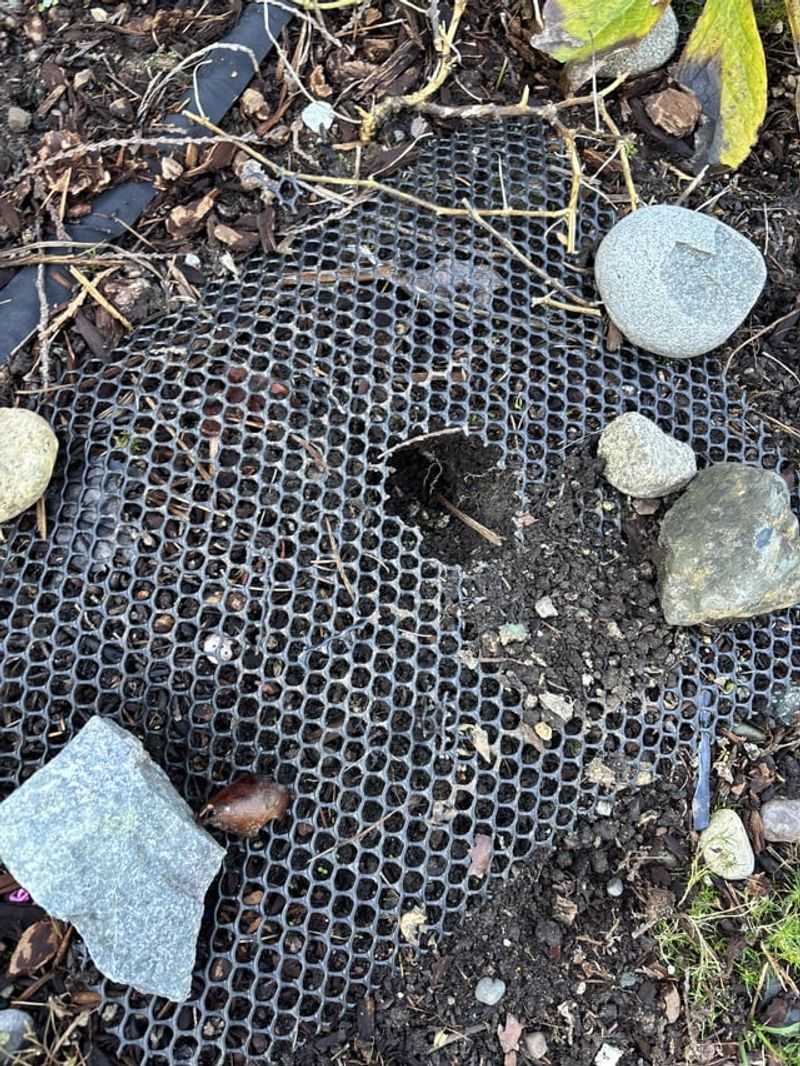
Physical barriers are one of the most reliable ways to keep squirrels away from your bulbs. Unlike sprays or repellents, a well-placed barrier does not wear off in the rain or need to be reapplied.
It simply sits there and does its job season after season.
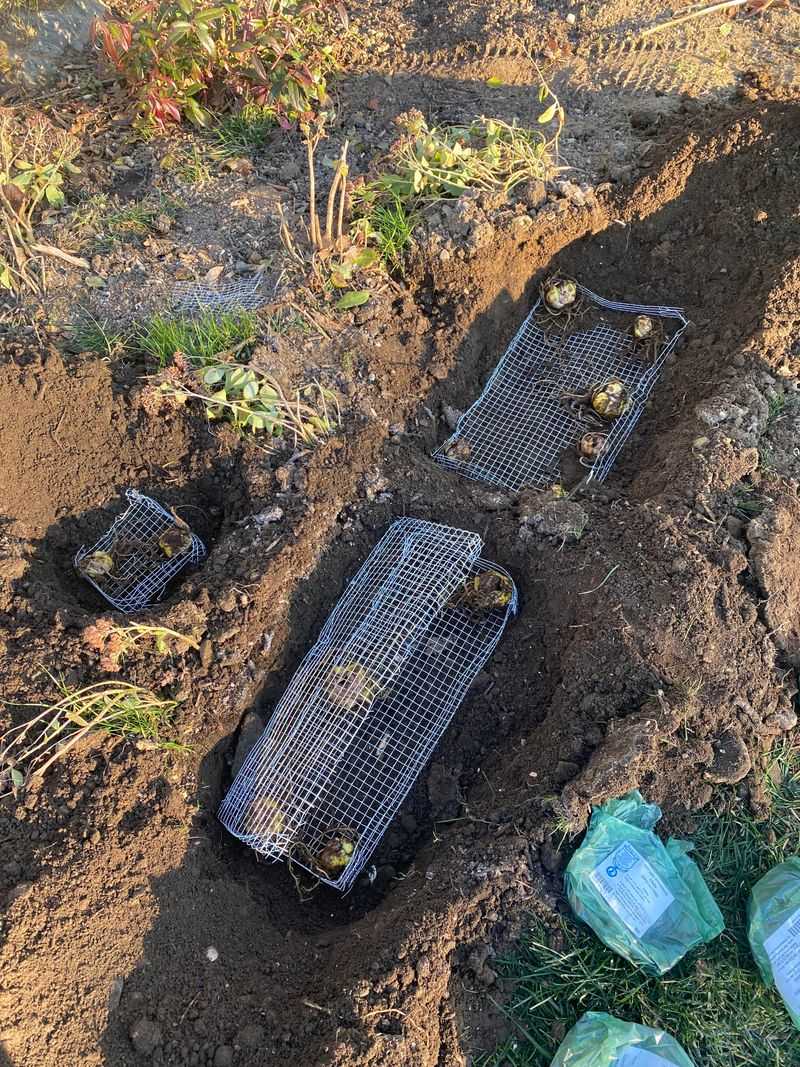
Hardware cloth is the most popular choice among experienced gardeners. It is a stiff wire mesh that you can cut to fit any size bed.
After planting your bulbs, lay the hardware cloth flat over the soil and secure the edges with garden staples or rocks. The mesh openings are small enough to block squirrels but still allow your plants to grow through in spring.
Chicken wire is another option, though it is more flexible and slightly easier for determined squirrels to push aside. For raised beds, you can line the bottom and sides with hardware cloth before filling them with soil to create a fully protected planting zone.
Some gardeners use wire cages placed directly around individual bulb clusters for extra protection. Plastic netting is a lighter alternative, but it tends to be less effective because squirrels can chew through it more easily.
Whatever barrier you choose, make sure it extends a few inches past the edge of your planting area. Squirrels will probe the perimeter looking for weak spots, so a generous overlap helps close off any gaps they might exploit.
8. Certain Planting Choices Are Less Appealing
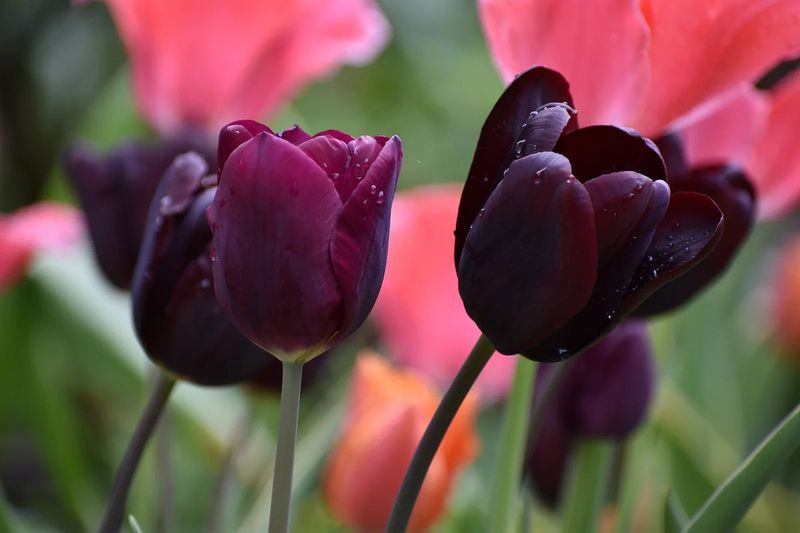
Smart plant selection can be one of the easiest long-term solutions to the squirrel problem. Choosing bulbs that squirrels naturally avoid means less work for you and fewer losses each season.
Several popular bulbs fall into this category, and many of them are just as beautiful as the ones squirrels love to target.
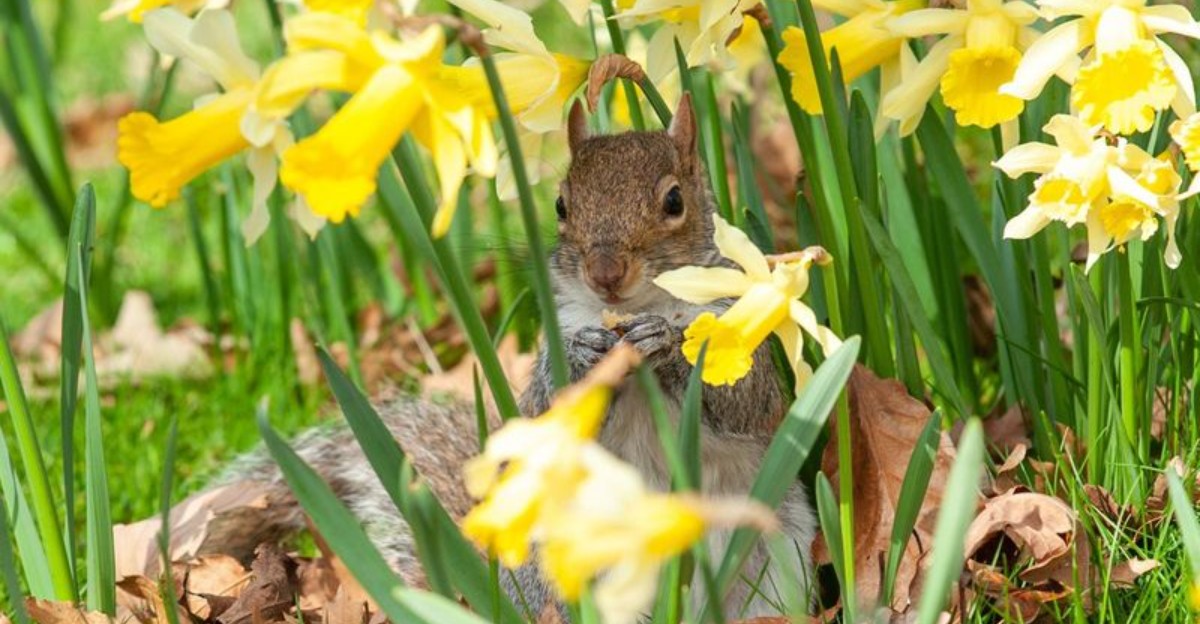
Daffodils are the gold standard of squirrel-resistant bulbs. They contain compounds that make them unpleasant to eat, so squirrels almost always leave them alone.
Alliums are another great pick. Their onion-like scent is a strong deterrent, and they come in a wide range of sizes and colors.
Fritillaria is worth mentioning too. Some species have a musky scent that squirrels find off-putting, making them a clever addition to any bulb garden.
Snowdrops and grape hyacinths are also reported to be less popular with squirrels, though results can vary depending on how hungry the local population is. Mixing resistant bulbs with more vulnerable ones like tulips can help confuse squirrels and reduce overall losses.
Planting tulips in the center of a ring of daffodils, for example, creates a natural buffer zone. Over time, you can experiment to find the right combination for your specific yard and local squirrel population.
Building a garden that is naturally less appealing takes some planning, but it pays off in fewer headaches each fall.
9. Fall Is When Bulb Theft Usually Peaks
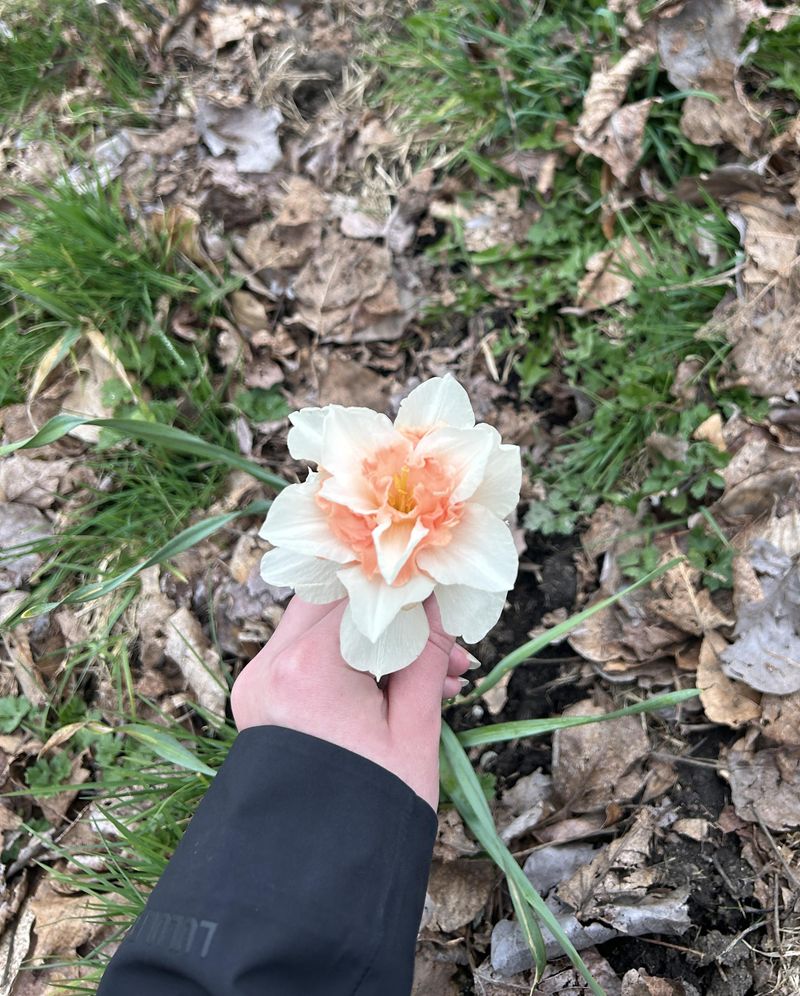
Timing has everything to do with why squirrels are so active around your bulbs. Fall is the season when squirrels go into overdrive, collecting and storing as much food as possible before winter sets in.
This is also the exact time of year when most gardeners are busy planting their spring bulbs.
The overlap is not a coincidence. It is just bad luck.
Squirrels are biologically programmed to search for and store calorie-rich food sources during this window, and freshly planted bulbs fit that description perfectly. The cooler temperatures and shorter days trigger this foraging frenzy, making squirrels bolder and more persistent than they are at other times of year.
Oregon falls can be rainy and mild, which keeps squirrels active longer than in colder climates. They may continue foraging well into November, long after gardeners have put away their tools for the season.
Planting your bulbs as late in the fall as possible can help reduce the overlap with peak squirrel activity. Bulbs can go in the ground right up until the first hard frost, so waiting until late October or early November in Oregon gives them a better shot at being left alone.
Combining late planting with physical barriers and repellents gives you the strongest defense during this high-risk season.