The Bindweed Removal Mistake Oregon Gardeners Make That Multiplies It Every Single Time They Try
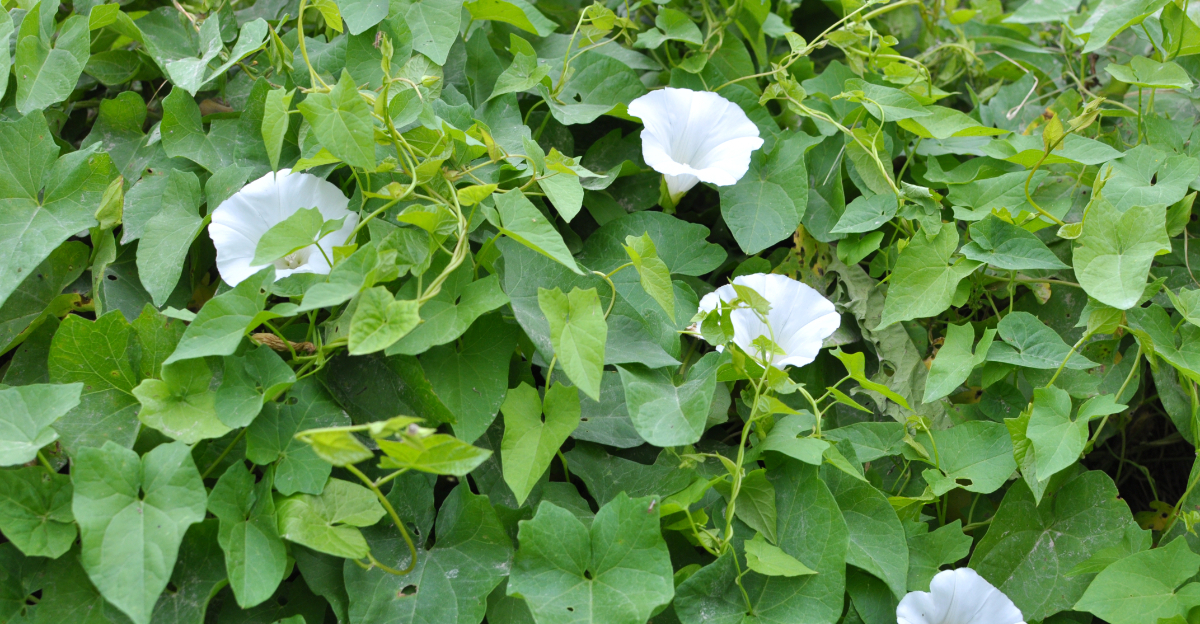
Bindweed is the garden villain that treats bad removal like a personal growth plan. Oregon gardeners often make it worse by yanking or tilling it too aggressively.
Every broken bit of root left behind can turn into another round of leafy chaos. That means one satisfying pull can quietly create a whole new bindweed problem.
Rude, persistent, and wildly committed, this weed does not reward shortcuts. The trick is not brute force, but patient, repeated weakening.
You have to stop it from feeding the roots, catch regrowth early, and avoid spreading pieces around the yard. Before you attack the vines like they owe you money, know the mistake that helps them multiply.
Bindweed may be stubborn, but smart removal can finally make the comeback less dramatic.
1. The Mistake Is Yanking Bindweed Hard
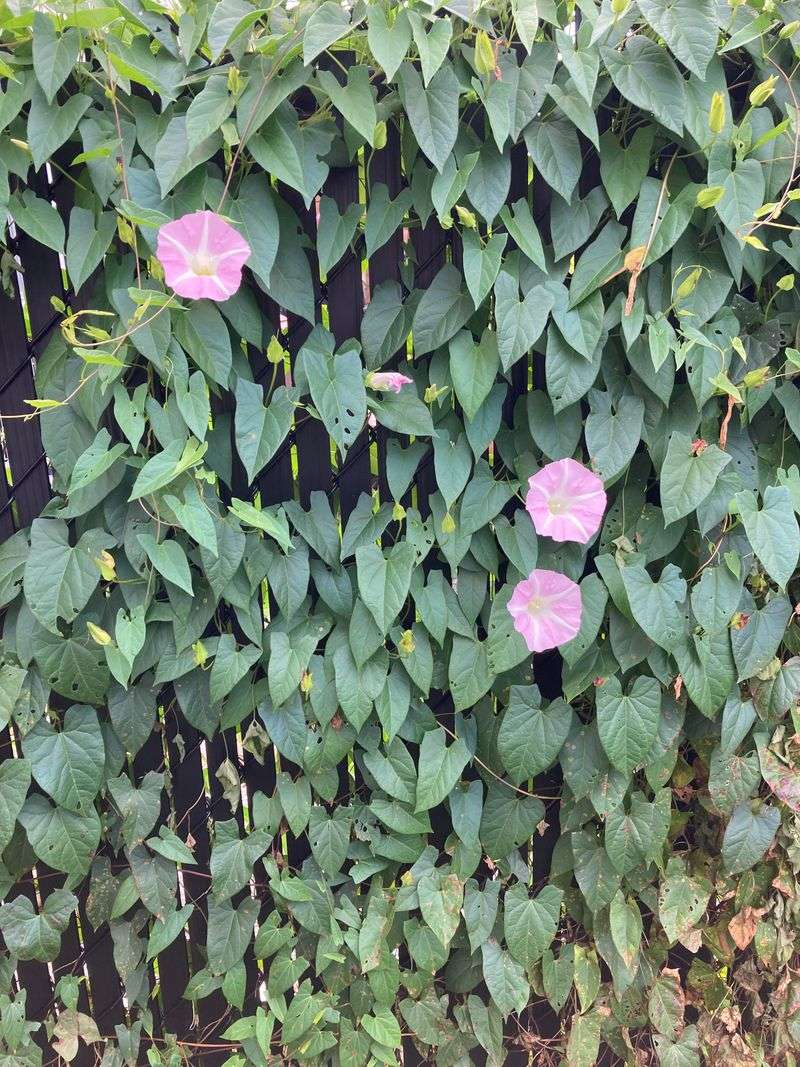
Most gardeners reach down, grab a handful of bindweed, and pull as hard as they can. It feels satisfying in the moment, like you are actually doing something.
But that strong tug almost always snaps the root instead of pulling it free, and that is where the real trouble begins.
Bindweed roots are long, white, and surprisingly brittle. They can run several feet deep and branch out in many directions.
When you yank hard, the vine tears away from the root, leaving most of the root system completely intact underground.
Worse, the snapped root ends send out signals that trigger new growth. Each break point becomes a potential new sprout.
A single hard pull can leave behind dozens of broken root ends, all ready to push new shoots up through the soil within days.
Oregon gardeners notice the weed comes back thicker after they pull it. That is not bad luck.
That is the direct result of aggressive pulling. The plant is not punishing you.
It is simply doing what its biology is built to do when stressed.
Changing this habit is the first and most important step. Slowing down and being more deliberate makes a huge difference.
The goal is not to rip the plant out fast. The goal is to remove as much root as possible without snapping it into pieces that will just resprout and spread further through your garden beds.
2. Broken Roots Come Back Fast
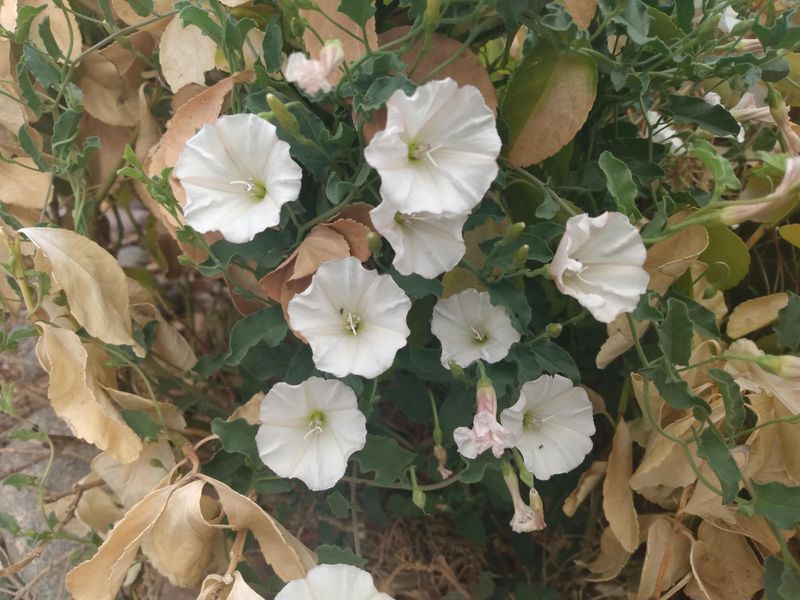
Bindweed has a superpower that most weeds do not have. Every broken piece of root left in the soil can grow into a completely new plant.
This is called vegetative reproduction, and it is the main reason bindweed spreads so aggressively when gardeners try to pull it out.
The roots store energy in the form of carbohydrates. Even a tiny two-inch piece of root has enough stored energy to push a new shoot up through the soil.
That new shoot will grow quickly and start the whole cycle over again within a matter of weeks.
Studies on bindweed have shown that root pieces as small as two inches long can successfully regenerate. That is a very small margin for error when you are trying to remove it by hand.
Your Oregon Garden Changes Every Week. Your Plan Should Too.
Gardening in Oregon changes quickly throughout the season. Every Friday you’ll receive a simple weekly plan showing exactly what to plant, prune, fertilize, harvest, and protect so you never miss the right timing.
One slightly careless pull and you have already created several new plants without even realizing it.
Speed is the enemy here. The faster you try to remove bindweed, the more likely you are to snap roots and leave pieces behind.
Patience is genuinely the most effective tool you have when dealing with this weed.
Think of it like untangling a long necklace chain. Rushing only makes more knots.
Taking your time and following the root carefully without forcing it gives you a much better chance of removing a long, intact section. Long intact roots cannot resprout.
Broken ones almost always do, and the cycle continues.
3. Tiny Root Pieces Can Resprout
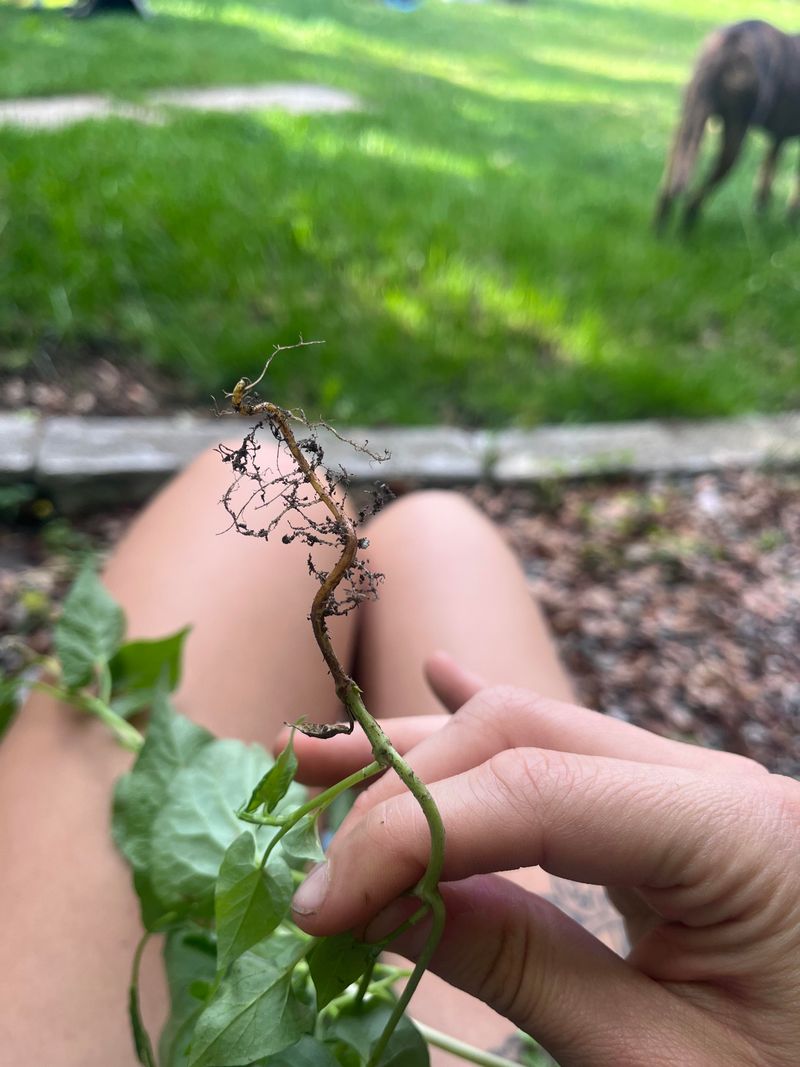
Here is something that surprises most gardeners when they first hear it. A bindweed root piece the size of your pinky finger can grow into a full new plant.
You do not need to leave a big chunk of root behind for the problem to continue. Even the smallest fragments are enough.
When you till the soil, use a hoe aggressively, or pull vines without tracing the roots, you are essentially chopping the root system into dozens of tiny pieces. Each piece gets buried in loose soil and has everything it needs to start growing again.
Tilling is one of the fastest ways to make a bindweed problem much worse.
Gardeners in Oregon who till their beds in spring often notice a dramatic explosion of bindweed just a few weeks later. They think a new batch of seeds germinated.
In reality, they chopped and spread their existing root system all over the bed.
Root pieces can also hitch a ride on shovels, boots, and garden tools. If you move soil from an infested area to another part of the yard, you may be transporting bindweed roots without knowing it.
Always clean your tools after working in an area where bindweed is present.
Being aware of just how small a piece needs to be to cause trouble changes the way you approach removal entirely.
Slow, careful extraction is the only method that actually reduces the problem over time rather than spreading it further.
4. Dry Soil Makes Snapping Worse
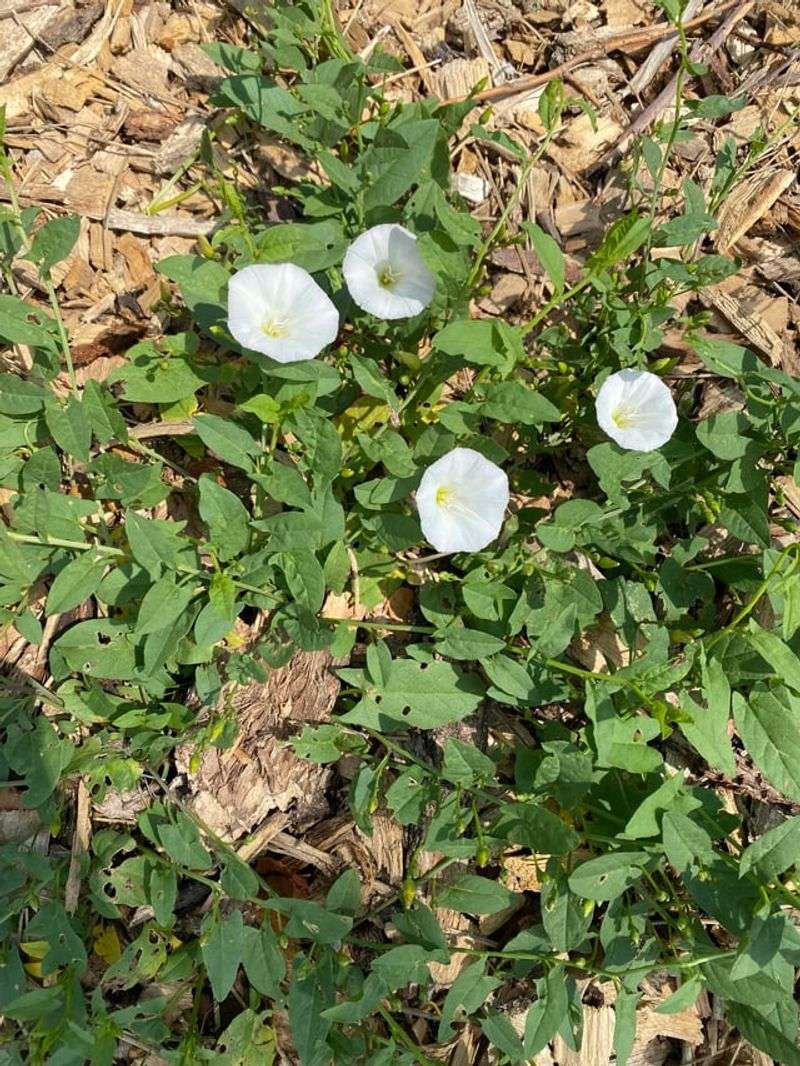
Timing your removal efforts around soil moisture is one of the most underrated tricks for dealing with bindweed.
Dry soil grips roots tightly, and when you pull against that grip, the root snaps much more easily than it would in moist, loose soil.
Most gardeners pull weeds whenever they spot them, regardless of whether the soil is wet or dry.
On a hot summer afternoon with cracked, dry soil, you are almost guaranteed to snap bindweed roots every single time.
The soil acts like cement around the root, holding it firmly in place while the top of the plant tears away.
Moist soil is completely different. After a good rain or a deep watering, the soil becomes soft and loose.
Roots slide out more easily because there is less friction and resistance holding them in place. You can follow the root deeper and remove a longer section intact.
A simple trick is to water the area thoroughly the evening before you plan to do your bindweed removal. Let the water soak in overnight.
By morning, the soil will be soft enough to work with, and your chances of pulling out a long, unbroken root are much higher.
Gardeners who make this one small change often report noticeably better results right away. Less snapping means fewer root pieces left behind, which means fewer new plants sprouting in the weeks that follow.
Soil moisture is one of the easiest variables you can control, so use it to your advantage every time.
5. Pulling Tops Only Buys A Little Time
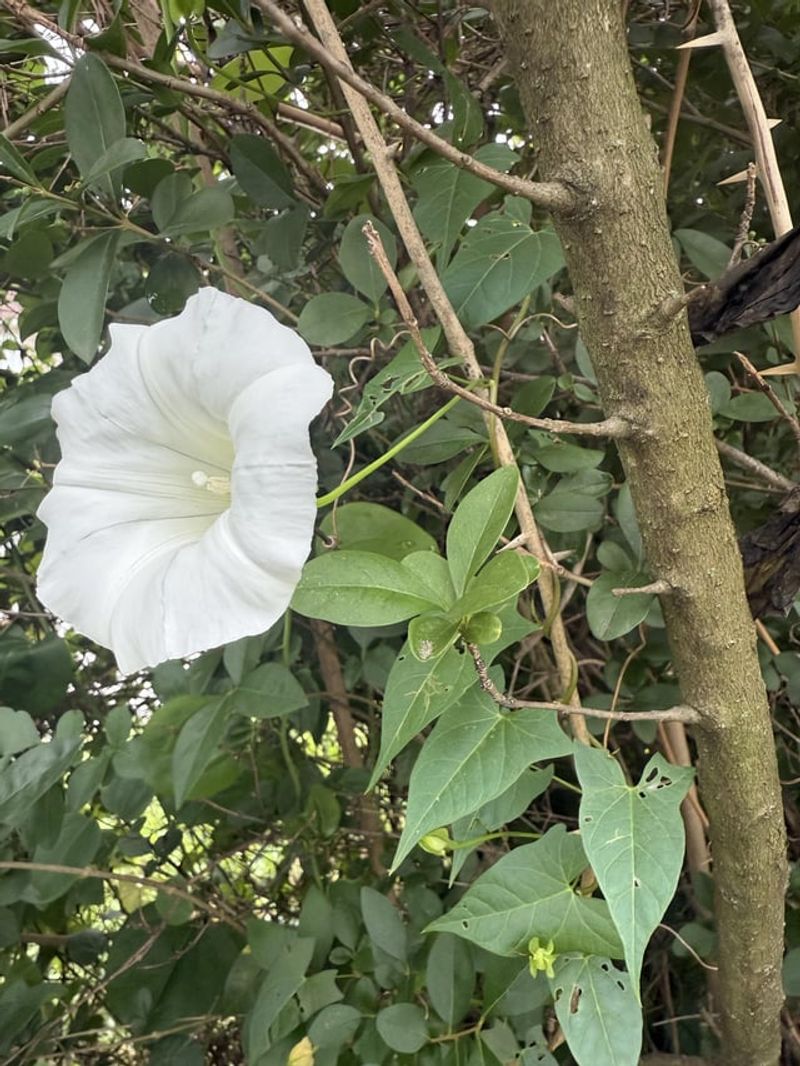
Snipping or pulling just the leafy tops of bindweed gives you a tidy-looking garden for about a week. Then the plant pushes right back up, often thicker and more vigorous than before.
Removing the top growth without addressing the roots is one of the most common and frustrating mistakes gardeners make.
The root system is where bindweed stores all its energy. When you remove the top, the root responds by sending up new shoots as quickly as possible.
It is a survival response. The plant is not going anywhere as long as the root is still alive and well underground.
Repeated removal of top growth does weaken the plant over time, but only if you are consistent about it. Every time a new shoot appears, removing it forces the root to use more of its stored energy.
Over many months, this can gradually exhaust the root. But most Oregon gardeners give up long before that happens.
Mowing over bindweed in a lawn has a similar limited effect. It keeps the vine from climbing and spreading above ground, but the root system continues to grow and expand below the surface.
The weed is essentially invisible, but it is still very much active.
Combining top removal with careful root extraction gives you a much better outcome than either method alone.
Use scissors or pruners to cut the top, then gently trace the stem down into the soil and begin following the root without yanking or pulling hard against the surrounding soil.
6. Dig Slowly When Soil Is Moist
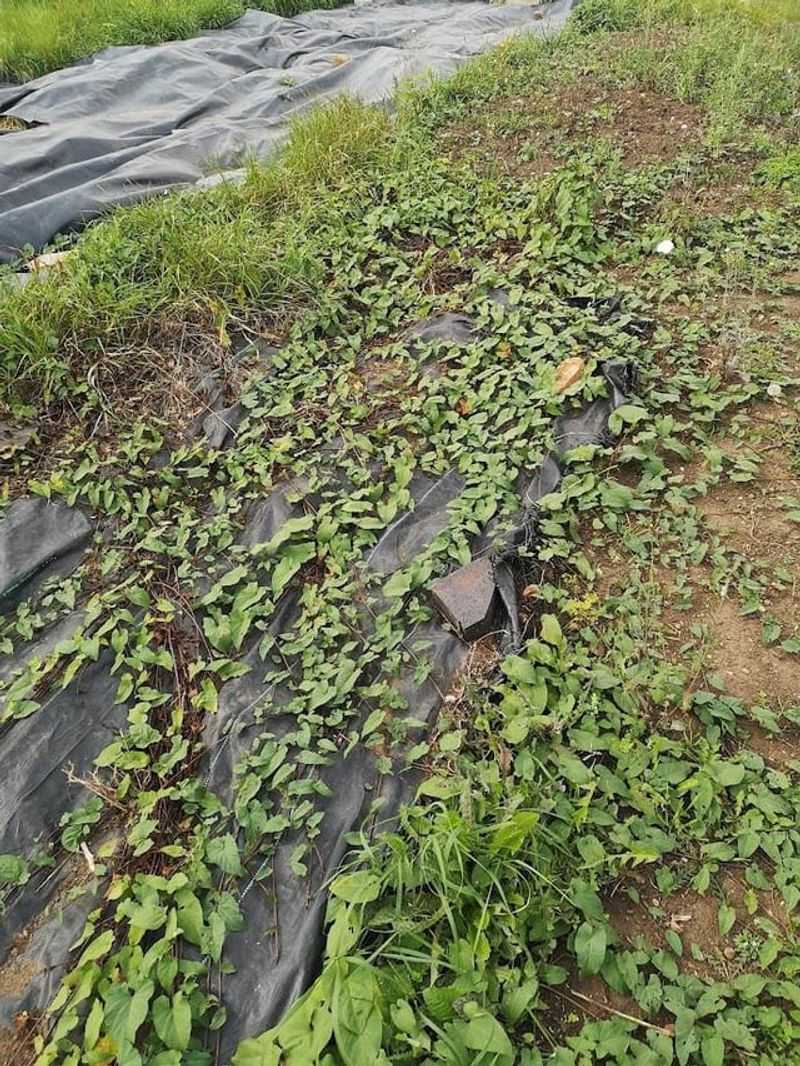
Slow and steady really does win this particular race. When you are working in moist soil, take a narrow hand trowel or a dandelion fork and begin loosening the soil alongside the root rather than pulling on the vine itself.
This approach keeps the root intact as you work your way deeper. Start by tracing the stem down to where it enters the soil.
Then use your tool to loosen the soil a few inches away from the root, working in small sections.
As you loosen the soil around it, the root will begin to come free on its own without needing to be forced or yanked.
Many experienced gardeners treat bindweed removal almost like an archaeological dig. They work carefully and methodically, following the root as it curves and branches through the soil.
It takes more time, but the payoff is removing a much longer section of root in one intact piece.
Try to get at least six to twelve inches of root out in one piece when possible. The deeper you go, the better your results will be.
A root removed from deep in the soil takes much longer to regenerate than one snapped just below the surface.
Setting aside a dedicated thirty minutes for careful removal once a week is far more effective than spending two hours aggressively pulling and snapping roots.
Consistency and care together are what actually move the needle when you are managing a serious bindweed problem in your garden beds.
7. Follow The White Roots Carefully
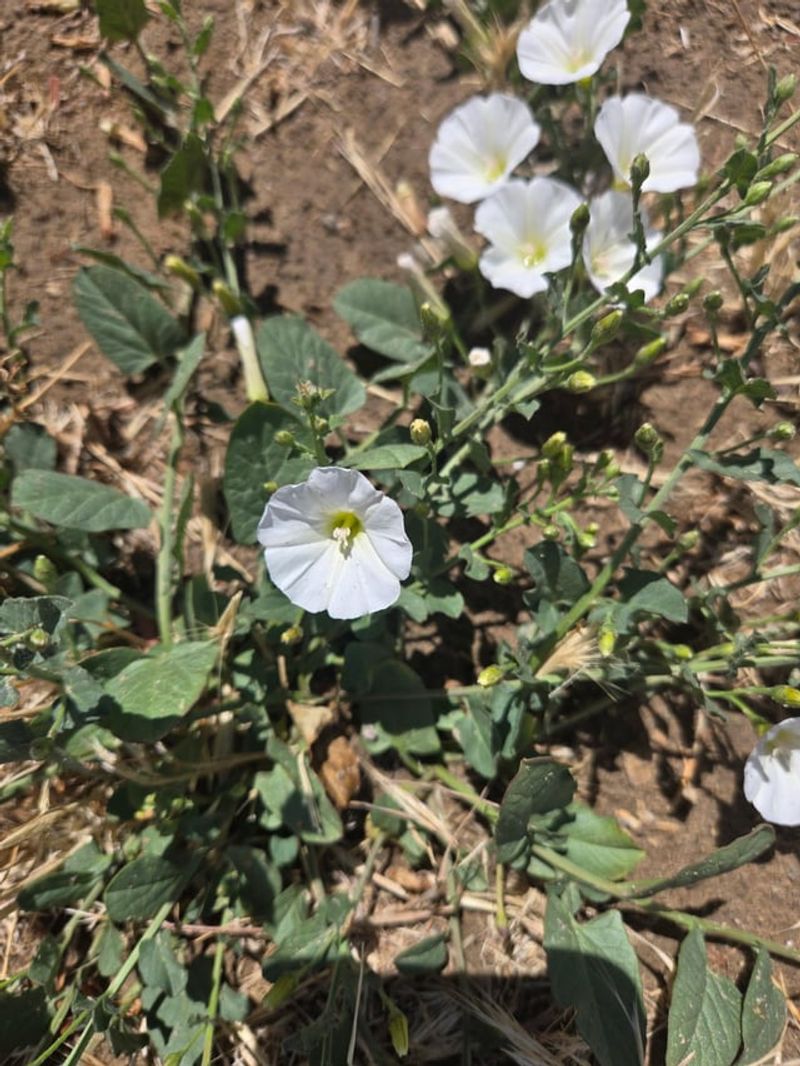
Bindweed roots are bright white and surprisingly easy to spot once you get down to the soil level.
That white color is actually helpful because it lets you trace the root as it winds through the dirt. Following it carefully is the key to removing a long, intact section.
Once you have loosened the soil around the top portion of the root, use your fingers to gently trace it downward. Feel for where it curves or branches.
When you find a branch point, loosen the soil around it before pulling. Forcing a branched section without loosening first almost always causes a snap.
Roots can travel horizontally as well as downward. Do not assume the root goes straight down.
Oregon’s clay-heavy soils, roots often spread sideways before diving deeper. Be ready to shift your digging angle as you follow the root through the soil.
Wearing thin gardening gloves helps you feel the root without losing your grip or accidentally tearing it.
Some gardeners prefer bare hands for maximum sensitivity, especially when working in soft, moist soil where the texture makes it easier to feel root changes.
When you finally pull the root free, lay it out and look at how long it is. A successfully removed section can be surprisingly long, sometimes two feet or more.
That is two feet of root that cannot resprout. Each successful extraction like that is a real win that adds up over a full growing season of consistent, careful removal efforts in your garden.
8. Never Toss Root Pieces In Compost
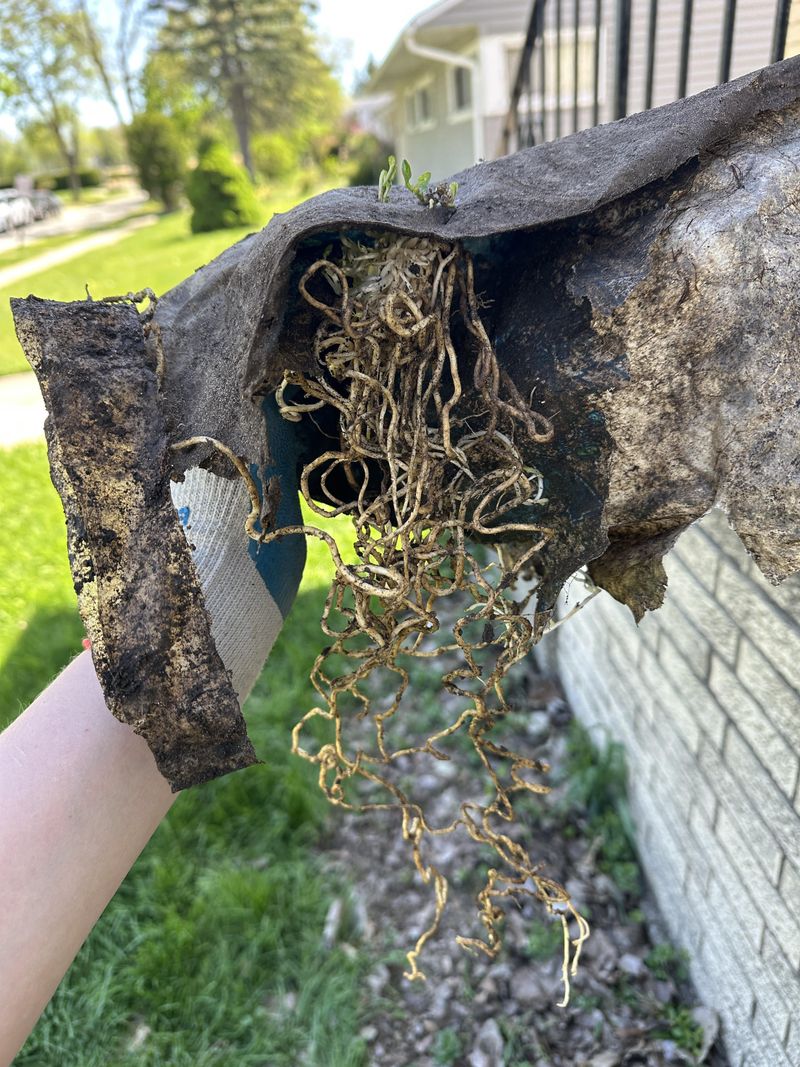
After a session of bindweed removal, it is very tempting to toss everything into the compost pile. Do not do it.
Bindweed roots do not break down the way most plant material does in a typical backyard compost setup. They can survive in the pile and stay viable for a long time.
Oregon home compost piles do not get hot enough to fully break down bindweed roots. Commercial composting facilities reach temperatures that can handle it, but a backyard pile rarely does.
If your compost does not heat up to at least 140 degrees Fahrenheit consistently, bindweed roots will likely survive the process.
When you spread that compost on your garden beds later in the season, you will be spreading bindweed roots throughout your garden at the same time.
This is one of the most frustrating ways gardeners accidentally reintroduce bindweed to areas they had already cleared.
The safest option is to bag the roots in a sealed plastic bag and put them in the trash. Some Oregon gardeners dry the roots out completely in the sun on a tarp for several days before disposing of them.
Completely dried roots are far less likely to survive if they somehow end up back in the soil.
Treating removed bindweed roots as carefully as you would any other garden pest makes a real difference over time.
A little extra care at this final step protects all the hard work you put into slow, careful removal and keeps your garden from getting reinfested through your own compost.