Your Wisconsin Amaryllis Bulb Reblooms Every Year If You Rest It Right After the Holidays
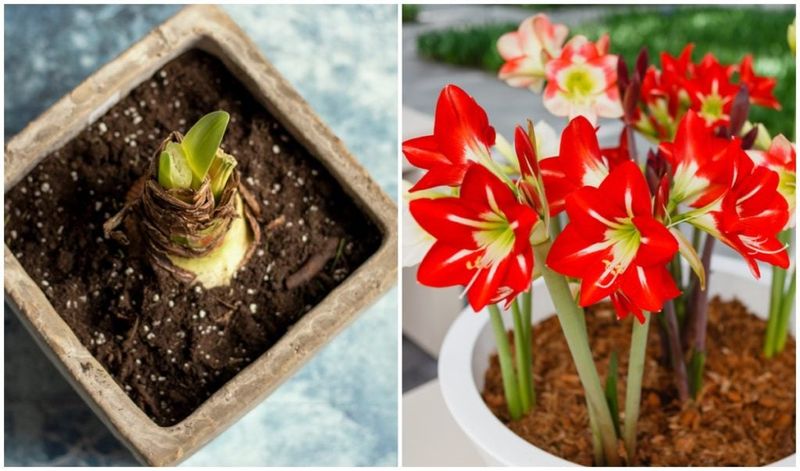
That big, bold amaryllis that lit up your Wisconsin living room over the holidays does not have to be a one-season wonder. Many Wisconsin gardeners toss the bulb after the flowers drop, not realizing the plant can come back and bloom again in future winters.
The trick is knowing what the bulb actually needs right now, after flowering, and that is not rest. Getting the next chapter right starts the moment the last petal falls.
Why Wisconsin Amaryllis Should Not Rest After the Holidays
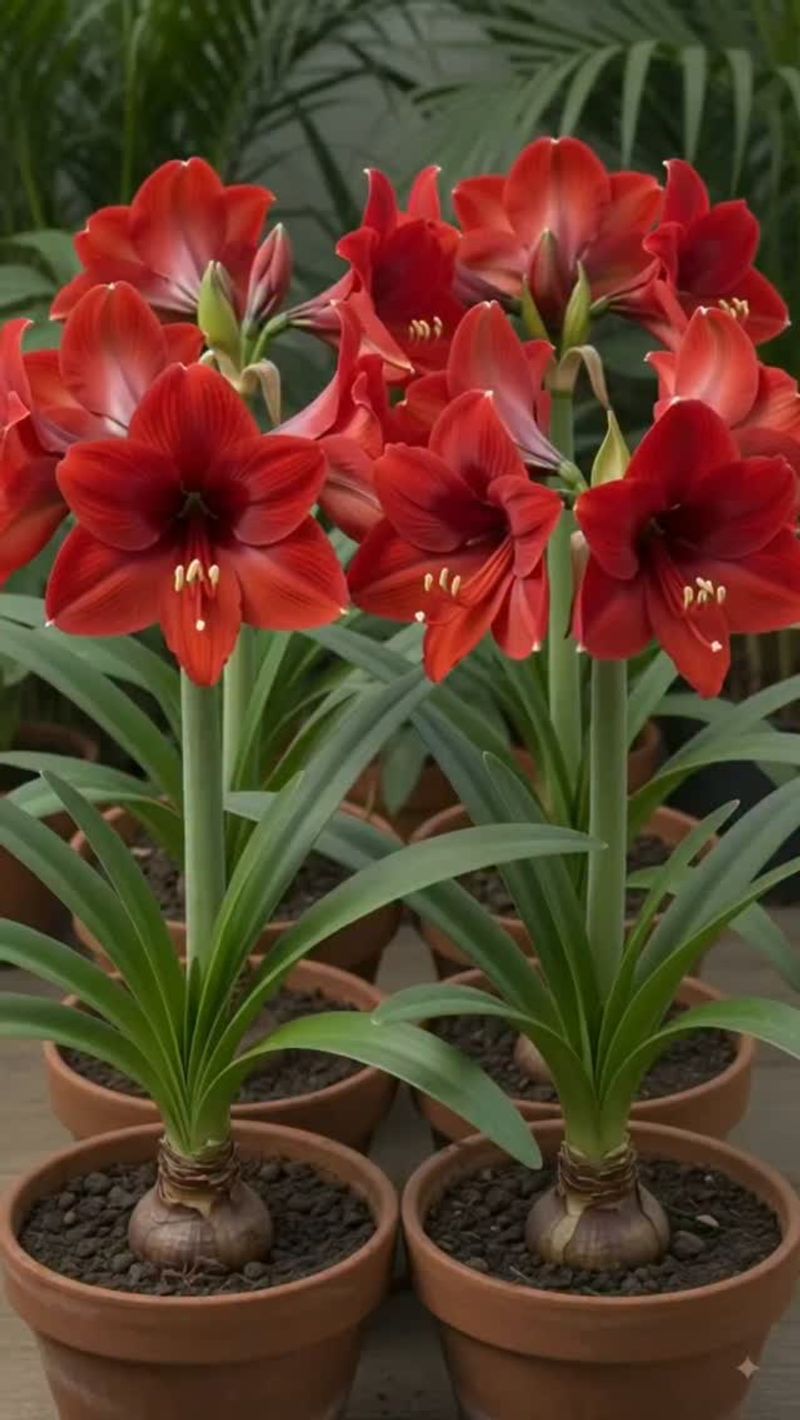
A popular piece of holiday plant advice makes the rounds every January in Wisconsin: once the flowers drop, put the bulb away and let it rest. That instruction sounds tidy, but it skips the most important step in the plant’s year.
Resting the bulb immediately after flowering cuts short the leaf-growth period the bulb depends on to rebuild the stored energy it will need to flower again.
Wisconsin gardeners should think of the post-holiday weeks as the beginning of a four-part seasonal sequence, not the end of the plant’s useful life. The correct order is: flowering, then active leaf growth with bright light and regular feeding, then a late-summer rest, and finally renewed growth that can lead to winter flowers.
Skipping straight from flowering to dormancy is like asking an athlete to compete again without any recovery or training in between.
A rest period does have a place in this cycle, but its job is to help control or synchronize bloom timing, not to guarantee annual flowers. Wisconsin gardeners who provide good post-bloom care and a well-timed late-summer rest improve their bulb’s chances of reblooming, but no routine makes flowering a certainty every single winter.
Correcting the immediate-rest habit is the first and most important adjustment a Wisconsin gardener can make.
The Plant Wisconsin Calls Amaryllis
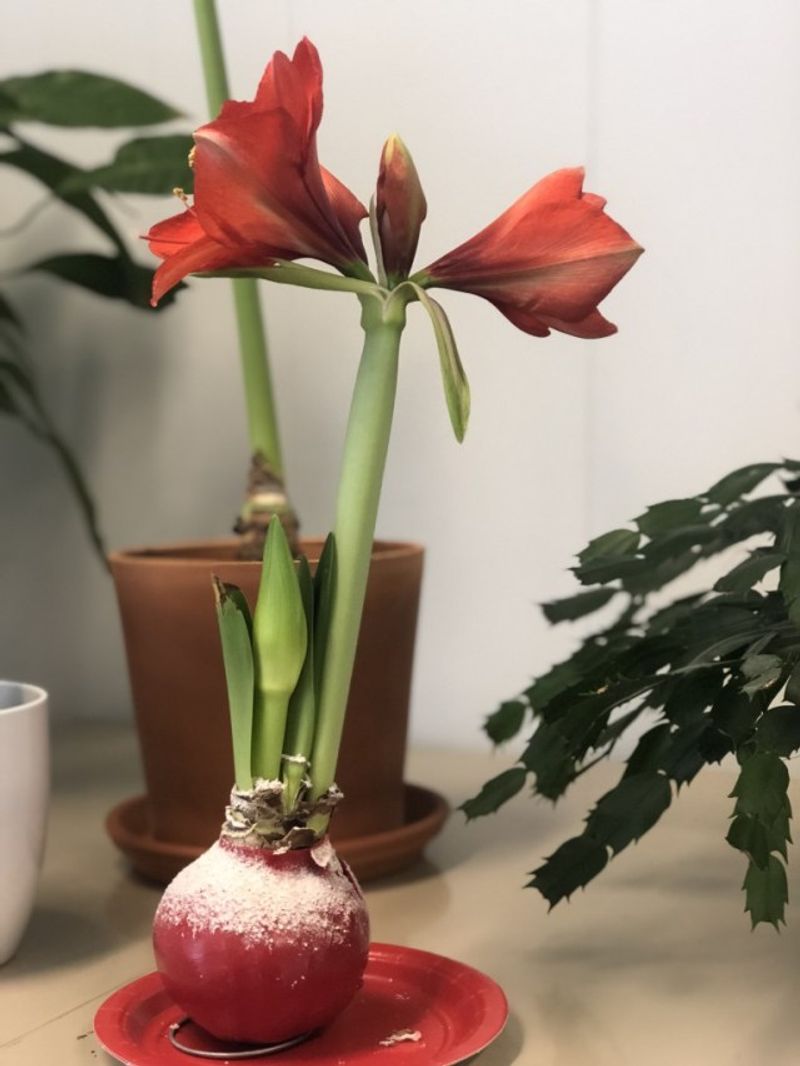
Most Wisconsin gardeners know this plant simply as amaryllis, but the bulb sold at holiday time is almost always a Hippeastrum hybrid, not a true Amaryllis species. True Amaryllis plants are native to South Africa, while the showy holiday bulbs are South American Hippeastrum hybrids bred for large, dramatic flowers.
UW-Madison Extension identifies the holiday plant as Hippeastrum, though the common name amaryllis sticks in everyday Wisconsin conversation and on most retail labels.
The distinction matters less for what you call the plant than for understanding how it behaves. Hippeastrum hybrids are capable of reblooming for years when they receive proper care, but no university source reviewed for this article guarantees annual flowers or promises a ten-year lifespan.
Holiday flowering is also not guaranteed. A Wisconsin bulb may bloom after Christmas, push out leaves before a flower stalk appears, or skip blooming entirely if it did not store enough energy during the previous growing season.
University of Minnesota Extension explains that some Hippeastrum bulbs can rebloom while kept actively growing without a formal rest period, which means a dormancy period helps control timing but is not the only path to another flower. Wisconsin gardeners who understand the plant’s real identity and realistic potential are better positioned to care for it honestly and enjoy whatever blooms do arrive.
Your Wisconsin Garden Changes Every Week. Your Plan Should Too.
Gardening in Wisconsin changes quickly throughout the season. Every Friday you’ll receive a simple weekly plan showing exactly what to plant, prune, fertilize, harvest, and protect so you never miss the right timing.
What Wisconsin Leaves Do After Flowering
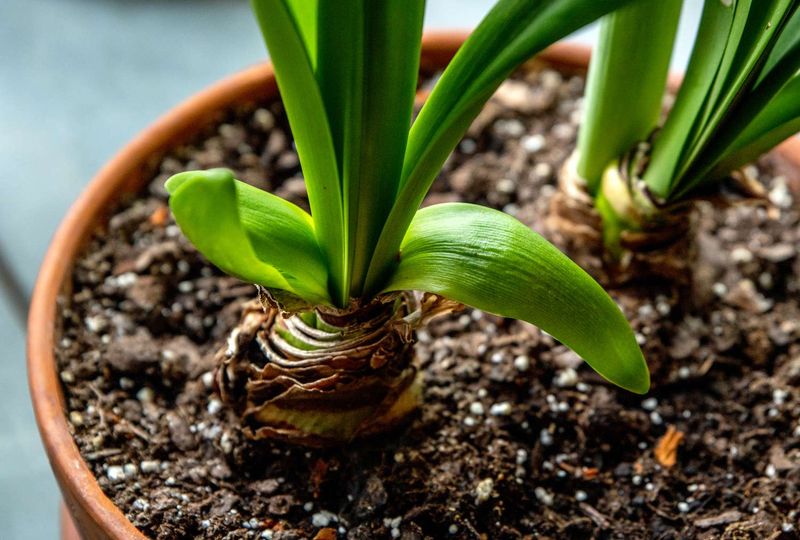
Once the last amaryllis flower fades, Wisconsin gardeners have a short window to make two important decisions. Remove the spent flower heads by snipping them off at the base of each bloom, and if the base of the flower stalk begins to swell into a seed pod, remove that swollen section too.
Letting the plant set seed pulls energy away from the bulb and can reduce the chances of a future bloom.
The green flower stalk, however, should stay. Leave it in place until it yellows or dries on its own, because it continues to produce energy along with the leaves.
Cutting a green stalk early is the same mistake as cutting the leaves, and Wisconsin gardeners sometimes make both errors in the same cleanup session, not realizing that every bit of green tissue is working to refill the bulb.
The strap-like leaves that grow from the bulb are the plant’s solar panels. UW-Madison Extension explains that these leaves manufacture and move energy into the bulb, building the reserves that power a future flower stalk.
Wisconsin winters are long and dark enough to weaken a houseplant without help, so the immediate job after flowering is to move the pot to the brightest window available and keep watering normally. The plant is not done for the year; it has just shifted from performing to preparing, and that preparation depends entirely on keeping those green leaves healthy and working through the months ahead.
How Wisconsin Light, Water, and Fertilizer Rebuild the Bulb
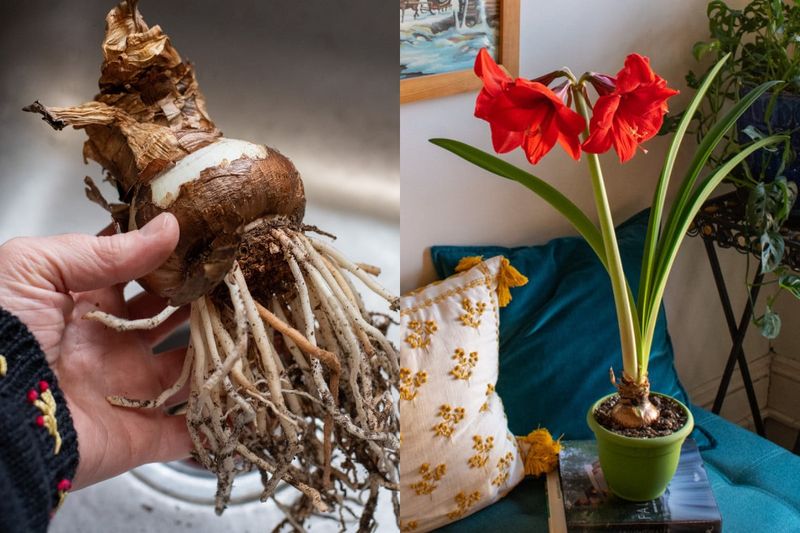
After the flowers are gone and the green leaves are doing their work, Wisconsin gardeners need to give the plant the conditions it needs to actually rebuild. Start with light.
Indoors, the brightest window available is the right spot, typically a south- or west-facing window in a Wisconsin home. Once the last frost has passed, usually sometime in mid-May for much of Wisconsin, the pot can move outside for the summer.
Do not move the plant from a dim interior directly into full afternoon sun. Acclimate it gradually by starting in a shaded or filtered-light spot for a week or two, then shifting it toward a location that receives at least six hours of direct sun each day.
Water the plant consistently during active growth, letting the top inch or so of soil dry out slightly between waterings, and never let the pot sit in standing water. Good drainage is essential.
UW-Madison Extension recommends fertilizing about once a month with a complete houseplant fertilizer, following the label rate exactly. More fertilizer is not better.
Excess fertilizer causes salt buildup in the soil, which can injure roots and set back the very growth you are trying to encourage.
Amaryllis generally does well slightly pot-bound, so resist the urge to repot unless the bulb is clearly too large for its container.
When Wisconsin’s Late-Summer Rest Begins
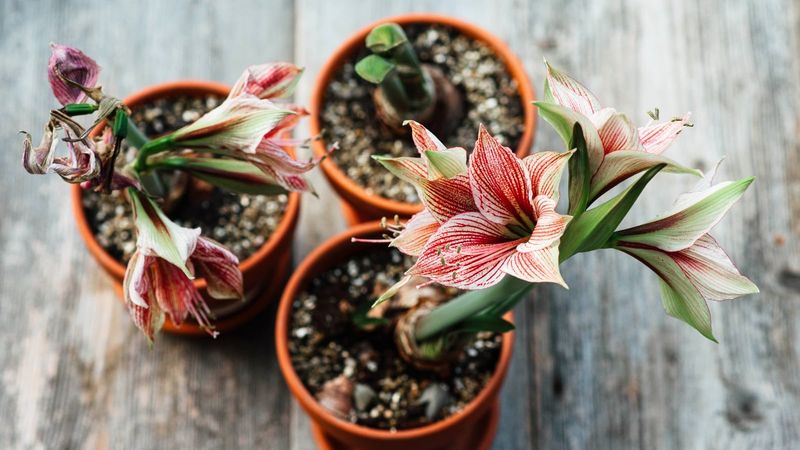
Late summer is when the Wisconsin amaryllis routine shifts from feeding and growing to slowing down. Around early September, or whenever you notice the plant’s growth beginning to taper, stop watering.
Do not cut off the leaves at this point. Let the foliage yellow and dry back on its own schedule, which may take several weeks.
Pulling off green leaves to speed things up removes energy the bulb is still drawing from the tissue as it dies back naturally.
Once the leaves have dried and the soil is completely dry, move the pot to a cool, dark, frost-free location. UW-Madison Extension recommends a storage temperature of roughly 45 to 55 degrees Fahrenheit for Wisconsin dormancy.
University of Minnesota Extension gives a slightly wider range of approximately 50 to 60 degrees, but both sources agree on the core requirement: cool, dark, and above freezing. Minnesota Extension’s amaryllis page reinforces that the bulb must not freeze.
A Wisconsin garage or unheated shed might seem like a convenient storage spot, but temperatures in those spaces can drop below freezing on cold nights without warning. Unless you have a thermometer in place and can confirm that the space stays safely above 40 degrees throughout the rest period, choose an interior location such as a basement corner, a cool closet, or an insulated mudroom instead.
The rest period should last roughly eight to twelve weeks. Wisconsin Extension’s forcing-bulbs resource clarifies that this is not the same as the prolonged cold treatment that tulips, crocuses, and many other spring bulbs require.
Amaryllis does not need weeks of near-freezing temperatures to trigger flowering. It simply needs a cool, dark break before being woken back up for winter growth.
How Wisconsin Rest Leads Back to Winter Growth
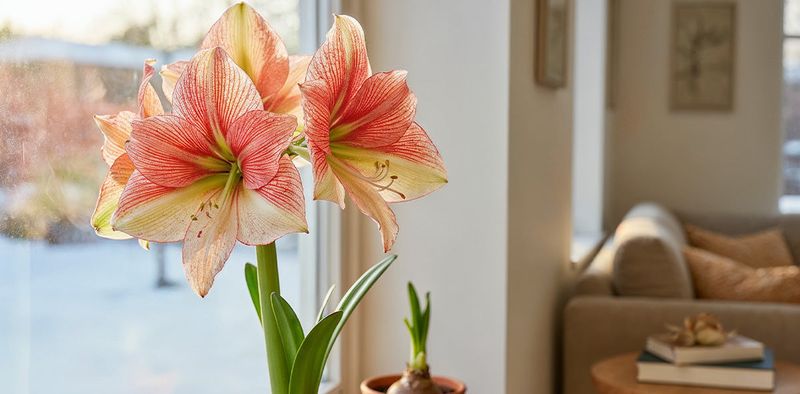
After eight to twelve weeks of cool, dark rest, the Wisconsin amaryllis is ready to wake up. Around November or December, bring the pot back into a bright, warm location and water it thoroughly.
That first good drink after weeks of dryness is often enough to trigger visible growth within a week or two. Resume normal care from that point forward, meaning bright light, regular watering, and monthly fertilizer once active growth is underway.
Flowers commonly appear four to six weeks after growth resumes, according to Wisconsin Extension’s forcing-bulbs guidance, though that window is an average, not a promise. Individual bulbs vary, and growing conditions inside a Wisconsin home in winter, particularly light levels and room temperature, affect how quickly the plant moves from dormancy to bloom.
A bulb in a warm, bright south-facing room may move faster than one sitting in a cooler, dimmer space.
Do not be discouraged if leaves appear before a flower stalk. That sequence is common and does not mean the bulb has failed.
Flowering may not happen at all if the bulb did not accumulate enough stored energy during the previous summer. Illinois Extension’s reblooming guide explains that a bulb skipping a bloom cycle is often a sign that the post-bloom leaf-growth period was too short or too dim.
Wisconsin gardeners who see only leaves this winter have a clear target for improvement next summer: more light, more time outdoors, and consistent feeding.
Wisconsin Problems That Can End Reblooming
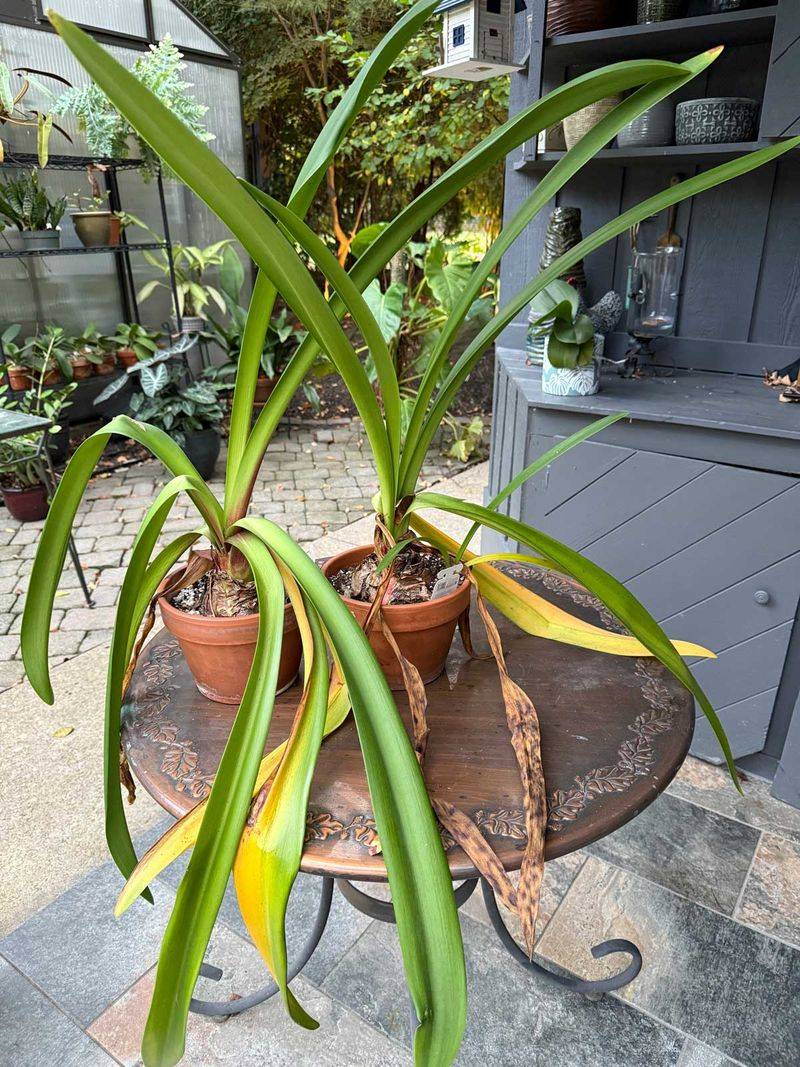
Several common mistakes can stop a Wisconsin amaryllis from ever blooming again, and most of them happen in the weeks right after the holidays. Cutting off green leaves too early is probably the most frequent one.
Every healthy leaf removed before it yellows naturally is stored energy the bulb never gets to bank. Paired with low winter light inside a Wisconsin home, premature leaf removal can leave a bulb too depleted to form a flower stalk the following season.
Inadequate light through spring and summer is the second major problem. A plant sitting in a dim corner indoors or never moved outside during Wisconsin’s growing season simply cannot photosynthesize enough to fill the bulb.
Poor drainage compounds the issue by rotting roots, which cuts off the bulb’s ability to absorb water and nutrients even when both are available. University of Maryland Extension emphasizes that good drainage and appropriate watering are non-negotiable for healthy bulb development.
Overfertilizing is a less obvious but real risk. Feeding with more than the label rate of a complete houseplant fertilizer can cause salt buildup in the soil, which burns roots and limits the plant’s ability to absorb water.
Specialty products like bulb booster or bone meal are not supported by the strongest Wisconsin guidance reviewed here. Stick to a balanced complete fertilizer at the recommended rate and resist the urge to add more.
Storage in a Wisconsin garage or unheated shed without a thermometer is a gamble that sometimes ends with a frozen, ruined bulb. A basement or cool interior room is a safer choice.
Keep bulbs, leaves, and flowers out of reach of animals at every stage of the plant’s cycle.
The Wisconsin Seasonal Formula for More Winter Flowers
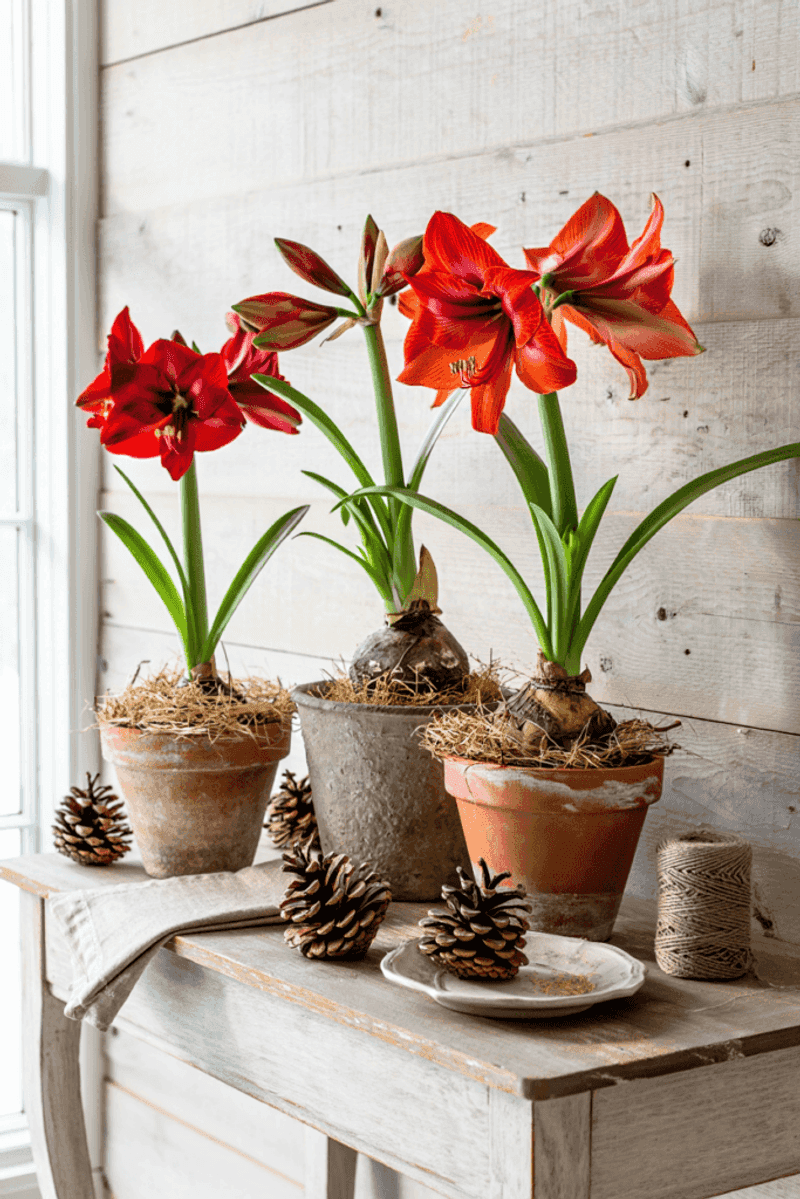
The seasonal formula for a Wisconsin amaryllis that has a real shot at reblooming comes down to four steps in the right order. After flowering, preserve the green leaves and flower stalk until they die back on their own.
Through Wisconsin’s spring and summer, give the plant bright light, consistent water, and monthly complete fertilizer so the bulb can rebuild its energy reserves. UW-Madison Extension’s amaryllis care guide outlines this active-growth phase as the foundation of any future bloom.
Around early September, stop watering, let the foliage dry down naturally, and move the pot to a cool, dark, frost-free Wisconsin interior for roughly eight to twelve weeks. Wisconsin Extension’s forcing-bulbs resource treats this rest as a timing tool rather than a hard requirement, which is an important distinction.
Then, around November or December, bring the bulb back into bright light, water it well, and resume normal care.
Following this sequence gives the bulb its best chance at producing winter flowers and helps Wisconsin gardeners aim for holiday timing without guaranteeing it. Illinois Extension notes that consistent care across multiple seasons is what keeps a bulb healthy and productive over time.
No routine promises blooms every year or a bulb that lasts a decade, but a well-tended Wisconsin amaryllis that gets what it needs through all four seasons has a genuinely good chance of lighting up the house again when the snow returns.