The First Thing To Check When Brown Patches Appear In Your Florida Lawn This September
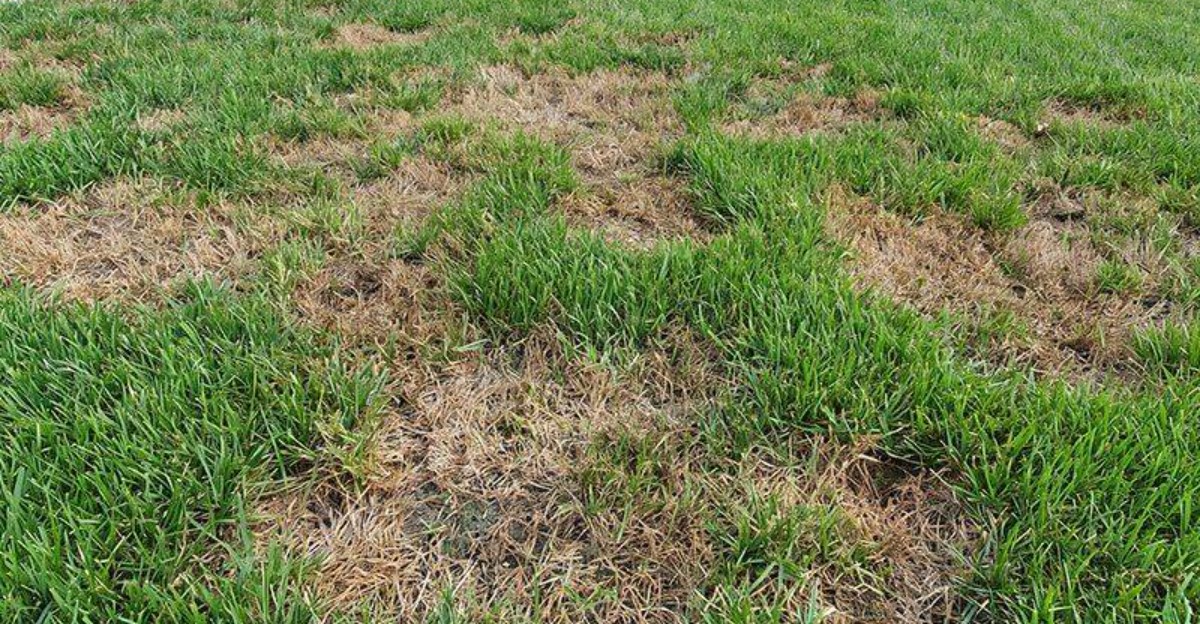
Brown patches showing up in your Florida lawn this September send most homeowners straight for the sprinkler, and that instinct might be exactly backwards.
Water gets blamed first every time, but a handful of other culprits cause the same look, and treating the wrong one wastes time while the real issue spreads underneath.
One specific check separates a simple fix from a problem that keeps coming back no matter how much you water.
Skip that step and you could pour water onto a patch that has nothing to do with dryness at all, making things worse instead of better.
Look closer before you reach for the hose this week. The first thing you check could save you weeks of guessing at a problem that has a much simpler answer than you’d expect.
1. Check The Soil Before Blaming The Grass
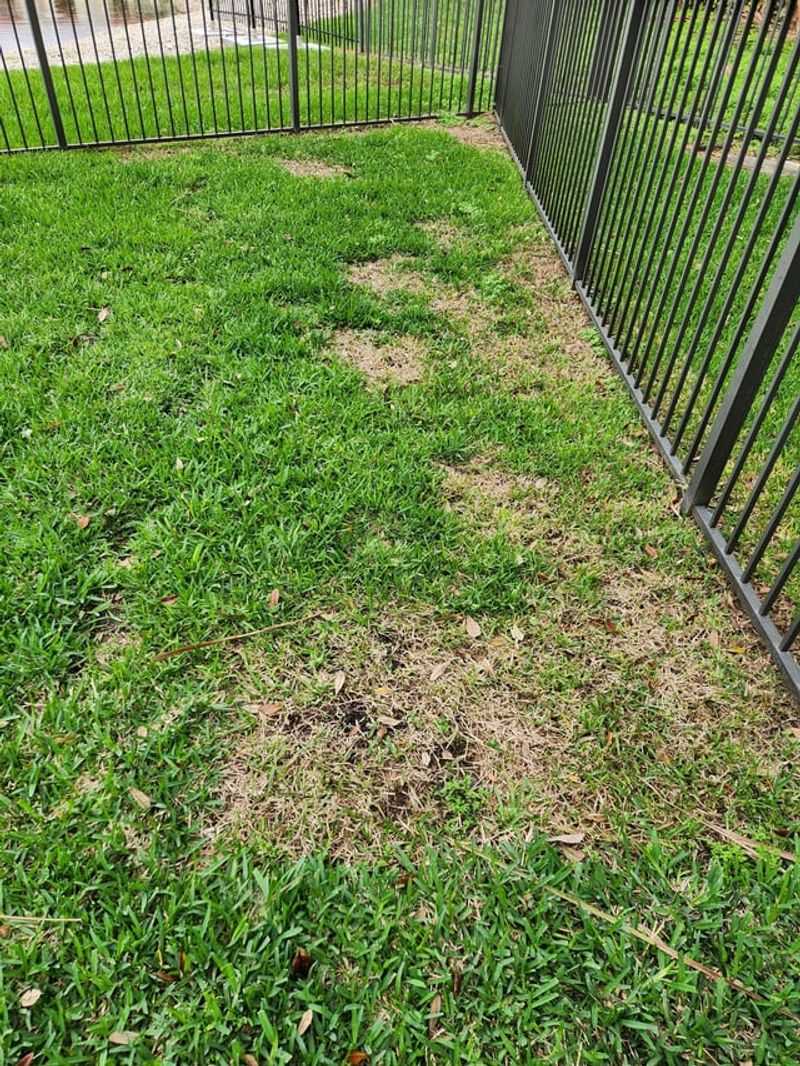
Grass gets blamed for a lot of problems it did not start. Quite often the trouble sits a few inches below the blades, in soil that has been packed tight by mowers, foot traffic, and heavy summer rain.
Compacted soil squeezes out the tiny air pockets roots depend on. Water puddles on top instead of soaking in, and nutrients stay stuck where roots cannot reach them.
Try a simple test. Push a screwdriver into the green grass, then into the brown area, and compare how hard you have to press.
If the brown spot fights back, compaction is likely part of the story.
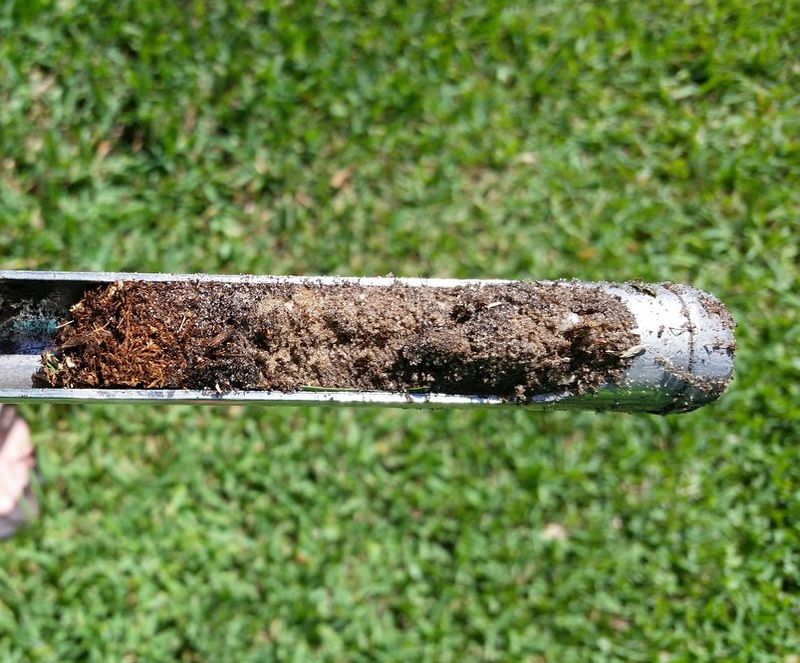
Grab a small hand trowel and lift a wedge of turf about three inches deep. Look at the color, feel the moisture, and notice whether the dirt crumbles or holds together like clay.
Core aeration is the usual fix. Pulling small plugs can improve air and water movement through compacted soil and create better conditions for root growth.
Poorly draining soil also sets the stage for fungal trouble, so fixing structure helps prevent repeat problems.
Homeowners who check soil first usually spend far less on treatments later, because they stop guessing and start working with real information from their own yard.
2. Look For Chinch Bugs Along The Brown Patch
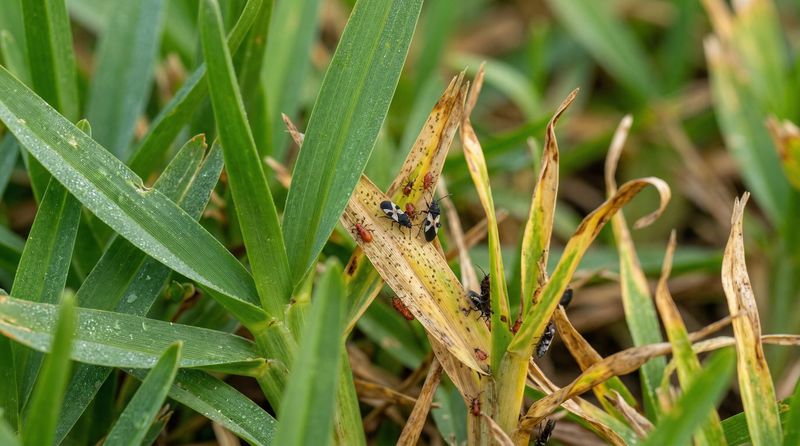
Southern chinch bugs are the number one suspect in St. Augustinegrass across Florida, and September is prime time for them. These insects are barely a quarter inch long, with dark bodies and white wings folded across their backs.
They feed by sucking fluids straight out of grass stems. The result looks exactly like drought stress, which is why so many people water more and watch the patch grow anyway.
Damage tends to start in the hottest, driest, sunniest spots. Think along driveways, sidewalks, south-facing slopes, and that strip by the mailbox that bakes all afternoon.
Here is the classic detective trick. Cut the bottom out of an empty coffee can, push it two inches into the ground at the edge of the patch, and fill it with water.
Keep it topped off for several minutes and watch for chinch bugs surfacing near the edge of the affected area. Finding them alongside the characteristic damage strengthens the case that they are involved.
Your Florida Garden Changes Every Week. Your Plan Should Too.
Gardening in Florida changes quickly throughout the season. Every Friday you’ll receive a simple weekly plan showing exactly what to plant, prune, fertilize, harvest, and protect so you never miss the right timing.
Check the green border, not the tan center, because the insects move outward as they feed. Treating only the brown area misses the active crowd entirely.
Once confirmed, target treatments work far better than broad spraying, and a healthy mowing height helps discourage them from settling back in.
3. Dig Into Roots When Patches Keep Expanding
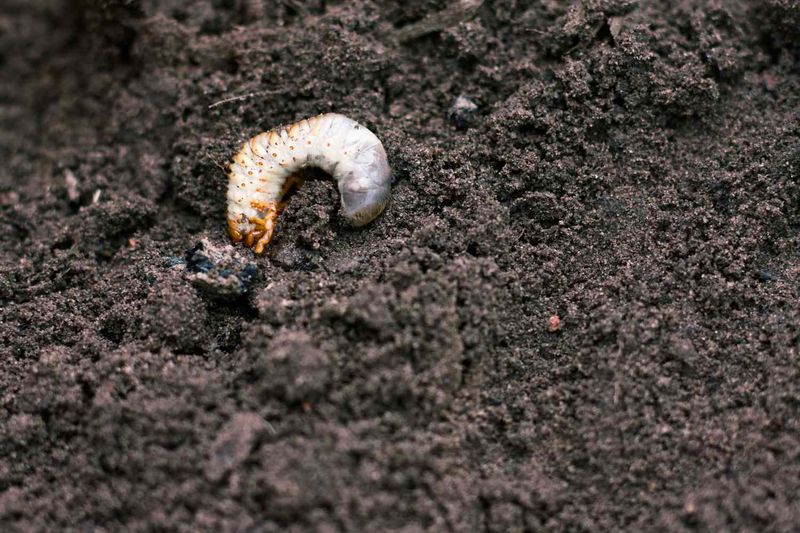
Some patches refuse to stop spreading no matter what you spray on top. That stubborn behavior almost always points underground, where roots tell the real story.
Tug gently on the brown grass. If it lifts away like a loose rug with almost nothing holding it down, something has been feeding on or rotting the root system.
White grubs, the larvae of several beetles, chew roots and leave turf wilted even in moist soil. Mole crickets tunnel just under the surface, slicing roots and pushing up small ridges of dirt, and their damage peaks from late August into early October.
Take-All Root Rot is another Florida troublemaker. Roots turn short, dark, and brittle, yellow areas widen slowly, and the turf separates from the soil with almost no effort.
Then there is Lethal Viral Necrosis, which mainly hits Floratam St. Augustinegrass. Leaves show a mottled yellow mosaic pattern, and both blades and roots decline over time.
Peel back a one-foot square of turf at the patch edge and count what you find. Several grubs per square foot, or tunnels and crumbly roots, changes your whole treatment plan.
Knowing which of these is at work saves you from spraying the wrong product on the wrong problem entirely.
4. Watch For Gray Leaf Spot After Rainy Weeks
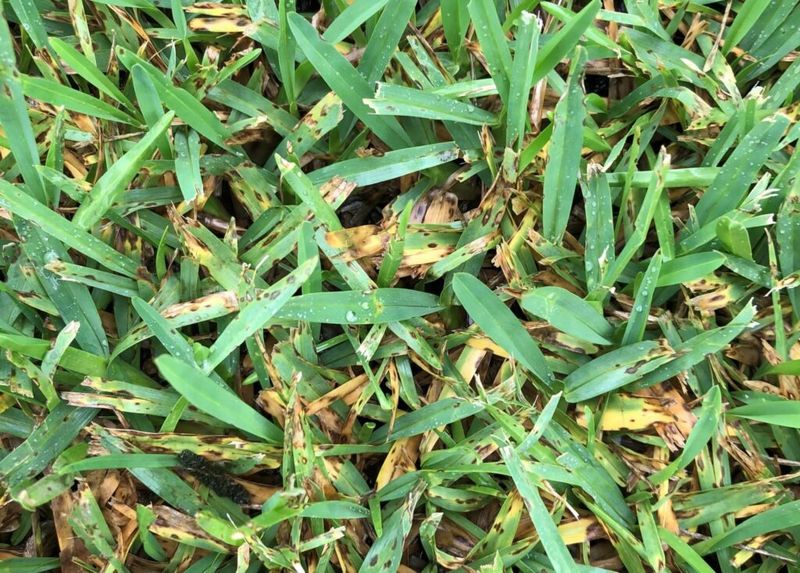
Rainy stretches leave behind more than puddles. After a week of afternoon storms and sticky nights, gray leaf spot often shows up on St. Augustinegrass throughout Florida.
The fungus behind it, Pyricularia grisea, needs leaf surfaces to stay wet for roughly twelve to sixteen hours. Florida humidity plus overnight irrigation hands it exactly that window.
Look at individual blades rather than the whole patch. You are hunting for oblong tan spots, some with a fuzzy gray center and many ringed by a dark brown or purple border.
Hold a blade up to the light and the shape becomes obvious. Healthy turf has clean green blades, while infected turf looks speckled and scorched from a distance.
Thinning spreads fast in shady corners, along fences, and anywhere air barely moves. Poor circulation keeps moisture sitting right where the fungus wants it.
Practical fixes start with timing. Water in the early morning so blades dry before sunset, trim back crowding shrubs, and hold off on extra nitrogen that pushes soft, easily infected growth.
Fun detail worth knowing: the same fungus family causes rice blast, one of the most studied plant diseases on earth. Severe cases may need a labeled fungicide, but better airflow and smarter watering prevent most repeat outbreaks.
5. Check Irrigation Before Adding More Water
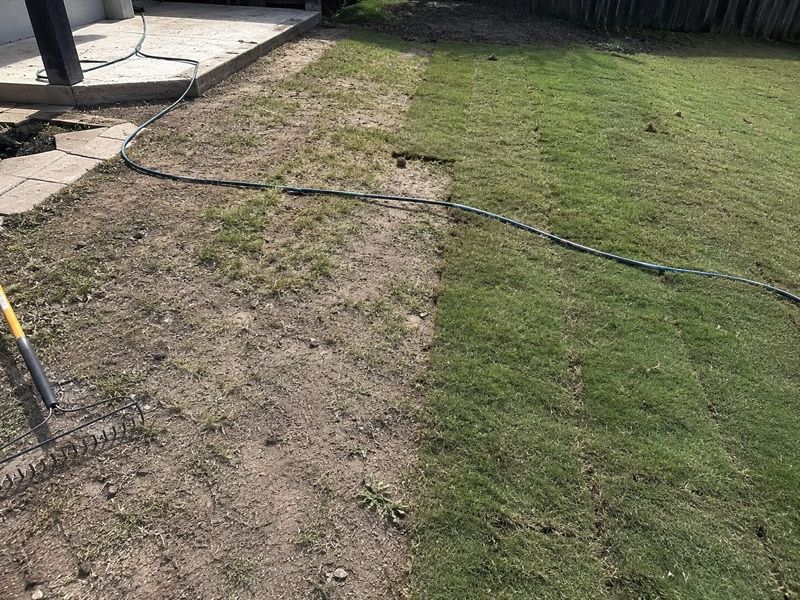
Reaching for the hose feels like the helpful thing to do. Sometimes it is, and sometimes it is what turned a small problem into a spreading one.
Too little water and too much water can both produce brown patches, which makes guessing risky. September rainfall in Florida bounces around wildly, so a fixed sprinkler schedule rarely matches what the grass actually needs.
Grass gives clear thirst signals. Blades fold or curl inward, the lawn takes on a blue-gray cast, and footprints stay visible after you walk across it.
Run a quick catch-can audit. Set several tuna cans around the yard, run one cycle, and measure how much water lands in each one.
Uneven amounts point to clogged nozzles, tilted heads, or a zone that shuts off early. Plenty of mystery patches turn out to be a sprinkler head buried under thick grass or aimed straight at the fence.
When watering is genuinely needed, go deep and go early. Morning irrigation lets blades dry before nightfall, which matters a lot during humid weeks.
Keeping turf constantly damp, especially overnight, rolls out the welcome mat for fungal issues. Deep and infrequent beats shallow and daily in almost every Florida yard.
6. Feel The Thatch Before Mowing Again
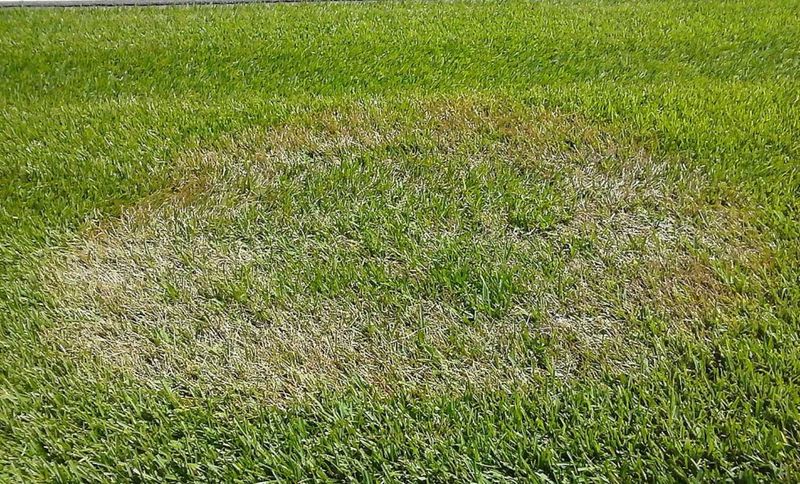
Walk across your yard and pay attention to how it feels underfoot. Spongy and bouncy usually means thatch, that tangled mat of stems, runners, and old clippings sitting between the blades and the soil.
A thin layer, up to about half an inch, actually helps. It cushions the turf and holds a little moisture near the surface.
As thatch becomes substantially thicker, it can begin interfering with water, air, and treatments reaching the soil and root zone.
Warm-season grasses like St. Augustine, Zoysia, and Bermuda build thatch quickly because they spread by runners. Measure yours by slicing a small wedge of turf and looking at the brown layer from the side.
Here is the September catch. Mechanical dethatching suits late spring through early summer, roughly May to June, when growth is fast enough for quick recovery.
Doing it in fall leaves thin, stressed turf heading into cooler, slower weeks. For St. Augustine especially, gentler methods work better.
Proper mowing height, steady irrigation, balanced feeding, and active soil life break organic matter down naturally. Core aeration helps too, speeding decomposition while opening up the root zone at the same time.
7. Spot Drainage Problems Hiding Beneath The Turf
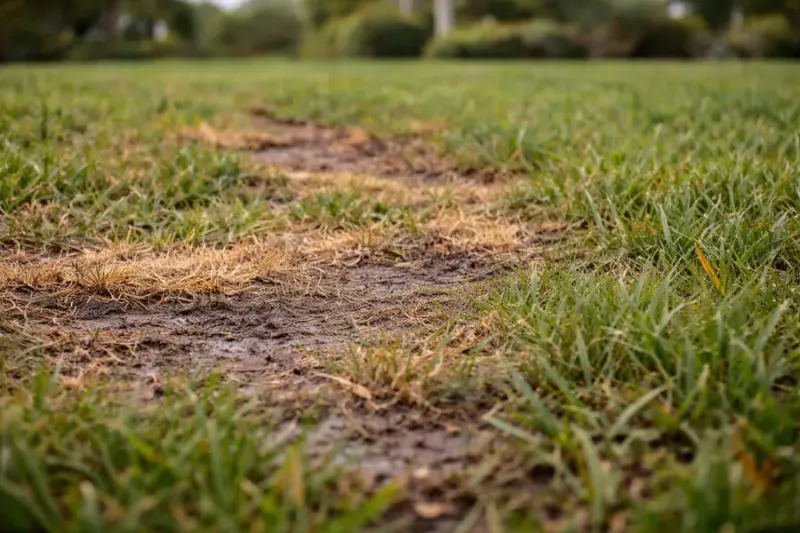
Ever notice that one corner of the yard stays soggy two days after the rain stops? That low spot is doing more damage than it looks.
Waterlogged soil pushes air out of the root zone and leaves roots sitting in a saturated mess. Turf weakens, thins, and browns even though there is plenty of moisture around.
Fungi love those conditions. Soil that drains slowly, combined with moisture lingering overnight, gives fungal growth almost everything it needs.
Map the problem after a good storm. Walk the lawn and mark where water stands, where the ground squishes, and where mud tracks onto the sidewalk.
Compare that map to your brown patches, because overlap is a strong clue. Downspouts dumping right onto turf and neighbors’ runoff sneaking under a fence are common culprits.
Solutions range from simple to serious. Extending downspouts, regrading a shallow dip with sandy topdressing, or adding a rock-lined swale can move water away before it settles.
Aeration helps water move downward instead of sideways. In tougher cases, a French drain or dry creek bed handles heavy flow while looking intentional in the landscape.
Fix the water path first and the turf usually recovers on its own, no treatments required.
8. Trace Brown Edges Back To The Real Cause
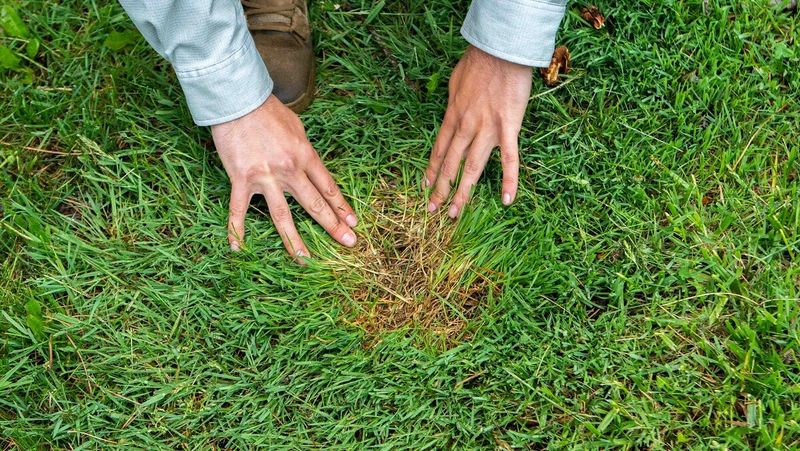
The shape of a brown patch is a fingerprint. Learn to read it and you narrow the suspect list in about thirty seconds.
Strips running along sidewalks, driveways, and hot walls often point to chinch bugs, since those reflected-heat zones are their favorite neighborhoods. Straight lines and sharp corners, though, suggest something people did.
Fertilizer burn shows up as blotchy brown areas where too much nitrogen landed, where a bag spilled, or where product was spread across wet blades. Overlapping spreader passes leave telltale stripes.
Pet spots look completely different. Circular tan centers ringed by a halo of extra-dark green growth come from concentrated nitrogen in urine, most noticeable from dogs that squat in one favorite place.
Herbicides leave their own signature. A non-selective product browns whatever it touched, usually in a spray-shaped pattern, while too much selective weed destroyer can brown broad areas at once.
Pattern matters here. Isolated dots around old weeds mean spot treatment, while a widely tan lawn means something got applied too heavily across the whole yard.
Take photos and note the outlines. Irregular, expanding edges can point toward insects or disease, while damage from spills, pets, or other human activity often follows a more recognizable pattern.
9. Fix The Problem Before Feeding The Lawn
Fertilizer is not medicine. Feeding a struggling lawn before you identify the cause usually adds stress instead of relief.
Correct identification comes first, every time. An insecticide does nothing for a fungal disease, and a fungicide does nothing for grubs, while the real issue quietly widens.
September also brings a legal wrinkle. Many counties enforce a fertilizer restriction from June 1 through September 30 that bans nitrogen and phosphorus products, protecting nearby waterways from nutrient runoff.
Check your county rules before you spread anything. In North Florida, early fall can be the last solid feeding window before growth slows, so timing and product choice both matter.
Go easy on nitrogen regardless. Heavy applications force soft, tender growth that pests and diseases find especially appealing.
Run a soil test before adding phosphorus, since plenty of North Florida soils already have enough. Test results cost little and remove the guesswork.
Severe fungal cases may call for a labeled fungicide to limit spread and repeat flare-ups. Lethal Viral Necrosis has no cure once established, so clean equipment and resistant replacement varieties become the practical answer.
Once the cause is handled, steady habits carry the recovery. Deep infrequent watering, a proper mowing height, and sharp blades rebuild turf that shrugs off next September.